
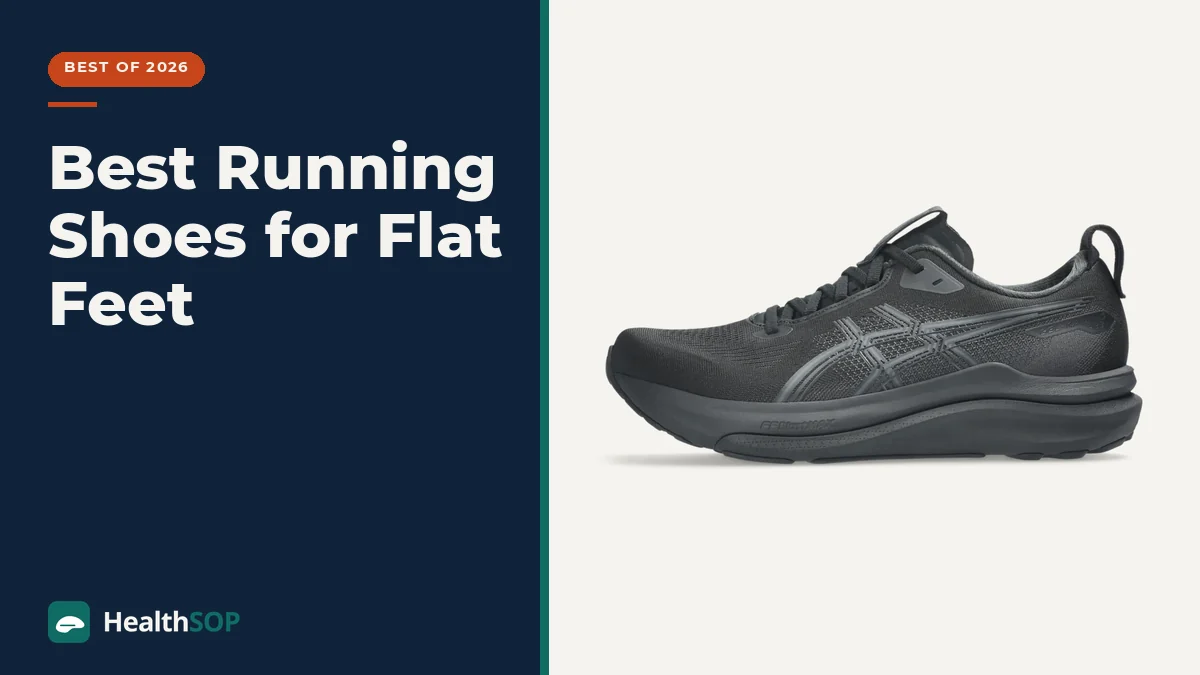
The ASICS Gel-Kayano 33 is the best running shoe for flat feet for most runners because it pairs a full-length support system with soft, high-stack cushioning instead of a hard wedge under the arch. If you want everyday support at a lower weight, choose the Brooks Adrenaline GTS 26. We picked these 8 shoes from the current lineups using brand specs, independent lab data from RunRepeat, and clinical guidance on flat feet and injury risk. We did not test them hands-on.
For a broader comparison beyond flat feet, see our guide to the best running shoes.
As an Amazon Associate I earn from qualifying purchases. Links marked with a button go to Amazon, and I may earn a commission if you buy. The price you pay stays the same.
Save this guide to Pinterest
Table of Contents
Quick picks: the best running shoes for flat feet
| Award | Model | Why it wins |
|---|---|---|
| Best overall for flat feet | ASICS Gel-Kayano 33 | Full-length support, soft FF Blast Max foam, 4 widths. The safest pick for most flat feet. |
| Best everyday support | Brooks Adrenaline GTS 26 | GuideRails support without a hard post. New soft tongue, same trusted platform. |
| Best lightweight | HOKA Arahi 9 | 10.0 oz with real stability. The lightest support shoe in this guide. |
| Best max support | HOKA Gaviota 6 | The firmest H-Frame in the lineup. Maximum hold for heavy overpronation. |
| Best versatile | Saucony Guide 19 | CenterPath guidance, 6 mm drop, works for daily miles and tempo days. |
| Best firm, stable | Mizuno Wave Inspire 22 | Wave Plate gives a firm, snappy ride. The best pick if soft foam feels unstable. |
| Best plush support | Brooks Glycerin GTS 23 | DNA Tuned cushion with GuideRails. The softest stability shoe here. |
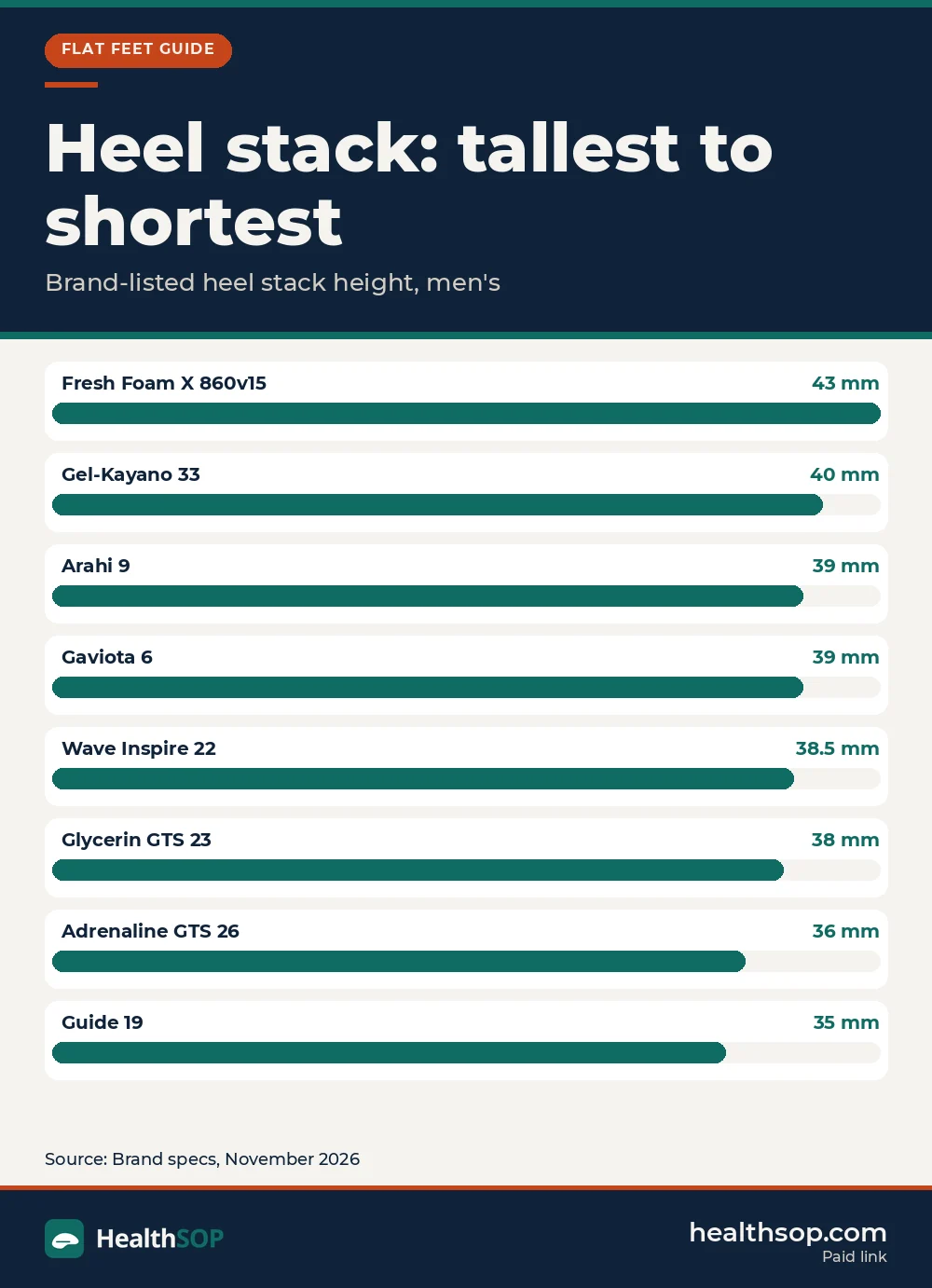
| Best value stability | New Balance Fresh Foam X 860v15 | Tall 43 mm stack, Stability Plane, 4 widths. The most shoe for the money. |
Short on time? Buy the Gel-Kayano 33. It fits most feet, handles most runs, and rarely disappoints.
The 8 best running shoes for flat feet, reviewed
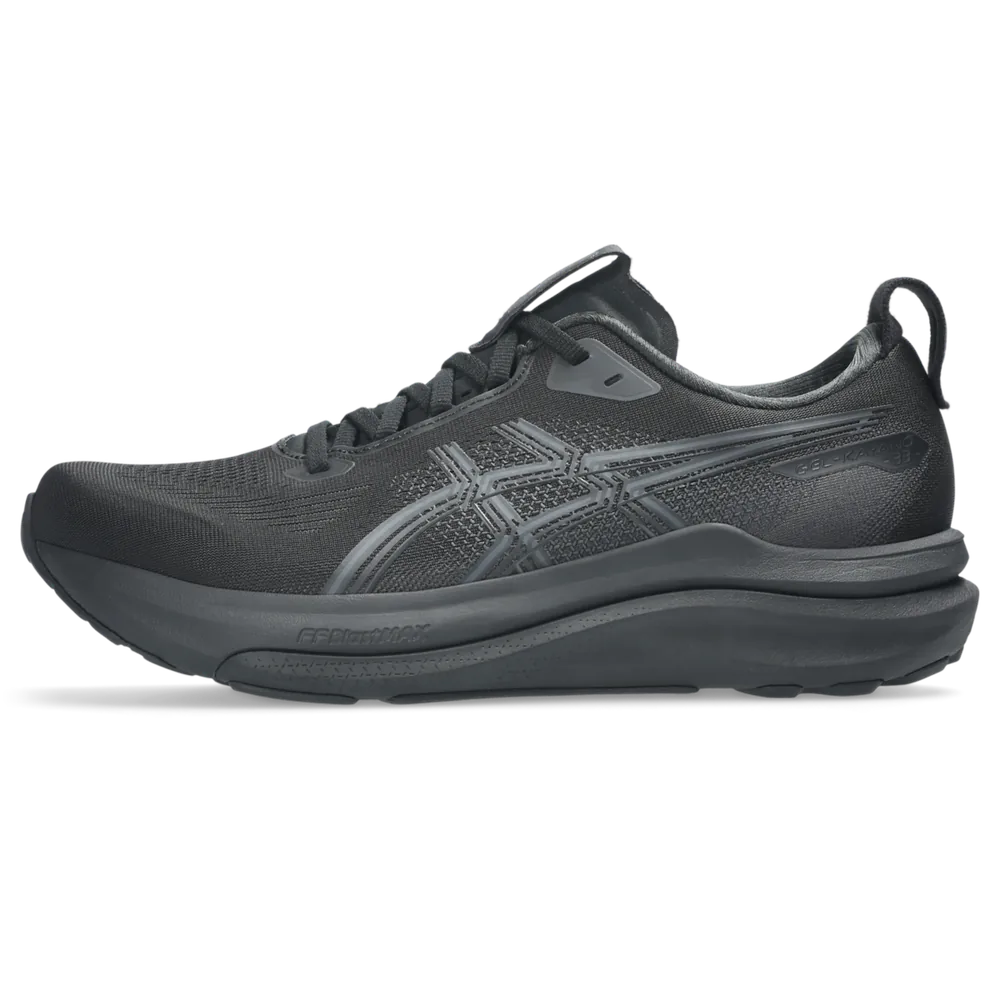
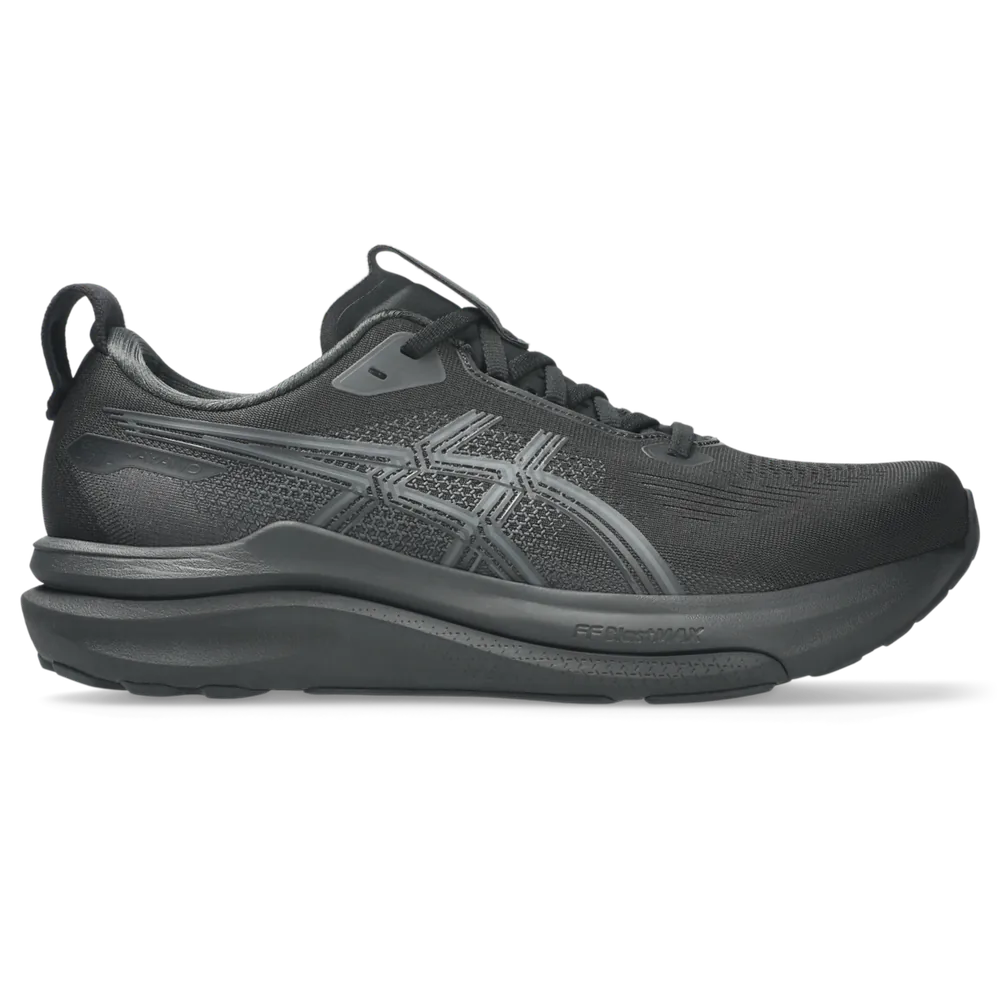
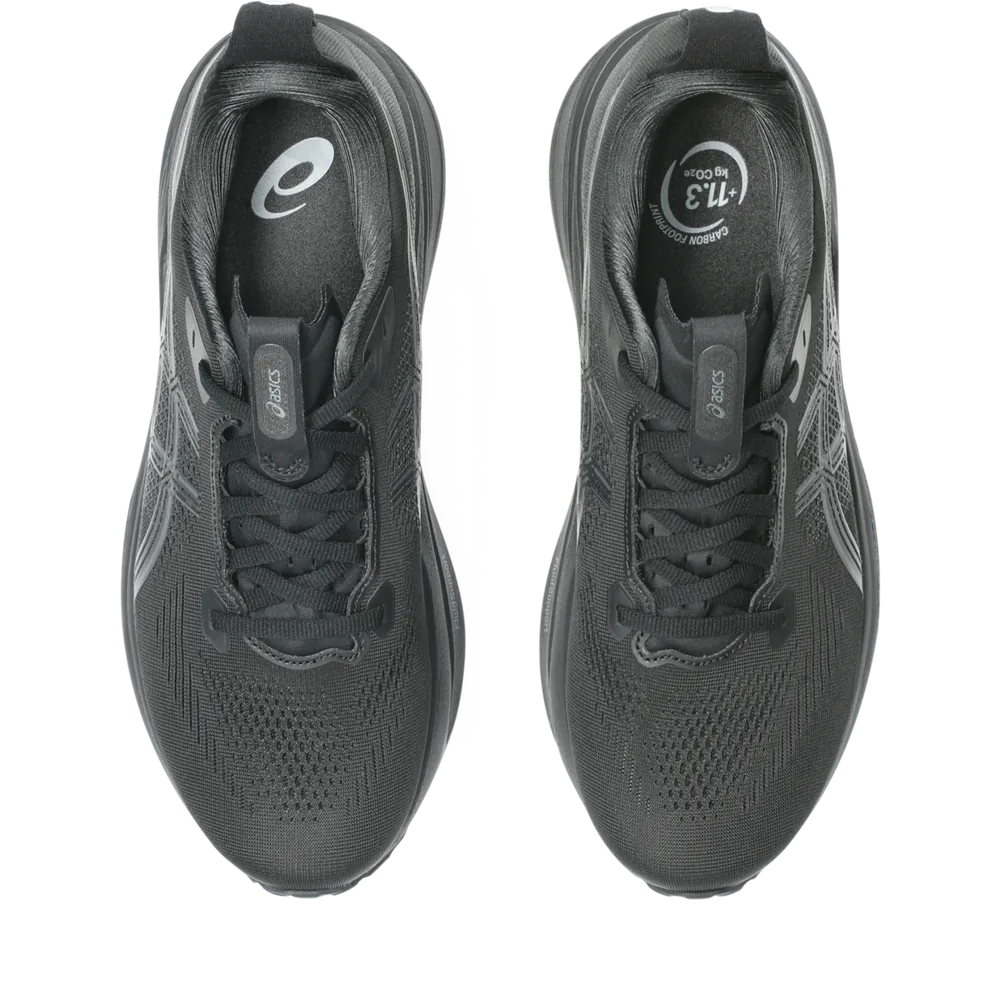
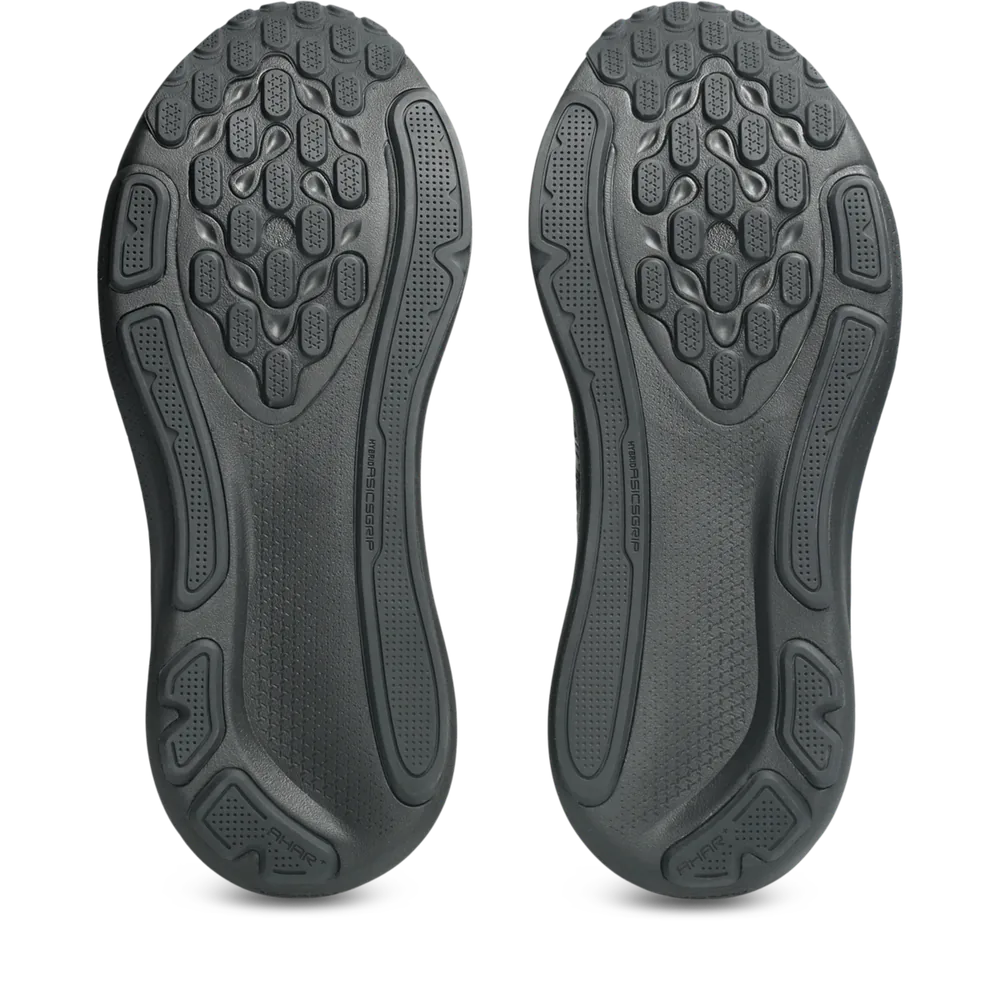
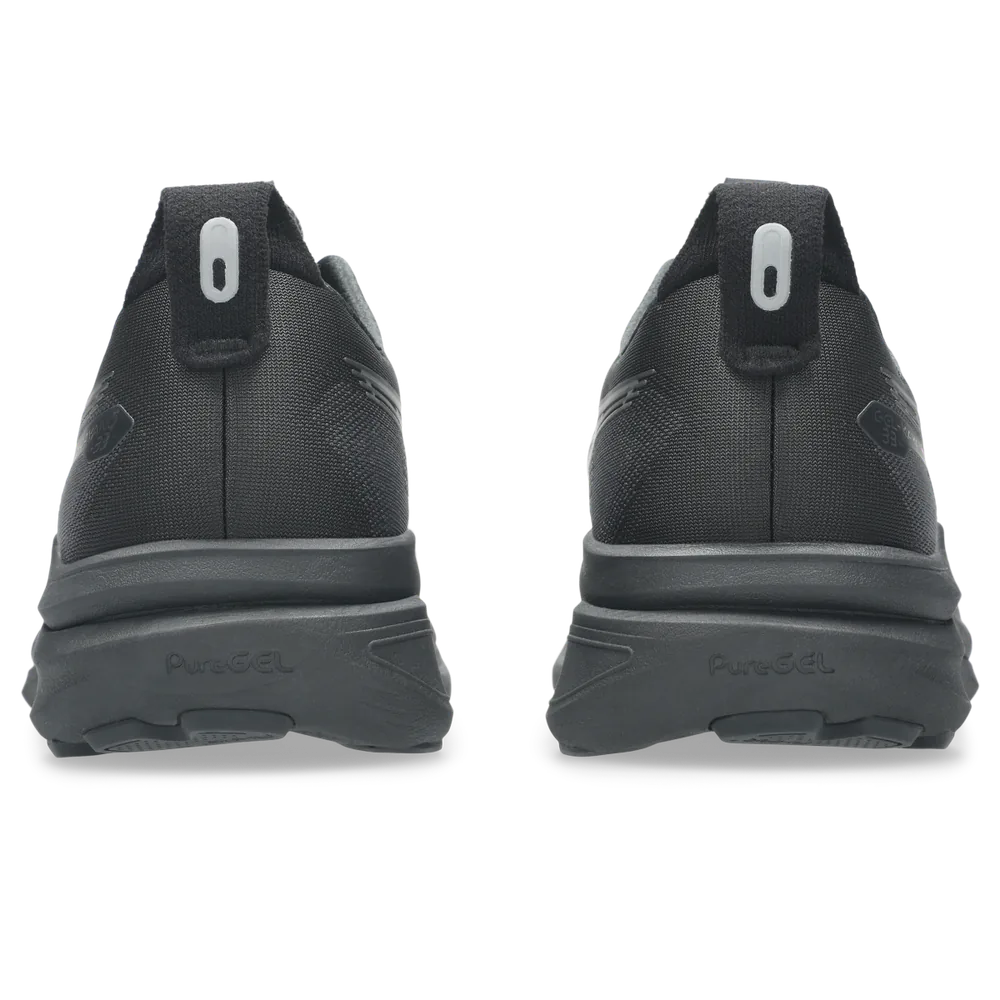
1. ASICS Gel-Kayano 33 — Best overall for flat feet
Who it suits: flat-footed runners who want one shoe for daily miles, long runs, and walking, with support that never feels like a brick.
- Support: Stability (FLUIDSUPPORT, full-length)
- Foam: FF Blast Max top layer + FF Blast Plus base, PureGEL heel
- Stack: 39 mm heel / 31 mm forefoot (ASICS); 36.8 / 28.3 mm (RunRepeat lab)
- Drop: 8 mm (ASICS); 8.5 mm (RunRepeat lab)
- Weight: 10.5 oz / 298 g men’s, 9.1 oz women’s
- Widths: Narrow, Standard, Wide, X-Wide (men’s)
The Gel-Kayano 33 is the 33rd version of ASICS’ flagship stability shoe, and the 2026 update changes how the support works. The old 4D Guidance System is gone, replaced by FLUIDSUPPORT, a full-length system that guides the foot from landing to toe-off without a hard medial post. The foam is new too: soft FF Blast Max over firmer FF Blast Plus, with PureGEL in the heel. It lands soft and pushes off steady — exactly what a flat foot needs.
RunRepeat’s lab cut the shoe in half and measured a 36.8 mm heel stack, a 28.3 mm forefoot stack, and a real drop of 8.5 mm. Torsional rigidity was 20.1 Nm — firm enough to resist the inward roll of a flat arch. The forefoot base is 120.7 mm wide, a broad, steady platform under your toes.
Pros:
- Full-length support that works without a hard wedge under the arch.
- Soft top-layer foam with a firmer base, so landings feel plush and push-offs feel stable.
- Four widths for men, so wide flat feet fit without sizing up.
- Firm torsional rigidity (20.1 Nm) resists the inward roll of overpronation.
- Works as well for walking and all-day wear as it does for running.
Cons:
- Heavy at 10.5 oz for a daily trainer with a 39 mm stack.
- The ride is calm and steady. If you want bounce, look at the Glycerin GTS 23.
Skip it if: you want a light, fast shoe or you run mostly on your forefoot. The 8 mm drop and steady foam will feel flat to you.


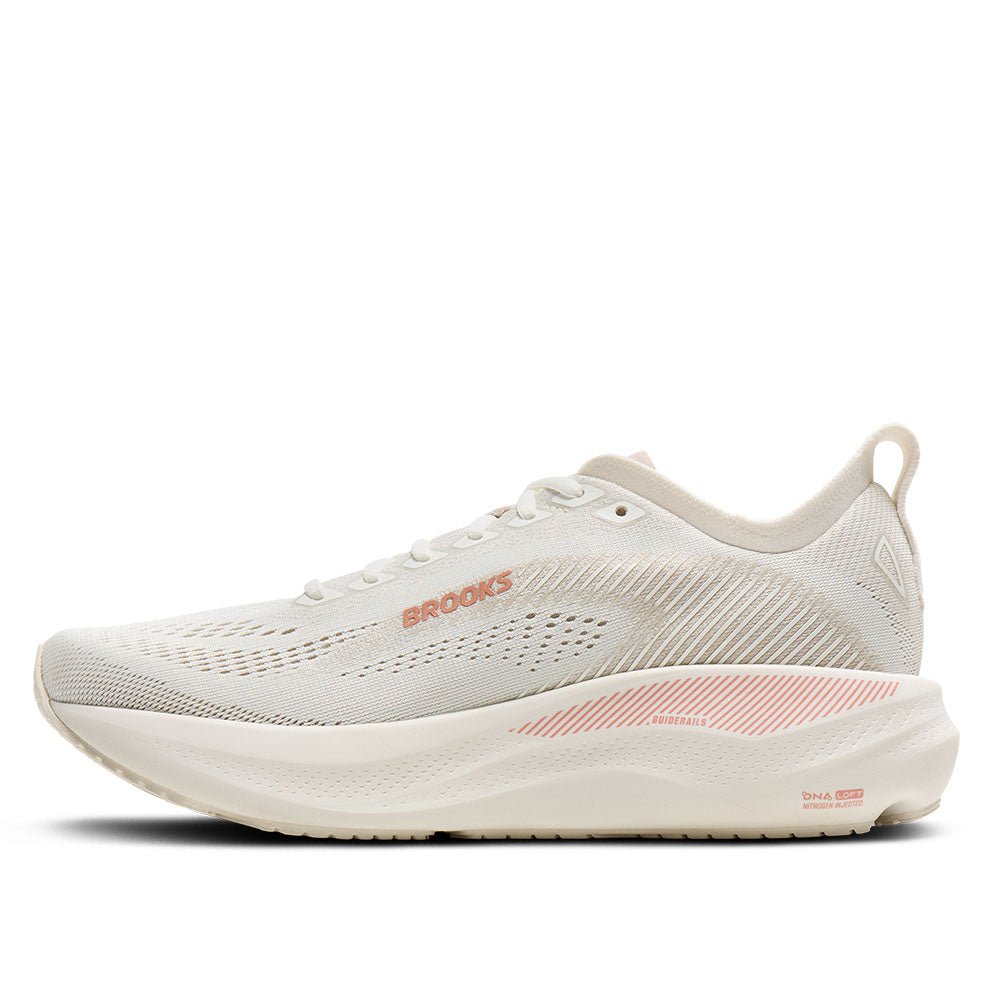
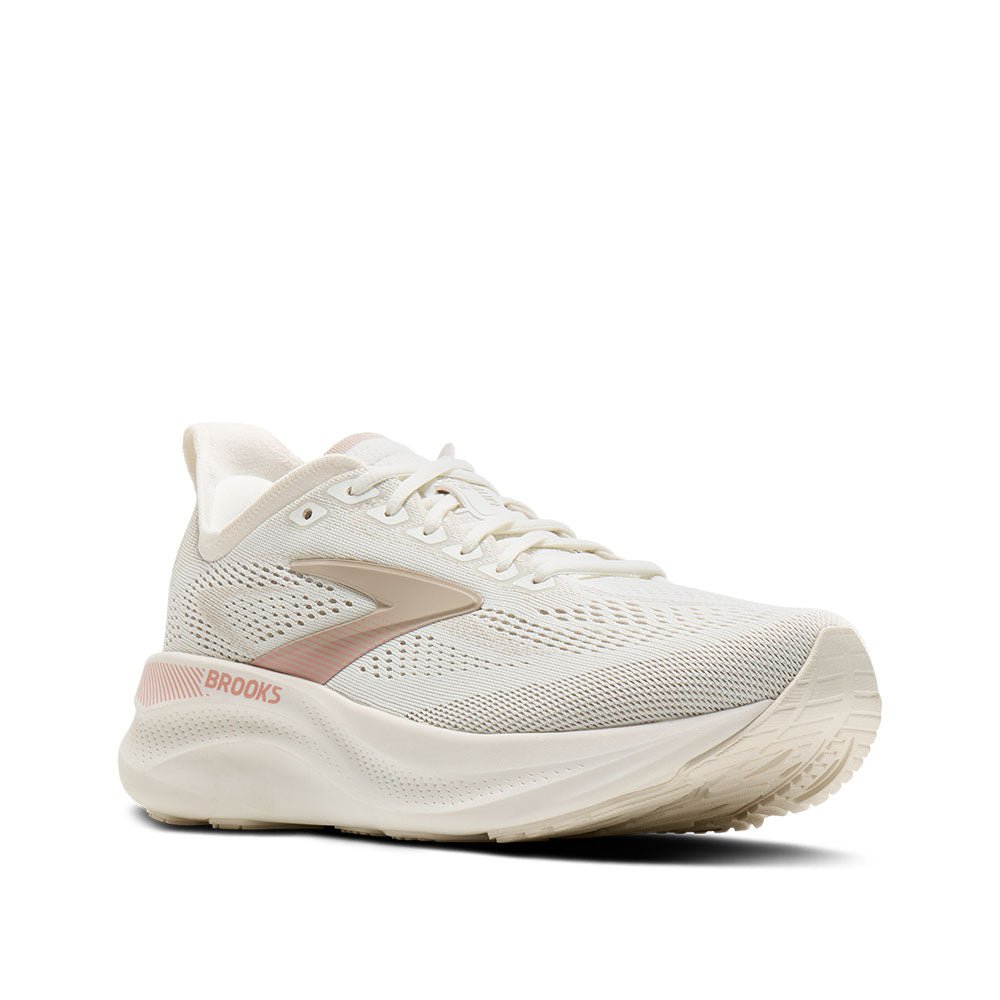
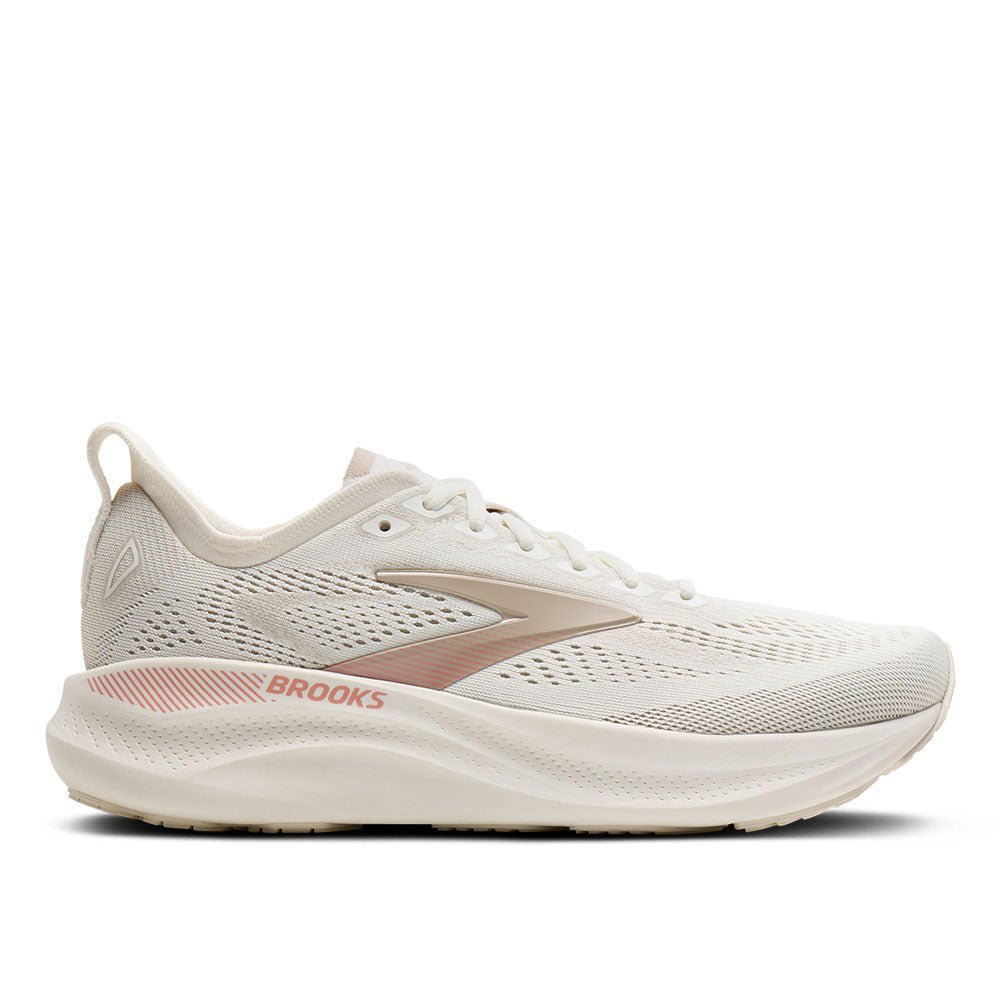
2. Brooks Adrenaline GTS 26 — Best everyday support
Who it suits: runners whose ankles roll inward (overpronation) and who want support that does not feel like a brick under the arch.
- Support: Stability (GuideRails)
- Foam: DNA Loft v3, reengineered (nitrogen-infused)
- Stack: 36 mm heel / 26 mm forefoot (Brooks)
- Drop: 10 mm (Brooks)
- Weight: 10.8 oz / 306 g men’s, 9.6 oz women’s
- Widths: Standard, Wide (2E), Extra Wide (4E) men’s; Standard, Wide women’s
The Adrenaline GTS 26 is the newest shoe in this guide. It launched 1 November 2026 and replaces the GTS 25. The platform is unchanged: DNA Loft v3 foam, a 36/26 mm stack, a 10 mm drop, and GuideRails. What changed is the top: a soft flat-knit tongue, a refreshed collar, and a small heel loop. Brooks also reworked the foam to feel a touch softer at toe-off.
GTS stands for GuideRails Technology System. GuideRails are firm foam walls on both sides of the heel that keep your knee tracking straight when your foot rolls inward. They do not push your arch up like an old medial post. The Adrenaline feels normal on easy days and only steps in when your form breaks down late in a run.
No independent lab has cut the GTS 26 in half yet — it is only weeks old. The closest guide is the GTS 25 lab: RunRepeat measured 36.1 mm in the heel, 25.9 mm in the forefoot, a 10.2 mm drop, and 10.4 oz. Treat those as a rough match, not as GTS 26 data.
Pros:
- The most trusted stability shoe in the Brooks lineup, now in its 26th version.
- GuideRails support without a rigid post under the arch.
- Soft new tongue and collar fix the old model’s pressure points.
- Three widths for men, so wide feet fit.
- APMA Seal of Acceptance, and a good walking shoe too.
Cons:
- Heavy at 10.8 oz, and it runs warm in summer.
- The ride is firm and calm. It will not excite you.
Skip it if: you are a neutral runner with no overpronation. You pay a weight penalty for support you do not need. Buy the Ghost 18 instead — see the best Brooks running shoes guide. If you already own the GTS 25, do not rush to upgrade — the ride is nearly the same, and the GTS 25 is now on sale.
Buying note: the GTS 26 only reached shops on 1 November 2026, so it is not on Amazon yet. The button below goes to the previous model, the Adrenaline GTS 25, which is now on sale.
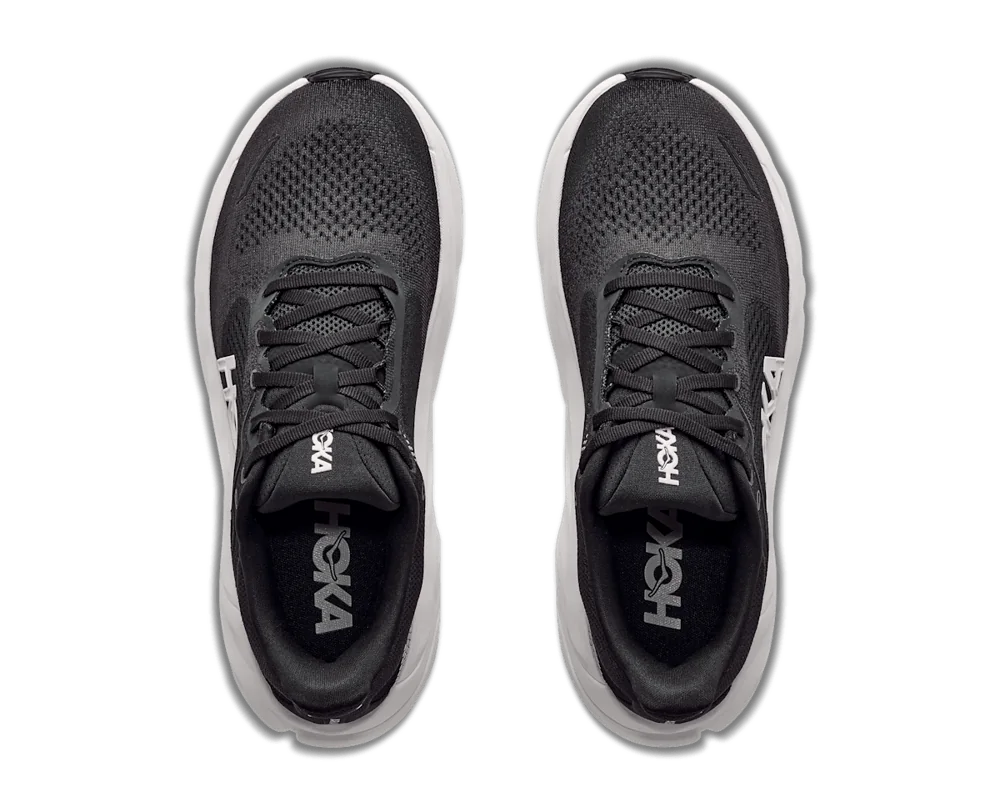
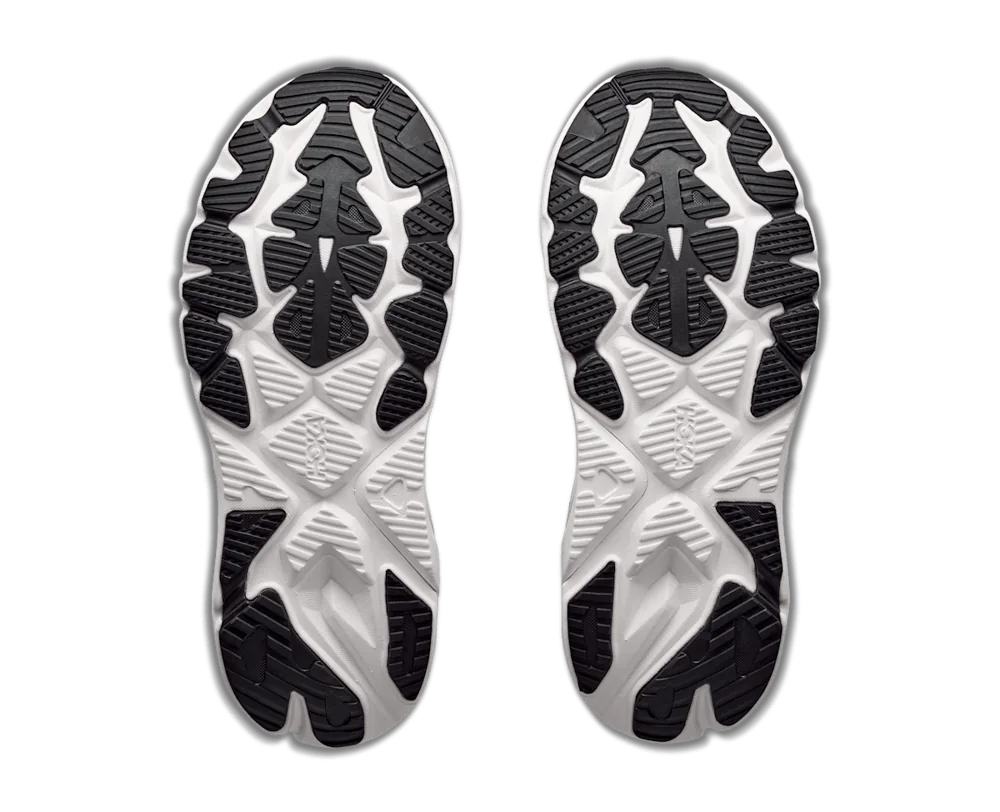
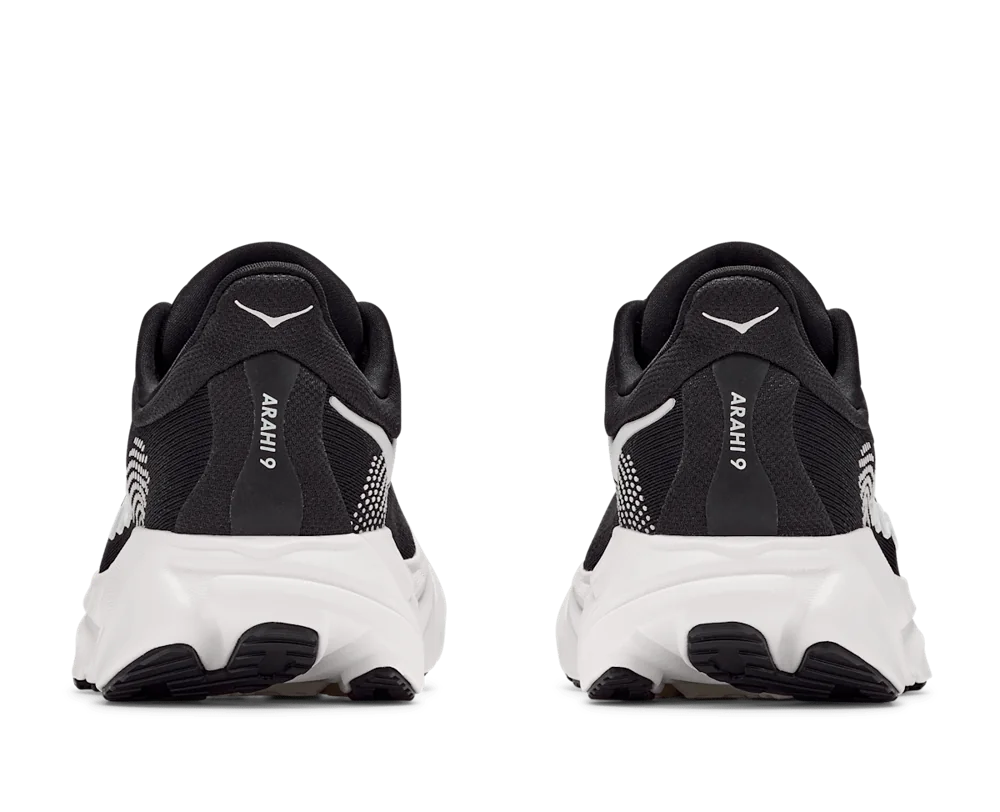
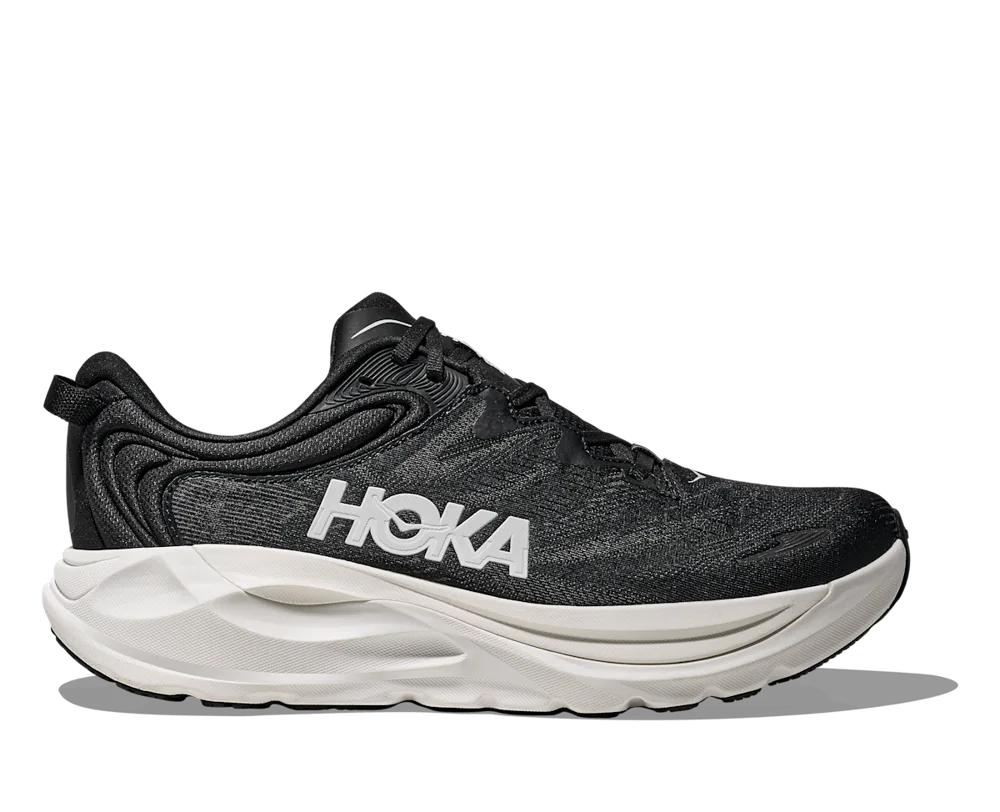
3. HOKA Arahi 9 — Best lightweight
Who it suits: flat-footed runners who want stability without the weight — daily miles, long runs, and walkers who count ounces.
- Support: Stability (H-Frame, dual-density CMEVA)
- Foam: Dual-density CMEVA with H-Frame
- Stack: 39 mm heel / 31 mm forefoot (HOKA)
- Drop: 8 mm (HOKA); 10.3 mm (RunRepeat lab)
- Weight: 10.0 oz / 284 g men’s, 8.2 oz women’s
- Widths: Regular, Wide, X-Wide (men’s)
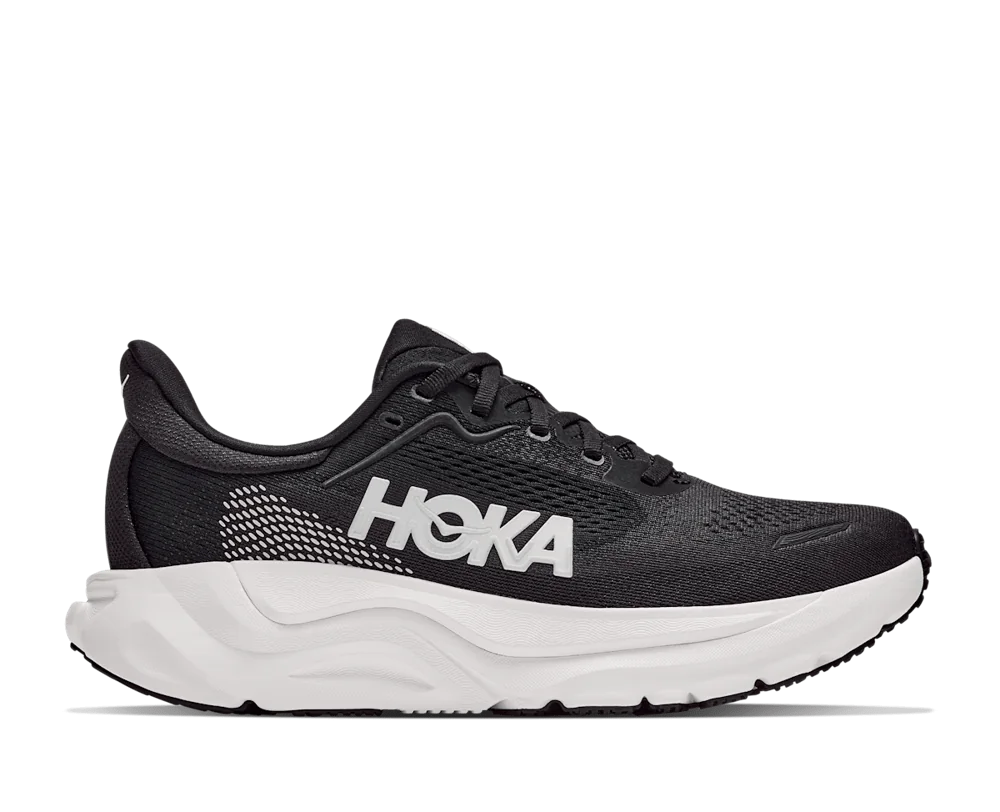
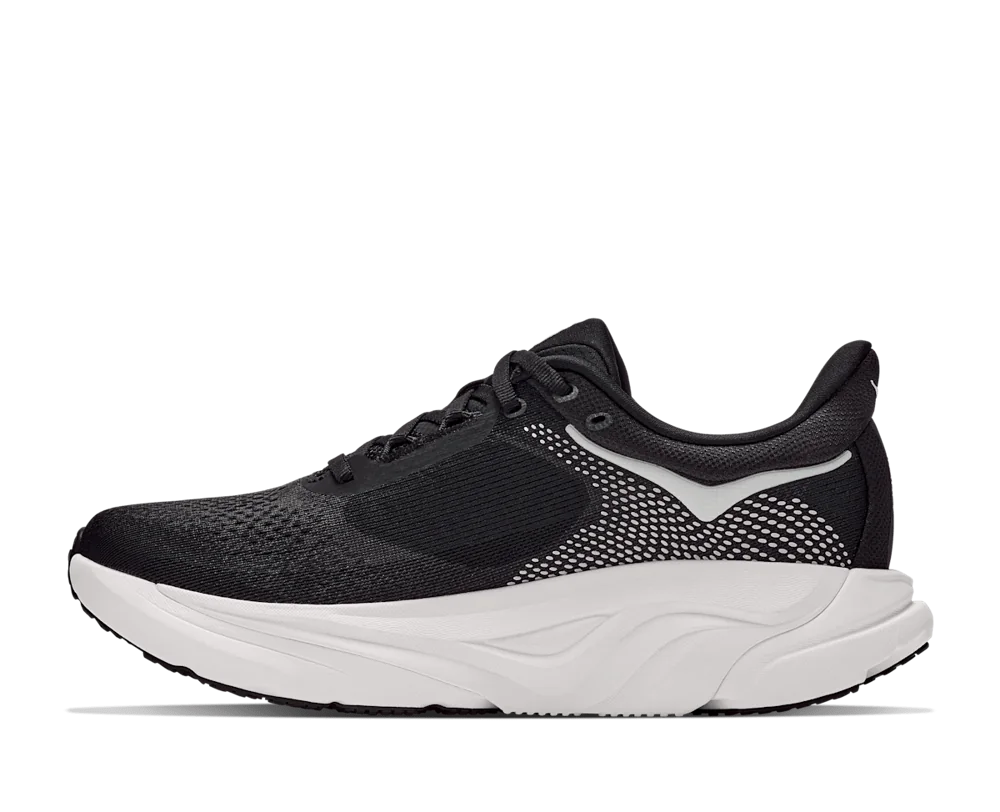
The Arahi 9 is the lightest stability shoe in this guide, and the best pick if you have flat feet and hate heavy shoes. HOKA’s H-Frame is a firmer foam frame shaped like an H: it runs along both sides of the foot and across the heel, holding the arch up without a separate post. The rest of the midsole is soft CMEVA foam. You get a stable ride at 10.0 oz — lighter than every other support shoe here except the Guide 19.
RunRepeat’s lab measured a real drop of 10.3 mm, not the 8 mm HOKA lists, and a lab weight of 9.8 oz. Forefoot energy return was 56%, solid for a stability shoe. The Arahi 9 suits heel strikers best: the taller real drop and soft heel make landings gentle, and the H-Frame keeps the foot from rolling too far inward.
Pros:
- The lightest support shoe in this guide at 10.0 oz.
- H-Frame support without a hard post, so the arch never feels poked.
- 56% forefoot energy return — it gives more back than most stability shoes.
- Women’s version is just 8.2 oz.
- Breathable upper that runs cool in summer.
Cons:
- The 10.3 mm lab drop is taller than the listed 8 mm, which may not suit forefoot strikers.
- Less plush than the Gaviota 6 or Glycerin GTS 23 on very long runs.
Skip it if: you need maximum hold for heavy overpronation or you are a heavier runner. The Gaviota 6 has a firmer frame and more support. If you want a softer ride at the same weight, look at the Guide 19.
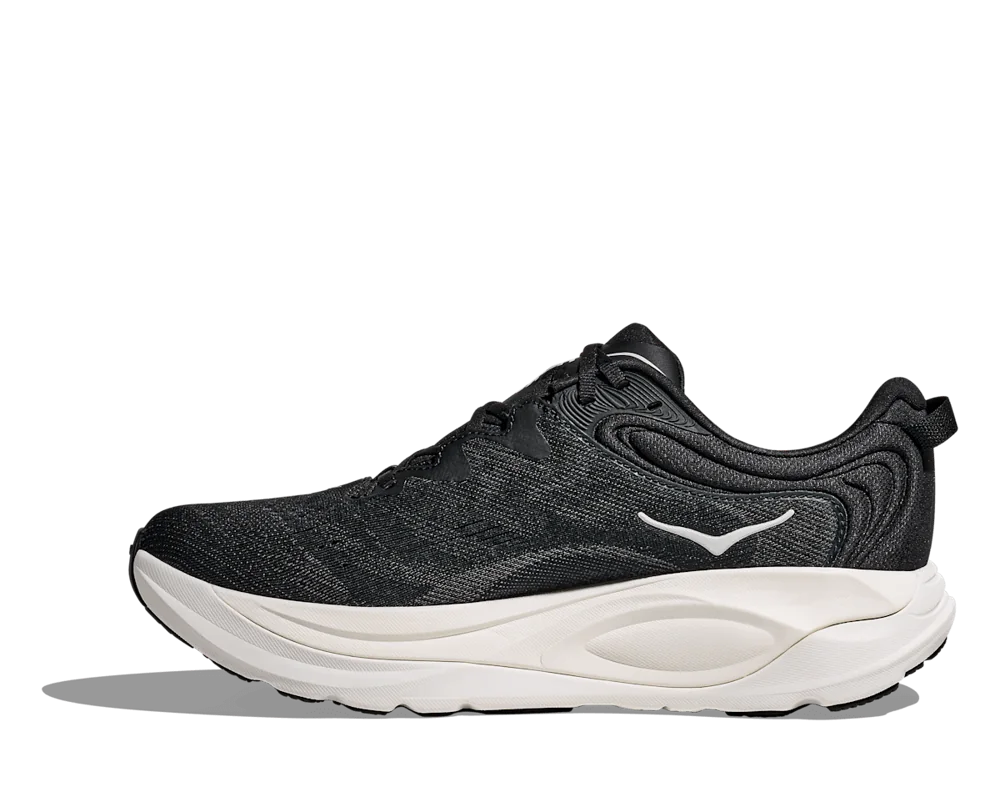
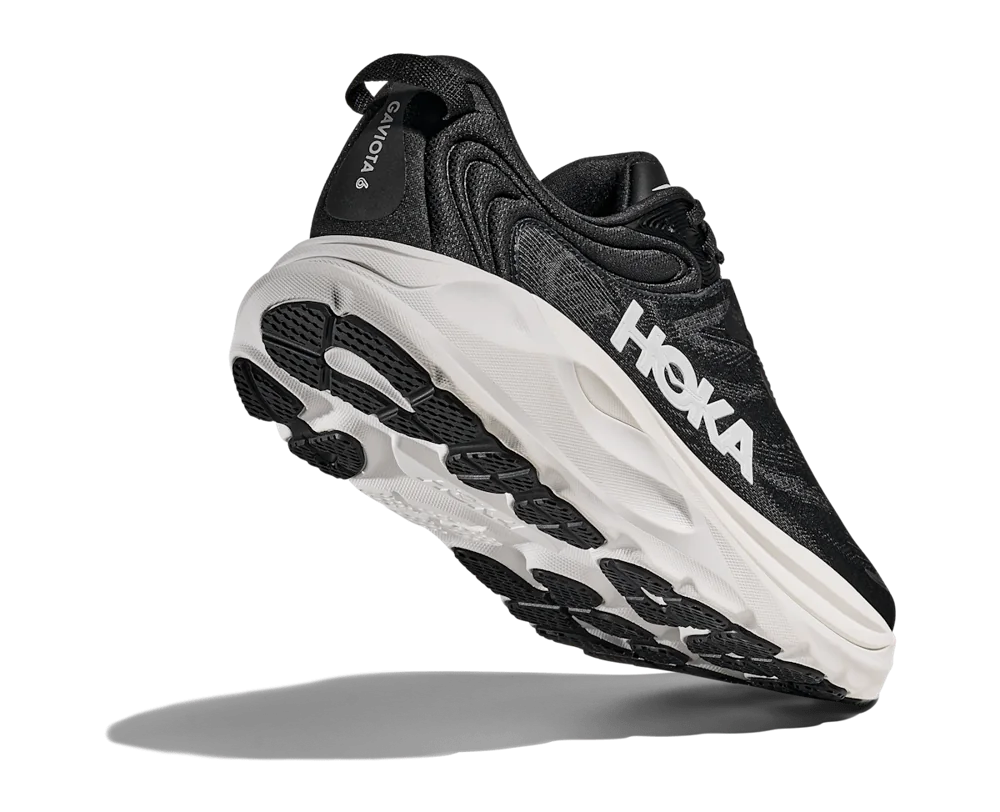
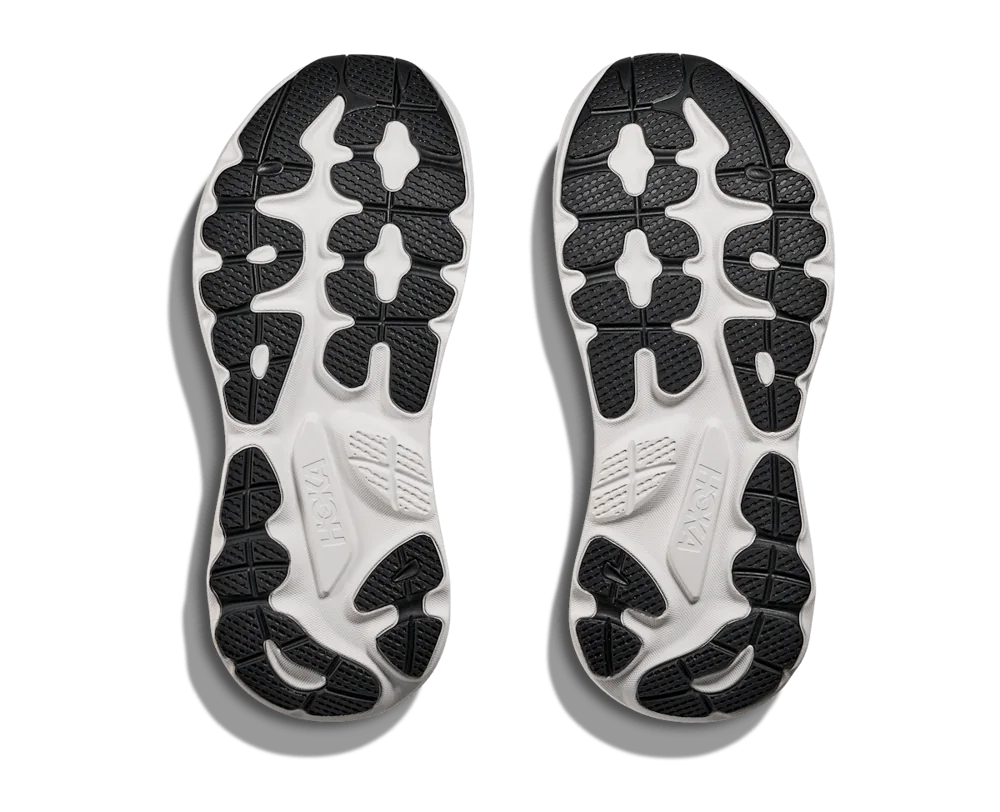
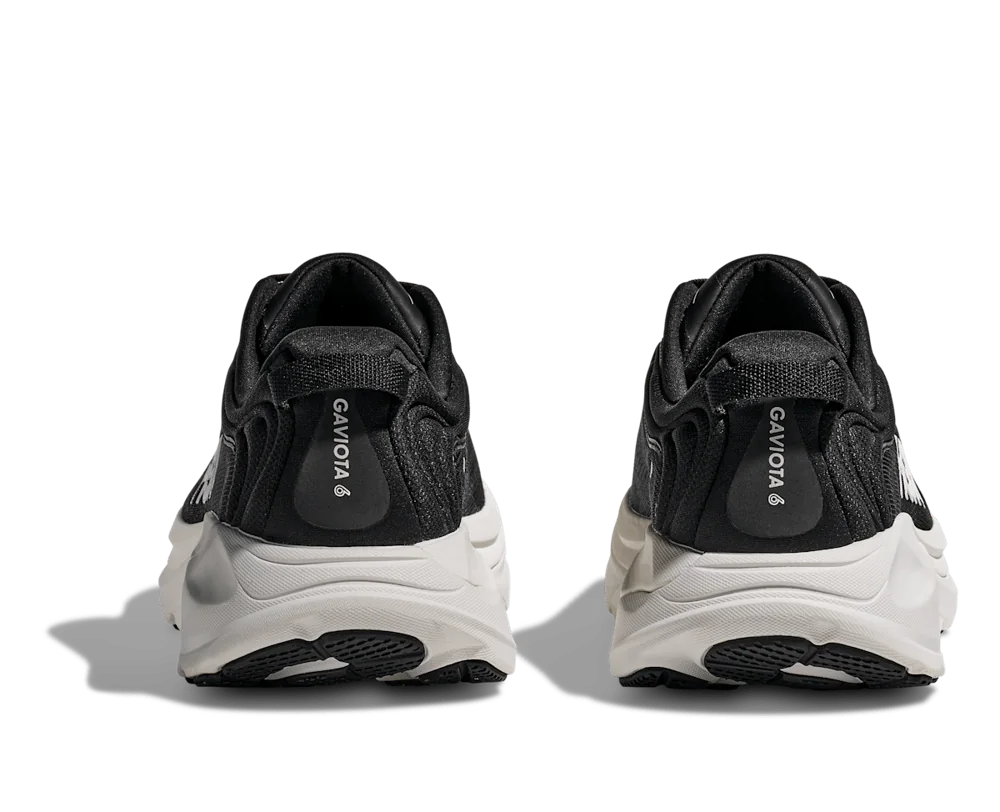
4. HOKA Gaviota 6 — Best max support
Who it suits: flat-footed runners with heavy overpronation, heavier runners, and anyone whose arch collapses badly late in a run.
- Support: Stability, max (H-Frame, dual-density CMEVA)
- Foam: CMEVA with H-Frame
- Stack: 39 mm heel / 33 mm forefoot (HOKA); 36.0 / 28.7 mm (RunRepeat lab)
- Drop: 6 mm (HOKA); 7.3 mm (RunRepeat lab)
- Weight: 10.25 oz / 291 g men’s (lab 10.0 oz / 283 g)
- Widths: Regular, Wide, X-Wide (men’s)
The Gaviota 6 is HOKA’s maximum-support shoe and the firmest hold in this guide. It uses the same H-Frame idea as the Arahi 9. The frame is firmer and the forefoot is taller — 33 mm against the Arahi’s 31 mm — so it resists rolling inward more strongly. The 6 mm drop keeps you close to the ground at the front, which suits midfoot strikers and runners who want a stable, planted feel.
RunRepeat’s lab measured a 36.0 mm heel stack and a 28.7 mm forefoot stack, with a real drop of 7.3 mm. Shock absorption was 122 SA in the heel and 111 SA in the forefoot; energy return was 45.4% in the heel and 52.4% in the forefoot. Torsional rigidity was 17.7 Nm — firm, but a touch softer than the Kayano 33. The heel counter scored 4 out of 5 for stiffness, the forefoot base is 120.0 mm wide, and the fit is true to size.
Pros:
- The strongest hold in this guide for heavy overpronation.
- Firm heel counter (4/5) locks the heel in place.
- Broad forefoot base (120.0 mm) gives a stable platform.
- 6 mm drop suits midfoot strikers.
- True to size, so ordering your normal size works.
Cons:
- Heavy and firm. It will not feel soft or bouncy.
- Energy return is below average (45.4% heel), so it soaks up impact instead of giving it back.
Skip it if: your flat feet are mild or pain-free. The Gaviota 6 is a lot of shoe for a mild need — the Arahi 9 gives you support at a lower weight. If you want the same max hold with a softer landing, look at the Glycerin GTS 23.
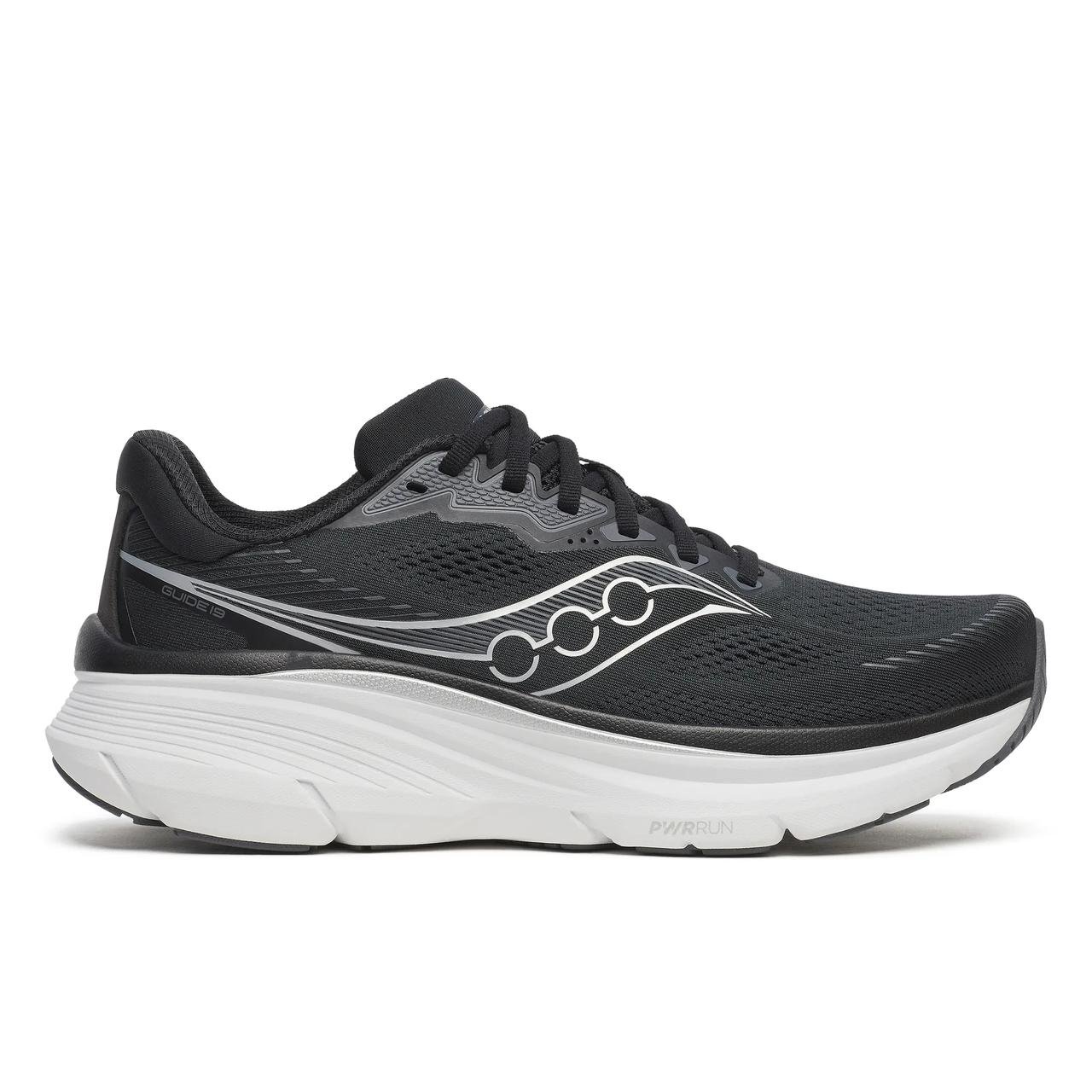
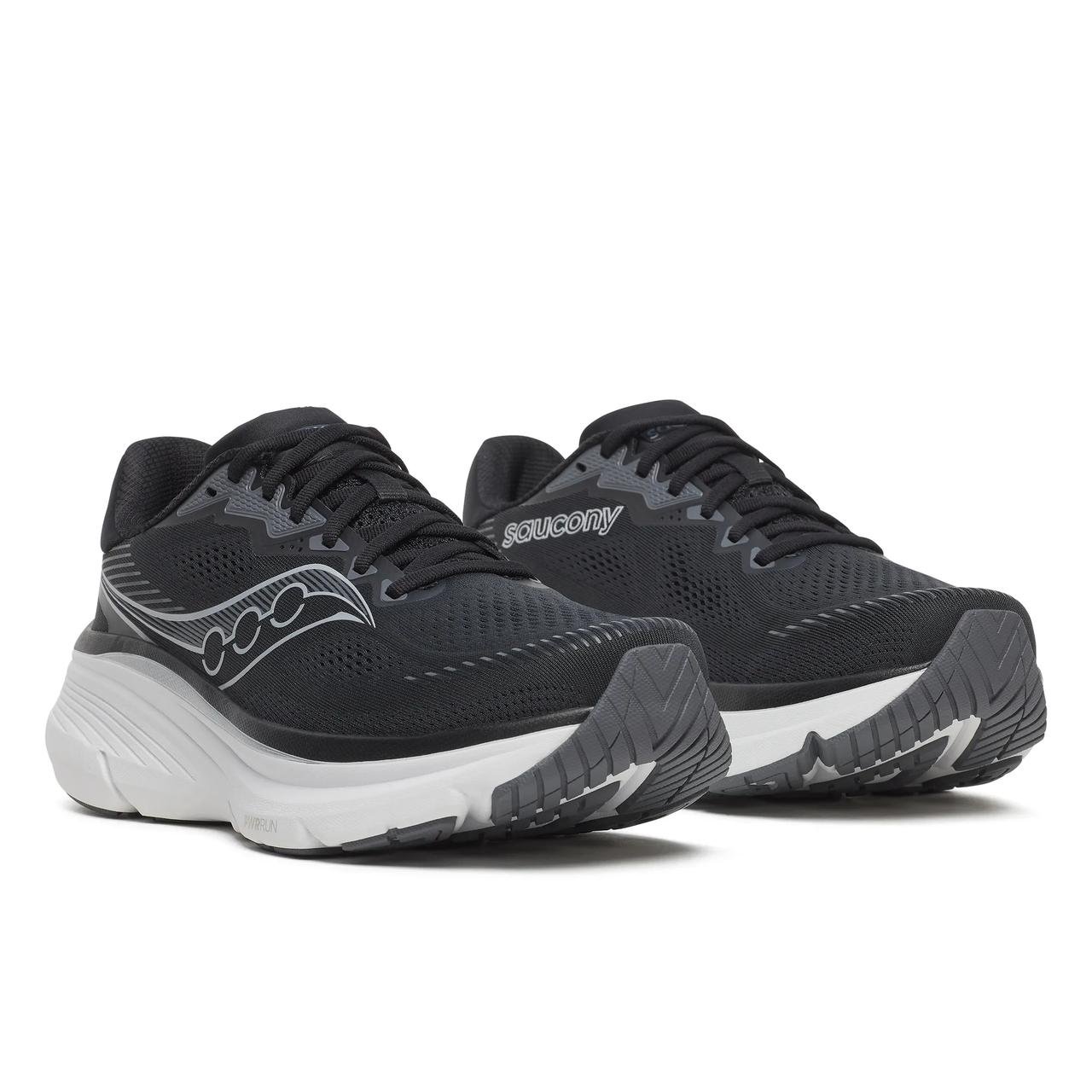
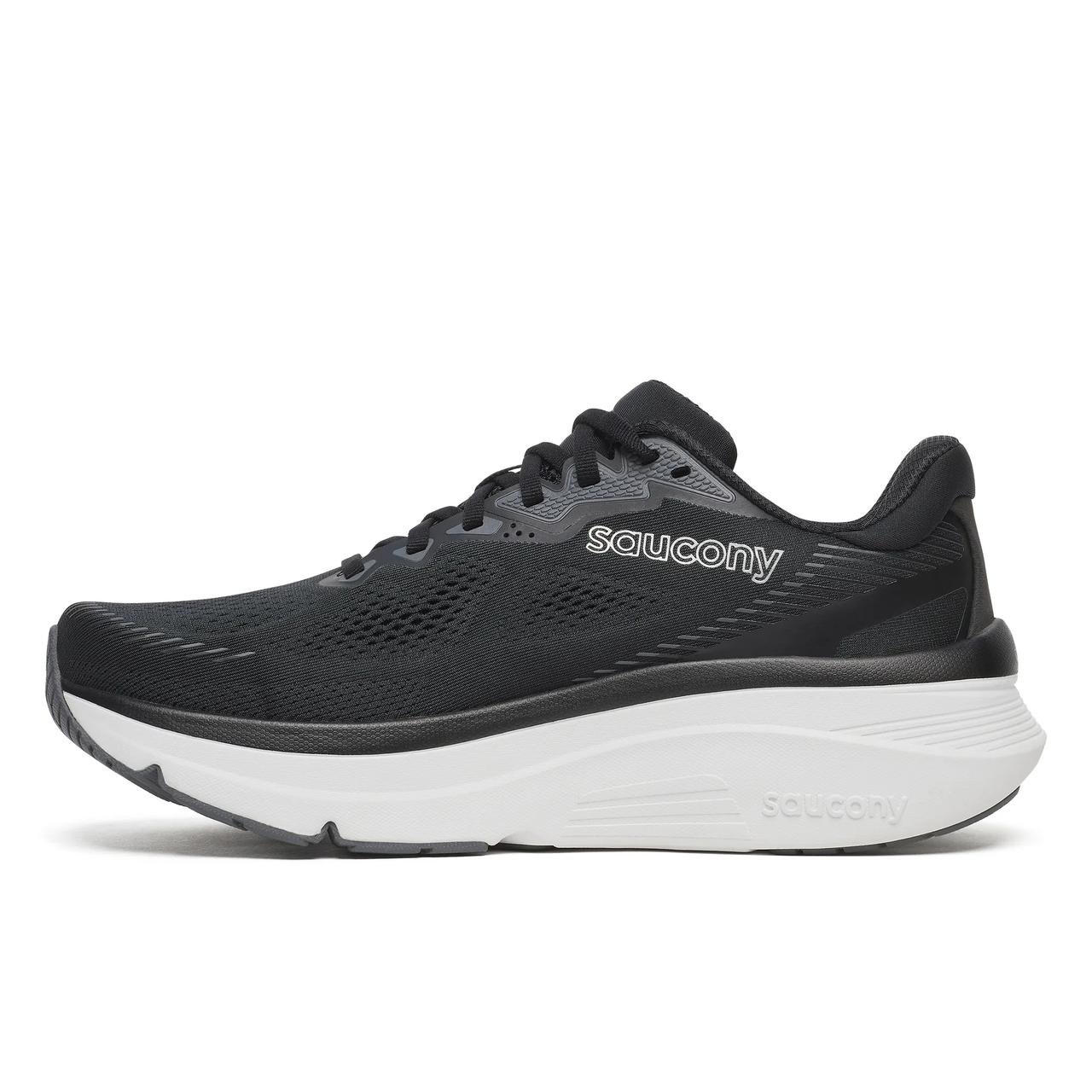
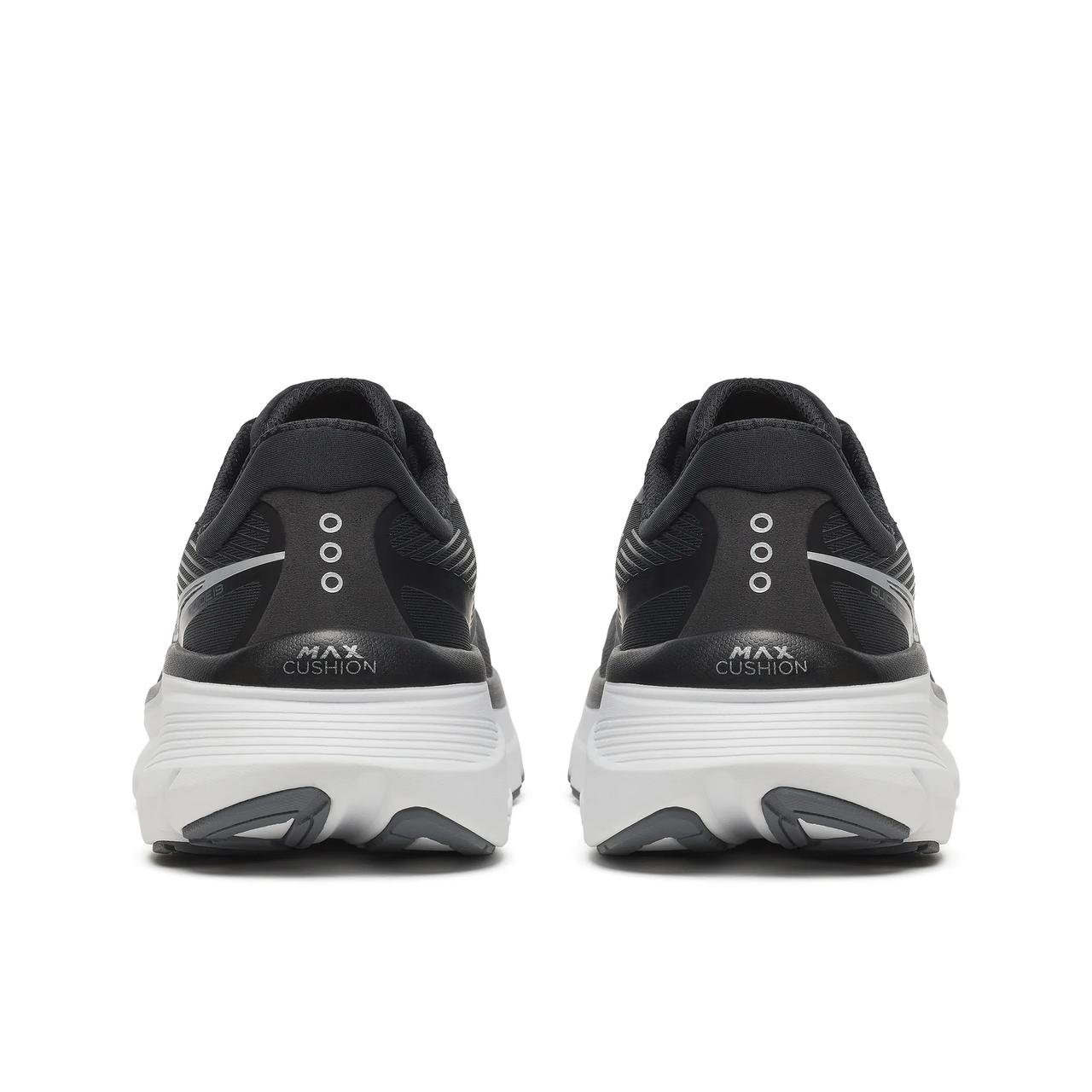
5. Saucony Guide 19 — Best versatile
Who it suits: flat-footed runners who want one shoe for easy days, tempo days, and long runs — the all-rounder of this guide.
- Support: Stability (CenterPath, reformulated PWRRUN)
- Foam: PWRRUN (reformulated)
- Stack: 35 mm heel / 29 mm forefoot (Saucony); 37.4 / 31.4 mm (RunRepeat lab)
- Drop: 6 mm (Saucony); 6.0 mm (RunRepeat lab)
- Weight: 9.7 oz / 275 g men’s, 8.9 oz women’s
- Widths: Regular, Wide, Extra Wide (men’s)
The Guide 19 is the most versatile stability shoe in this guide. Saucony’s CenterPath system guides the foot through the middle of the shoe instead of pushing the arch up from one side. The PWRRUN foam was reformulated for 2026, and the stack is lower than the rest of this guide at 35 mm. That lower stack is the point: the shoe feels closer to the ground, more agile, and easier to pick up the pace in.
RunRepeat’s lab measured a 37.4 mm heel stack and a 31.4 mm forefoot stack, with a real drop of 6.0 mm — exactly what Saucony lists. Shock absorption was 144 SA in the heel and 133 SA in the forefoot, the best in this guide. Energy return was 54.8% in the heel and 61.4% in the forefoot, also the best here. Torsional rigidity was 10.7 Nm, softer than the Kayano 33 and the Gaviota 6, so the shoe flexes more naturally. The heel counter scored 3 out of 5, and the fit is true to size.
Pros:
- The best shock absorption (144/133 SA) and energy return (54.8%/61.4%) of any shoe in this guide.
- Low 35 mm stack feels agile and close to the ground.
- CenterPath guidance works without a hard post.
- Lightest men’s shoe here at 9.7 oz (brand weight).
- True to size, with a secure heel and roomy forefoot.
Cons:
- The lab weight (10.5 oz) is heavier than Saucony’s listed 9.7 oz, so the real shoe is not as light as the spec sheet says.
- The softer torsional rigidity (10.7 Nm) gives less hold than the Kayano 33 or Gaviota 6 for heavy overpronation.
Skip it if: your overpronation is severe or you are a heavier runner. The Guide 19 guides rather than locks the foot down. For maximum hold, pick the Gaviota 6 or the Kayano 33.
Buying note: the Guide 19 has no verified Amazon listing, so there is no Amazon button for this shoe. See it direct from Saucony below (Saucony link, not an Amazon link).
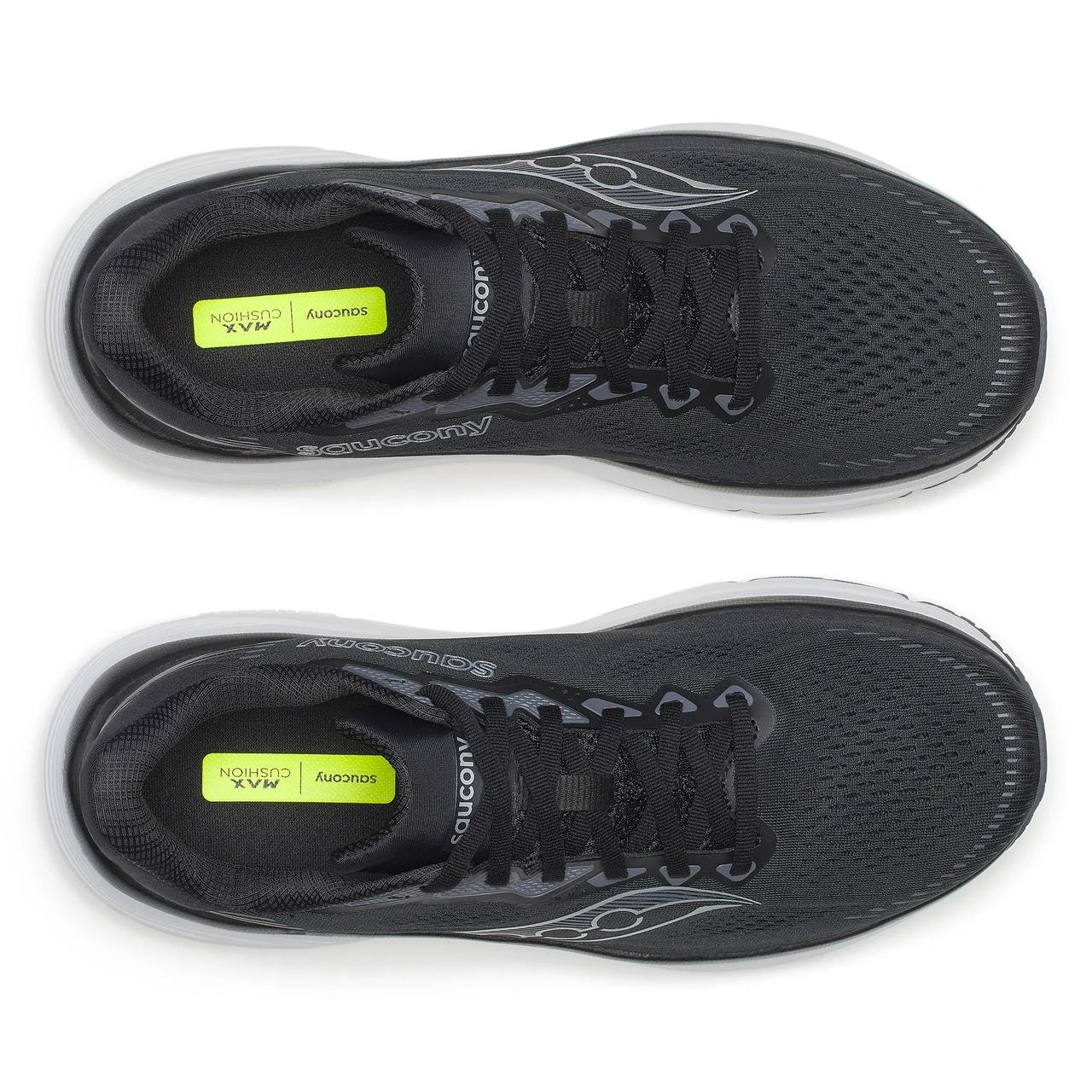
See the Guide 19 at Saucony (Saucony direct link — not an Amazon link)
6. Mizuno Wave Inspire 22 — Best firm, stable
Who it suits: flat-footed runners who find soft foam unstable — if plush shoes feel wobbly under your arch, this is your shoe.
- Support: Stability (Wave Plate)
- Foam: MIZUNO ENERZY NXT (nitrogen-infused)
- Stack: 38.5 mm heel / 28.5 mm forefoot (Mizuno)
- Drop: 10 mm (Mizuno); 8.1 mm (RTINGS lab)
- Weight: 10.4 oz / 295 g men’s, 8.8 oz women’s
- Widths: Standard, Wide (2E) (men’s)
The Wave Inspire 22 is the firmest-feeling shoe in this guide, and that is its strength. Mizuno’s Wave Plate is a plastic plate shaped like a wave under the midfoot. It spreads the force of each landing across the whole foot instead of letting the arch collapse inward. The foam above it is MIZUNO ENERZY NXT, a nitrogen-infused foam that feels springy without feeling soft. If every plush stability shoe you have tried felt like standing on a mattress, the Inspire 22 will feel like solid ground.
No RunRepeat lab test exists for the Wave Inspire 22 yet. RTINGS measured it in its lab: 281.4 g, a 39.2 mm heel stack, and a real drop of 8.1 mm, not the 10 mm Mizuno lists. That lower real drop suits midfoot strikers better than the spec sheet suggests.
Pros:
- The Wave Plate gives the firmest, most stable ride in this guide.
- Nitrogen-infused ENERZY NXT foam feels springy without feeling soft.
- 10 mm listed drop (8.1 mm measured) suits heel strikers who want a firm landing.
- Women’s version is just 8.8 oz.
- Durable outsole that holds up on roads and light trails.
Cons:
- The firm ride will feel hard if you are used to soft foam.
- No RunRepeat lab test yet, so the lab numbers are thinner than for the other picks.
Skip it if: you want a soft, plush landing. The Glycerin GTS 23 is the soft option with stability. If you want the same firm feel with more cushion, look at the Kayano 33.
Buying note: the Wave Inspire 22 has no verified Amazon listing, so there is no Amazon button for this shoe. See it direct from Mizuno below (Mizuno link, not an Amazon link).
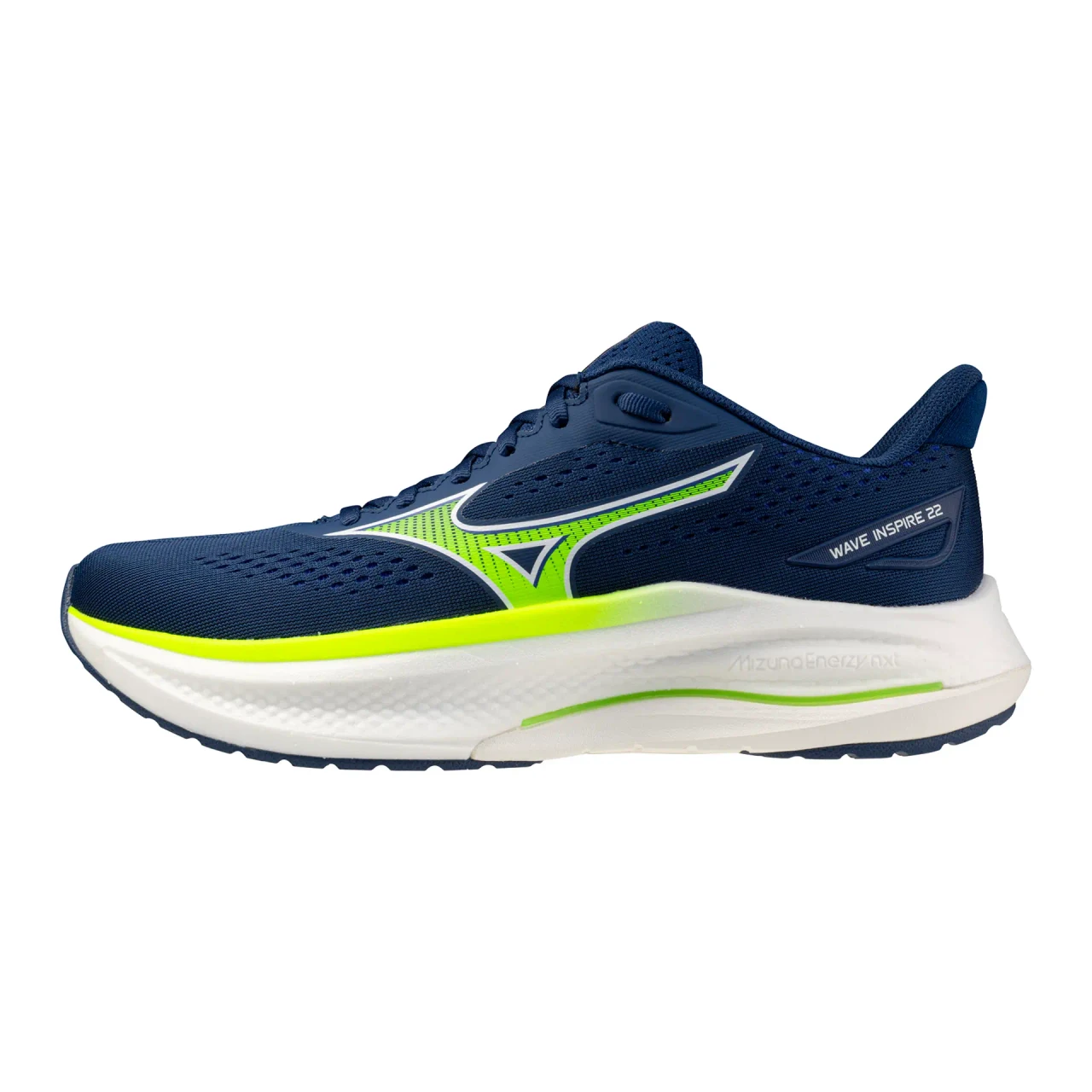
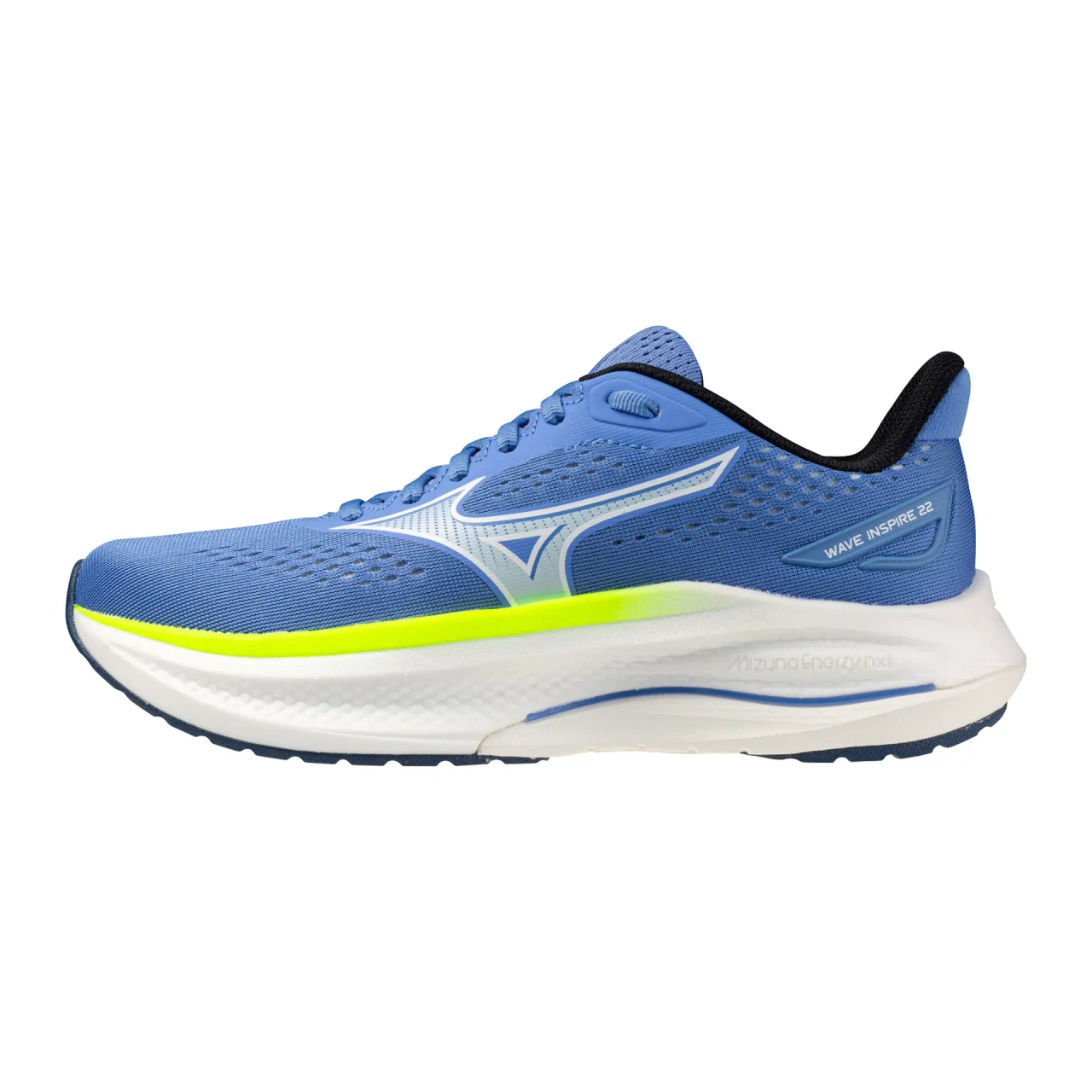
See the Wave Inspire 22 at Mizuno (Mizuno direct link — not an Amazon link)
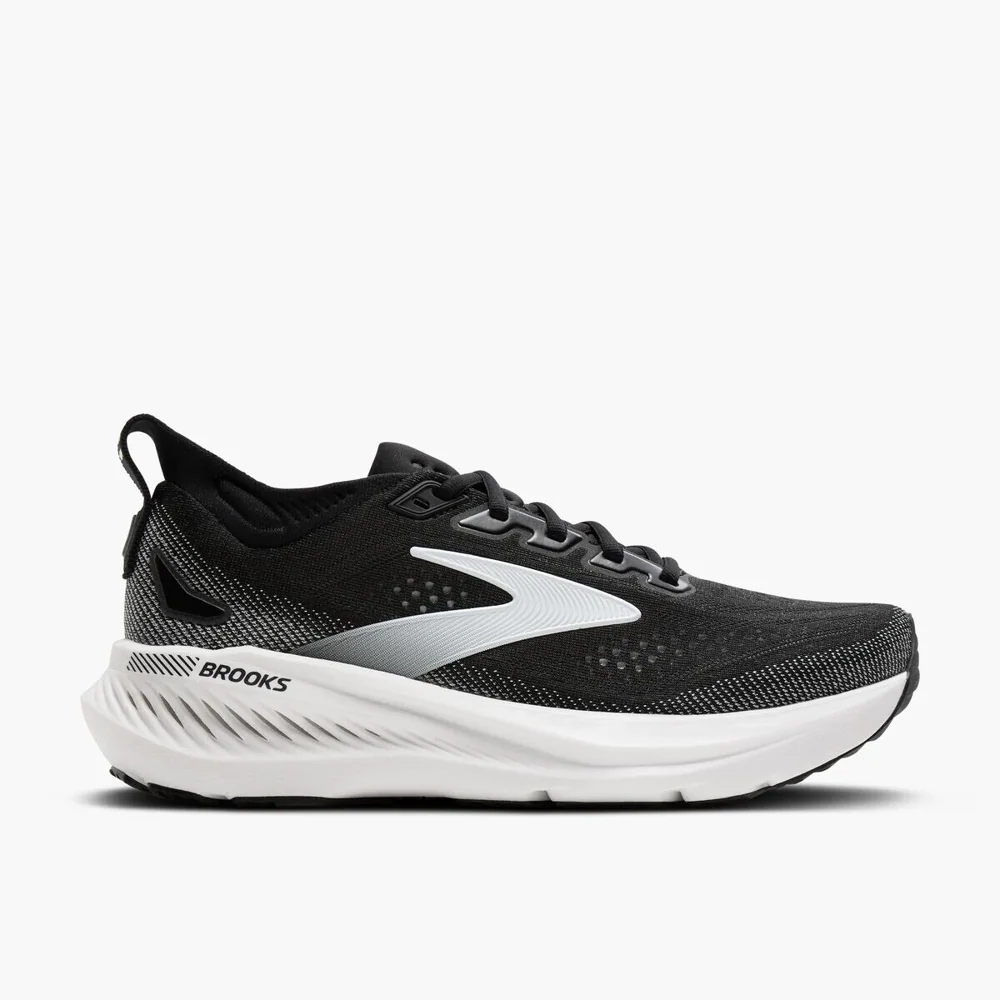
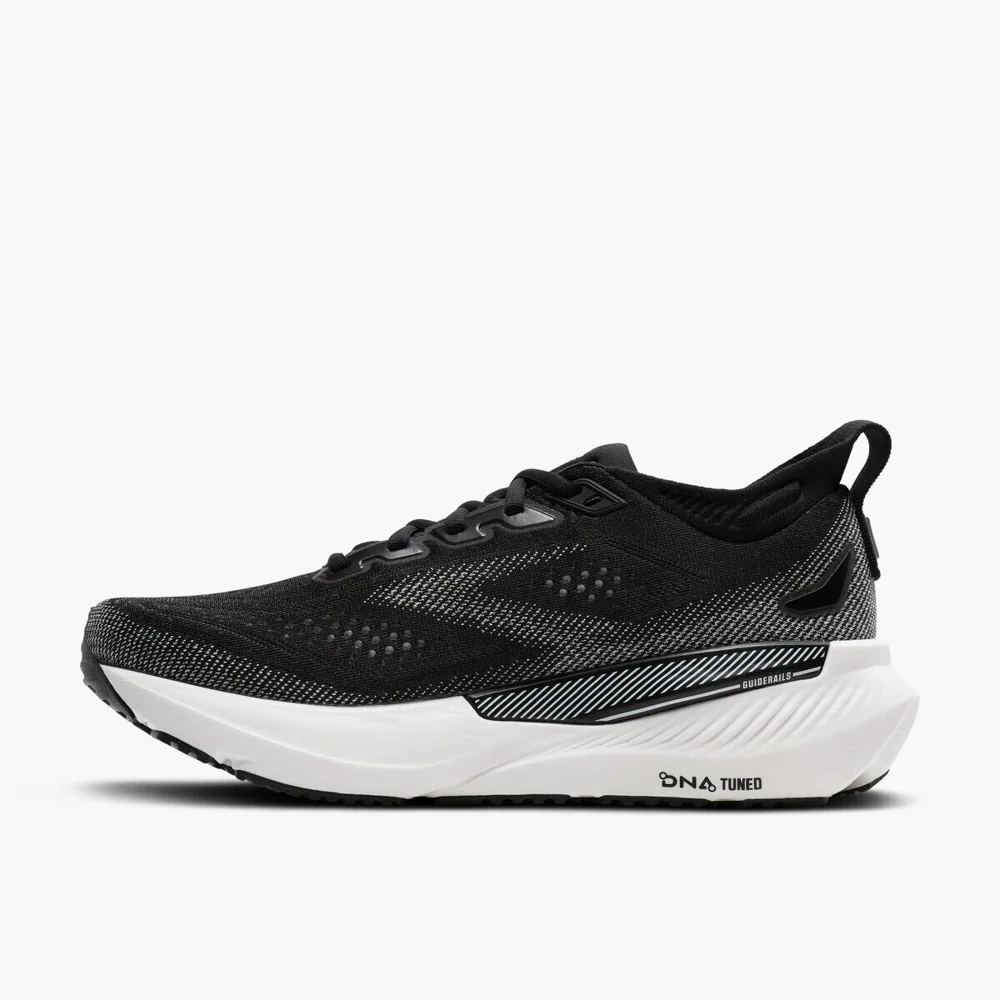
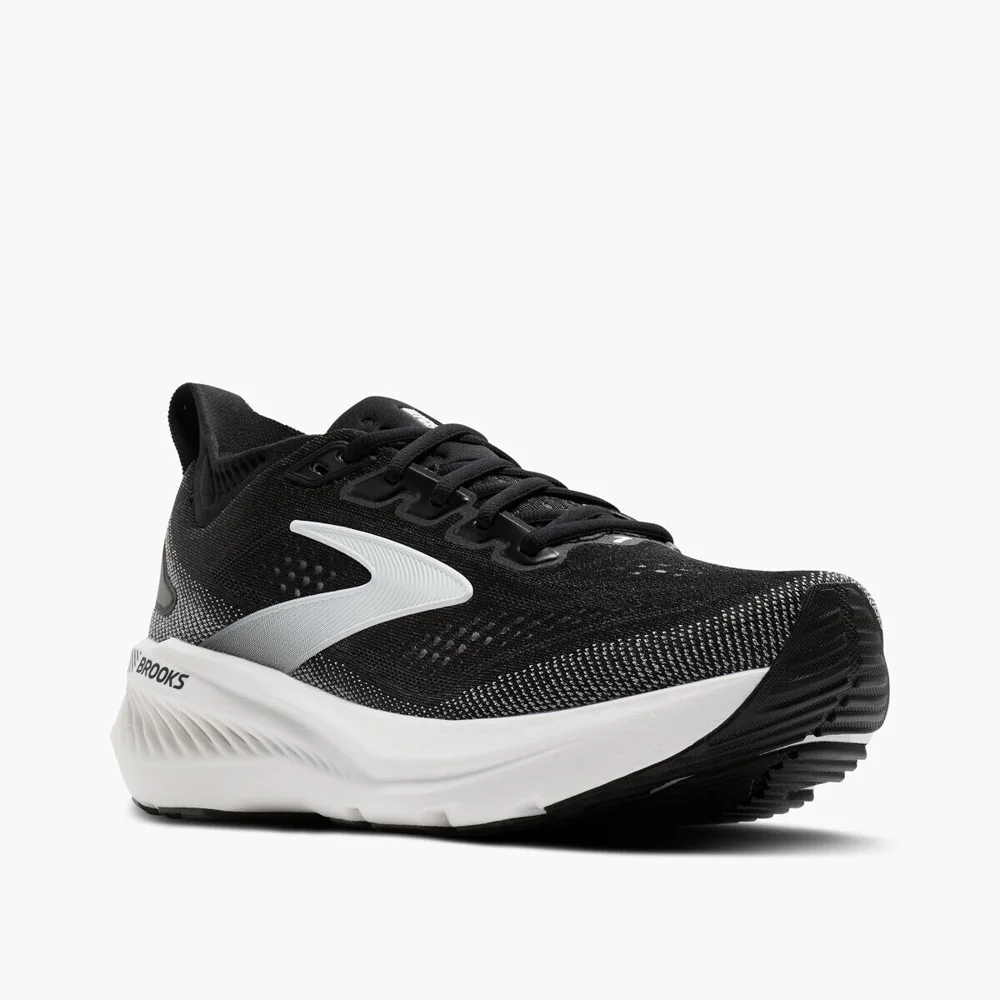
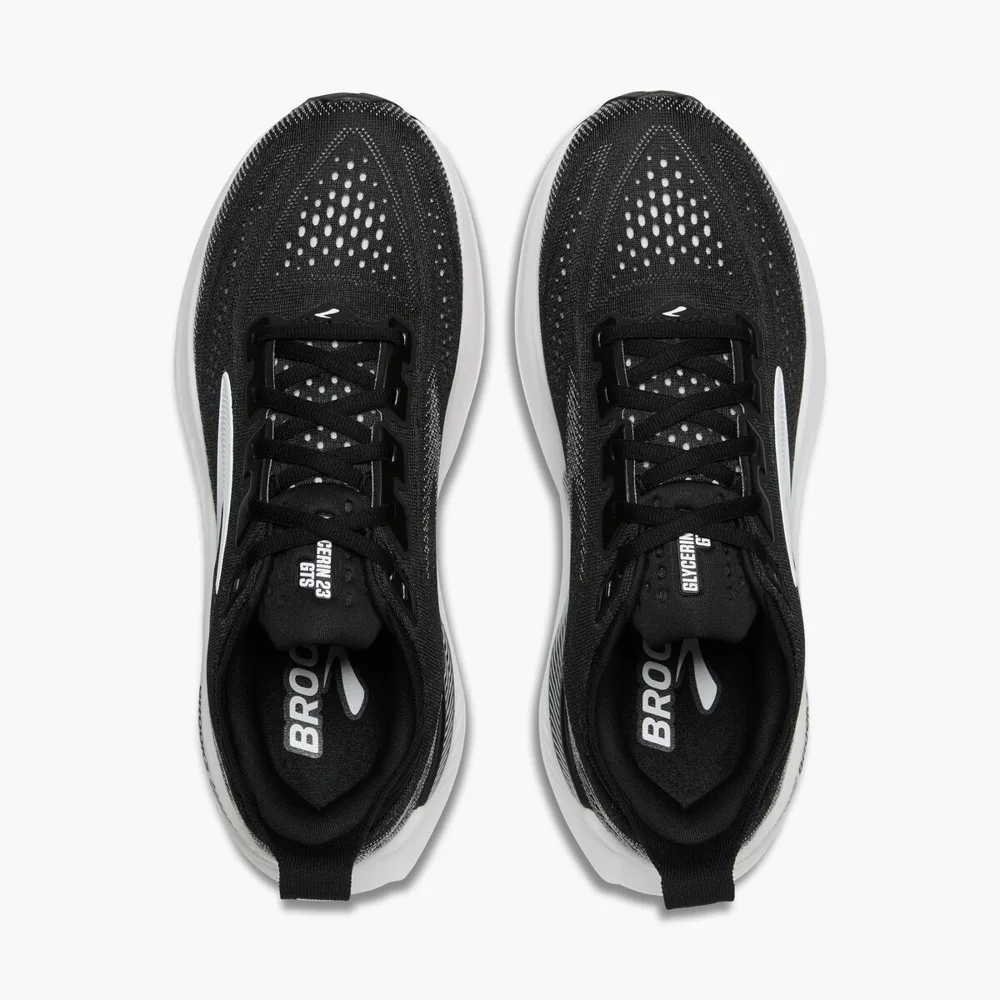
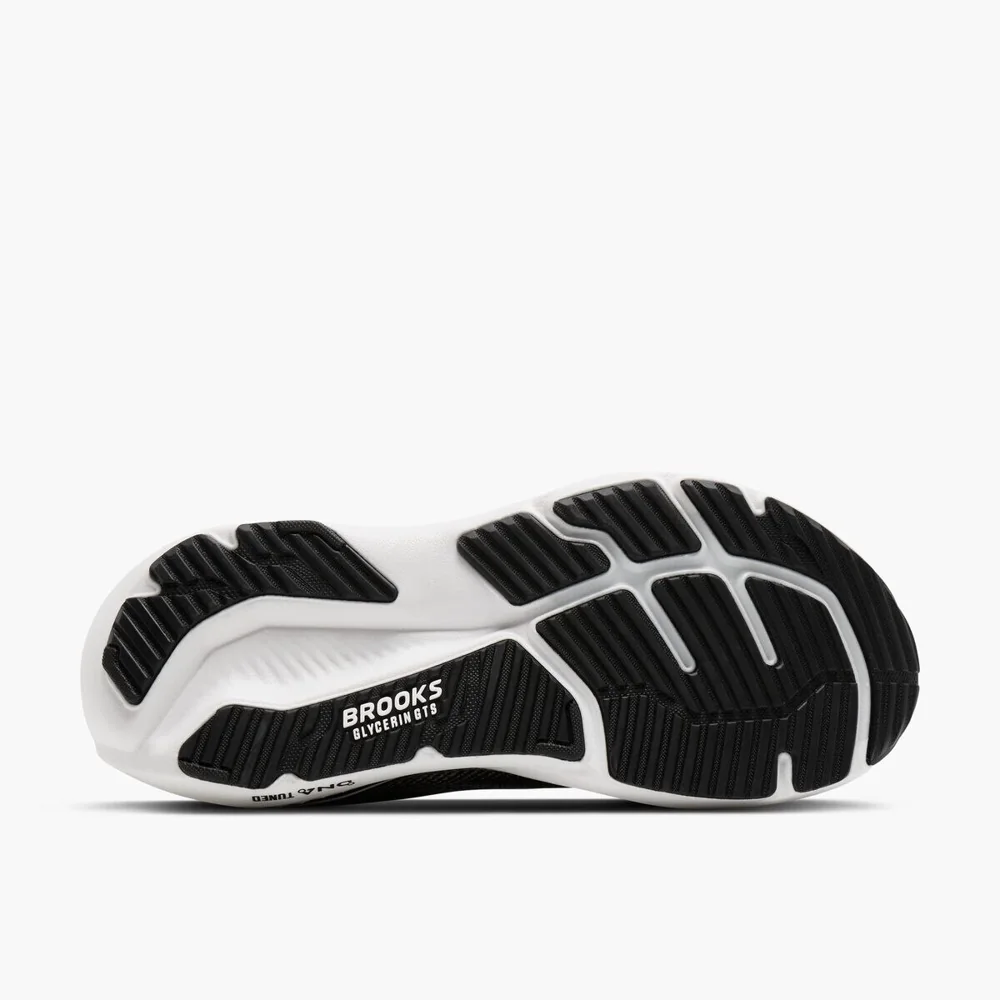
7. Brooks Glycerin GTS 23 — Best plush support
Who it suits: flat-footed runners who want the softest landing with stability — long runs, recovery days, and tired legs.
- Support: Stability (GuideRails)
- Foam: DNA Tuned (nitrogen-infused, dual-cell)
- Stack: 38 mm heel / 30 mm forefoot (Brooks)
- Drop: 8 mm (Brooks)
- Weight: 10.7 oz / 306 g men’s, 277 g women’s
- Widths: Medium (1D), Wide (2E), Extra Wide (4E) (men’s)
The Glycerin GTS 23 is the Glycerin 23 with GuideRails added, and the softest stability shoe in this guide. The DNA Tuned foam uses big soft cells in the heel and smaller firmer cells in the forefoot: you land soft, then push off a firmer platform. The GuideRails are the same firm foam walls from the Adrenaline — they keep your knee tracking straight when your foot rolls inward, without pushing your arch up. If your flat feet ache after long runs but you hate firm shoes, this is the pick.
No RunRepeat lab test exists for the Glycerin GTS 23 yet. The neutral Glycerin 23 was tested. RunRepeat measured 37.2 mm in the heel and 29.0 mm in the forefoot, with an 8.2 mm drop. Energy return was 54.1% in the heel and 57.7% in the forefoot. The GTS 23 shares the same foam and stack, so those numbers are a close guide — but they are not GTS 23 data, and the GuideRails add weight and firmness.
Pros:
- The softest landing of any stability shoe in this guide.
- GuideRails support without a rigid post under the arch.
- 8 mm drop feels balanced for heel, midfoot, and forefoot strikers.
- Deep heel cushion protects knees and calves on long runs.
- Premium upper with no hot spots.
Cons:
- Heavy at 10.7 oz. You feel the weight when you pick up the pace.
- No RunRepeat lab test yet for this exact model.
Skip it if: you race, do tempo work, or want a light shoe. The Guide 19 is the fast, light option with stability. If you want the same plush feel without support, read the best Brooks running shoes guide for the neutral Glycerin 23.
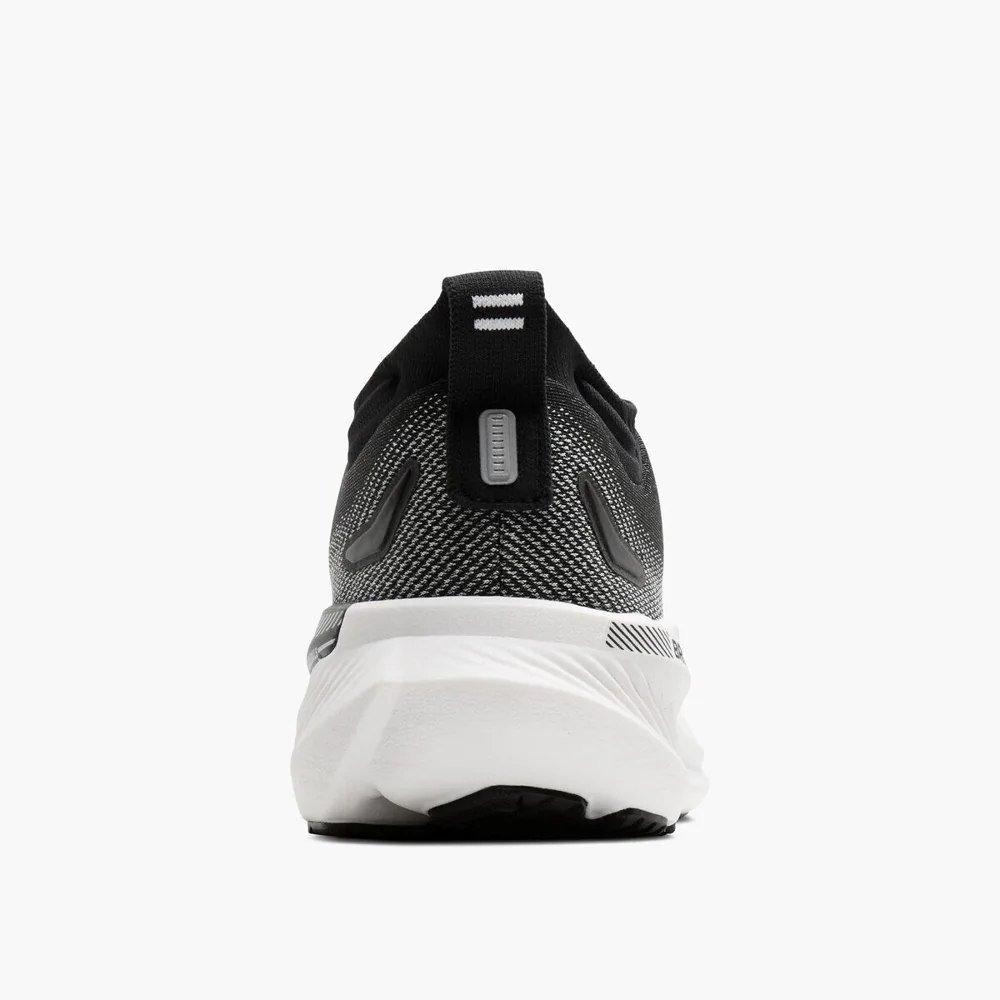
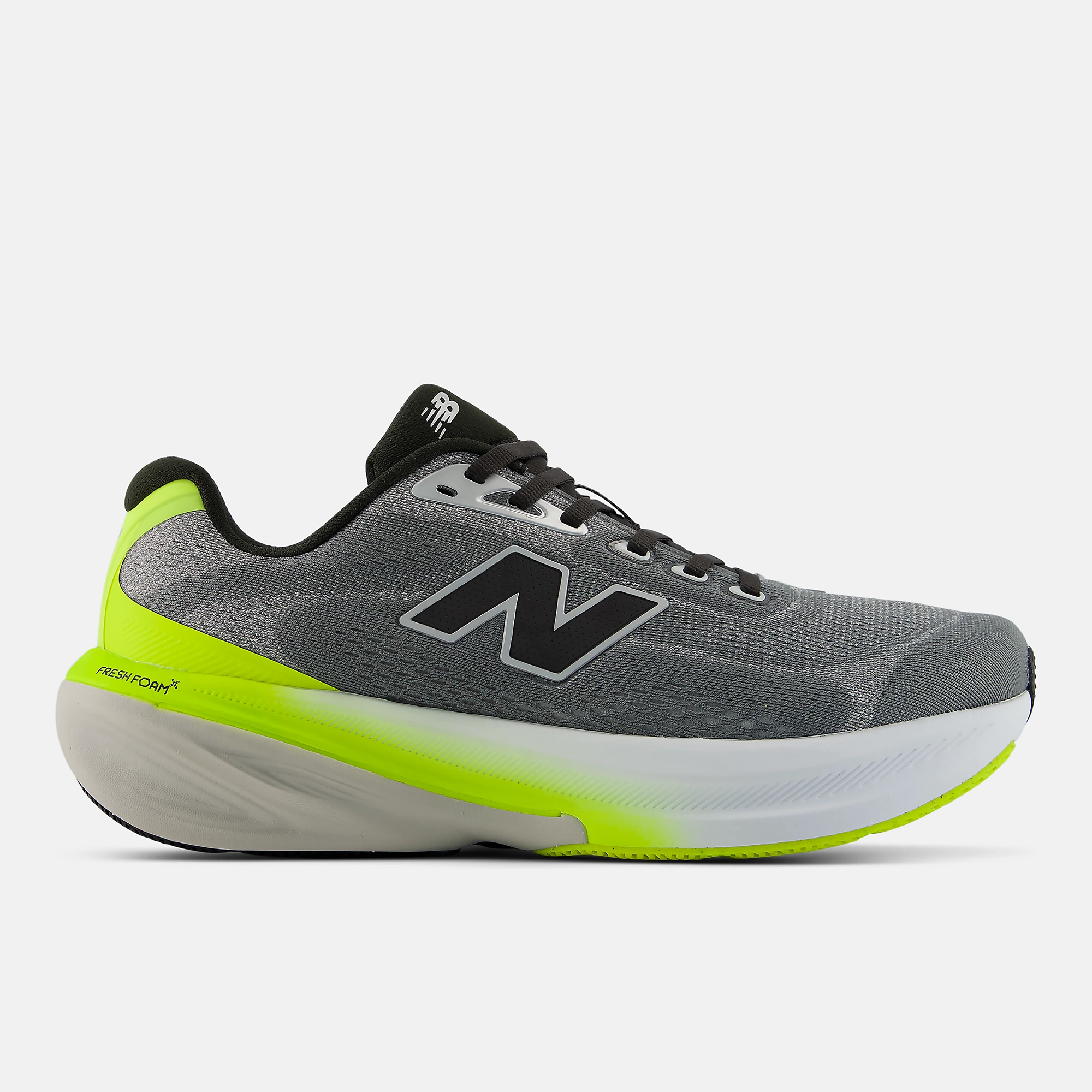
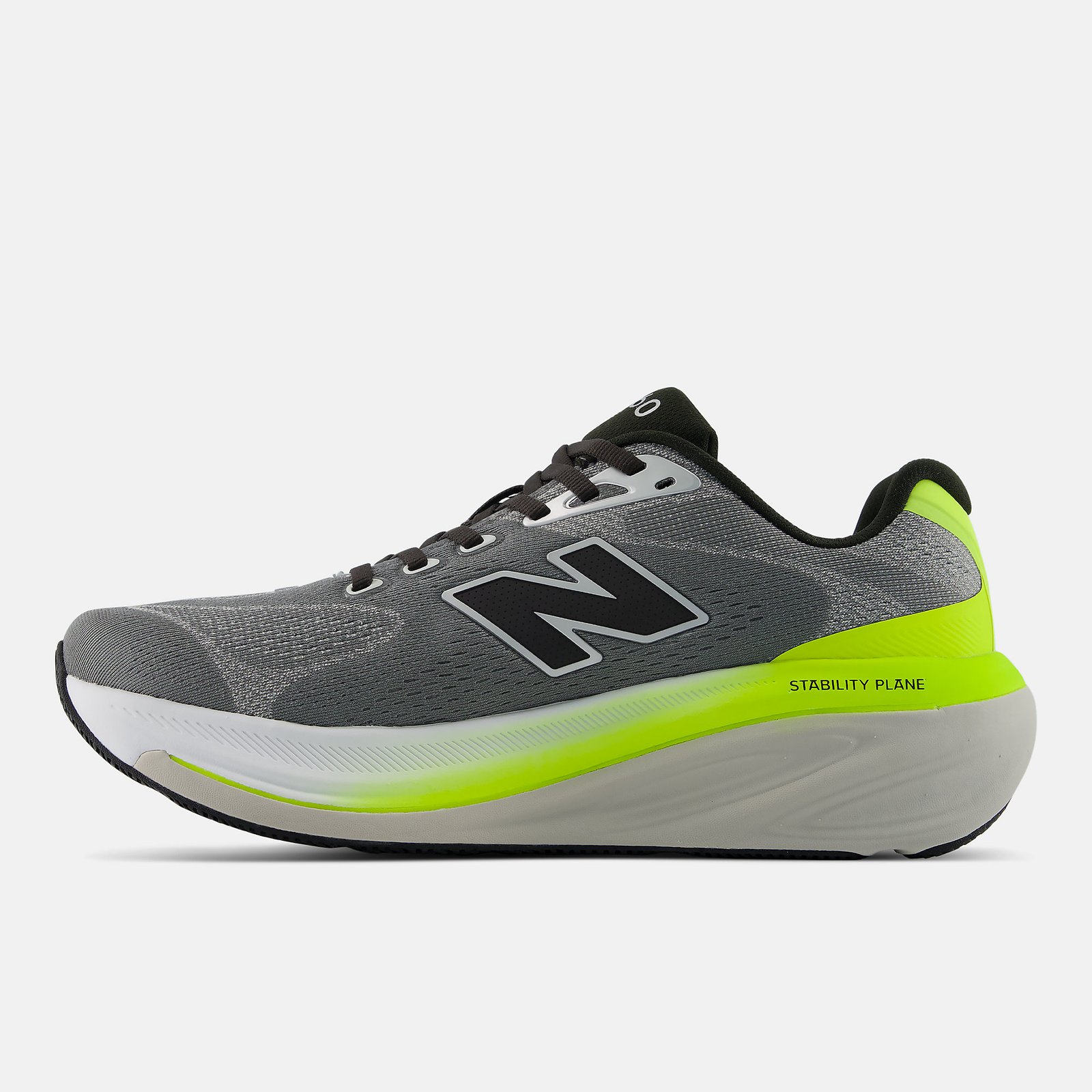
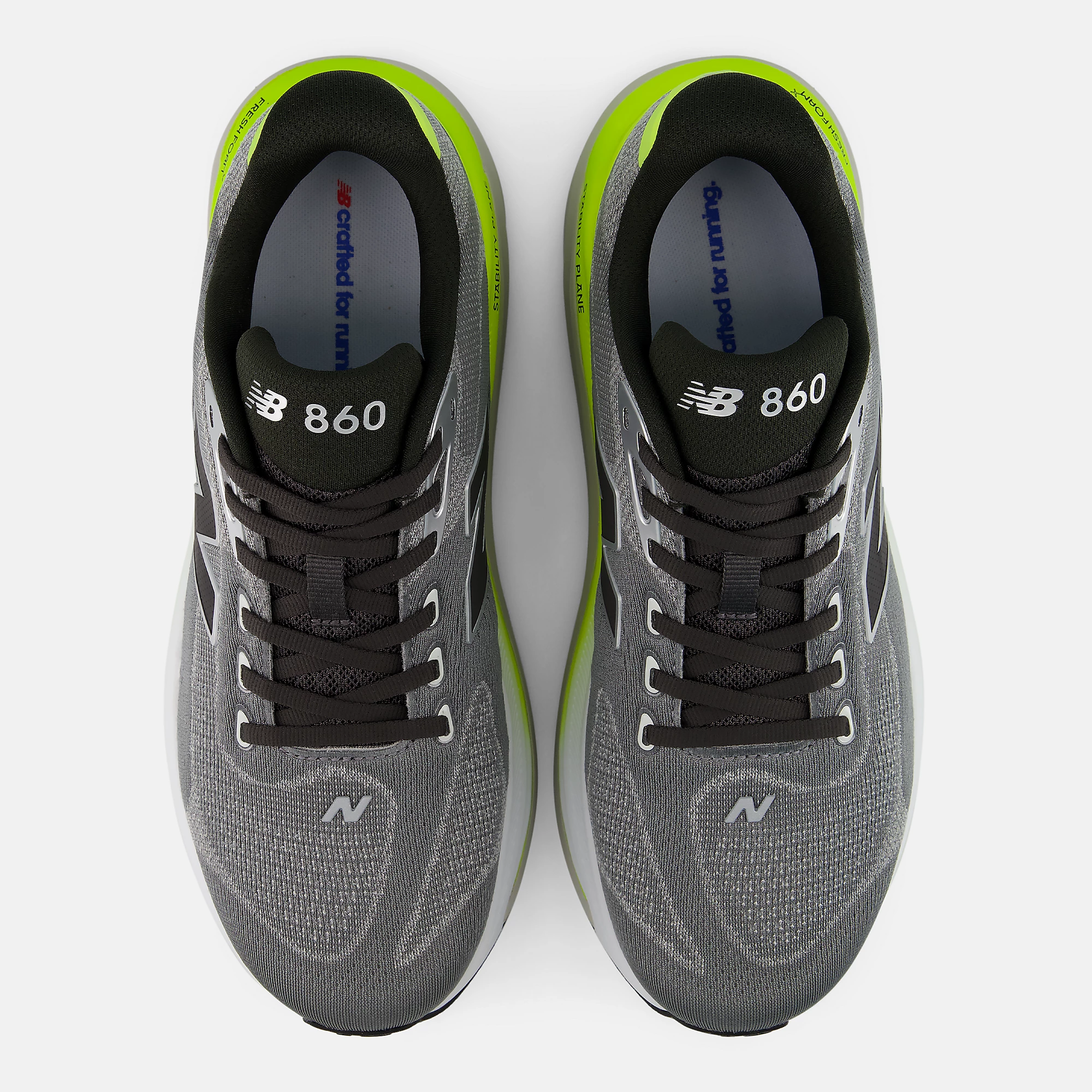
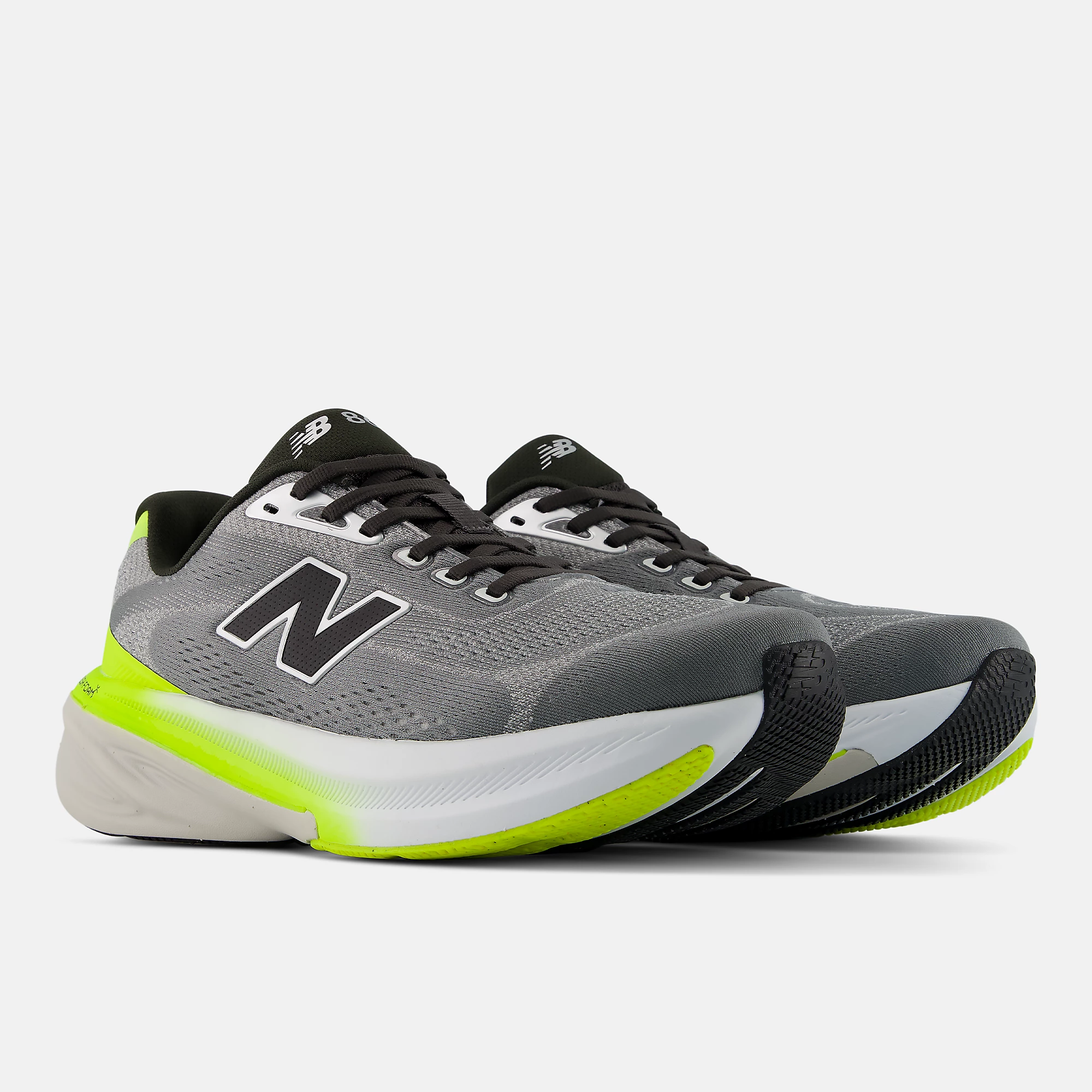
8. New Balance Fresh Foam X 860v15 — Best value stability
Who it suits: flat-footed runners who want the tallest stack and the widest fit range at a fair price — the value pick of this guide.
- Support: Stability (Stability Plane)
- Foam: Fresh Foam X
- Stack: 43 mm heel / 35 mm forefoot (New Balance)
- Drop: 8 mm (New Balance)
- Weight: 11.7–11.8 oz / 331–335 g men’s, 10.2 oz women’s
- Widths: Narrow, Standard, Wide, Extra Wide
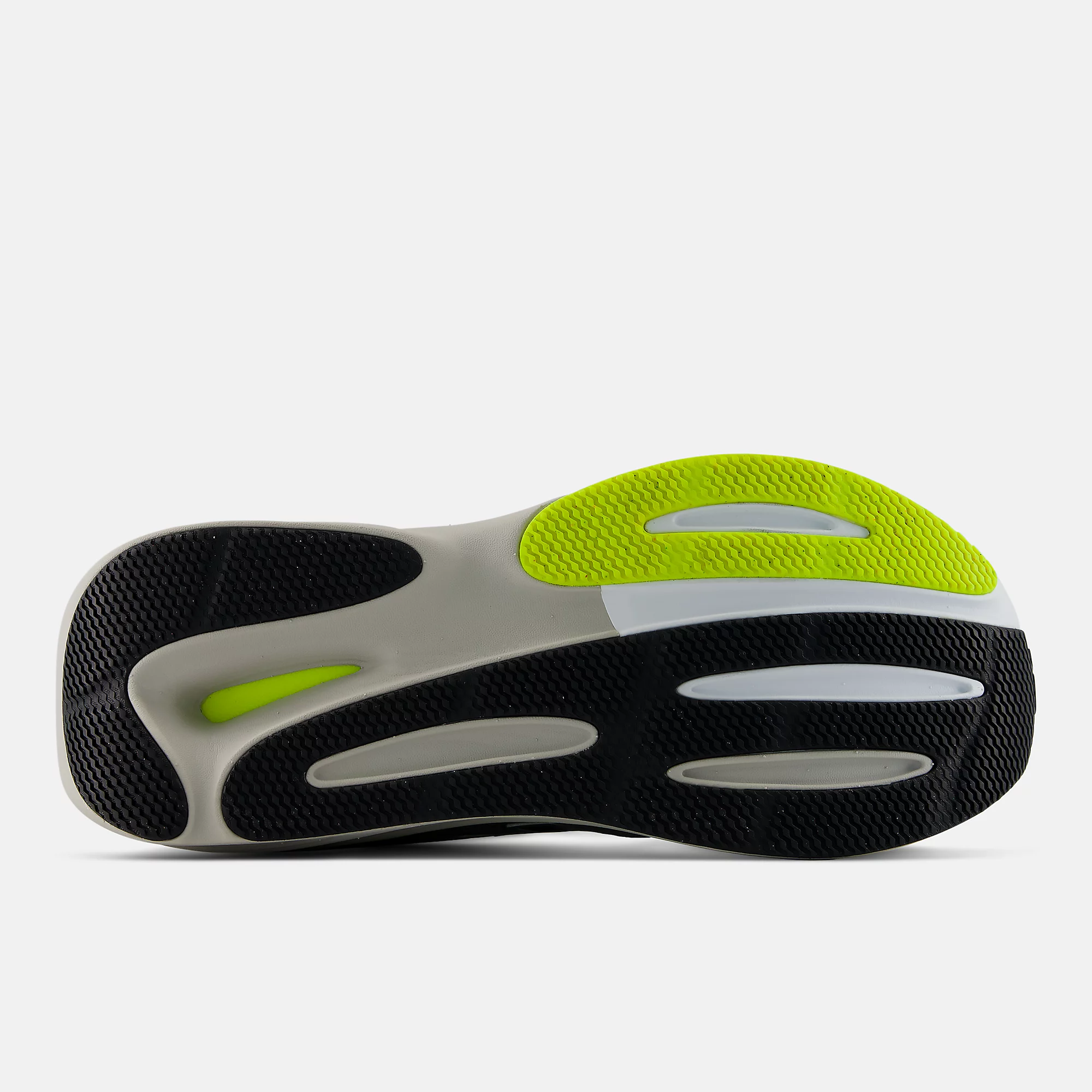
The Fresh Foam X 860v15 is the tallest shoe in this guide at 43 mm in the heel, and it is the best value stability shoe here. The Stability Plane is a firmer foam layer under the arch that holds the foot up without a separate post. Above it sits Fresh Foam X, New Balance’s softest foam. The combination gives you a tall, protective ride with real support — and four widths, so wide flat feet fit without sizing tricks.
No RunRepeat lab test exists for the 860v15 yet. The shoe is heavy at 11.7 oz for men — the heaviest in this guide — so it suits easy days and long runs better than fast training. The women’s version is much lighter at 10.2 oz. If you are a heavier runner with flat feet, the tall stack and wide fit range make this the most protective shoe here for the money.
Pros:
- Tallest stack in this guide (43 mm) for maximum protection.
- Four widths, the widest fit range of any shoe here.
- Stability Plane support without a hard post.
- The best value stability shoe in this guide.
- Women’s version is a full 1.5 oz lighter than the men’s.
Cons:
- The heaviest shoe in this guide at 11.7 oz for men.
- No RunRepeat lab test yet for this exact model.
Skip it if: you want a light shoe or you run fast. The Arahi 9 gives you stability at 10.0 oz. If you want the same tall stack with a softer feel, look at the Glycerin GTS 23.
Buying note: the 860v15 has no verified Amazon listing, so there is no Amazon button for this shoe. See it direct from New Balance below (New Balance link, not an Amazon link).
See the Fresh Foam X 860v15 at New Balance (New Balance direct link — not an Amazon link)
Best running shoes for flat feet compared side by side
| Model | Support tech | Support level | Arch feel | Drop (mm) | Widths | Best for |
|---|---|---|---|---|---|---|
| ASICS Gel-Kayano 33 | FLUIDSUPPORT | Stability, moderate | Supportive, no hard post | 8 | Narrow / Standard / Wide / X-Wide | Most flat feet |
| Brooks Adrenaline GTS 26 | GuideRails | Stability, moderate | Supportive, no arch push | 10 | Standard / Wide / X-Wide | Everyday support |
| HOKA Arahi 9 | H-Frame | Stability, mild–moderate | Gentle hold | 8 (lab 10.3) | Regular / Wide / X-Wide | Lightweight |
| HOKA Gaviota 6 | H-Frame | Stability, max | Firm hold | 6 (lab 7.3) | Regular / Wide / X-Wide | Max support |
| Saucony Guide 19 | CenterPath | Stability, moderate | Guided, flexible | 6 (lab 6.0) | Regular / Wide / Extra Wide | Versatility |
| Mizuno Wave Inspire 22 | Wave Plate | Stability, firm | Firm, planted | 10 (lab 8.1) | Standard / Wide (2E) | Firm ride |
| Brooks Glycerin GTS 23 | GuideRails | Stability, moderate | Soft, supportive | 8 | Medium / Wide / Extra Wide | Plush support |
| New Balance Fresh Foam X 860v15 | Stability Plane | Stability, moderate–firm | Tall, protective | 8 | Narrow / Standard / Wide / X-Wide | Value stability |
Sources: brand spec sheets (ASICS, Brooks, HOKA, Saucony, Mizuno, New Balance) and RunRepeat lab tests where listed. Lab drop figures are in brackets. Width ranges confirmed on the brand pages on 19 November 2026. No price column: prices change, and the Amazon buttons show the live price.
What makes a running shoe good for flat feet?
A good shoe for flat feet does one job: it keeps your foot from rolling too far inward (overpronation) without fighting your arch. The five things below decide whether a shoe does that job well. Every pick in this guide meets at least three of them.
If you are new to this type of shoe, learn what a stability running shoe is.
Flexible vs rigid flat feet
Flexible flat feet are the common kind. Your arch is visible when you sit, and it flattens when you stand. Most runners with flexible flat feet can run in stability shoes, and many can run in neutral shoes too. Rigid flat feet are different: the arch never appears, even when you sit, and the foot barely moves. Rigid flat feet need a clinician’s advice before you pick a shoe, and they often need custom orthotics. If your flat feet hurt, or if one foot is flatter than the other, see a podiatrist before you buy. This guide covers flexible flat feet.
Medial support
Medial support is the firm structure on the inside of the shoe that slows the inward roll. Old stability shoes used a hard wedge of dense foam under the arch — the medial post. It worked, but it felt like a lump under your foot. Every shoe in this guide uses a newer method instead. The Kayano 33 uses FLUIDSUPPORT. The Adrenaline GTS 26 and Glycerin GTS 23 use GuideRails. The Arahi 9 and Gaviota 6 use H-Frame. The Guide 19 uses CenterPath, the Wave Inspire 22 uses a Wave Plate, and the 860v15 uses a Stability Plane. These systems guide the foot instead of propping it up. The Kayano 33 and the Gaviota 6 give the strongest medial hold; the Arahi 9 gives the gentlest.
Arch shape of the insole
The insole is the part your arch actually touches. A flat insole lets a flat foot spread and roll inward. A contoured insole with a raised arch shape supports the foot from below. The Kayano 33, the 860v15, and the Gaviota 6 have the most contoured insoles in this guide. If you wear custom orthotics, the insole shape matters less — you will replace the stock insole anyway. See the orthotic section below.
Wide base and heel counter
A wide base is the width of the shoe where it meets the ground. A wider base is a more stable platform, and it matters most under the forefoot, where your foot pushes off. The Kayano 33 has a 120.7 mm forefoot base (RunRepeat lab), the Gaviota 6 has 120.0 mm, and the Guide 19 has 120.0 mm. The heel counter is the stiff cup around your heel. A firm heel counter locks the heel in place so it cannot roll. The Gaviota 6 scores 4 out of 5 for heel counter stiffness (RunRepeat lab); the Guide 19 scores 3 out of 5. If your heel rolls a lot, pick a shoe with a firm counter: Gaviota 6, Kayano 33, or 860v15.
Orthotic compatibility
If you wear custom orthotics, you need a shoe with a removable insole and enough depth to fit the orthotic without crowding your toes. All 8 shoes in this guide have removable insoles. The best picks for orthotics are the Kayano 33, the Adrenaline GTS 26, and the 860v15. They have deep, roomy interiors and wide fits, so the orthotic sits flat and your toes still have room. Take your orthotics to the shop when you try shoes on, and test the shoe with the orthotic inside, not with the stock insole.
Do flat feet need stability shoes?
Not always. This is the most important thing to know before you buy. A large study of 927 novice runners (Nielsen et al., 2014) found that foot pronation was not linked to a higher injury risk when the runners wore neutral shoes. A military trial summary (Knapik et al., 2014) found that prescribing shoes by arch height did not reduce injuries. And a randomised trial of women runners (Ryan et al., 2011) found that the most stable shoe actually caused more pain in runners with neutral feet.
The pattern is clear: if your flat feet do not hurt, you do not need maximum support. A neutral shoe, or a mild stability shoe like the Arahi 9, may be enough. If your flat feet hurt — sore arches, shin splints, knee pain, or Achilles pain — a stability shoe helps, and the right pick depends on how bad the roll is.
| Your flat feet | What to pick |
|---|---|
| No pain, mild roll | Neutral shoe is fine, or a mild stability shoe (Arahi 9, Guide 19) |
| Mild pain, moderate roll | Moderate stability (Kayano 33, Adrenaline GTS 26, Glycerin GTS 23) |
| Pain, heavy roll, or posterior tibial tendon trouble | Maximum support (Gaviota 6) or a clinician’s advice plus orthotics |
| Rigid flat feet, or pain that does not ease | See a podiatrist before you buy — a shoe alone may not fix it |
Use the comfort filter: the shoe that feels best in the first minute is usually the right one. If a stability shoe hurts your arch, it is too much shoe for you — go milder. If a neutral shoe lets your ankle collapse, go firmer. Comfort is not a soft test; it is the test the research points to.
If heel pain is your main problem, see our guide to the best running shoes for plantar fasciitis.
Running with flat feet: tips
Shoes help, but they are not the whole fix. Two habits matter as much as the shoe. First, strengthen your feet. Calf raises, toe curls, and short-foot exercises (pull the ball of your foot toward your heel without curling your toes) build the small muscles that hold the arch up. Ten minutes, three times a week, is enough to start. Second, watch your cadence. A cadence of 170–180 steps per minute shortens your stride, so your foot lands closer under your body and rolls less. If your cadence is under 160, try shorter, quicker steps for a few minutes each run and build from there.
Replace your shoes on time. Stability foam breaks down with miles, and a worn stability shoe stops supporting your arch long before the outsole looks worn. Most shoes in this guide last 300–500 miles. If your flat feet start aching again after months of pain-free running, the foam is probably done — not your feet. For care, see our guide on how to wash running shoes.
Which running shoes for flat feet are best for women?
All 8 shoes in this guide come in women’s versions, and the picks do not change by sex — the same support systems work for women’s feet. The weights do change. The women’s Kayano 33 is 9.1 oz against 10.5 oz for men. The women’s Arahi 9 is 8.2 oz against 10.0 oz, the women’s Guide 19 is 8.9 oz against 9.7 oz, and the women’s Wave Inspire 22 is 8.8 oz against 10.4 oz. The women’s 860v15 is 10.2 oz against 11.7 oz. Women’s versions also come in narrower widths, which matters if you have a narrow flat foot — a shoe that is too wide lets the foot slide and roll. If you have wide feet, the Kayano 33 and the 860v15 offer wide and extra-wide women’s fits. For a women’s-specific roundup, the best Nike running shoes guide covers Nike’s women’s lineup.
For the men’s picks, see our guide to the best running shoes for men.
How we chose these shoes
We picked these 8 shoes from the current lineups using four sources, and we did not test them hands-on. First, brand spec sheets: stack, drop, weight, widths, and support tech come from ASICS, Brooks, HOKA, Saucony, Mizuno, and New Balance. Second, independent lab data: RunRepeat cuts shoes in half and measures the real stack, drop, weight, shock absorption, energy return, and torsional rigidity. We used lab data only where a lab test exists. The Kayano 33, Arahi 9, Gaviota 6, and Guide 19 have RunRepeat lab tests. The GTS 26, Wave Inspire 22, Glycerin GTS 23, and 860v15 do not, and the article says so plainly. Third, clinical guidance: the NHS on flat feet, and peer-reviewed studies on pronation, shoe prescription, and injury risk (see Sources). Fourth, verified Amazon availability: the ASINs for the Kayano 33, Arahi 9, Gaviota 6 and Glycerin GTS 23 were checked against Amazon on 12 November 2026 and each title matched the model; the GTS 26 is not on Amazon yet, so its button goes to the previous model, the GTS 25; the Guide 19, Wave Inspire 22 and 860v15 have no verified Amazon listing, so they link direct to the brand instead. No shoe was picked because it was on sale, and no brand paid for a place in this guide.
Which shoe should you pick?
| You are | Pick |
|---|---|
| A flat-footed runner who wants the safest all-round shoe | ASICS Gel-Kayano 33 |
| A daily runner with moderate overpronation | Brooks Adrenaline GTS 26 |
| A light runner who hates heavy shoes | HOKA Arahi 9 |
| A heavier runner, or heavy overpronation | HOKA Gaviota 6 |
| A runner who wants one shoe for easy days and fast days | Saucony Guide 19 |
| A runner who finds soft foam unstable | Mizuno Wave Inspire 22 |
| A runner who wants the softest landing with support | Brooks Glycerin GTS 23 |
| A runner who wants the most shoe for the money | New Balance Fresh Foam X 860v15 |
If you still cannot decide, buy the Gel-Kayano 33. It is the pick that fits the most flat feet with the fewest trade-offs.
Which running shoes for flat feet also suit runners who need stability?
All 8 picks are stability shoes, so the question is how much stability you need. For moderate stability, the Kayano 33 and the Adrenaline GTS 26 are the safe picks. For maximum stability, the Gaviota 6.
Which running shoes for flat feet also suit overpronation?
Flat feet and overpronation usually go together — a flat arch rolls inward more. The Gaviota 6 and the Kayano 33 give the strongest hold for overpronation; the Guide 19 and the Arahi 9 suit mild overpronation.
Which running shoes for flat feet also suit shin splints?
Shin splints often come from overpronation plus a sudden jump in mileage. The Guide 19 is the best pick here: it has the best shock absorption in this guide (144/133 SA) and a low 6 mm drop, which eases the load on the shins. The Glycerin GTS 23 is the second pick for its deep heel cushion. Cut your mileage by 10% a week, and see a clinician if the pain lasts more than two weeks.
Which running shoes for flat feet also suit knee pain?
Knee pain in flat-footed runners often comes from the knee tracking inward when the foot rolls. GuideRails shoes (Adrenaline GTS 26, Glycerin GTS 23) are built for this: the rails keep the knee straight. The Kayano 33’s FLUIDSUPPORT does the same job. If knee pain persists, the shoe alone may not fix it — a clinician and strength work matter more.
Frequently asked questions
Is it OK to run with flat feet?
Yes, for most runners. Flat feet alone do not stop you from running. A large study of 927 novice runners found that pronation was not linked to a higher injury risk in neutral shoes (Nielsen et al., 2014). The key is pain: pain-free flat feet need only a good-fitting shoe, while painful flat feet need support, strength work, or a clinician’s advice.
Are HOKA good for flat feet?
Yes. HOKA makes two of the best stability shoes for flat feet: the Arahi 9 for mild to moderate support at 10.0 oz, and the Gaviota 6 for maximum support. Both use the H-Frame, a firmer foam frame that holds the arch up without a hard post. The Arahi 9 suits most flat feet; the Gaviota 6 suits heavy overpronation.
Do flat feet need arch support?
Only if they hurt. Pain-free flat feet do not need arch support — the research shows that prescribing shoes by arch height does not reduce injuries (Knapik et al., 2014). If your flat feet ache, or if you get shin splints, knee pain, or Achilles pain, arch support helps: a stability shoe, an insole, or custom orthotics.
Are neutral shoes bad for flat feet?
Not necessarily. A neutral shoe is fine for pain-free flat feet with a mild roll. A study of novice runners found no extra injury risk from wearing neutral shoes with pronating feet (Nielsen et al., 2014). But a neutral shoe gives no help when the arch collapses hard or hurts — then switch to a stability shoe from this guide.
What do podiatrists recommend for flat feet runners?
Podiatrists recommend three things. First, a stability shoe with a firm heel counter and a wide base. Second, a contoured insole or custom orthotic if the arch needs more help. Third, strength work for the feet and calves. They also check whether the flat foot is flexible or rigid — rigid flat feet need a clinician’s plan, not just a shoe.
How to lace running shoes for flat feet?
Use the heel-lock (runner’s loop) lacing: thread the lace through the top eyelet to make a small loop on each side, then cross the laces through the opposite loops and pull tight. This locks the heel in place so it cannot roll. Loosen the middle eyelets if the laces press on the top of your arch.
How to choose running shoes for flat feet?
First, check whether your flat feet hurt — pain-free feet need only a good fit, painful feet need support. Second, pick the support level: mild (Arahi 9), moderate (Kayano 33, Adrenaline GTS 26), or maximum (Gaviota 6). Third, try the shoe on with your orthotics inside, and use the heel-lock lacing.
Are running shoes good for flat feet?
Yes — the right running shoes are the first fix for flat feet. A stability running shoe holds the arch up, keeps the knee tracking straight, and cushions the landing, which is why most flat-footed runners feel better in one. The wrong shoe can make things worse: a soft neutral shoe lets a flat arch collapse further.
Sources
- NHS — Flat feet.
- Nielsen et al., 2014, British Journal of Sports Medicine — Foot pronation is not associated with increased injury risk in novice runners wearing a neutral shoe.
- Knapik et al., 2014, Journal of Orthopaedic & Sports Physical Therapy — Prescribing running shoes by arch height: summary of military trials.
- Ryan et al., 2011, British Journal of Sports Medicine — The effect of three different levels of footwear stability on pain outcomes in women runners (randomised controlled trial).
- Relph et al., 2022, Cochrane Review — Running shoes for preventing lower-limb running injuries in adults.
- RunRepeat — Best running shoes for flat feet (lab-tested guide).
- RunRepeat lab tests: ASICS Gel-Kayano 33, Brooks Adrenaline GTS 25 (used as a labelled guide for the GTS 26 only), HOKA Arahi 9, HOKA Gaviota 6, Saucony Guide 19. Lab figures are cited in the text next to the claim they support.
- RTINGS lab test: Mizuno Wave Inspire 22 (weight 281.4 g, heel stack 39.2 mm, drop 8.1 mm measured).
Last updated: 19 November 2026. Prices are not listed in this article — the Amazon buttons show the live price. If you have flat feet that hurt, or one foot is flatter than the other, talk to a clinician before you buy.