
Table of Contents
On vs Brooks
On suits runners who want a firm, springy, stylish shoe; Brooks suits runners who want softer, proven daily trainers and stability options. The split is ride feel. On is firm and quick. Brooks is soft and easy. This guide names a pick for each type of runner.
HealthSOP is reader-supported. As an Amazon Associate, we earn from qualifying purchases made through links on this page — at no extra cost to you.
| Category | Winner | Why |
|---|---|---|
| Daily trainer | Brooks Ghost 18 | Softer foam at 40.5 AC |
| Spring and bounce | On Cloudmonster 3 | Higher heel energy return, 58.7% |
| Stability | Brooks | Adrenaline GTS 26 leads the range |
| Speed and racing | On | Cloudboom Strike 2, 191 g carbon racer |
| Wide feet | Brooks | Ghost 18 widths run to 4E |
On vs Brooks: quick verdict
On vs Brooks running shoes comes down to ride feel. On feels firm and quick. Brooks feels soft and easy. Pick On if you want a springy shoe that looks sharp off the run. Pick Brooks if you want a soft daily trainer and real stability options. The two flagships below show the split in numbers.
Brand philosophy and ride feel
On builds its shoes around CloudTec pods and a Speedboard plate. The pods squash down on landing, then spring back. The plate adds snap. The ride feels firm and quick. That is why On suits runners who want style as well as speed.
Brooks builds run-first shoes. Its DNA LOFT v3 foam feels soft and smooth. The Ghost line is the brand’s proven daily trainer. Brooks also leads on stability. That is why Brooks suits runners who want soft miles.
Lineups matched model for model
The table below matches the on vs brooks shoes lineups model for model.
| Category | On | Brooks |
|---|---|---|
| Daily trainer | Cloudmonster 3 | Ghost 18 |
| Max cushion | Cloudmonster 3 Hyper | Glycerin Max 2 |
| Stability | Cloudrunner 3 | Adrenaline GTS 26 |
| Speed / race | Cloudboom Strike 2 | Hyperion Elite 6 |
| Trail | Cloudultra 3 | Cascadia 20 |
Both brands cover every type of run. On adds the Cloudsurfer Max as a soft daily shoe and the Cloud 6 for everyday wear. Brooks adds the Glycerin 23 as a plush daily trainer and the Hyperion Max 4 for fast training. See our best On running shoes and best Brooks running shoes guides.
Fit, sizing and widths
Both flagships fit true to size in lab tests. The split is in the toe box. The Cloudmonster 3 toe box measures 94.3 mm. That is narrower than the v2, which measured 98.5 mm. The Ghost 18 toe box measures 70.6 mm. That is narrow. The Ghost 18 comes in widths from narrow through 4E. The Cloudmonster 3 has no published width range in our research notes. The Cloudmonster 3 comes in men’s sizes US 7 to 15. The Ghost 18 size range is n/a in our notes. The AAOS fitting guide puts fit first. Check fit before you buy athletic shoes. If you have wide feet, start with our best running shoes for wide feet guide.
Cushioning technology
On uses dual-density Helion foam with triple-layer CloudTec. The lab reads the Cloudmonster 3 foam at 49.9 AC. That is firm. Lower AC means softer foam. The shoe returns 58.7% of energy at the heel and 56.8% at the forefoot. Shock absorption reads 123 SA at the heel and 119 SA at the forefoot.
Brooks uses DNA LOFT v3 foam, mixed with nitrogen. The lab reads the Ghost 18 foam at 40.5 AC. That is softer than the Cloudmonster 3. The shoe returns 52.4% of energy at the heel and 58.1% at the forefoot. Shock absorption reads 135 SA at the heel and 101 SA at the forefoot. The Ghost 18 wins on softness. The Cloudmonster 3 wins on spring at the heel.
Stability options
Brooks leads on stability. Its stability pick is the Adrenaline GTS 26, released 1 November 2026. On’s stability pick is the Cloudrunner 3. Neither flagship is a stability shoe. Both are neutral. If your feet roll in, start with a stability shoe, not a flagship.
A Cochrane review found no strong proof here. No shoe type stops injuries better than another. Research on the ‘comfort filter’ points to comfort. Runners do best in the shoe that feels most comfortable to them. See our best running shoes for flat feet guide if your arches roll in.
Durability and value
The Ghost 18 is the only flagship here with a lab wear figure. Its outsole wore 0.8 mm in lab tests. No matching wear figure exists for the Cloudmonster 3. Its outsole wear is n/a in our notes. The Ghost 18 uses a RoadTack rubber outsole. The Cloudmonster 3 lab notes a very stiff ride, at 20.5 N. Stiff does not mean long-lasting. On value, this guide lists no prices.
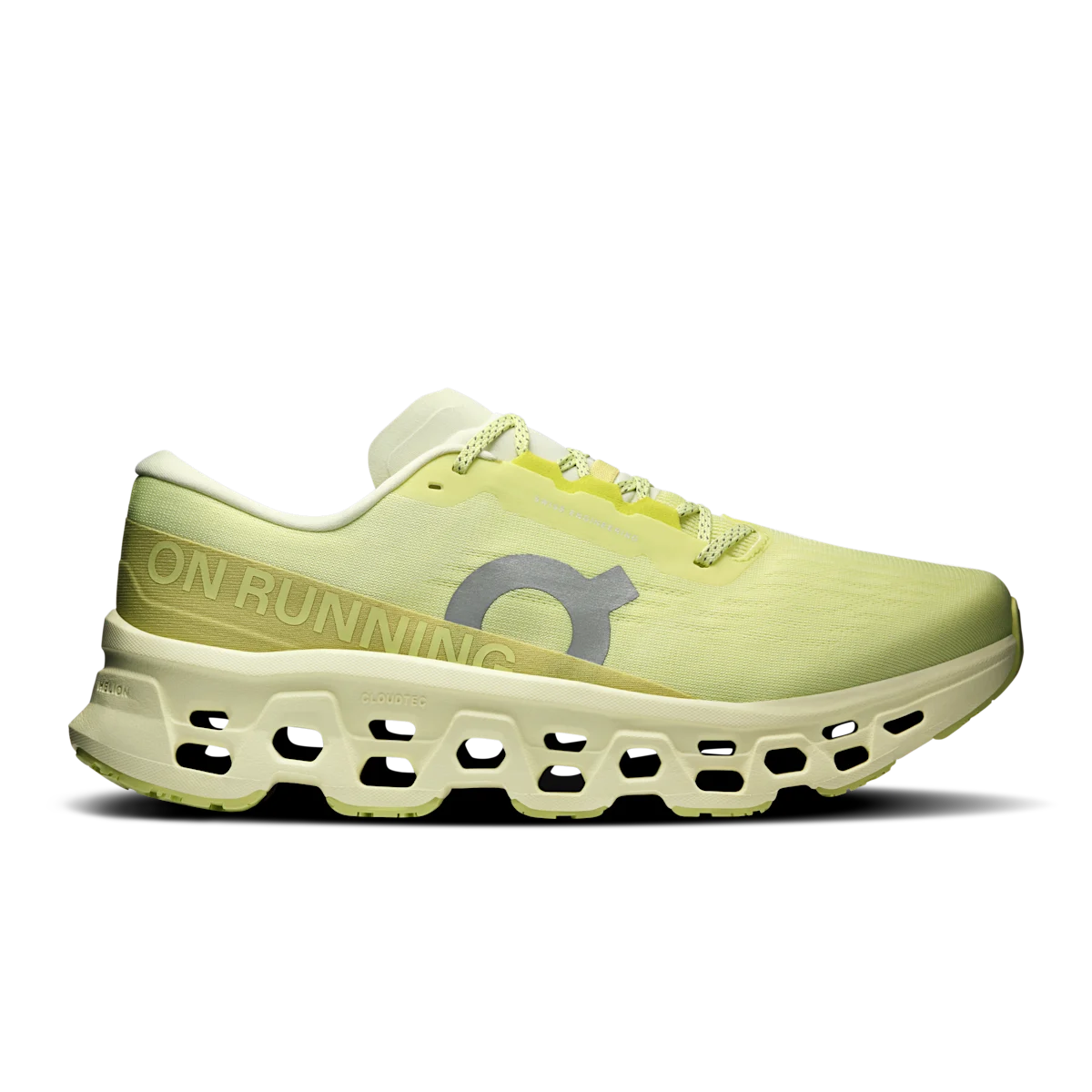
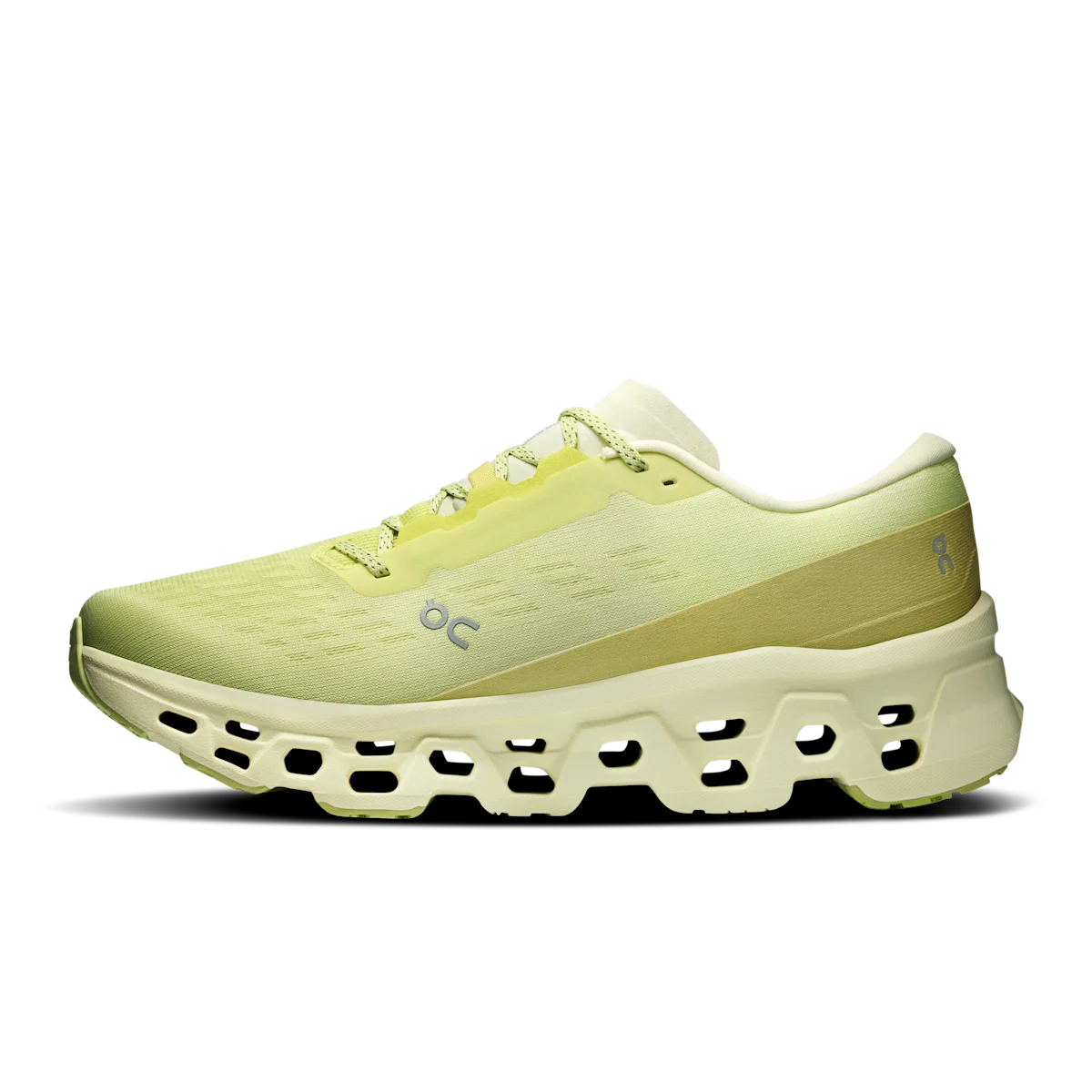
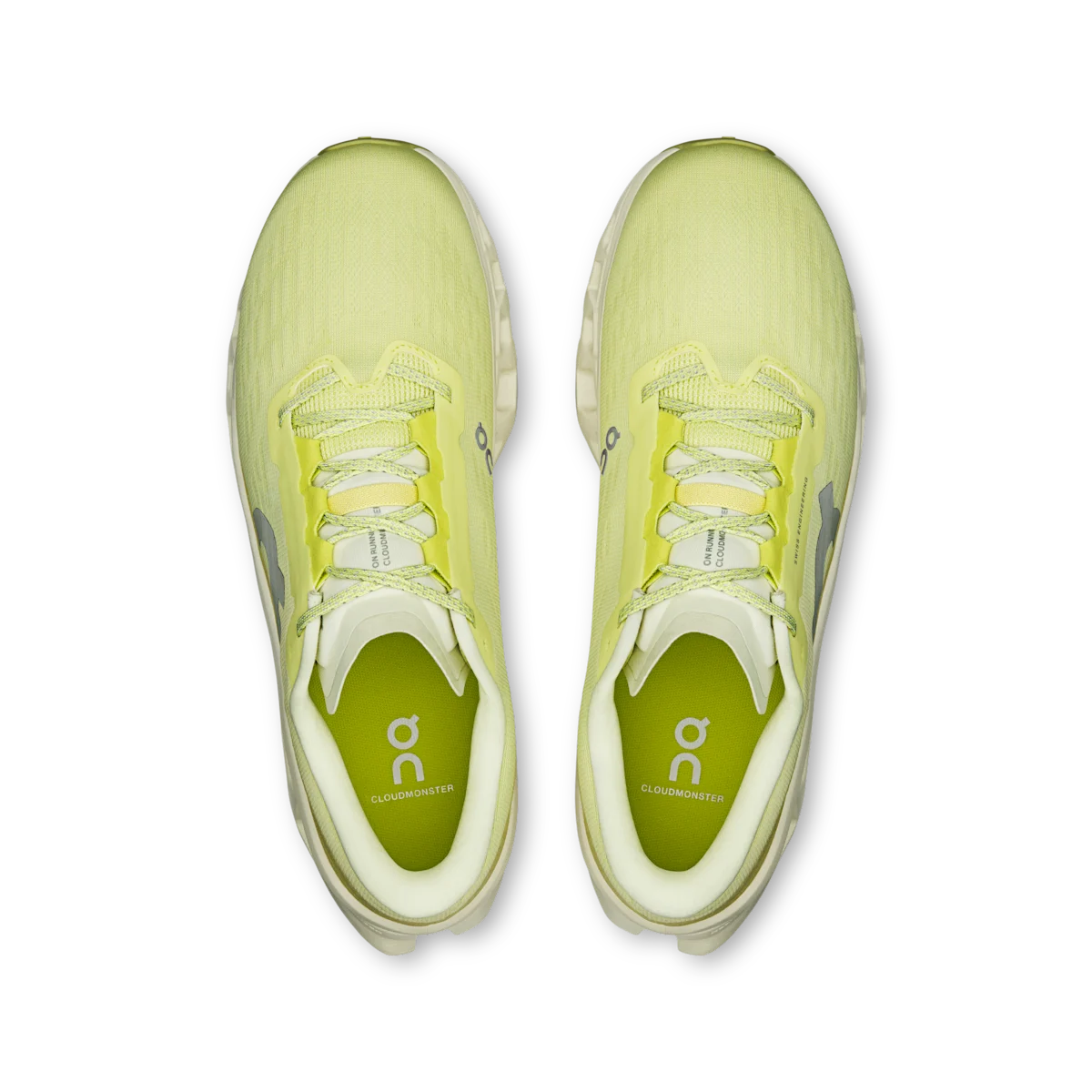
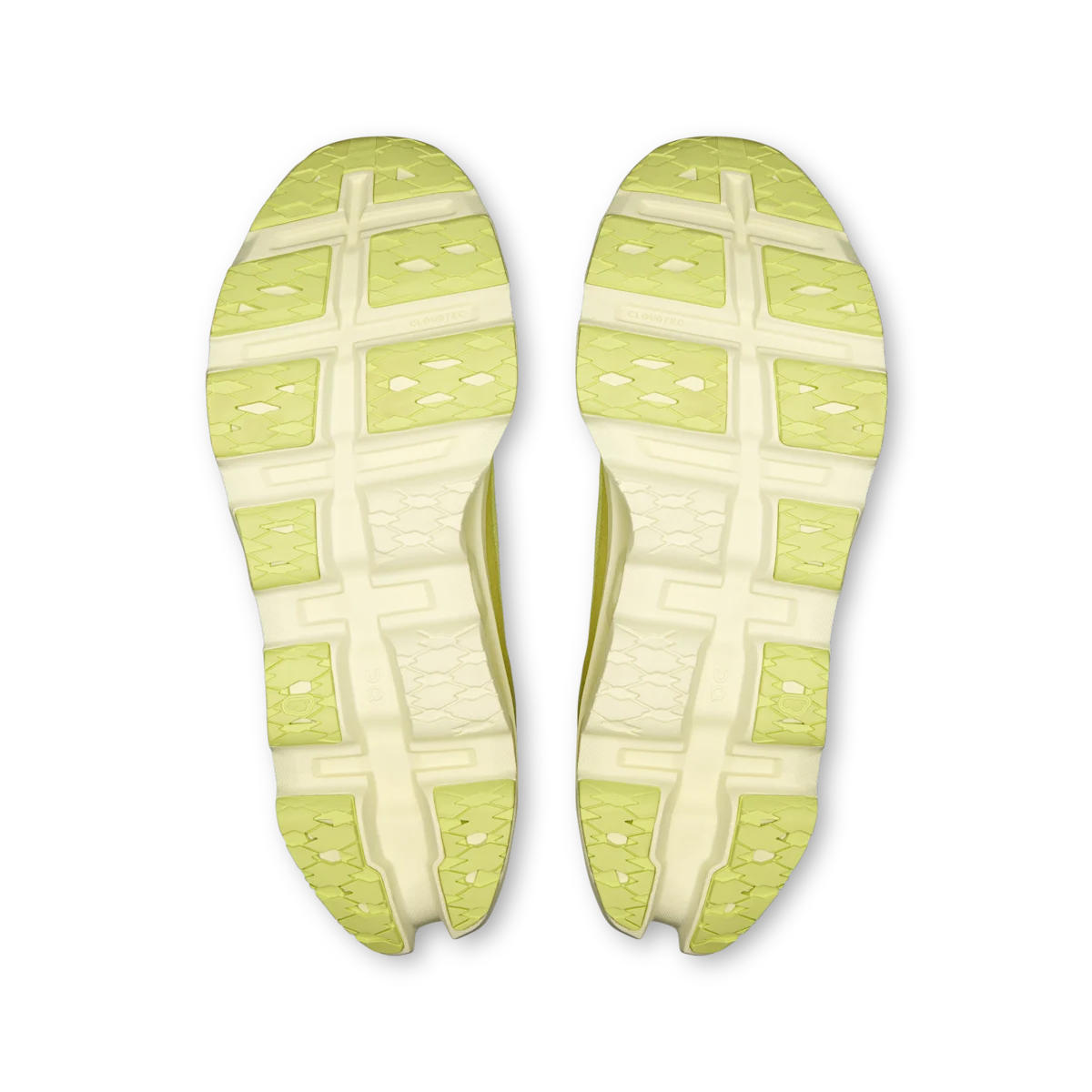
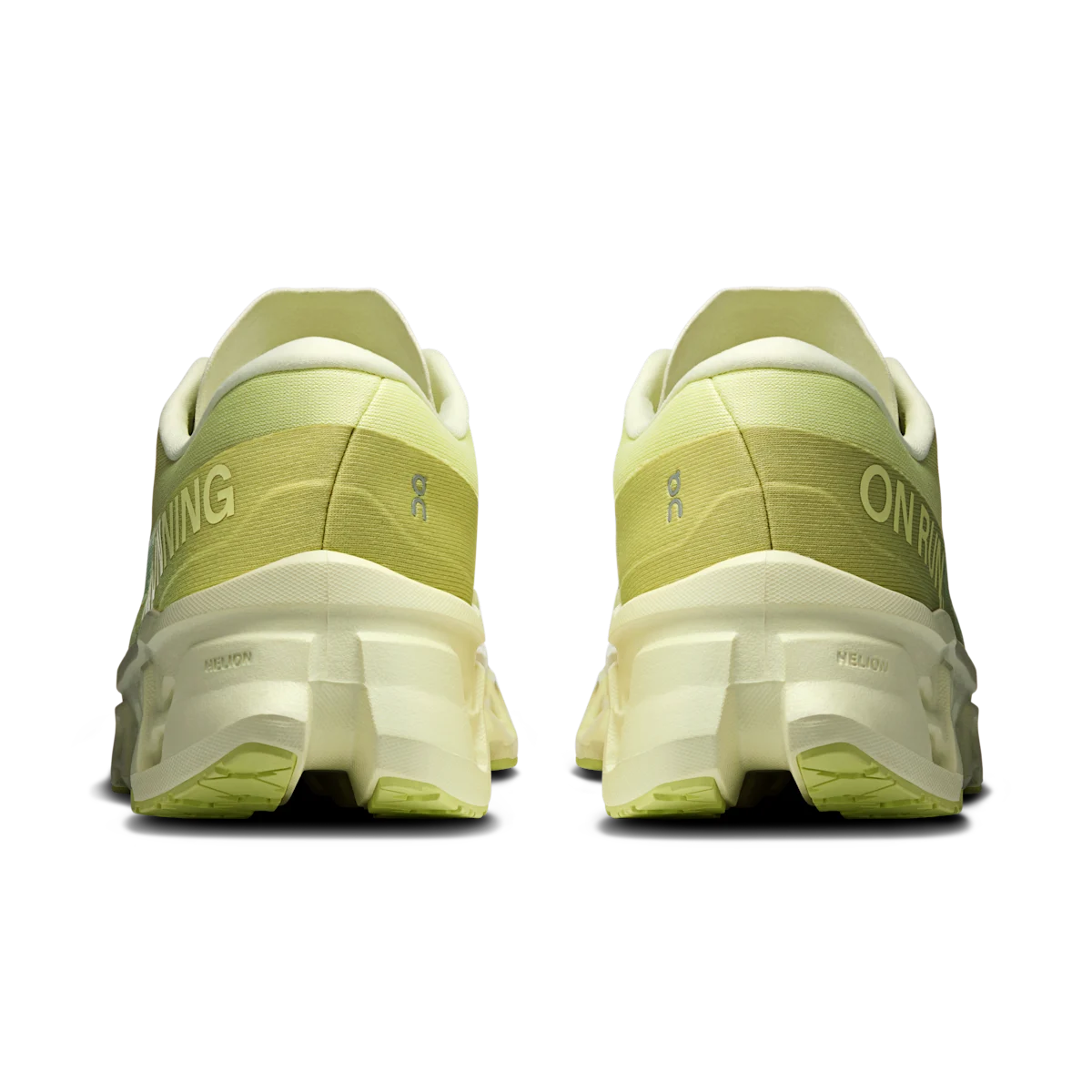
1. On Cloudmonster 3
- Support: Neutral
- Foam: Dual-density Helion, triple-layer CloudTec, nylon-blend Speedboard
- Stack: 35/29 mm, brand (lab 38.6/32.2 mm)
- Drop: 6 mm, brand (lab 6.4 mm)
- Weight: 295 g men’s (US 8.5)
- Widths: n/a
- Lab: Foam 49.9 AC (firm); shock absorption 123/119 SA; energy return 58.7%/56.8%
- Lab: Toebox 94.3 mm; rigidity 20.5 N (very stiff)
- Source: On, RunRepeat lab
The Cloudmonster 3 is On’s max-cushion daily trainer. It launched on 5 March 2026. The CloudTec gives a firm, springy ride. The trade-off is the stiff ride. Lab tests read rigidity at 20.5 N, which is very stiff. The toe box is narrower than the v2.
The video above is The Run Testers’ review of the Cloudmonster 3.
Pros: – Firm, springy ride with real snap – High heel energy return, 58.7% in lab tests – Taller forefoot stack than the Ghost 18
Cons: – Very stiff ride at 20.5 N in lab tests – Narrower toe box than the v2 – No published width range – Firm foam will not suit runners who want soft
Skip it if: you want the softest ride or a wide fit. Look at the Ghost 18 for soft miles and widths to 4E.


2. Brooks Ghost 18
- Support: Neutral
- Foam: DNA LOFT v3 (nitrogen-infused)
- Stack: 36/26 mm, brand (lab 37.3/25.1 mm)
- Drop: 10 mm, brand (lab 12.2 mm)
- Weight: 289 g men’s (10.2 oz)
- Widths: Narrow through 4E
- Lab: Foam 40.5 AC; shock absorption 135/101 SA; energy return 52.4%/58.1%
- Lab: Toebox 70.6 mm (narrow); heel counter stiffness 5/5; outsole wear 0.8 mm
- Source: Brooks, RunRepeat lab
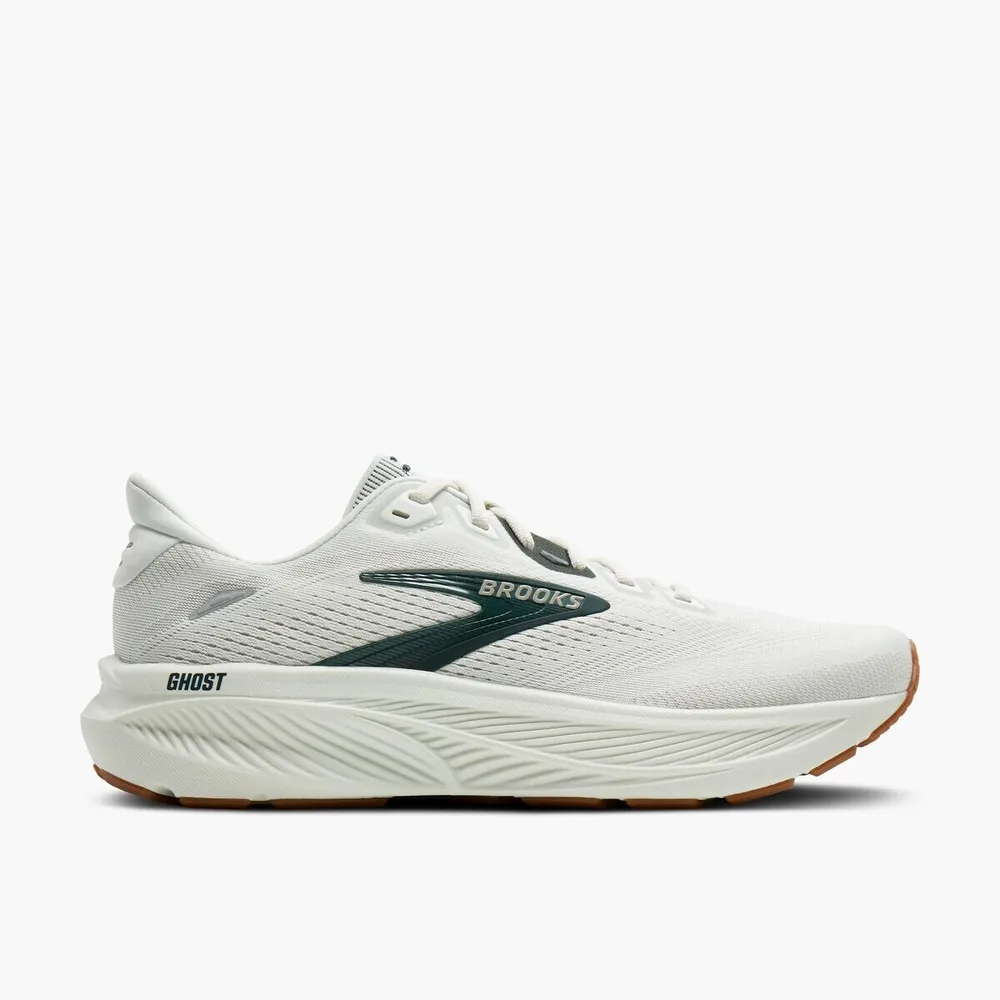
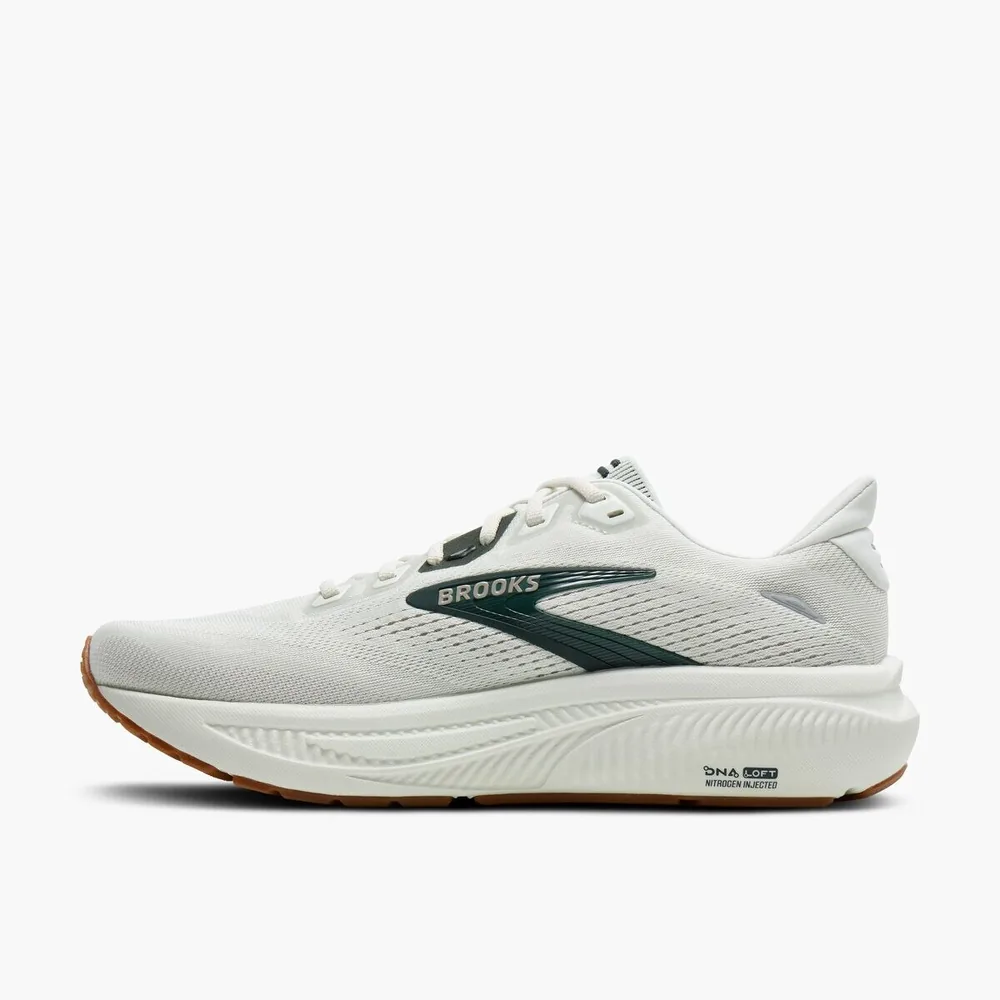
The Ghost 18 is Brooks’ proven daily trainer. It came out in April 2026. The DNA LOFT v3 foam feels soft from the first step. The shoe absorbs more shock at the heel than the Cloudmonster 3, at 135 SA against 123 SA. The heel counter is stiff, at 5 out of 5 in lab tests. The trade-off is the narrow toe box, at 70.6 mm.
Pros: – Soft ride from the first step – Best heel shock absorption here, 135 SA – Widths run from narrow through 4E
Cons: – Narrow toe box at 70.6 mm – Lower heel energy return, 52.4% – Tall 10 mm drop will not suit every runner – Less spring at the heel than the Cloudmonster 3
Skip it if: you want a firm, springy ride or a low drop. Look at the Cloudmonster 3 for snap and a 6 mm drop.
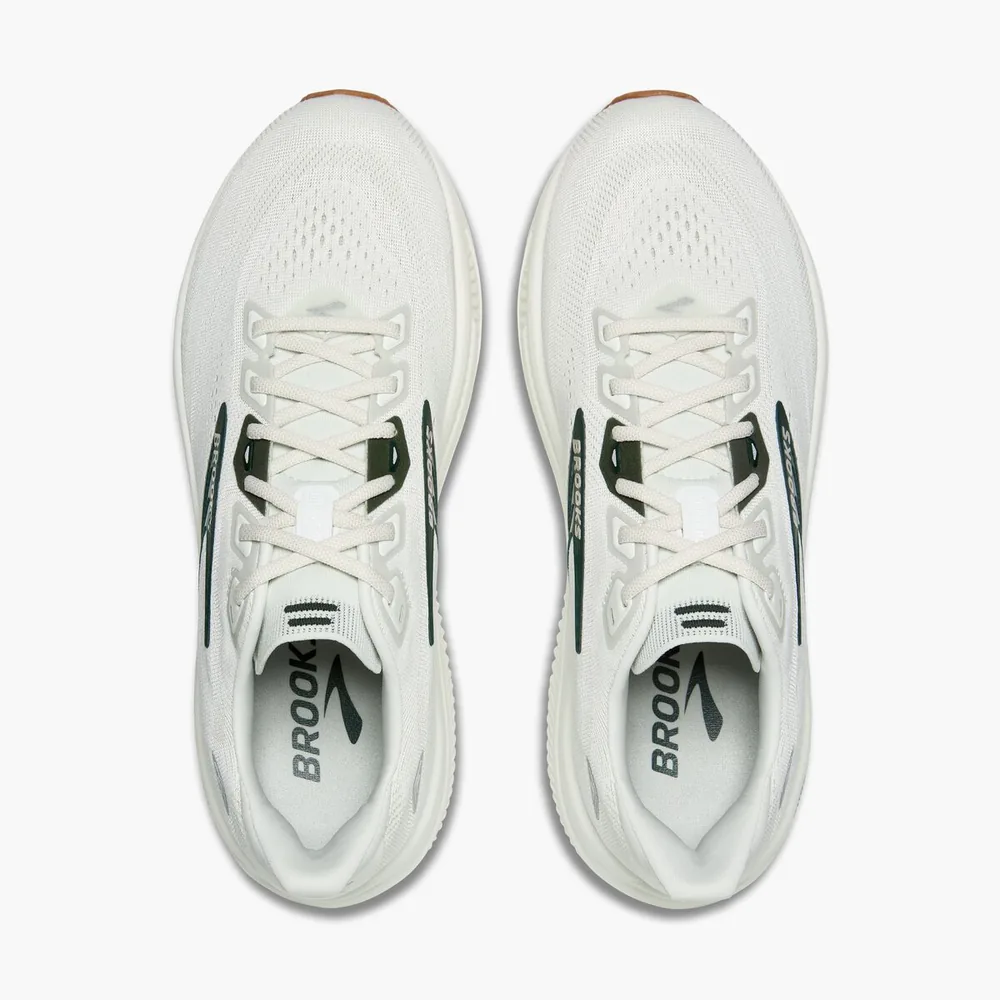
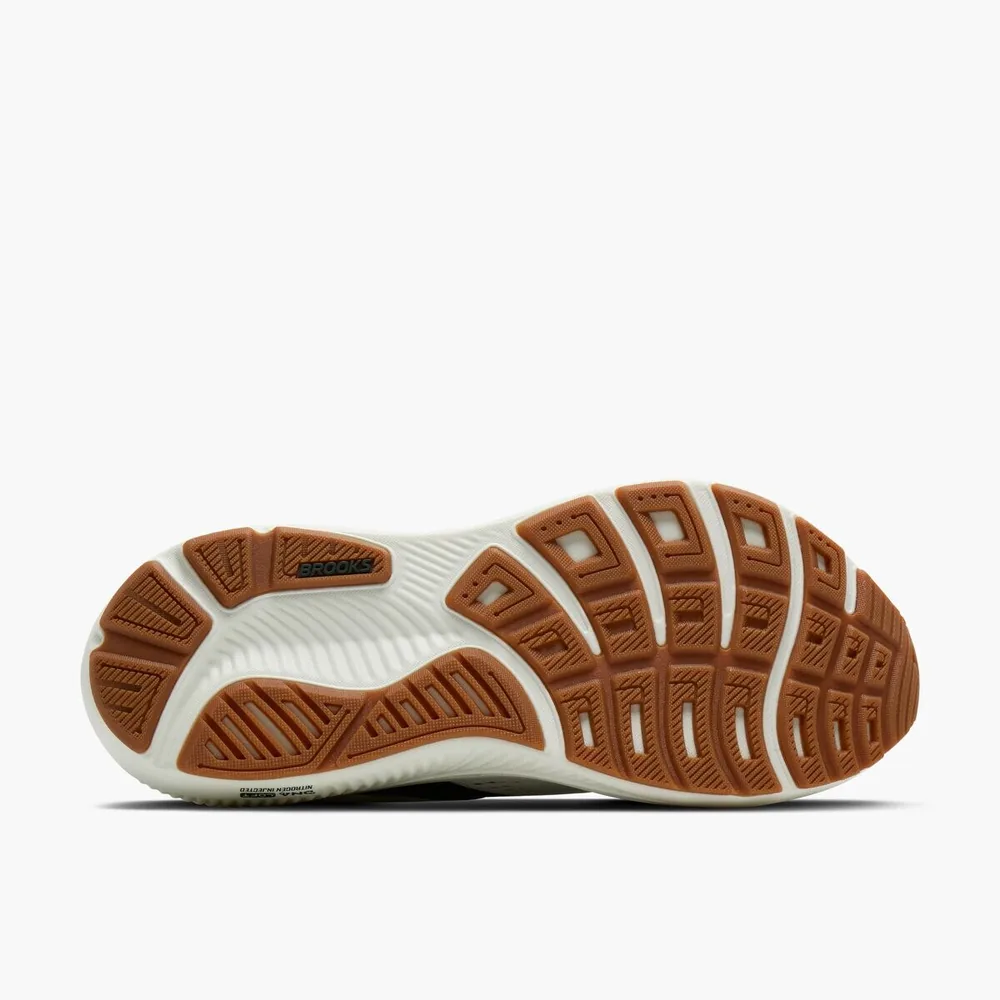
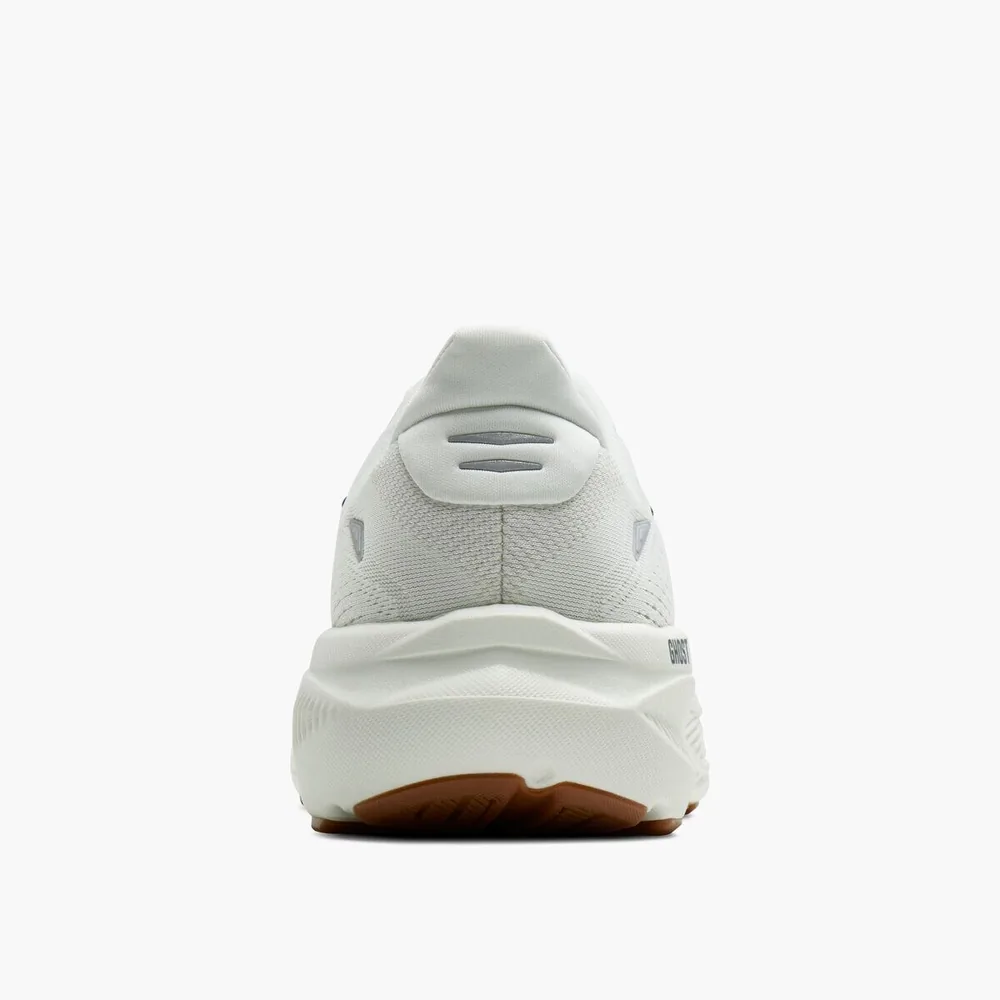
Flagship face-off: On Cloudmonster 3 vs Brooks Ghost 18
| Model | Support | Foam | Heel stack (mm) | Forefoot stack (mm) | Drop (mm) | Weight (g) | Widths | Best for |
|---|---|---|---|---|---|---|---|---|
| On Cloudmonster 3 | Neutral | Dual-density Helion | 35 (38.6) | 29 (32.2) | 6 (6.4) | 295 | n/a | Firm, springy daily miles |
| Brooks Ghost 18 | Neutral | DNA LOFT v3 | 36 (37.3) | 26 (25.1) | 10 (12.2) | 289 | Narrow–4E | Soft daily miles |
Brand figure first, lab in brackets.
The flagships split the lab tests. The Ghost 18 is softer, at 40.5 AC against 49.9 AC. It absorbs more shock at the heel. The Cloudmonster 3 returns more energy at the heel, at 58.7% against 52.4%. It absorbs more shock at the forefoot. Pick the Ghost 18 for soft daily miles. Pick the Cloudmonster 3 for a firm, springy ride.
Which brand is better for you?
Beginners
Start with Brooks. The Ghost 18 is soft, easy and proven. The Cloudmonster 3 is firmer and stiffer, which suits runners who already know their stride. See our best running shoes for beginners guide.
Flat feet / overpronation
Pick Brooks. The Adrenaline GTS 26 is the stability shoe here. Neither flagship is a stability shoe. If your feet roll in, a stability shoe holds them straight. See our best running shoes for flat feet guide.
Plantar fasciitis
Be honest: neither flagship is built for this. The pick is a stability shoe: the Adrenaline GTS 26 or the Cloudrunner 3. Read our best running shoes for plantar fasciitis guide. If pain keeps coming back, talk to a doctor before you buy.
Wide feet
Pick Brooks. The Ghost 18 comes in widths from narrow through 4E. The Cloudmonster 3 has no published width range. See our best running shoes for wide feet guide.
Racing
Pick On. The Cloudboom Strike 2 weighs 191 g and carries a carbon plate. That is the lightest named racer in our notes. Brooks answers with the Hyperion Elite 6. For race day, On is the pick.
On, Brooks or Hoka?
Hoka is the third brand in this fight. Its Clifton 11 is the softest of the three on lab foam, at 31.1 AC. That beats both flagships. If softness is your top need, look at Hoka. See our best Hoka running shoes for women guide.
Which one should you pick?
| Runner type | Pick |
|---|---|
| New runner | Brooks Ghost 18 |
| Firm, springy ride | On Cloudmonster 3 |
| Plantar fasciitis | Stability shoe + plantar fasciitis guide |
| Wide feet | Brooks Ghost 18 (wide widths) |
| Race day | On Cloudboom Strike 2 |
If you only buy one pair, buy the shoe that matches your main run. See our best running shoes guide.
Frequently asked questions
Which is softer?
The Brooks Ghost 18 is softer. Its lab foam reads 40.5 AC, against 49.9 AC for the On Cloudmonster 3. Lower AC means softer foam. The Ghost 18 also absorbs more shock at the heel, at 135 SA against 123 SA. If a soft landing matters most to you, pick the Ghost 18.
Which lasts longer?
We cannot crown a winner on the data we have. The Ghost 18 is the only one of the two with a lab wear figure: 0.8 mm of outsole wear. No matching wear figure exists for the Cloudmonster 3. Rotate two pairs if you run most days.
Which is better for wide feet?
Brooks is better for wide feet. The Ghost 18 comes in widths from narrow through 4E, so wide feet have a real option. The Cloudmonster 3 has no published width range in our research notes. If you need a wide fit, start with the Ghost 18 in a wide width.
Sources
- Relph et al. 2022, Cochrane Review – Running shoes for preventing lower-limb running injuries in adults. PubMed 35993829
- Nigg et al. 2015, Br J Sports Med – Running shoes and running injuries: mythbusting (“comfort filter”, “preferred movement path”). PubMed 26221015
- AAOS OrthoInfo – Athletic Shoes (fitting guidance). orthoinfo.org
Last updated: 27 November 2026.