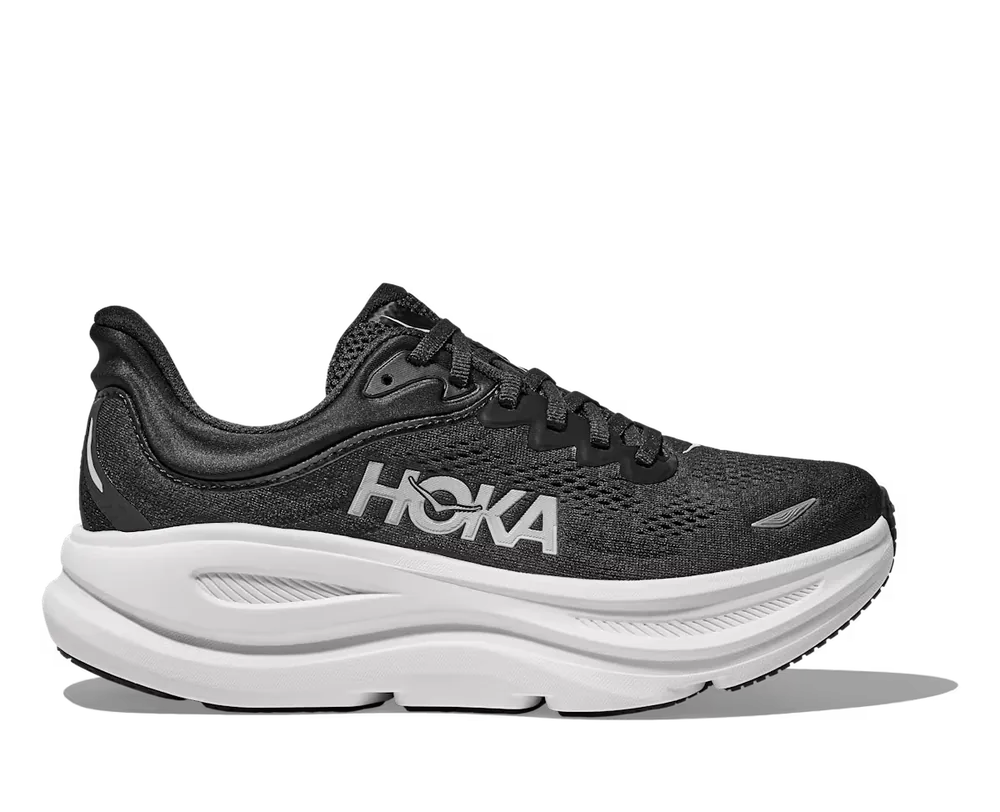
The HOKA Bondi 9 is the best running shoe for plantar fasciitis for most runners because its tall, firm-leaning midsole absorbed more heel impact in lab testing (146 SA) than the 131 SA average. If you need structured support, choose the Brooks Glycerin GTS 23. This list rests on brand specs, independent lab data from RunRepeat and clinical guidance, not on hands-on testing by HealthSOP.
As an Amazon Associate I earn from qualifying purchases. HealthSOP may earn a commission if you buy through links on this page, at no extra cost to you. Prices and availability are set by Amazon and can change at any time.
Last updated: November 12, 2026. Medical note: this page is general information, not a diagnosis. Heel pain has several causes, so see a clinician if it lasts more than 2 weeks.
Table of Contents
Quick picks: the best running shoes for plantar fasciitis
The best running shoes for plantar fasciitis are the eight cushioned or supportive trainers below, and the HOKA Bondi 9 is the one to buy if you only want a single answer.
| Award | Model | Why it wins | Shop |
|---|---|---|---|
| Best overall | HOKA Bondi 9 | 146 SA heel shock absorption from a 41.3 mm lab-measured heel stack | Check price on Amazon |
| Best supportive plush | Brooks Glycerin GTS 23 | Soft DNA TUNED cushioning with GuideRails support and an 8 mm drop | Check price on Amazon |
| Best for flat feet + heel pain | ASICS Gel-Kayano 33 | Stiff, wide stability platform with a stiff heel counter | Check price on Amazon |
| Best lightweight stable | HOKA Arahi 9 | About 278 g in the lab with H-Frame stability and a 10.3 mm lab drop | Check price on Amazon |
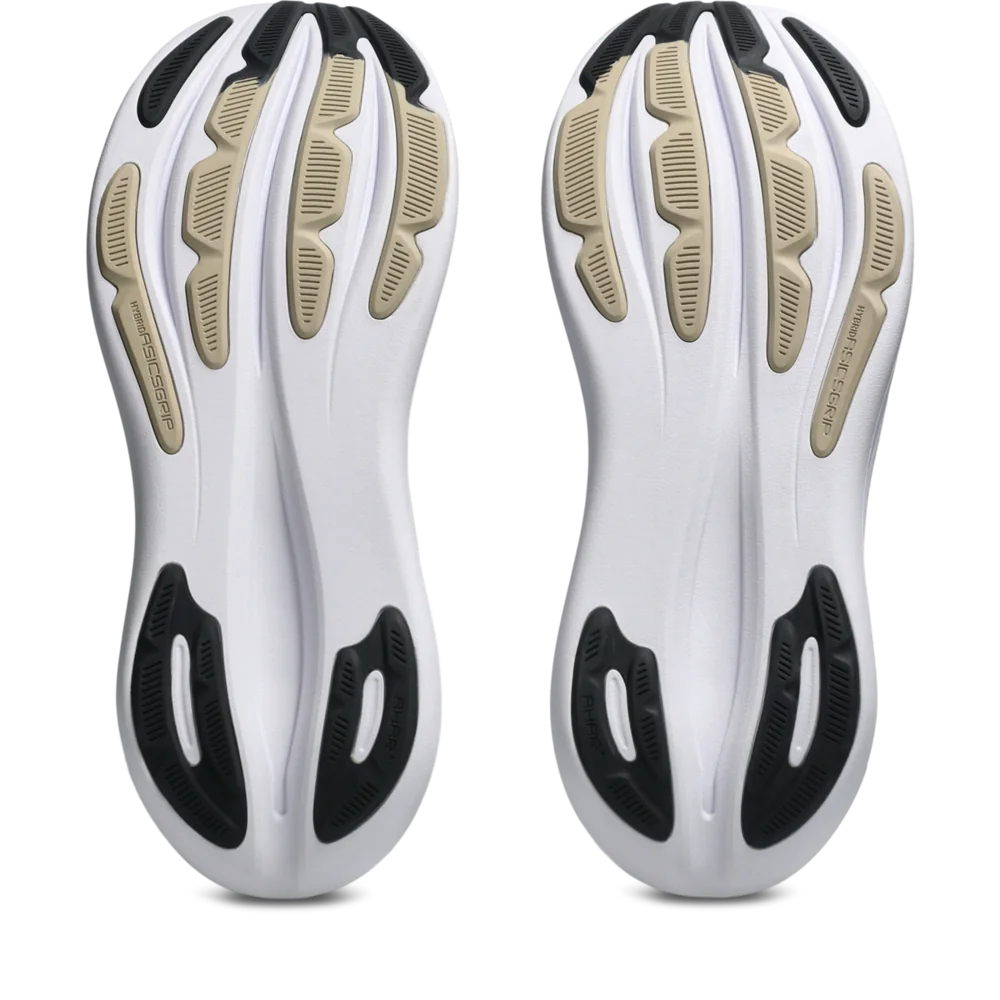
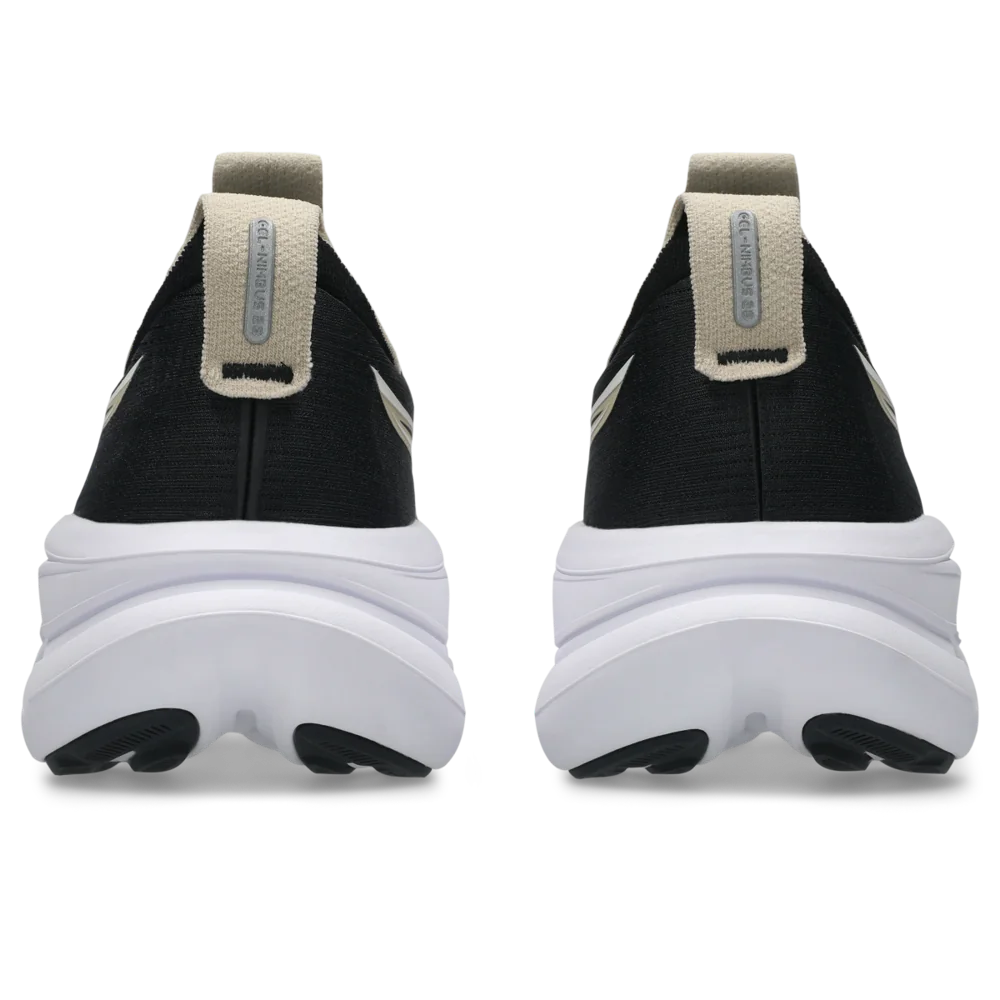
| Best soft heel landing | ASICS Gel-Nimbus 28 | 43.0 mm lab heel stack and 137 SA, with a rocker and stiff counter | Check price on Amazon |
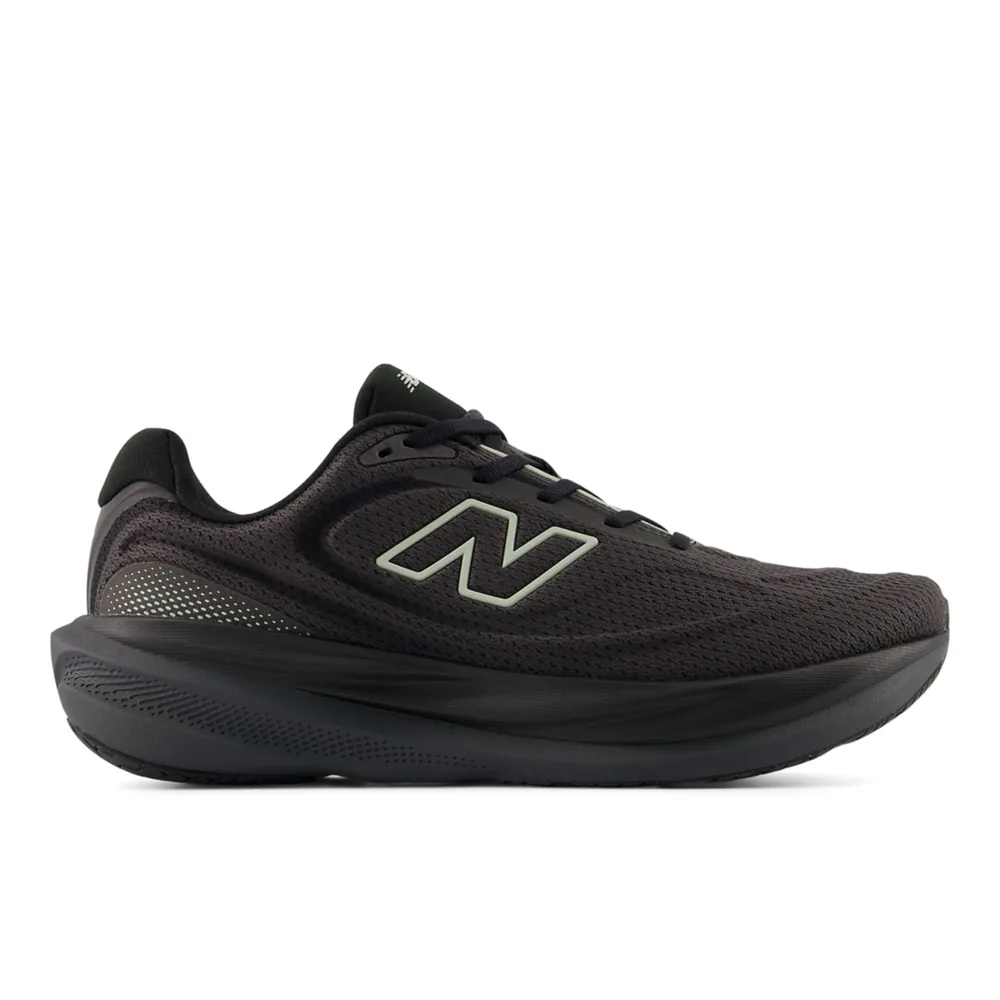
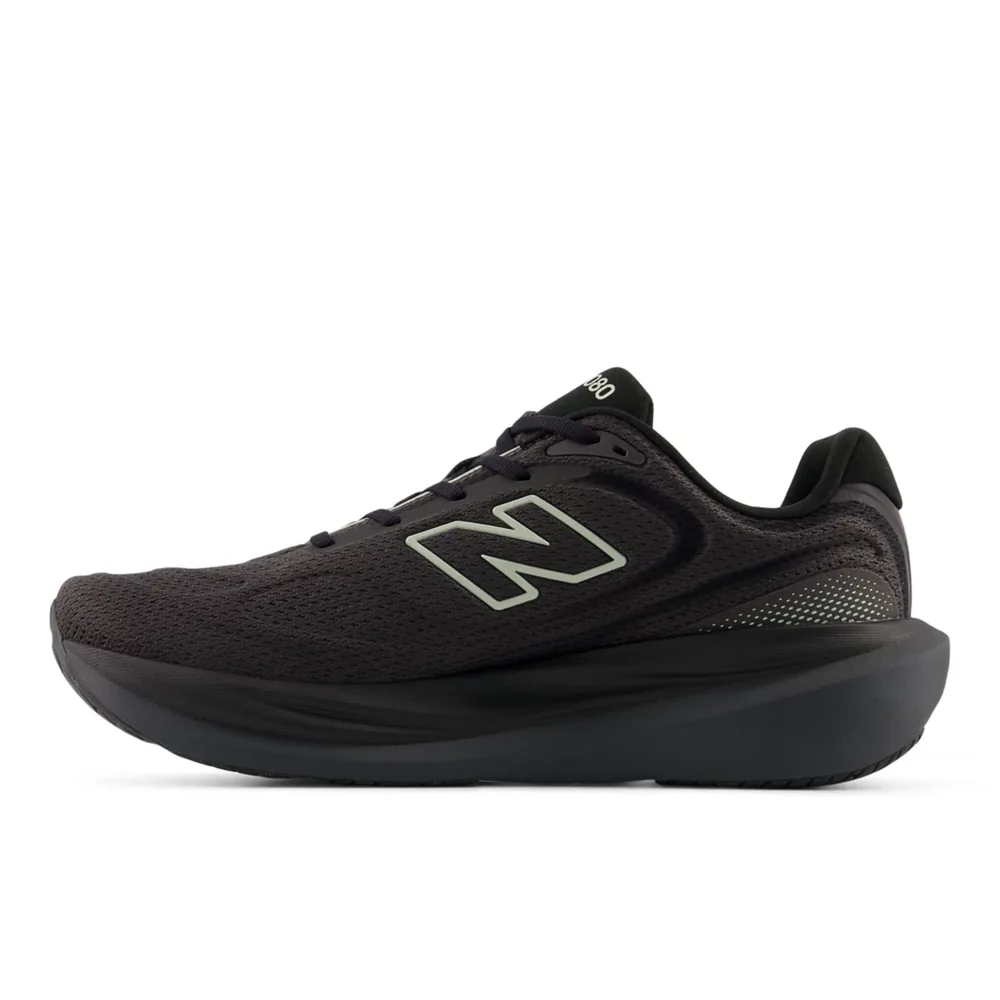
| Best wide-fit option | New Balance Fresh Foam X 1080 v15 | Four widths and 147 SA, the softest foam of the seven lab-tested picks | Check price on Amazon |
| Best rocker for morning heel pain | Brooks Ghost Max 4 | Rocker geometry, 145 SA and room for orthotics | Check price on Amazon |
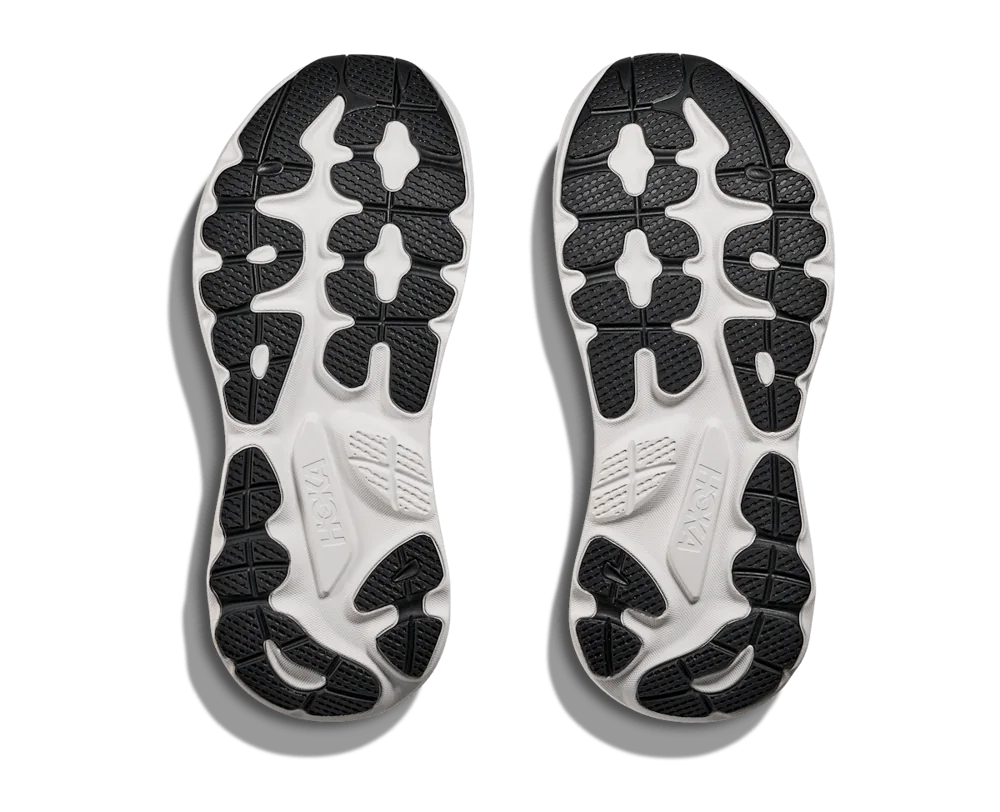
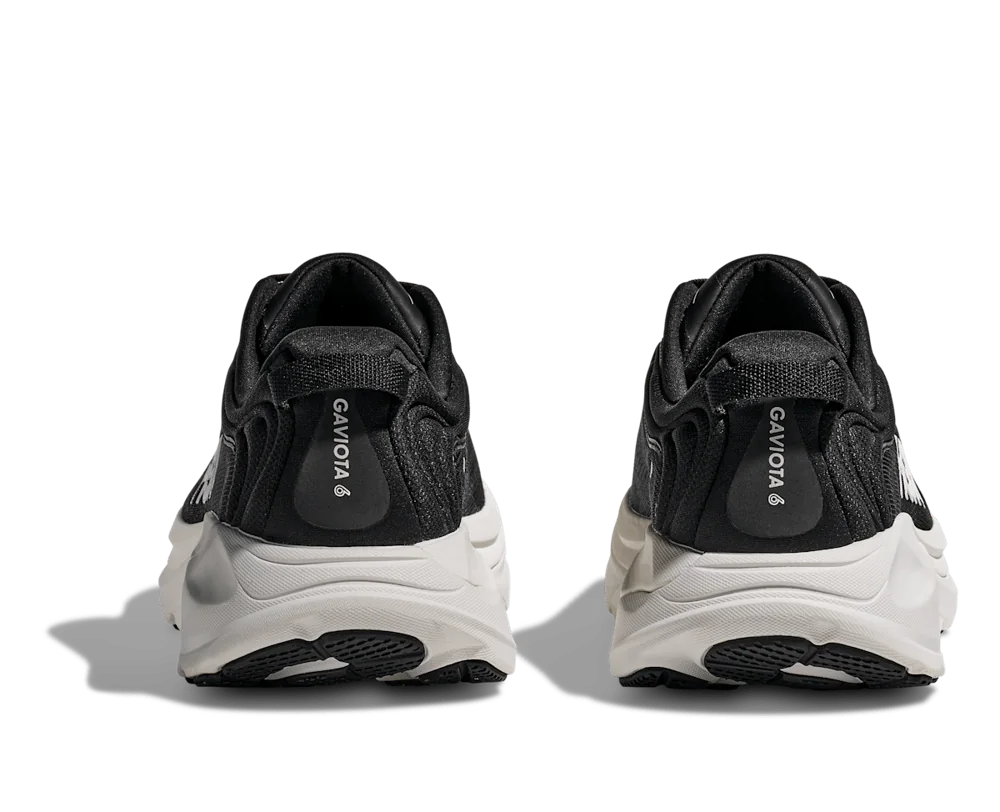
| Best maximal stability | HOKA Gaviota 6 | Reinforced H-Frame, stiff torsion and a roomy toebox | Check price on Amazon |
Plantar fasciitis is irritation of the band of tissue under the foot that links the heel bone (calcaneus) to the toes, and it affects roughly 15% of foot pathology in the general population, most often at ages 40 to 60 (2023 clinical practice guideline). For treatment, stretching and return-to-run advice, read our guide to plantar fasciitis from running.
The 8 best running shoes for plantar fasciitis, reviewed
All eight shoes are current-generation men’s models verified on Amazon on 12 November 2026. Each review covers who it suits, key specs, why it helps, pros and cons, and who should skip it.
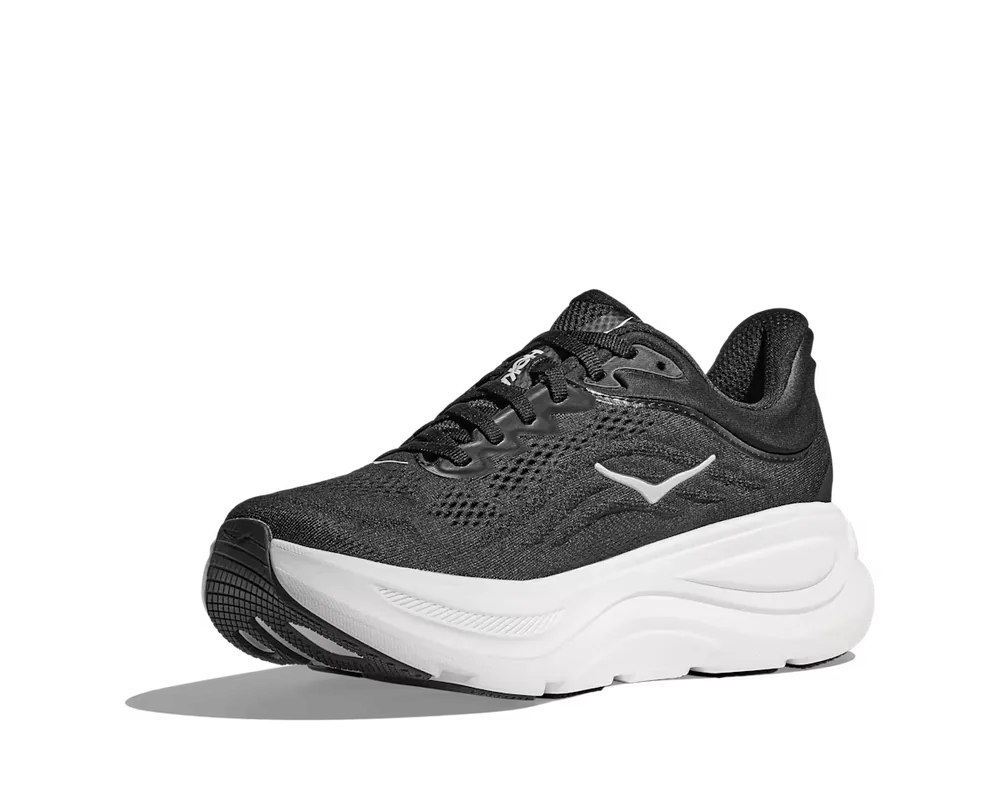
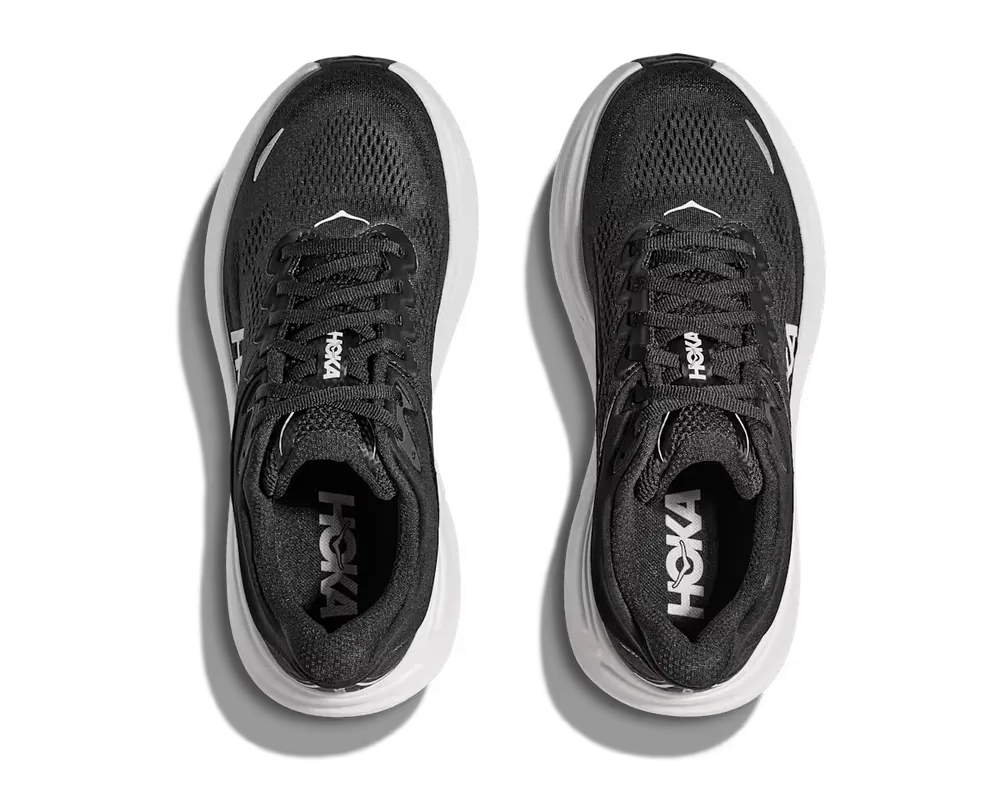
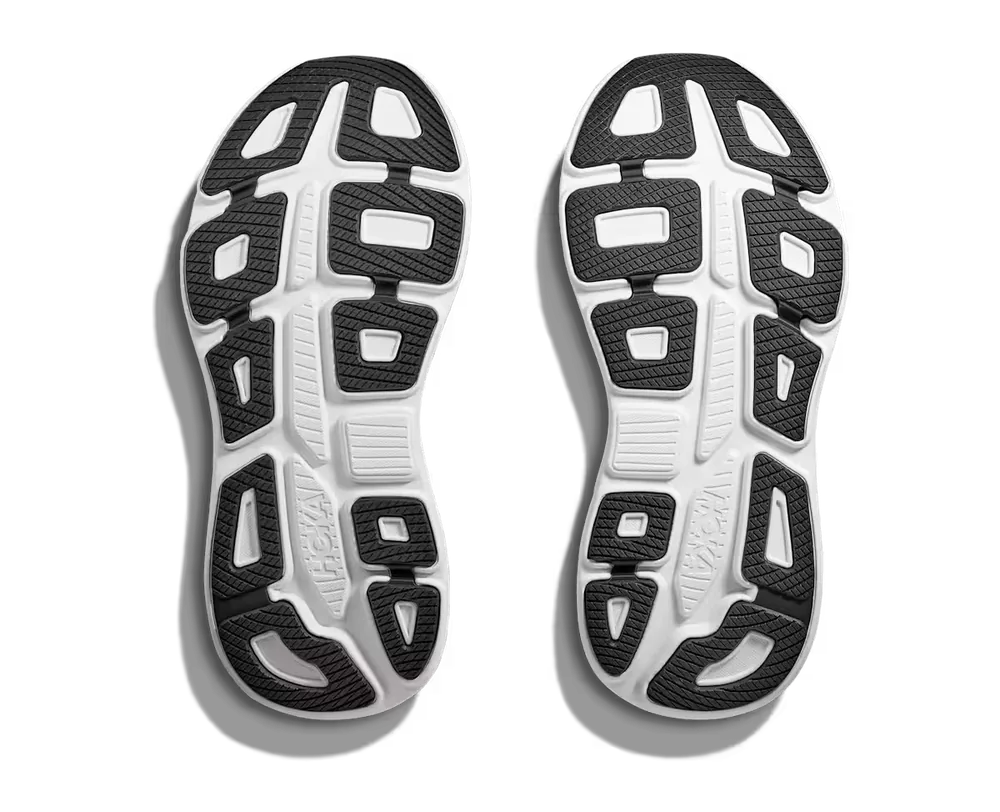
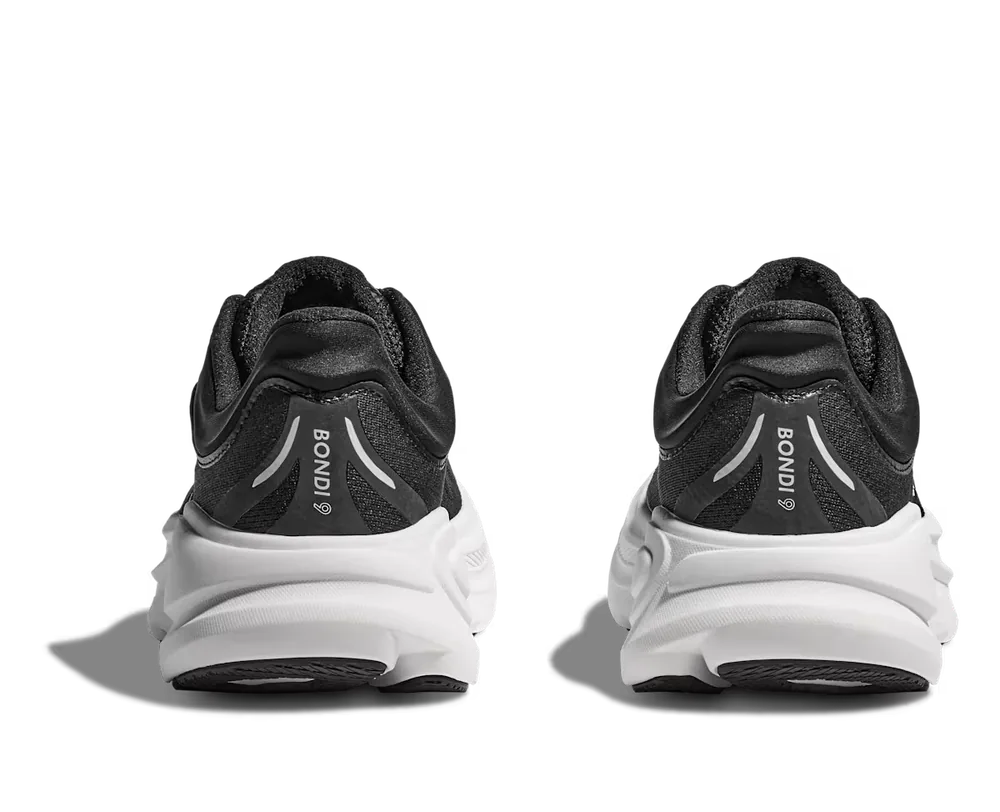
1. HOKA Bondi 9: Best overall for plantar fasciitis
Best overall: choose the Bondi 9 if heel pain is your main symptom and you want the most protective midsole in this list.
- Support: neutral
- Heel stack: 41.3 mm lab, 43 mm brand
- Drop: 9.1 mm lab, 5 mm brand
- Weight: 10.7 oz (303 g) lab, men’s US 9
- Rocker: yes · Removable insole: yes
- Source: RunRepeat lab data and HOKA specs
RunRepeat names the Bondi 9 its top pick in best running shoes for plantar fasciitis, and the lab numbers support it: 146 SA of heel shock absorption against a 131 SA average from a 41.3 mm heel stack. That cushion matters because the AAOS explains that a cushioned shoe reduces the tension placed on the fascia with each heel strike (AAOS OrthoInfo).
The 43.0 AC midsole is firmer than the Bondi looks, which keeps the 41 mm stack stable instead of mushy. A rocker sole helps the foot roll toward toe-off, and the removable insole leaves room for an orthotic. HOKA lists a 5 mm drop, but RunRepeat measured 9.1 mm at World Athletics reference points, so use the lab number.
Pros
- 146 SA heel shock absorption (lab)
- Rocker plus removable insole
- Firm-leaning foam stays stable at 41 mm
Cons
- Heavy at about 303 g
- RunRepeat calls the toebox snug
- Bulky, slower-feeling ride
Skip it if: you have a wide forefoot and will not buy a wide width, or you want a light shoe for fast runs.


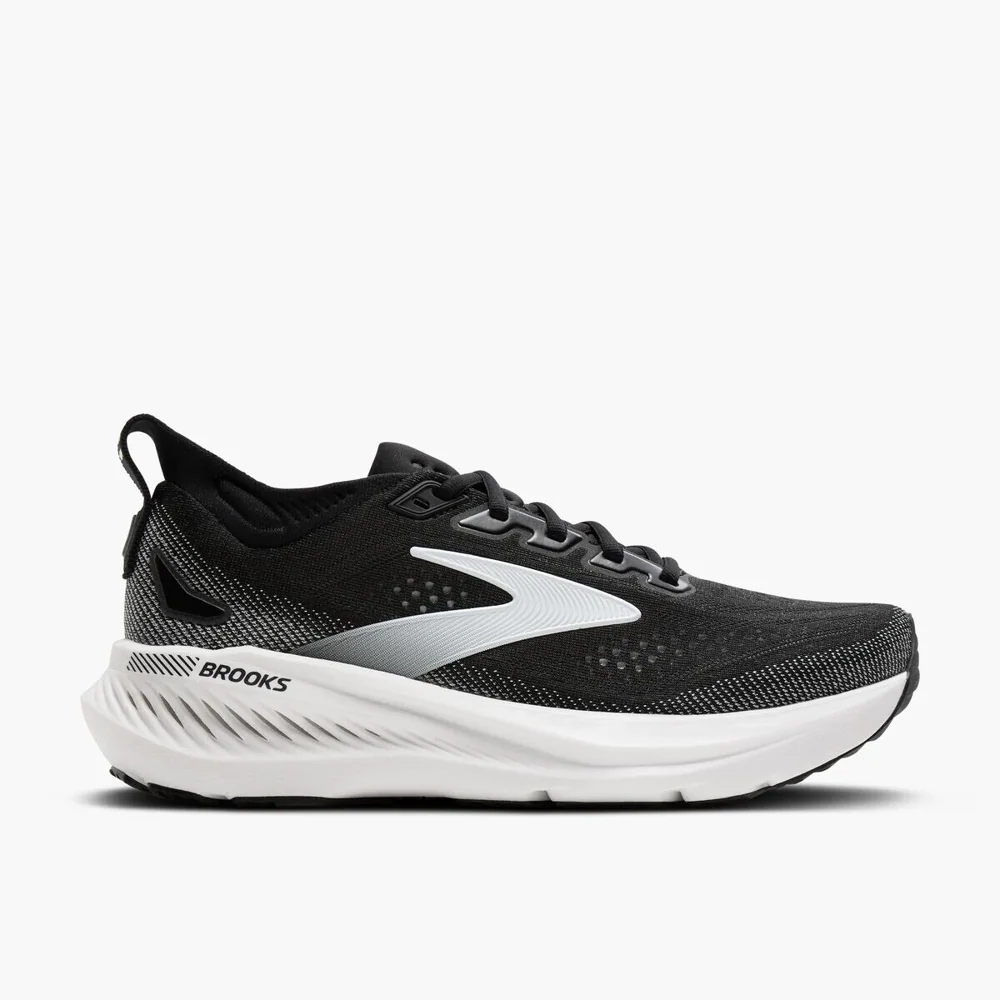
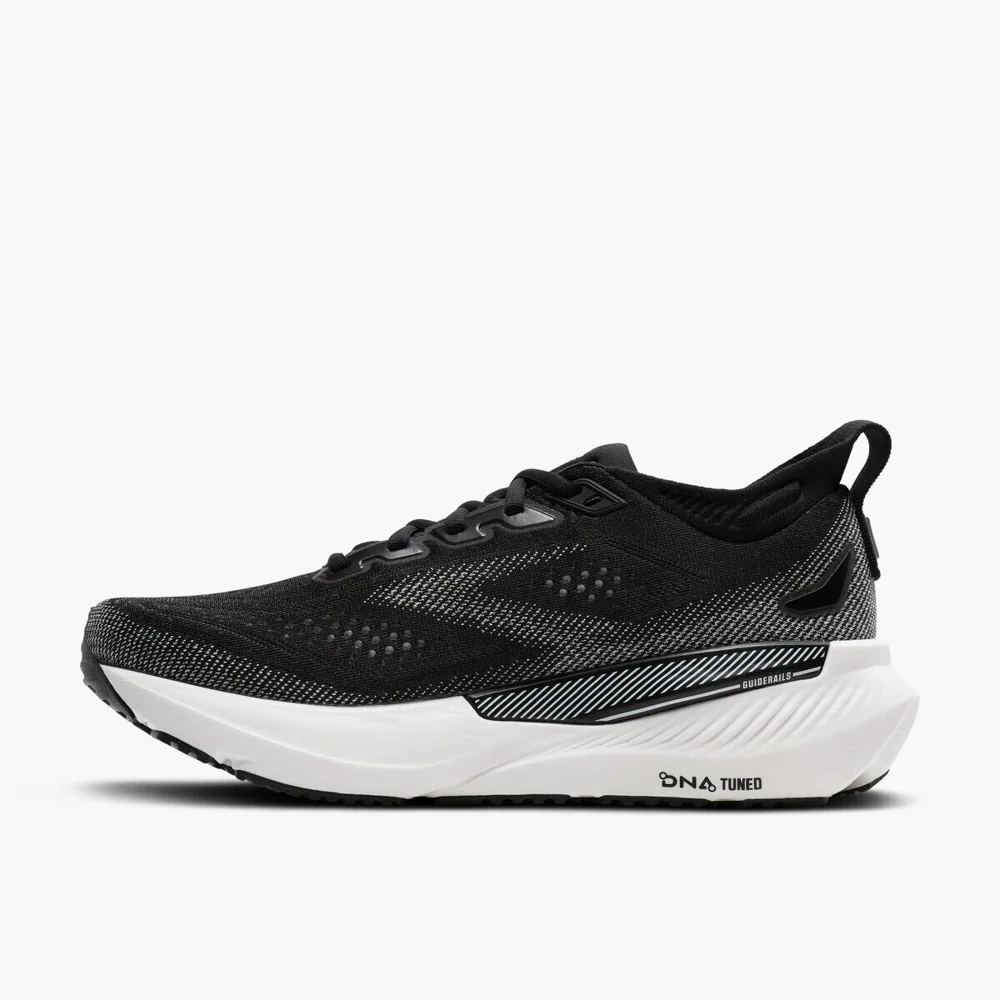
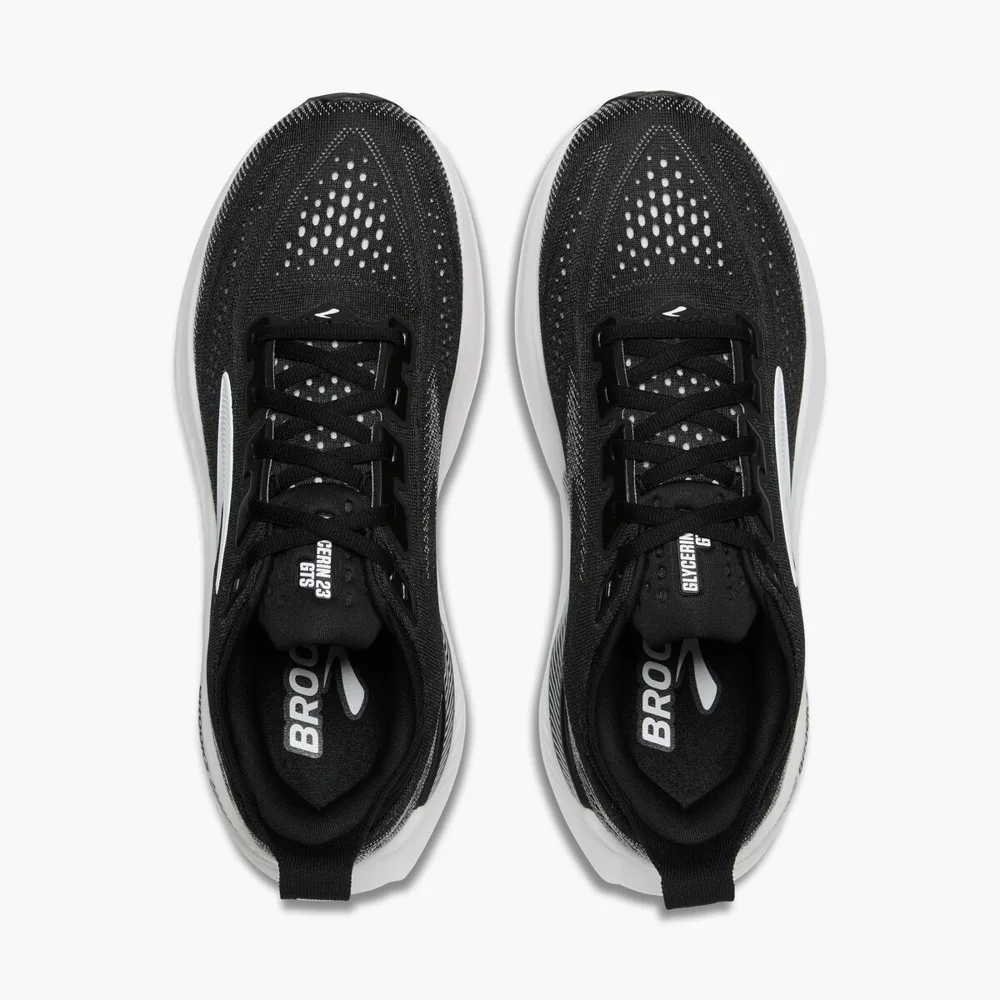
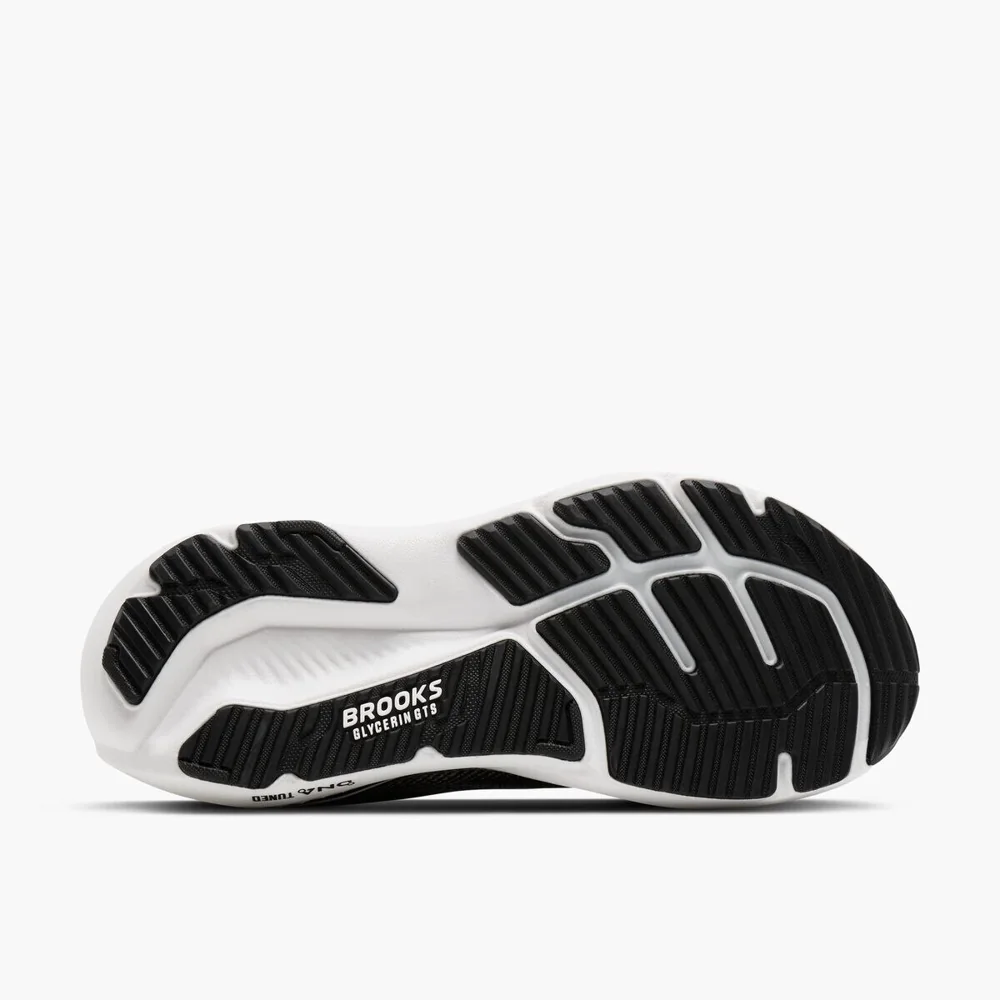
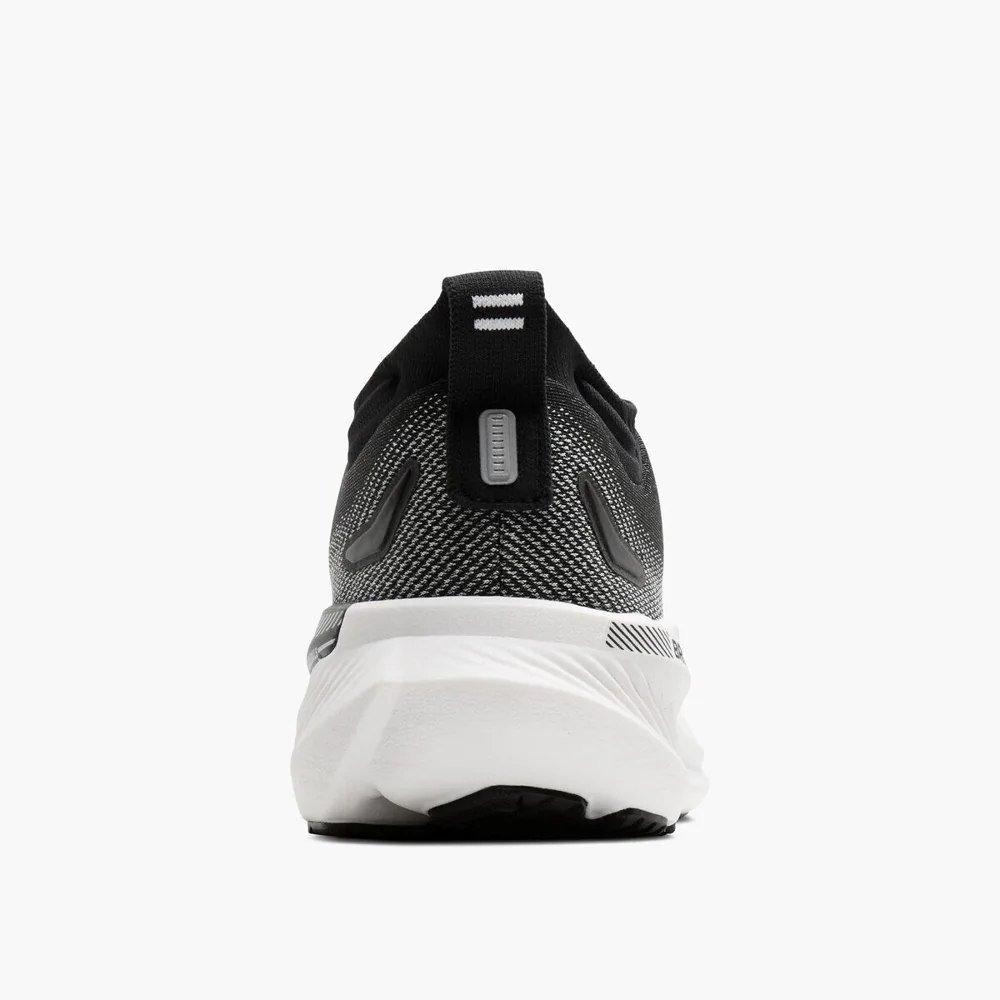
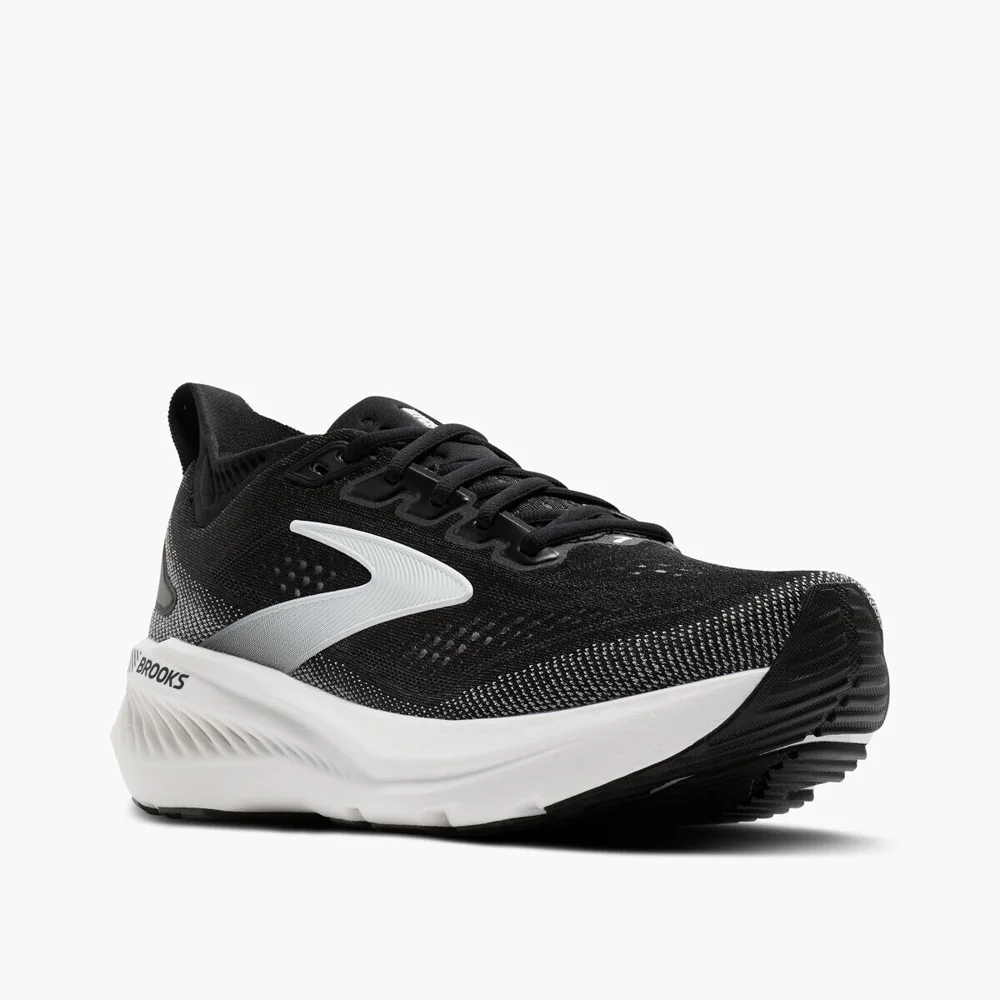
2. Is the Brooks Glycerin GTS 23 the best Brooks shoe for plantar fasciitis?
Best supportive plush: choose the Glycerin GTS 23 if you want a soft landing and structured support under the arch.
- Support: stability (GuideRails)
- Heel stack: 38 mm brand catalog
- Drop: 8 mm brand
- Weight: 11.0 oz (311.8 g) brand
- Rocker, removable insole: n/a (not stated by Brooks)
- Widths: medium, wide, extra wide (Brooks)
- Source: Brooks and Brooks Spring 2026 catalog; no RunRepeat lab test
Yes for runners who want support: the Glycerin GTS 23 is the best Brooks shoe here when you overpronate or have flat feet, and the neutral Ghost Max 4 (pick 7) is the better Brooks choice if you do not need guidance. Brooks adds 2 mm more nitrogen-infused DNA TUNED foam in the forefoot, and its GuideRails system is designed to keep excess movement in check.
Flat or high arches make runners more prone to plantar fasciitis, according to ACFAS, so a guided platform is a logical match. The 8 mm drop meets RunRepeat’s minimum for this condition. RunRepeat has not lab-tested the GTS 23, so we publish no shock-absorption or softness figures for it rather than borrowing the neutral Glycerin 23’s.
Pros
- GuideRails support with plush DNA TUNED foam
- 8 mm drop
- Accommodating fit with three widths
Cons
- Heaviest shoe in this list at 311.8 g
- No independent lab data yet
- Rocker and insole details not published
Skip it if: you are a neutral runner who prefers a firmer, lighter ride.
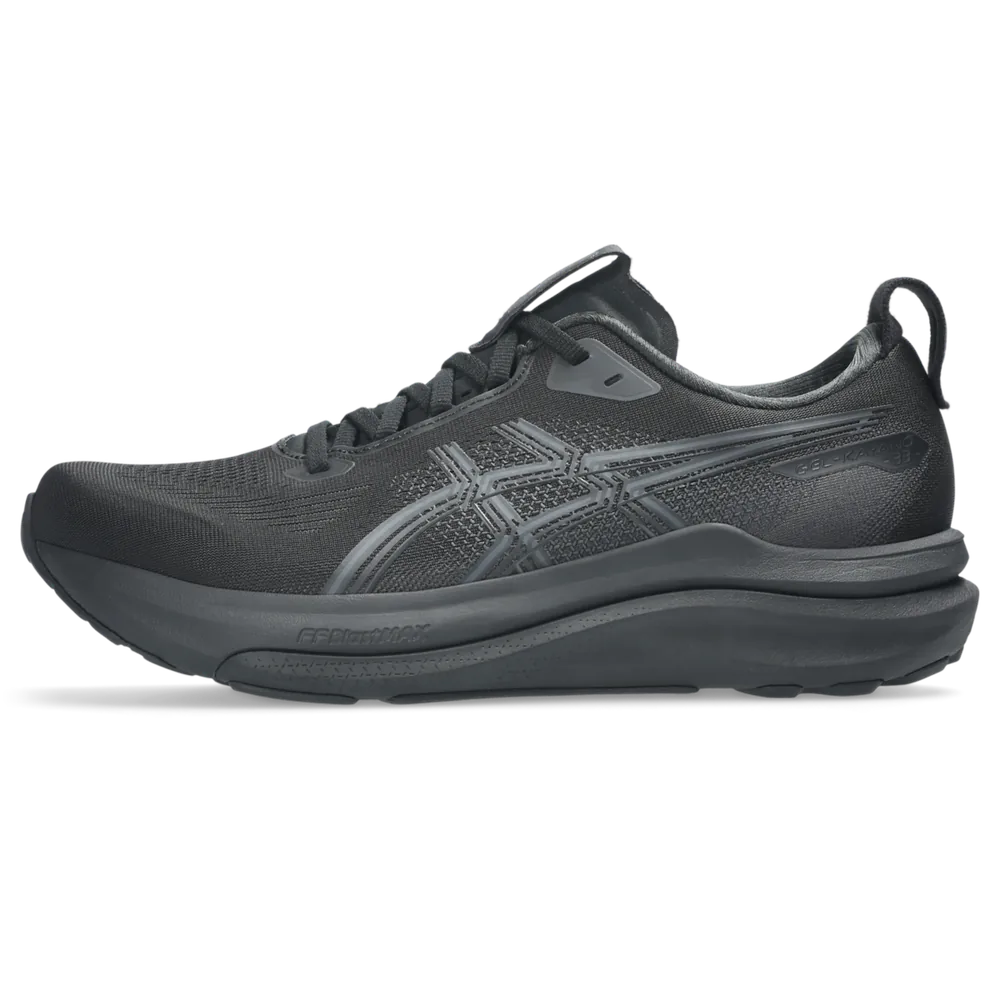
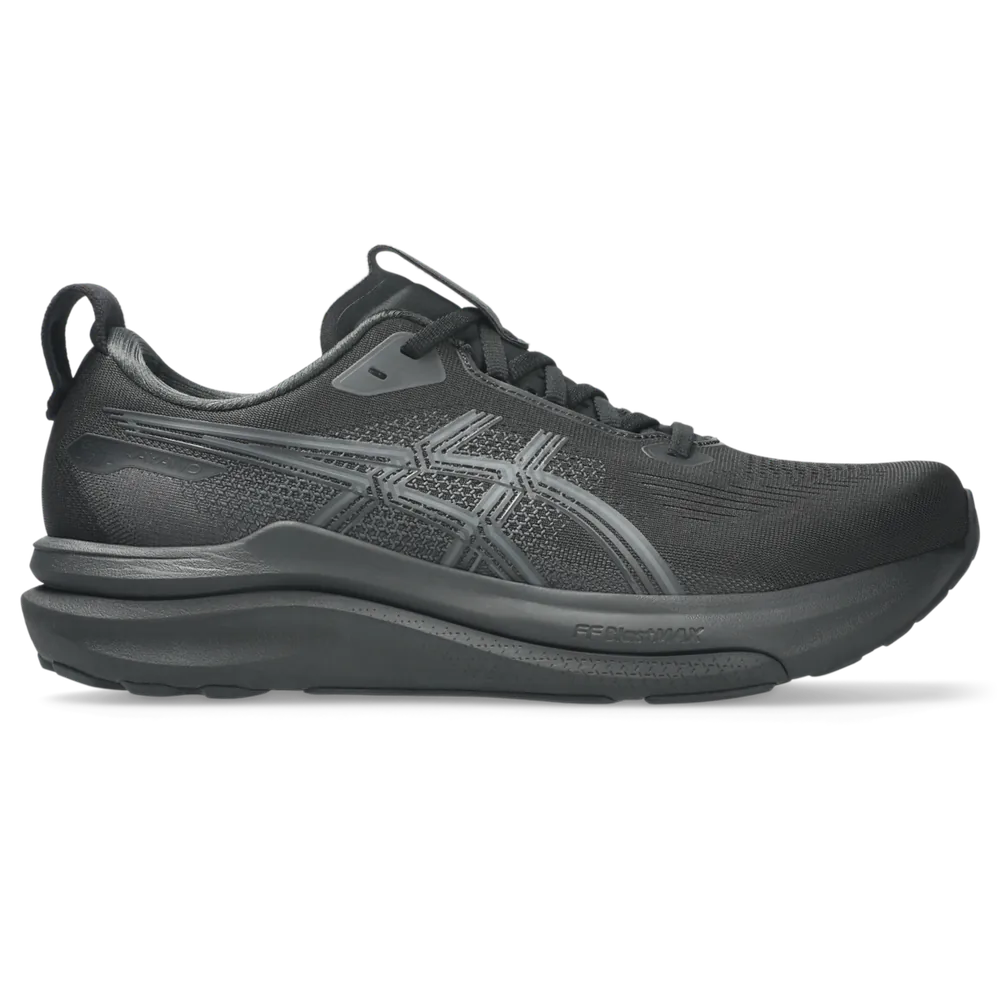
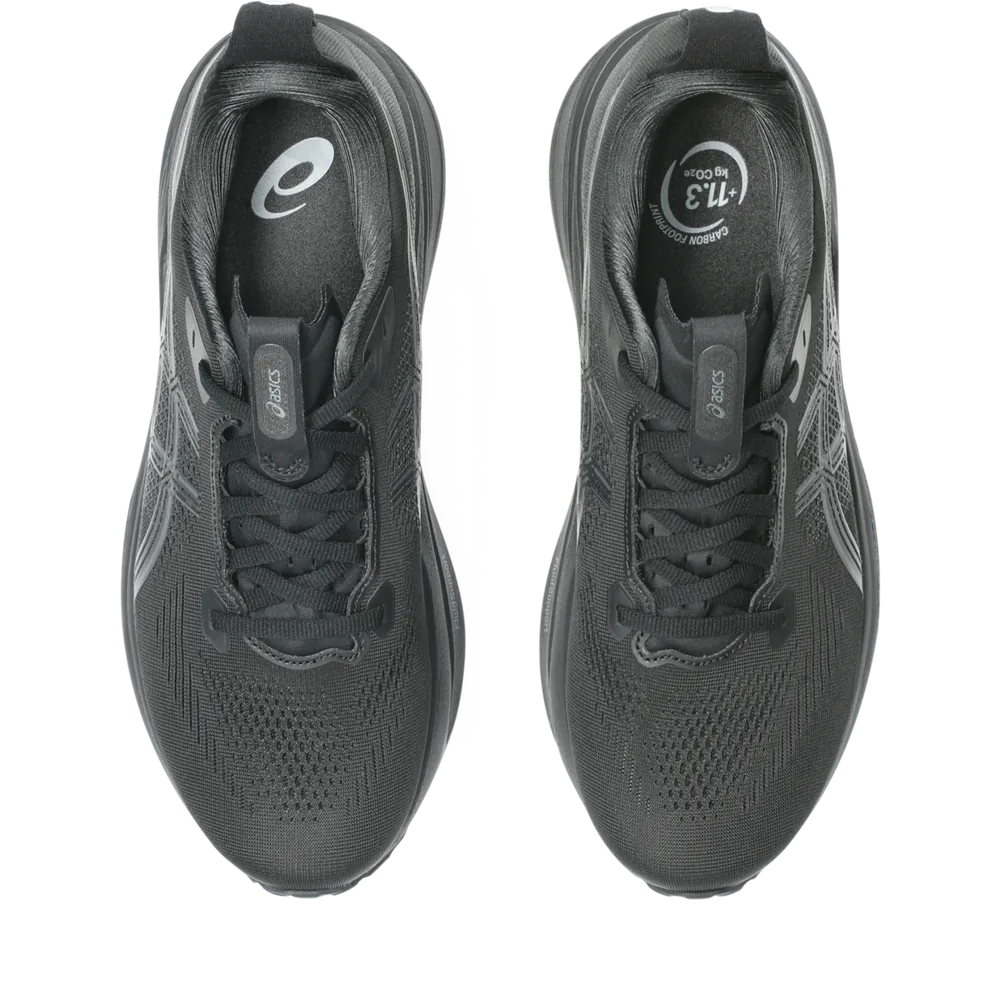
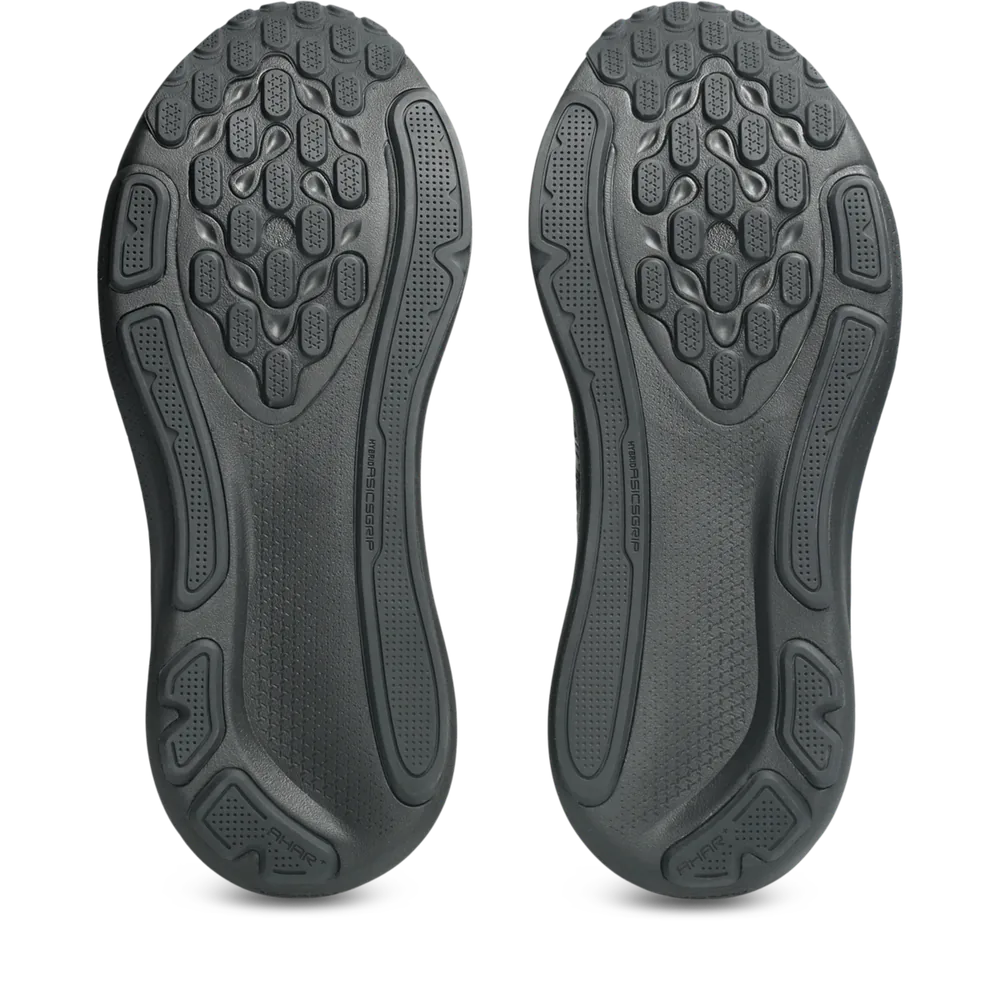
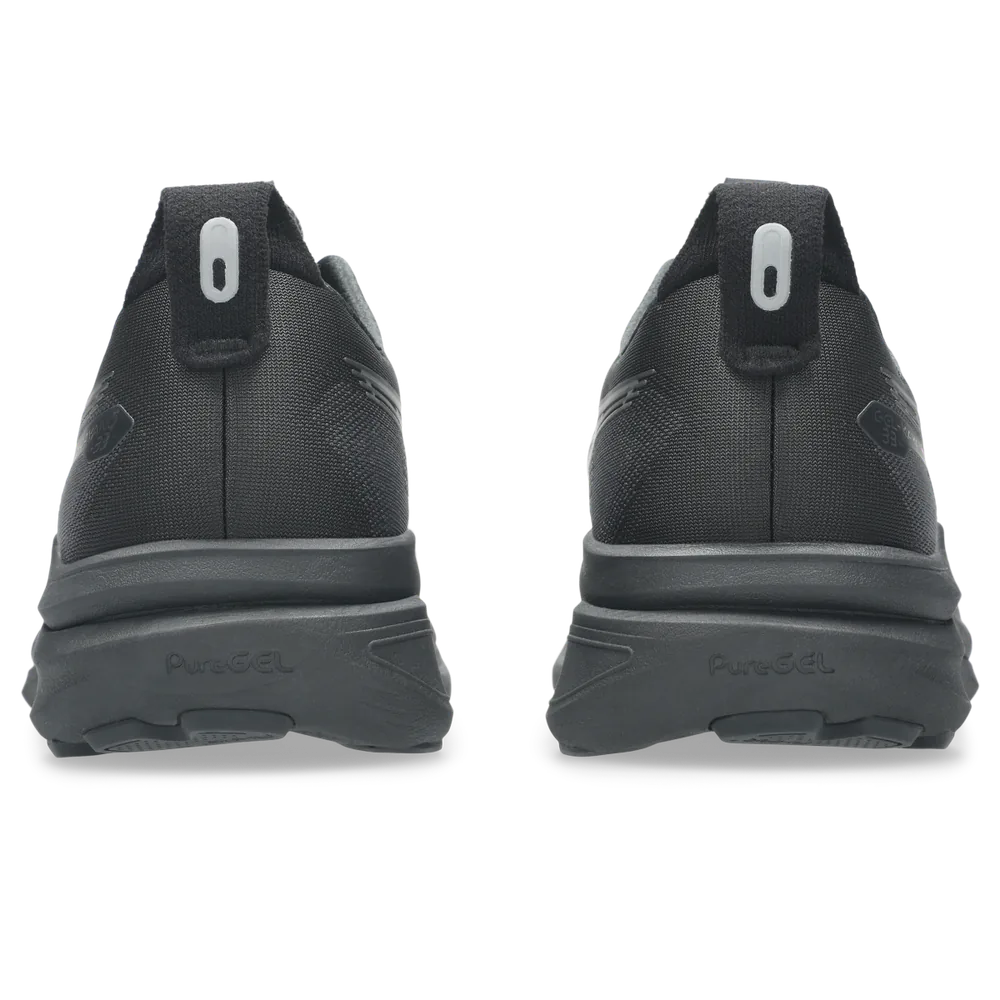
3. Is the ASICS Gel-Kayano 33 the best ASICS shoe for plantar fasciitis?
Best for flat feet + heel pain: choose the Kayano 33 if you want a wide, stable platform and a stiff heel counter.
- Support: stability
- Heel stack: 36.8 mm lab, 39 mm brand
- Drop: 8.5 mm lab, 8 mm brand
- Weight: 10.5 oz (298 g) lab
- Rocker: no · Removable insole: yes
- Source: RunRepeat lab data and ASICS specs
For runners who need arch-side stability, yes: the Kayano 33 is ASICS’ flagship stability shoe and the strongest ASICS match for plantar fasciitis on this list, while the neutral Nimbus 28 (pick 5) suits runners who do not need support. RunRepeat measured 132 SA at the heel, a stiff heel counter and stiff torsional rigidity, a combination that locks the rearfoot down.
The 32.8 AC top foam layer is the softest Kayano RunRepeat has measured, yet the shoe still feels supportive. If flat feet are your main concern, our guide to the best running shoes for flat feet goes deeper.
Pros
- Stiff torsion and stiff heel counter
- 8.5 mm lab drop
- Removable insole; four widths listed
Cons
- No rocker
- Feels heavy at 298 g
- Less stable for extreme overpronators (RunRepeat)
Skip it if: you want a rocker-style roll or a light, fast trainer.
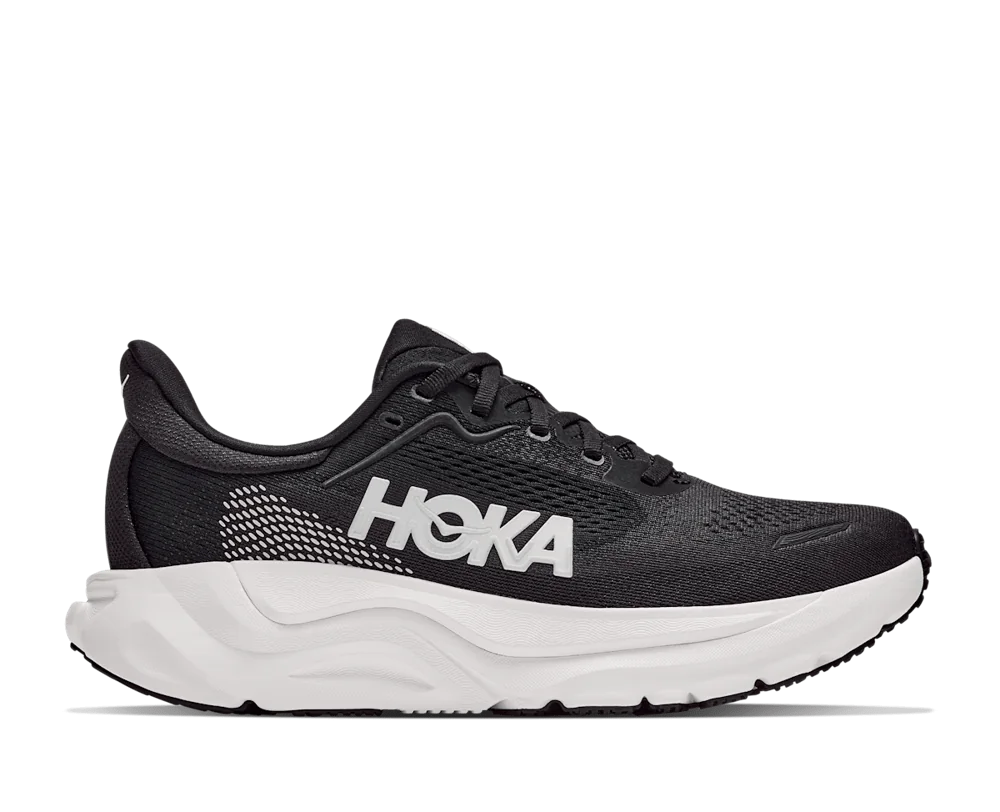
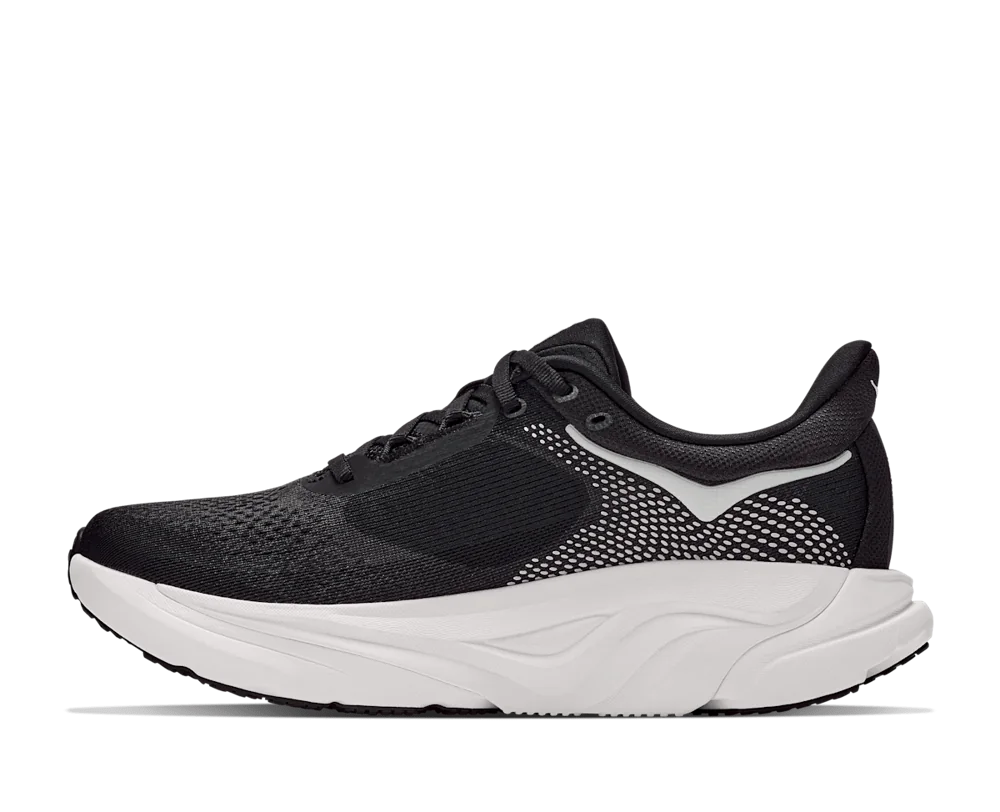
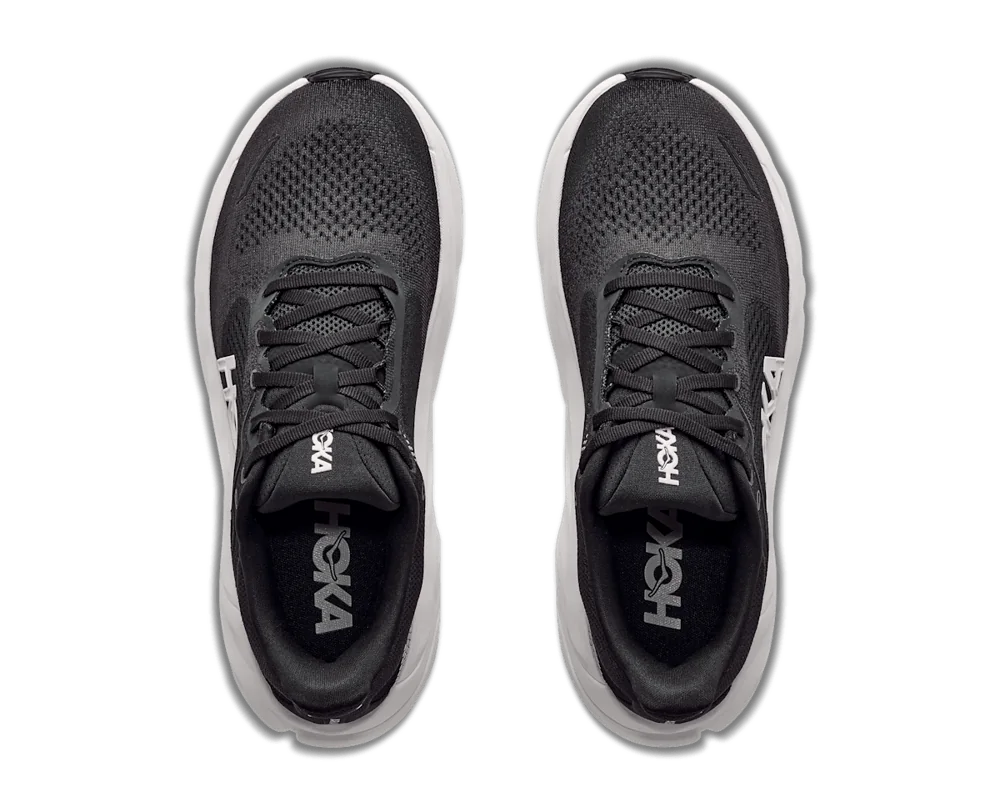
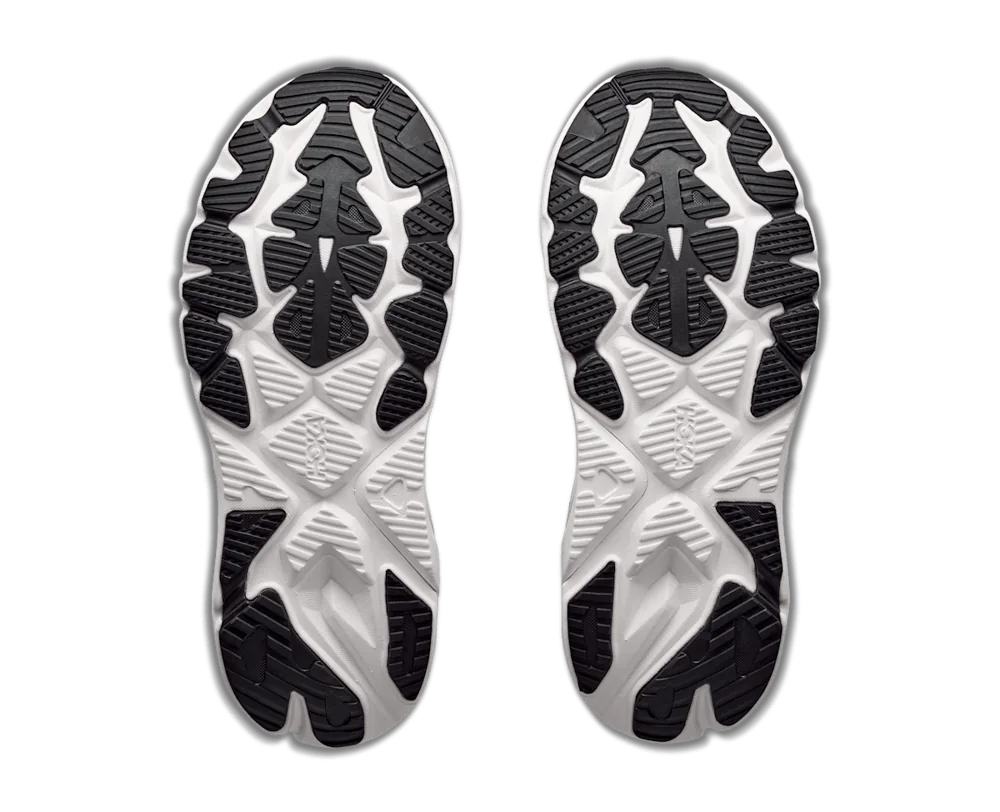
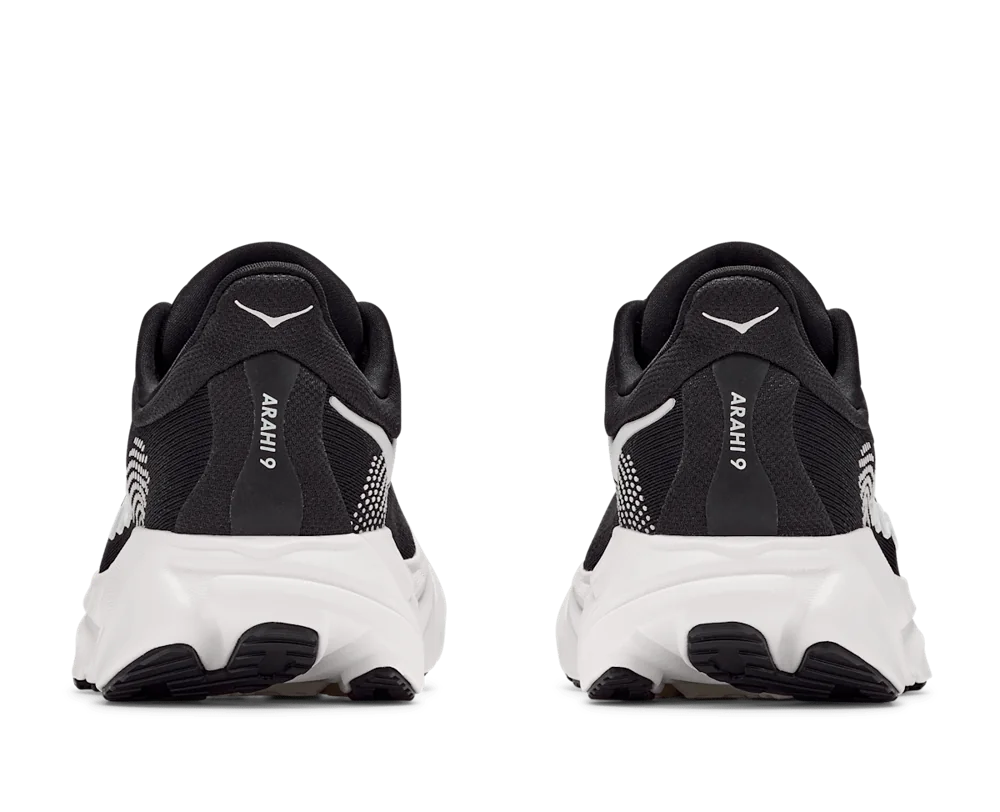
4. HOKA Arahi 9: Best lightweight stable pick for plantar fasciitis
Best lightweight stable: choose the Arahi 9 if you want guidance at the lowest weight and cost in the stability group.
- Support: stability (H-Frame)
- Heel stack: 38.0 mm lab, 39 mm brand
- Drop: 10.3 mm lab, 8 mm brand
- Weight: 9.8 oz (278 g) lab, 284 g brand
- Removable insole: yes · Rocker: n/a
- Widths: D, 2E and 4E
- Source: RunRepeat lab data and HOKA specs
The Arahi 9 uses HOKA’s H-Frame, a firmer foam frame around the midsole that guides the foot without a rigid post. RunRepeat lists stable support without a rigid feel as its main strength, with 138 SA at the heel and 108 SA in the forefoot.
At 278 g in the lab it is the lightest of the four stability shoes here, and the 10.3 mm lab drop is the highest on the list. The trade-off is flexible torsion and a moderate heel counter, so it guides less firmly than the Kayano 33 or Gaviota 6.
Pros
- Lightest stability pick
- Three widths (D, 2E, 4E)
- 10.3 mm lab drop
Cons
- Flexible torsional rigidity
- Modest forefoot shock absorption (108 SA)
- Low energy return
Skip it if: your arches collapse a lot and you need maximum stability.
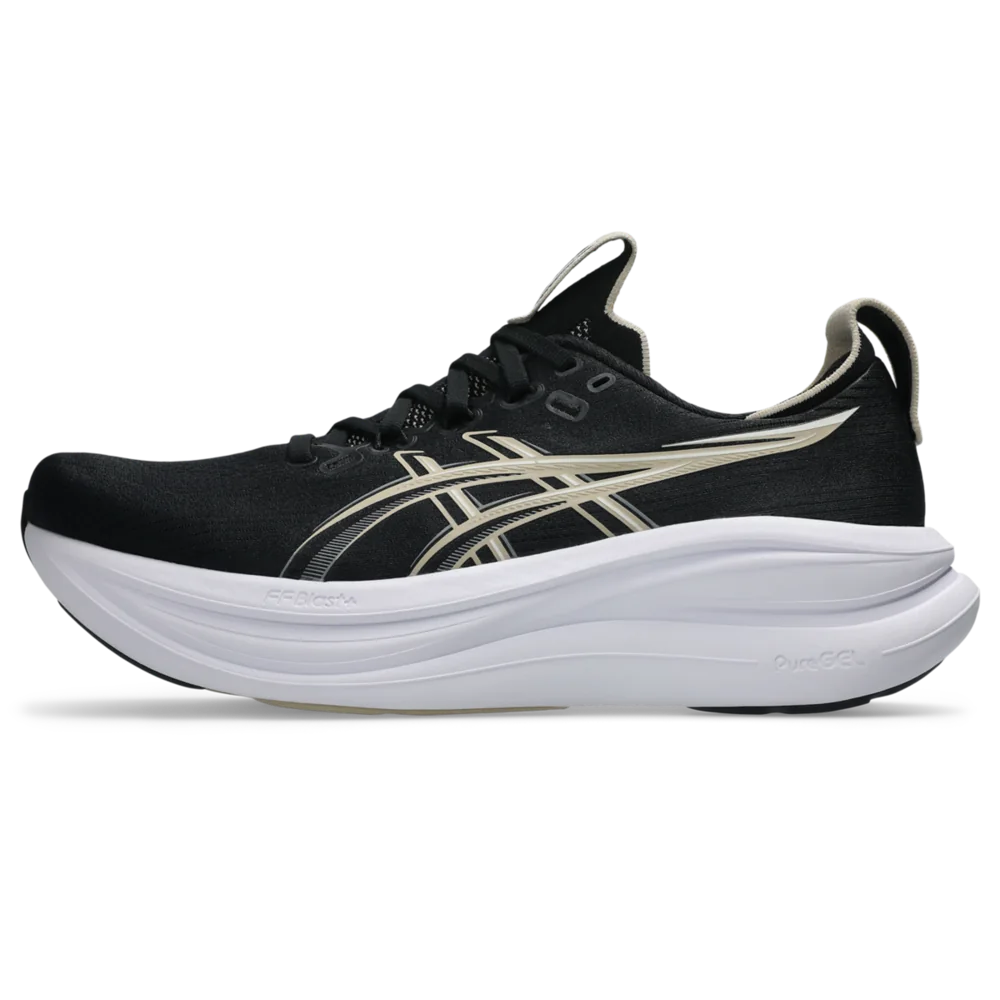
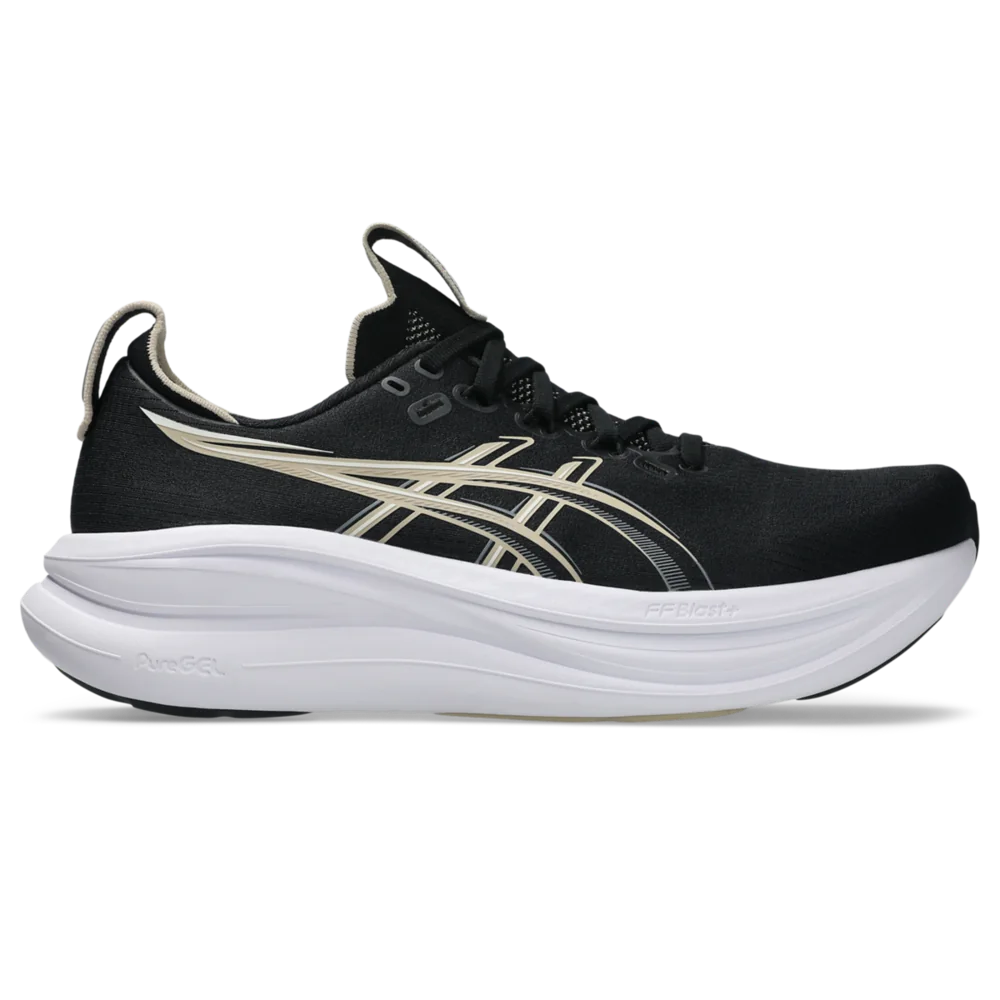
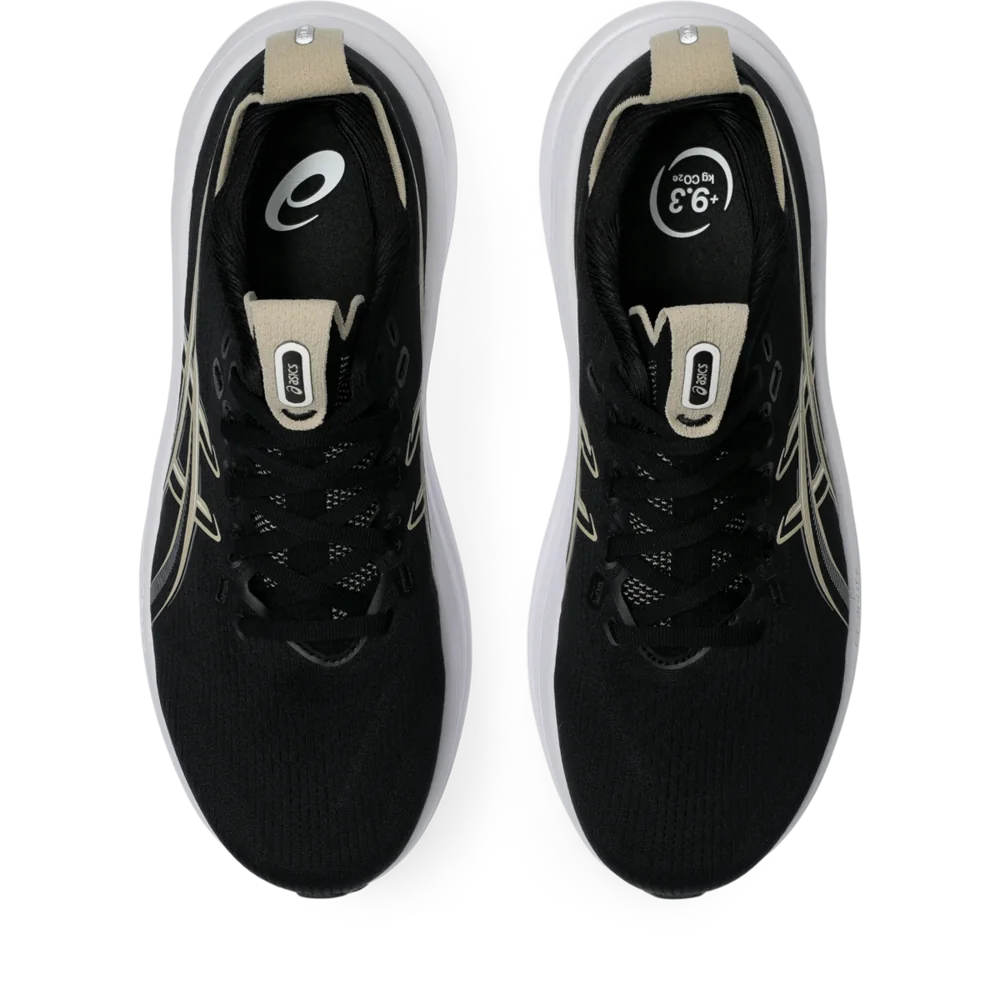
5. ASICS Gel-Nimbus 28: Best soft heel landing for plantar fasciitis
Best soft heel landing: choose the Nimbus 28 if you are a neutral runner who wants a deep, protective heel.
- Support: neutral
- Heel stack: 43.0 mm lab, 43.5 mm brand
- Drop: 8.1 mm lab, 8 mm brand
- Weight: 9.8 oz (278 g) lab
- Rocker: yes · Removable insole: yes
- Source: RunRepeat lab data and ASICS specs
The Nimbus 28 pairs a 43.0 mm lab-measured heel with 137 SA of heel shock absorption and 133 SA in the forefoot, so the landing is protected from heel to toe. RunRepeat also records a stiff heel counter and stiff torsion, which keep the heel locked in. ASICS announced the Gel-Nimbus 29 on 29 October 2026 for a 1 December 2026 launch (ASICS press release), so we will refresh this pick then.
At 38.8 AC the foam is firmer than the name suggests, which suits plantar fasciitis better than a very soft shoe. The 8 mm drop meets RunRepeat’s minimum, and the rocker helps the foot move from landing to toe-off.
Pros
- 43.0 mm heel stack with 137 SA
- Stiff heel counter and torsion
- Light for its height at 278 g
Cons
- Neutral only: no stability aids
- Poor energy return (RunRepeat)
- Nimbus 29 arrives 1 December 2026
Skip it if: you overpronate, or you would rather wait for the Nimbus 29.
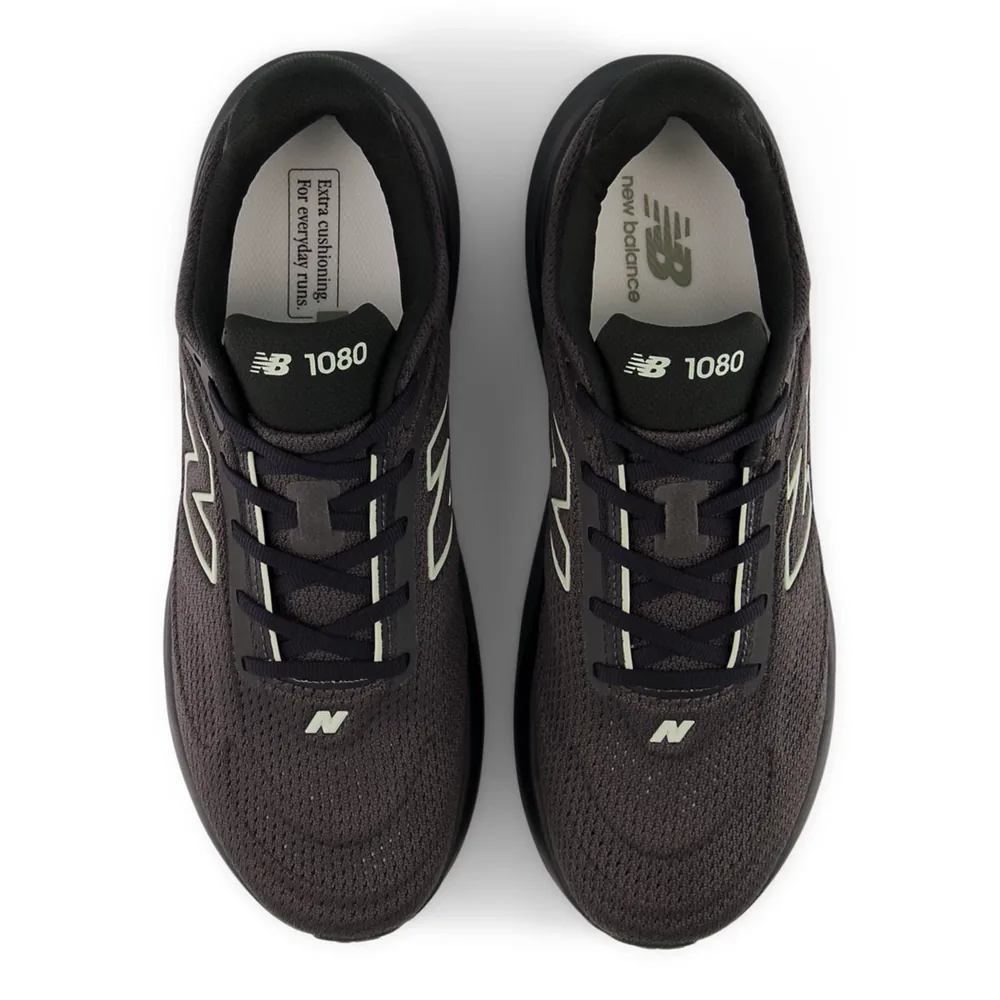
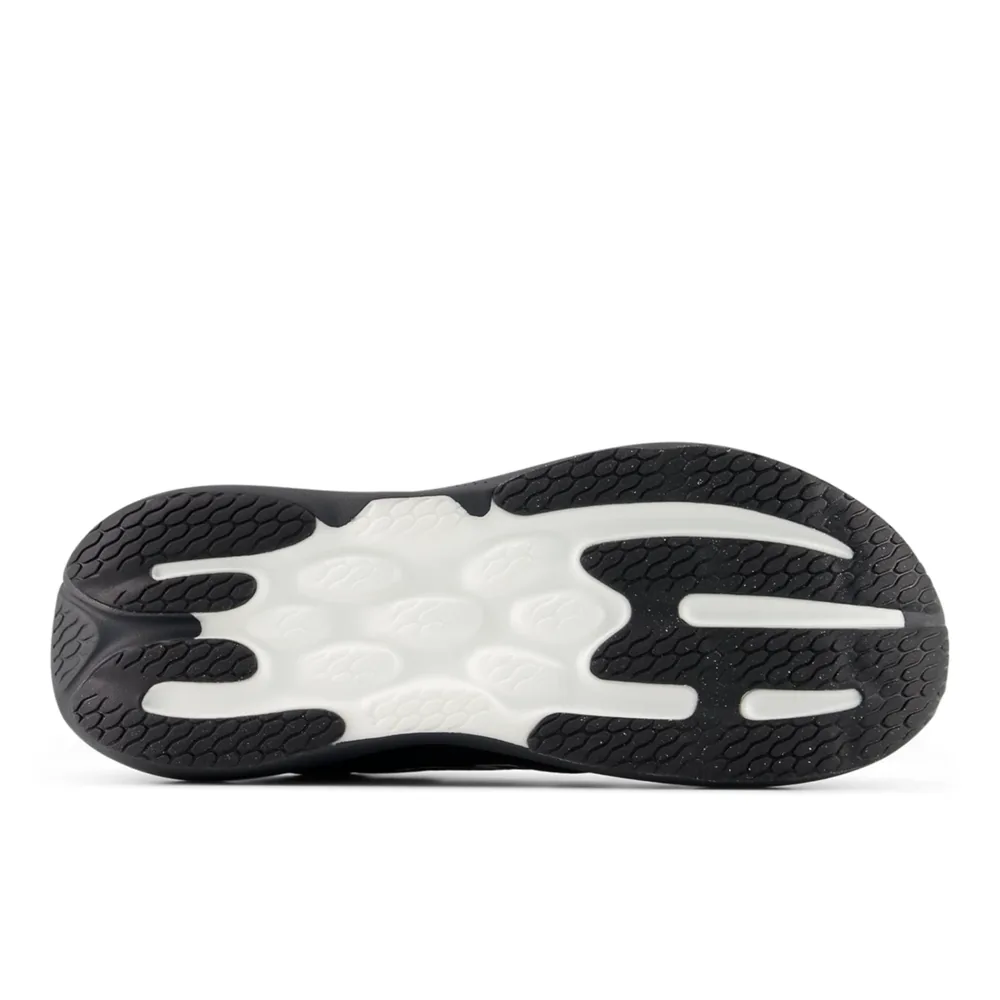
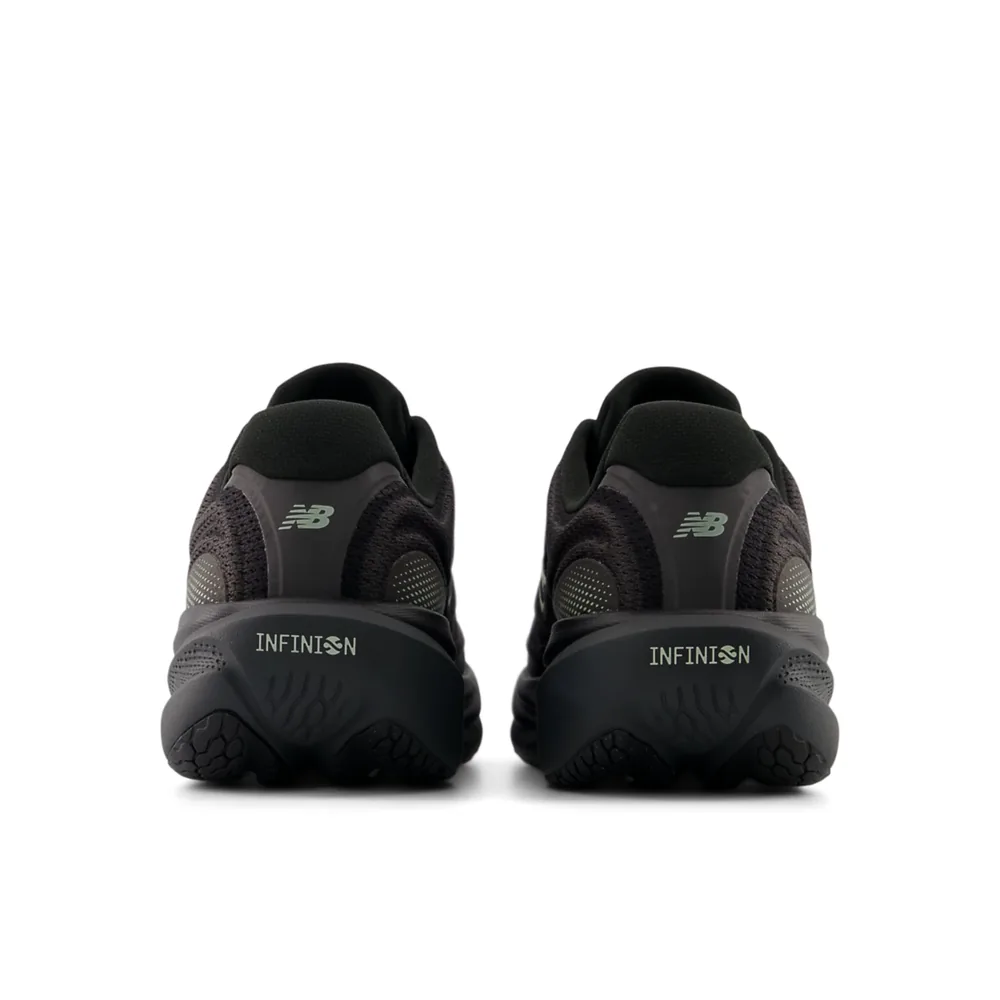
6. Why is the New Balance Fresh Foam X 1080 v15 on this list?
Best wide-fit option: choose the 1080 v15 if you need a width other than standard and prefer a plush, soft ride.
- Support: neutral
- Heel stack: 37.0 mm lab, 40 mm brand
- Drop: 6.4 mm lab, 6 mm brand
- Weight: 9.0 oz (255 g) lab
- Rocker: yes · Removable insole: yes
- Widths: narrow, normal, wide, extra wide
- Source: RunRepeat lab data and New Balance specs
It is on the list because it offers the widest range of fits here, from narrow to extra wide, with 147 SA of heel shock absorption, the highest result of the seven lab-tested picks. RunRepeat lists reliable fit with multiple width options among its strengths.
It is also the most debatable pick. The Infinion foam measured 21.5 AC, well under the 33 AC minimum that RunRepeat suggests for plantar fasciitis, and the lab drop is 6.4 mm. RunRepeat rates it 63 for stability, so choose it for plush comfort and width, not for guidance.
Pros
- Four widths
- 147 SA heel shock absorption
- Lightest shoe in the list at 255 g
Cons
- Very soft 21.5 AC foam
- 6.4 mm lab drop
- Limited stability (RunRepeat)
Skip it if: you need firm support or overpronate.
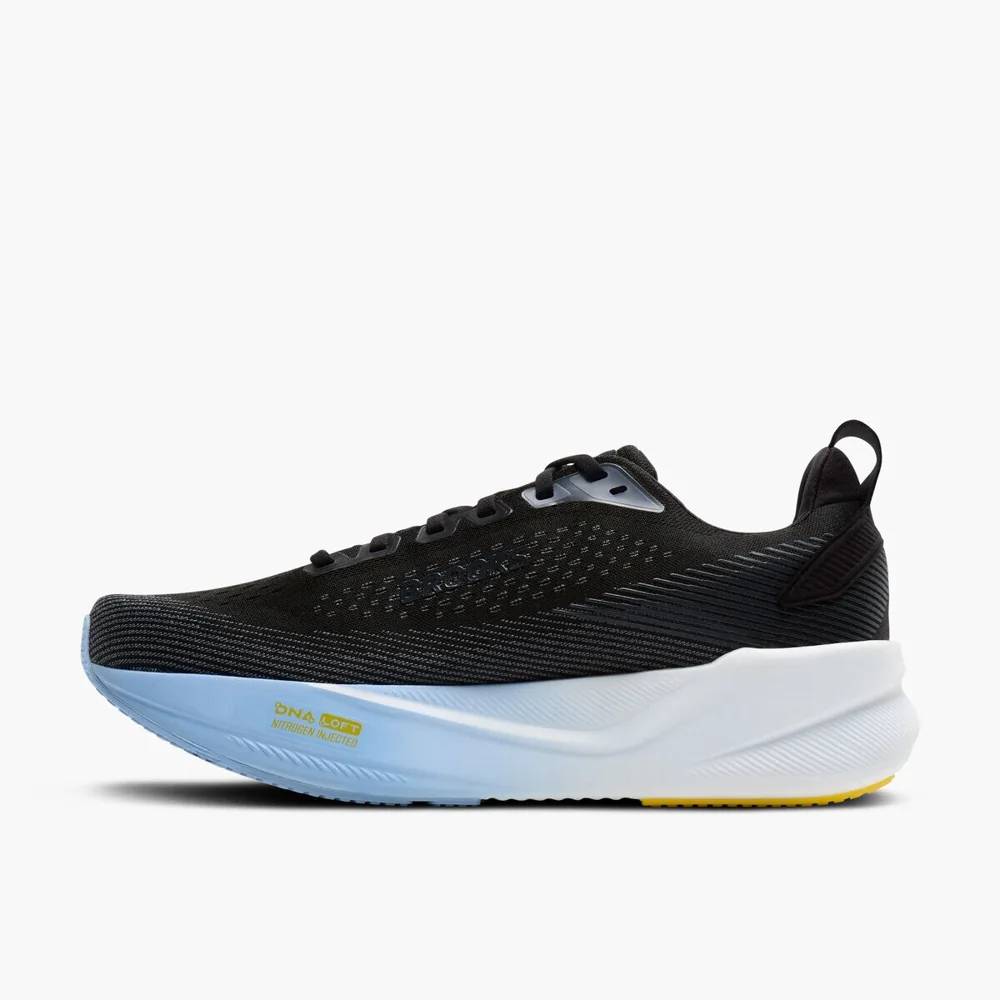
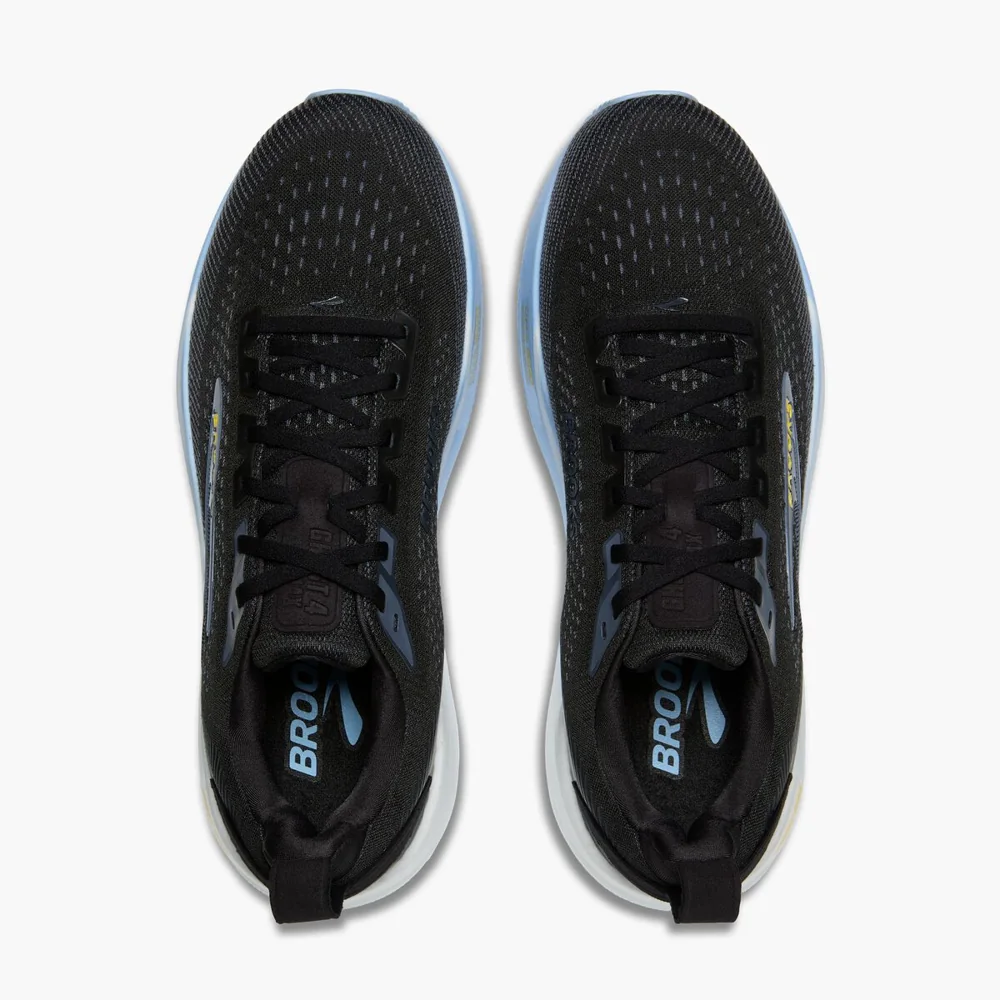
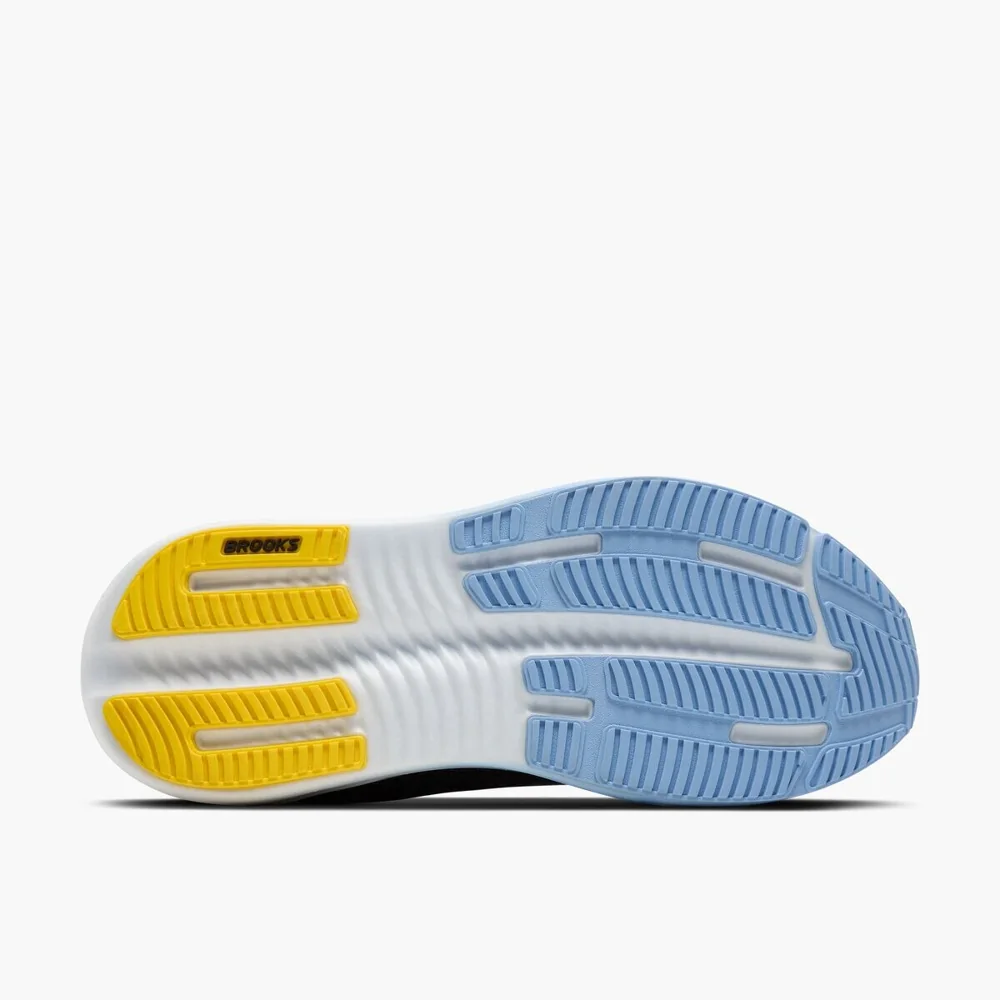
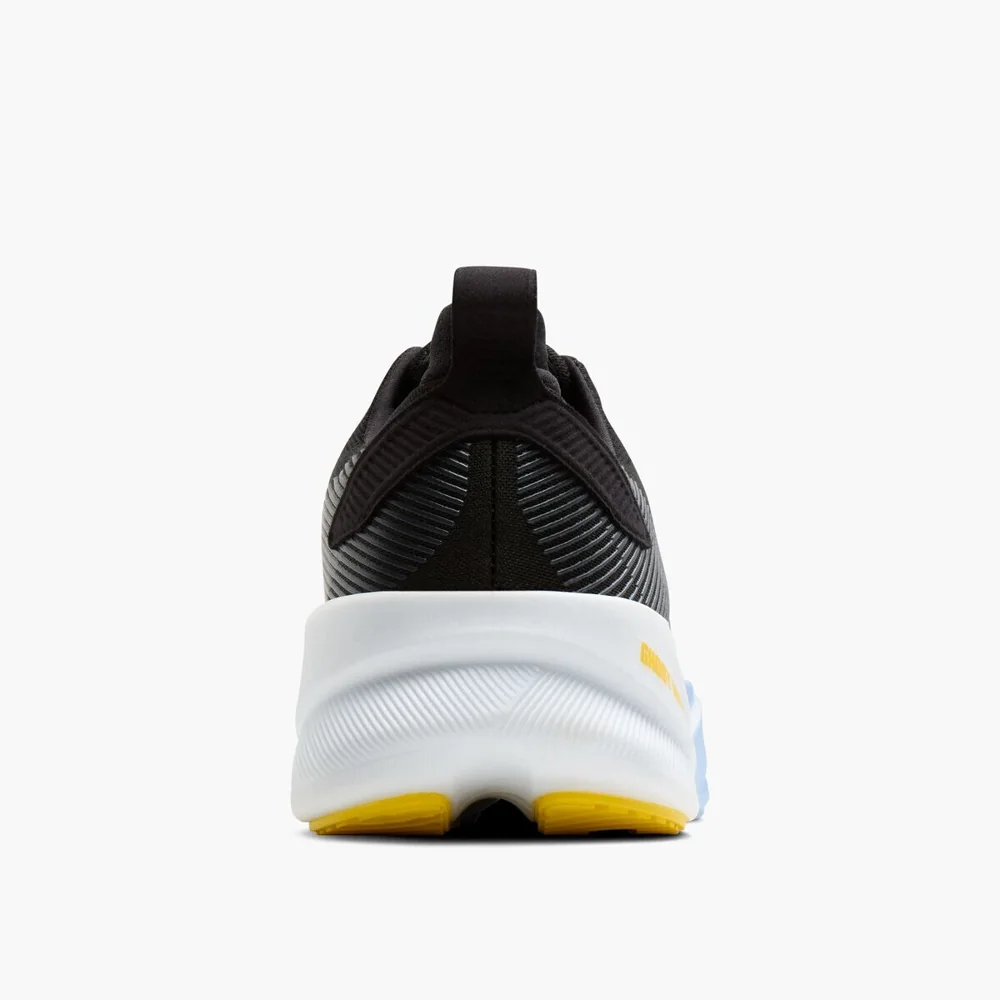
7. Brooks Ghost Max 4: Best rocker for morning heel pain
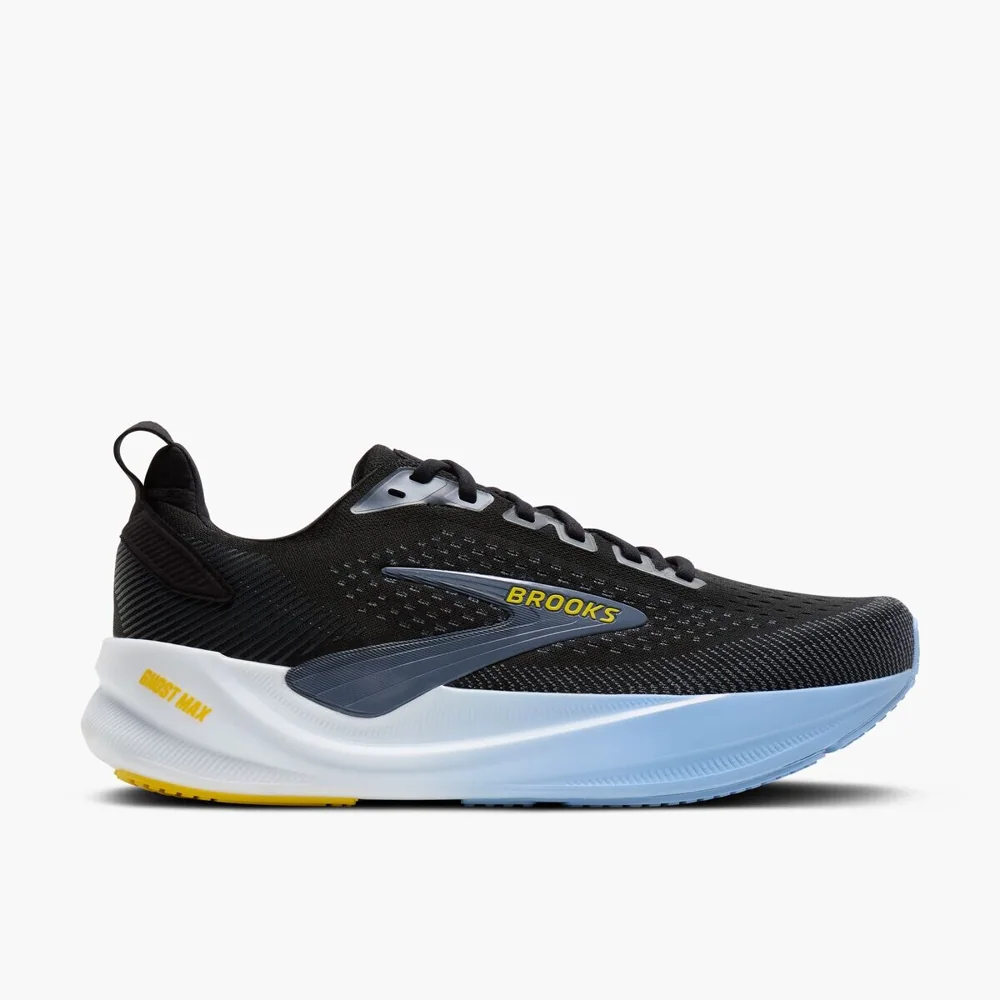
Best rocker for morning heel pain: choose the Ghost Max 4 if you want a neutral, rockered shoe with room for an orthotic.
- Support: neutral
- Heel stack: 38.6 mm lab, 40 mm brand
- Drop: 9.0 mm lab, 6 mm brand
- Weight: 10.1 oz (286 g) lab, 292 g brand
- Rocker: yes · Removable insole: yes
- Widths: normal, wide, extra wide
- Source: RunRepeat lab data and Brooks
The Ghost Max 4 combines a high stack of soft cushioning with rocker geometry that Brooks designed to assist the heel-to-toe transition. RunRepeat measured 145 SA at the heel, 11 SA better than the previous version, and a 39.7 AC midsole that feels controlled rather than sloppy.
A rocker is a comfort feature rather than a proven treatment: a review in The Foot found clear pressure relief at the forefoot but no firm evidence for a best rocker shape. Brooks also states extra room for orthotics, and the lab drop of 9.0 mm clears the 8 mm minimum even though Brooks lists 6 mm.
Pros
- 145 SA heel shock absorption
- Rocker plus orthotic room
- 39.7 AC controlled foam
Cons
- Moderate torsion and heel counter
- Low energy return
- Firm ride will not suit everyone
Skip it if: you want a stability shoe or a very soft landing.
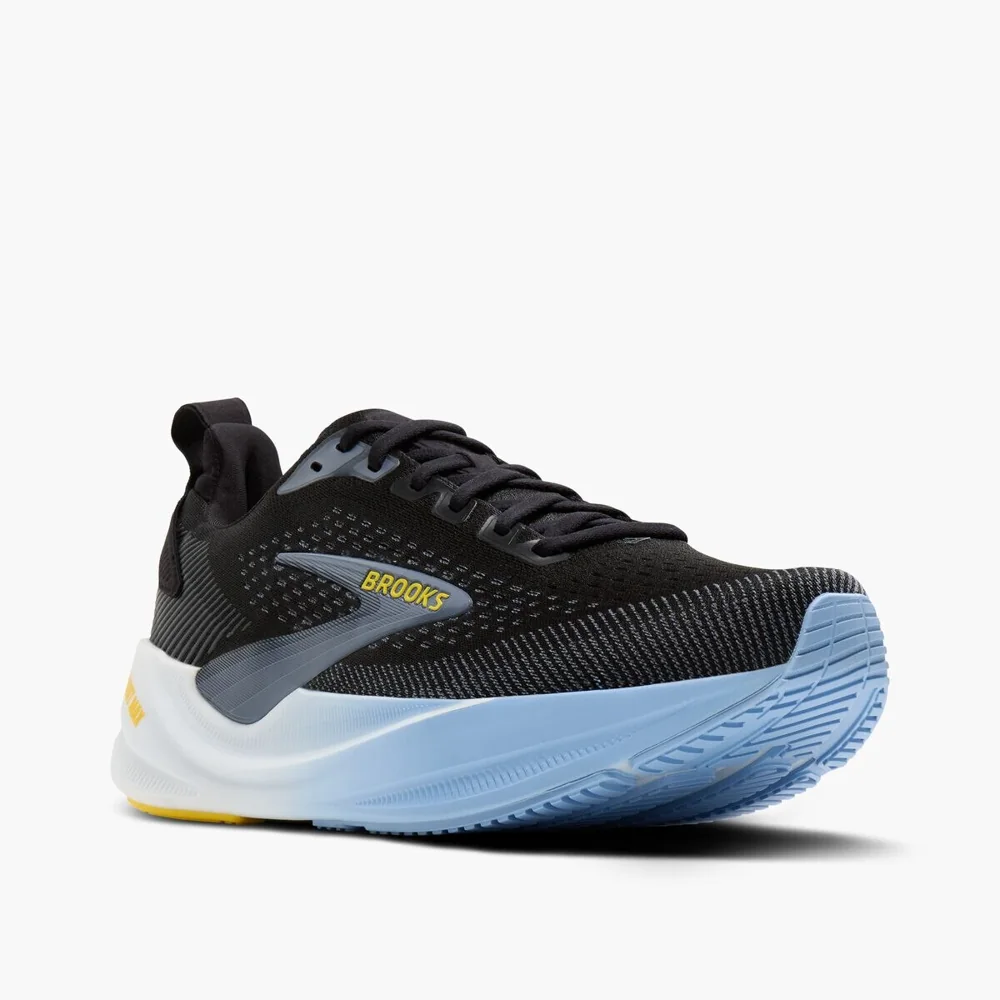
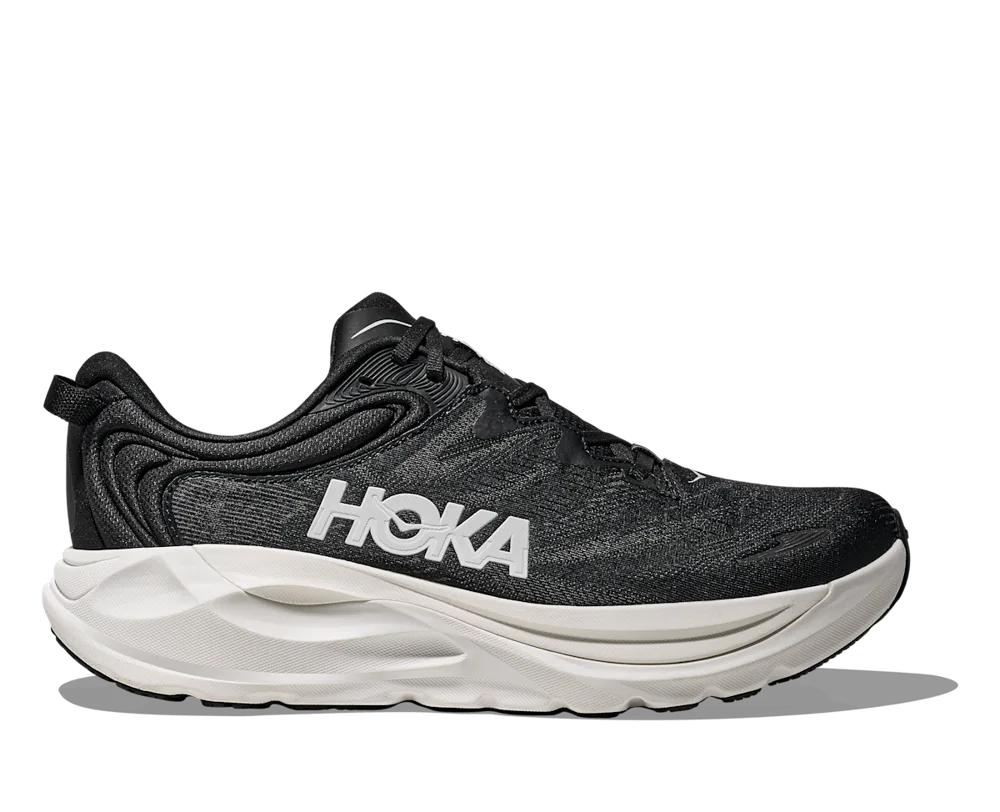
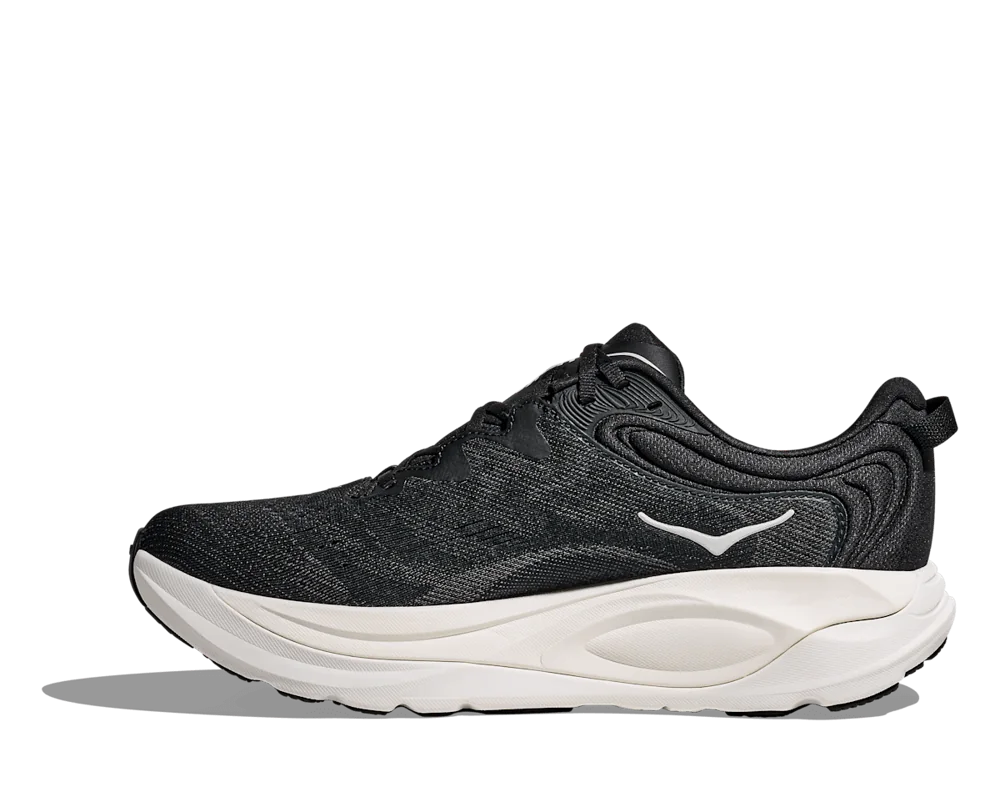
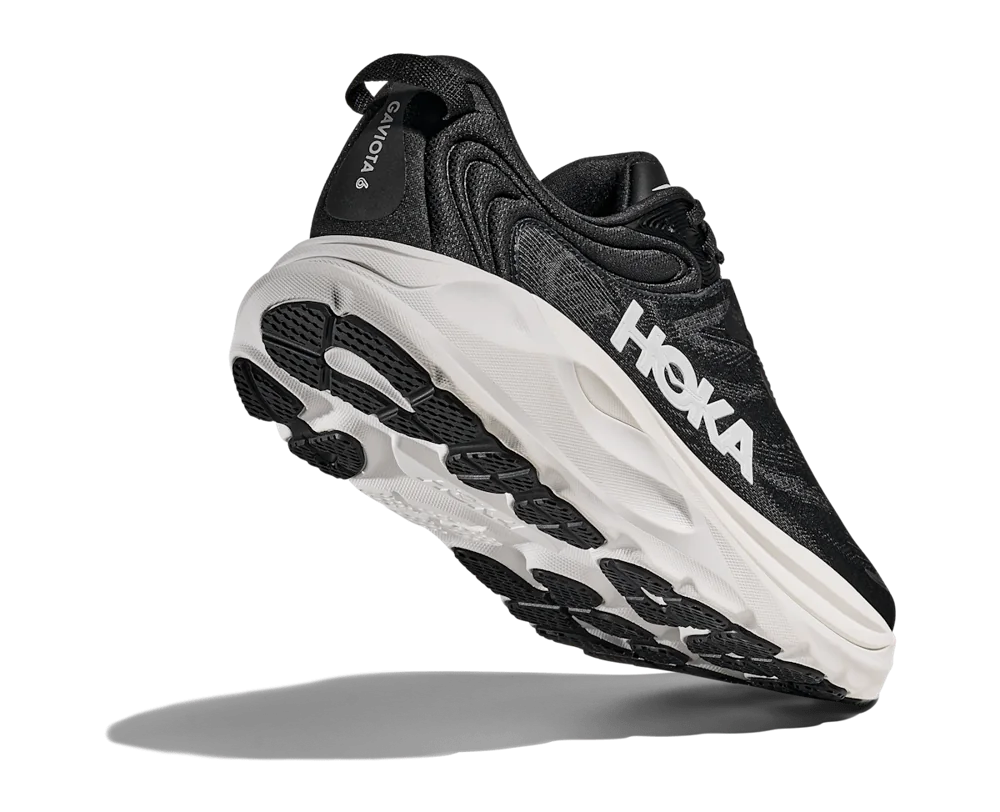
8. HOKA Gaviota 6: Best maximal stability for plantar fasciitis
Best maximal stability: choose the Gaviota 6 if you overpronate, run long and want the firmest guidance on this list.
- Support: stability (reinforced H-Frame)
- Heel stack: 36.0 mm lab, 39 mm brand
- Drop: 7.3 mm lab, 6 mm brand
- Weight: 10 oz (283 g) lab and brand
- Rocker: yes · Removable insole: yes
- Widths: normal, wide, extra wide
- Source: RunRepeat lab data and HOKA specs
RunRepeat rates the Gaviota 6 at 97 for stability, the highest of the seven lab-tested picks, and measures stiff torsion and a stiff heel counter. The reinforced H-Frame wraps the midsole on both sides, and RunRepeat notes a roomier fit than most HOKA models.
Shock absorption is the weak spot at 122 SA, only just above RunRepeat’s 115 SA minimum, and the 7.3 mm lab drop sits below its 8 mm guide.
Pros
- Highest stability score of the seven (97)
- Stiff torsion and heel counter
- Roomy fit for a HOKA
Cons
- 122 SA, lowest of the seven lab-tested
- 7.3 mm lab drop
- Outdated CMEVA foam (RunRepeat)
Skip it if: you want maximum heel cushioning or a light shoe.
Best running shoes for plantar fasciitis compared side by side
The table below shows that four of the eight picks are stability shoes, five have a rocker according to RunRepeat, and every pick with published data has a removable insole. Heel stack and drop show lab and brand values where both exist, because brands and RunRepeat measure at different points.
| Model | Support | Heel stack (mm) | Drop (mm) | Rocker | Removable insole | Widths | Best for |
|---|---|---|---|---|---|---|---|
| HOKA Bondi 9 | Neutral | 41.3 lab / 43 brand | 9.1 lab / 5 brand | Yes | Yes | Narrow, normal, wide, X-wide | Heel cushioning |
| Brooks Glycerin GTS 23 | Stability (GuideRails) | 38 brand | 8 brand | n/a | n/a | Medium, wide, extra wide | Support plus plush |
| ASICS Gel-Kayano 33 | Stability | 36.8 lab / 39 brand | 8.5 lab / 8 brand | No | Yes | Narrow, normal, wide, X-wide | Flat feet |
| HOKA Arahi 9 | Stability (H-Frame) | 38.0 lab / 39 brand | 10.3 lab / 8 brand | n/a | Yes | D, 2E, 4E | Light stability |
| ASICS Gel-Nimbus 28 | Neutral | 43.0 lab / 43.5 brand | 8.1 lab / 8 brand | Yes | Yes | Normal, wide, X-wide | Soft heel landing |
| New Balance 1080 v15 | Neutral | 37.0 lab / 40 brand | 6.4 lab / 6 brand | Yes | Yes | Narrow, normal, wide, X-wide | Wide fit, plush |
| Brooks Ghost Max 4 | Neutral | 38.6 lab / 40 brand | 9.0 lab / 6 brand | Yes | Yes | Normal, wide, X-wide | Rocker, orthotics |
| HOKA Gaviota 6 | Stability (H-Frame) | 36.0 lab / 39 brand | 7.3 lab / 6 brand | Yes | Yes | Normal, wide, X-wide | Maximum stability |
Brand and lab heel-stack and drop figures often disagree, so read heel drop as a range, and see stack height for how the heel figure is measured.
What makes a running shoe good for plantar fasciitis?
A good running shoe for plantar fasciitis combines a cushioned heel, a stable midfoot, a drop of at least 8 mm and a platform that resists twisting. The AAOS, the NHS and ACFAS all advise cushioned, supportive footwear (AAOS, NHS, ACFAS), and RunRepeat translates that into lab thresholds in its plantar fasciitis guide. Those thresholds are one lab’s editorial criteria, not clinical standards.
Heel cushioning and stack
Heel cushioning is the foam between the calcaneus and the ground that absorbs landing impact, and RunRepeat recommends at least 115 SA of lab shock absorption. All seven lab-tested picks pass, led by the 1080 v15 (147 SA), Bondi 9 (146 SA) and Ghost Max 4 (145 SA). The Gaviota 6 passes narrowly at 122 SA.
Arch support and midfoot stability
Arch support is the shape and firmness of the midsole under the arch, and the NHS lists good arch support among its footwear advice (NHS). Four picks add structured stability: Glycerin GTS 23, Kayano 33, Arahi 9 and Gaviota 6. The other four are neutral, which suits runners with normal arches who want cushioning first.
Rocker geometry
A rocker is an upward curve at the toe that helps the foot roll forward and reduces how far the toes must bend. The windlass mechanism, the tightening of the plantar fascia as the toes extend, is what the clinical windlass test checks (CPG), but trials have not shown that a rocker eases it. A peer-reviewed review supports forefoot pressure relief, not a definitive shape.
RunRepeat marks a rocker on the Bondi 9, Nimbus 28, 1080 v15, Ghost Max 4 and Gaviota 6, and not on the Kayano 33.
Heel-to-toe drop
Heel-to-toe drop is the height difference between heel and forefoot, and RunRepeat recommends at least 8 mm for plantar fasciitis. Five picks meet it in the lab: Arahi 9 (10.3 mm), Bondi 9 (9.1 mm), Ghost Max 4 (9.0 mm), Kayano 33 (8.5 mm) and Nimbus 28 (8.1 mm).
The 1080 v15 (6.4 mm) and Gaviota 6 (7.3 mm) fall short, which matters most if tight calves are part of your problem (AAOS lists tight calf muscles as a risk factor).
Torsional rigidity
Torsional rigidity is how strongly a shoe resists twisting, and RunRepeat prefers shoes with a rigid platform and a stiff heel counter for plantar fasciitis. In its lab ratings the Bondi 9, Kayano 33, Nimbus 28 and Gaviota 6 are stiff, the Ghost Max 4 is moderate, and the Arahi 9 and 1080 v15 are flexible.
The Kayano 33, Nimbus 28, Gaviota 6 and 1080 v15 have stiff heel counters, while the Bondi 9, Arahi 9 and Ghost Max 4 are moderate.
| Model | Heel SA (min 115) | Lab drop, mm (min 8) | Midsole AC (min 33) | Torsional rigidity | Heel counter |
|---|---|---|---|---|---|
| HOKA Bondi 9 | 146 | 9.1 | 43.0 | Stiff | Moderate |
| ASICS Gel-Kayano 33 | 132 | 8.5 | 32.8 | Stiff | Stiff |
| HOKA Arahi 9 | 138 | 10.3 | 32.9 (lower layer) | Flexible | Moderate |
| ASICS Gel-Nimbus 28 | 137 | 8.1 | 38.8 | Stiff | Stiff |
| New Balance 1080 v15 | 147 | 6.4 | 21.5 | Flexible | Stiff |
| Brooks Ghost Max 4 | 145 | 9.0 | 39.7 | Moderate | Moderate |
| HOKA Gaviota 6 | 122 | 7.3 | 32.6 | Stiff | Stiff |
| Brooks Glycerin GTS 23 | n/a | n/a | n/a | n/a | n/a |
Can running shoes help plantar fasciitis?
Running shoes can help plantar fasciitis as one part of care, but no guideline names a specific shoe, and no shoe replaces stretching and load management. The AAOS says cushioned shoes and inserts reduce the tension and microtrauma at the heel (AAOS), and the NHS advises shoes with cushioned heels and good arch support.
The 2023 clinical practice guideline puts stretching of the plantar fascia and calf, taping and night splints at the centre of treatment (Koc et al., JOSPT 2023). It advises that foot orthoses should not be the only short-term treatment. A heel spur is not the cause of the pain: the AAOS notes that most people with a spur have no heel pain.
Should you run with plantar fasciitis?
Many runners can keep running with plantar fasciitis at reduced load if pain stays low and settles quickly, but you should stop and see a clinician if pain is sharp, changes your stride or is not improving. The AAOS advises reducing or stopping the activities that aggravate pain and cross-training with cycling or swimming, and the NHS says to see a GP if pain has not improved after 2 weeks.
As a practical rule, HealthSOP suggests keeping pain at 3 out of 10 or lower during a run and checking that first-step pain next morning is no worse. That rule is a conservative self-monitoring guide, not part of any guideline. Our guide to plantar fasciitis running adds a week-by-week return-to-run table.
Insoles and orthotics with these shoes
You can use an insole or orthotic in every pick that has published data, because each has a removable insole. The 2023 guideline says prefabricated or custom orthoses fit within a combined treatment plan rather than as a stand-alone fix (Koc et al., 2023), and the AAOS describes soft silicone heel pads and pre-made or custom orthotics as helpful (AAOS).
RunRepeat marks all seven lab-tested picks as orthotic-friendly, and Brooks states extra room for orthotics in the Ghost Max 4. Remove the factory insole before fitting an orthotic. The 2023 guideline does not list compression socks among its recommended interventions, so treat them as optional comfort.
Which running shoes for plantar fasciitis are best for women?
The best running shoes for plantar fasciitis for women are the women’s versions of the same models: the Bondi 9 for heel cushioning, the Glycerin GTS 23 or Arahi 9 for support, and the Ghost Max 4 for a neutral rocker. Brooks, HOKA, ASICS and New Balance all sell these models in women’s sizing, and the Amazon buttons on this page open the men’s versions.
Women’s models use their own size run and can differ in weight: Brooks lists the women’s Glycerin GTS 23 at 9.8 oz against 10.8 oz for the men’s in its Spring 2026 catalog. Check the women’s spec page before comparing numbers, because RunRepeat’s lab data is measured in men’s US 9.
Which running shoes for plantar fasciitis are best for men?
The best running shoes for plantar fasciitis for men are the Bondi 9 for cushioning, the Kayano 33 or Gaviota 6 for stability, and the Nimbus 28 for a deep neutral heel, and every Amazon link here opens the men’s version. Heavier runners should compare the high-shock-absorption picks, and RunRepeat calls the 1080 v15 an ideal option for heavier runners and long-run fans.
If your pain sits at the back of the heel instead, see our guide to shoes for Achilles tendonitis.
How we chose these shoes
We chose these shoes from brand specifications, independent lab data and clinical footwear guidance, and HealthSOP did not test them hands-on. We fetched every spec on 12 November 2026 and marked any value we could not source as n/a.
- Current generation: each model is the latest on sale on 12 November 2026.
- Specs and lab data: RunRepeat lab pages (men’s US 9) and brand spec sheets; the Glycerin GTS 23 uses Brooks sources because RunRepeat has not tested it.
- Clinical guidance: the 2023 guideline, AAOS, NHS and ACFAS shaped the attributes.
- Availability: each men’s ASIN was opened on amazon.com on 12 November 2026, and the title matched the model.
We do not claim podiatrist approval for any shoe, and we did not verify APMA Seal status for these models, so this page makes no APMA claim. Two launches are due: the Gel-Nimbus 29 on 1 December 2026 and the Brooks Glycerin 24 in early 2027, and we will update the list when they arrive. Release dates come from 2026 shoe release calendars and may shift.
Which shoe should you pick?
Pick the HOKA Bondi 9 unless one row below describes you better; the first table matches your profile to a shoe and the second matches your current phase. If plantar fasciitis is not your main concern, our pillar guide to the best running shoes covers every runner type.
| Runner profile | Pick | Why | Budget tier |
|---|---|---|---|
| Heavier runner or high weekly mileage | Bondi 9 or Gaviota 6 | Tallest stack and highest stability score | Premium |
| Flat feet or overpronation | Kayano 33 or Glycerin GTS 23 | Stiff platform; GuideRails support | Upper-mid to premium |
| Neutral foot, wants soft heel landing | Nimbus 28 | 43.0 mm heel stack, stiff counter | Upper-mid |
| Wants stability at the lowest weight and cost | Arahi 9 | 278 g lab weight; three widths | Mid |
| Needs a wide or narrow fit | 1080 v15 | Four widths | Upper-mid |
| Uses an orthotic | Ghost Max 4 | Brooks states extra orthotic room | Mid to upper-mid |
| Tight calves or limited ankle flexibility | Arahi 9 or Ghost Max 4 | Lab drop above 9 mm | Mid |
| Phase | Shoe priority | Picks | Basis |
|---|---|---|---|
| Flare-up: first-step pain high, running paused or very short | Maximum heel cushion, stiff counter, orthotic room | Bondi 9, Ghost Max 4, Nimbus 28 | AAOS and NHS advise cushioned shoes and inserts during pain; the CPG puts stretching and load management first |
| Recovery: pain low, rebuilding with walk-run | Cushion plus structure and a stable platform | Kayano 33, Glycerin GTS 23, Arahi 9, Gaviota 6 | The CPG supports combined treatment; orthoses fit inside a plan |
| Prevention: pain-free, steady mileage | Replace worn shoes; rotate a lighter shoe | Arahi 9, 1080 v15 alongside a cushioned pair | AAOS advises replacing worn athletic shoes before they lose support |
If you want one button, this is the one: the HOKA Bondi 9 is the pick for most runners with plantar fasciitis.
Frequently asked questions
What running shoes do podiatrists recommend for plantar fasciitis?
Podiatrists look for features rather than one model: a cushioned heel, good arch support and a slightly raised heel (ACFAS). The NHS says a podiatrist can recommend insoles and the right shoes. We do not claim podiatrist approval for any model, so ask a clinician to check your fit.
Are HOKA good for plantar fasciitis?
Yes, several HOKA models fit the profile. RunRepeat names the Bondi 9 its top pick for plantar fasciitis, the Arahi 9 adds H-Frame stability at 278 g in the lab, and the Gaviota 6 gives maximum stability. Check the heel cushioning, stability and fit against your own pain pattern first.
Is zero-drop bad for plantar fasciitis?
Zero-drop is usually a poor fit while symptoms are active. RunRepeat advises at least 8 mm of drop and reasons that lower drops shift load to the lower legs and feet. Evidence specific to plantar fasciitis is limited, so avoid switching to zero-drop mid-flare and transition slowly later.
Should I use orthotics in running shoes for plantar fasciitis?
Yes, if a clinician recommends them, because orthoses work best inside a combined plan. The 2023 guideline advises against orthoses as the only short-term treatment (JOSPT). Remove the removable insole first so the shoe volume stays the same.
How long does plantar fasciitis take to heal for runners?
Most cases improve within months, not weeks. The AAOS reports that more than 90% of patients improve within 10 months of simple treatment (AAOS). The NHS advises seeing a GP if pain has not improved after 2 weeks of self-care.
Can the wrong shoes cause plantar fasciitis?
Yes, worn or unsupportive shoes are a recognised risk factor. The NHS lists wearing shoes with poor cushioning or support, and the AAOS warns against worn-out athletic shoes. Training load and tight calves also contribute.
How to lace running shoes for plantar fasciitis?
Lace through every eyelet and finish with a heel-lock knot so the heel stays seated against the heel counter. If the top of the arch feels pressed, skip one eyelet over the sore spot. These are comfort tips, not treatments.
How to choose running shoes for plantar fasciitis?
Choose a shoe with a cushioned heel, firm arch-side support, at least 8 mm of drop and a rigid platform, then match the width to your foot. Use the decision table above to pick between neutral and stability.
Which Altra running shoe is best for plantar fasciitis?
Most Altra running shoes, including the Olympus 7 and Torin 9, are zero-drop (Altra), which falls below RunRepeat’s 8 mm minimum, so we do not rank an Altra for plantar fasciitis. If you still want one, ask a clinician first and transition gradually.
Sources
- Koc et al. 2023, JOSPT: Heel Pain/Plantar Fasciitis Clinical Practice Guideline, Revision 2023
- AAOS OrthoInfo: Plantar Fasciitis and Bone Spurs
- NHS: Plantar fasciitis
- ACFAS Foot Health Facts: Plantar Fasciitis
- Hutchins et al., The Foot: The biomechanics and clinical efficacy of footwear adapted with rocker profiles
- RunRepeat: best running shoes for plantar fasciitis (thresholds)
- RunRepeat: testing methodology
- Altra: zero-drop shoes collection
- RunRepeat lab pages: HOKA Bondi 9, ASICS Gel-Kayano 33, HOKA Arahi 9, ASICS Gel-Nimbus 28, New Balance 1080 v15, Brooks Ghost Max 4, HOKA Gaviota 6
- Brand pages: Brooks Glycerin GTS 23, Brooks Ghost Max 4, HOKA Arahi 9, ASICS Gel-Nimbus 28, Brooks Spring 2026 catalog (PDF), ASICS Gel-Nimbus 29 press release
Medical disclaimer: this article is for information only and is not a substitute for advice from a doctor, physiotherapist or podiatrist. Product photos are brand-official and credited on each slider. Last updated: November 12, 2026.

[…] Fasciitis from Running: Causes, Shoes and Recovery Best Running Shoes for Plantar Fasciitis (2026) Are Running Shoes Supposed To Be Tight? Are Hiking Shoes Good For Running? […]