Plantar fasciitis from running is irritation or degeneration of the plantar fascia, the band of tissue linking the heel bone to the toes, and it shows up as heel pain with the first steps after rest. Plantar fasciitis running does not always mean stopping: most runners can keep training at reduced load if pain stays low. Below you get the causes, the treatments in the 2023 guideline, a week-by-week return-to-run table and the shoe features that matter.
Last updated: November 12, 2026. Medical note: this guide is general information and not a substitute for a clinician. See a doctor or physiotherapist if heel pain is severe, getting worse or lasts more than 2 weeks.
Table of Contents
What is plantar fasciitis in runners?
Plantar fasciitis in runners is pain at the heel where the plantar fascia attaches to the calcaneus, and it is one of the most common causes of heel pain. The AAOS says about 2 million patients are treated for it every year and that athletes get it through overuse. The 2023 guideline adds that it makes up roughly 15% of foot pathology, peaks at ages 40 to 60 and is reportedly more frequent in runners (Koc et al., JOSPT 2023).
The word fasciitis suggests inflammation, but the guideline describes a spectrum that includes degenerative change. That is why the treatment plan centres on stretching, load and strength rather than on anti-inflammatories alone.
Symptoms: how to tell if heel pain is plantar fasciitis
The signature symptom of plantar fasciitis is first-step pain: stabbing heel pain with the first steps after sleeping or sitting that eases within minutes of walking. The NHS adds that it gets worse again if you stand, walk or run for a long time, and that stretching the sole or raising your toes hurts.
- Pain on the bottom of the foot near the heel, sometimes into the arch (ACFAS).
- Pain that is worse after exercise than during it (AAOS).
- Tenderness just in front of the heel bone, which a clinician finds on palpation.
- A positive windlass test, where lifting the toes reproduces the pain, which clinicians use to support the diagnosis (CPG).
Plantar fasciitis vs heel stress fracture
A heel stress fracture is a small crack in the calcaneus, and it is a different problem from plantar fasciitis even though both hurt at the heel. The 2023 guideline lists calcaneal stress fracture among the conditions to rule out, and the AAOS notes X-rays are used to exclude fractures. Heel pain that is constant, builds as you run or does not ease in the first minutes of walking needs an examination rather than self-treatment.
What else causes heel pain when running?
Heel pain when running that is not plantar fasciitis usually comes from the fat pad, a nerve, the Achilles insertion or a bone. The 2023 guideline and ACFAS list several alternatives, and only an examination can separate them.
| Condition | What it is | Why it matters |
|---|---|---|
| Calcaneal stress fracture | Small crack in the heel bone | Needs rest from impact and imaging |
| Fat-pad atrophy | Thinning of the cushioning under the heel | Can mimic plantar fasciitis |
| Baxter nerve or tarsal tunnel entrapment | Nerve compression near the inner ankle and heel | Often brings tingling or numbness |
| Insertional Achilles tendinopathy | Irritation where the Achilles meets the heel bone | Pain sits at the back of the heel |
| Proximal plantar fibroma | Benign nodule in the plantar fascia | Found on examination or imaging |
| Arthritis or spondyloarthritis | Joint or inflammatory disease | Needs medical work-up |
If the pain sits at the back of the heel rather than underneath it, our guide to Achilles-friendly running shoes covers that problem instead.
Why runners get plantar fasciitis
Runners get plantar fasciitis when load on the plantar fascia rises faster than the tissue can adapt, usually combined with tight calves, extra body weight, worn shoes or foot shape. No single factor explains it, and the AAOS says that in most cases it develops without a specific, identifiable reason.
| Risk factor | What the sources say | What to do |
|---|---|---|
| Sudden training load | New or increased activity is a risk factor (AAOS); a recent jump in weight-bearing is typical (CPG) | Raise duration, frequency or pace one at a time |
| Tight calf muscles | Limited ankle dorsiflexion is a guideline risk factor; tight calves raise stress on the fascia (AAOS) | Daily calf and plantar fascia stretching |
| Higher body weight | High BMI in non-athletes is a risk factor (CPG); BMI above 30 was linked with more injuries in 930 novice runners (Nielsen et al. 2013) | Build load gradually and favour cushioned shoes |
| Worn or unsupportive shoes | Poor cushioning or support raises risk (NHS); replace worn athletic shoes (AAOS) | Check your shoes and read when to replace running shoes |
| Foot posture | Flat feet or high arches make runners more prone (ACFAS, AAOS) | Supportive footwear; clinician review of orthoses |
| Hard surfaces | Starting exercise on hard surfaces raises risk (NHS) | Mix in softer surfaces while symptomatic |
Can running shoes cause or relieve plantar fasciitis?
Worn-out or unsupportive shoes can contribute to plantar fasciitis, and cushioned, supportive shoes are part of recommended care, but no shoe cures it. The NHS advises shoes with cushioned heels and good arch support, and the AAOS says a cushioned shoe reduces the tension on the fascia at heel strike and urges you to replace athletic shoes before they stop supporting your feet.
Our guide on when to replace running shoes shows the wear signs to check. If you are choosing a new pair, our ranked list of the best running shoes for plantar fasciitis compares eight current models by lab data.
Treatment that works (2023 guideline)
The 2023 clinical practice guideline recommends an active, combined plan: plantar fascia and calf stretching, manual therapy, taping, night splints for persistent first-step pain and strengthening, with load management on top (Koc et al., JOSPT 2023). It also notes that orthoses should not be the only short-term treatment. See a clinician to build the plan, because the right mix depends on how irritable the heel is.
Calf and plantar fascia stretches
Stretching is the most effective first step, according to the AAOS (OrthoInfo). For the calf stretch, lean into a wall with the back knee straight and the heel down, hold 10 seconds and repeat 20 times per foot. For the plantar fascia stretch, cross the foot over the opposite knee, pull the toes back, hold 10 seconds and repeat 20 times, ideally in the morning before standing.
Taping
Taping supports the arch and can reduce strain for a few weeks. The 2023 guideline supports rigid or elastic taping alongside other treatments for short-term improvement in pain and function, and ACFAS lists padding, taping and strapping as second-line options if pain lasts several weeks.
Orthotics and heel cups
Orthotics and heel cups work best as part of a plan. The guideline says prefabricated or custom orthoses may be used within combined treatment, and the AAOS describes soft silicone heel pads and pre-made or custom orthotics as helpful. A removable insole in your shoe lets you fit one, as the shoe features section below explains.
Night splints and other options. A night splint holds the plantar fascia in a stretch while you sleep, and the guideline supports a 1 to 3 month trial when morning first-step pain is consistent. Extracorporeal shockwave therapy is sometimes tried for persistent cases, but the AAOS says results are mixed and the NHS lists it among options offered if simpler care fails. Steroid injections can weaken the fascia, so discuss risks with a doctor.
Can you keep running with plantar fasciitis?
You can often keep running with plantar fasciitis if pain stays at 3 out of 10 or lower while you run and does not leave you worse the next morning, but you should stop if pain is sharp or changes your stride. The AAOS says reducing or stopping aggravating activity is the first step and suggests low-impact options such as cycling or swimming in the meantime.
The 3 out of 10 limit is a conservative pain-monitoring rule adapted from tendon rehabilitation, not a number from the guideline, so treat it as a guide and let a clinician adjust it. Pain should settle to its usual level within 24 hours of a session.
- Green: 0 to 3 out of 10 during the run, normal first-step pain next morning. Continue the plan.
- Amber: 4 to 5 out of 10, or morning pain worse than before the run. Cut the next session by about half.
- Red: 6 or more out of 10, limping, or pain that is sharp. Stop, switch to cycling or swimming, and see a clinician.
Return-to-run plan
A return-to-run plan for plantar fasciitis moves from walking to continuous running over about 5 to 6 weeks, advancing only when pain stays in the green zone. The table is an illustrative framework built on the pain rule above, not a prescription, and unlike generic rest advice it gives you pain gates to follow.
| Stage | Typical week | Session | Move on when |
|---|---|---|---|
| 1. Pain-free walking | Week 1 | 30 minutes of walking, 5 days; cross-train; stretch twice daily | Walking is 0 to 2 out of 10 and morning pain is easing |
| 2. Walk-run | Week 2 | 1 minute running, 2 minutes walking, 6 rounds, every other day | Two sessions in a row stay at 3 or below |
| 3. Longer runs | Week 3 | 2 minutes running, 1 minute walking, 6 rounds, every other day | Pain at 3 or below and next-morning pain unchanged |
| 4. Run-heavy | Week 4 | 5 minutes running, 1 minute walking, 4 rounds, 3 days | No flare-up after two sessions |
| 5. Continuous | Week 5 | 20 minutes of easy running, 3 days | Pain at 3 or below throughout |
| 6. Build | Week 6 on | Add one variable at a time: time, then frequency, then pace | Stay in the green zone for two weeks |
How to prevent plantar fasciitis when running
To prevent plantar fasciitis when running, increase training load gradually, keep your calves and plantar fascia mobile, rotate supportive shoes and replace them before they wear out. The same habits help you avoid a relapse after recovery.
| Habit | How | Source |
|---|---|---|
| Warm up before you run | 5 minutes of walking and easy calf mobility before you pick up the pace | General practice |
| Stretch daily | Calf and plantar fascia stretches, especially before standing up in the morning | AAOS |
| Raise load slowly | Change one of duration, frequency or pace per week | CPG, AAOS |
| Strengthen the foot and calf | Resistance work for foot and ankle muscles, such as calf raises | CPG |
| Replace worn shoes | Replace athletic shoes before they stop supporting your feet | AAOS, NHS |
| Vary surfaces | Alternate hard surfaces with trails or tracks | NHS |
Best shoe features for plantar fasciitis
The best shoe features for plantar fasciitis are a cushioned heel, firm arch support, a rigid platform and enough heel-to-toe drop. In short: look for good heel shock absorption, a stiff heel counter, a platform that resists twisting and a heel-to-toe drop of at least 8 mm, which is RunRepeat’s editorial threshold rather than a clinical rule.
- Cushioned heel: reduces fascia tension at heel strike (AAOS).
- Arch support: recommended by the NHS and ACFAS.
- Removable insole: lets you fit an orthotic or heel pad.
- Rocker sole: a comfort feature with limited evidence for heel pain.
These three picks match those features, and our full list of the best running shoes for plantar fasciitis compares eight models and explains how to choose by foot type. Amazon buttons open the men’s version.
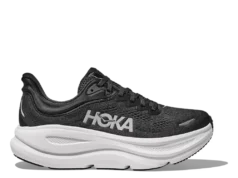
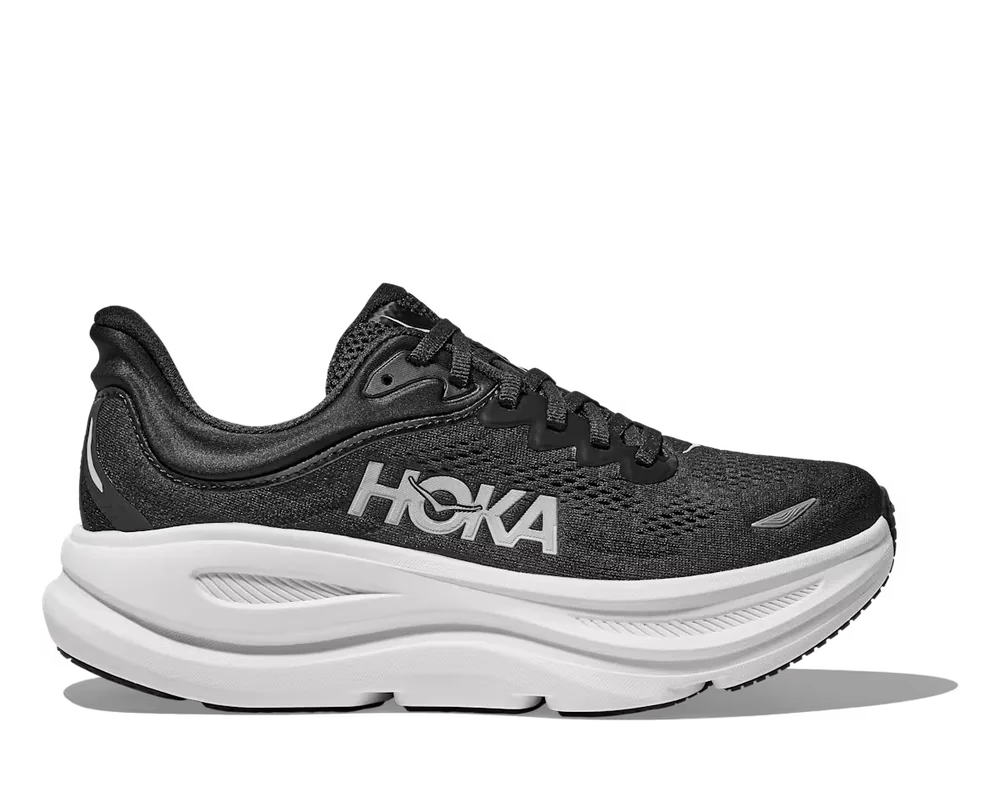
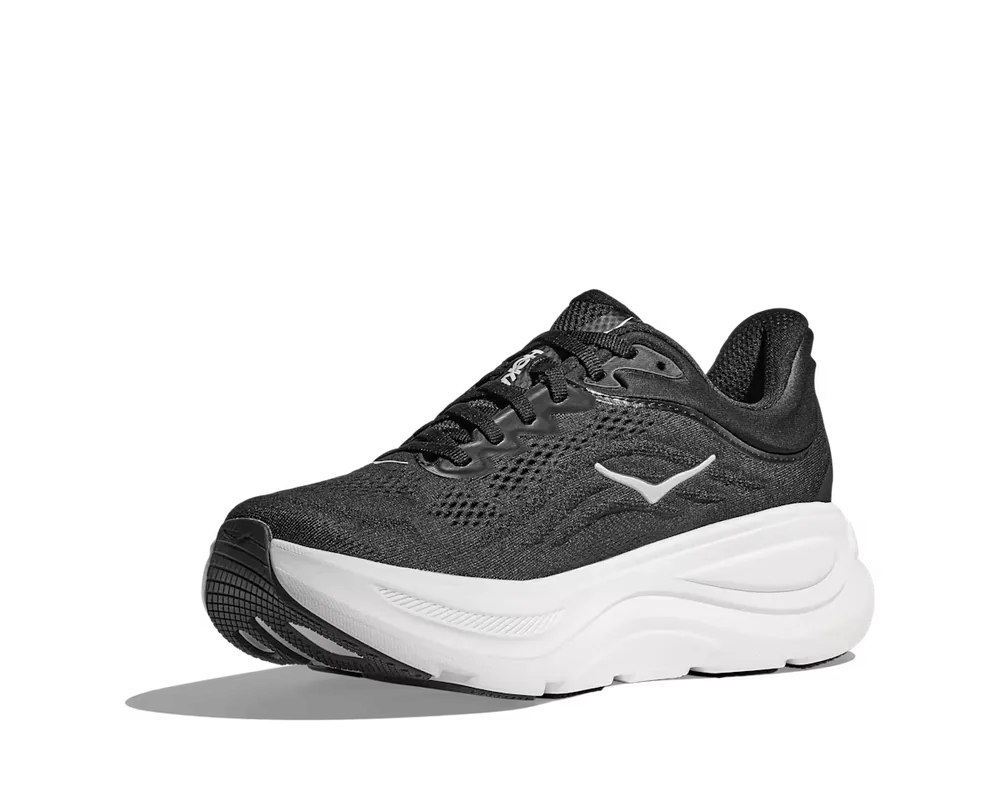
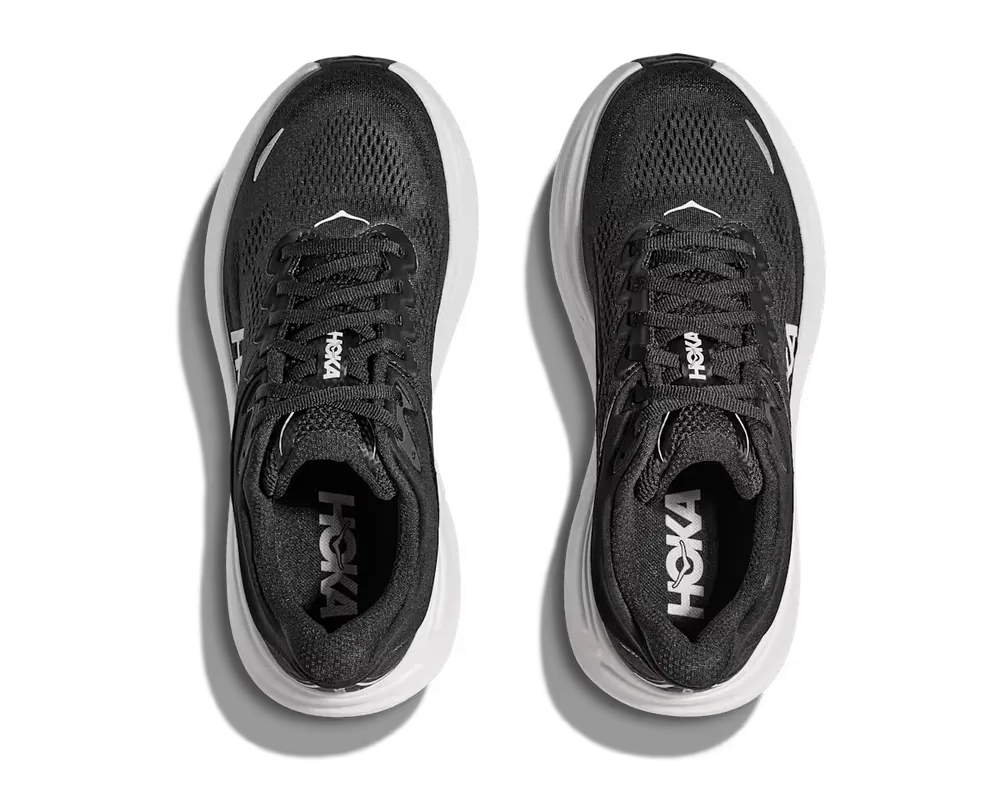
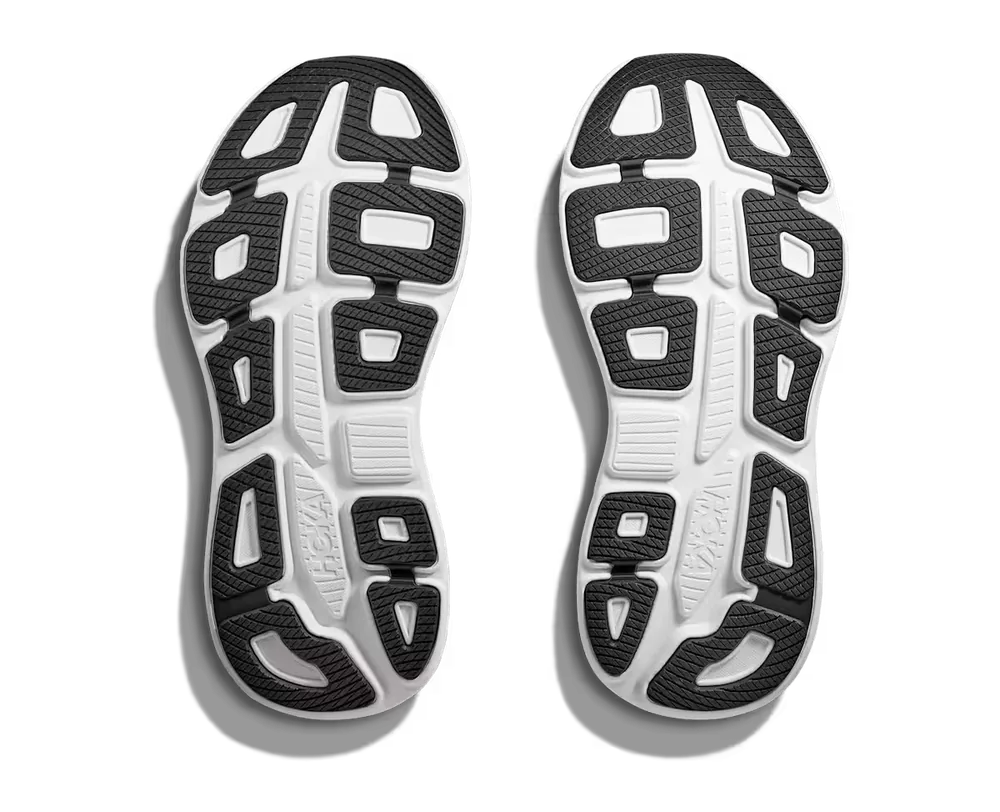
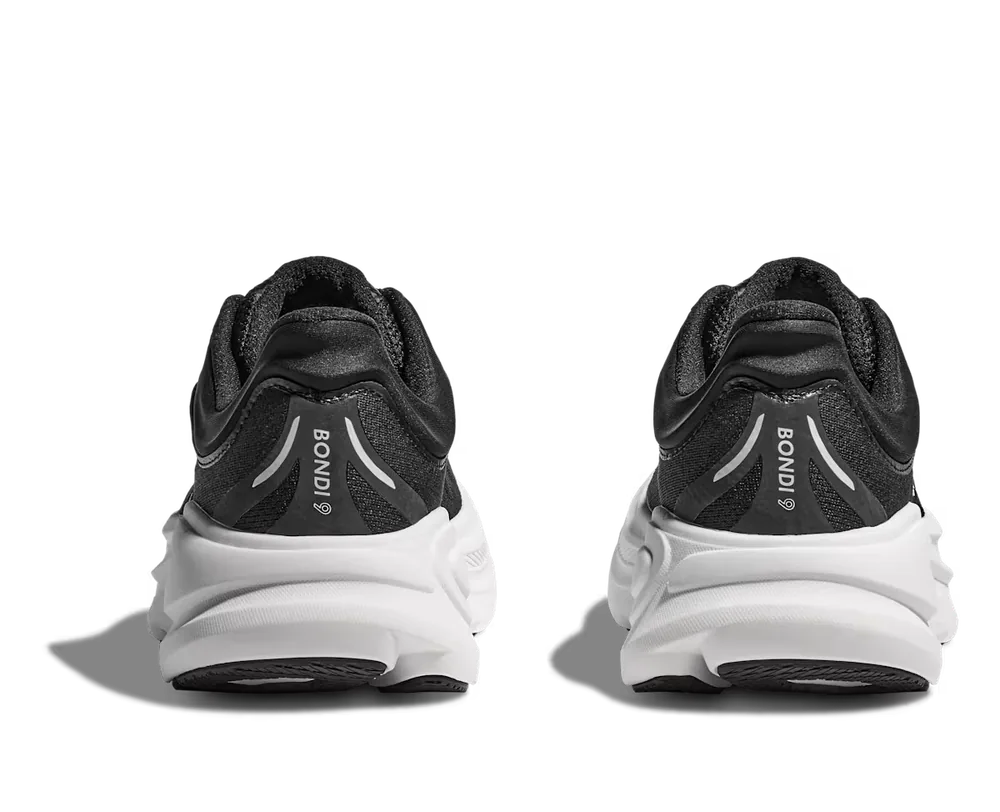
HOKA Bondi 9: Max cushion pick
RunRepeat’s top pick for plantar fasciitis, with 146 SA of heel shock absorption and a 41.3 mm lab heel stack.


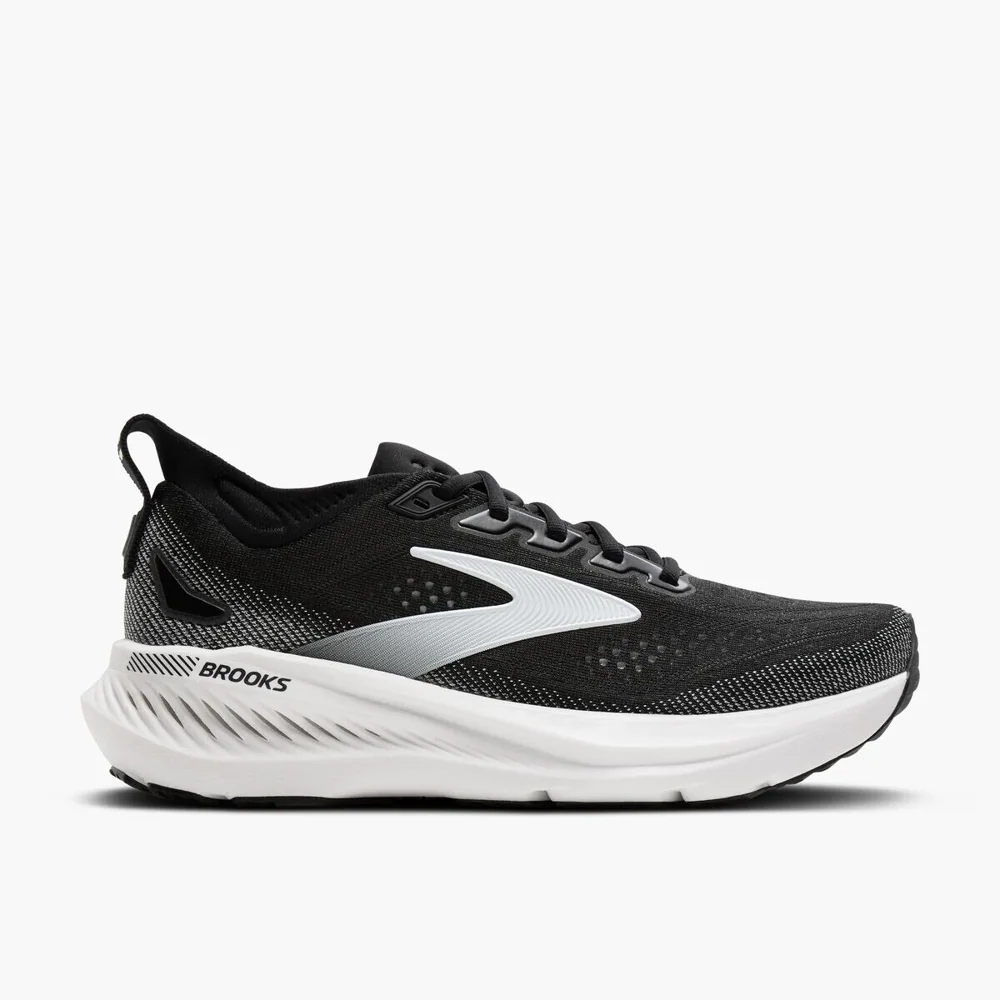
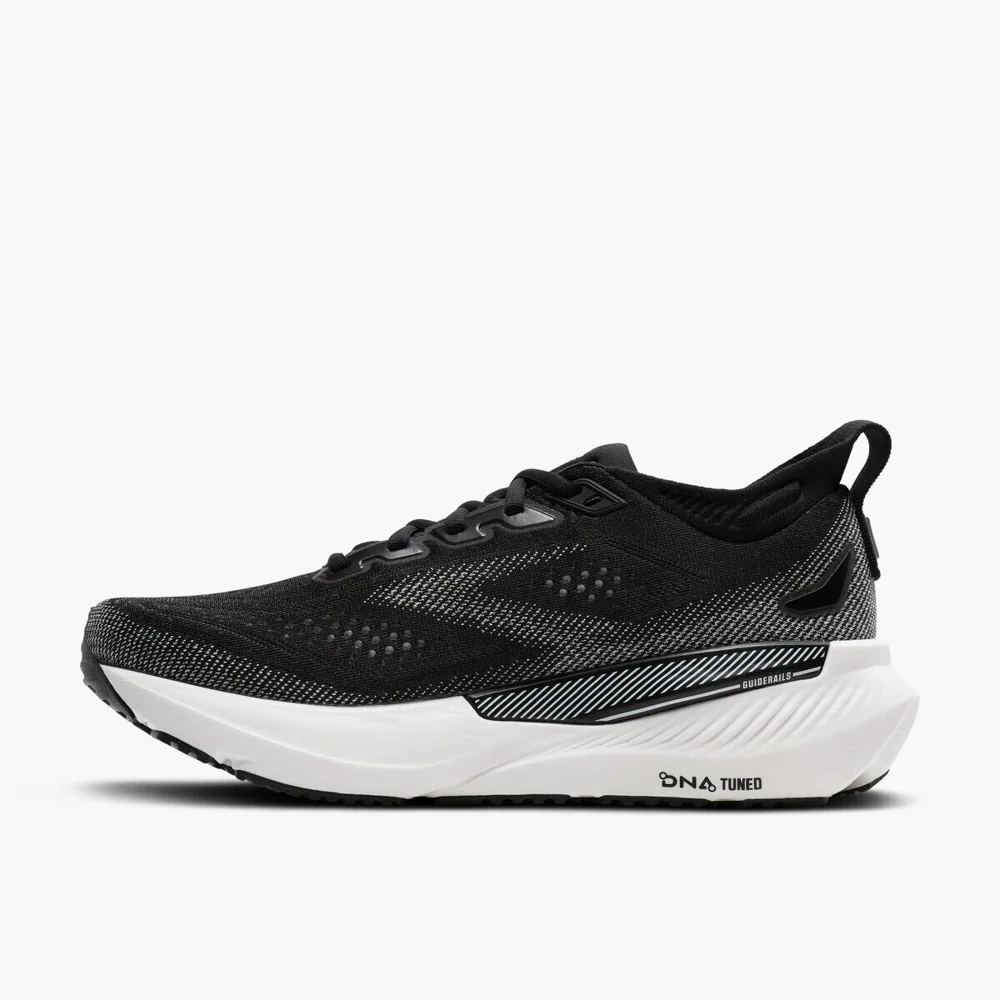
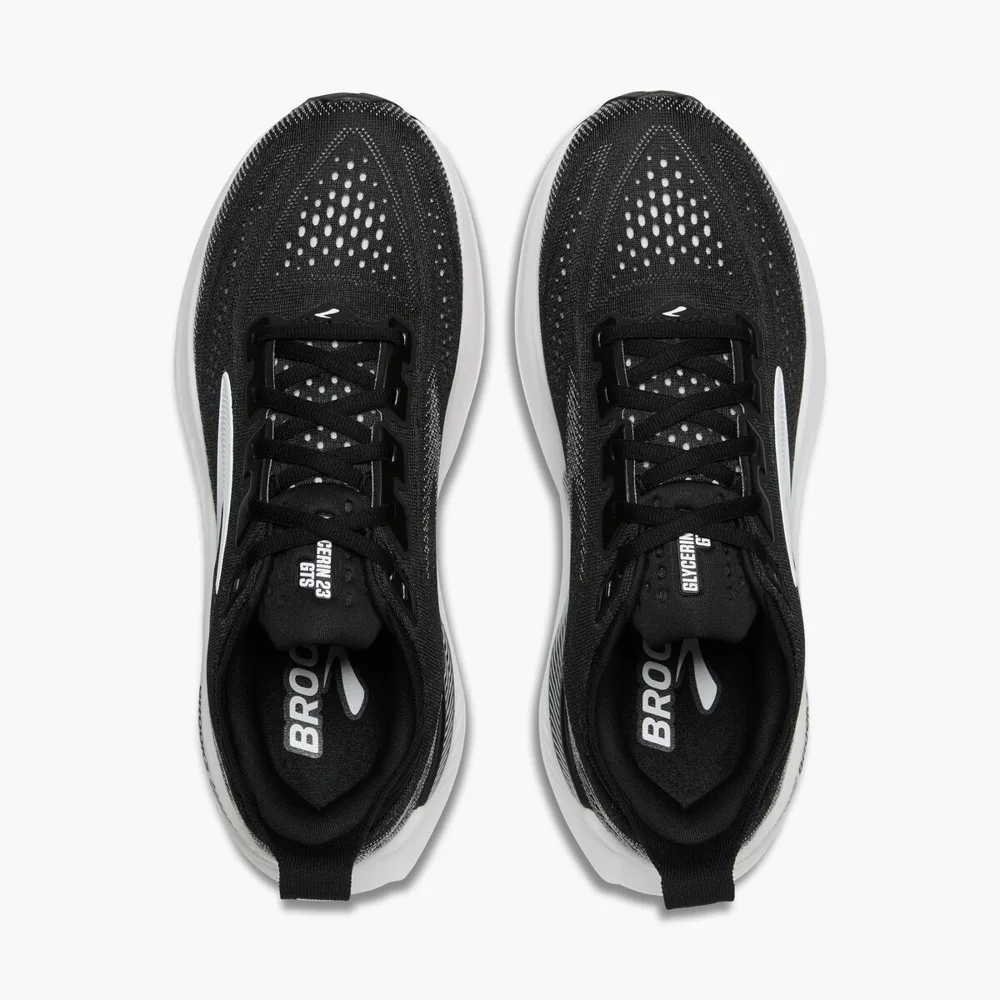
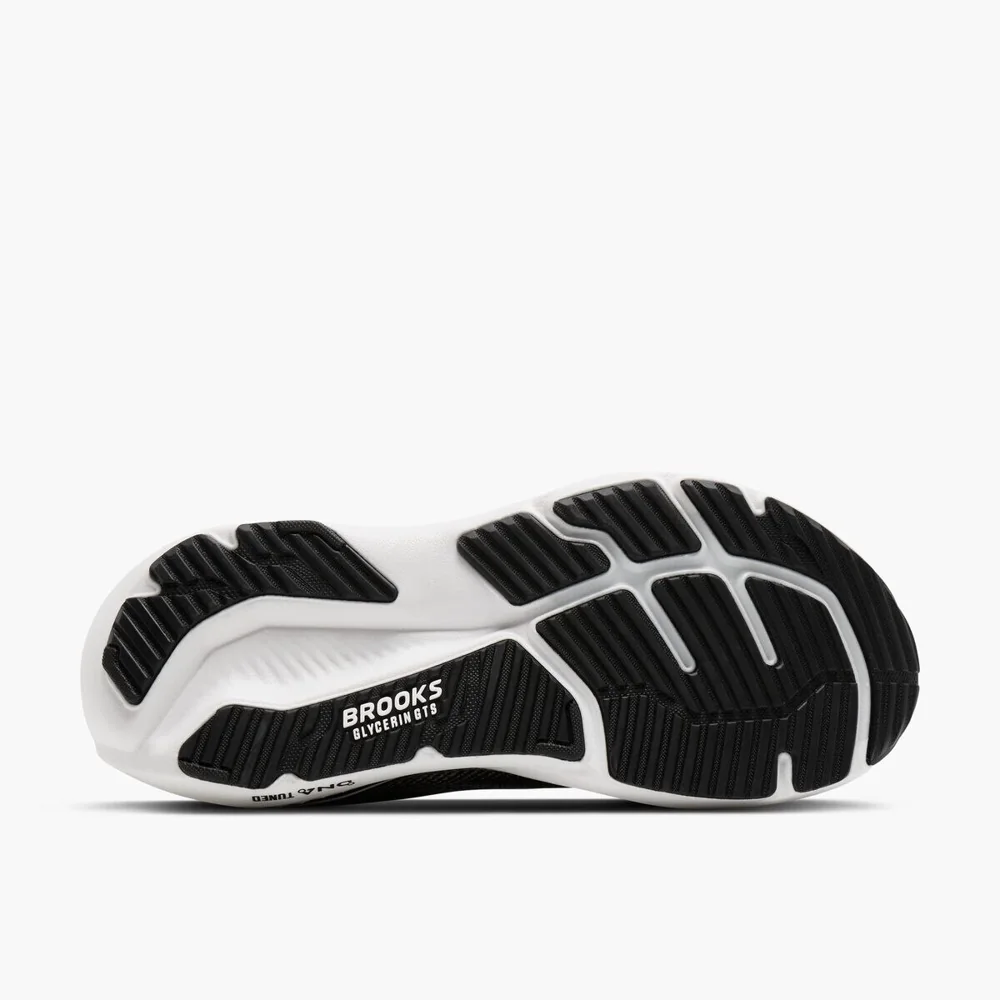
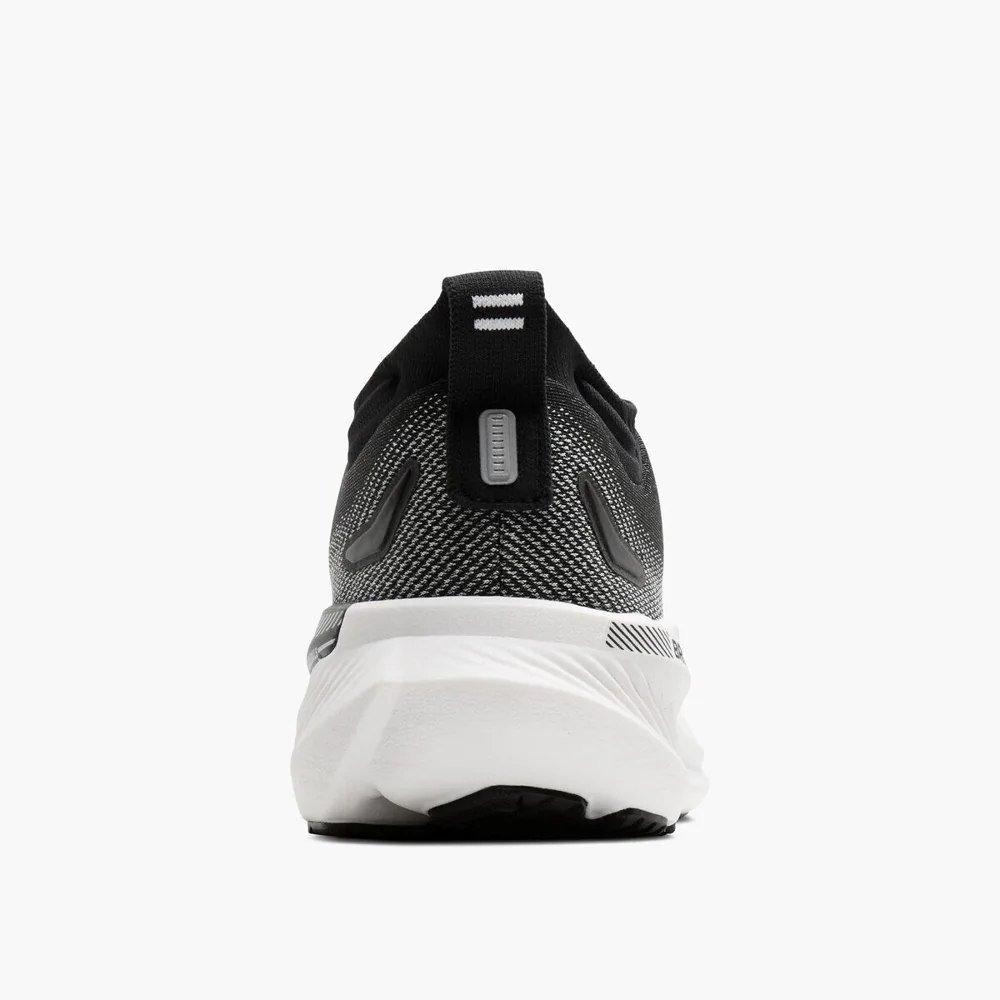
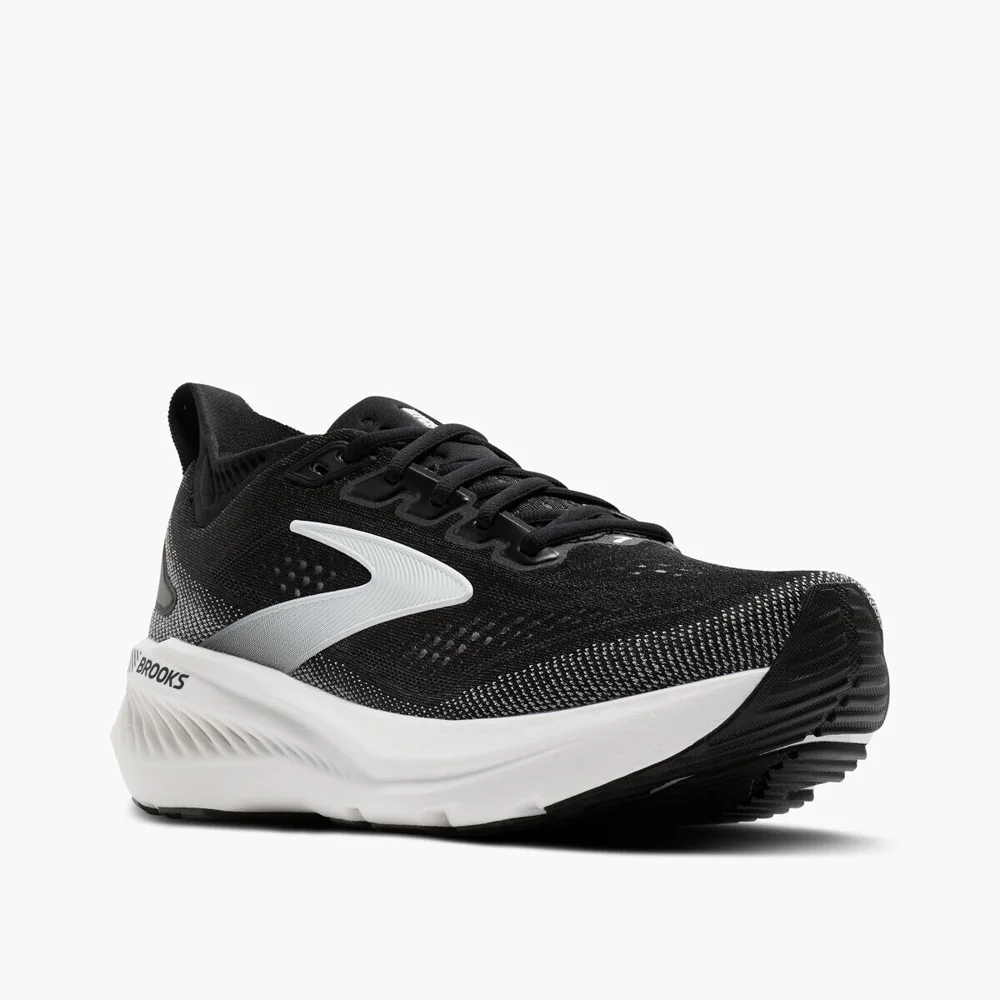
Brooks Glycerin GTS 23: Supportive plush pick
Brooks’ supportive plush shoe with GuideRails and an 8 mm drop; RunRepeat has not lab-tested it.
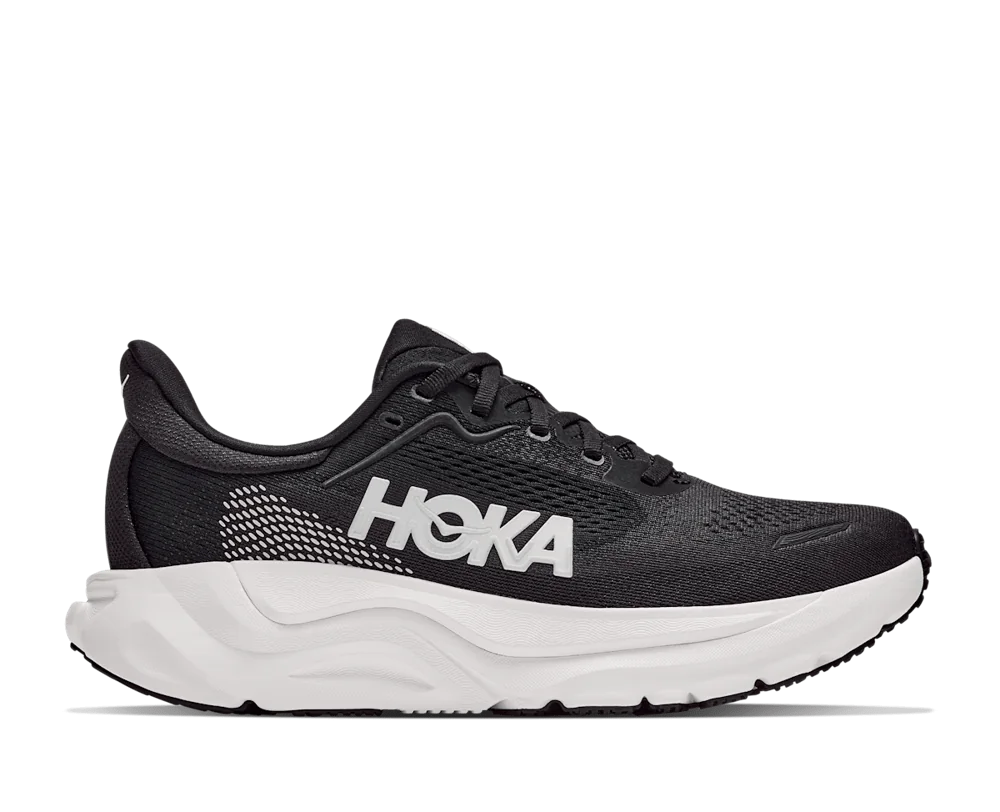
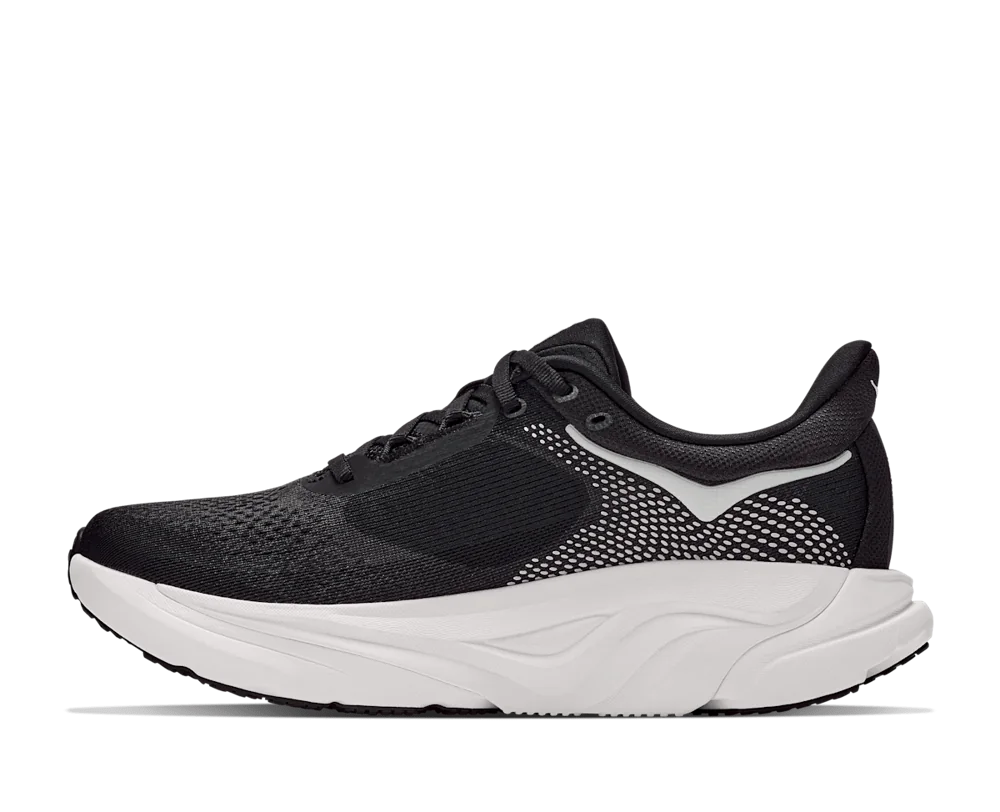
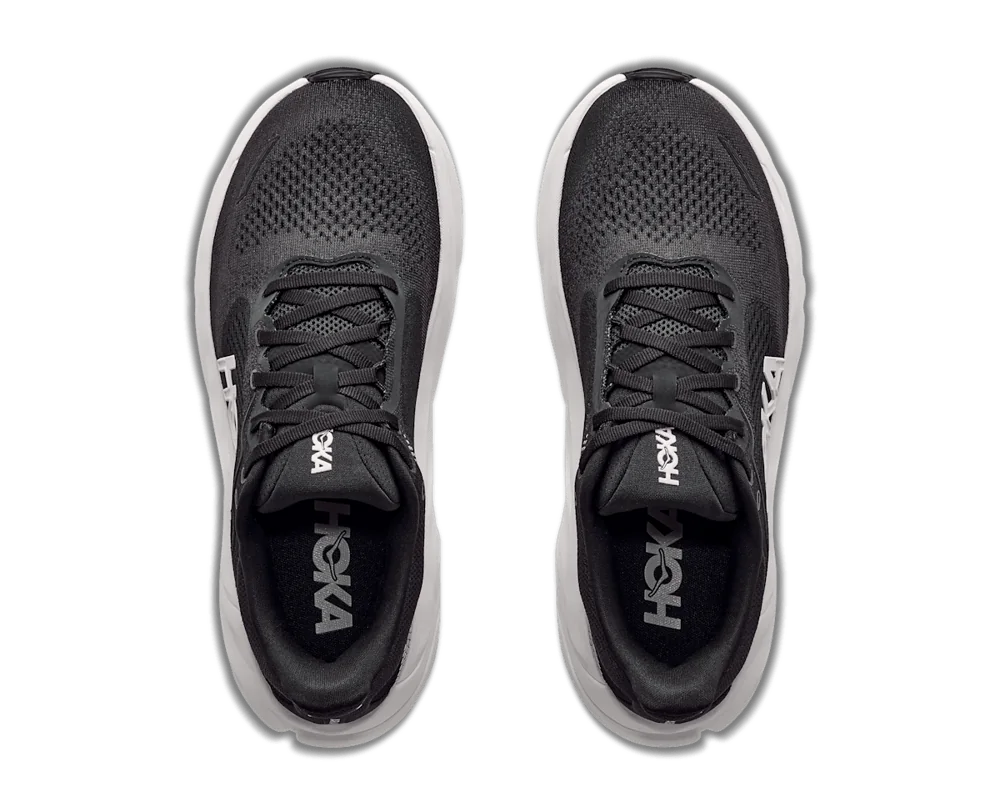
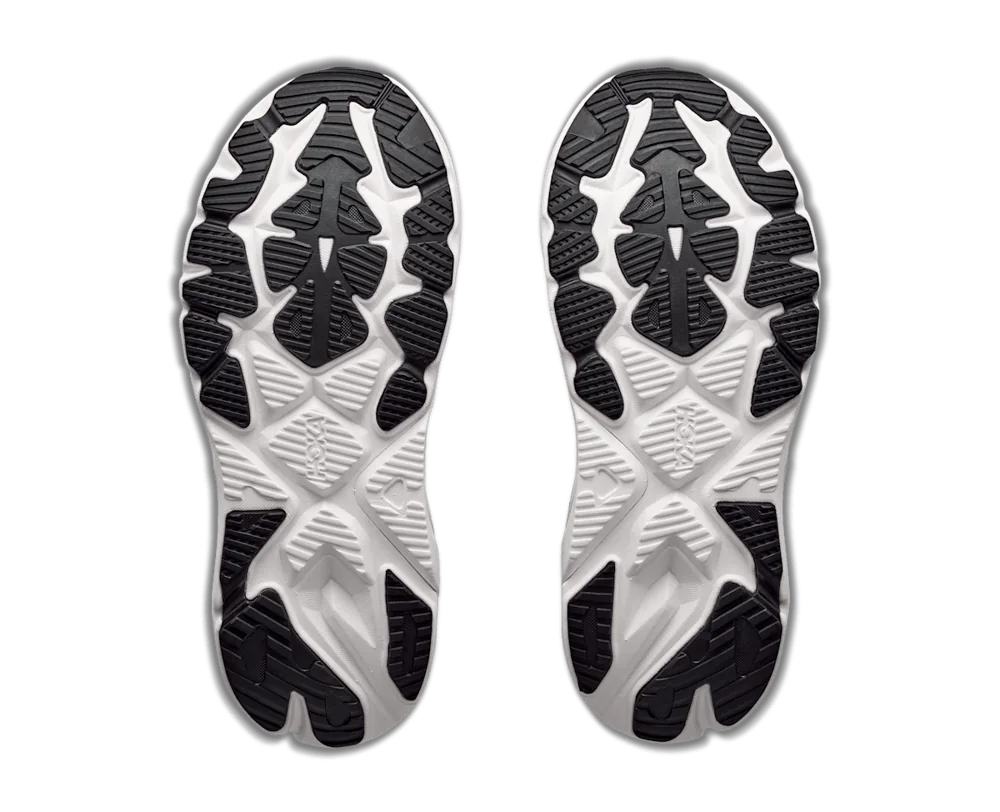
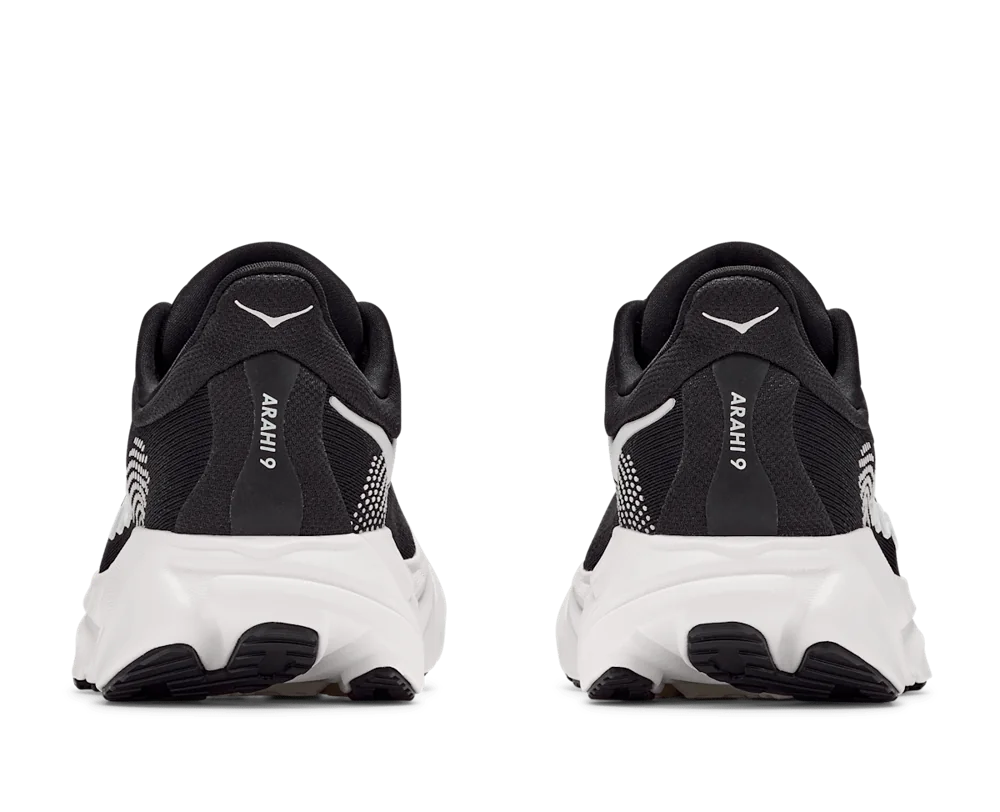
HOKA Arahi 9: Light stable pick
HOKA’s light stability shoe at 278 g in the lab, with a 10.3 mm lab drop and D, 2E and 4E widths.
Next step: compare all eight picks, with lab data, widths and a phase-by-phase decision table, in our guide to running shoes for plantar fasciitis.
When to see a doctor
See a doctor or physiotherapist if your heel pain is severe, getting worse, keeps coming back or has not improved after 2 weeks of self-care. The NHS also says to get checked promptly if you have tingling or loss of feeling in the foot, or if you have diabetes and foot pain.
- Pain severe enough to stop normal activities (NHS).
- Tingling, numbness or burning, which can point to nerve entrapment (NHS).
- Heel pain that does not fit the first-step pattern, or that follows a fall or sudden impact, which can point to a fracture.
- No improvement after 2 weeks of stretching and reduced load.
- Diabetes or poor circulation with any foot pain.
A clinician can rule out stress fracture or nerve problems, and a podiatrist can advise on insoles, shoes and night splints. More than 90% of patients recover without surgery, which the AAOS reserves for those who do not improve after 12 months of non-surgical care.
Frequently asked questions
Does running make plantar fasciitis worse?
It can if load is too high, and it is usually fine if pain stays low. Pain during the run at 3 out of 10 or lower, with no worse first-step pain next morning, suggests the load is tolerable. If pain climbs or morning pain worsens, cut back and talk to a clinician.
How long should I stop running with plantar fasciitis?
You do not always have to stop completely. The AAOS says to reduce or stop the activities that make pain worse, so many runners pause for a few days to 2 weeks and cross-train. If pain stays above 3 out of 10 when walking, rest from running and get assessed.
What is the fastest way to recover from plantar fasciitis?
There is no instant fix, and the fastest route is a combined plan. Stretch the calf and plantar fascia daily, reduce load, wear cushioned supportive shoes and consider taping or a night splint. The AAOS reports more than 90% of patients improve within 10 months of simple treatment.
Can compression socks help plantar fasciitis?
Evidence is limited, so treat compression socks as an optional comfort aid. The 2023 guideline does not list them among its recommended interventions. Stretching, load management, taping and supportive shoes have far stronger backing, so do those first.
Is walking or running worse for plantar fasciitis?
Running usually loads the fascia more than walking because ground forces are higher. Long periods of standing and walking can also aggravate it, according to the NHS. Use the 3 out of 10 pain rule for both, and swap in cycling or swimming on flare-up days.
How to avoid plantar fasciitis when running?
Avoid the three common triggers: sudden jumps in training, tight calves and worn-out shoes. Raise mileage gradually, stretch the calf daily and replace shoes when the cushioning or support fades. These habits cut risk but cannot remove it entirely.
What causes plantar fasciitis in runners?
Overload is the main cause: too much running too soon on a tight calf and plantar fascia. Body weight, worn shoes, foot posture and hard surfaces add to the load. The AAOS notes that many cases have no single identifiable cause.
How to fix plantar fasciitis when running?
Fix it by treating the load and the tissue together. Cut running to a pain-guided level, stretch the calf and plantar fascia daily, tape or use a heel pad, and wear supportive shoes. If there is no progress in 2 weeks, see a clinician for a tailored plan.
Sources
- Koc et al. 2023, JOSPT: Heel Pain/Plantar Fasciitis Clinical Practice Guideline, Revision 2023
- AAOS OrthoInfo: Plantar Fasciitis and Bone Spurs
- NHS: Plantar fasciitis
- ACFAS Foot Health Facts: Plantar Fasciitis
- Nielsen et al. 2013, Orthop J Sports Med: Predictors of running-related injuries among 930 novice runners
- RunRepeat: best running shoes for plantar fasciitis (shoe-feature thresholds)
Medical disclaimer: this article is for information only and is not a substitute for advice from a doctor, physiotherapist or podiatrist. Stop and seek care if pain is severe or you have numbness, tingling or diabetes. Product photos are brand-official and credited on each slider. Last updated: November 12, 2026.