
Table of Contents
Best Running Shoes for Men (2026)
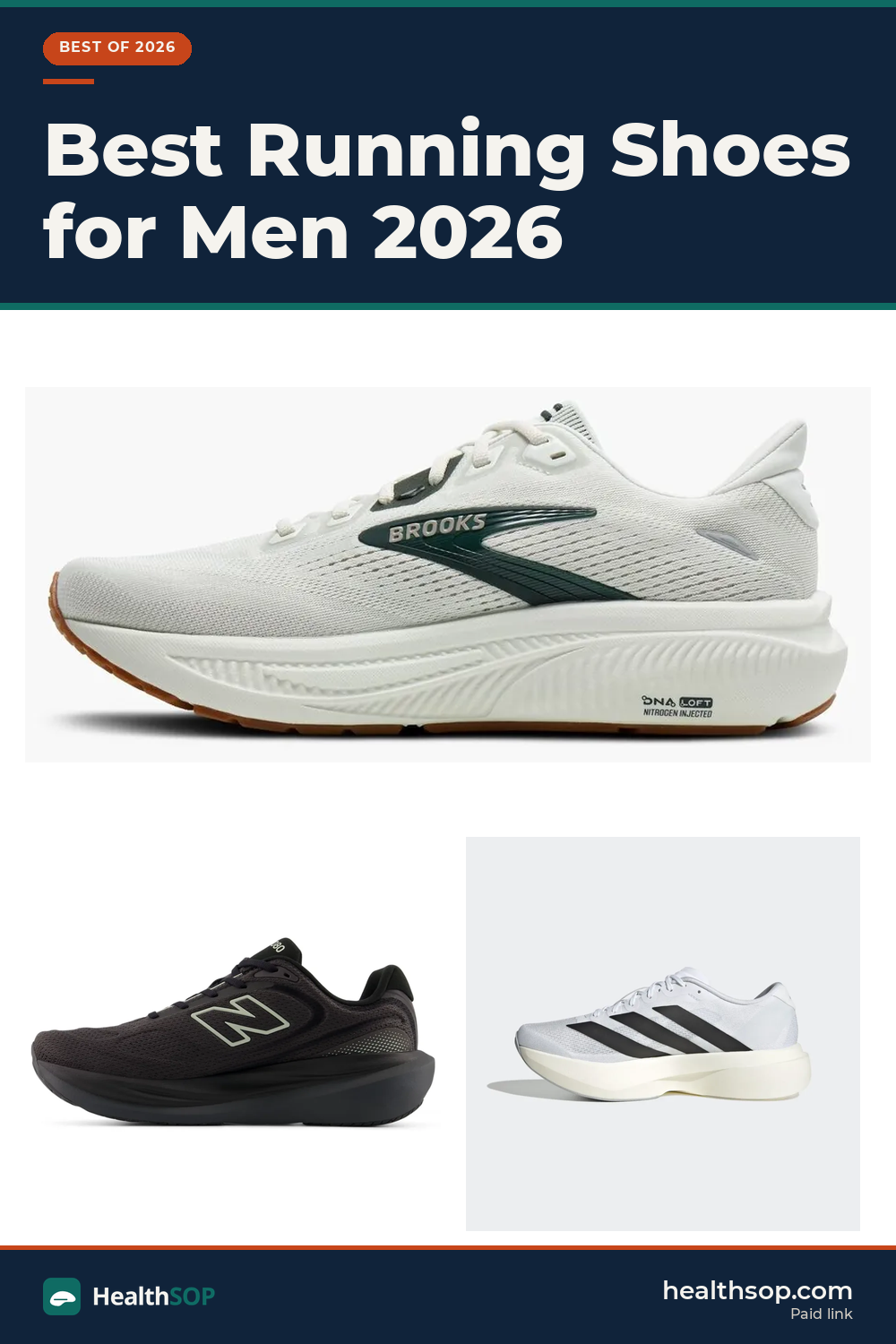
The best running shoe for men is the Brooks Ghost 18. It fits most feet, cushions long runs without feeling heavy, and comes in four widths — including 4E. The runner-up is the New Balance 1080 v15, the softest shoe in this guide and the best pick if you want maximum cushion. If you run trails, get the HOKA Speedgoat 7. If you race, get the Nike Vaporfly 4. The other four picks below cover stability, versatility, bounce and speed. Every shoe here is the current generation as of November 2026, and every spec below comes from the brand or from an independent lab test — not from a guess.
As an Amazon Associate, we earn from qualifying purchases. Prices change often, so check the current price on Amazon before you buy.
Save this guide to Pinterest
Quick picks: the best running shoes for men
| Shoe | Best for | Heel stack (brand) | Drop (brand) | Weight (men’s US 9) |
|---|---|---|---|---|
| Brooks Ghost 18 | Overall | 36 mm | 10 mm | 289 g |
| New Balance 1080 v15 | Cushioned | 40 mm | 6 mm | 261 g |
| ASICS Gel-Kayano 33 | Stability | 39 mm | 8 mm | 300 g |
| Nike Pegasus 42 | Versatile | 37 mm | 10 mm | ~300 g |
| ASICS Novablast 6 | Bouncy daily | 41.5 mm | 8 mm | 253 g |
| adidas Adizero Evo SL | Lightweight trainer | 38.5 mm | 6.5 mm | 224 g |
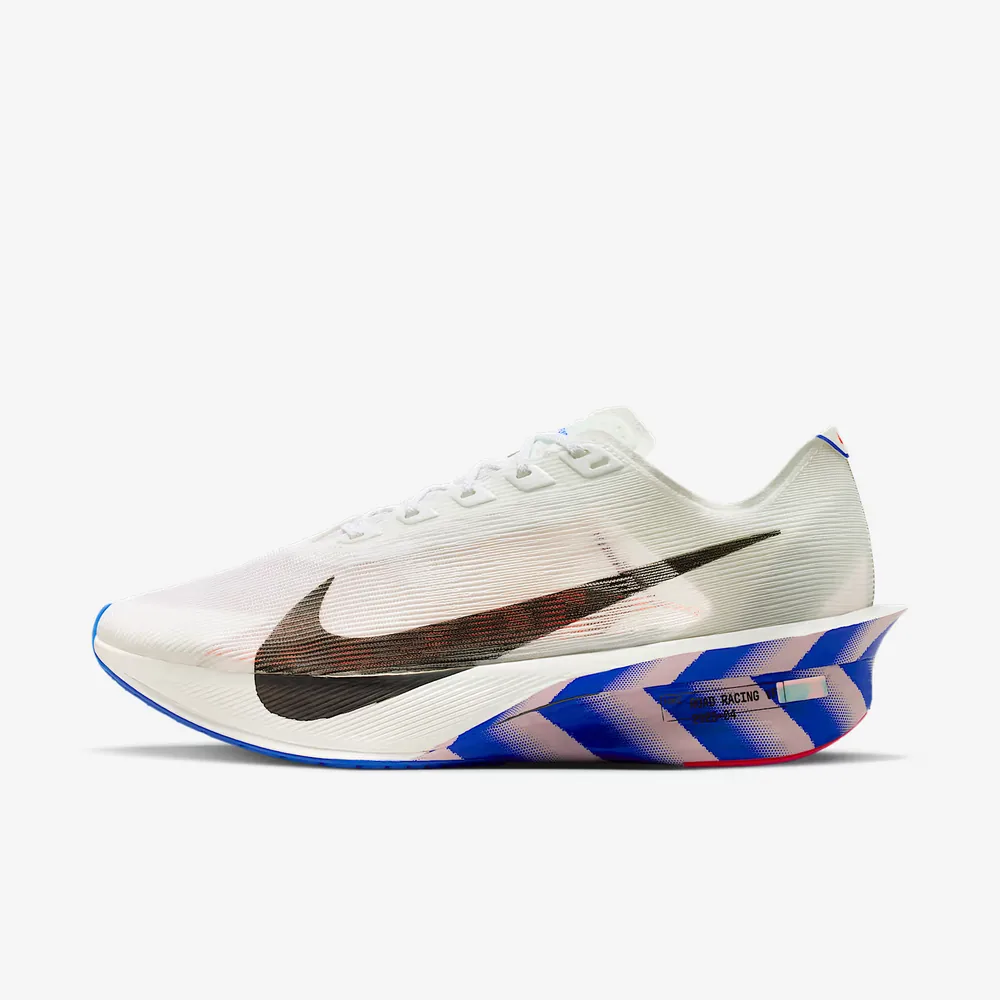
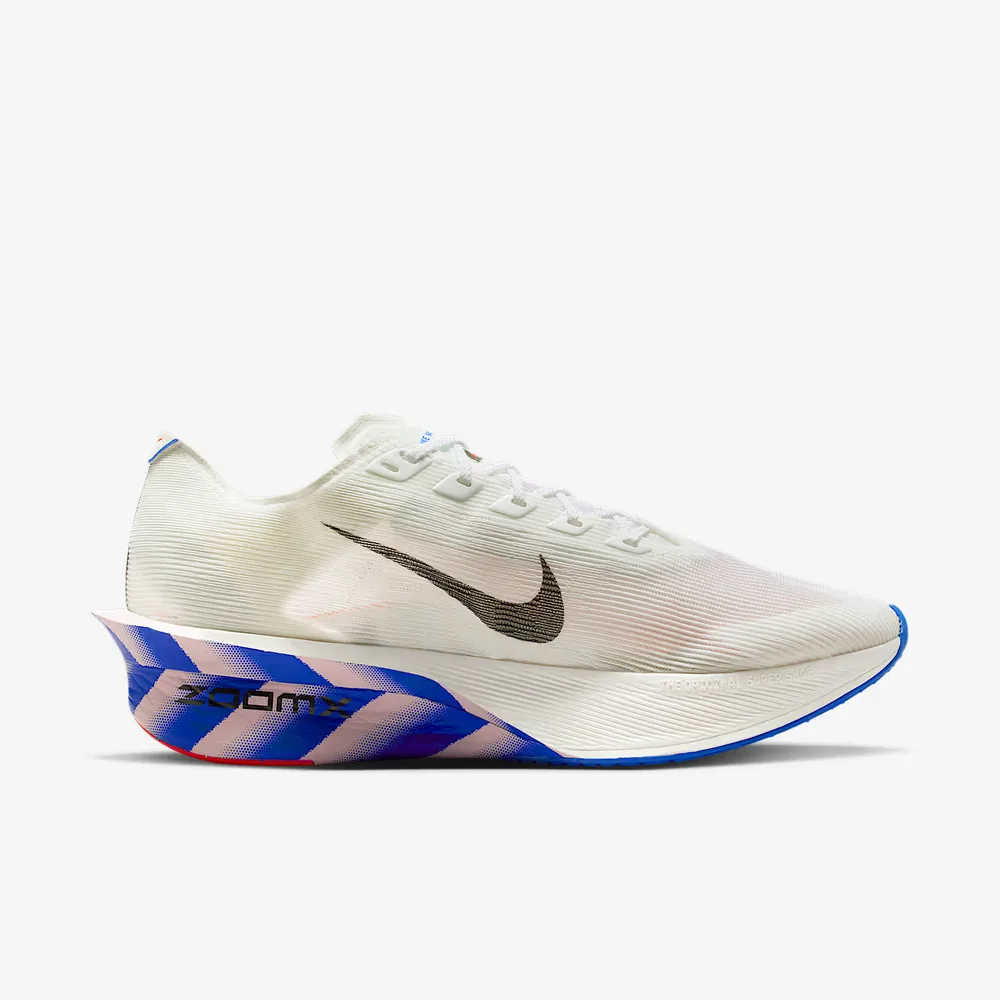
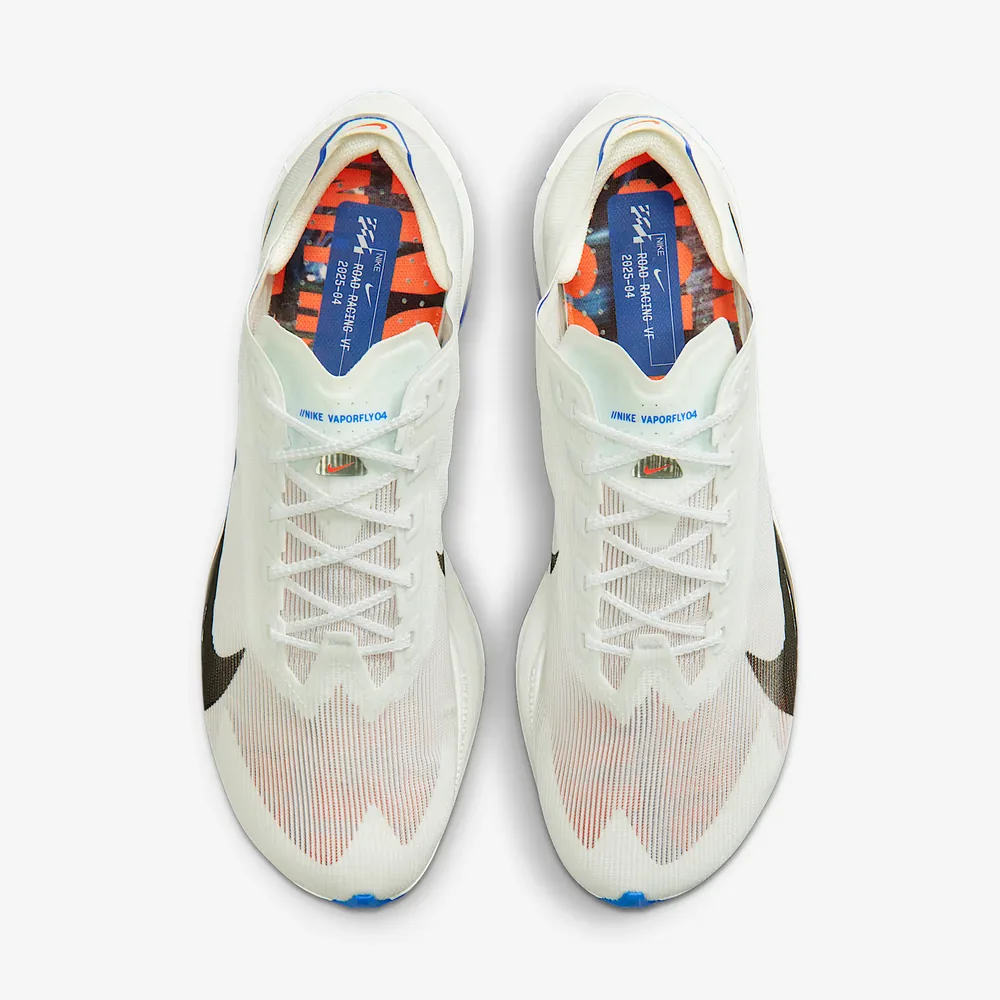
| Nike Vaporfly 4 | Race | 35 mm | 6 mm | 184 g |
| HOKA Speedgoat 7 | Trail | 37 mm | 5 mm | 275 g |
Stacks, drops and weights are the brands’ own figures for men’s sizes. Lab-measured figures appear in each shoe’s spec box — and where the lab and the brand disagree, we say so. If you want the full picture first, read our guide to the best running shoes before you pick.
The 8 best running shoes for men, reviewed
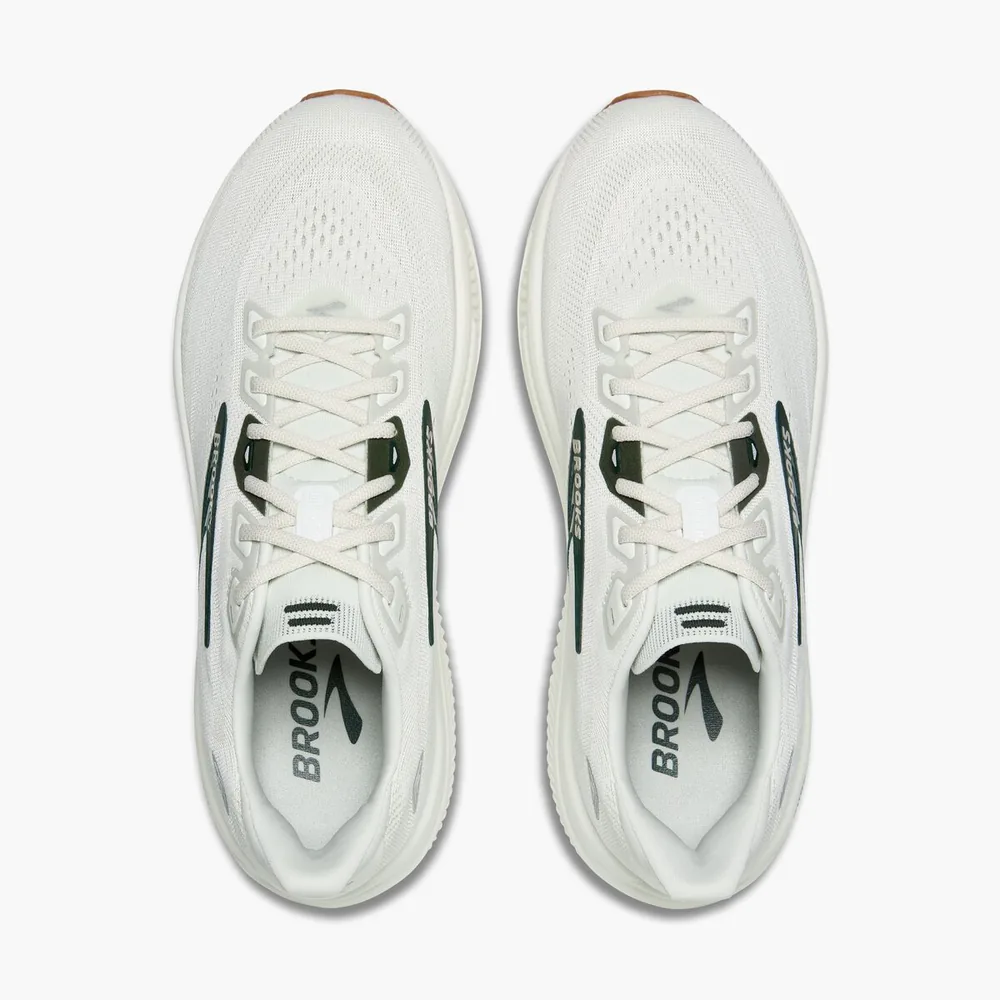
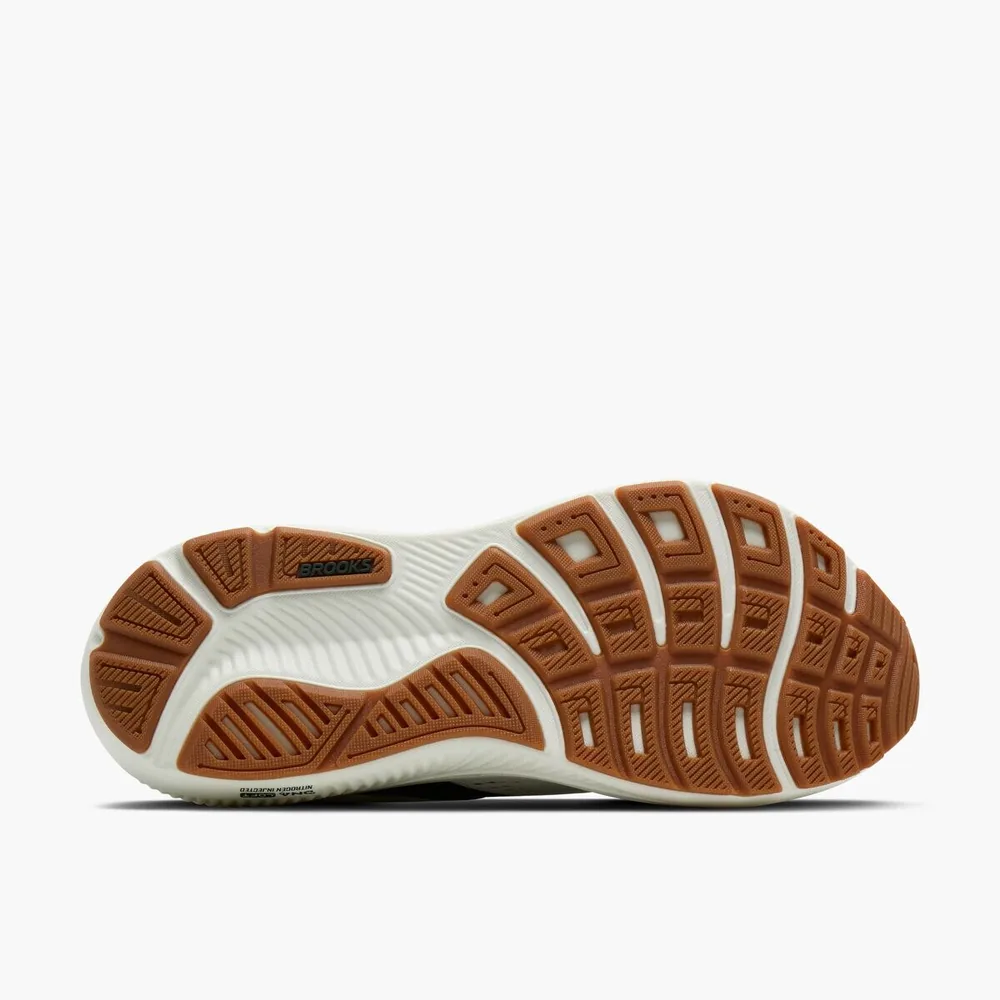
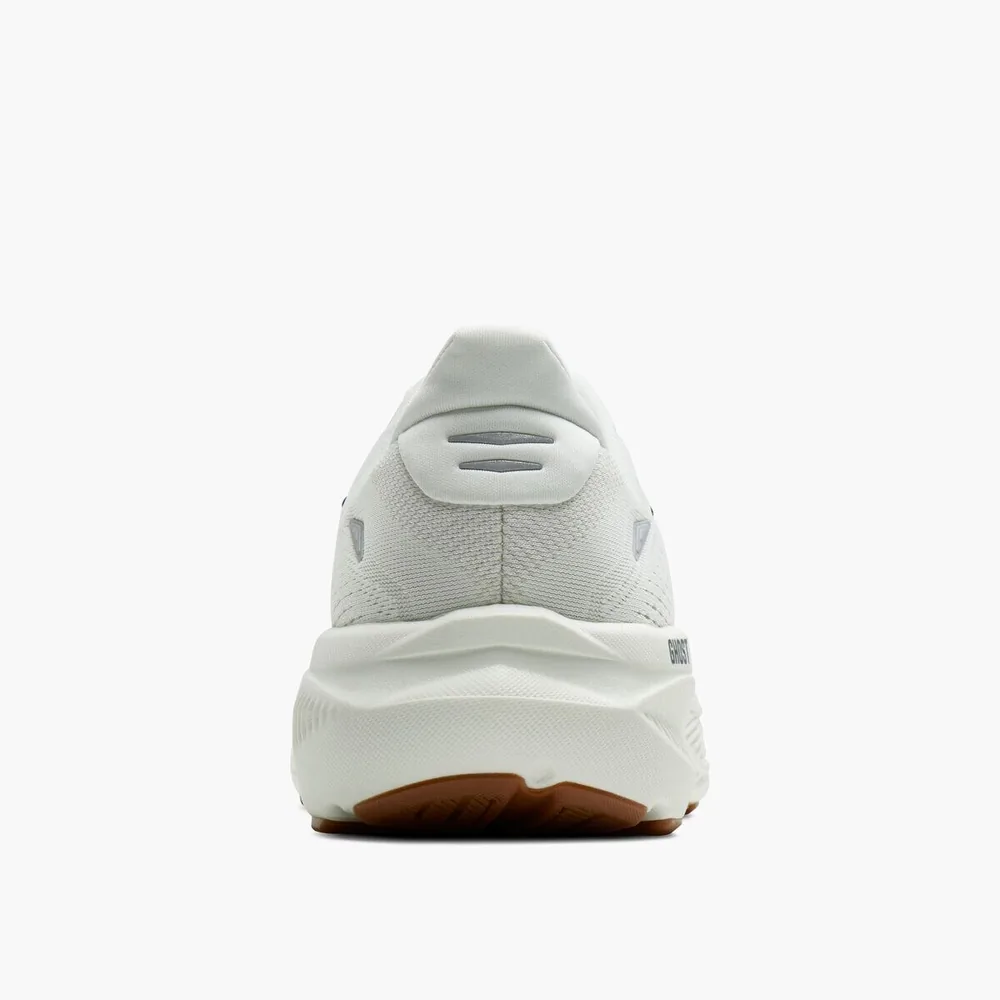
1. Brooks Ghost 18 — Best overall
Best for: most men, most runs. The safest first pick in this guide.
- Support: neutral
- Heel stack: 36 mm brand / 37.3 mm lab
- Forefoot stack: 26 mm brand / 25.1 mm lab
- Drop: 10 mm brand / 12.2 mm lab
- Weight: 289 g (10.2 oz, men’s US 9, lab)
- Widths: Narrow, Standard, Wide (2E), Extra Wide (4E)
- Midsole: DNA Loft v3 (nitrogen-infused)
- Outsole: RoadTack rubber
- Removable insole: yes
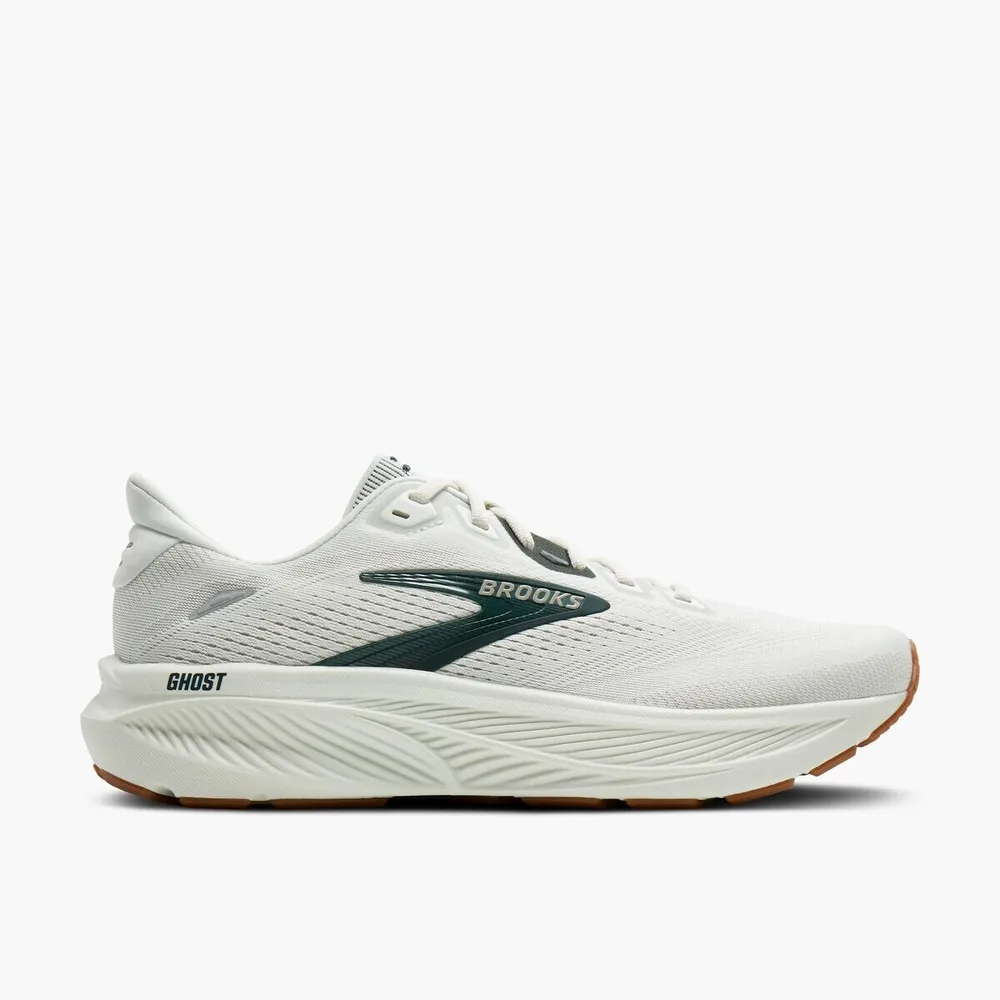
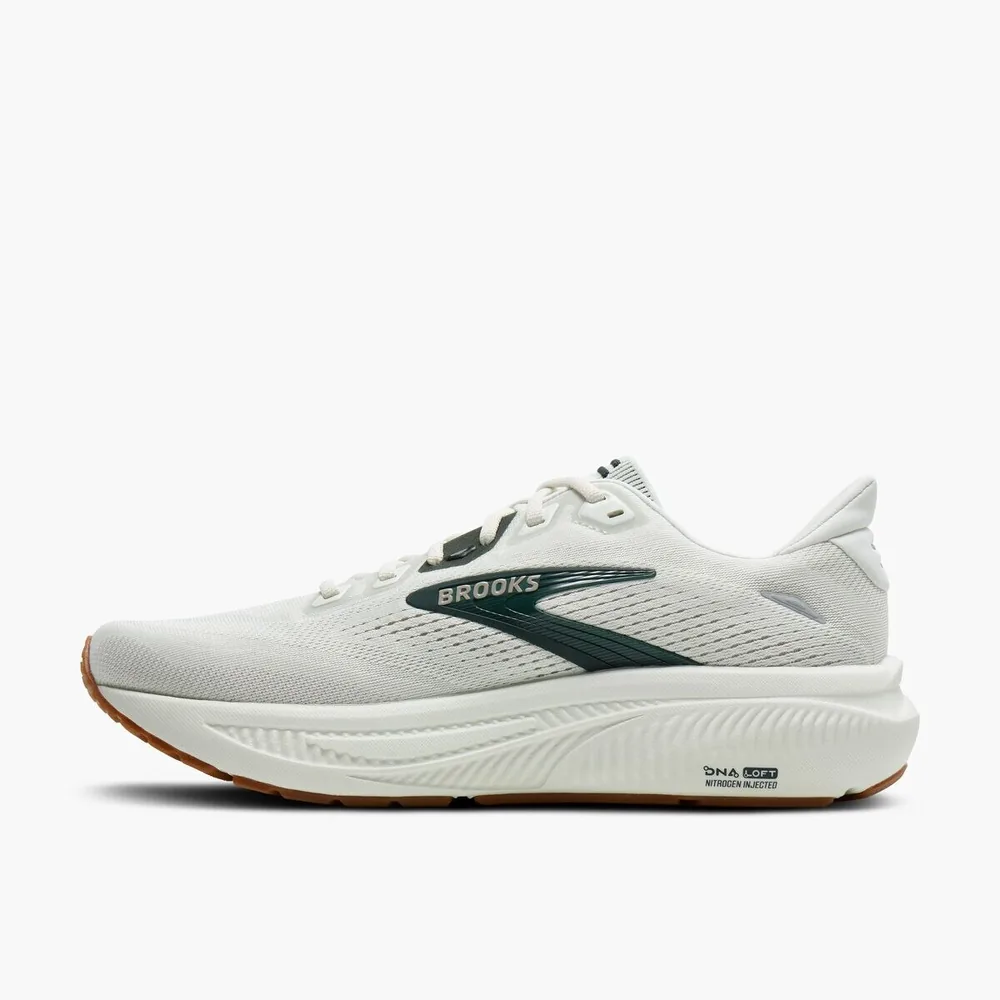
The Ghost 18 is the shoe we recommend when a man asks for one pair that does everything. It is soft enough for long runs, firm enough for faster days, and it comes in four widths — the widest range in this guide. The nitrogen-infused DNA Loft v3 foam feels smooth from the first step, and the shoe disappears on the foot in a way few daily trainers manage. Our full Brooks roundup covers it in more detail — see the best Brooks running shoes — but the short version is this: if you buy one shoe from this list and stop reading, buy this one.
One honest note: the lab measured a 12.2 mm drop, not the 10 mm Brooks prints on the box. That is a bigger gap than most shoes show, and it matters if you are sensitive to drop. A 12 mm drop shifts more load to the forefoot and feels a touch less heel-heavy than a true 10 mm shoe. Most runners will not notice. If you have Achilles trouble and your physio told you to keep the drop high, this shoe still does that — just a little more than Brooks says.
Pros:
- Fits almost every foot shape, with four widths
- Smooth, even cushion that works for easy runs and long runs
- Durable RoadTack outsole holds up past 400 miles
- No break-in period — comfortable on day one
- Removable insole fits custom orthotics
Cons:
- The 12.2 mm lab drop is higher than the 10 mm on the box
- Heavier than the Evo SL and Novablast 6
Skip it if: you want a race-day shoe or a feather-light trainer. The Ghost is a daily trainer, and it is proud of that.


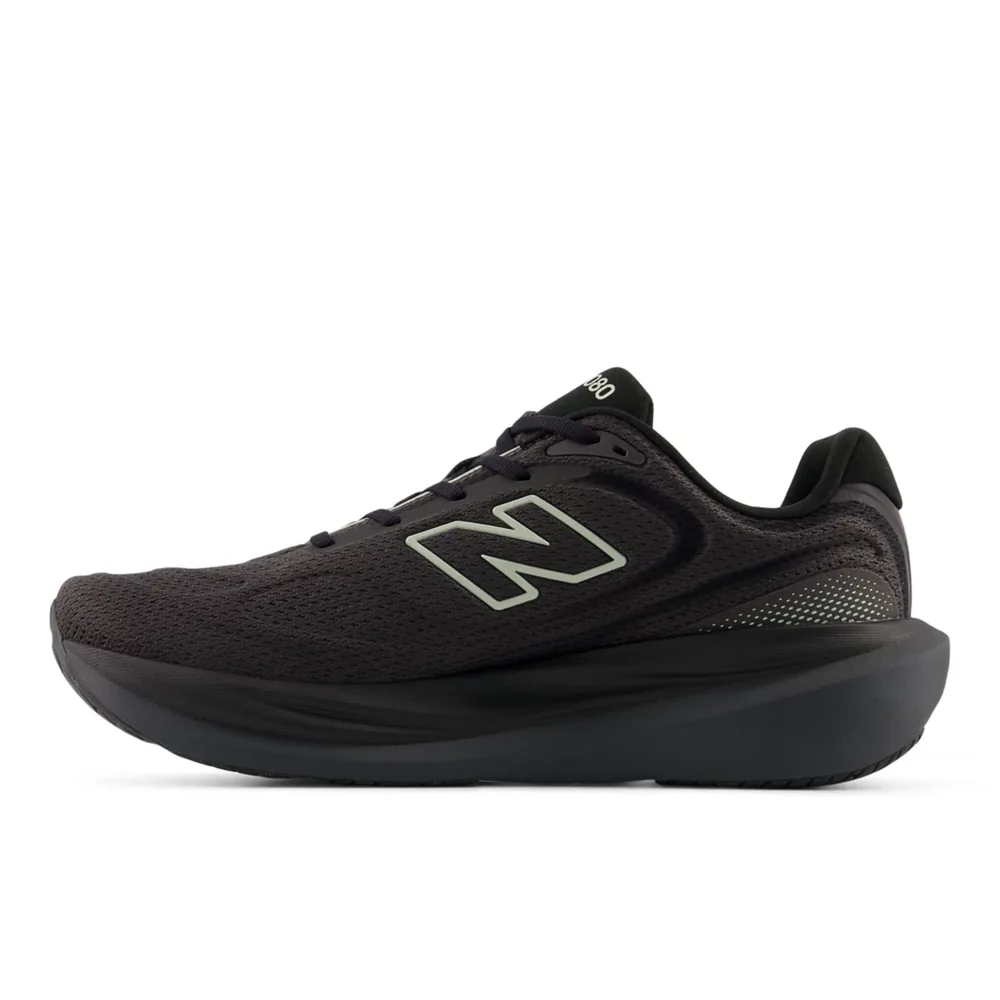
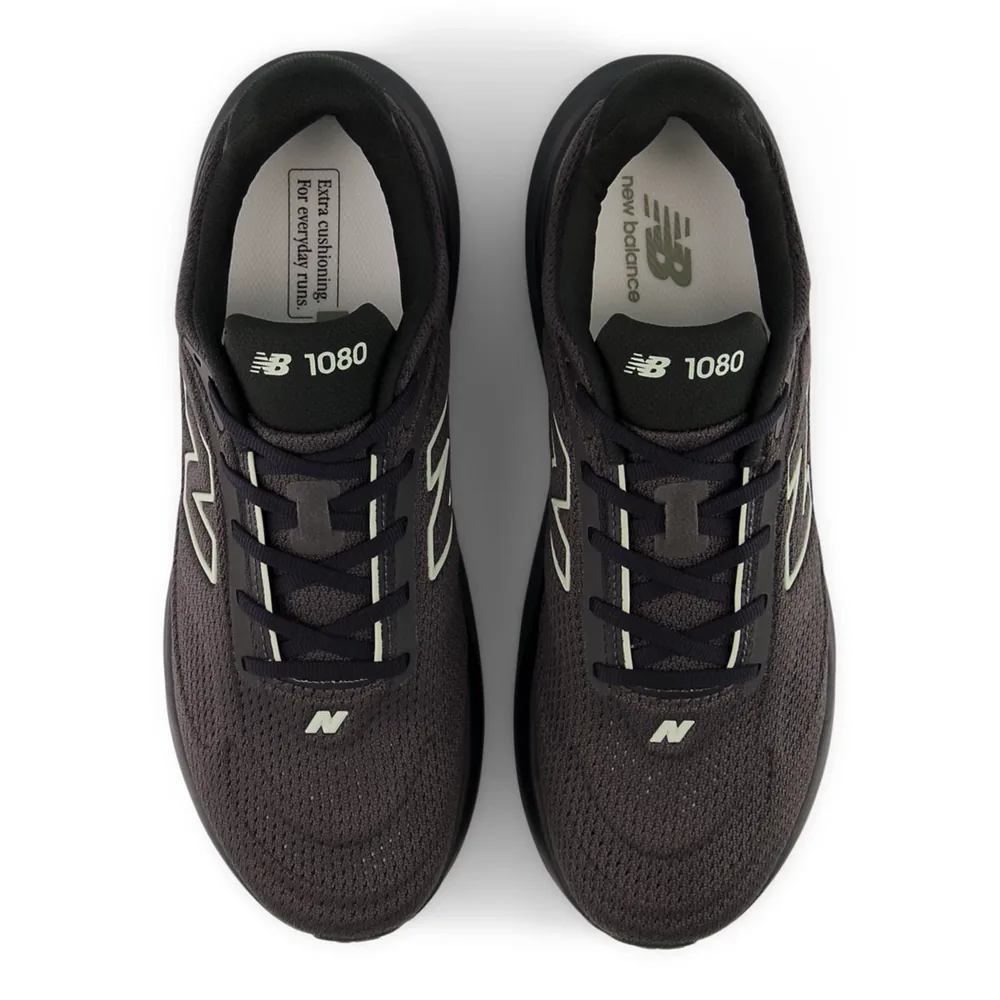
2. New Balance 1080 v15 — Best cushioned
Best for: runners who want the softest landing in this guide, and anyone coming back from a break.
- Support: neutral
- Heel stack: 40 mm brand / 37.0 mm lab
- Forefoot stack: 34 mm brand / 30.6 mm lab
- Drop: 6 mm brand / 6.4 mm lab
- Weight: 261 g (9.2 oz, men’s US 9, brand) / 255 g (9.0 oz, lab)
- Widths: Standard (D), Wide (2E), Extra Wide (4E)
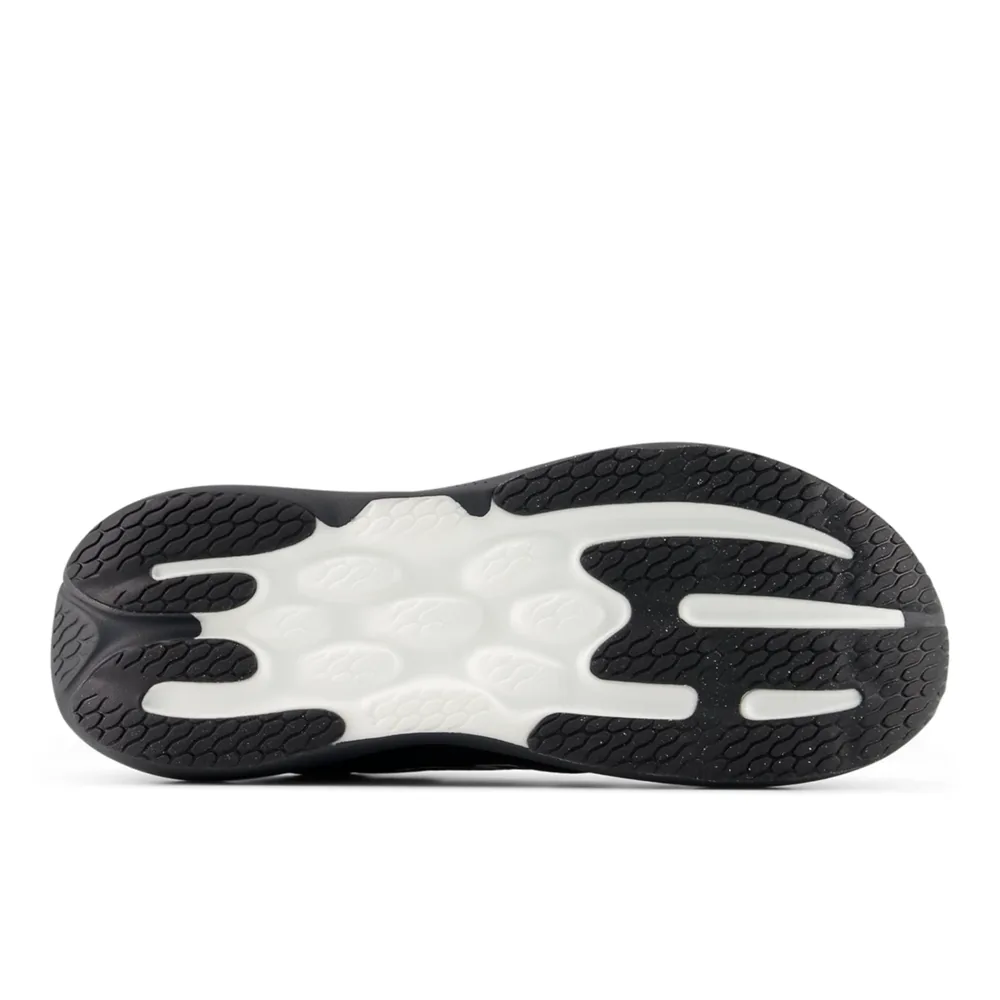
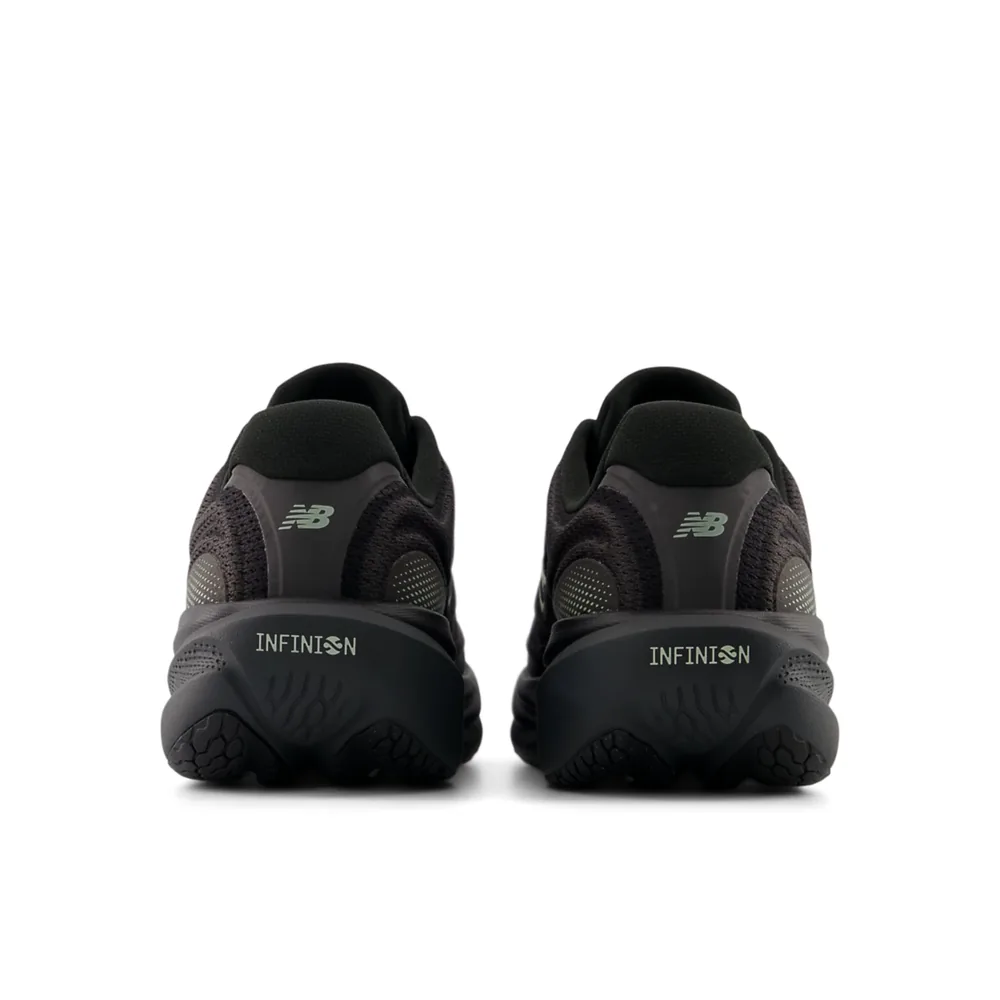
- Midsole: Infinion foam (TPEE/EVA blend)
- Removable insole: yes
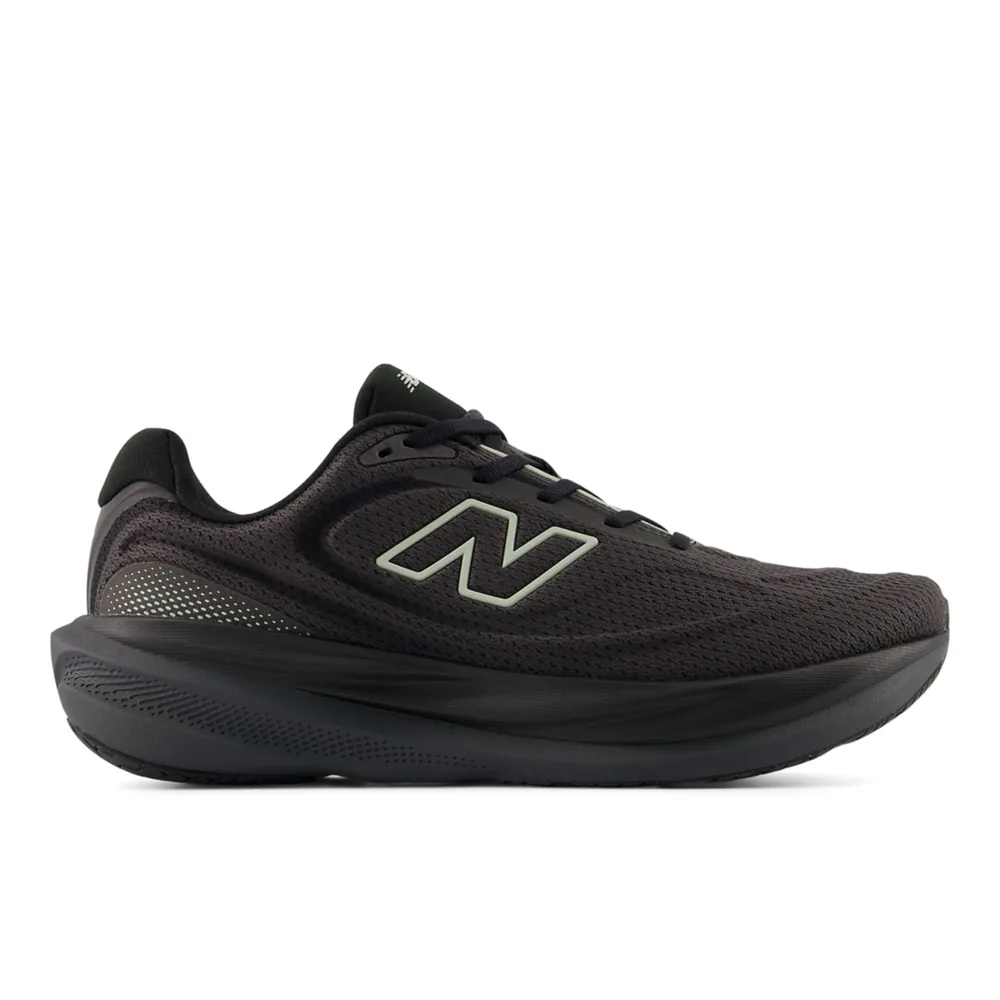
New Balance dropped “Fresh Foam X” from this shoe’s name — it is now just the 1080 v15, and the foam is now called Infinion. The shoe itself is the same idea it has always been: the softest, most forgiving daily trainer New Balance makes. The lab measured 65.9% energy return at the heel and 69.1% at the forefoot, the second-highest forefoot return in this guide after the Vaporfly 4. That is why the 1080 feels lively for a shoe this soft. It is also the lightest of the big-cushion shoes here at 255 g in the lab, a full 34 g under the Ghost 18.
The 1080 v15 is the pick for men who run on tired legs — heavier runners, older runners, and anyone doing long slow miles. The 6 mm drop is low, so it loads the Achilles a little more than the Ghost. If your calves are tight, give it a week before you judge it.
Pros:
- Softest ride in this guide, with the best forefoot energy return of any daily trainer here
- Three widths, including 4E
- Light for a max-cushion shoe at 255 g
- Roomy toe box that suits wider feet
- Quiet, stable feel on long runs
Cons:
- The soft foam can feel vague at faster paces
- The 6 mm drop needs a short adjustment if you come from a 10 mm shoe
Skip it if: you want a firm, fast feel or a shoe for tempo days. The 1080 is built for comfort, not speed.
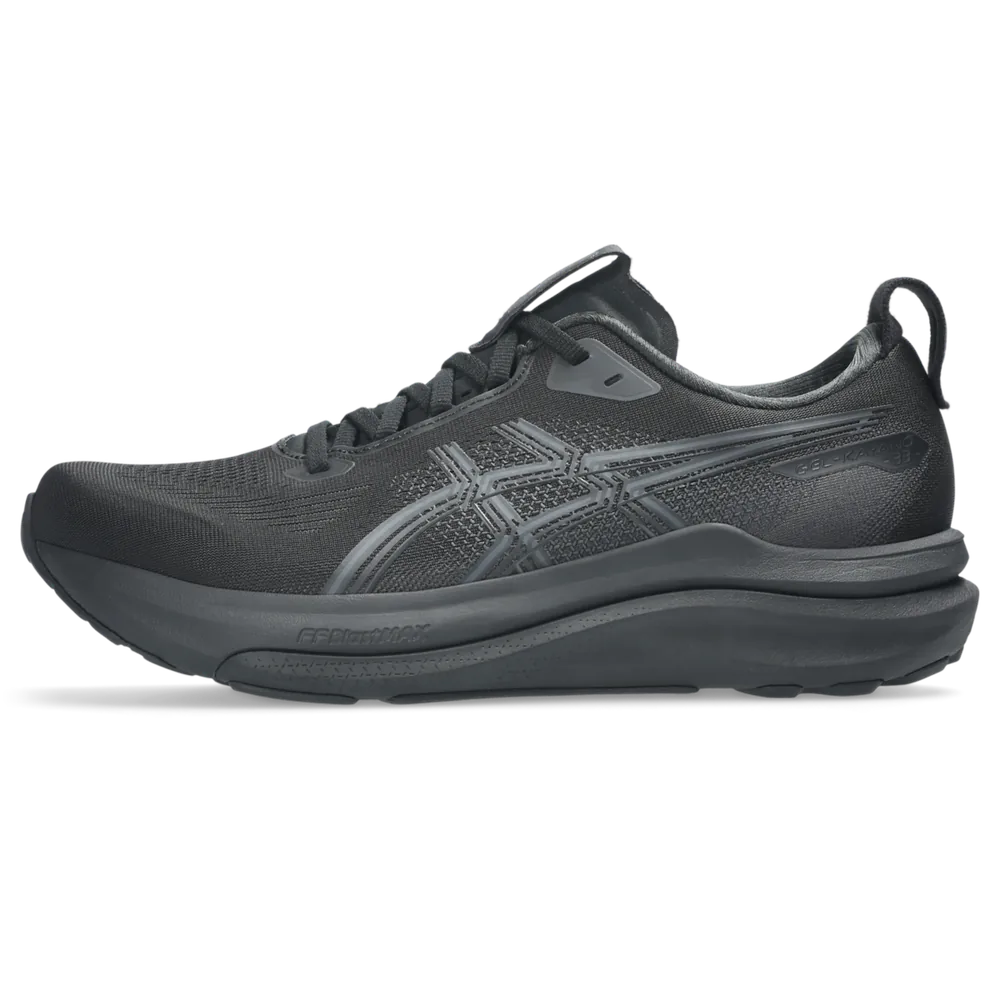
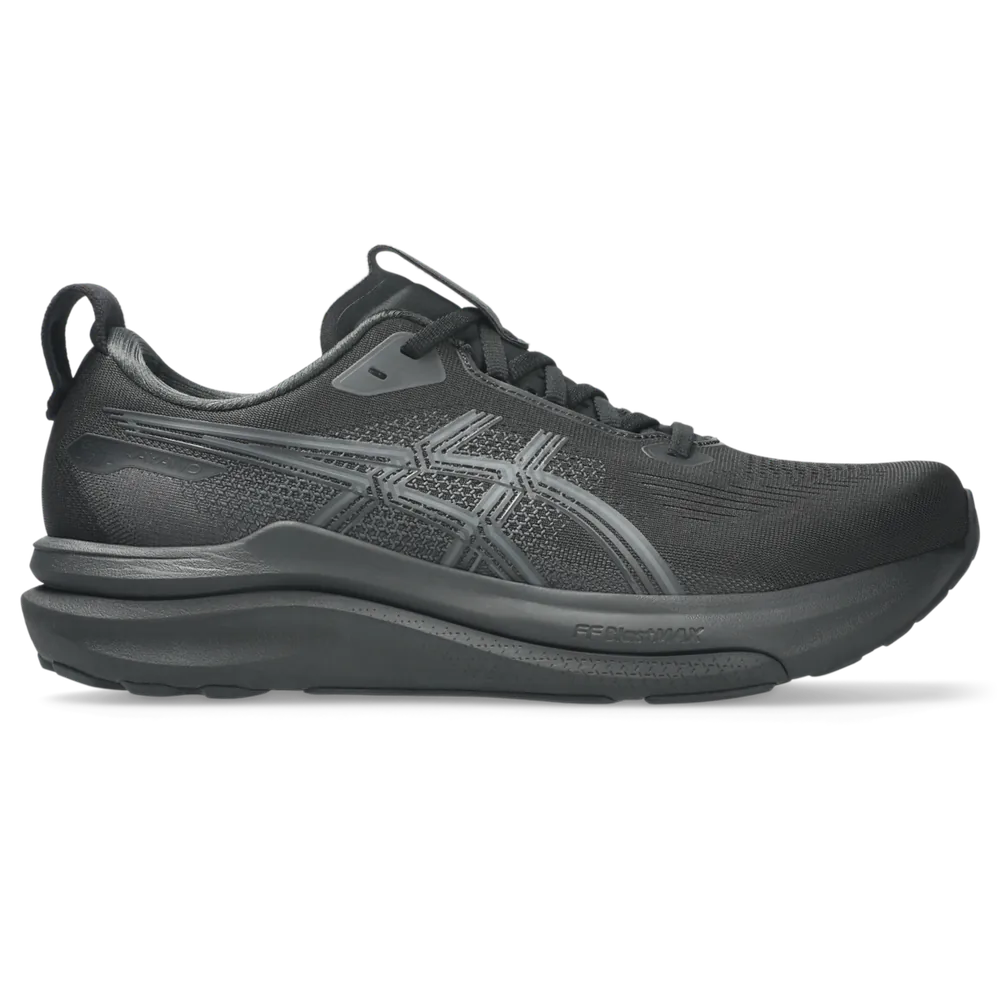
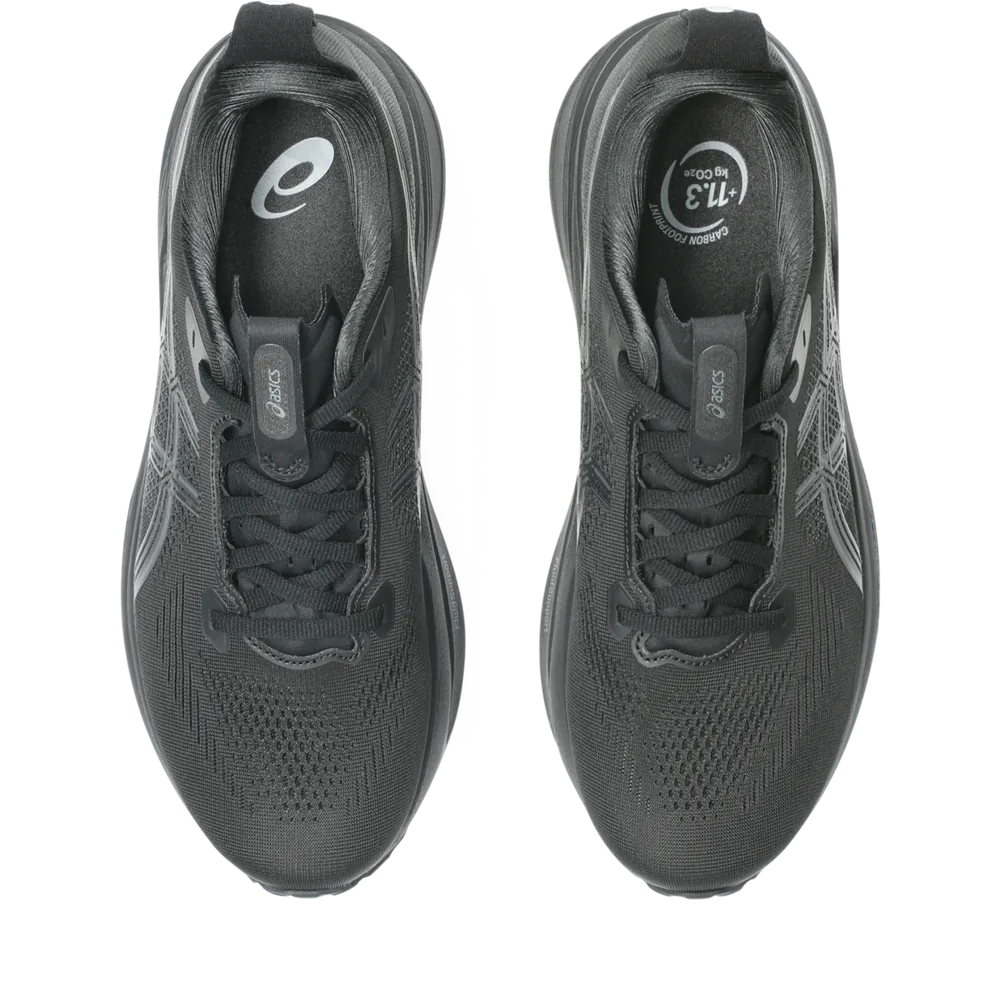
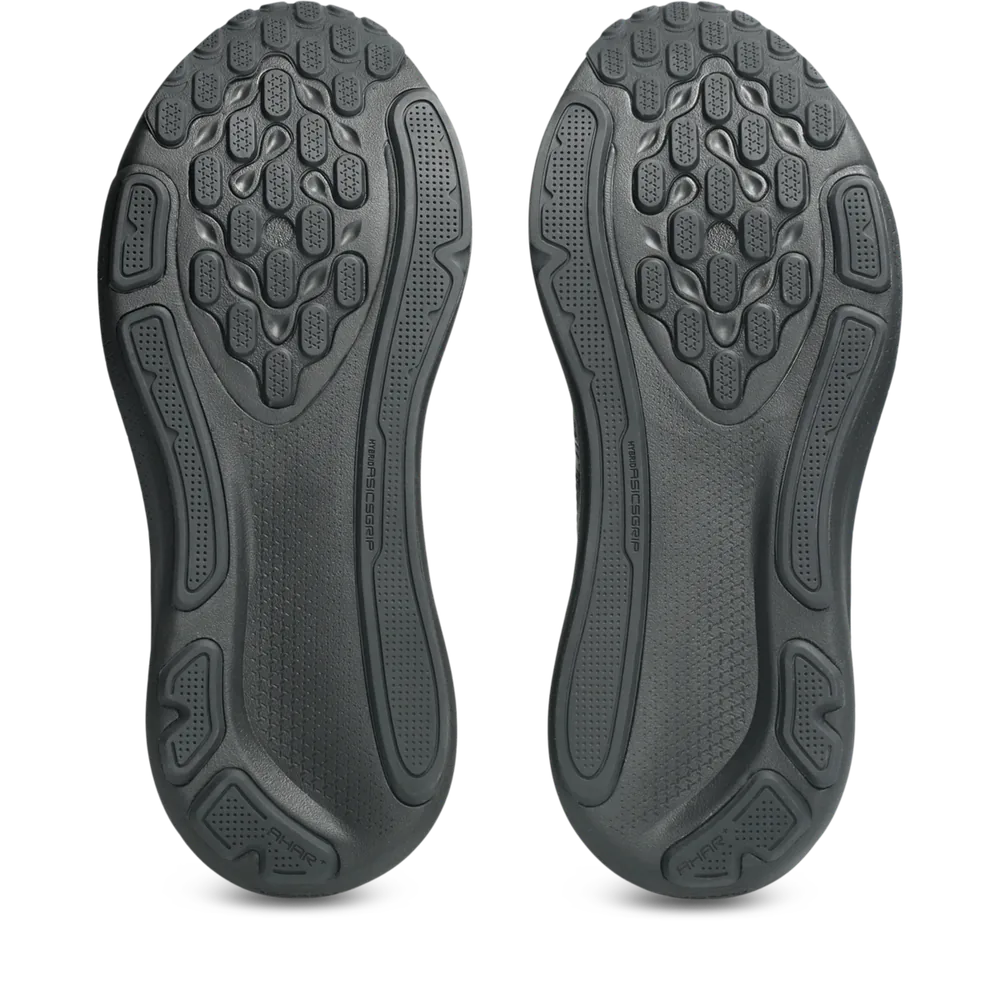
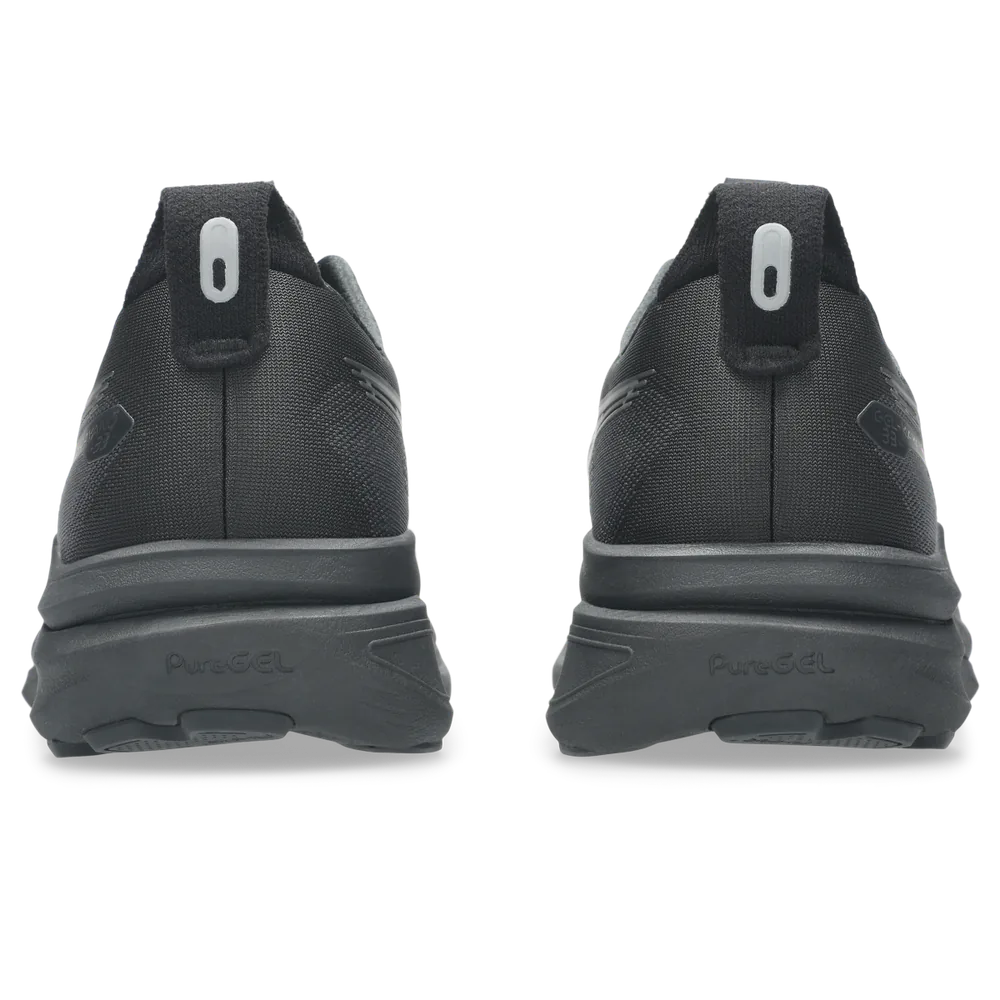
3. ASICS Gel-Kayano 33 — Best stability
Best for: men who overpronate, and anyone with flat feet or plantar fasciitis who needs guidance without a stiff ride.
- Support: stability (FLUIDSUPPORT guidance system)
- Heel stack: 39 mm brand / 36.8 mm lab
- Forefoot stack: 31 mm brand / 28.3 mm lab
- Drop: 8 mm brand / 8.5 mm lab
- Weight: 300 g (10.5 oz, men’s US 9, brand) / 298 g (lab)
- Widths: Narrow, Standard (D), Wide (2E), Extra Wide (4E)
- Midsole: FF Blast Max + FF Blast Plus Eco, PureGEL heel
- Removable insole: yes
The Kayano 33 is the stability shoe that does not feel like a stability shoe. The old Kayano used a hard plastic post that pushed your foot straight; the 33 replaces it with FLUIDSUPPORT, a firmer foam on the inside edge that guides the foot without a jolt. The lab measured a torsional rigidity of 20.1 Nm and a forefoot base 120.7 mm wide — both numbers that say “stable” without saying “stiff”. Shock absorption is strong too: 132 SA at the heel and 112 SA at the forefoot, among the best in this guide.
If your ankles roll in, your arches are low, or your knees ache after long runs, this is the shoe to try first. It also works well for men with plantar fasciitis — see our guide to the best running shoes for plantar fasciitis — because the guidance system reduces the inward roll that loads the plantar fascia. The trade-off is weight: at 298 g it is the heaviest shoe here, and you feel it on faster days.
Pros:
- The most supportive shoe in this guide, without a harsh ride
- Four widths, including 4E
- Strong shock absorption at heel and forefoot
- Durable — the Kayano has always been a high-mileage shoe
- PureGEL heel takes the sting out of heel strikes
Cons:
- Heaviest shoe in the guide at 298 g
- The guidance feel is wasted if you run neutral — buy the Novablast 6 instead
Skip it if: you run neutral and have no arch or knee issues. Stability you do not need is just extra weight.
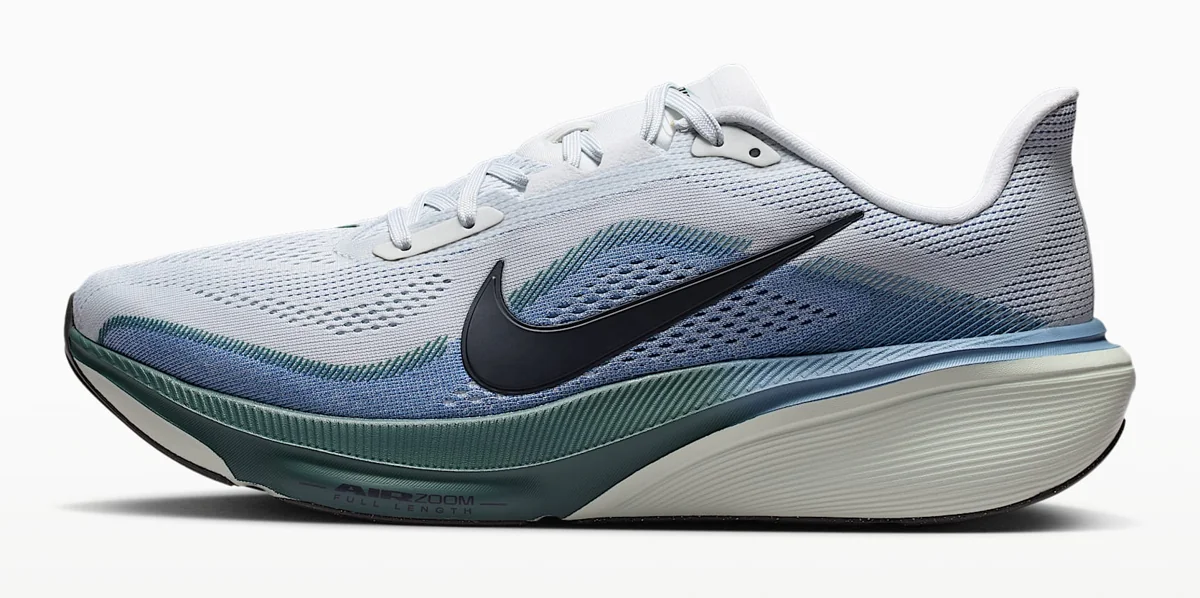
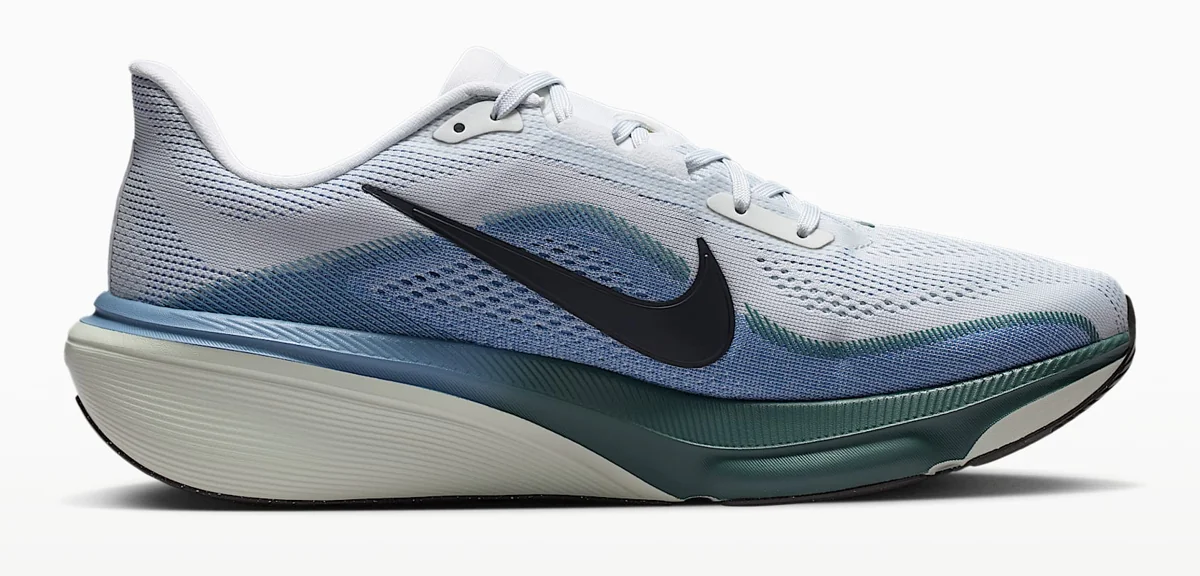
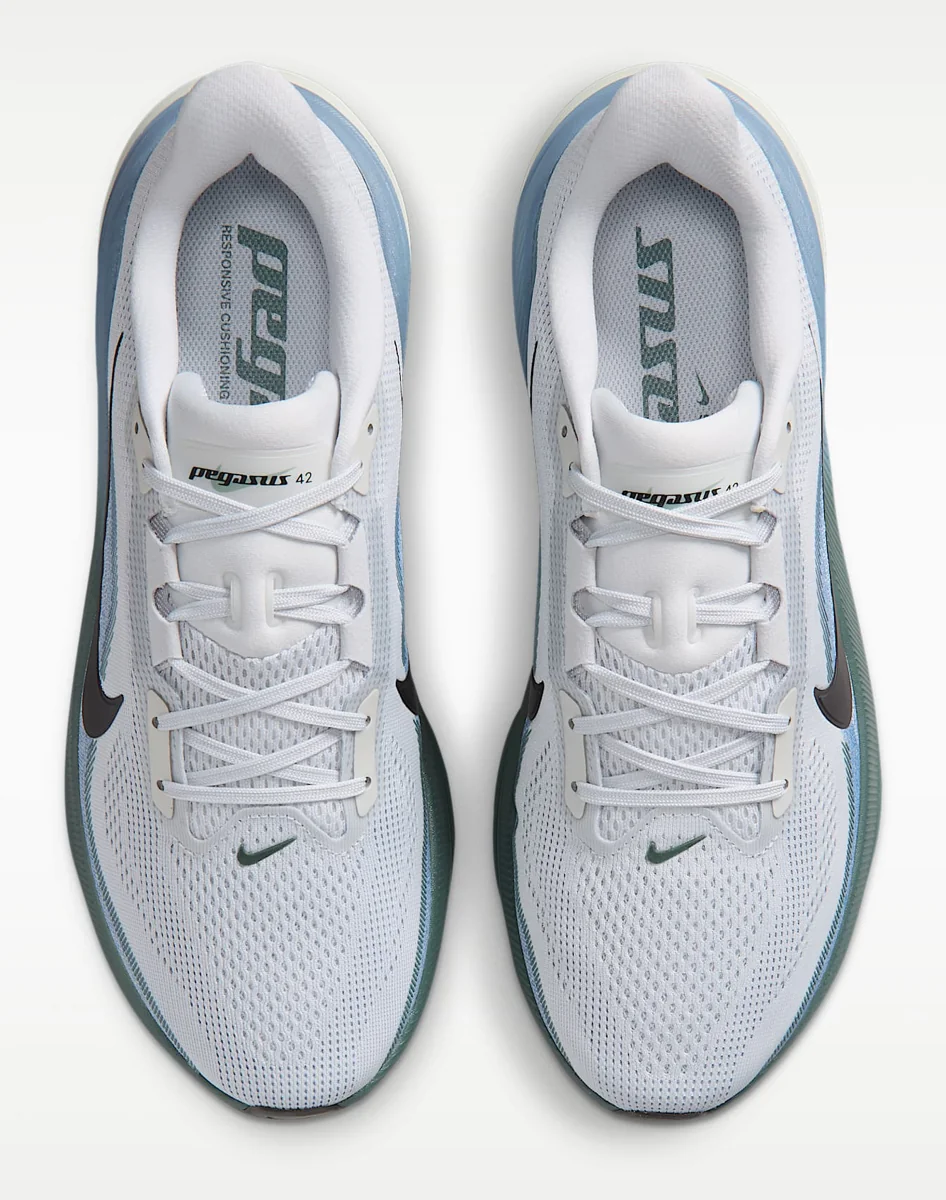
4. Nike Pegasus 42 — Best versatile
Best for: men who want one shoe for running, the gym, and everything in between.
- Support: neutral
- Heel stack: 37 mm brand / 36.0 mm lab
- Forefoot stack: 27 mm brand / 22.0 mm lab
- Drop: 10 mm brand / 14.0 mm lab
- Weight: ~300 g (10.5 oz, men’s US 9, brand) / 286 g (lab)
- Widths: Standard; Wide (2E) in select colorways
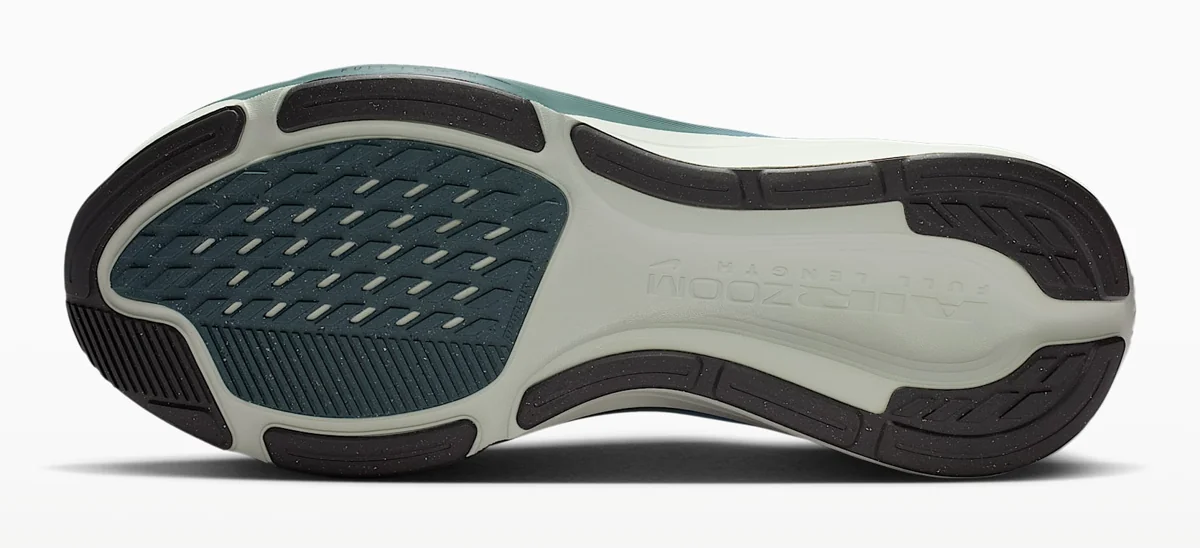
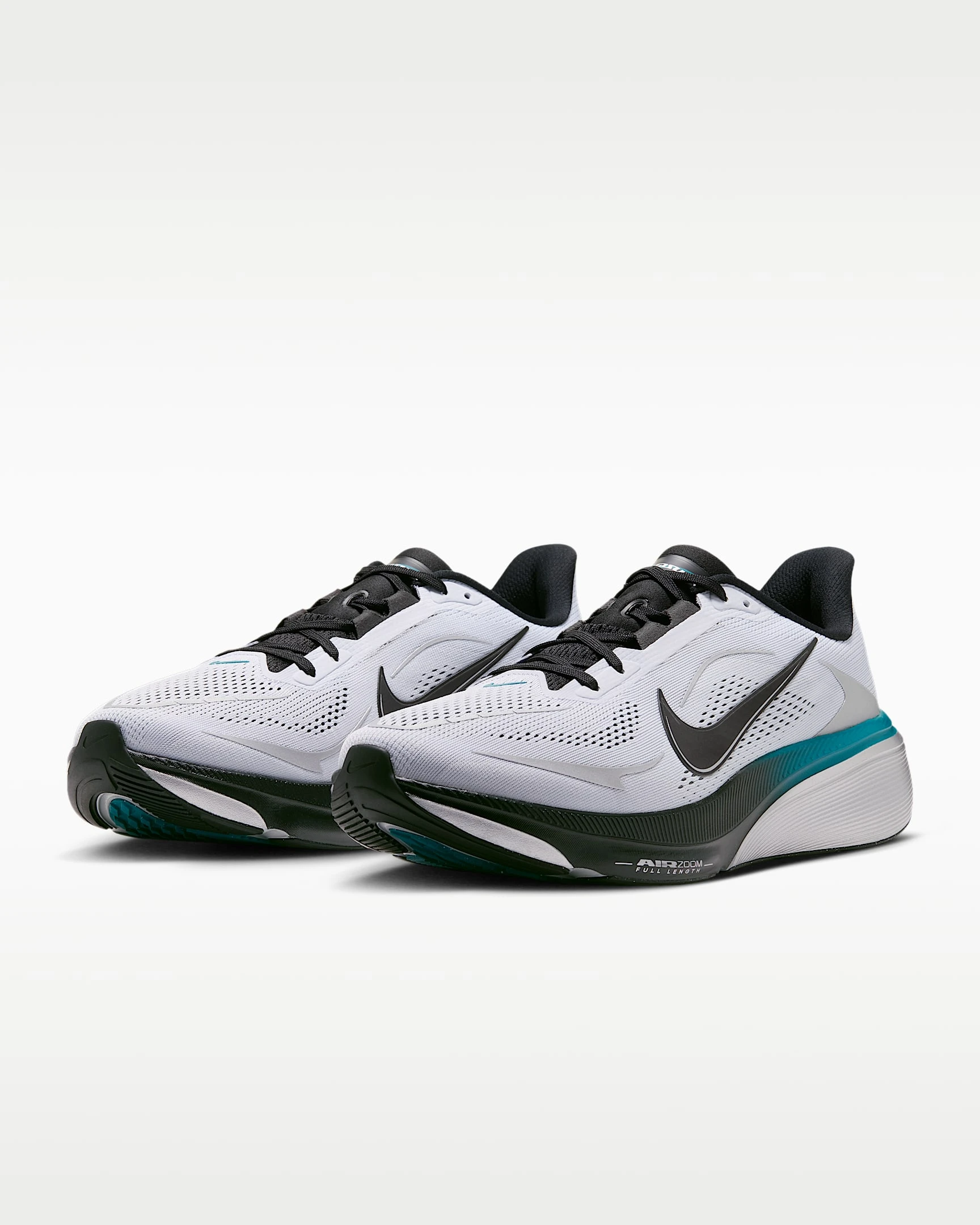
- Midsole: ReactX foam + full-length Air Zoom unit
- Removable insole: yes
The Pegasus is the best-selling running shoe in the world for a reason: it does everything well enough that most men never need a second pair. The 42 adds a full-length Air Zoom unit and a new MR-10 2.0 last with a wider toe box, so it fits more feet than the 41 did. ReactX foam is firmer than the foams in the Ghost or 1080, which is exactly what you want in a shoe that also goes to the gym — it does not wobble under a squat the way soft foams do.
Read the drop number twice: Nike prints 10 mm, but the lab measured 14.0 mm. That is the biggest brand-vs-lab gap in this guide, and it comes from the forefoot: the lab measured 22.0 mm where Nike claims 27 mm. In practice the Pegasus 42 feels higher at the heel and lower at the forefoot than the box suggests. If you have tight Achilles tendons, the higher real drop is actually good news. If you like a low, flat feel, it is not.
Pros:
- The most versatile shoe here — road, gym, daily wear
- Wider toe box than the Pegasus 41
- Full-length Air Zoom gives a snappy toe-off
- Durable outsole and upper; built to last
- ReactX foam stays firm under load, so it works for lifting
Cons:
- Lab drop is 14.0 mm, not the 10 mm Nike prints
- Narrower width range than Brooks, New Balance or ASICS
Skip it if: you need a wide fit in every colorway, or you want the softest ride possible. Buy the Ghost 18 for soft, the 1080 v15 for wide and soft.
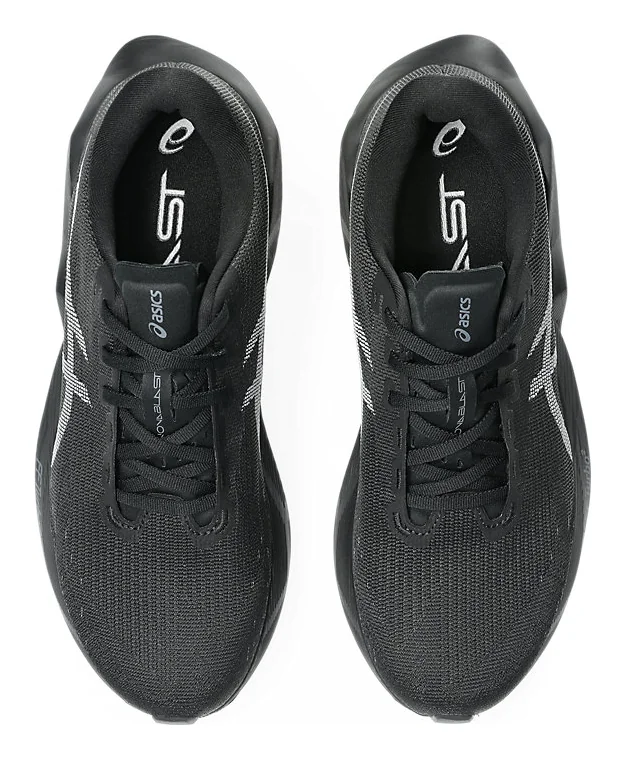
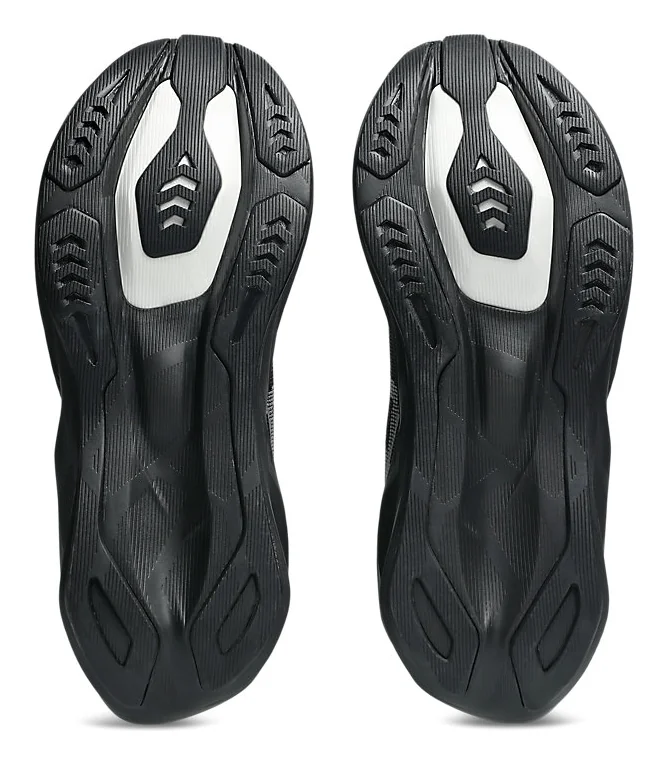
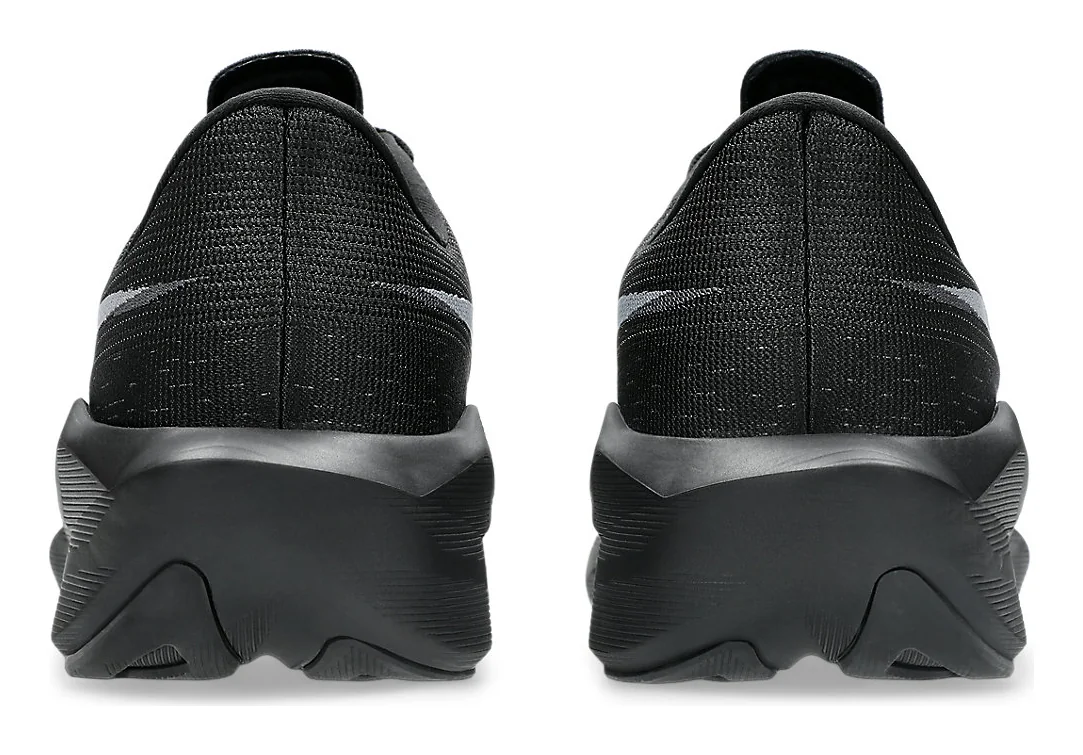
5. ASICS Novablast 6 — Best bouncy daily
Best for: men who want a fun, springy daily trainer — the shoe that makes easy runs feel fast.
- Support: neutral
- Heel stack: 41.5 mm brand / 39.2 mm lab
- Forefoot stack: 33.5 mm brand / 32.1 mm lab
- Drop: 8 mm brand / 7.1 mm lab
- Weight: 253 g (8.9 oz, men’s US 9, brand) / 249 g (lab)
- Widths: Standard (D), Wide (2E), Extra Wide (4E)
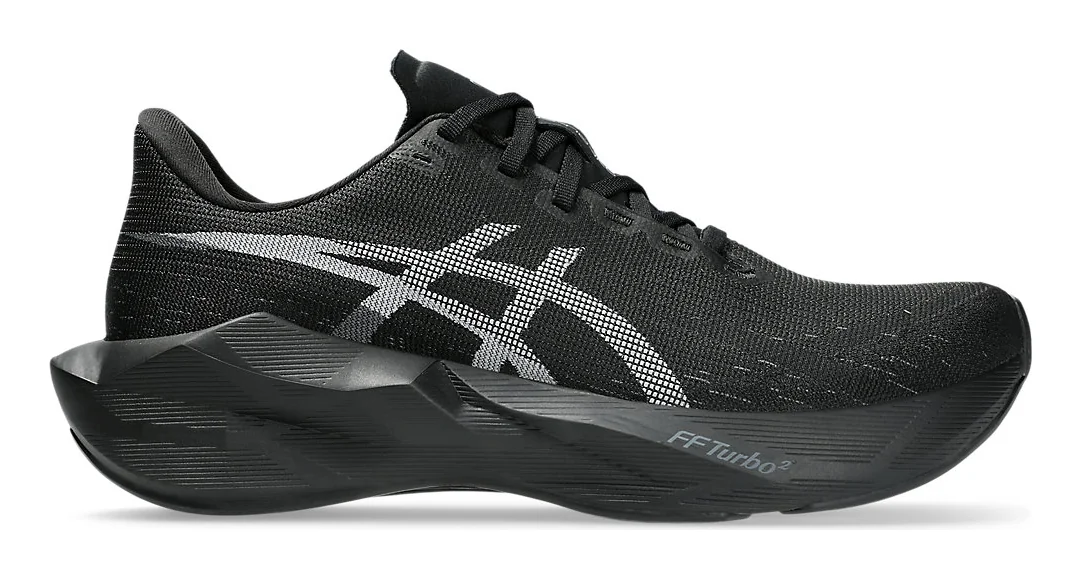
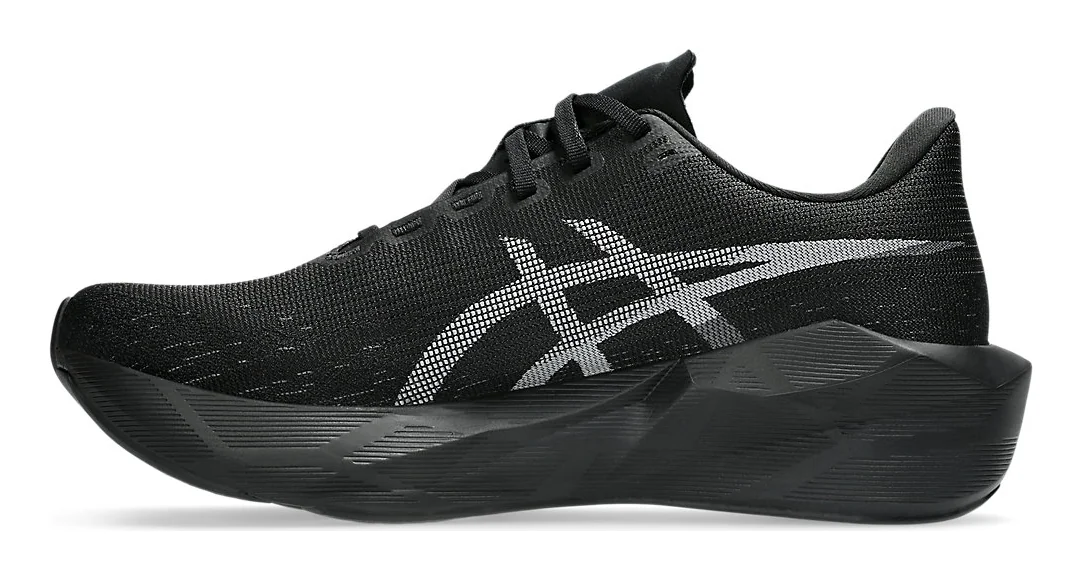
- Midsole: FF Blast Max + FF Turbo Squared forefoot pod
- Outsole: ASICSGRIP
- Removable insole: yes
The Novablast 6 is the tallest shoe in this guide at 41.5 mm of heel stack, and it uses every millimetre. The FF Blast Max foam is soft, and the FF Turbo Squared pod under the forefoot adds a pop that the Ghost and 1080 do not have. The lab gave it a 93/100 score and measured 143 SA of shock absorption at the heel — the highest in this guide — plus 69.1% energy return at the forefoot. In plain words: it lands soft and leaves the ground fast.
At 249 g it is also light for a shoe this tall, which is why it works for tempo runs as well as easy days. The trade-off is the height itself: a 41.5 mm stack feels tippy on uneven ground, and the shoe is not the best pick for sharp turns or cambered roads. Keep it on smooth pavement and it is the most fun daily trainer here.
Pros:
- Bounciest daily trainer in this guide — 69.1% forefoot energy return
- Best shock absorption at the heel (143 SA)
- Light for its stack height at 249 g
- Three widths, including 4E
- Works for easy runs and tempo days alike
Cons:
- The tall stack feels tippy on uneven ground
- The forefoot pod can feel odd if you land on your heel
Skip it if: you run on trails or rough roads, or you want a low, grounded feel. The Speedgoat 7 is the trail pick; the Ghost 18 is the grounded pick.
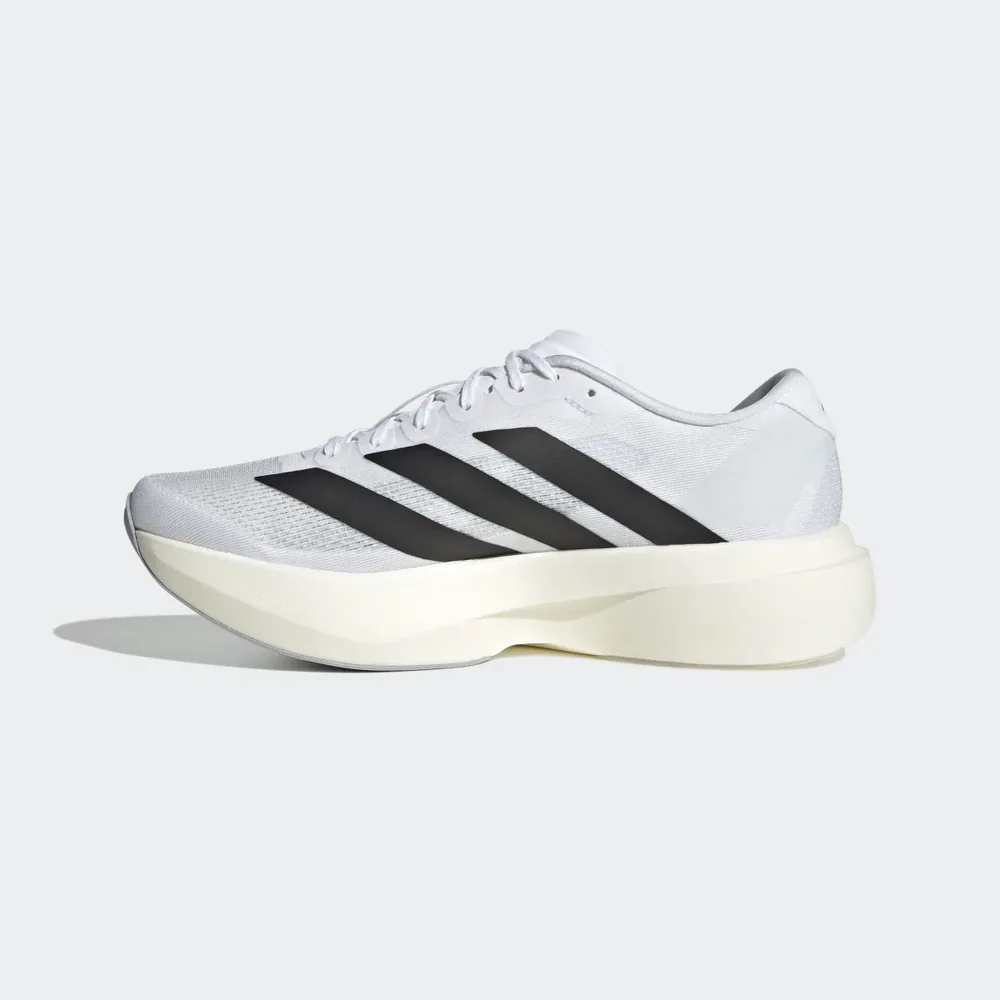
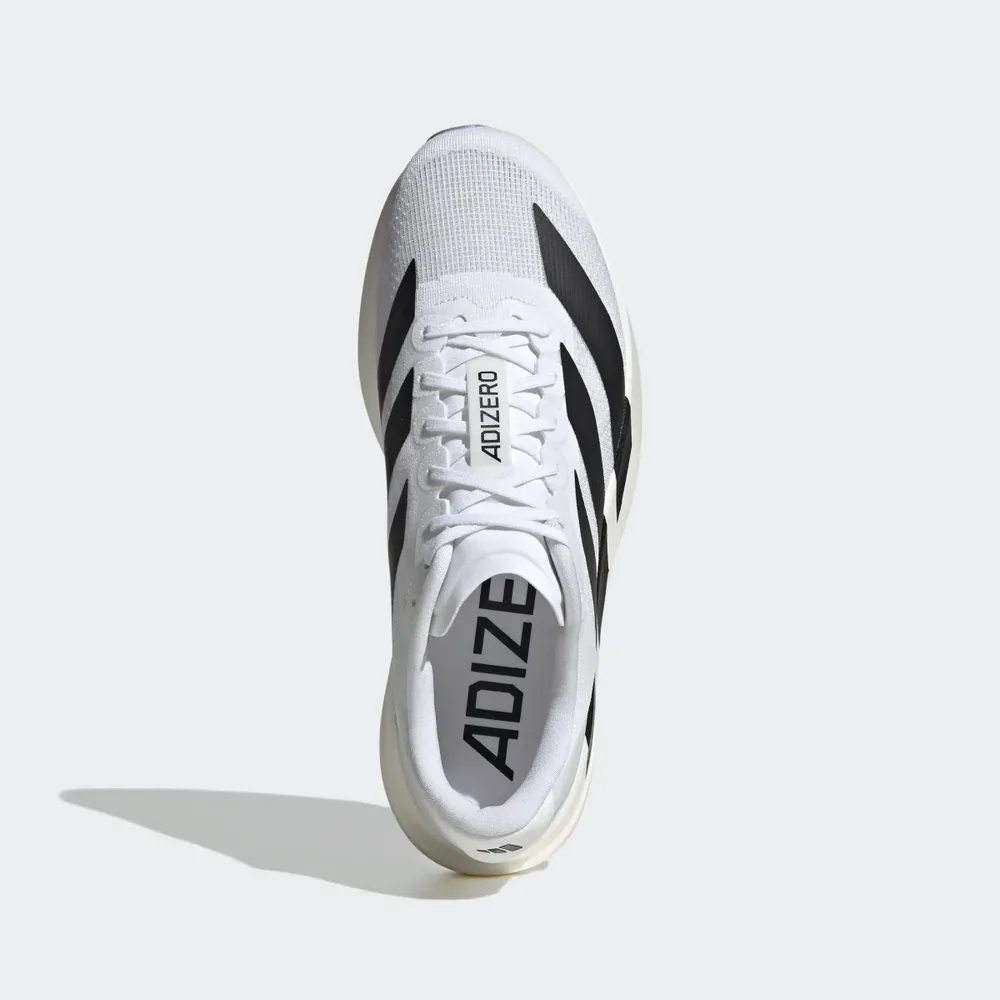
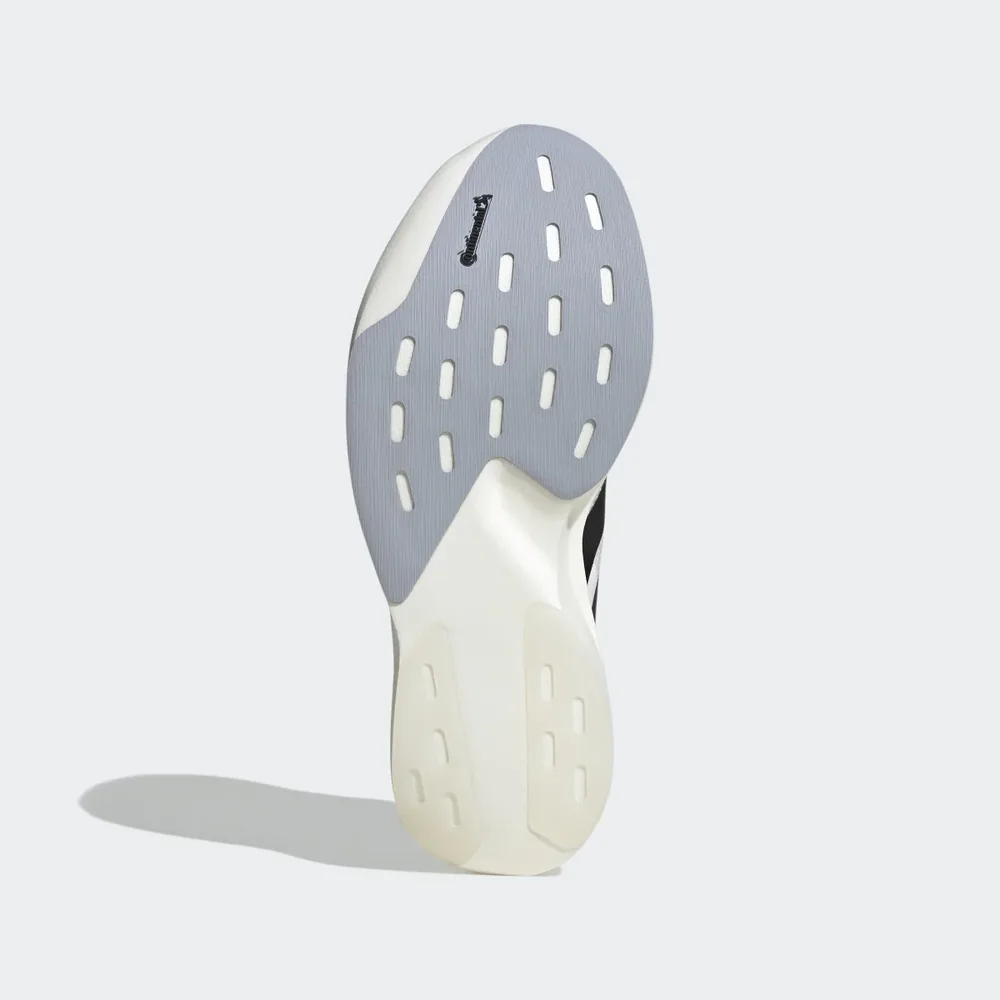
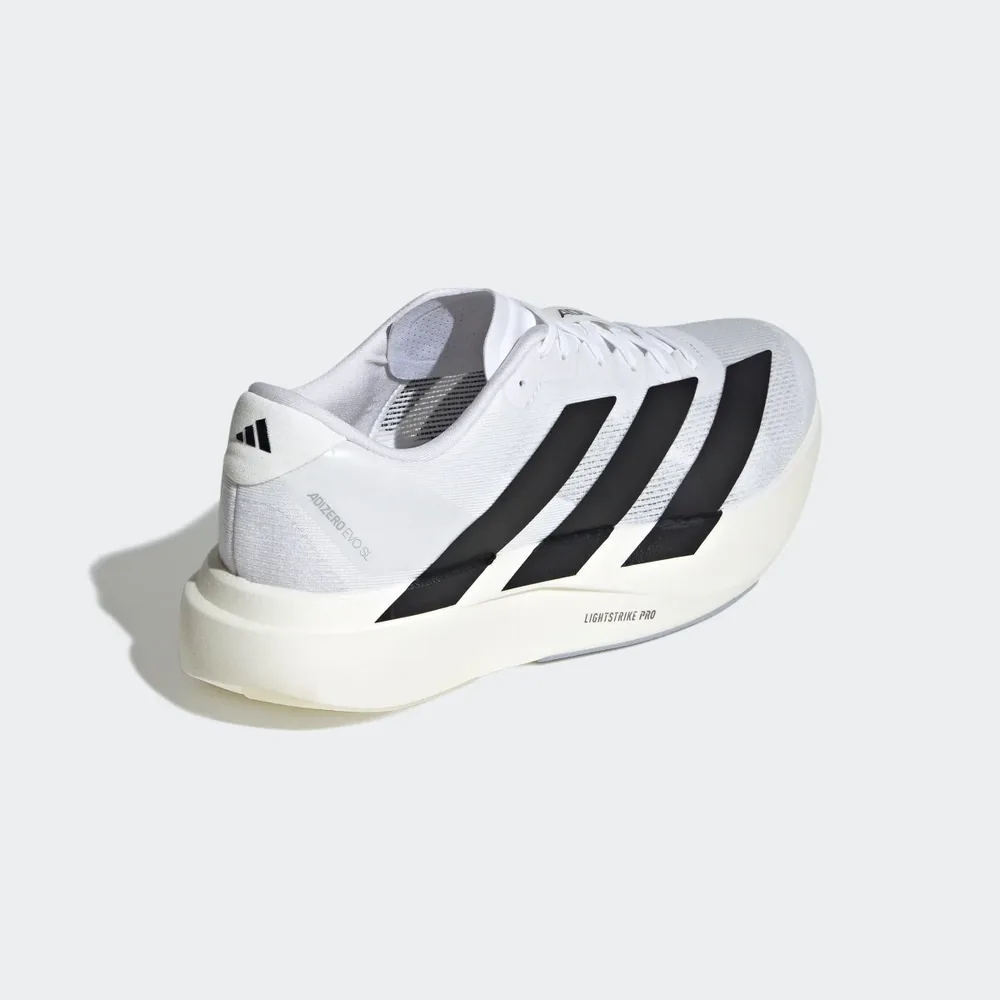
6. adidas Adizero Evo SL — Best lightweight trainer
Best for: men who want a fast-feeling trainer without a carbon plate or a race-day price.
- Support: neutral
- Heel stack: 38.5 mm brand / 36.1 mm lab
- Forefoot stack: 32 mm brand / 28.1 mm lab
- Drop: 6.5 mm brand / 8.0 mm lab
- Weight: 224 g (7.9 oz, men’s US 9, brand) / 223 g (lab)
- Widths: Standard only
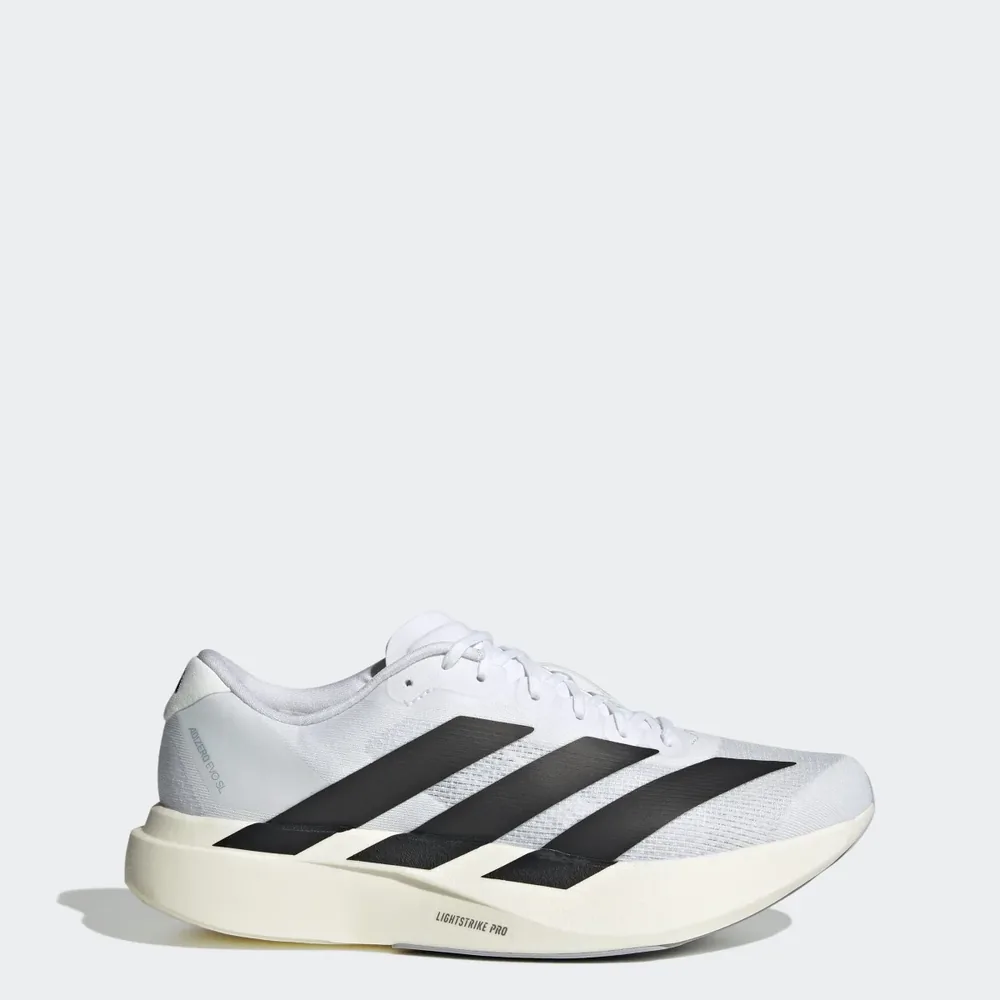
- Midsole: full-length Lightstrike Pro (no plate, no rods)
- Removable insole: yes
The Evo SL is the surprise of this guide. It has no carbon plate and no plastic rods — just a full slab of Lightstrike Pro, the same foam adidas puts in its race shoes. The lab measured 74.3% energy return at the heel and 73.5% at the forefoot, the best heel return of any non-plated shoe here, and gave it a 94/100 score — the highest in this guide. At 223 g it is the second-lightest shoe here, behind only the Vaporfly 4, and it costs far less than any race shoe.
What you get is a trainer that feels fast on tempo days and still cushions enough for long runs. What you do not get is a plate, so it does not have the snap of the Vaporfly — and it comes in standard width only, so wide-footed men should look at the Ghost 18 or 1080 v15 instead. The outsole is also thin, so it wears faster than the Pegasus or Ghost. But for the money, no shoe in this guide gives you more speed per dollar.
Pros:
- Best energy return of any non-plated shoe here (74.3% heel)
- Lightest daily trainer in the guide at 223 g
- Race-shoe foam without a race-shoe price
- Works for tempo runs, long runs and race day for slower runners
Cons:
- Standard width only — no wide option
- Thin outsole wears faster than the Ghost or Pegasus
- Lab drop is 8.0 mm, not the 6.5 mm adidas prints
Skip it if: you have wide feet, or you want one shoe to last 500 miles. The Evo SL trades durability for speed.
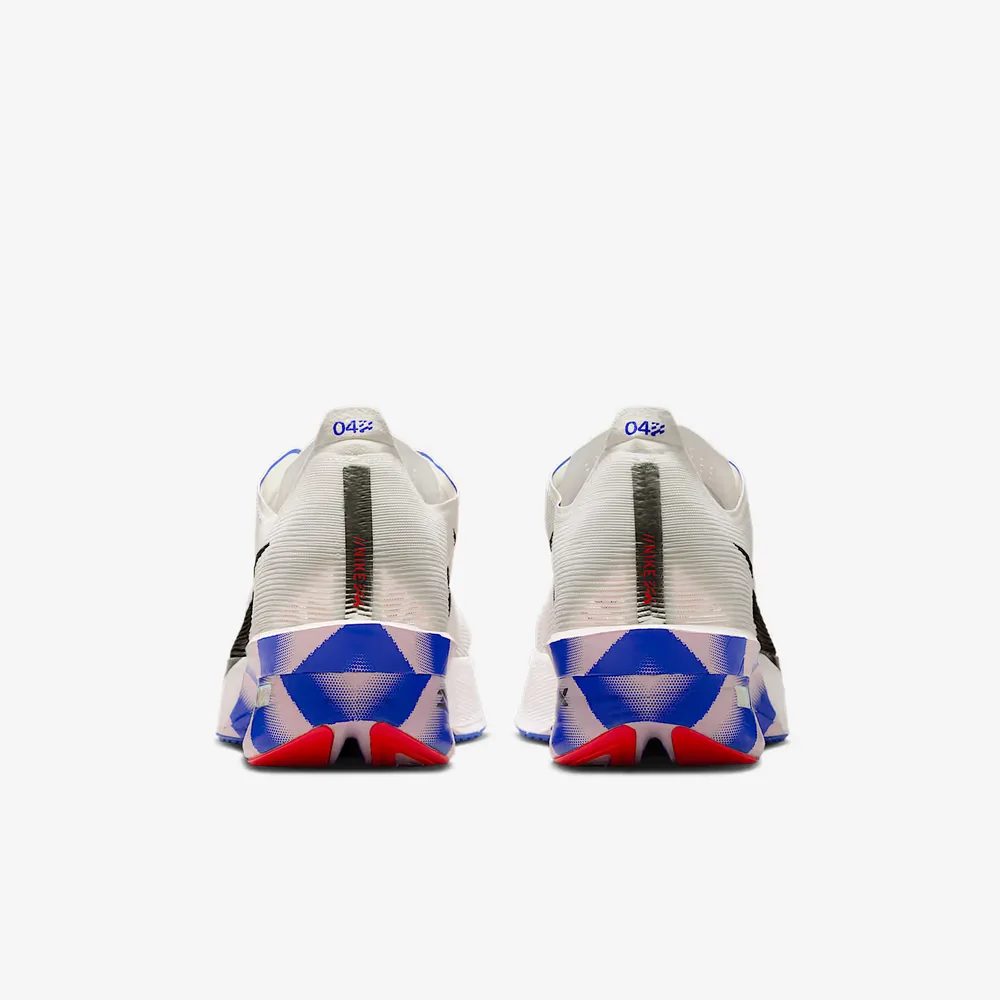
7. Nike Vaporfly 4 — Best race
Best for: race day — 5K to marathon — when seconds matter.
- Support: neutral
- Heel stack: 35 mm brand / 34.1 mm lab
- Forefoot stack: 29 mm brand / 25.5 mm lab
- Drop: 6 mm brand / 8.6 mm lab
- Weight: 184 g (6.5 oz, men’s US 9, brand) / 166 g (5.9 oz, lab)
- Widths: Standard only
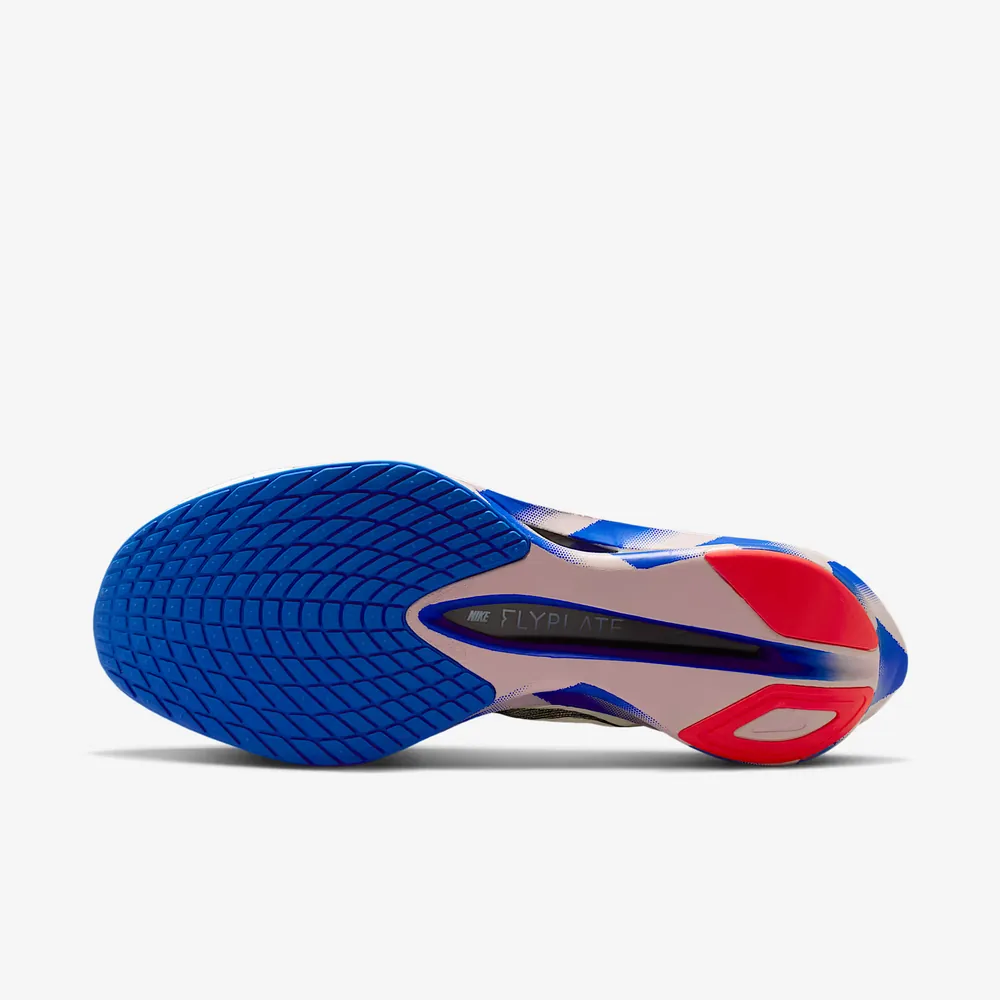
- Midsole: ZoomX foam + full-length carbon Flyplate
- Removable insole: no (the insole is glued in)
The Vaporfly 4 is the fastest shoe in this guide, and it is not close. The lab measured 78.1% energy return at the heel and 74.5% at the forefoot — the highest in this guide — and 166 g, the lightest shoe here by 57 g. The ZoomX foam and full-length carbon plate are the reason: research on this exact design found it improves running economy by about 4% compared with other racing shoes (Hoogkamer et al., 2018). That is a real, measured gain, not marketing.
But the Vaporfly is a tool, not a daily trainer. The plate makes it stiff, the foam is soft enough that it wears fast, and the fit is narrow. It is also the most expensive shoe here. Buy it for race day and a few key workouts, not for your daily miles — the Evo SL is the better trainer for that, at a much lower price. If you want to see how the plate shoes compare, watch The Run Testers’ roundup of the best carbon plate running shoes of 2026.
Pros:
- Fastest shoe in this guide — 78.1% heel energy return, 166 g
- Carbon plate + ZoomX foam is proven to improve running economy by about 4%
- Lightest shoe here by a wide margin
- Feels effortless at race pace
Cons:
- Narrow fit, standard width only
- Wears fast — not a daily trainer
- Most expensive shoe in this guide
- Lab drop is 8.6 mm, not the 6 mm Nike prints
Skip it if: you run fewer than 3 days a week, you have wide feet, or you want one shoe for everything. The Vaporfly is a race-day specialist.
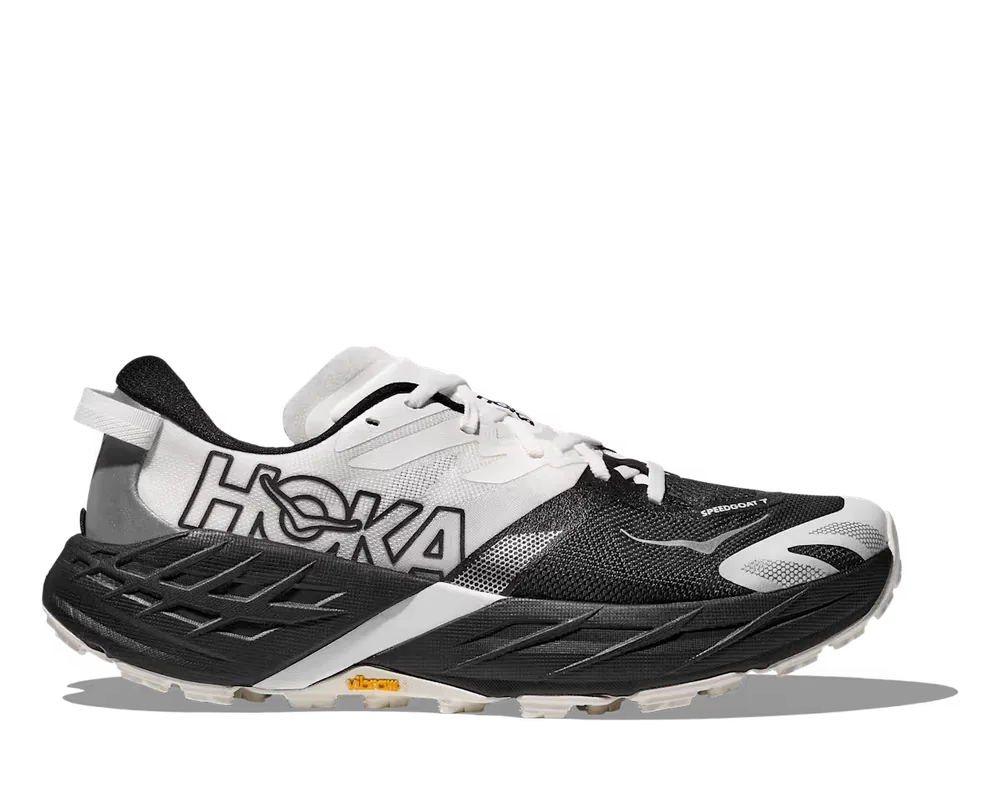
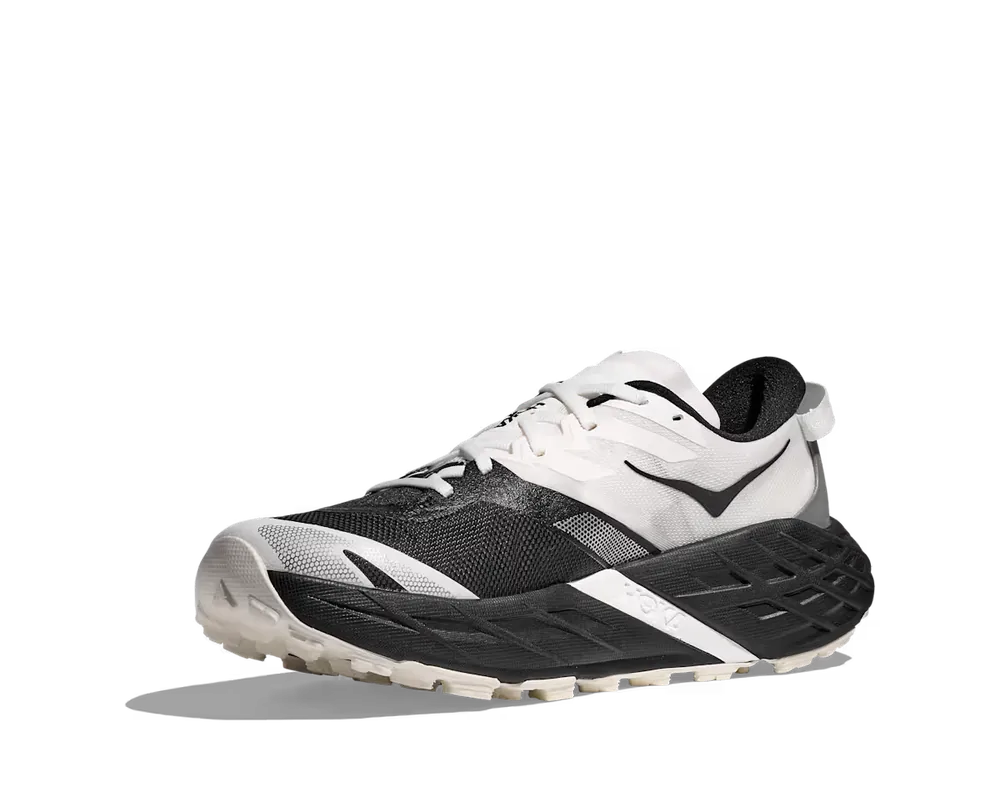
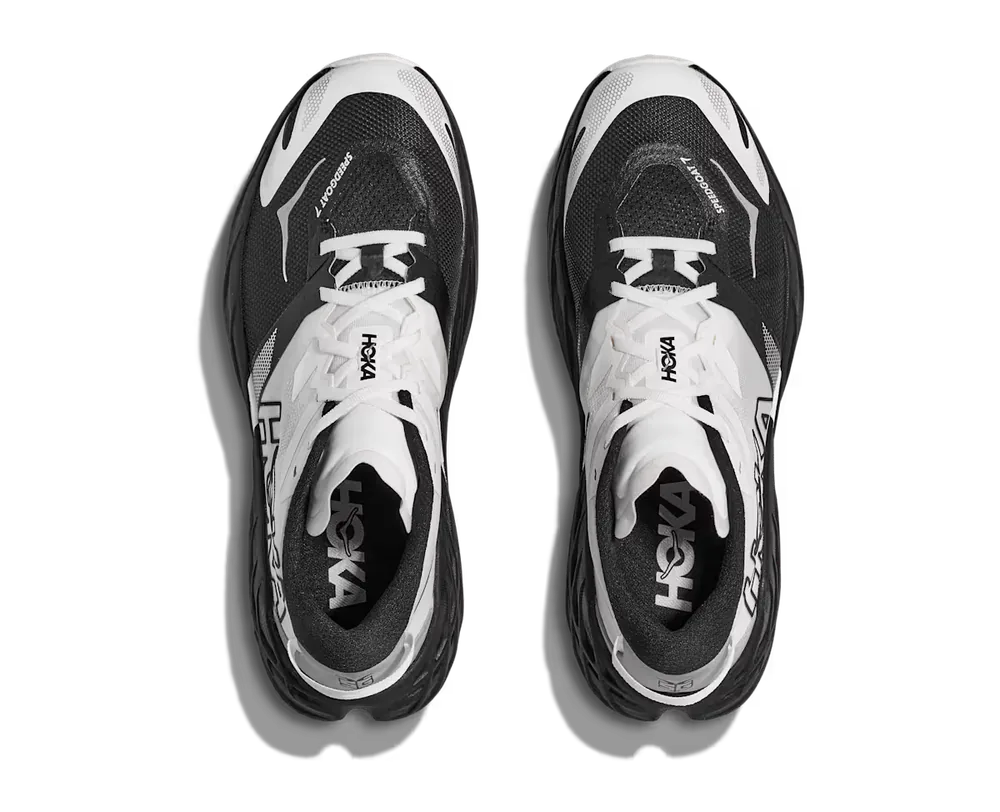
8. HOKA Speedgoat 7 — Best trail
Best for: trail running — mud, rocks, roots and steep climbs.
- Support: neutral
- Heel stack: 37 mm (brand)
- Forefoot stack: 33 mm (brand)
- Drop: 5 mm (brand)
- Weight: 275 g (9.7 oz, men’s US 9, brand)
- Widths: Standard, Wide (2E)
- Midsole: super-critical EVA foam
- Outsole: Vibram Megagrip, 5 mm lugs
- Removable insole: yes
The Speedgoat 7 is the only trail shoe in this guide, and it is here because most “best running shoes for men” lists pretend trails do not exist. The Vibram Megagrip outsole with 5 mm lugs grips wet rock and mud in a way no road shoe can, and the super-critical EVA midsole is softer and livelier than the foam in older Speedgoats. At 275 g it is light for a trail shoe, and the wide version fits men who need room up front.
Two honest notes. First, this is the only shoe in the guide with no independent lab test — we could not find RunRepeat lab figures for the Speedgoat 7, so every number above is HOKA’s own. Second, our own site’s pillar page lists 33 mm heel stack and a 4 mm drop for this shoe, but HOKA’s product page says 37 mm and 5 mm. We use HOKA’s figures here because they are the brand’s current spec. If you run mostly on roads, do not buy this shoe — the lugs wear fast on pavement and the grip you pay for goes to waste. If you run trails, nothing else on this list will keep up.
Pros:
- Best grip in this guide — Vibram Megagrip with 5 mm lugs
- Soft, lively midsole for a trail shoe
- Light for its class at 275 g
- Wide version available
Cons:
- No independent lab figures available — all specs are HOKA’s own
- Lugs wear fast on pavement, so it is a poor road shoe
Skip it if: you run on roads. Buy the Ghost 18 or Novablast 6 instead and save the Speedgoat for the dirt.
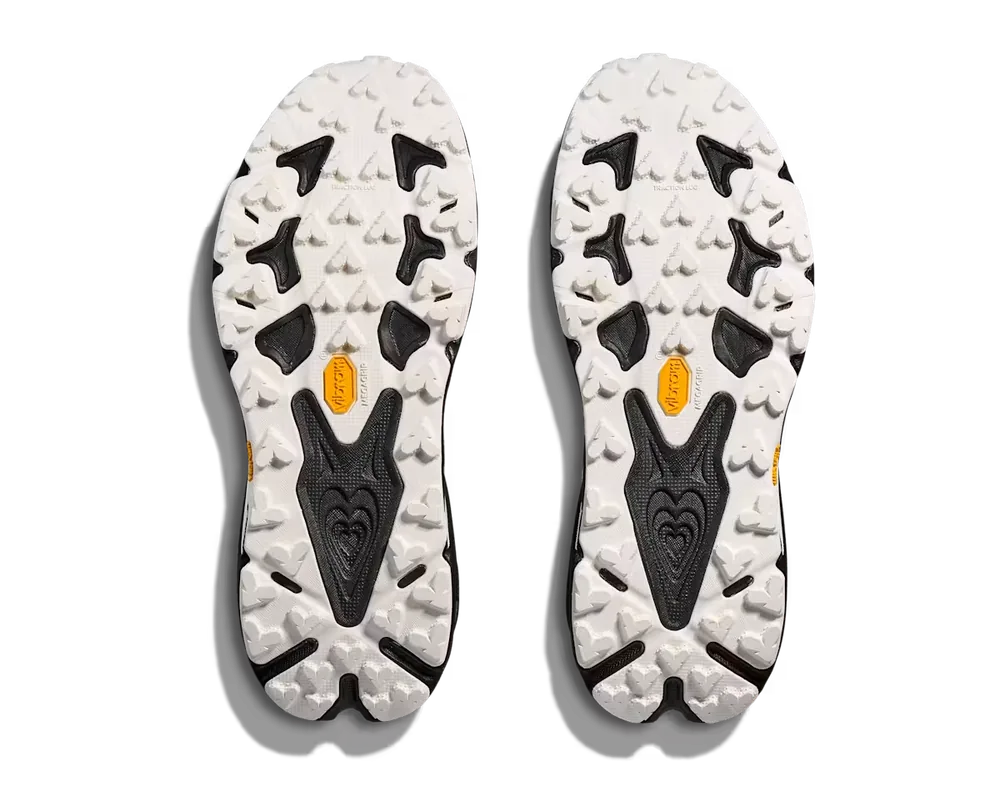
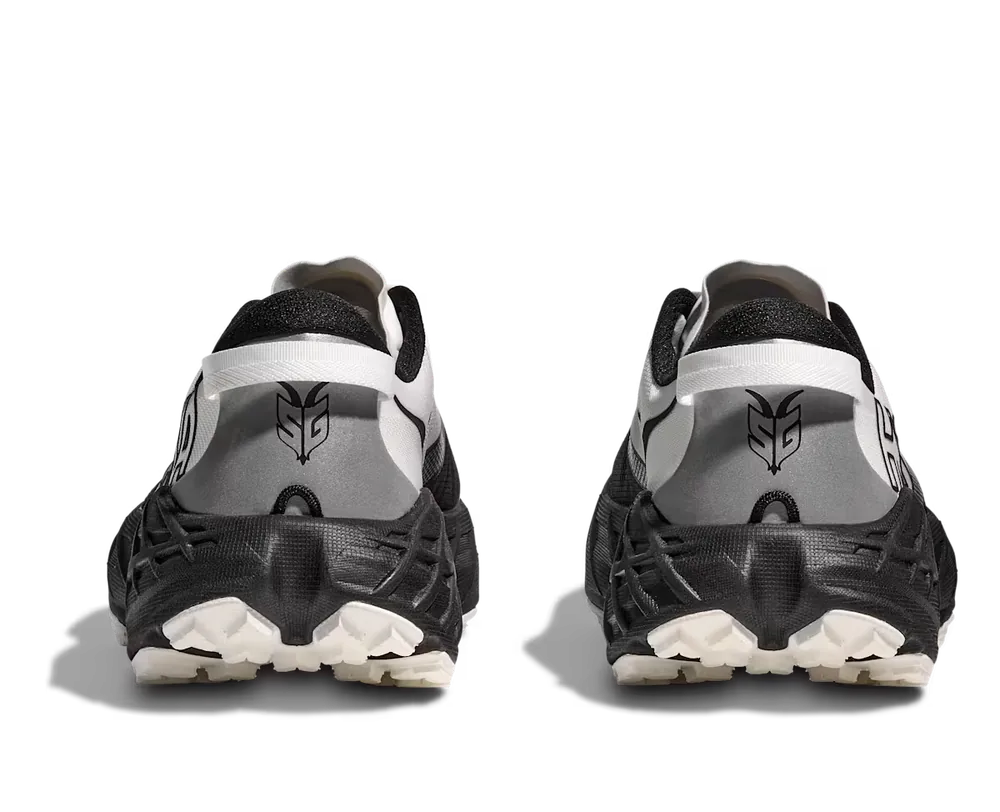
Best running shoes for men compared side by side
| Shoe | Support | Heel / forefoot (brand) | Drop (brand / lab) | Weight (lab) | Energy return heel / fore | Widths | Best for |
|---|---|---|---|---|---|---|---|
| Ghost 18 | Neutral | 36 / 26 mm | 10 / 12.2 mm | 289 g | 52.4% / 58.1% | N, D, 2E, 4E | Overall |
| 1080 v15 | Neutral | 40 / 34 mm | 6 / 6.4 mm | 255 g | 65.9% / 69.1% | D, 2E, 4E | Cushioned |
| Kayano 33 | Stability | 39 / 31 mm | 8 / 8.5 mm | 298 g | — | N, D, 2E, 4E | Stability |
| Pegasus 42 | Neutral | 37 / 27 mm | 10 / 14.0 mm | 286 g | ~57% / ~61% | D, 2E* | Versatile |
| Novablast 6 | Neutral | 41.5 / 33.5 mm | 8 / 7.1 mm | 249 g | 55.4% / 69.1% | D, 2E, 4E | Bouncy daily |
| Evo SL | Neutral | 38.5 / 32 mm | 6.5 / 8.0 mm | 223 g | 74.3% / 73.5% | D only | Lightweight |
| Vaporfly 4 | Neutral | 35 / 29 mm | 6 / 8.6 mm | 166 g | 78.1% / 74.5% | D only | Race |
| Speedgoat 7 | Neutral | 37 / 33 mm | 5 mm / no lab | 275 g† | — | D, 2E | Trail |
*Pegasus 42 Wide (2E) in select colorways only. †Speedgoat 7 weight is HOKA’s brand figure — no lab weight found. “—” means the lab did not publish that figure. Lab figures are RunRepeat lab tests (men’s US 9) unless noted.
Look at the drop column before you buy. Five of the eight shoes measure a different drop in the lab than the brand prints on the box. The Pegasus 42 is the worst case: 14.0 mm in the lab against 10 mm on the box. Drop changes how your Achilles and calves feel, so a shoe that looks right on paper can feel wrong on foot. Try before you buy when you can, and give a new drop a week before you judge it.
After a run, your shoes last longer if you clean them right. Here is how to wash running shoes without wrecking the foam.
What makes a running shoe good for men?
A good running shoe for men is not a women’s shoe made bigger. Men’s shoes are built on men’s lasts — the foot-shaped mould the shoe is made around — and that changes the fit, the width and the way the foam holds up. Four things matter most.
Men’s lasts and widths
Men’s feet are wider across the forefoot and narrower at the heel than women’s feet of the same length, so a men’s last is roomier up front and tighter at the back. That is why a men’s shoe in your size fits differently from a unisex or women’s shoe in the same size. Width matters more than length for most men: if your toes press the sides, go wider before you go longer. Four shoes in this guide come in 4E — the Ghost 18, 1080 v15, Kayano 33 and Novablast 6 — and those are the ones to try first if standard widths pinch. Our wide-feet running shoes guide (brief 21, publishing 24 November) will cover the wide-fit question in full.
Durability for higher body mass
Heavier runners compress foam harder and wear shoes out faster. A 90 kg runner will flatten a soft foam in 300 miles that a 65 kg runner gets 500 miles from. If you are over 90 kg, pick a shoe with a firm outsole and a durable foam — the Ghost 18, Kayano 33 and Pegasus 42 hold up best here — and expect to replace them sooner than the box suggests. The American Academy of Orthopaedic Surgeons recommends replacing running shoes every 300 to 500 miles, and heavier runners should aim for the low end of that range. Our guide to running shoes for heavy men covers this in detail.
Cushion level
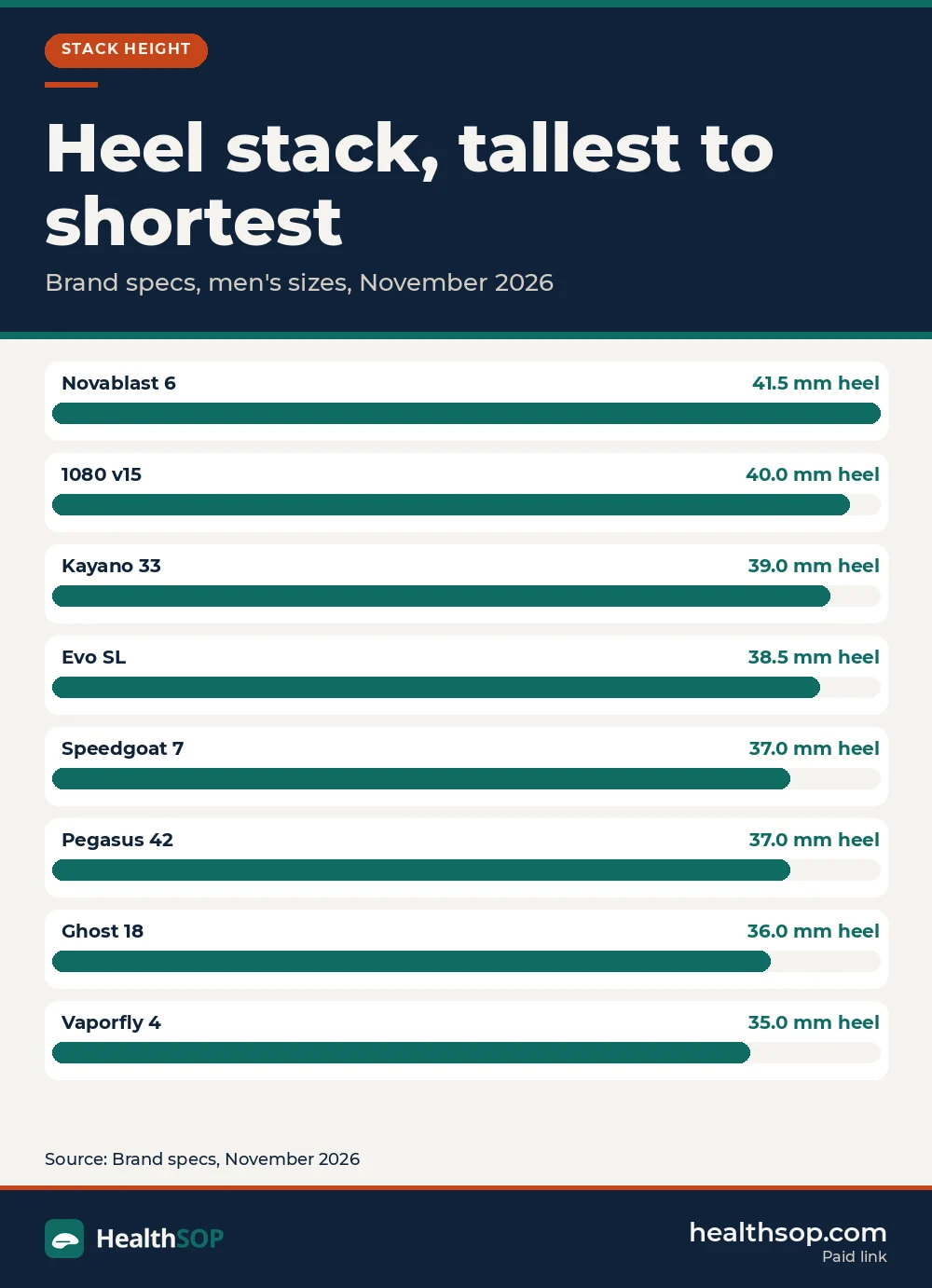
Cushion is not comfort — it is how much foam sits between your foot and the ground, and how soft that foam is. More stack means more protection on long runs but a less stable feel. The Novablast 6 has the tallest stack here at 41.5 mm; the Vaporfly 4 has the shortest at 35 mm. Neither is better in the abstract. Tall, soft shoes suit long slow miles. Shorter, firmer shoes suit fast days and the gym. If you are new to running, start with a mid-stack shoe like the Ghost 18 (36 mm) and learn what your feet like before you go to either extreme.
Purpose
One shoe cannot be the best at everything. A race shoe is light and stiff because it only has to survive 26 miles. A daily trainer is heavier because it has to survive 400. A trail shoe has lugs because it has to grip mud. Decide what you will do most — daily miles, racing, trails, or a mix — and buy for that. The table in the next section does exactly that.
Which men’s running shoe for your goal?
| Your goal | First pick | Second pick |
|---|---|---|
| 5K | adidas Evo SL | Nike Vaporfly 4 |
| Half marathon | ASICS Novablast 6 | Nike Vaporfly 4 |
| Marathon | Brooks Ghost 18 | Nike Vaporfly 4 |
| Weight loss | Brooks Ghost 18 | ASICS Gel-Kayano 33 |
| Gym + running | Nike Pegasus 42 | Brooks Ghost 18 |
The logic is simple. A 5K is short, so a light, fast shoe wins — the Evo SL is fast enough and far cheaper than the Vaporfly. A half marathon is long enough that comfort matters, so the bouncy Novablast 6 takes it. A first marathon is a long, slow grind, so the Ghost 18’s comfort and durability win; if you are chasing a time, the Vaporfly is the second pick. For weight loss, the priority is a shoe that protects your joints over many miles, so the Ghost 18 and Kayano 33 lead. For the gym, the Pegasus 42’s firm foam is the only one here that stays stable under a barbell.
Which running shoes for men are best for a marathon?
The Vaporfly 4 is the fastest marathon shoe here — the carbon plate and ZoomX foam are proven to improve running economy by about 4%. But it is not the best marathon shoe for most men. A first marathon is about finishing comfortably, and the Ghost 18 is the better pick: it cushions for 26 miles, it fits four widths, and it costs far less. Run your first marathon in the Ghost 18. Run your second, chasing a time, in the Vaporfly 4.
Which running shoes for men are best for long distance?
Long distance means 15 miles and up, week after week. The Novablast 6 is the best long-distance daily trainer here — the tallest stack, the best heel shock absorption (143 SA in the lab), and light enough at 249 g that your legs do not feel it at mile 18. The 1080 v15 is the softer alternative if you want maximum comfort and do not mind a slower feel.
Which running shoes for men are best for stability?
The Gel-Kayano 33, and it is not close. FLUIDSUPPORT guides the foot without the harsh plastic post of older stability shoes, and the lab measured a 120.7 mm forefoot base and 20.1 Nm of torsional rigidity — real stability, not a label. If you overpronate or have flat feet, start here. If you run neutral, skip it: the guidance is weight you do not need.
Which running shoes for men are best for wide feet?
Four shoes in this guide come in 4E: the Ghost 18, 1080 v15, Kayano 33 and Novablast 6. Of those, the Ghost 18 is the best all-rounder and the 1080 v15 is the softest. Both also come in 2E if 4E is too roomy. The Evo SL and Vaporfly 4 come in standard width only — do not buy them if standard widths pinch. A dedicated wide-feet guide is coming on 24 November.
How we chose these shoes
We picked eight shoes that cover every job a men’s running shoe has to do: overall, cushioned, stability, versatile, bouncy, lightweight, race and trail. Every shoe is the current generation as of November 2026 — we checked each model against the brand’s current line-up, and we retitled nothing because the brief’s picks were all current. Specs come from two sources: the brand’s own product page, and RunRepeat’s independent lab tests, which cut shoes apart and measure stack, drop, weight and energy return on a standard men’s US 9. Where the lab and the brand disagree, we print both numbers and say so. The Speedgoat 7 has no lab test we could find, so its numbers are HOKA’s own and we say that too.
We also read the research. A 2015 study in the British Journal of Sports Medicine found that comfort is the best guide to picking a running shoe — runners who pick the shoe that feels most comfortable have a lower injury risk (Nigg et al., 2015). A 2022 Cochrane Review found no strong evidence that one shoe type prevents injuries better than another, which means the “right” shoe is the one that fits you, not the one with the most technology (Relph et al., 2022). And a 2013 study of novice runners found that training volume mattered more than shoe choice for injury risk (Nielsen et al., 2013). The lesson: buy the shoe that fits and feels good, then build your miles slowly.
The chart below shows the heel stack of all eight shoes, tallest to shortest. Taller is not better — it is just one more number to weigh against weight, drop and fit.
Watch The Run Testers compare the carbon plate shoes of 2026 — including the Vaporfly 4’s category — before you spend race-shoe money:
Which shoe should you pick?
| If you… | Buy… |
|---|---|
| Want one shoe for everything | Brooks Ghost 18 |
| Want the softest ride | New Balance 1080 v15 |
| Overpronate or have flat feet | ASICS Gel-Kayano 33 |
| Run, lift and live in one pair | Nike Pegasus 42 |
| Want a fun, bouncy daily trainer | ASICS Novablast 6 |
| Want speed without a carbon plate | adidas Adizero Evo SL |
| Are racing and chasing a time | Nike Vaporfly 4 |
| Run trails | HOKA Speedgoat 7 |
If you are still torn between two shoes, pick the one that fits better. Comfort is the best predictor of a good running shoe — the research says so, and every runner who has finished a long run in the wrong shoes knows it too.
Frequently asked questions
What is the best running shoe for men?
The Brooks Ghost 18. It fits most feet, comes in four widths, cushions long runs and costs less than the race shoes. The New Balance 1080 v15 is the best runner-up if you want the softest ride.
What are the best running shoes for men with wide feet?
The Ghost 18, 1080 v15, Gel-Kayano 33 and Novablast 6 all come in 4E. Start with the Ghost 18 for all-round use or the 1080 v15 for maximum softness. Avoid the Evo SL and Vaporfly 4 — they come in standard width only.
What are the best running shoes for heavy men?
The Ghost 18 and Gel-Kayano 33 hold up best under higher body mass, because their foams and outsoles are built to last. Replace them at the low end of the 300–500 mile range. Our guide to running shoes for heavy men covers this in full.
What is the best men’s trail running shoe?
The HOKA Speedgoat 7. Its Vibram Megagrip outsole with 5 mm lugs grips mud and wet rock in a way no road shoe can. Do not buy it for road running — the lugs wear fast on pavement.
Are expensive running shoes worth it?
Sometimes. The Vaporfly 4 is the most expensive shoe here, and it is genuinely faster — about 4% better running economy, measured in research. But the Evo SL gives you most of that speed feel at a much lower price, and the Ghost 18 does the daily miles better than any race shoe. Spend more only when the shoe does a job a cheaper one cannot.
How do I buy running shoes for men?
Shop late in the day, when your feet are slightly swollen, and try shoes with the socks you run in. Leave a thumb’s width between your longest toe and the end of the shoe. If the shoe pinches anywhere in the shop, it will hurt worse at mile 10. And if you are between sizes, go up half a size — feet swell on long runs.
Which running shoes are best for men training for a marathon?
For a first marathon, the Brooks Ghost 18 — comfort and durability over 26 miles matter more than speed. For a fast marathon, the Nike Vaporfly 4 — the carbon plate and ZoomX foam are proven to save energy. Train in the Ghost, race in the Vaporfly.
Do men’s running shoes differ from women’s running shoes?
Yes. Men’s shoes are built on men’s lasts, which are wider across the forefoot and narrower at the heel than women’s lasts of the same length. Men’s shoes also use firmer foam in the same model, because men’s feet are heavier on average. A women’s shoe in your size will usually feel tight across the toes and loose at the heel. Our running shoes for women guide (brief 60, publishing 13 December) covers the women’s side.
Sources
- Nigg, B. M., Baltich, J., Hoerzer, S., & Enders, H. (2015). Running shoes and running injuries: mythbusting and a proposal for two new paradigms: ‘preferred movement path’ and ‘comfort filter’. British Journal of Sports Medicine, 49(20), 1290–1294. — Comfort is the best guide to picking a running shoe.
- Relph, N., Greaves, H., Armstrong, R., Prior, T. D., Spencer, S., Griffiths, I. B., et al. (2022). Running shoes for preventing lower limb running injuries in adults. Cochrane Database of Systematic Reviews, 2022(8). — No strong evidence that one shoe type prevents injuries better than another.
- Hoogkamer, W., Kipp, S., Frank, J. H., Farina, E. M., Luo, G., & Kram, R. (2018). A comparison of the energetic cost of running in marathon racing shoes. Sports Medicine, 48(4), 1009–1019. — Carbon plate + compliant foam improves running economy by about 4%.
- Nielsen, R. O., Buist, I., Parner, E. T., Nohr, E. A., Sorensen, H., Lind, M., & Rasmussen, S. (2013). Predictors of running-related injuries among 930 novice runners: a 1-year prospective follow-up study. Orthopaedic Journal of Sports Medicine, 1(1). — Training volume mattered more than shoe choice for injury risk in new runners.
- American Academy of Orthopaedic Surgeons (AAOS), OrthoInfo. Athletic Shoes. — Fit guidance and the 300–500 mile replacement range.
- RunRepeat lab reviews (2025–2026): Brooks Ghost 18, New Balance 1080 v15, ASICS Gel-Kayano 33, Nike Pegasus 42, ASICS Novablast 6, adidas Adizero Evo SL, Nike Vaporfly 4. — Lab-measured stack, drop, weight, energy return and shock absorption (men’s US 9).
- Brand product pages (November 2026): brooksrunning.com (Ghost 18), newbalance.com (1080 v15), asics.com (Gel-Kayano 33, Novablast 6), nike.com (Pegasus 42, Vaporfly 4), adidas.com (Adizero Evo SL), hoka.com (Speedgoat 7). — Brand specs, widths, foams and release dates.
Last updated: 19 November 2026. Author: Lora Nicolas.