
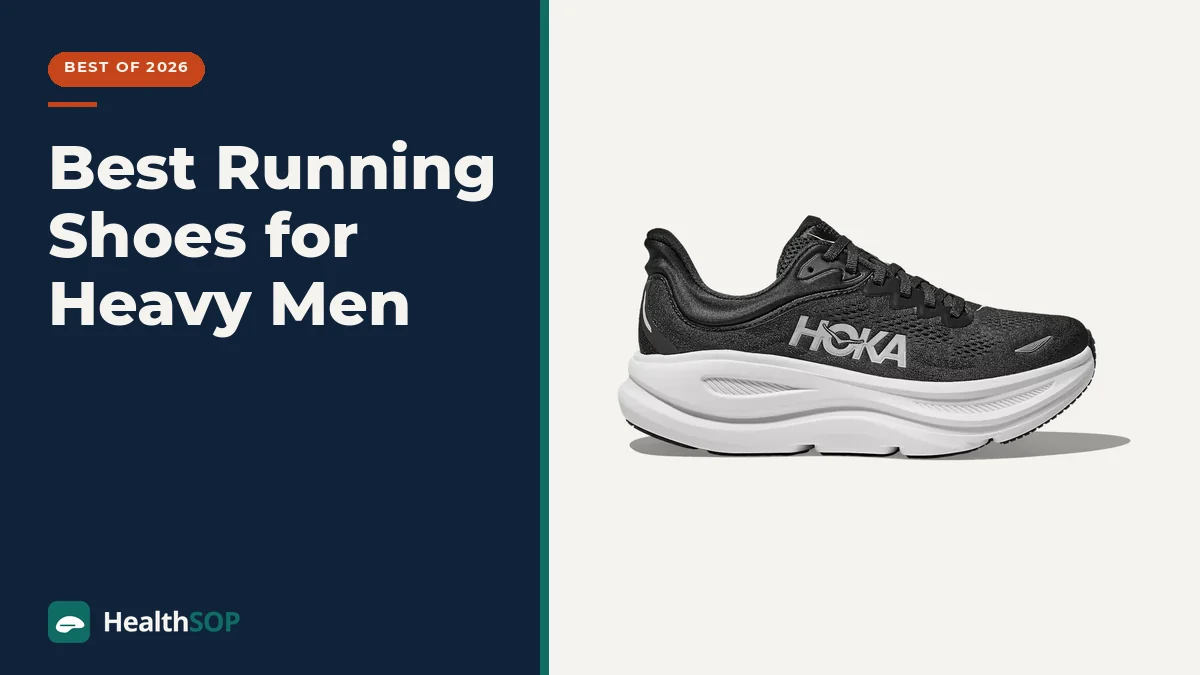
The HOKA Bondi 9 is the best running shoe for heavy men for most runners. It has a high, protective stack, a wide base, and a foam that stays stable under load. Need structured support with a soft landing? Choose the Brooks Glycerin GTS 23. We picked all 12 shoes using brand specs, independent lab data, and clinical shoe-fit advice.
As an Amazon Associate I earn from qualifying purchases. HealthSOP may earn a commission if you buy through links on this page, at no extra cost to you. Prices and stock are set by Amazon and can change.
By Lora Nicolas. Last updated: November 17, 2026. Medical note: this page is general information, not medical advice. If you have an injury or foot pain, see a doctor or podiatrist first.
Table of Contents
Quick picks: the best running shoes for heavy men
Short on time? Start here. Every shoe below is a current model with enough cushion and a stable shape for daily miles.
| Award | Model | Why it made the list | Shop |
|---|---|---|---|
| Best overall | HOKA Bondi 9 | High stack, wide base, and foam that holds up under a heavier landing | Check price on Amazon |
| Best supportive max cushion | Brooks Glycerin GTS 23 | Plush DNA TUNED foam plus GuideRails, in medium, wide, and extra wide | Check price on Amazon |
| Best stability | ASICS Gel-Kayano 33 | Flagship support with a stiff heel and 298 g of cushioned foam | Check price on Amazon |
| Best for wide feet | New Balance Fresh Foam X 1080 v15 | Narrow through 4E widths and a soft, high-stack ride | Check price on Amazon |
| Best rocker for walking + running | Brooks Ghost Max 4 | Rockered max cushion with room for an orthotic and 4E widths | Check price on Amazon |
| Best guided premium support | Saucony Hurricane 26 | incrediLUX foam that resists bottoming out, on a very wide platform | Check price on Amazon |
| Best stable HOKA | HOKA Gaviota 6 | Reinforced H-Frame and the highest stability score of the lab-tested HOKAs here | Check price on Amazon |
| Best plush long-run cushion | ASICS Gel-Nimbus 28 | A 43.5 mm brand heel stack and soft FF BLAST PLUS foam | Check price on Amazon |
| Best daily stability | Brooks Adrenaline GTS 25 | Classic 10 mm drop, GuideRails, and four widths including 4E | Check price on Amazon |
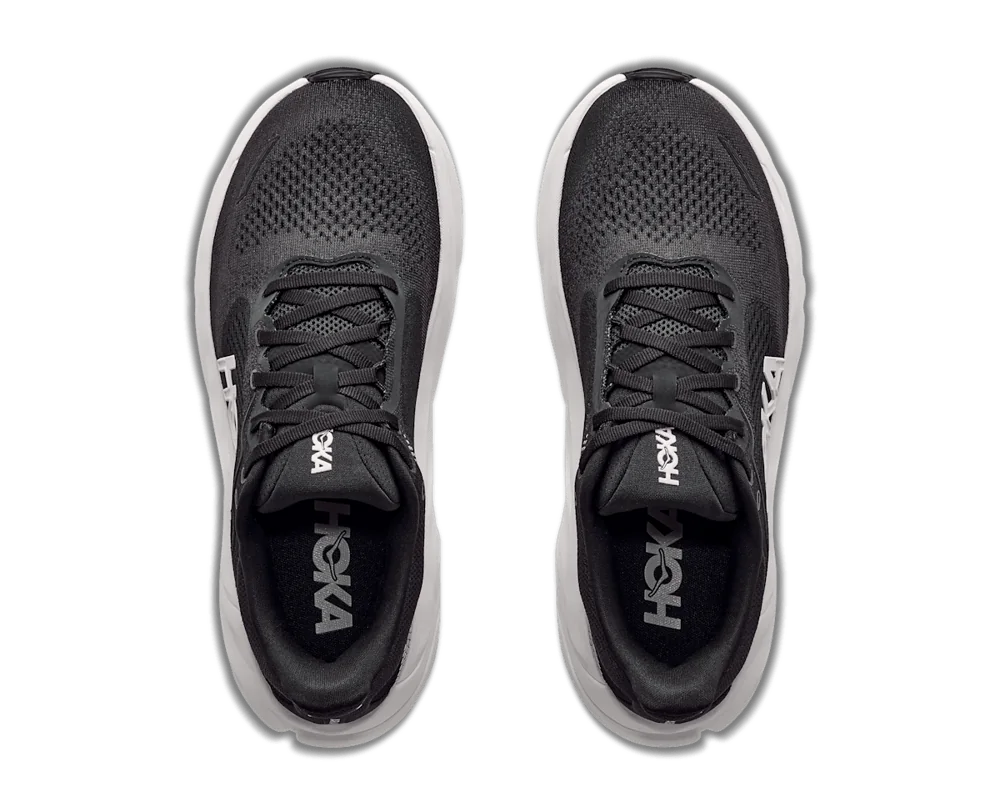
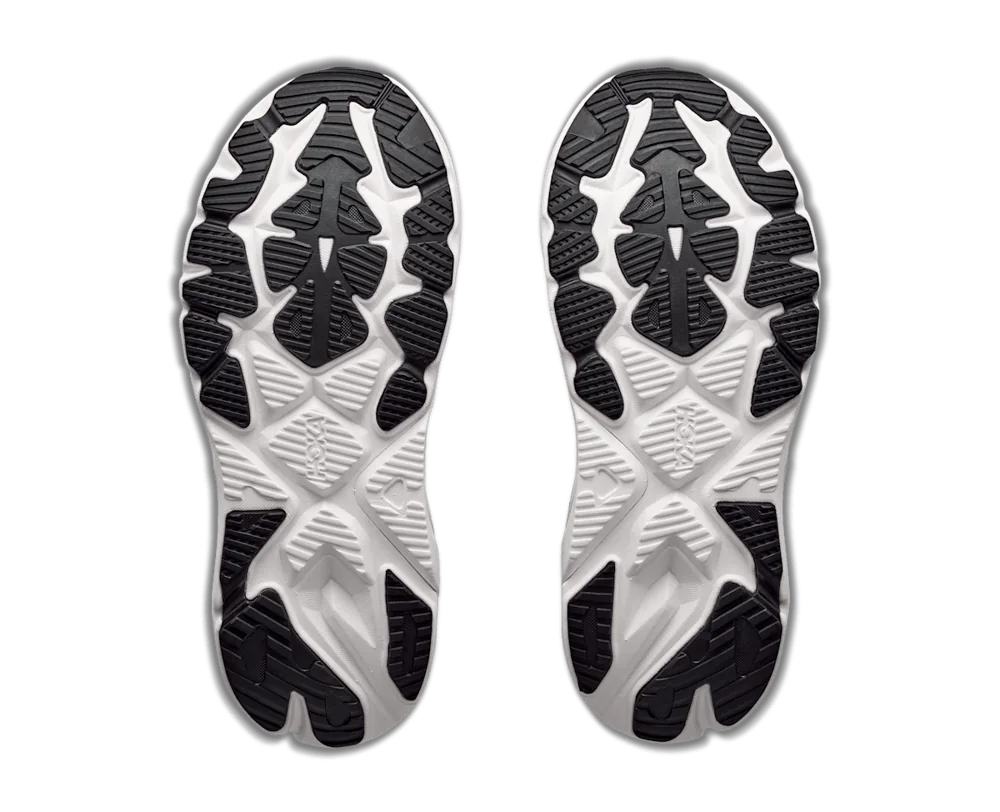
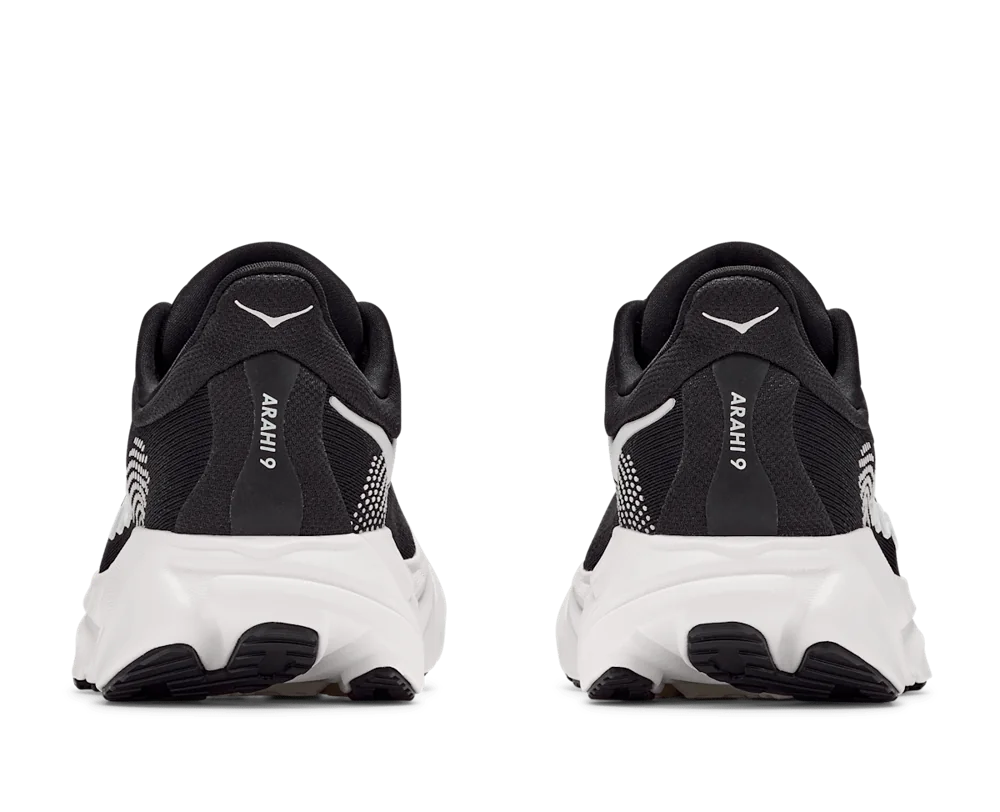
| Best lightweight stability | HOKA Arahi 9 | H-Frame guidance at a lower weight, with 2E and 4E options | Check price on Amazon |
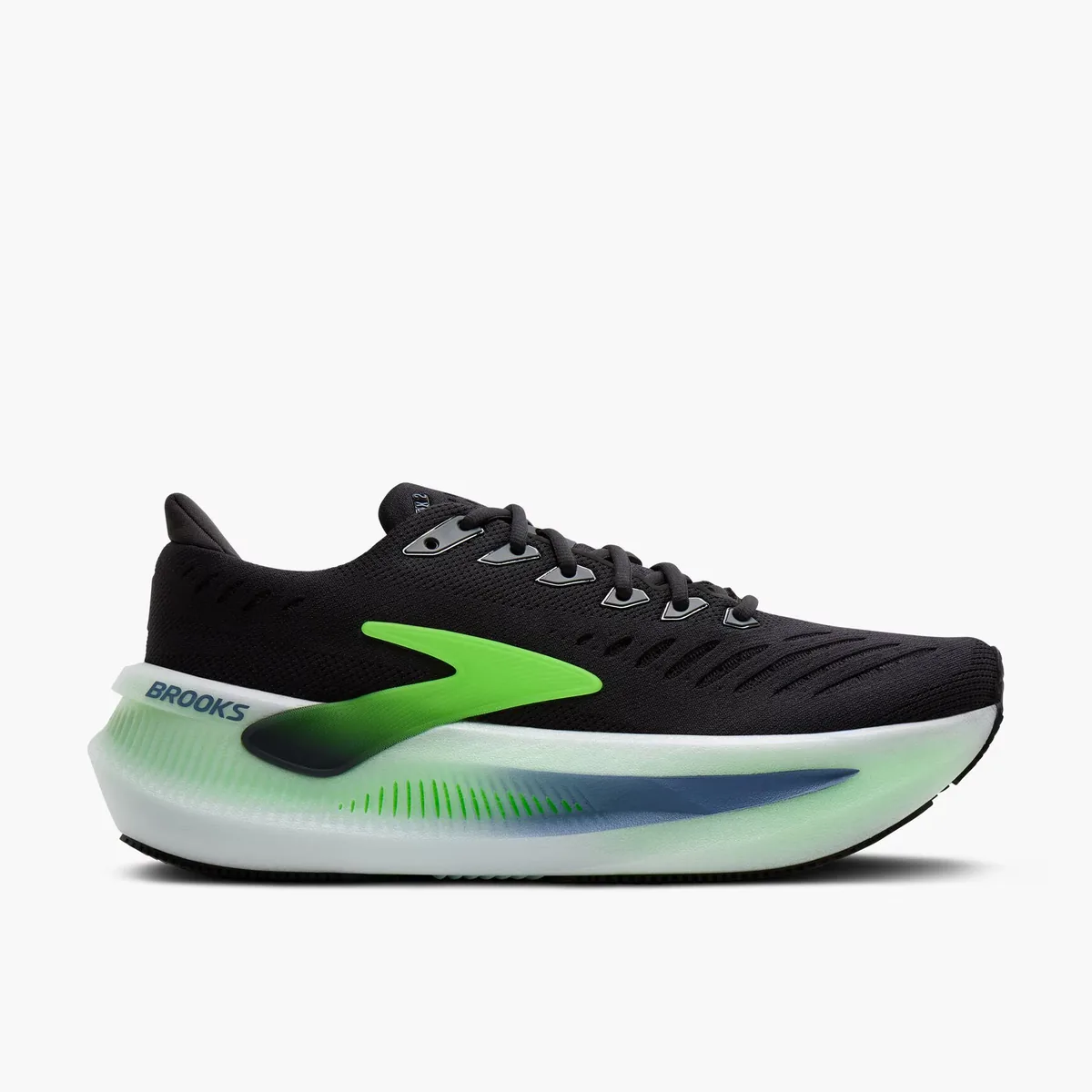
| Best max stack | Brooks Glycerin Max 2 | 45 mm of DNA TUNED foam under the heel for easy, slow miles | Check price on Amazon |
| Best roomy toe box | Topo Athletic Atmos 2 | 40 mm of ZipFoam and a wide, anatomical toe box | Check price on Amazon |
The 12 best running shoes for heavy men, reviewed
Each pick below lists its key specs, why it helps a heavier runner, honest pros and cons, and who should skip it. Specs come from the brand unless we say otherwise. Lab numbers come from RunRepeat.
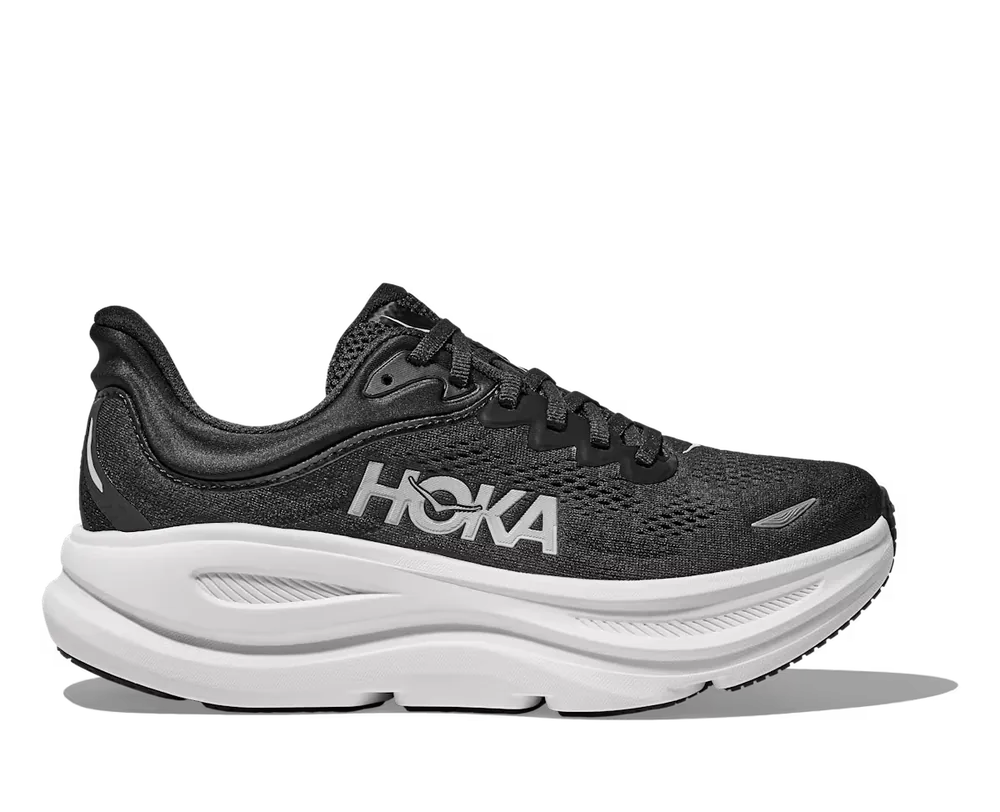
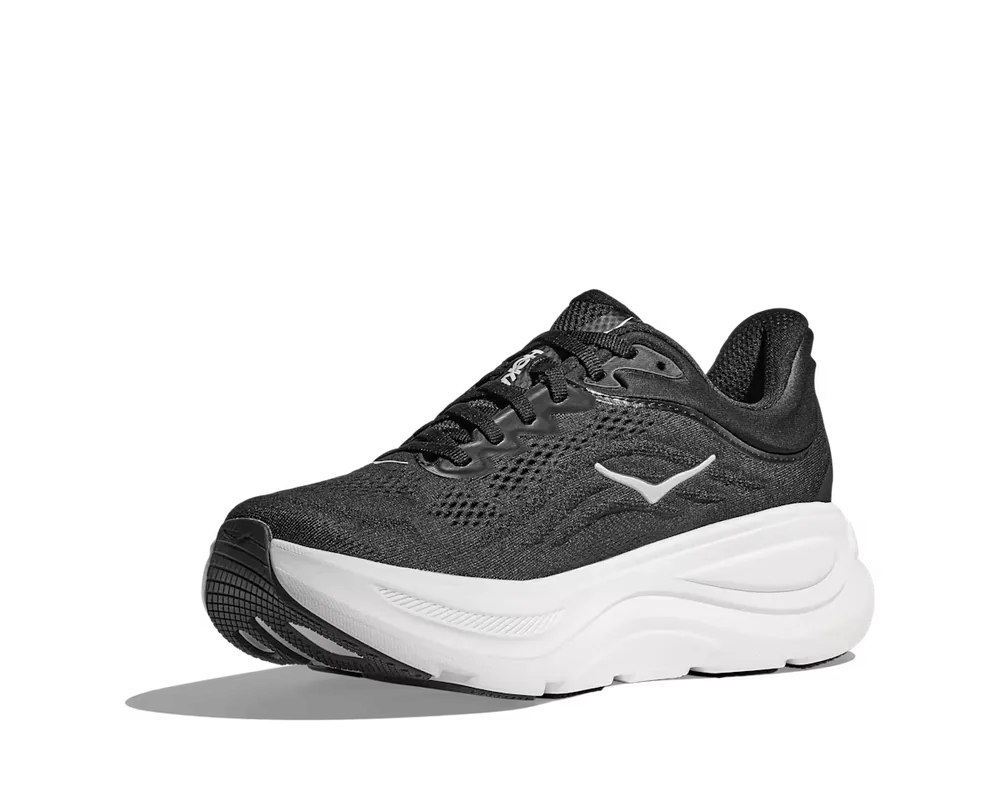
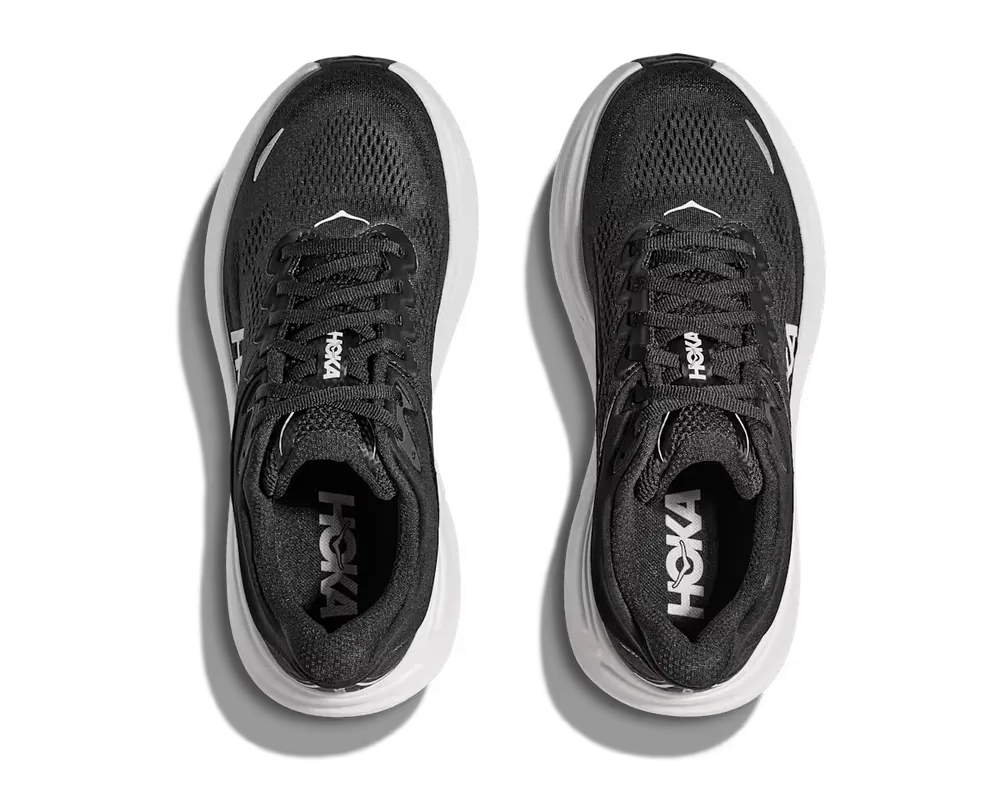
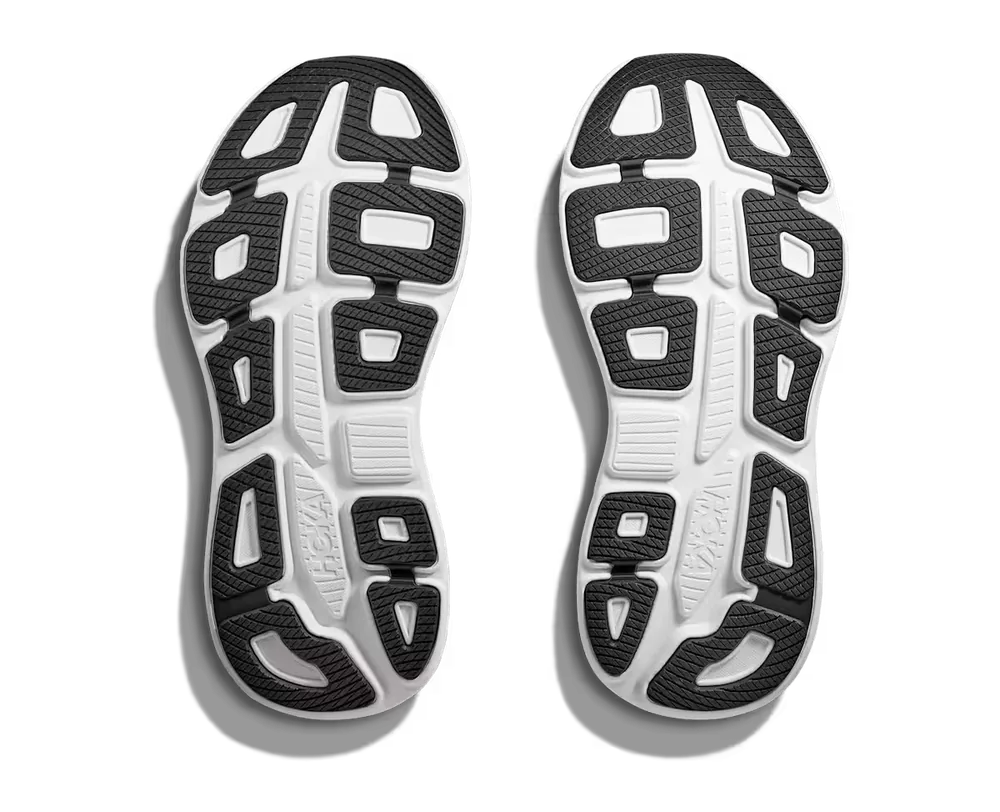
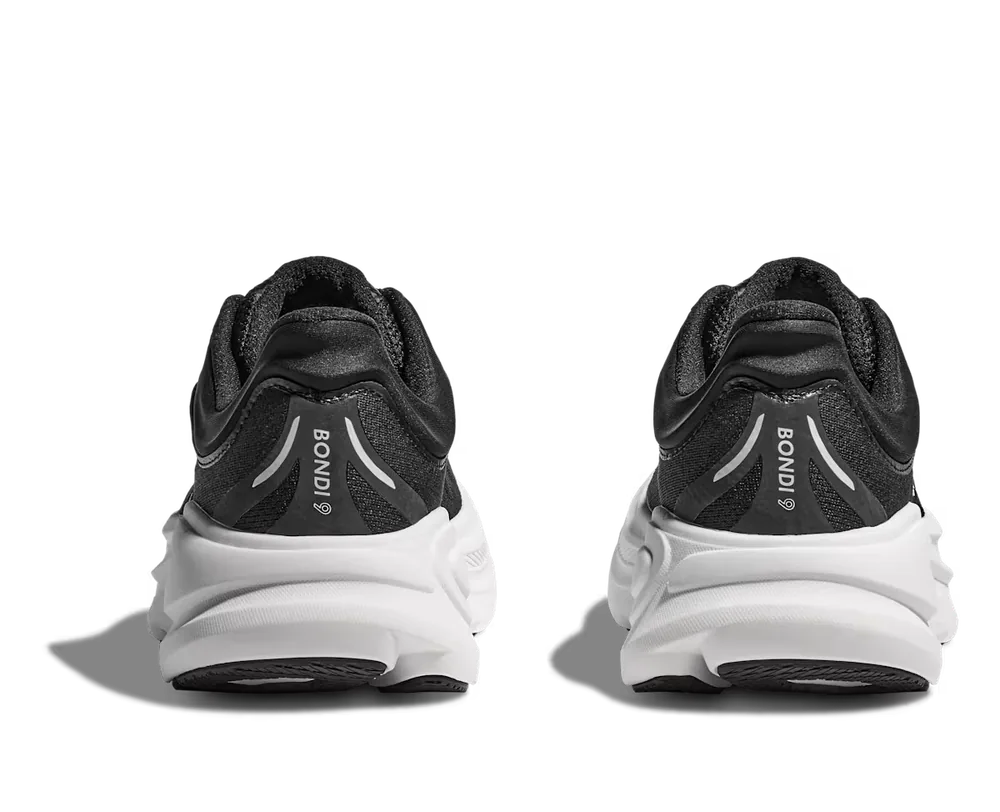
1. HOKA Bondi 9: Best overall for heavy men
Best overall: pick the Bondi 9 if you want one protective daily shoe with a wide, stable base.
- Support: neutral, with a wide platform and midsole sidewalls
- Cushion: supercritical EVA
- Stack: 43 mm heel (brand); 41.3 mm heel / 32.2 mm forefoot in the RunRepeat lab
- Drop: 5 mm brand, 9.1 mm lab
- Weight: 297 g brand; 303 g (10.7 oz) lab, men’s US 9
- Widths: regular, wide, and extra wide
- Source: HOKA Bondi 9 product page and RunRepeat lab guide
RunRepeat named the Bondi 9 its top shoe for heavy men. The lab measured 146 SA of heel shock absorption from that 41.3 mm stack, plus a midsole 123.1 mm wide at the forefoot. That is a broader base than the 114.3 mm average in its data set.
The foam is firmer than the shoe looks, which helps it stay stable instead of feeling mushy. The Smooth MetaRocker helps your foot roll forward. The trade-off is weight, and the standard toe box can feel snug. If your forefoot is wide, order a wide or extra-wide pair.
Pros
- High heel shock absorption: 146 SA in the RunRepeat lab
- Wide, stable base with midsole sidewalls
- Supercritical EVA feels plush but not floppy
- Works for walking days as well as easy runs
- Regular, wide, and extra-wide options
Cons
- It is a heavy shoe at about 300 g. Keep it for easy miles, not speed work.
- The standard toe box runs snug. Wide-foot runners should pick a wide or extra-wide pair.
Who it’s for: heavier runners who want max cushion and a sure landing on easy days. Skip it if: you need strong arch guidance; try the Glycerin GTS 23 or the Kayano 33.
Want a short look at the new foam and collar? This official HOKA video walks through the Bondi 9 updates.
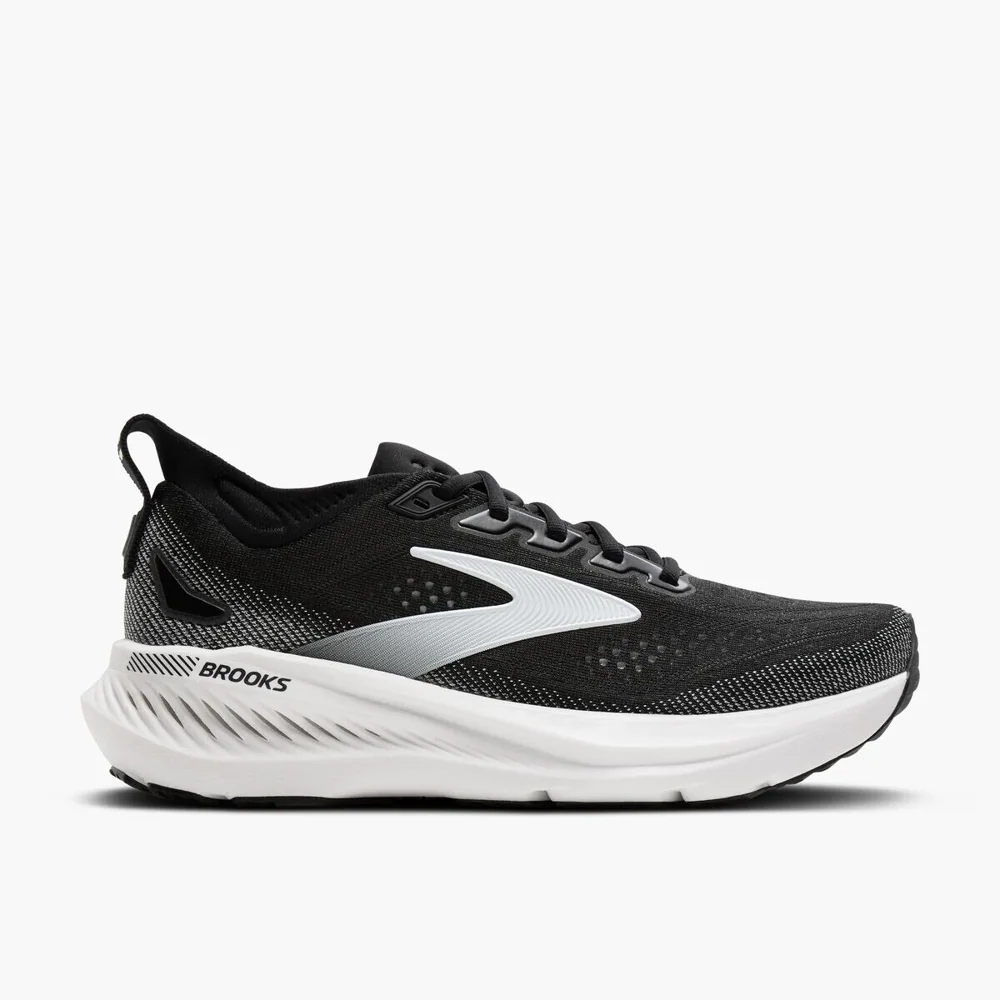
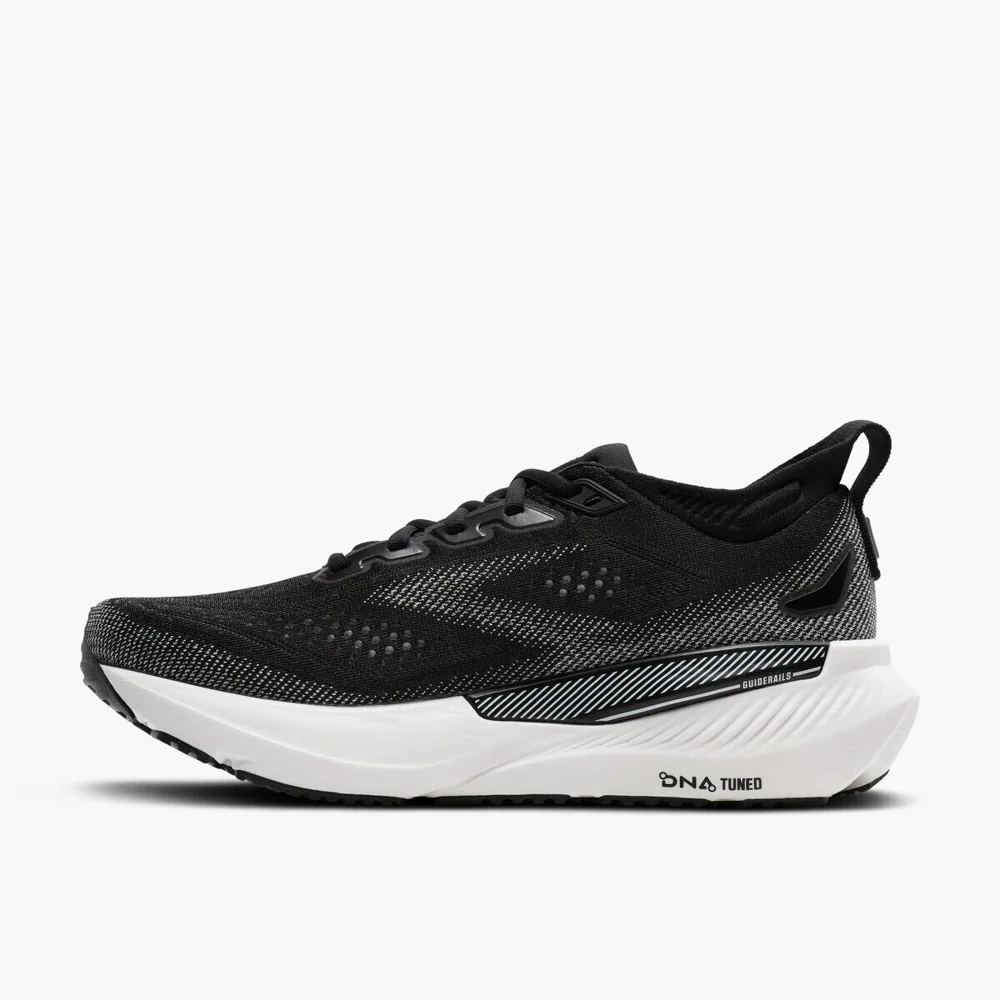
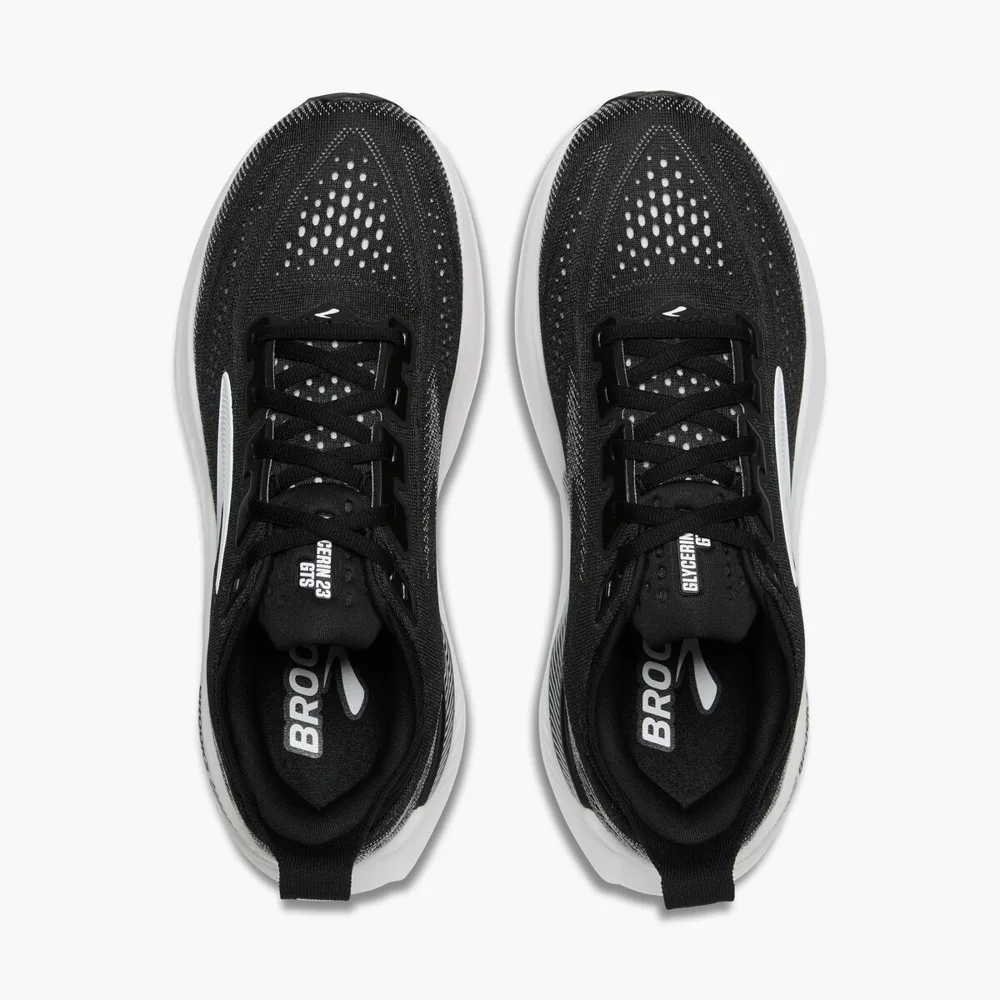
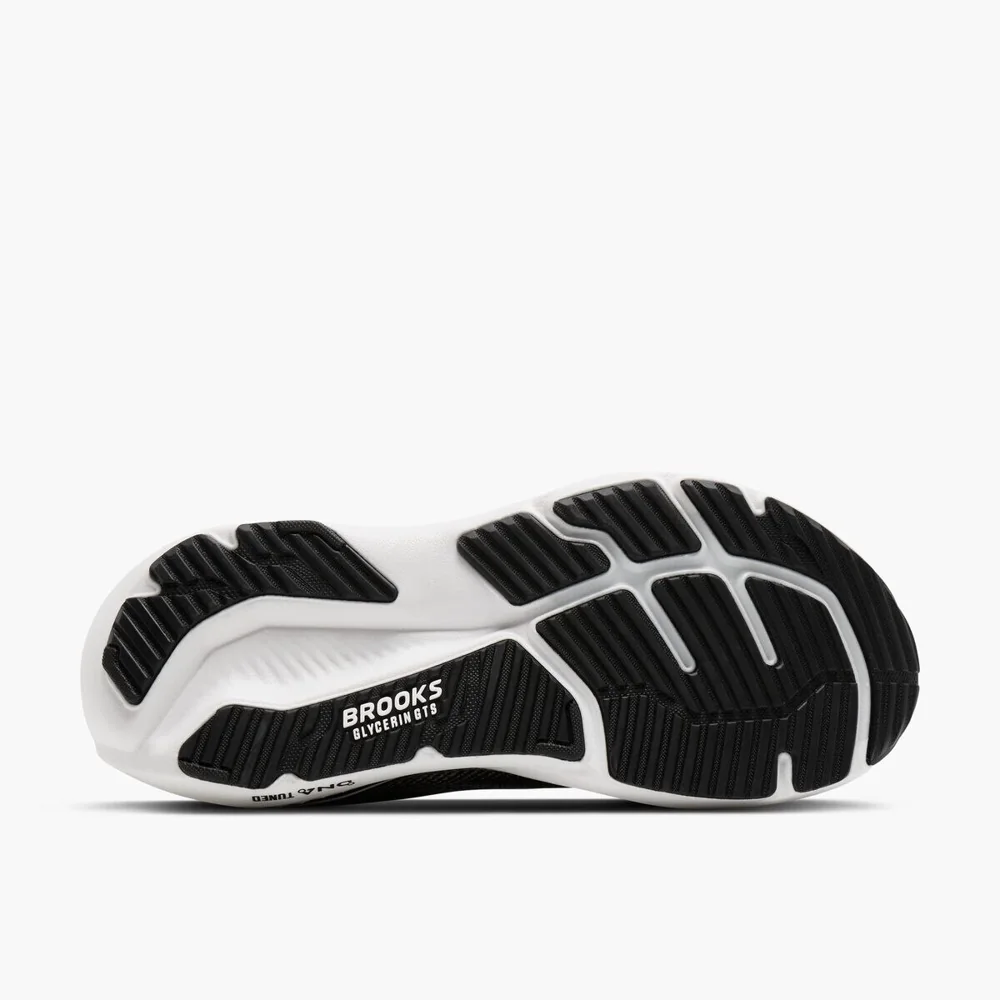
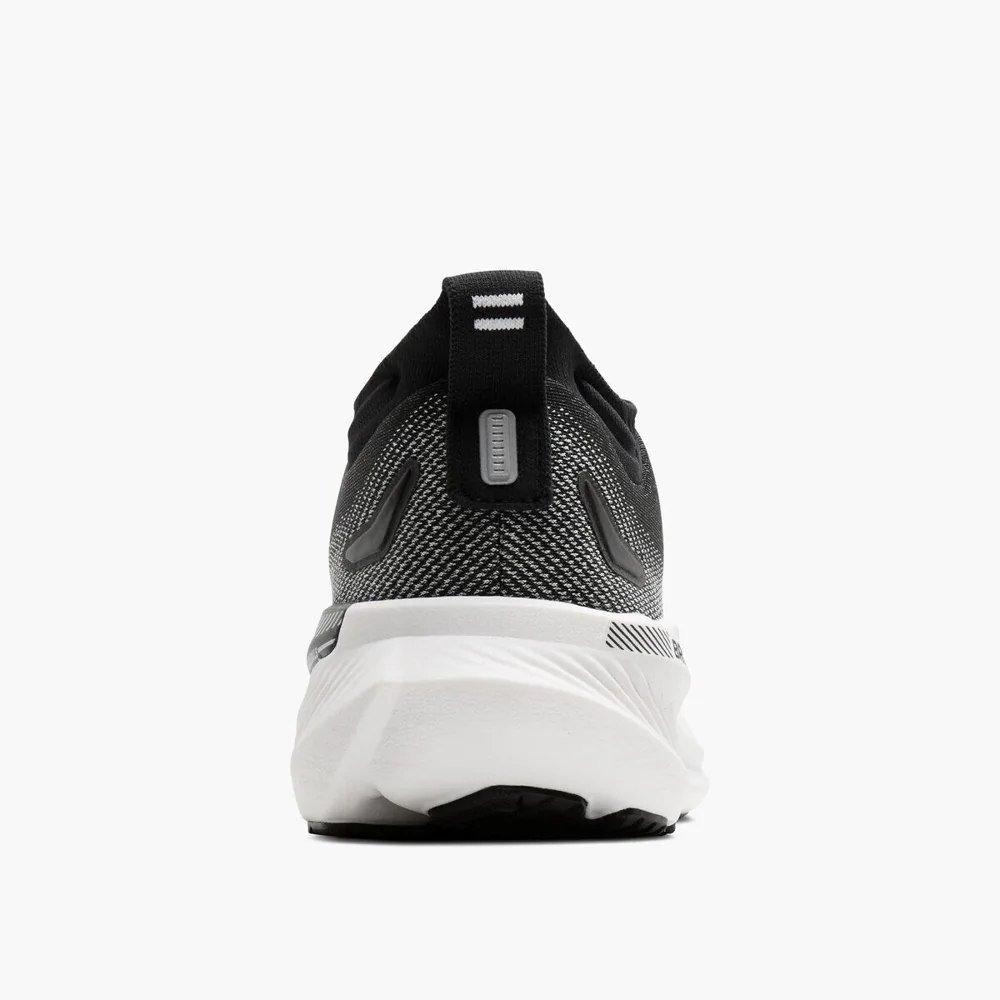
2. Brooks Glycerin GTS 23: Best supportive max cushion
Best supportive max cushion: pick the Glycerin GTS 23 if you want a soft landing and GuideRails support under the arch.
- Support: stability (GuideRails)
- Cushion: nitrogen-infused DNA TUNED, with 2 mm more foam in the forefoot
- Stack: 38 mm heel (Brooks Spring 2026 catalog)
- Drop: 8 mm
- Weight: 11.0 oz / 311.8 g, men’s
- Widths: medium, wide, and extra wide
- Source: Brooks Glycerin GTS 23 product page and Brooks Spring 2026 catalog. RunRepeat has not lab-tested this model, so we list no shock-absorption figure for it.
This is the better pick when a neutral max-cushion shoe feels wobbly. GuideRails are built to keep extra movement in check without a hard post under the arch. Brooks also added 2 mm more DNA TUNED foam in the forefoot, so the toe-off is softer than older Glycerin GTS models.
You get medium, wide, and extra-wide sizes, which matters if a regular last pinches. At 311.8 g it is not a light shoe. That is fair for this much foam and support.
Pros
- GuideRails support with a plush, not harsh, ride
- 2 mm more DNA TUNED foam in the forefoot
- Medium, wide, and extra-wide sizes
- 8 mm drop feels familiar for most road runners
- Built for easy days and long runs, per Brooks
Cons
- No independent lab test yet, so we cannot quote a firmness or shock-absorption score.
- At 311.8 g it can feel bulky if you want a lighter daily trainer. Try the Arahi 9 in that case.
Who it’s for: heavier runners who overpronate and still want a soft shoe. Skip it if: you are a neutral runner who prefers a firmer, lighter ride.
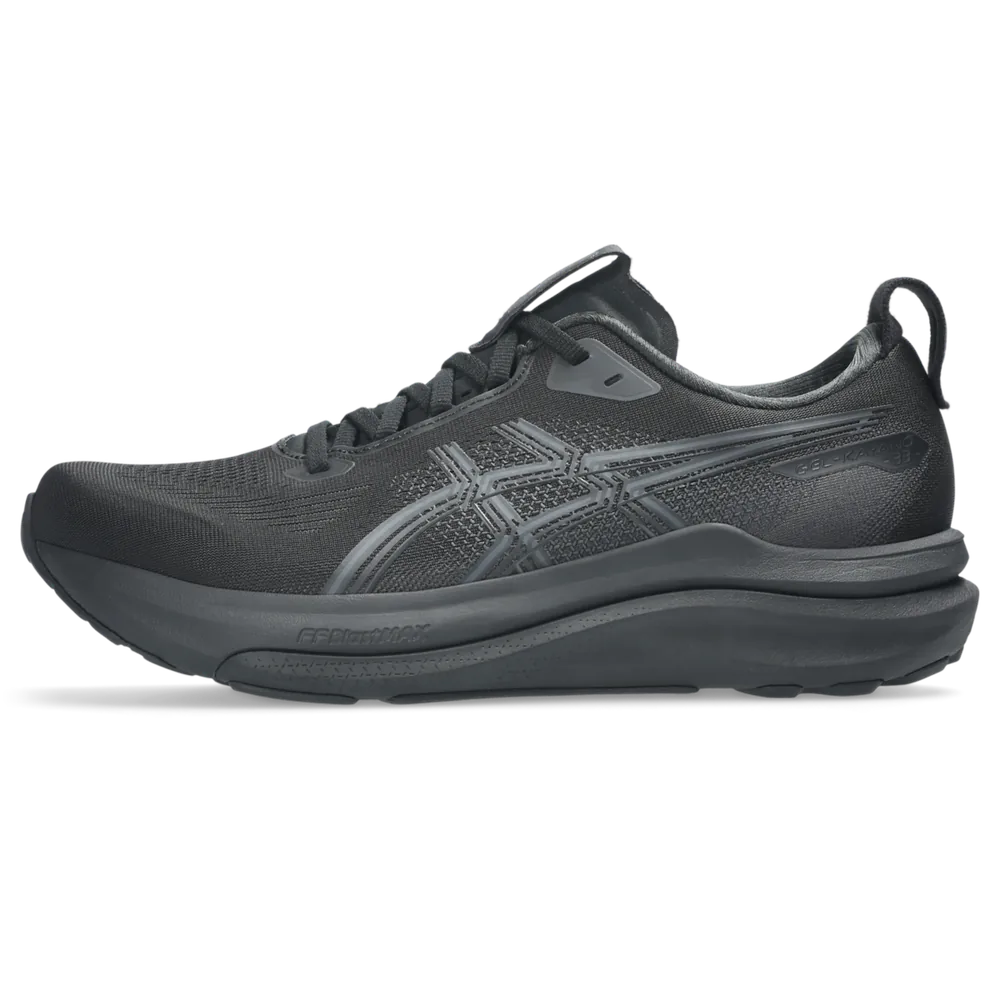
3. ASICS Gel-Kayano 33: Best stability for heavy overpronators
Best stability: pick the Kayano 33 if your ankles roll in and you want a locked-in heel.
- Support: stability (FLUIDSUPPORT)
- Cushion: FF BLAST PLUS and FF BLAST MAX
- Stack: 39 mm heel brand; 36.8 mm heel / 28.3 mm forefoot lab
- Drop: 8 mm brand, 8.5 mm lab
- Weight: 298 g / 10.5 oz, men’s
- Widths: standard and wide; extra-wide is listed in RunRepeat’s brand table
- Source: ASICS Gel-Kayano 33 product page and RunRepeat lab comparison
The Kayano is ASICS’ flagship support shoe, and the 33 keeps that role. RunRepeat measured a stiff heel counter and stiff torsion, which hold the rearfoot in place. Heel shock absorption was 132 SA, so you still get a cushioned landing.
The top foam layer is the softest Kayano RunRepeat has measured, at 32.8 AC. It does not feel like a harsh motion-control brick. If you only need light guidance, the Adrenaline GTS 25 is a simpler daily option.
Pros
- Strong heel lockdown from a stiff heel counter
- 132 SA of heel shock absorption in the lab
- Softer top foam than older Kayano models
- Wide (and extra-wide, per RunRepeat) size options
- 8 mm drop is easy to adapt to
Cons
- It is not a rocker shoe, so the ride can feel more traditional than the Bondi or Ghost Max.
- At 298 g it is not the shoe for fast workouts. Keep it for easy and long days.
Who it’s for: heavier runners who overpronate and want a secure, cushioned stability shoe. Skip it if: you want a rocker or a much lighter trainer.
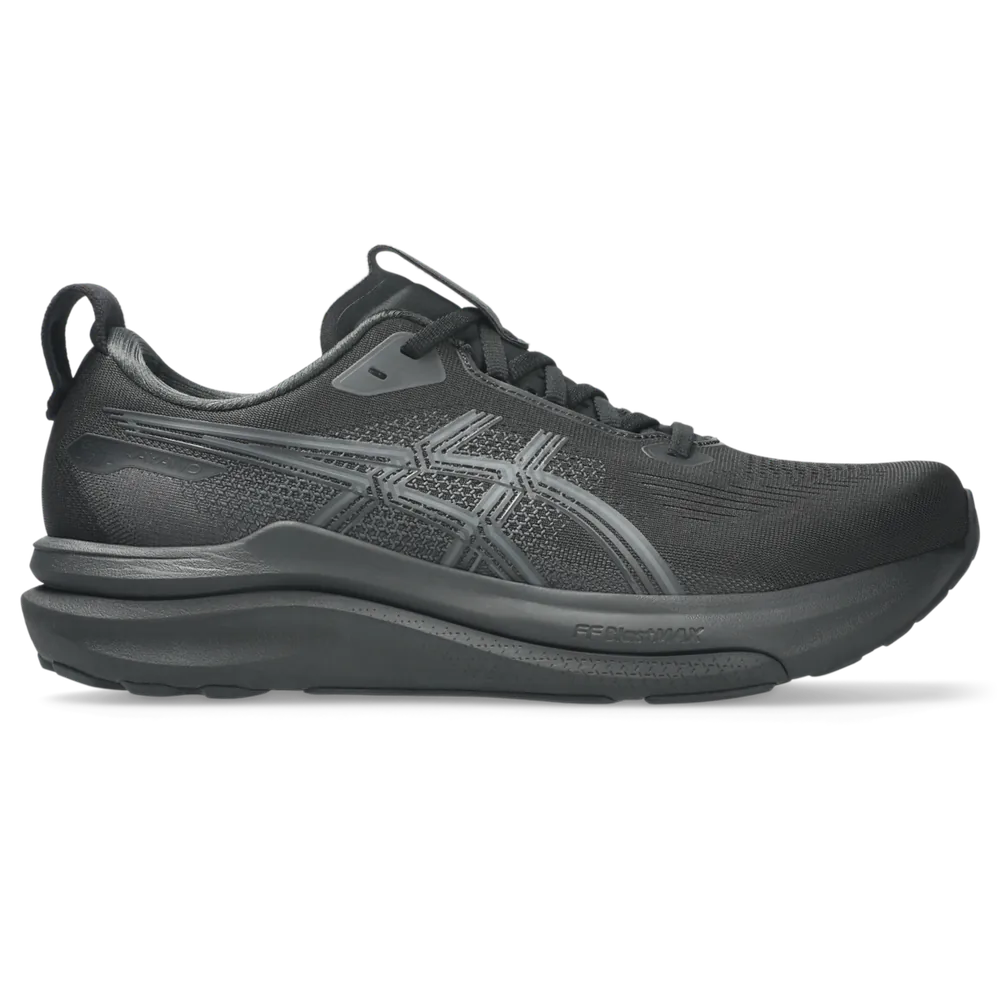
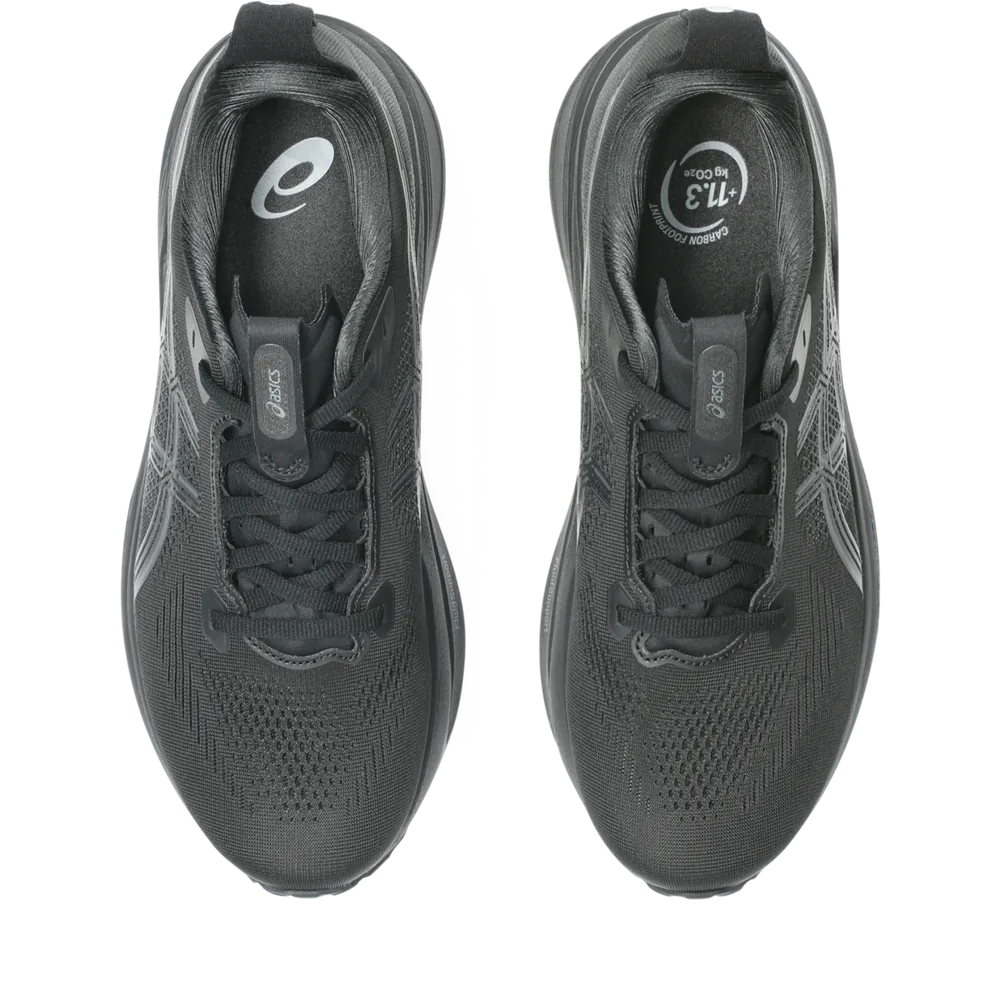
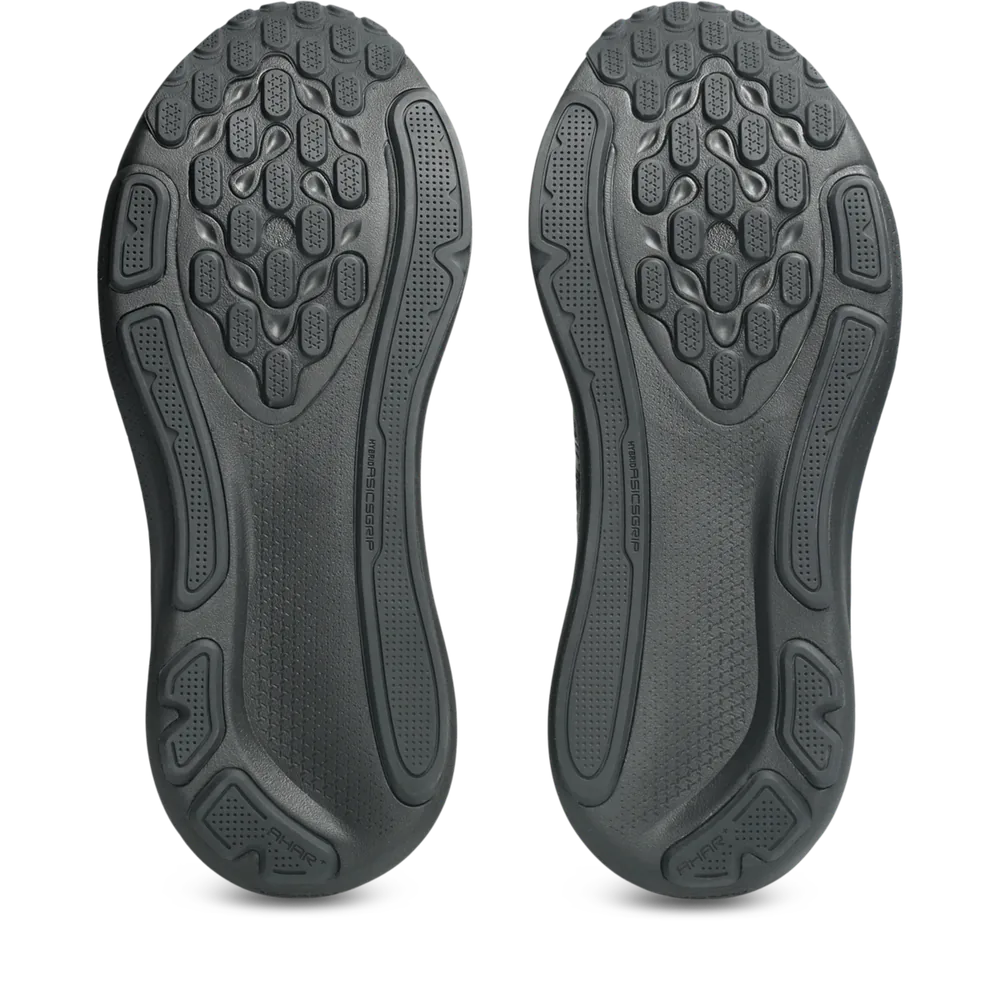
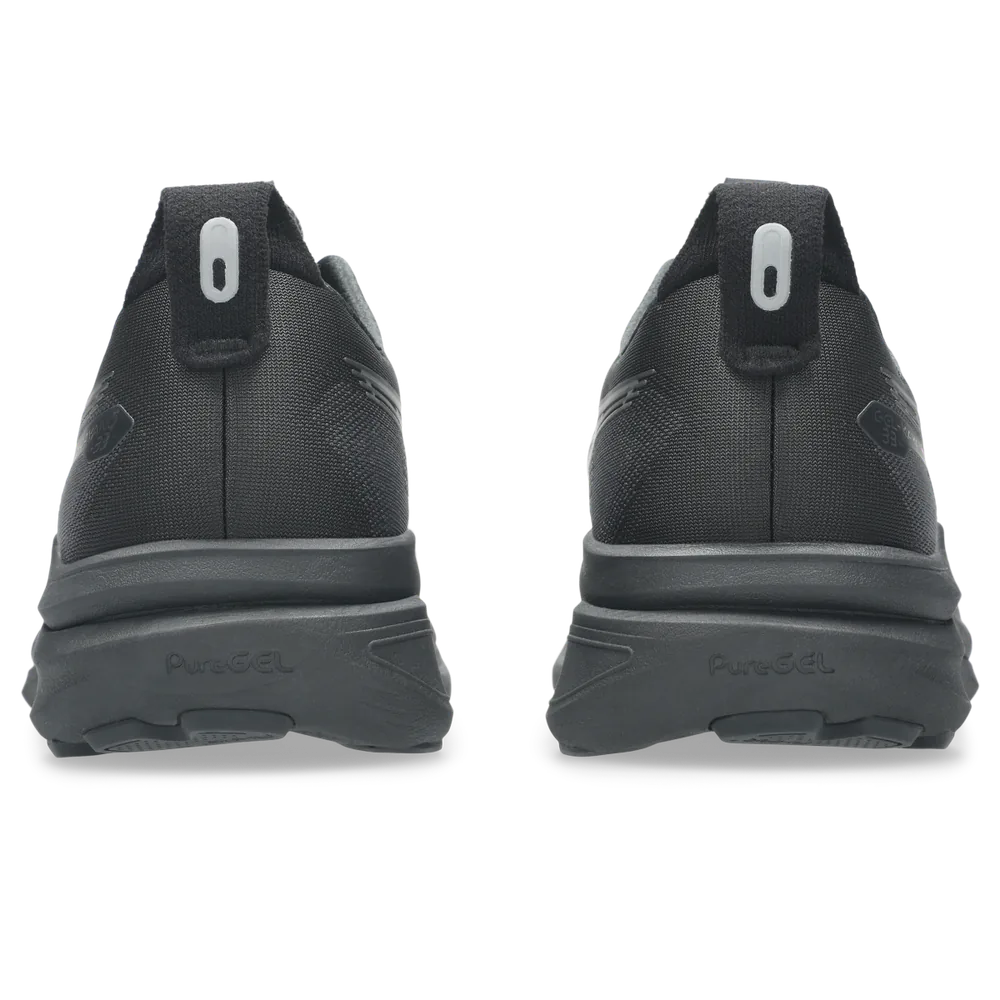
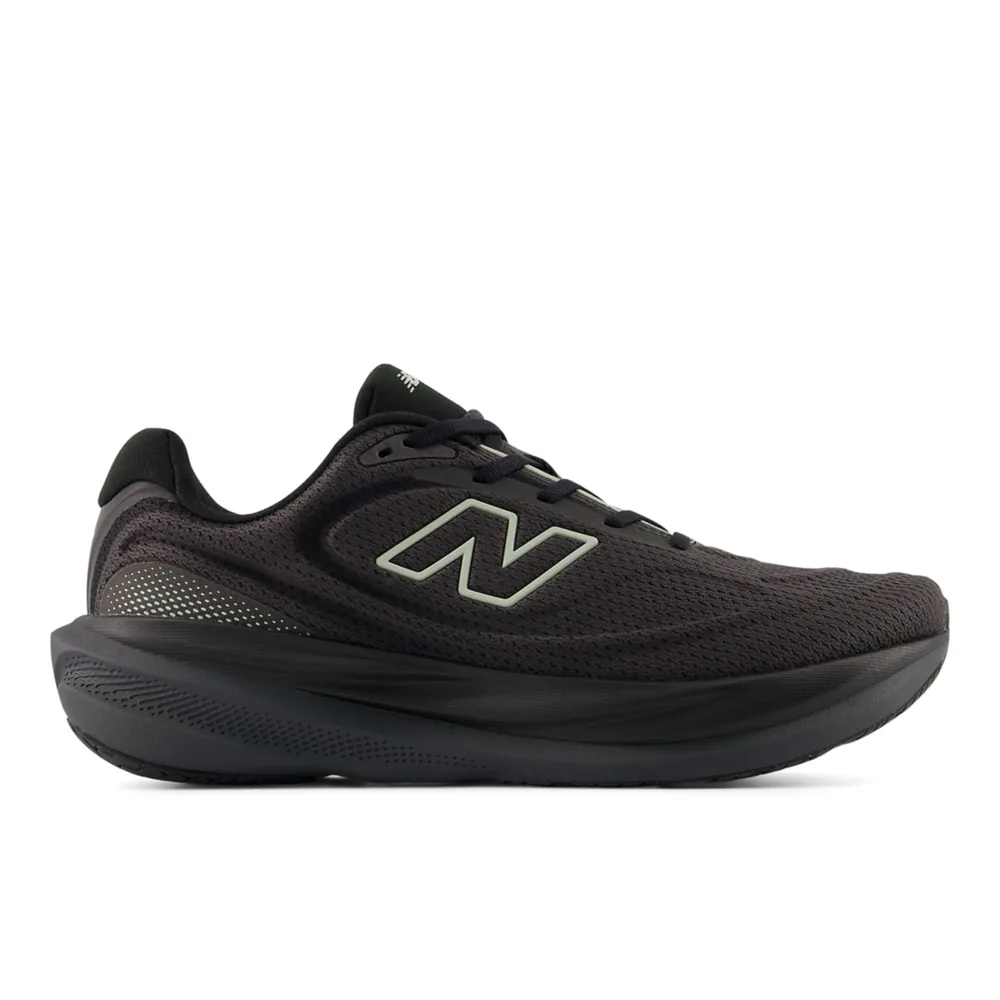
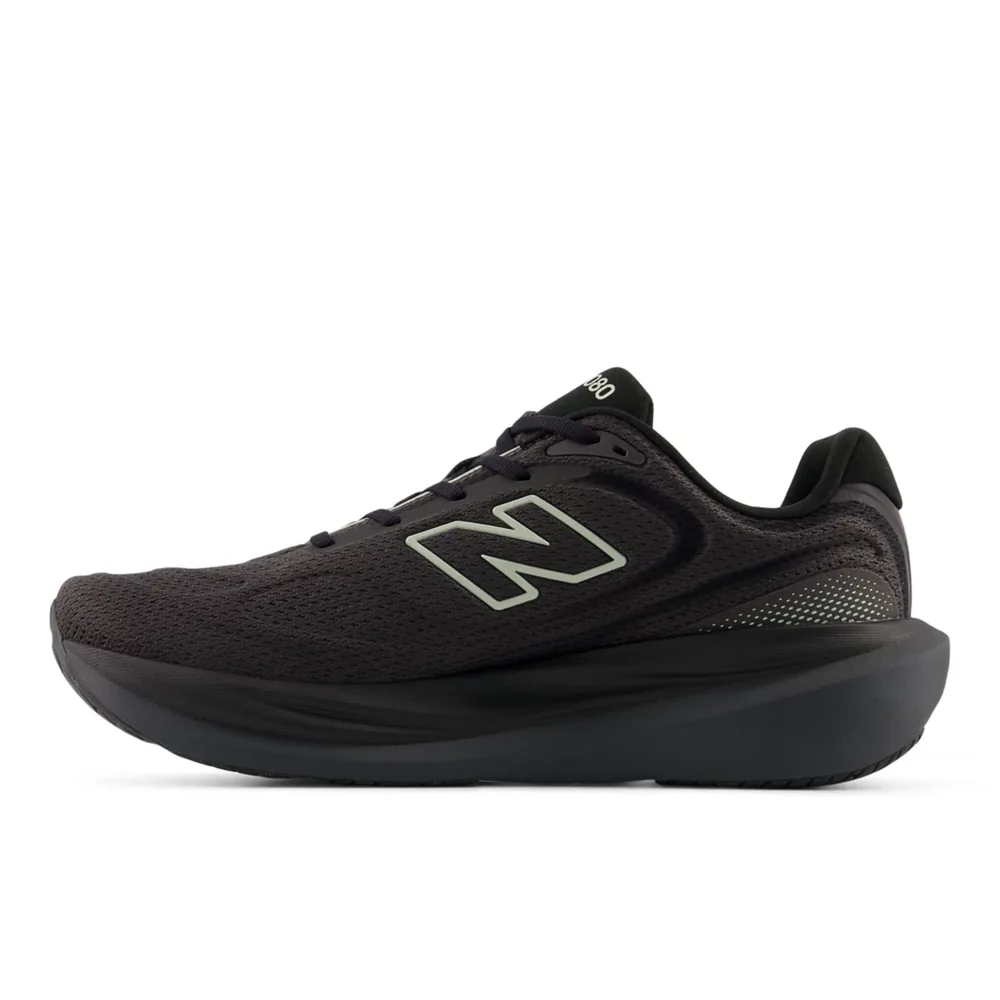
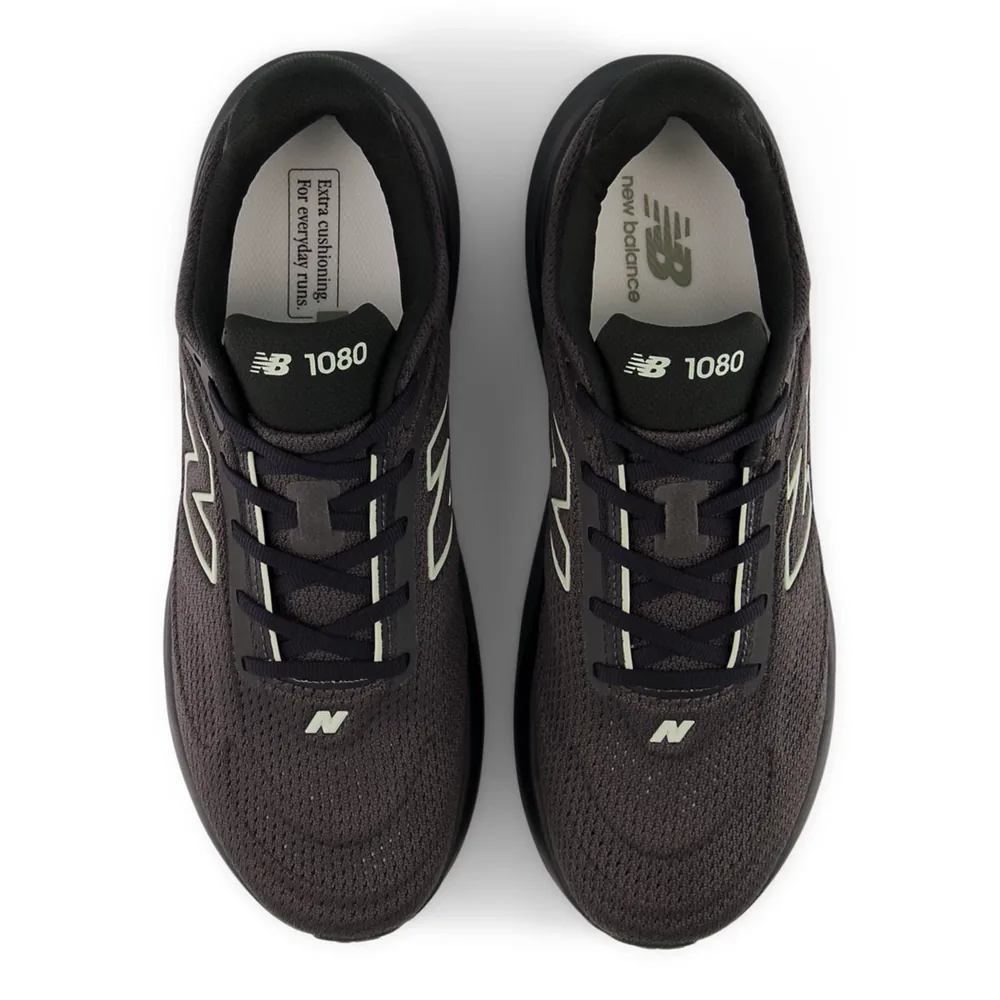
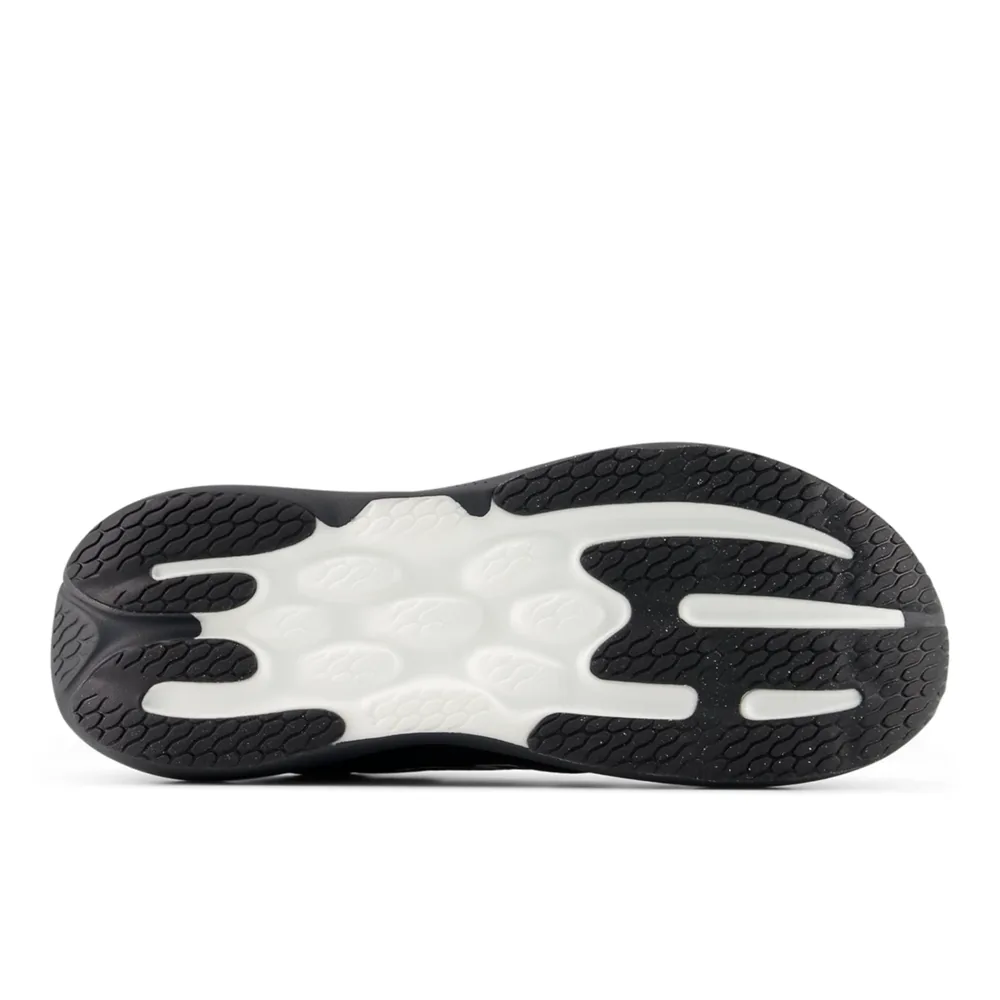
4. New Balance Fresh Foam X 1080 v15: Best for wide feet (2E/4E)
Best for wide feet: pick the 1080 v15 if regular shoes squeeze the sides of your feet and you want a soft, high-stack ride.
- Support: neutral
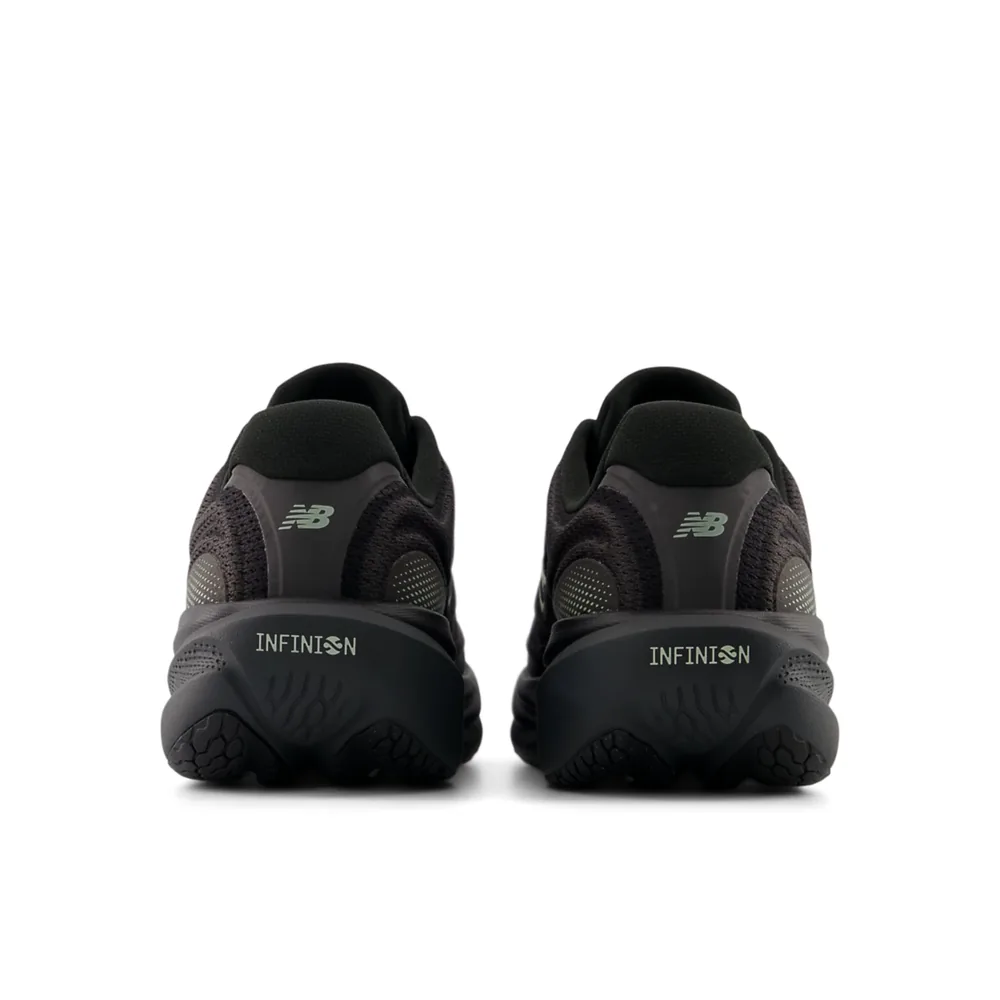
- Cushion: Fresh Foam X (Infinion), soft
- Stack: 40 mm heel / 34 mm forefoot brand; 37.0 mm / 30.6 mm lab
- Drop: 6 mm brand, 6.4 mm lab
- Weight: 261 g brand; 255 g lab, men’s
- Widths: narrow, standard, wide (2E), extra wide (4E)
- Source: New Balance 1080 v15 specs via our wide toe box guide and RunRepeat lab data
This is the width king on the list. You can get narrow through 4E, so you do not have to size up and hope. RunRepeat measured 147 SA of heel shock absorption, the highest of the lab-tested shoes we also cover on our plantar fasciitis guide.
The foam is very soft, at 21.5 AC in that same lab test. That plush feel is why wide-foot runners like it, and why it is a weaker pick if you overpronate. RunRepeat scored stability at 63. If your ankles roll in, choose a stability shoe in 2E or 4E instead.
Pros
- Four widths, including extra wide (4E)
- Highest heel shock absorption of our lab-tested overlap picks: 147 SA
- Lighter than most max-cushion shoes, at about 255 to 261 g
- Soft, plush ride for easy miles
- Removable insole, with a slight rocker
Cons
- The midsole is very soft (21.5 AC). If you need a firmer, more guided ride, pick the Kayano 33 or Glycerin GTS 23 in a wide size.
Who it’s for: heavier runners who need 2E or 4E and like a soft landing. Skip it if: you overpronate or want a firmer platform.
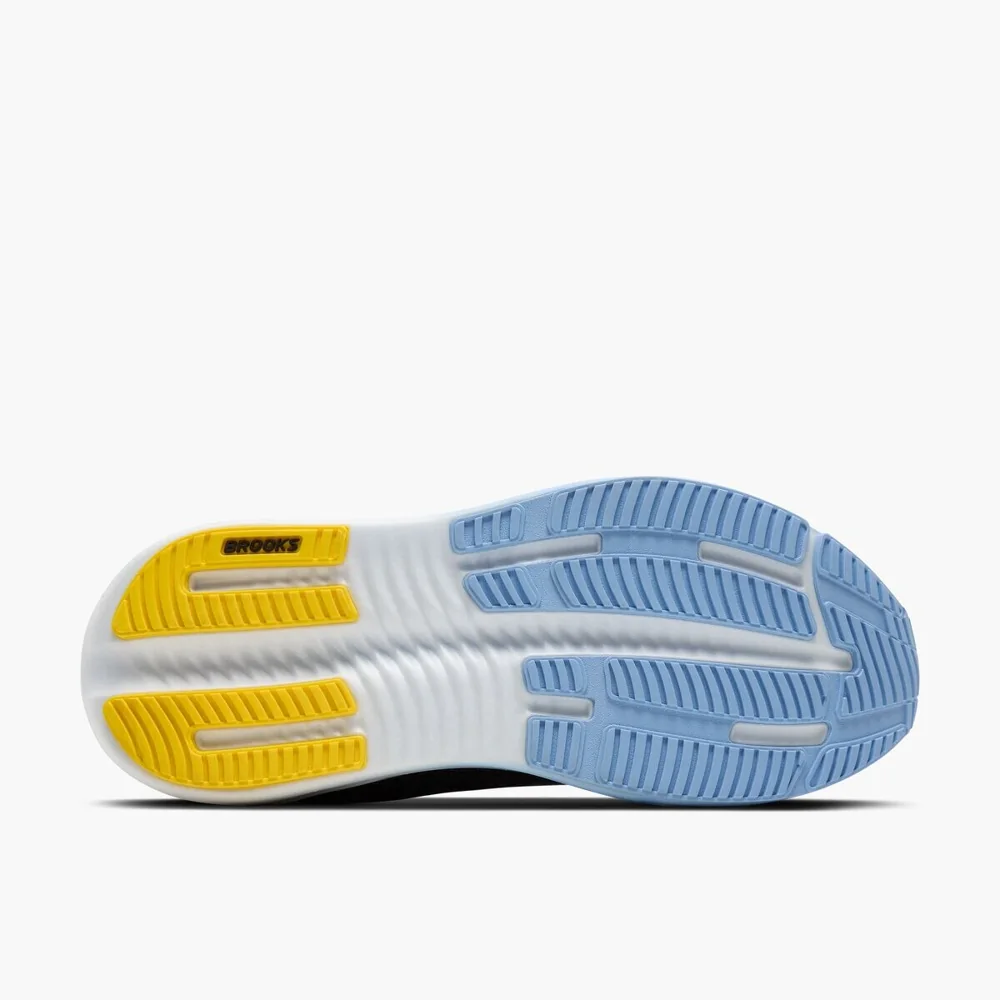
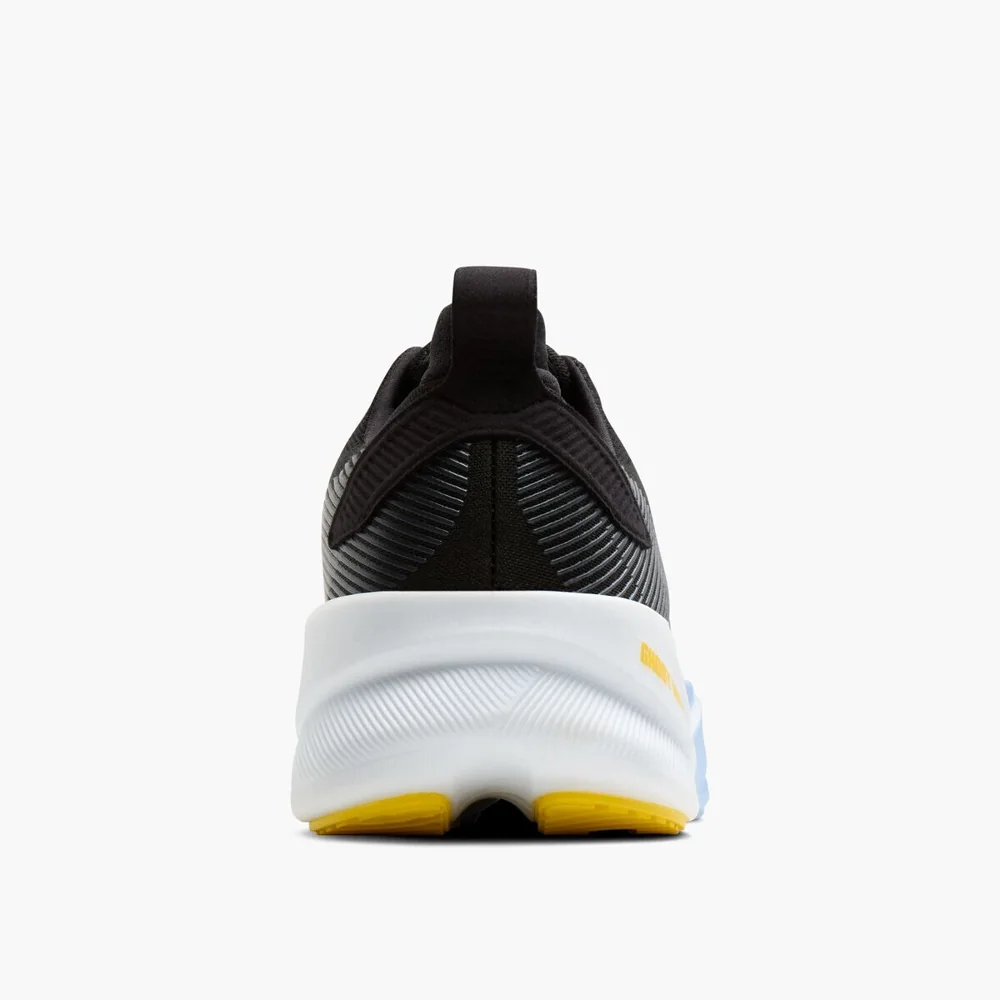
5. Brooks Ghost Max 4: Best rocker for walking + running
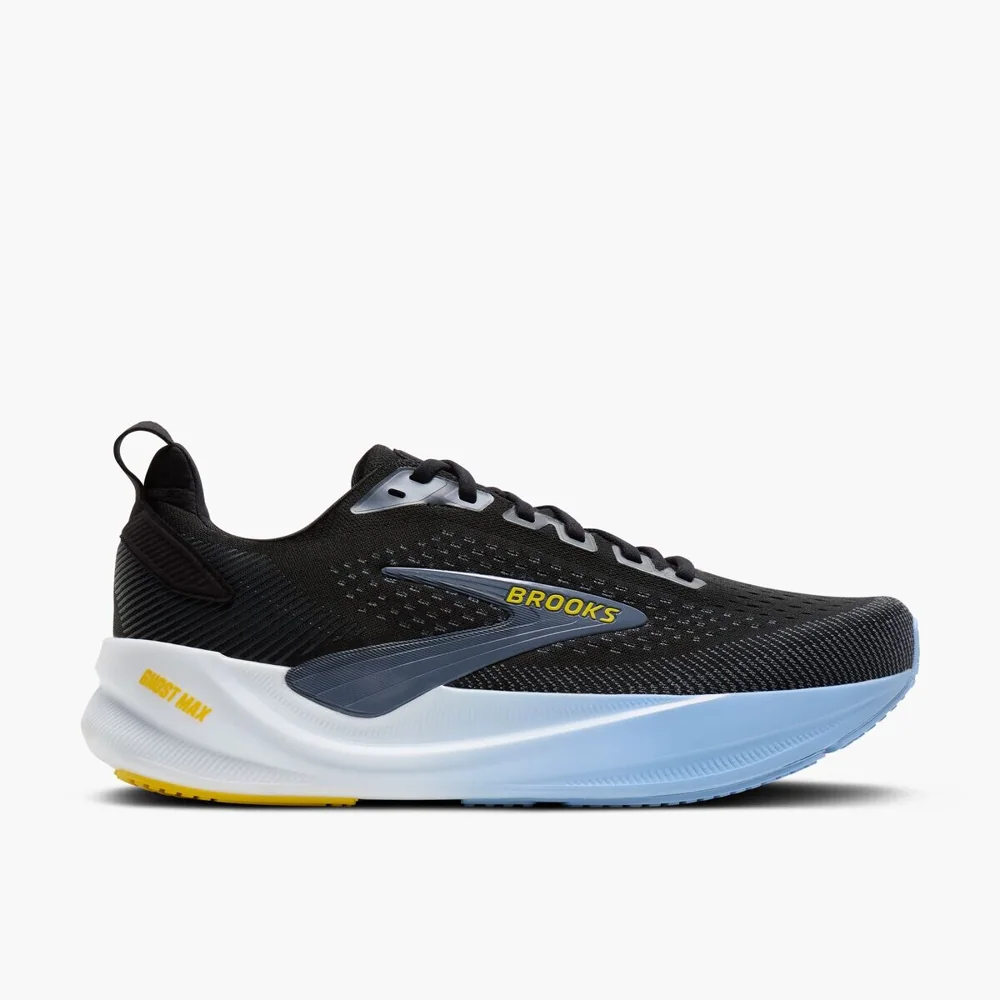
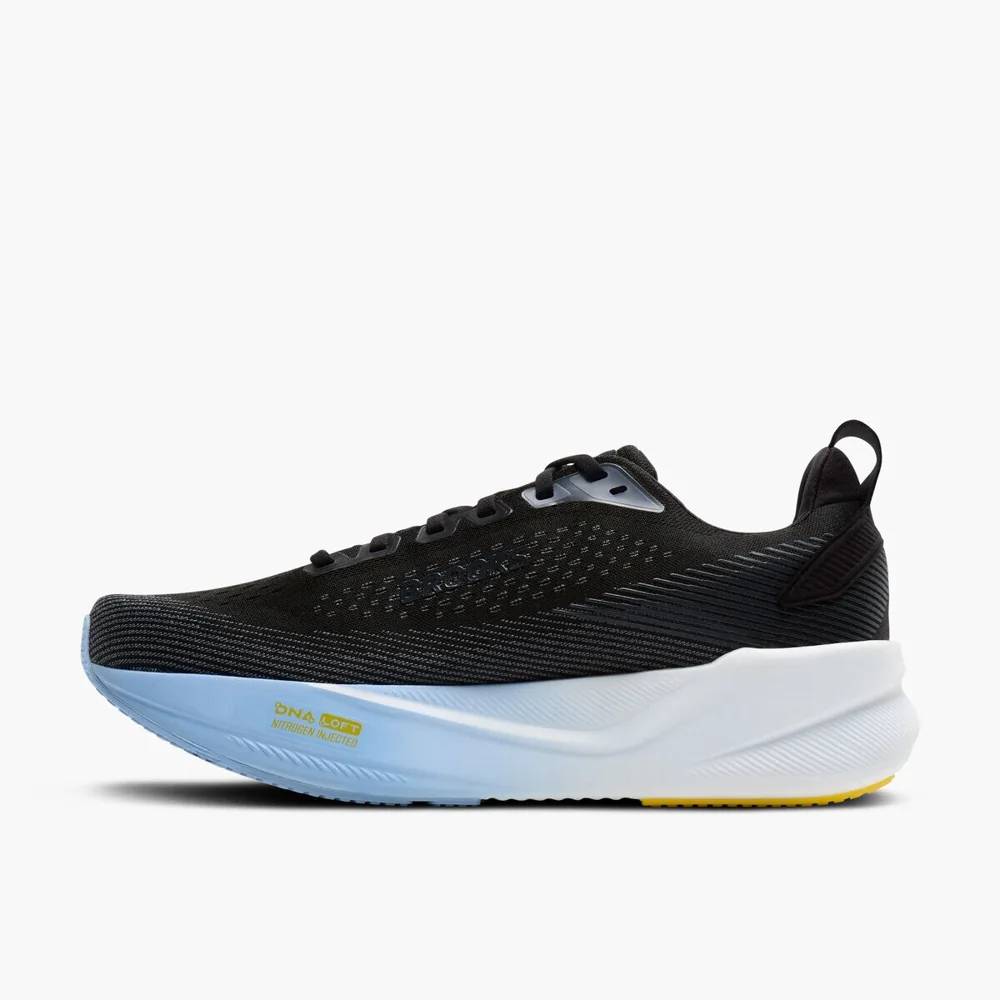
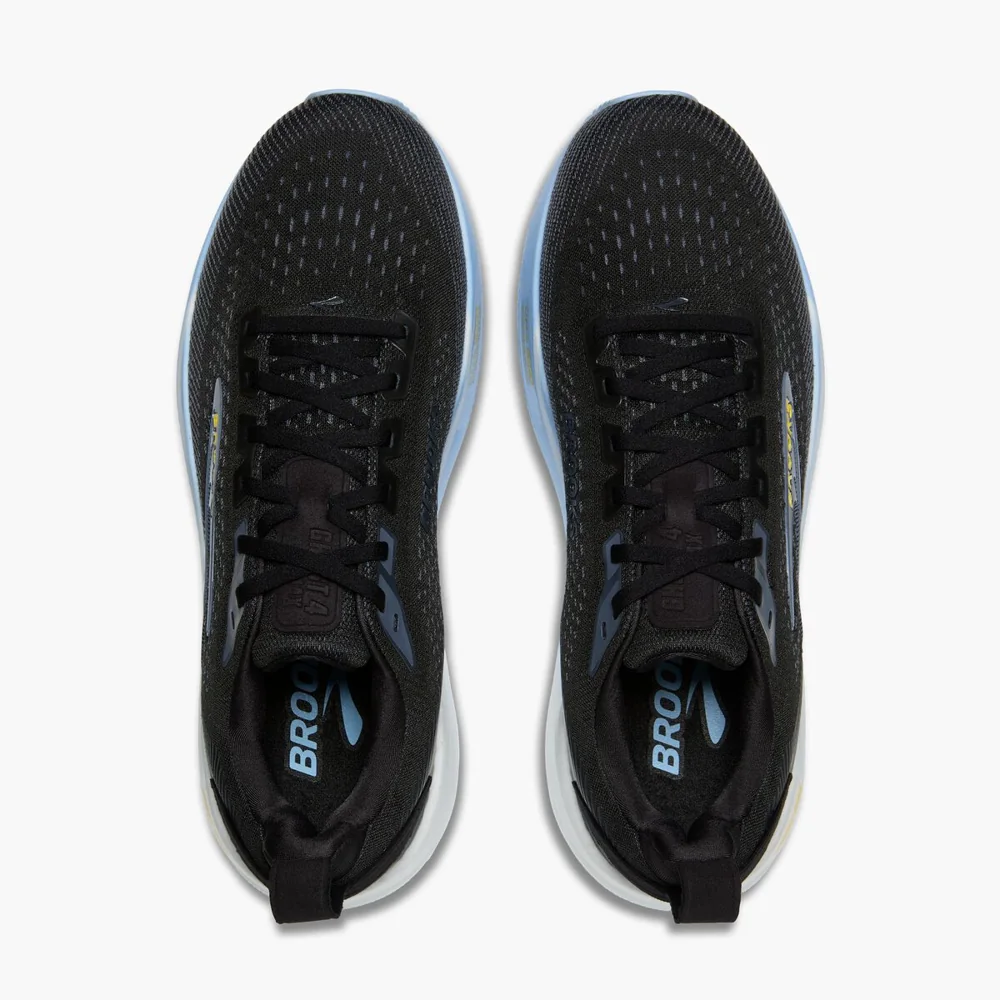
Best rocker for walking + running: pick the Ghost Max 4 if you want a neutral, rockered shoe that also works on long walks.
- Support: neutral, broad base
- Cushion: high-stack foam with a rocker (Brooks)
- Stack: 40 mm heel brand; 38.6 mm lab
- Drop: 6 mm brand, 9.0 mm lab
- Weight: 10.3 oz / 292 g brand; 286 g lab, men’s
- Widths: medium, wide (2E), extra wide (4E)
- Source: Brooks Ghost Max 4 product page and RunRepeat lab data
Brooks built this shoe for daily runs, long runs, and walking, and it leaves extra room for an orthotic. The rocker helps your foot roll from heel to toe, which is useful on tired, heavier days. RunRepeat measured 145 SA at the heel and a 39.7 AC midsole, so the foam is cushioned but controlled.
Lab drop was 9.0 mm even though Brooks lists 6 mm. That higher measured drop can feel familiar if you grew up in classic trainers. If you also want GuideRails, the Glycerin GTS 23 is the supported sibling.
Pros
- Rockered ride that works for walking and easy running
- 145 SA of heel shock absorption in the lab
- Medium, 2E, and 4E widths
- Extra room for an orthotic, per Brooks
- Firmer-than-mushy 39.7 AC midsole
Cons
- It is a neutral shoe. If your ankles roll in, choose the Glycerin GTS 23 or Adrenaline GTS 25 instead.
Who it’s for: heavier runners and walkers who want max cushion without a stability post. Skip it if: you need structured support.
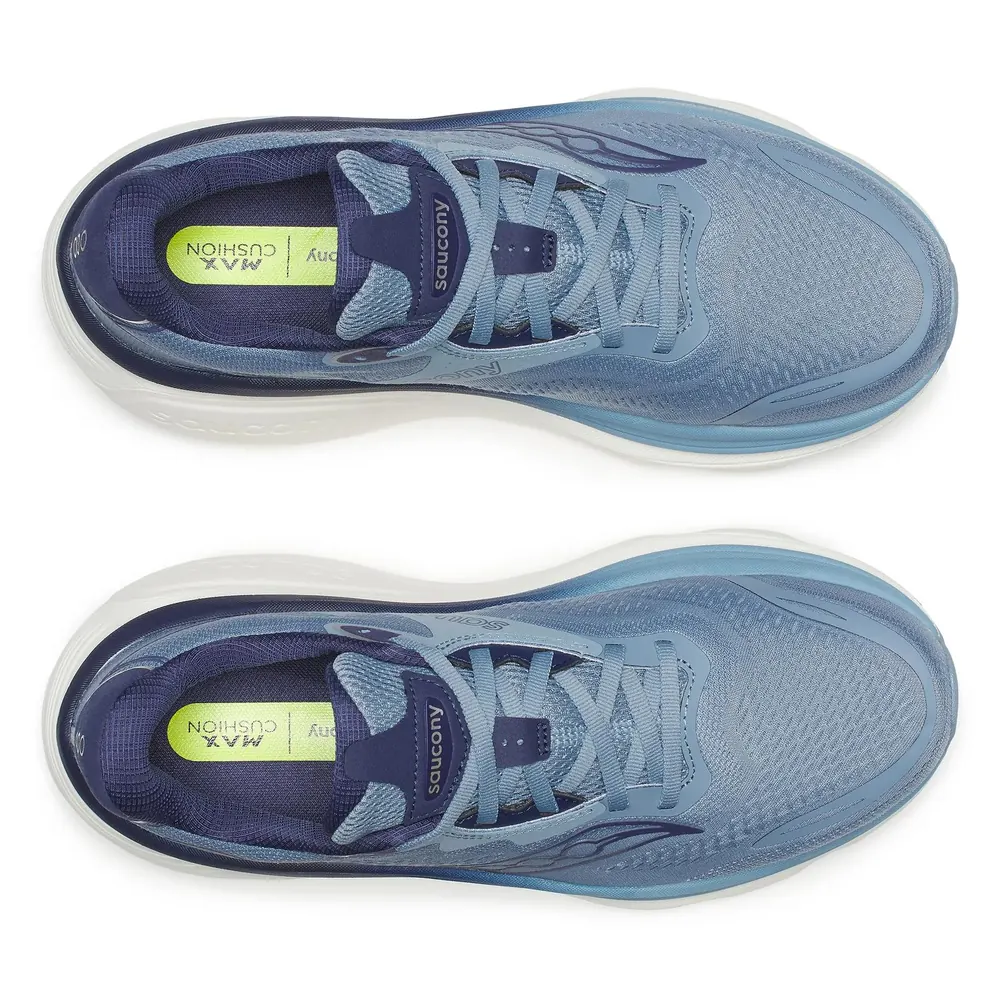
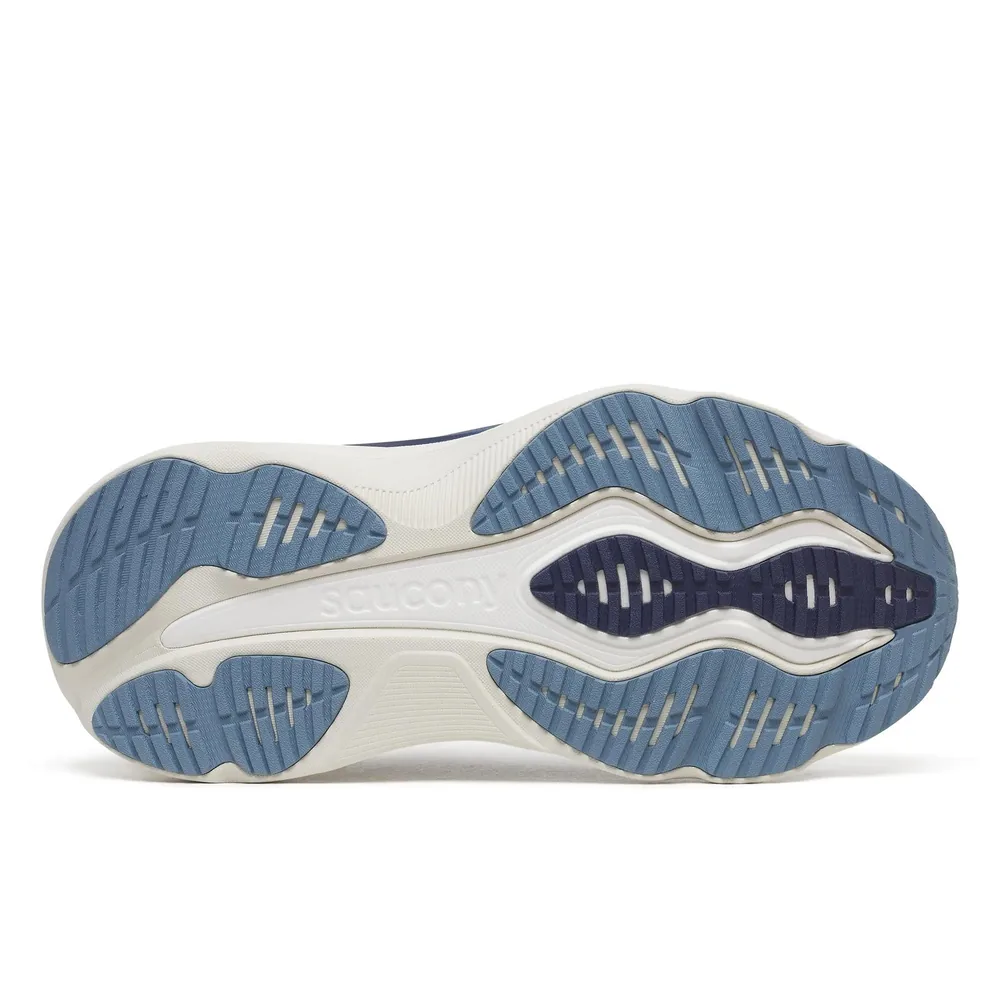
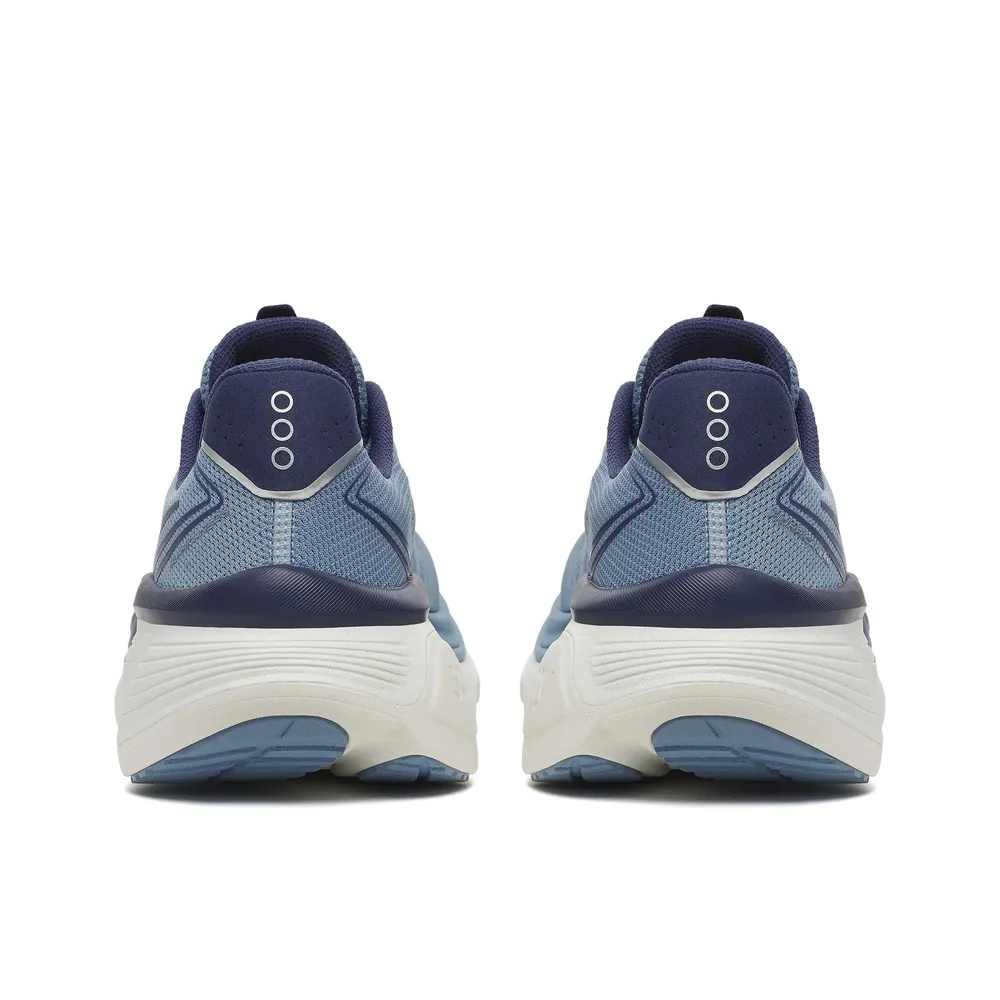
6. Saucony Hurricane 26: Best guided premium support
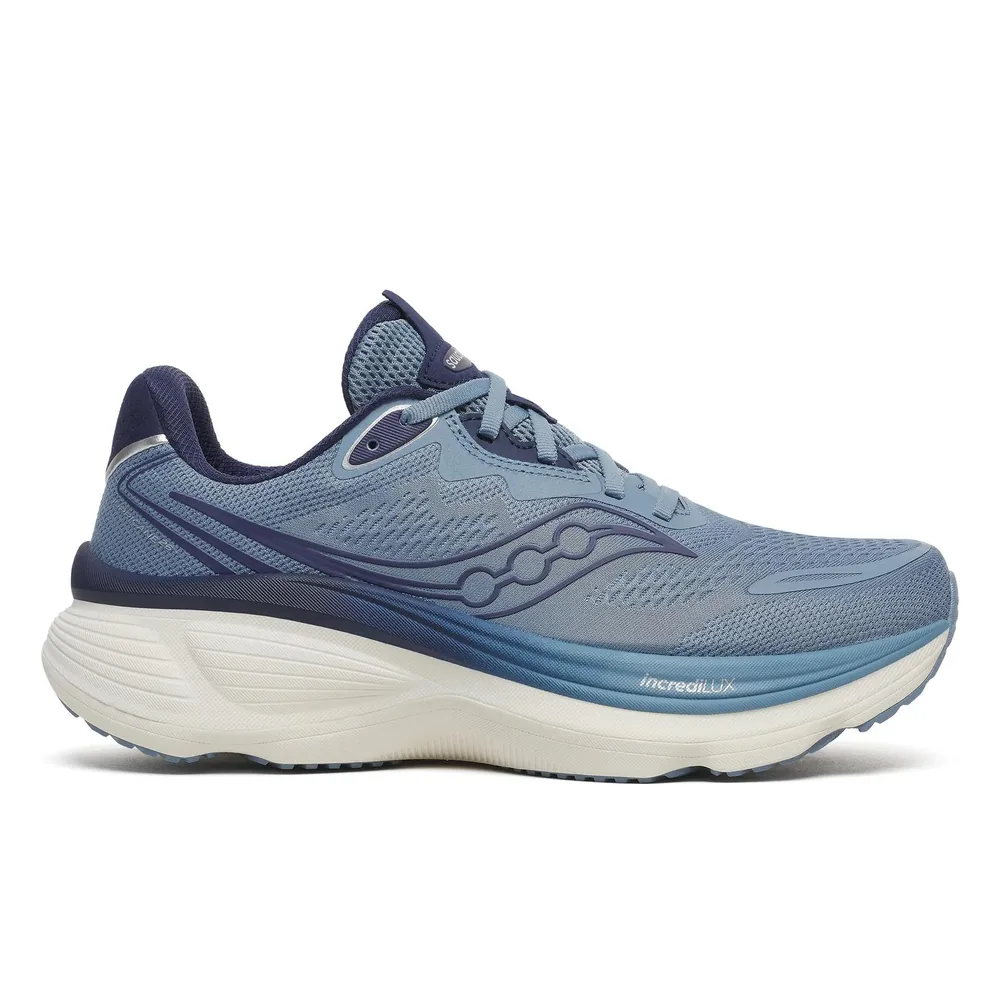
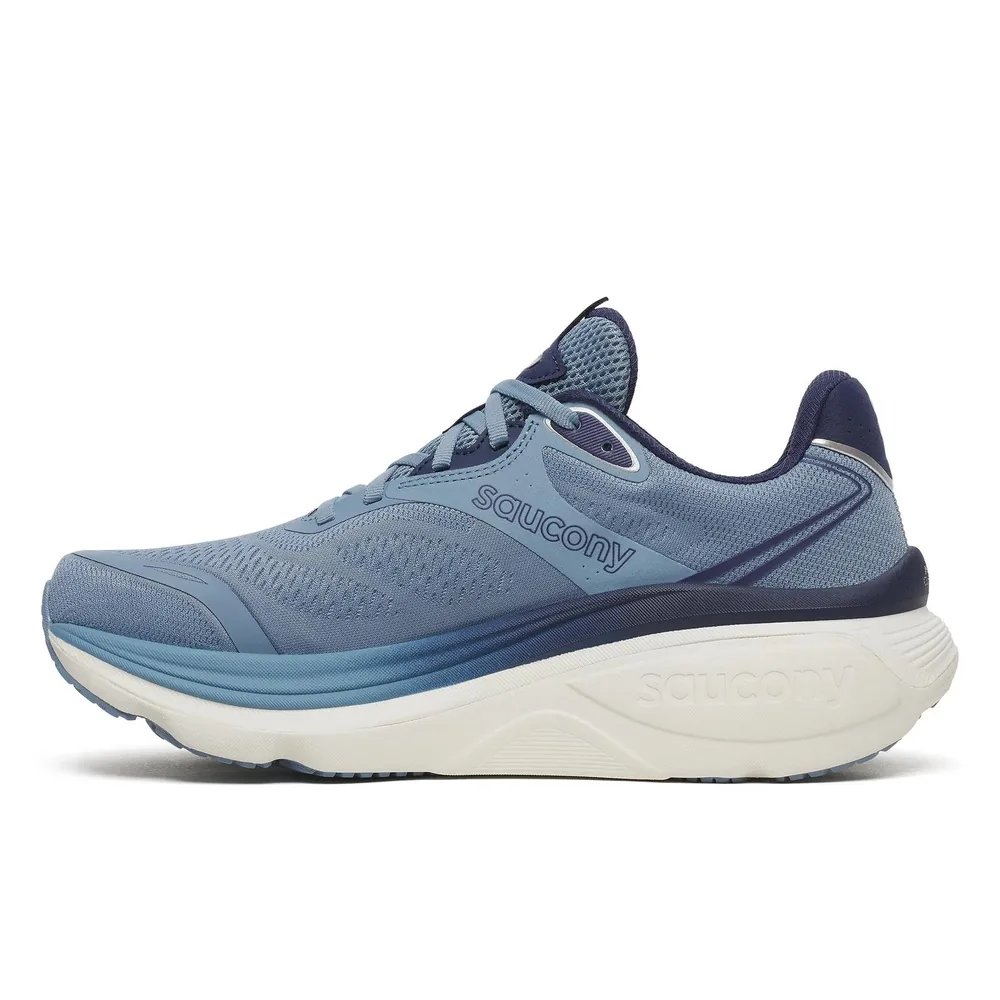
Best guided premium support: pick the Hurricane 26 if you want a stability shoe with soft, bouncy foam that holds up under load.
- Support: stability, with a very wide platform
- Cushion: incrediLUX foam, which Saucony says resists bottoming out
- Stack: 41 mm heel / 35 mm forefoot brand; 38.3 mm / 32.4 mm lab
- Drop: 6 mm brand, 5.9 mm lab
- Weight: 9.2 oz / 262 g brand; 9.6 oz / 272 g lab, men’s
- Widths: regular and wide
- Source: Saucony Hurricane 26 product page and RunRepeat lab review
This is one of the most useful new stability shoes for heavier runners. Saucony’s incrediLUX foam is built to stay plush instead of flattening after a few miles. RunRepeat measured 145 SA at the heel and 132 SA in the forefoot, and a huge 112.3 mm heel midsole width, well above its 91.1 mm average.
It is also lighter than it looks, at 262 g on the brand sheet. The 6 mm drop is lower than a classic 10 mm trainer, so give your calves a few easy days if you are used to a higher drop. RunRepeat notes the broad platform can feel bulky, and it scored slightly less stable than the stiffest rivals.
Pros
- incrediLUX foam is built to resist bottoming out, per Saucony
- 145 SA heel and 132 SA forefoot shock absorption in the lab
- Very wide, stable midsole (112.3 mm at the heel in the lab)
- Lighter than most max-cushion stability shoes, at 262 g brand
- XT-900 carbon rubber outsole for durability, per Saucony
Cons
- The platform is very broad and can feel bulky. If you want a slimmer stability shoe, try the Adrenaline GTS 25.
- Only regular and wide; there is no 4E in the brand table we checked.
Who it’s for: heavier runners who want premium cushion and guidance for long, easy miles. Skip it if: you need extra-wide (4E) or prefer a slimmer shoe.
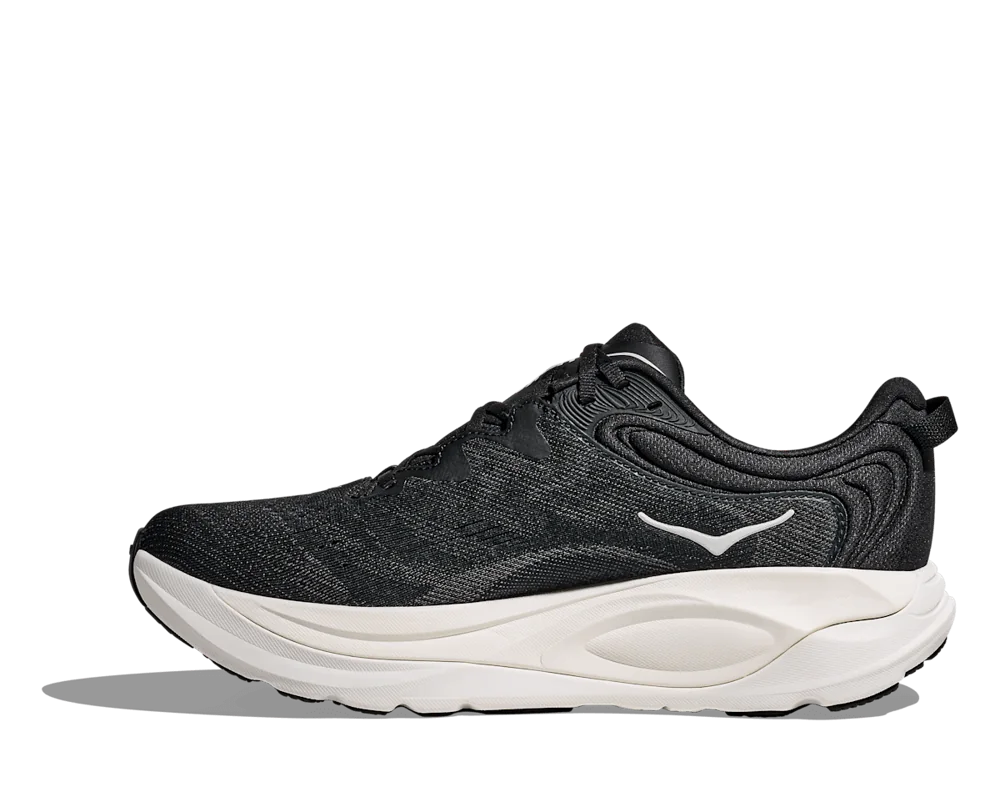
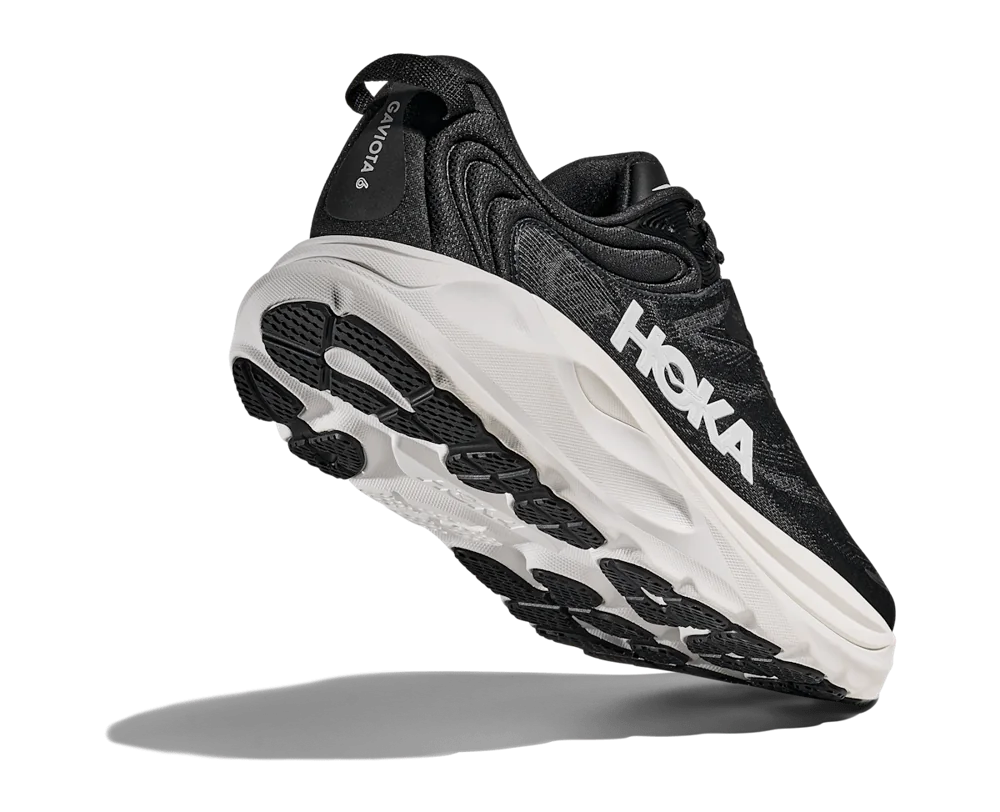
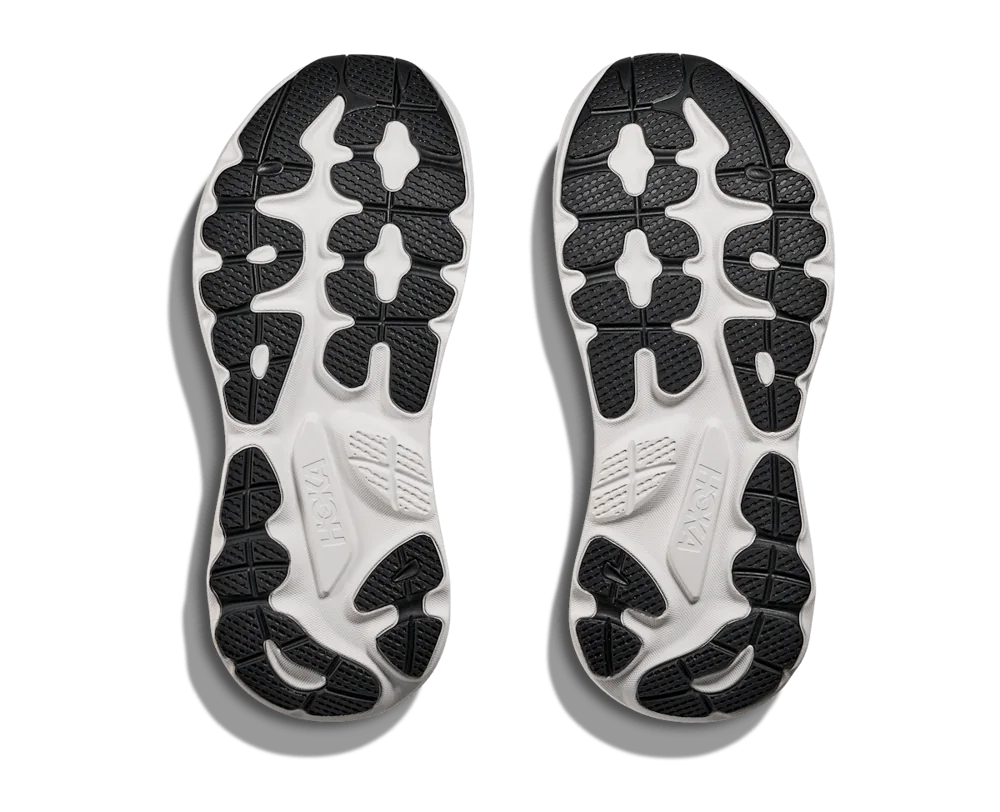
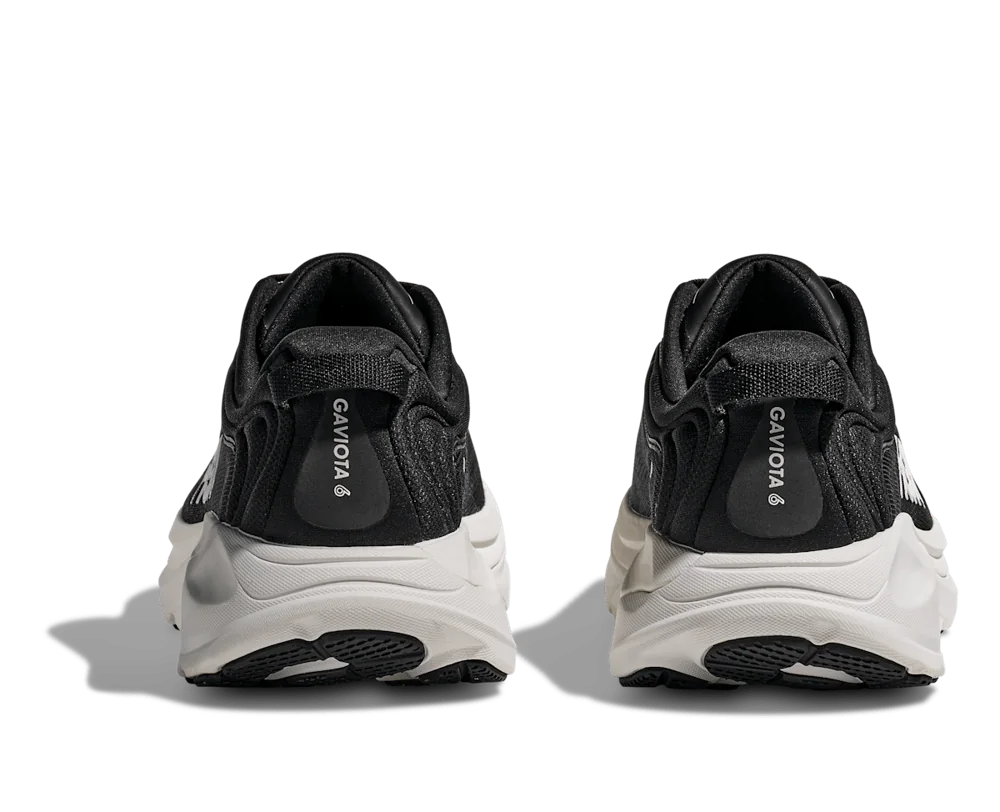
7. HOKA Gaviota 6: Best stable HOKA
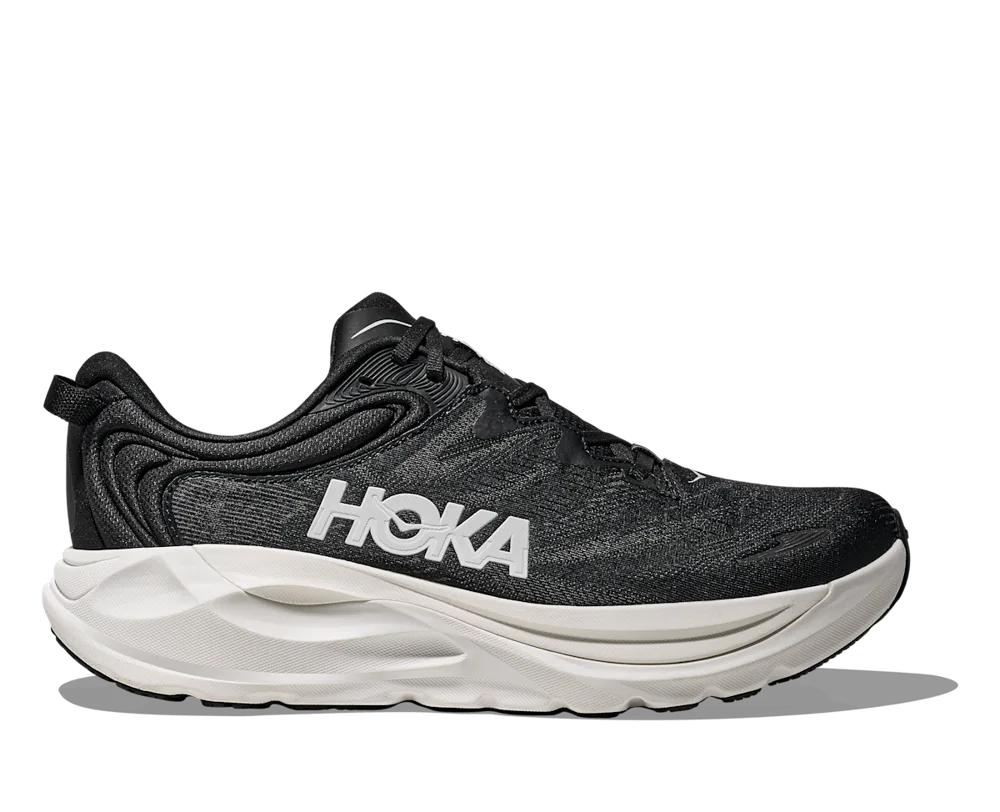
Best stable HOKA: pick the Gaviota 6 if you want HOKA cushion with the firmest guidance on this list.
- Support: stability (reinforced H-Frame)
- Stack: 39 mm heel brand; 36.0 mm lab
- Drop: 6 mm brand, 7.3 mm lab
- Weight: 10 oz / 283 g, men’s (brand and lab)
- Widths: regular, wide, and extra wide
- Source: HOKA Gaviota 6 product page and RunRepeat lab data
RunRepeat rates the Gaviota 6 at 97 for stability, the highest of the lab-tested HOKAs we use here. A reinforced H-Frame wraps both sides of the midsole. The lab also found a stiff heel counter and stiff torsion, plus a roomier fit than most HOKA models.
Heel shock absorption is the weaker point, at 122 SA. That still clears RunRepeat’s 120 SA guide for heavy runners, but the Bondi 9 protects more. Use the Gaviota when guidance matters more than max plushness.
Pros
- Highest stability score of the lab-tested HOKAs here: 97
- Reinforced H-Frame and a stiff heel counter
- Roomier fit than most HOKA road shoes, per RunRepeat
- Regular, wide, and extra-wide sizes
- Same 283 g in the lab and on the brand sheet
Cons
- Heel cushioning is the lowest of our lab-tested overlap picks (122 SA). If impact protection is your main need, the Bondi 9 is safer.
Who it’s for: heavier overpronators who want a stable HOKA for long, easy miles. Skip it if: you want the softest heel or a light shoe.
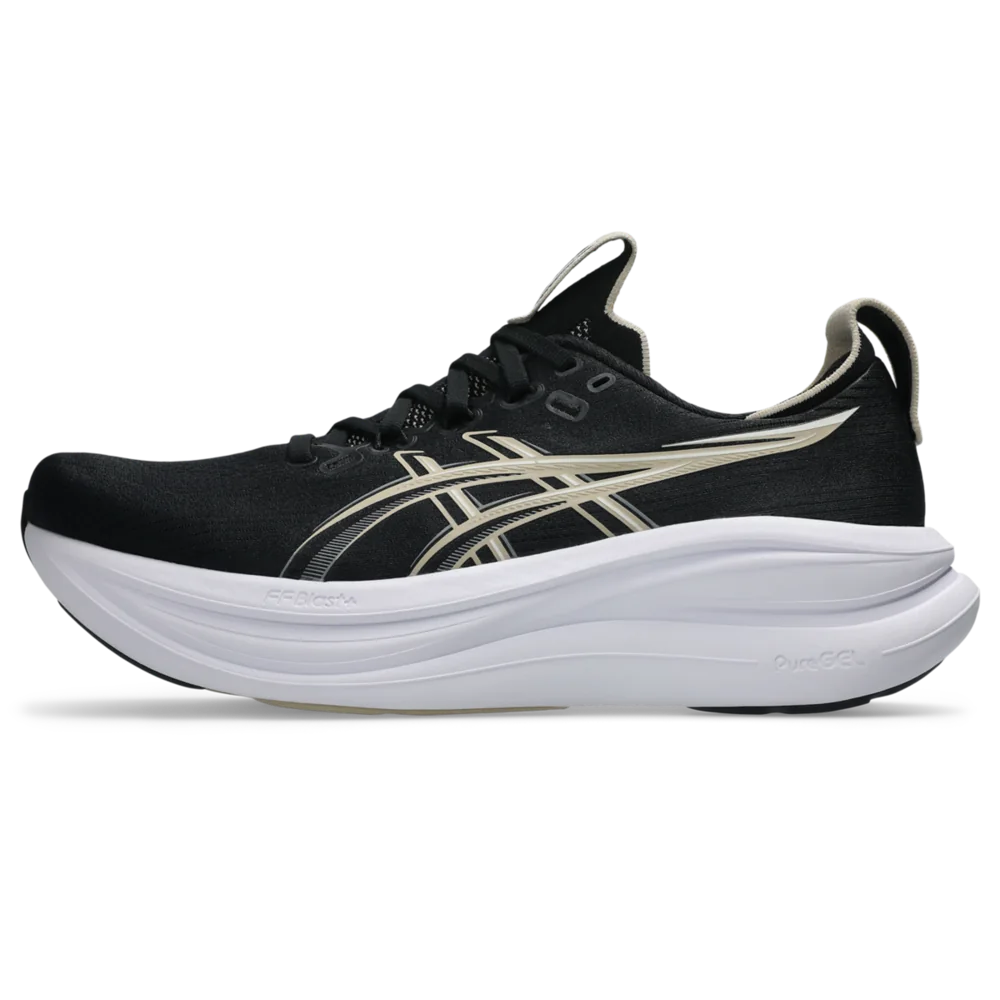
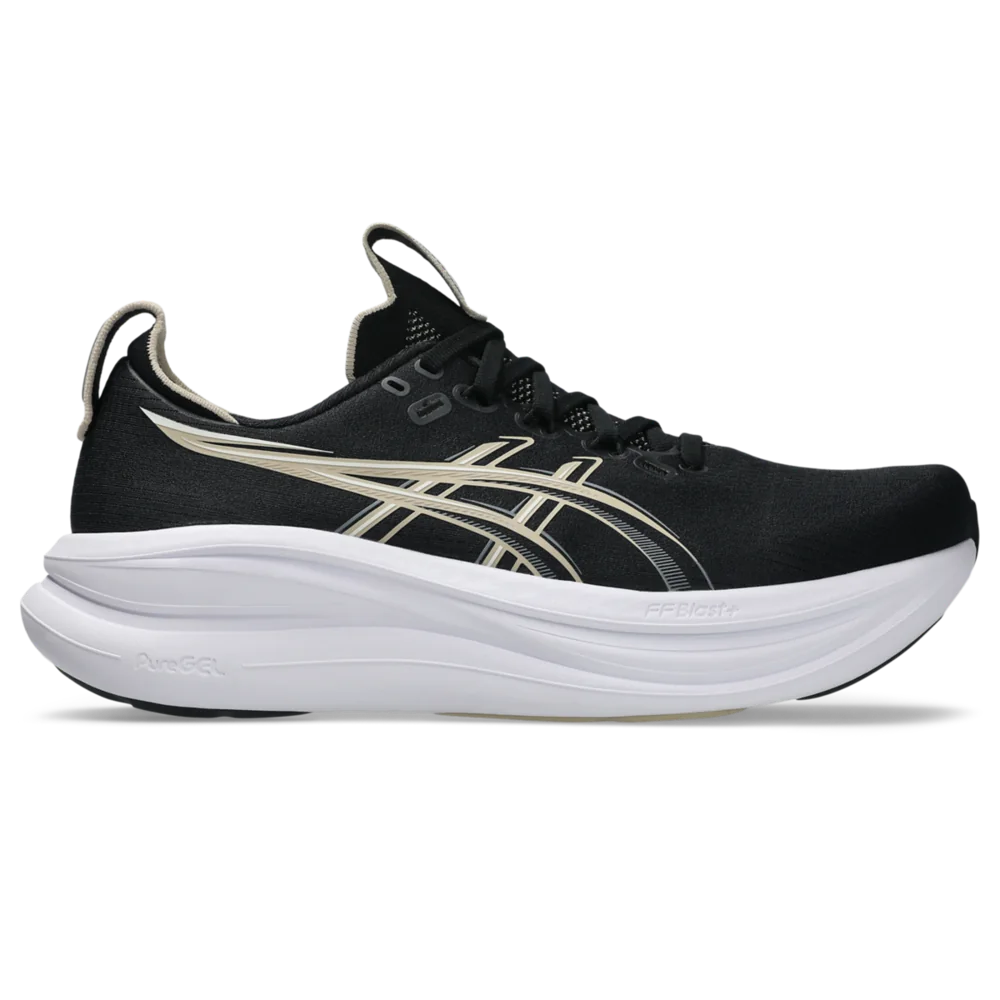
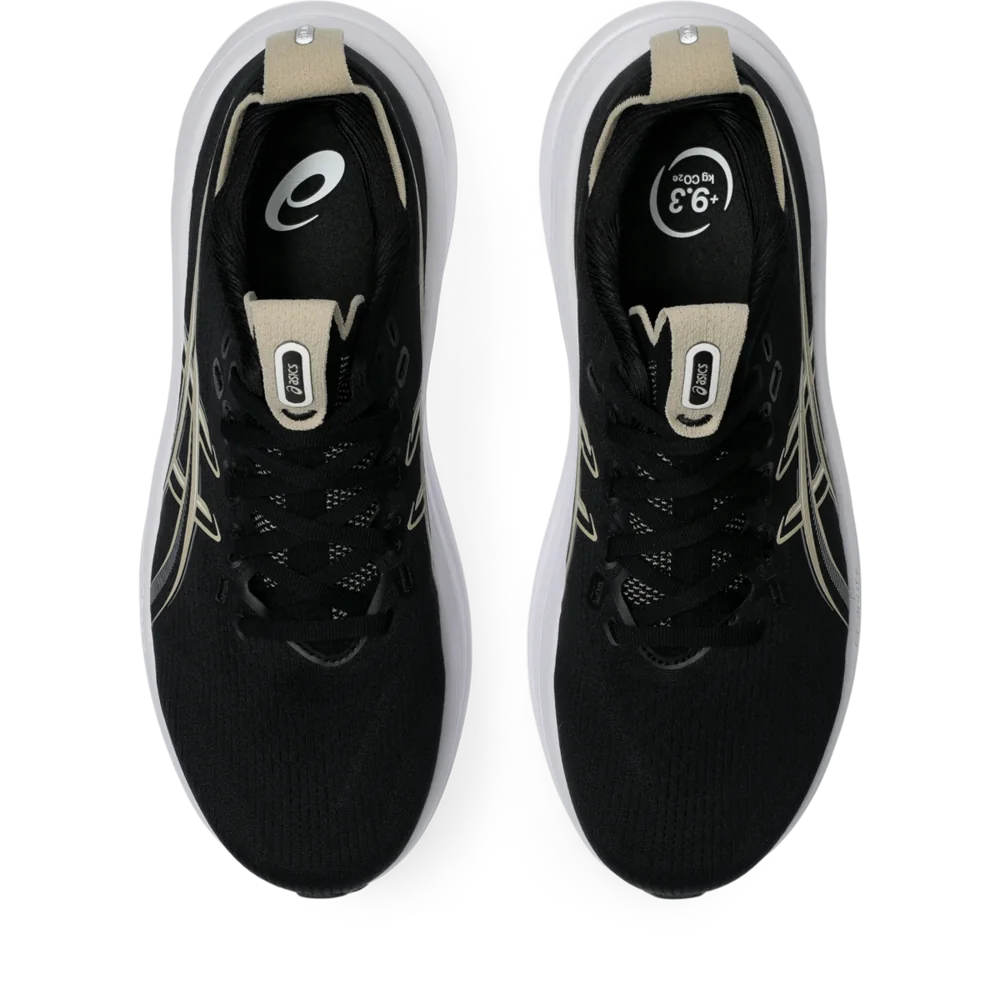
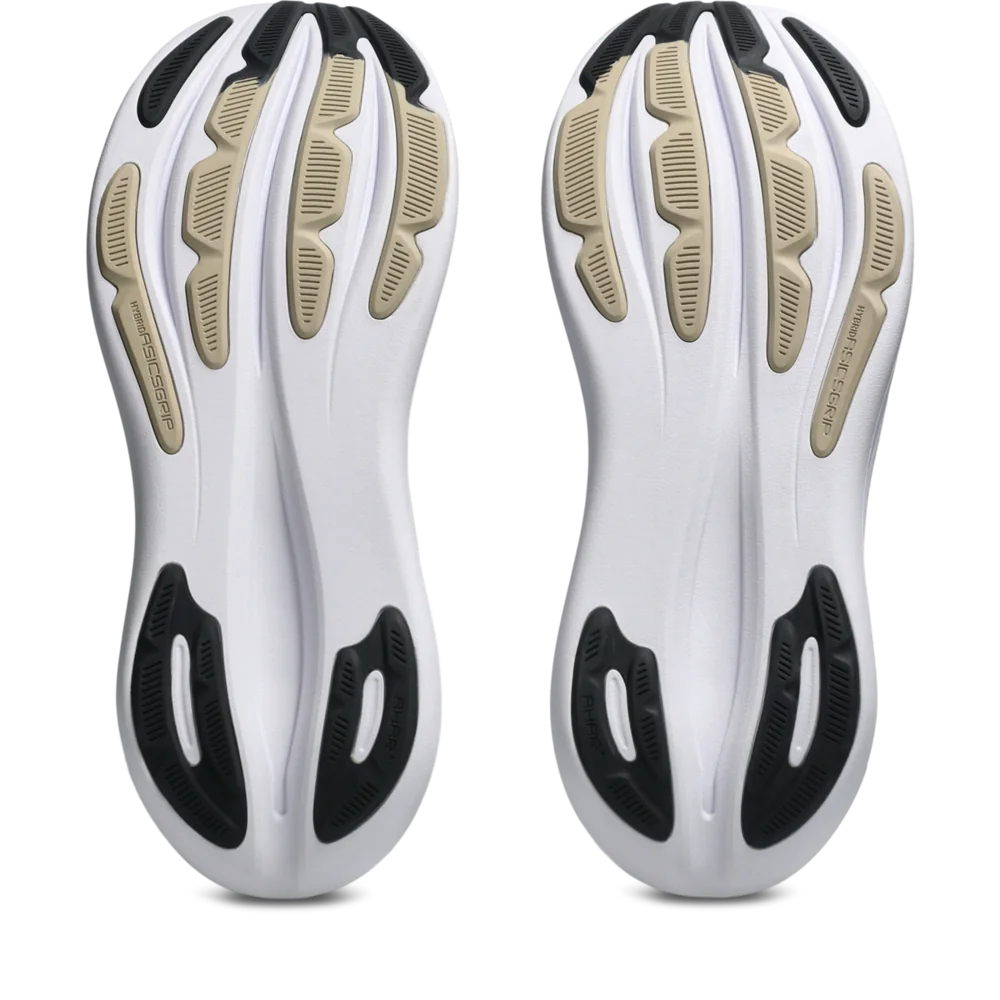
8. ASICS Gel-Nimbus 28: Best plush long-run cushion
Best plush long-run cushion: pick the Nimbus 28 if you are a neutral runner who wants a deep, protective heel for long days.
- Support: neutral
- Cushion: FF BLAST PLUS and PureGEL
- Stack: 43.5 mm heel brand; 43.0 mm lab
- Drop: 8 mm brand, 8.1 mm lab
- Weight: 281 g / 9.9 oz brand; 278 g lab, men’s
- Widths: standard, with a wide version on the ASICS site
- Source: ASICS Gel-Nimbus 28 product page and RunRepeat lab data
The Nimbus 28 has one of the tallest heels on this list. RunRepeat measured 137 SA at the heel and 133 SA in the forefoot, so the landing stays protected from back to front. A stiff heel counter and stiff torsion keep that tall stack from feeling sloppy.
ASICS announced the Gel-Nimbus 29 on 29 October 2026 for a 1 December 2026 launch. Until that shoe is widely for sale, the 28 is the current model. We will refresh this pick after the 29 is easy to buy.
Pros
- Very tall 43.5 mm brand heel stack
- 137 SA heel and 133 SA forefoot shock absorption in the lab
- Stiff heel counter helps a tall shoe stay stable
- Lighter than the Bondi 9, at about 278 to 281 g
- 8 mm drop is easy for most road runners
Cons
- It is a neutral shoe. Overpronators should use the Kayano 33 instead.
- The Nimbus 29 is already announced for 1 December 2026. Wait only if you do not need a shoe now.
Who it’s for: heavier neutral runners who want a soft, high-stack shoe for long runs. Skip it if: you need stability.
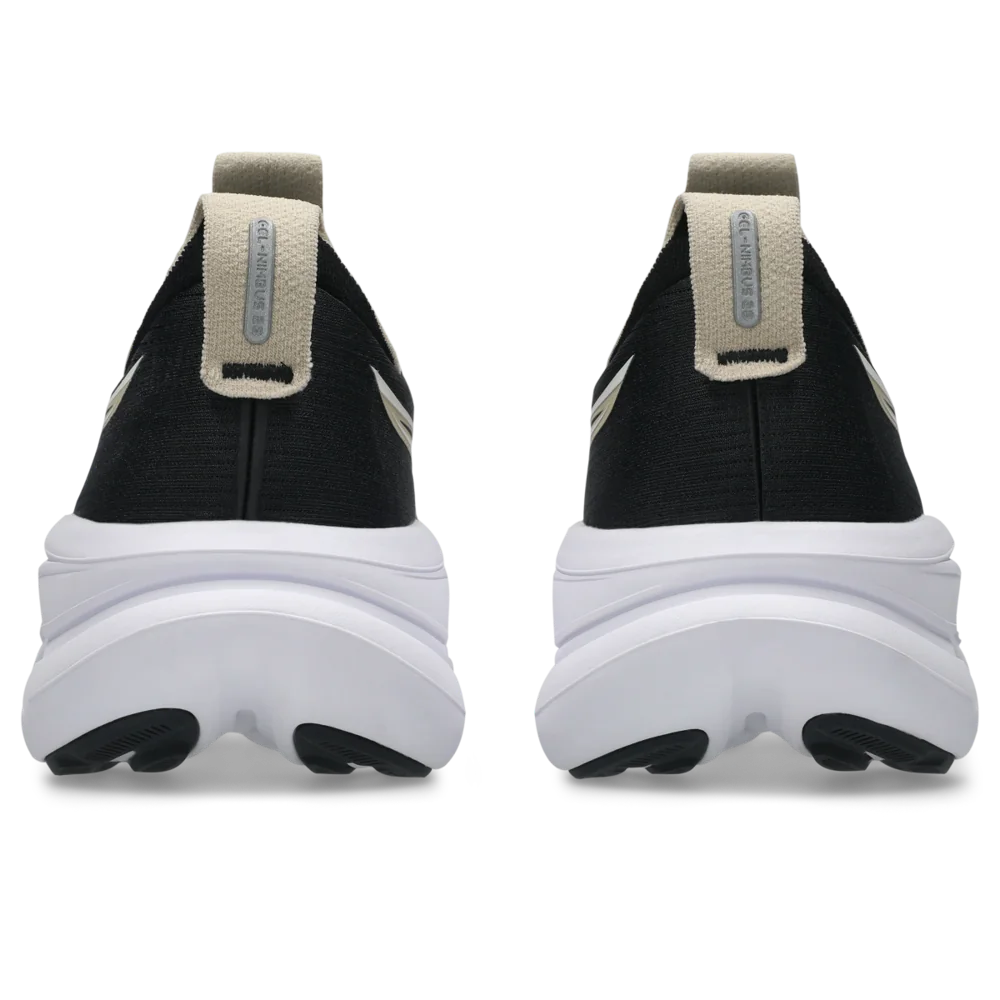
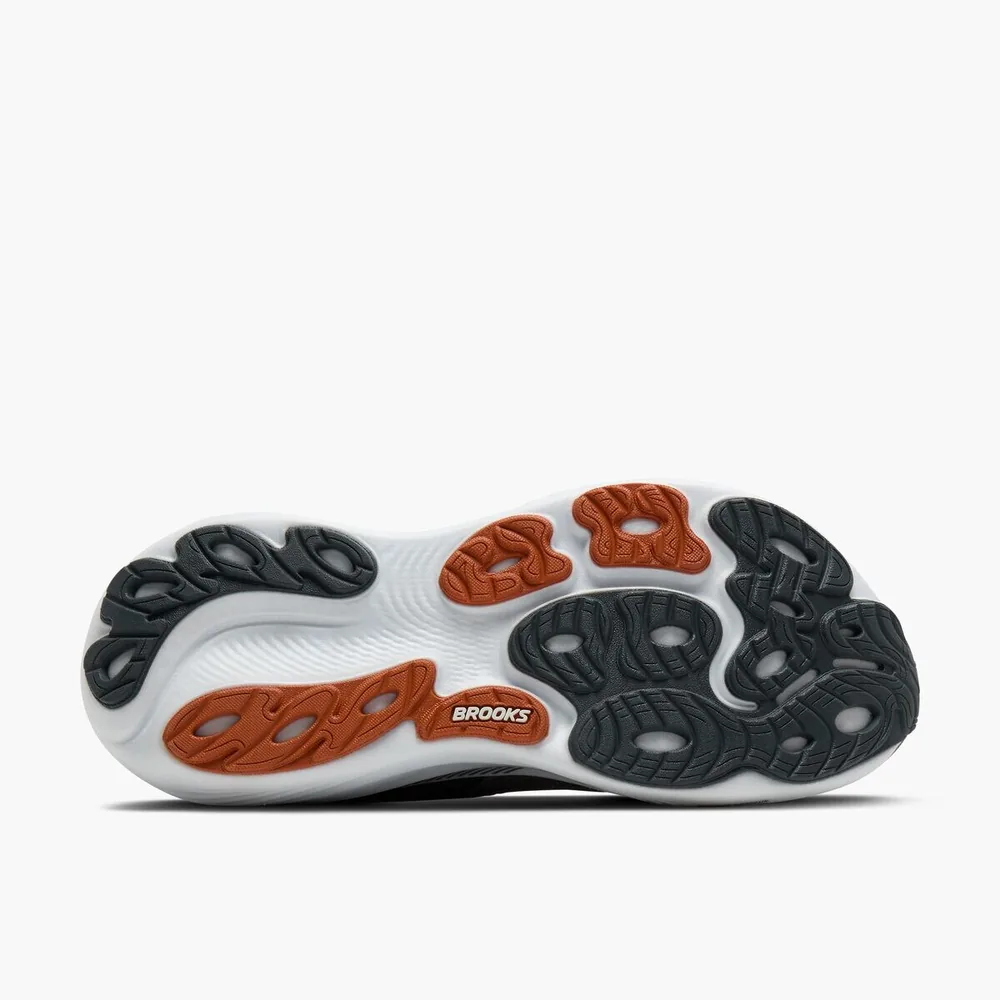
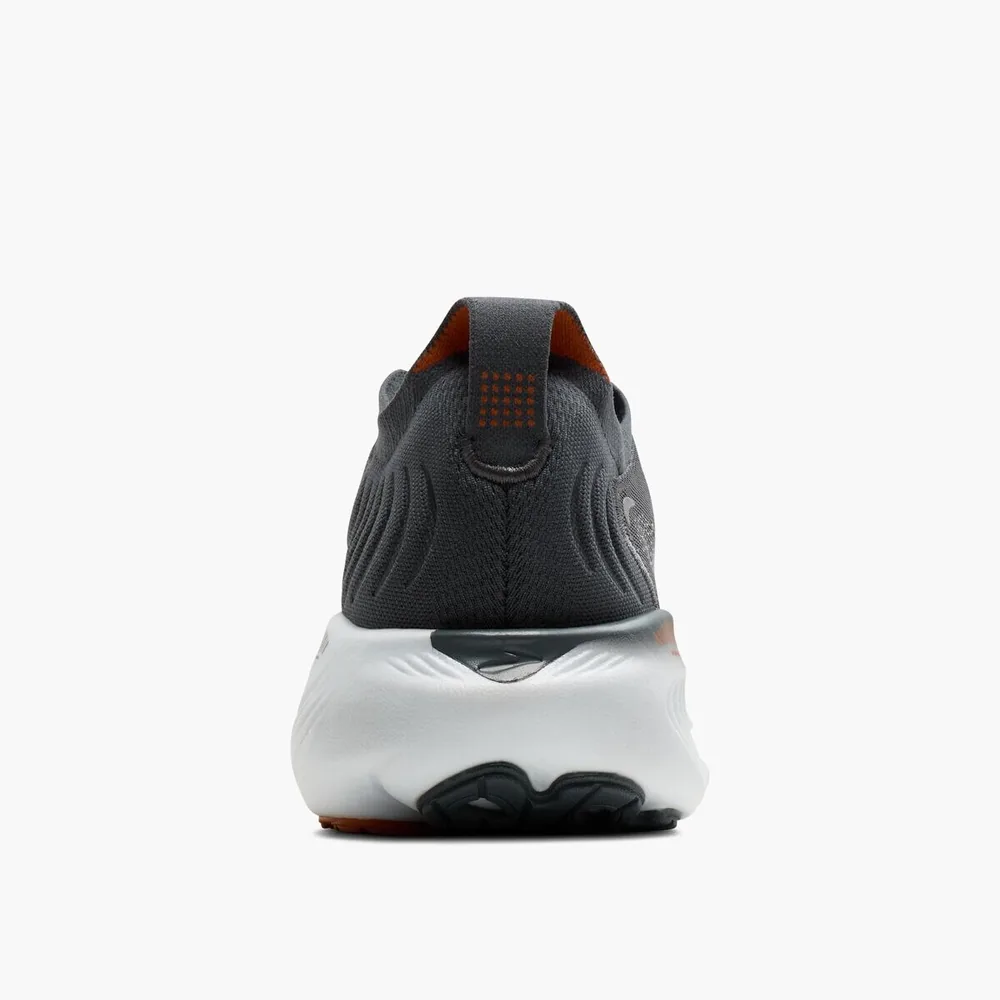
9. Brooks Adrenaline GTS 25: Best daily stability
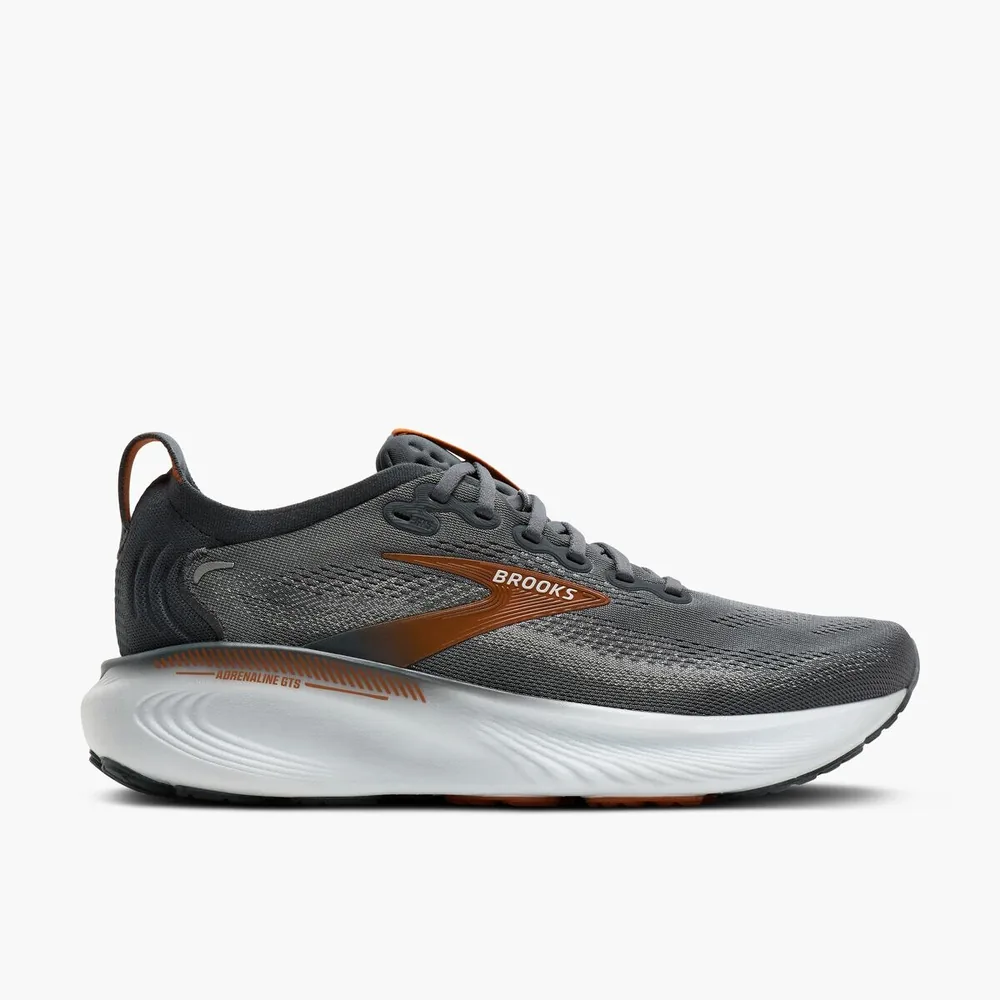
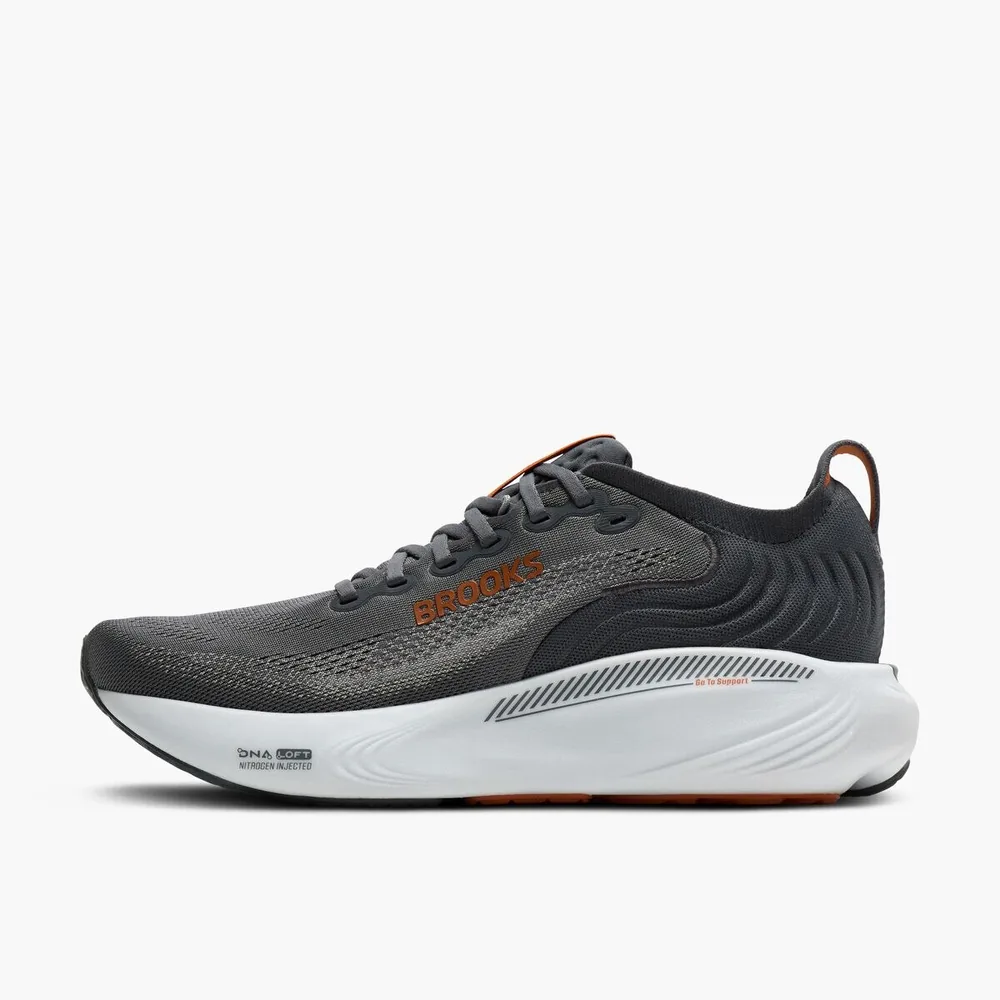
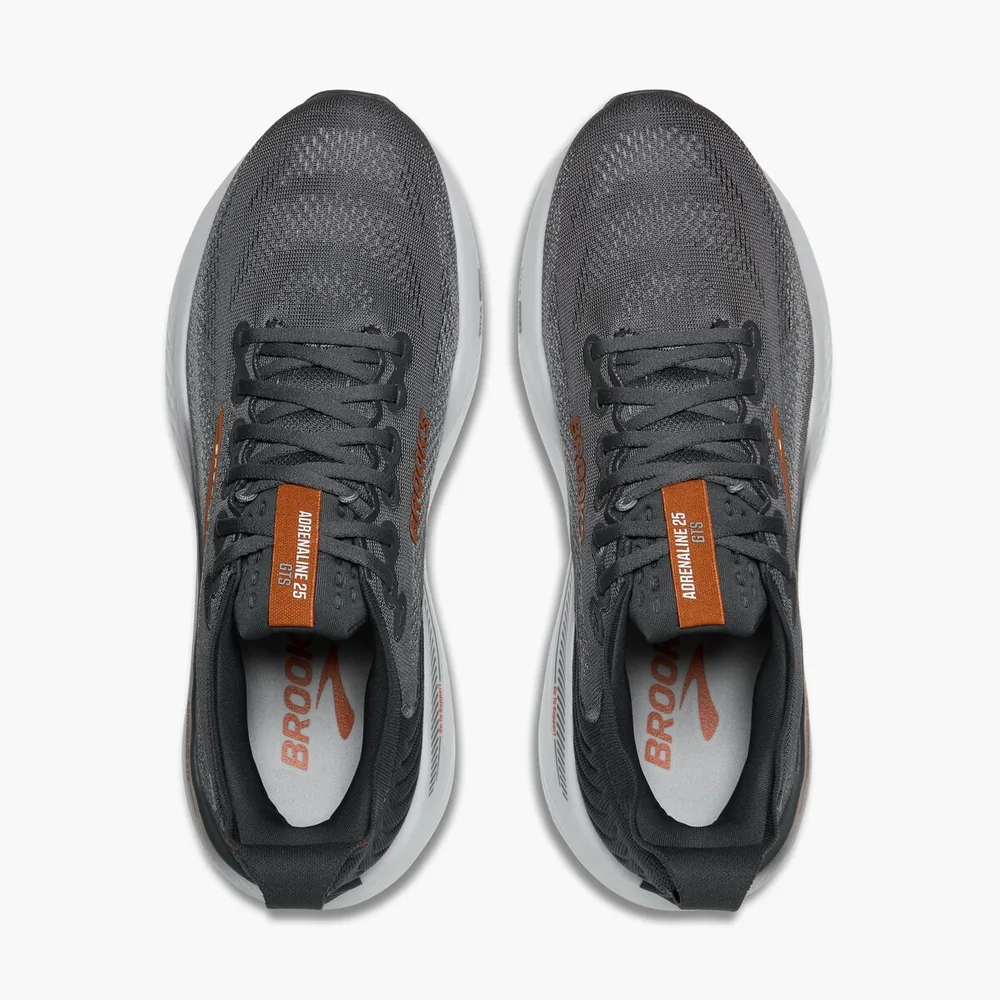
Best daily stability: pick the Adrenaline GTS 25 if you want a familiar 10 mm drop, GuideRails, and a wide size run.
- Support: stability (GuideRails)
- Cushion: nitrogen-infused DNA LOFT v3
- Stack: 37 mm heel / 27 mm forefoot
- Drop: 10 mm
- Weight: 10.6 oz / 300.5 g, men’s
- Widths: narrow, medium, wide (2E), extra wide (4E)
- Source: Brooks Adrenaline GTS 25 product page
This is the workhorse stability shoe many stores still reach for. The 10 mm drop feels like the trainers most people already know, which helps if you are coming back to running. Four widths, including 4E, make it easier to fit a wider or narrower foot without guessing.
The stack is lower than the max-cushion shoes above, so it will feel more connected to the road. That can be a plus if tall, soft shoes make you feel unstable. If you want the same GuideRails idea with more foam, choose the Glycerin GTS 23.
Pros
- GuideRails support in a daily-trainer shape
- Classic 10 mm drop
- Four widths, from narrow to 4E
- DNA LOFT v3 foam is built for soft, lasting comfort, per Brooks
- A good first stability shoe if you are new to running
Cons
- The 37 mm heel is lower than the max-cushion picks. If you want more protection, go to the Glycerin GTS 23 or Hurricane 26.
Who it’s for: heavier runners who want everyday stability and a familiar drop. Skip it if: you want a much taller, softer shoe.
10. HOKA Arahi 9: Best lightweight stability
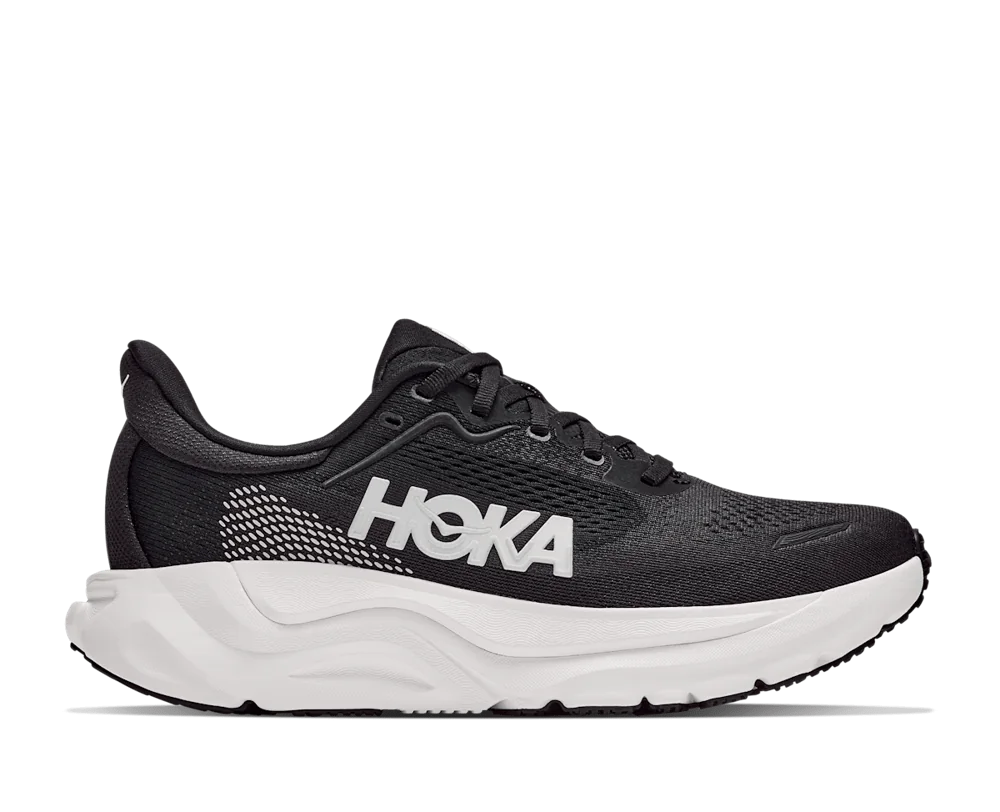
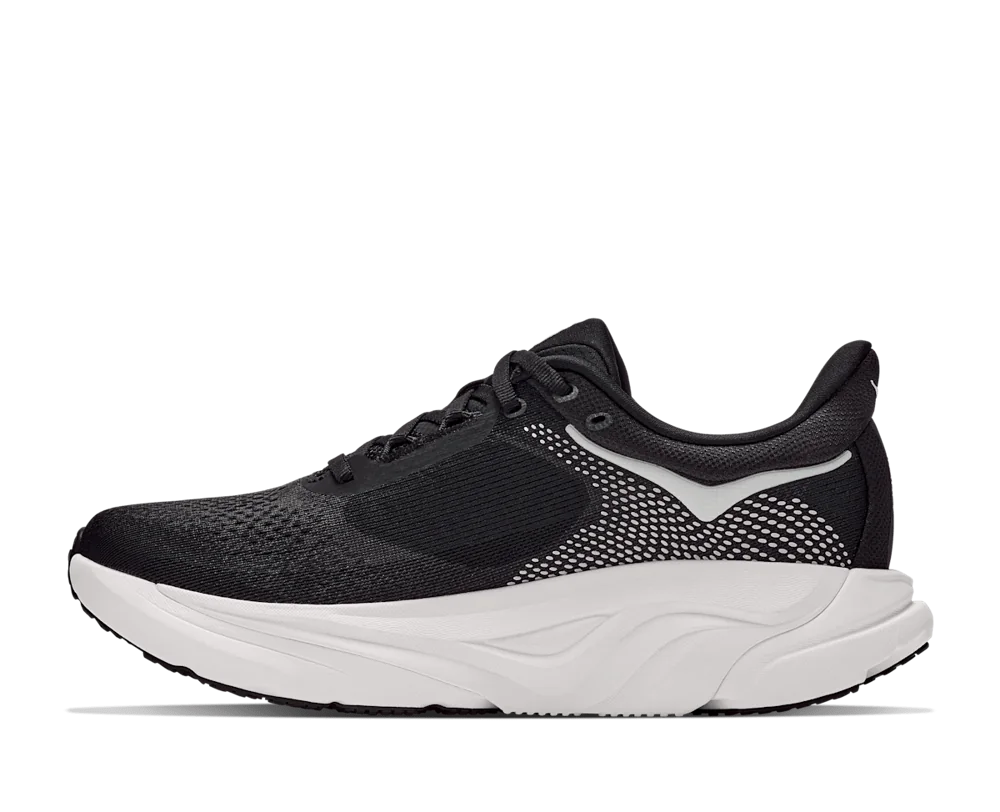
Best lightweight stability: pick the Arahi 9 if you want guidance without the weight of a max-stack stability shoe.
- Support: stability (H-Frame)
- Stack: 39 mm heel brand; 38.0 mm lab
- Drop: 8 mm brand, 10.3 mm lab
- Weight: 284 g brand; 278 g lab, men’s
- Widths: D, 2E, and 4E
- Source: HOKA Arahi 9 product page and RunRepeat lab data
The Arahi 9 uses HOKA’s H-Frame, a firmer foam frame around the midsole, instead of a hard post. RunRepeat calls out stable support without a rigid feel, with 138 SA at the heel. At 278 g in the lab it is one of the lighter stability shoes here.
It guides less firmly than the Kayano 33 or Gaviota 6, because the torsion and heel counter are more moderate. That is fine for mild overpronation. If your arches collapse a lot, step up to the Kayano or Gaviota. On Amazon, some sizes of the listing we checked were thinner, so confirm your size is in stock.
Pros
- Lighter than most stability shoes on this list, at about 278 to 284 g
- H-Frame guidance without a hard post
- 138 SA of heel shock absorption in the lab
- D, 2E, and 4E widths
- Lower cost than most max-cushion stability shoes
Cons
- It guides less firmly than the Kayano 33 or Gaviota 6. Severe overpronators should pick one of those instead.
Who it’s for: heavier runners who want light stability and a 2E or 4E option. Skip it if: you need maximum support.
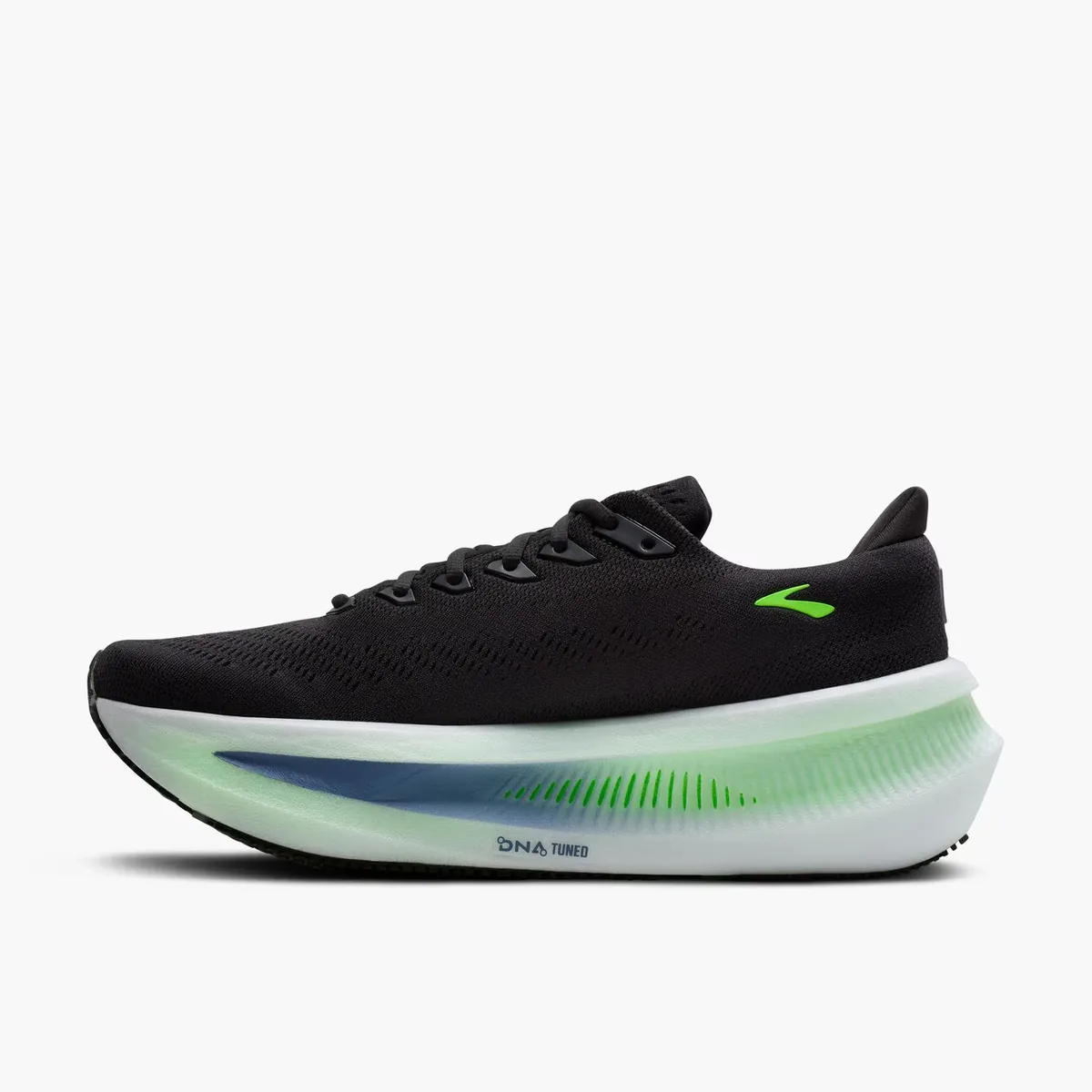
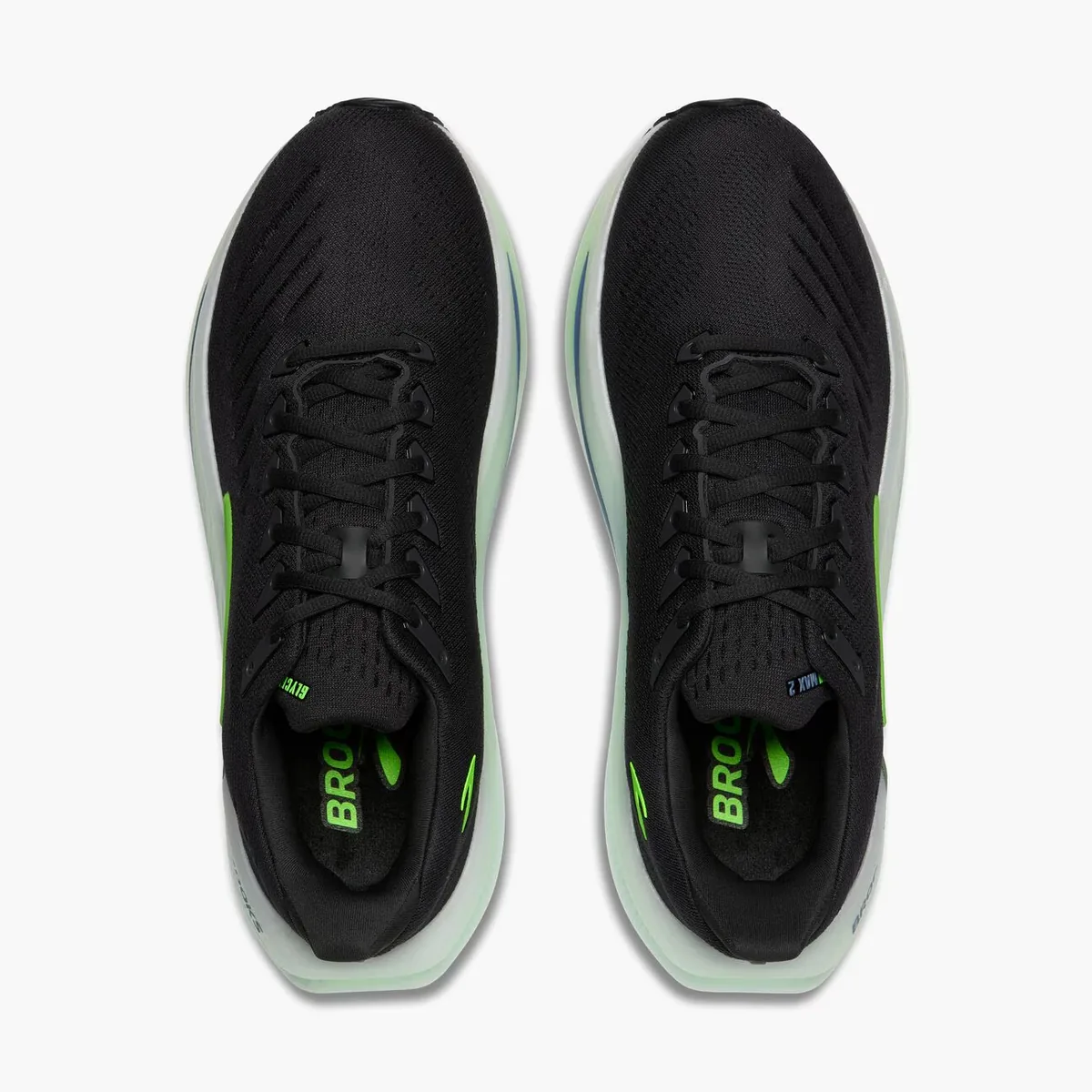
11. Brooks Glycerin Max 2: Best max stack
Best max stack: pick the Glycerin Max 2 if you want the most foam under the heel and you do not need a stability shoe.
- Support: neutral
- Cushion: nitrogen-infused DNA TUNED, with a GlideRoll Rocker
- Stack: 45 mm heel / 39 mm forefoot (Brooks Spring 2026 catalog)
- Drop: 6 mm
- Weight: 11.3 oz / 320.3 g, men’s (Brooks product page)
- Widths: medium (1D) only
- Source: Brooks Glycerin Max 2 product page and Brooks Spring 2026 catalog
This is the tallest shoe on the list, with 45 mm of foam under the heel. That extra stack is there to spread out impact on slow, easy miles. The GlideRoll Rocker helps you roll forward so the height does not feel like a brick.
It is also the heaviest pick, at 320.3 g, and it only comes in a medium (1D) width. If you need 2E or 4E, the Ghost Max 4 or 1080 v15 is the better max-cushion option. If you need support with a plush Brooks ride, go back to the Glycerin GTS 23.
Pros
- Tallest brand heel stack on this list: 45 mm
- DNA TUNED foam with a GlideRoll Rocker
- Built for easy, protective miles
- Soft, high-volume landing for tired legs
- A clear choice when you want maximum foam and no guidance
Cons
- Only a medium (1D) width. Wide-foot runners should pick the Ghost Max 4, 1080 v15, or Atmos 2.
- At 320.3 g it is the heaviest shoe here. Keep it for easy days.
Who it’s for: heavier neutral runners who want the most foam and wear a medium width. Skip it if: you need a wide size or stability.
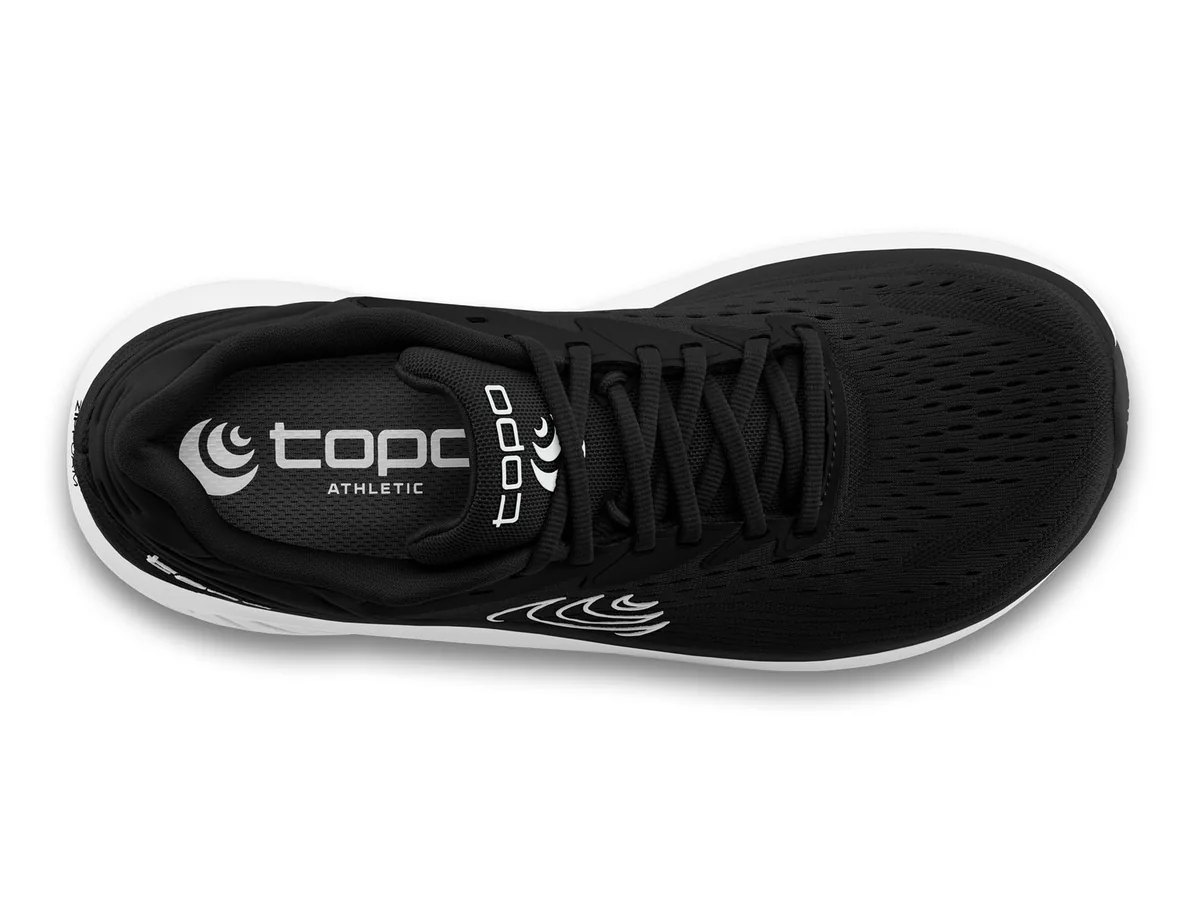
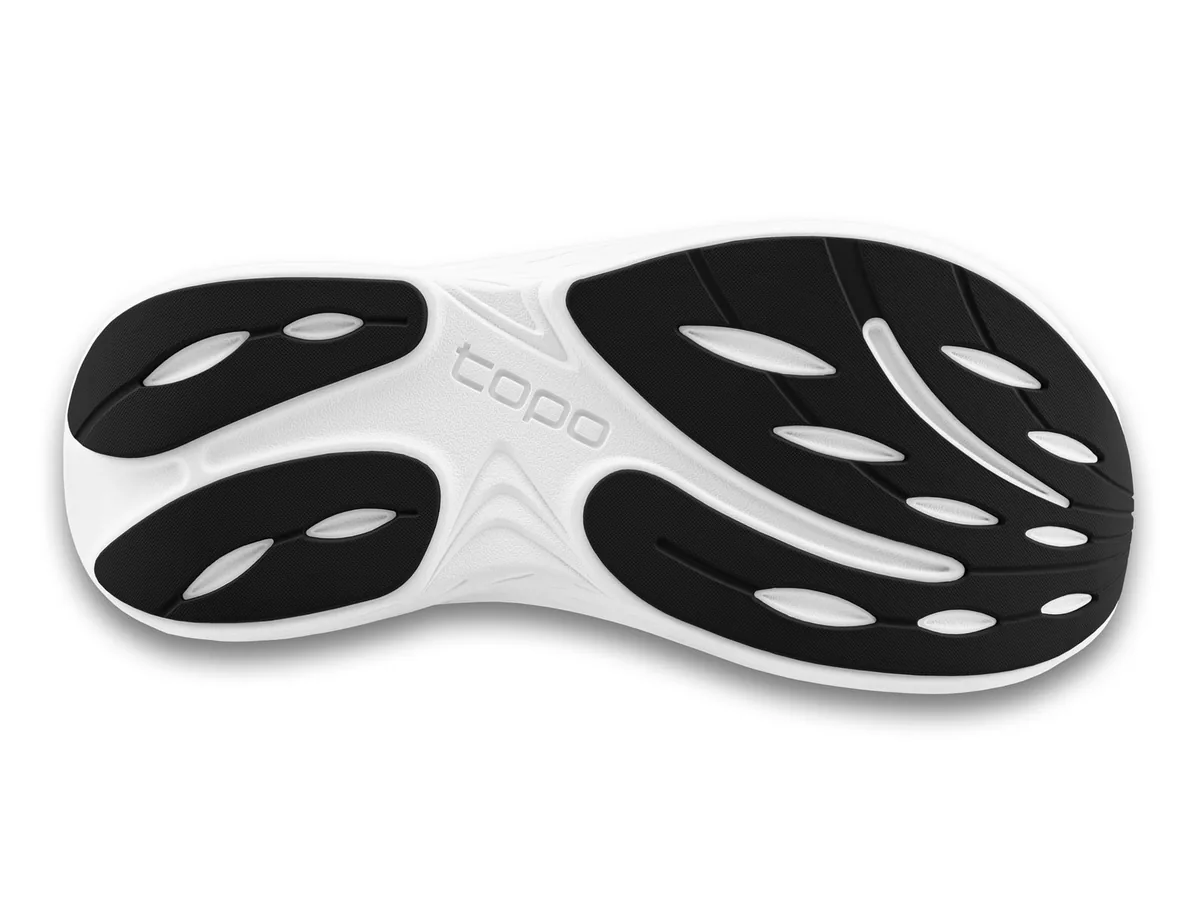
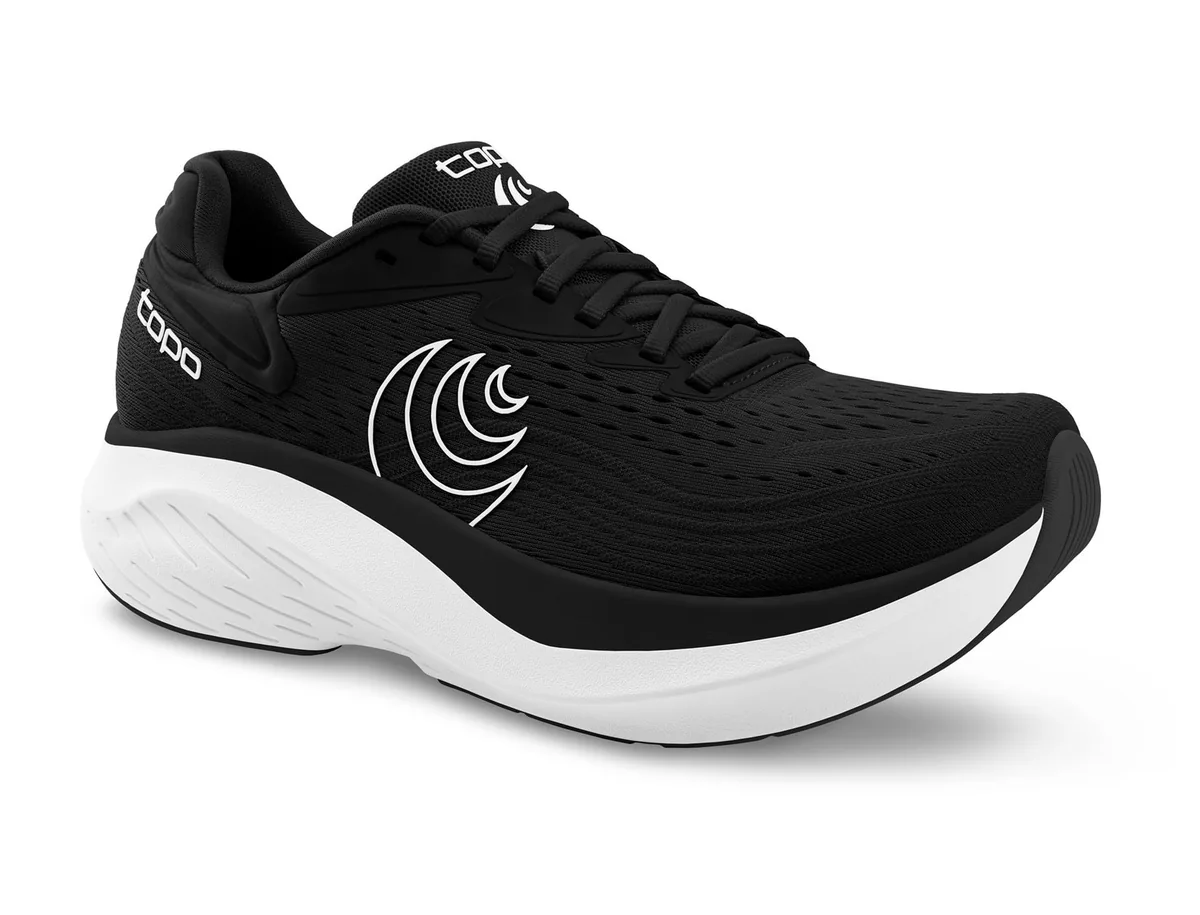
12. Topo Athletic Atmos 2: Best roomy toe box
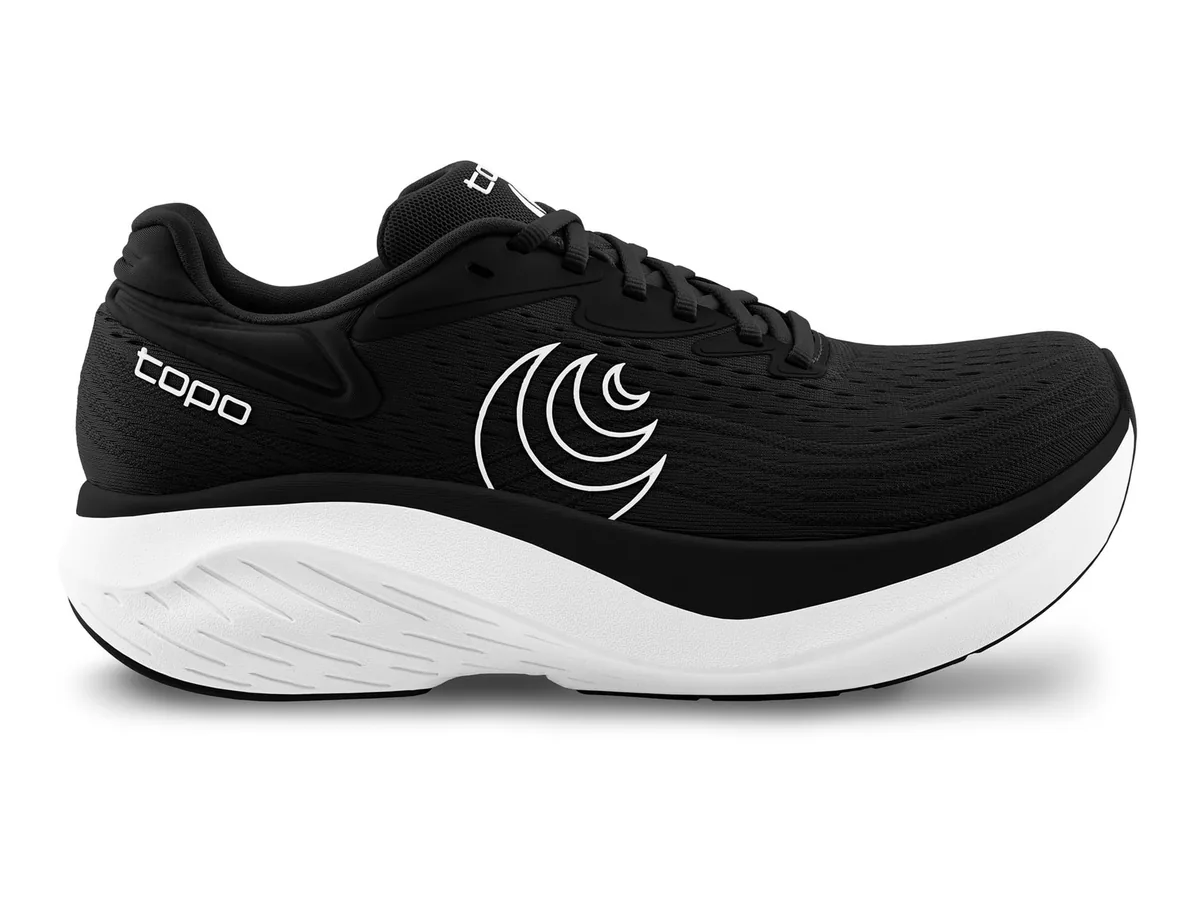
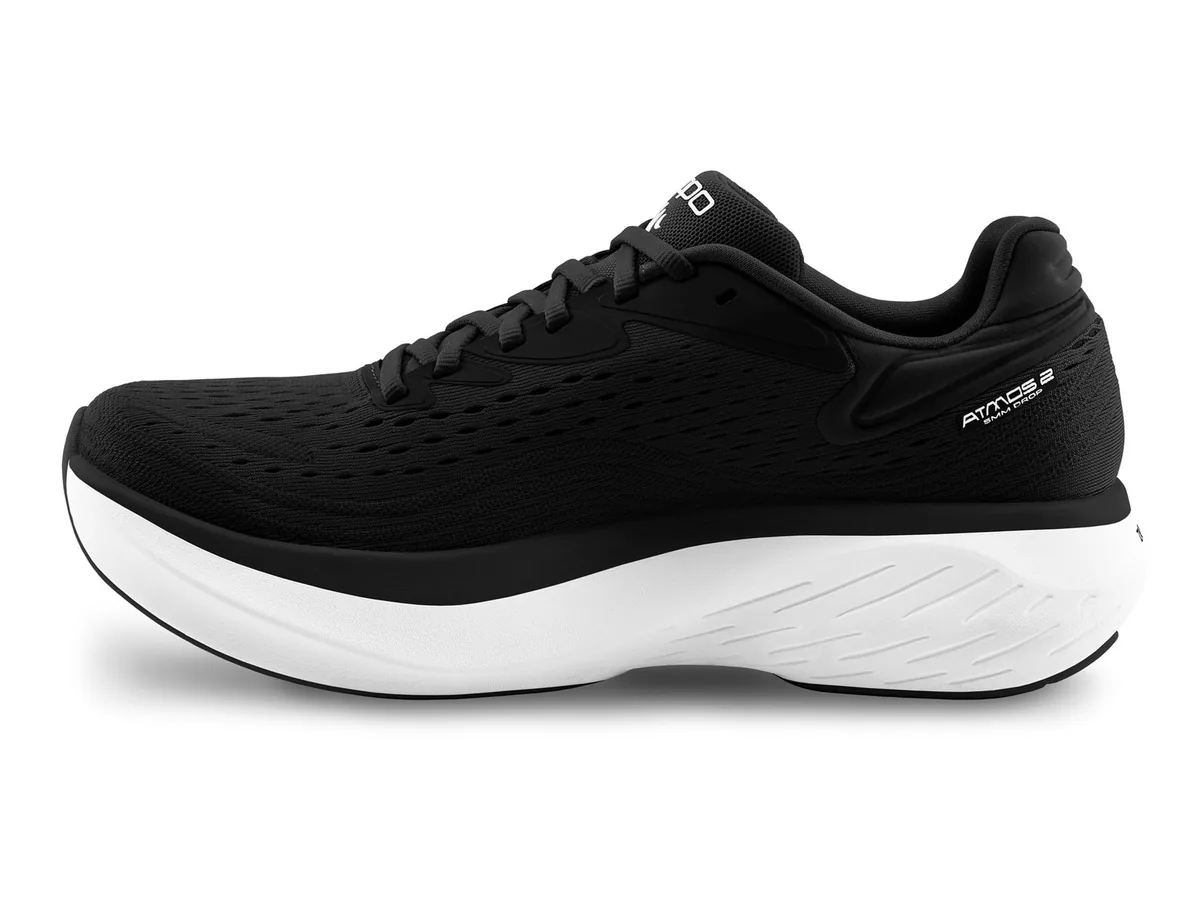
Best roomy toe box: pick the Atmos 2 if you want deep cushion and a toe box that does not pinch.
- Support: neutral
- Cushion: ZipFoam
- Stack: 40 mm heel / 35 mm forefoot (Topo)
- Drop: 5 mm
- Weight: 9.9 oz / 281 g, men’s size 9 (Topo)
- Toe box: anatomical last; 82.0 mm wide and 30.7 mm high in the RunRepeat gel mold
- Source: Topo Athletic Atmos 2 product page and our wide toe box guide
A wide width and a roomy toe box are not the same thing. The Atmos 2 uses a foot-shaped last, so your toes can splay even if you do not wear 4E. RunRepeat measured 82.0 mm across the toe box, which is among the roomiest we have listed. Topo also names walking as a main use, which suits heavier easy days.
The 5 mm drop is lower than a classic trainer. If you are used to 8 or 10 mm, ease in with short runs. This is a neutral shoe, so it will not replace the Kayano or Gaviota if you overpronate.
Pros
- Roomy anatomical toe box (82.0 mm in the RunRepeat mold)
- 40 mm of ZipFoam under the heel, per Topo
- Also listed for walking, not just running
- Lighter than the tallest max-cushion shoes, at 281 g
- A good option when 2E still feels tight in the toes
Cons
- The 5 mm drop can feel low if you are used to a 10 mm shoe. Give your calves a few easy days, or pick the Adrenaline GTS 25 instead.
Who it’s for: heavier runners and walkers who want max cushion and space for their toes. Skip it if: you need a stability shoe or a higher drop.
Best running shoes for heavy men compared side by side
Use this table to compare support, foam, stack, drop, width, and weight. Brand numbers come first. Lab numbers are in the notes when we have them. We do not list prices, because Amazon prices change.
| Model | Support | Foam | Heel stack (mm) | Drop (mm) | Widths | Weight | Best for |
|---|---|---|---|---|---|---|---|
| HOKA Bondi 9 | Neutral | Supercritical EVA | 43 brand / 41.3 lab | 5 brand / 9.1 lab | Regular, wide, X-wide | 297 g brand | Most heavy men |
| Brooks Glycerin GTS 23 | GuideRails | DNA TUNED | 38 catalog | 8 | Medium, 2E, 4E | 311.8 g | Soft support |
| ASICS Gel-Kayano 33 | Stability | FF BLAST PLUS / MAX | 39 brand / 36.8 lab | 8 brand / 8.5 lab | Standard, wide (X-wide in brand table) | 298 g | Overpronation |
| NB 1080 v15 | Neutral | Fresh Foam X | 40 brand / 37.0 lab | 6 brand / 6.4 lab | Narrow to 4E | 261 g brand | Wide feet |
| Brooks Ghost Max 4 | Neutral | Max cushion + rocker | 40 brand / 38.6 lab | 6 brand / 9.0 lab | Medium, 2E, 4E | 292 g brand | Walk + run |
| Saucony Hurricane 26 | Stability | incrediLUX | 41 brand / 38.3 lab | 6 | Regular, wide | 262 g brand | Long supported runs |
| HOKA Gaviota 6 | H-Frame | HOKA cushion | 39 brand / 36.0 lab | 6 brand / 7.3 lab | Regular, wide, X-wide | 283 g | Max HOKA support |
| ASICS Gel-Nimbus 28 | Neutral | FF BLAST PLUS + PureGEL | 43.5 brand / 43.0 lab | 8 | Standard and wide | 281 g brand | Long easy runs |
| Brooks Adrenaline GTS 25 | GuideRails | DNA LOFT v3 | 37 / 27 brand | 10 | Narrow to 4E | 300.5 g | Daily stability |
| HOKA Arahi 9 | H-Frame | HOKA cushion | 39 brand / 38.0 lab | 8 brand / 10.3 lab | D, 2E, 4E | 284 g brand | Lighter stability |
| Brooks Glycerin Max 2 | Neutral | DNA TUNED | 45 / 39 catalog | 6 | Medium (1D) only | 320.3 g | Max foam |
| Topo Atmos 2 | Neutral | ZipFoam | 40 / 35 brand | 5 | Anatomical last | 281 g | Roomy toe box |
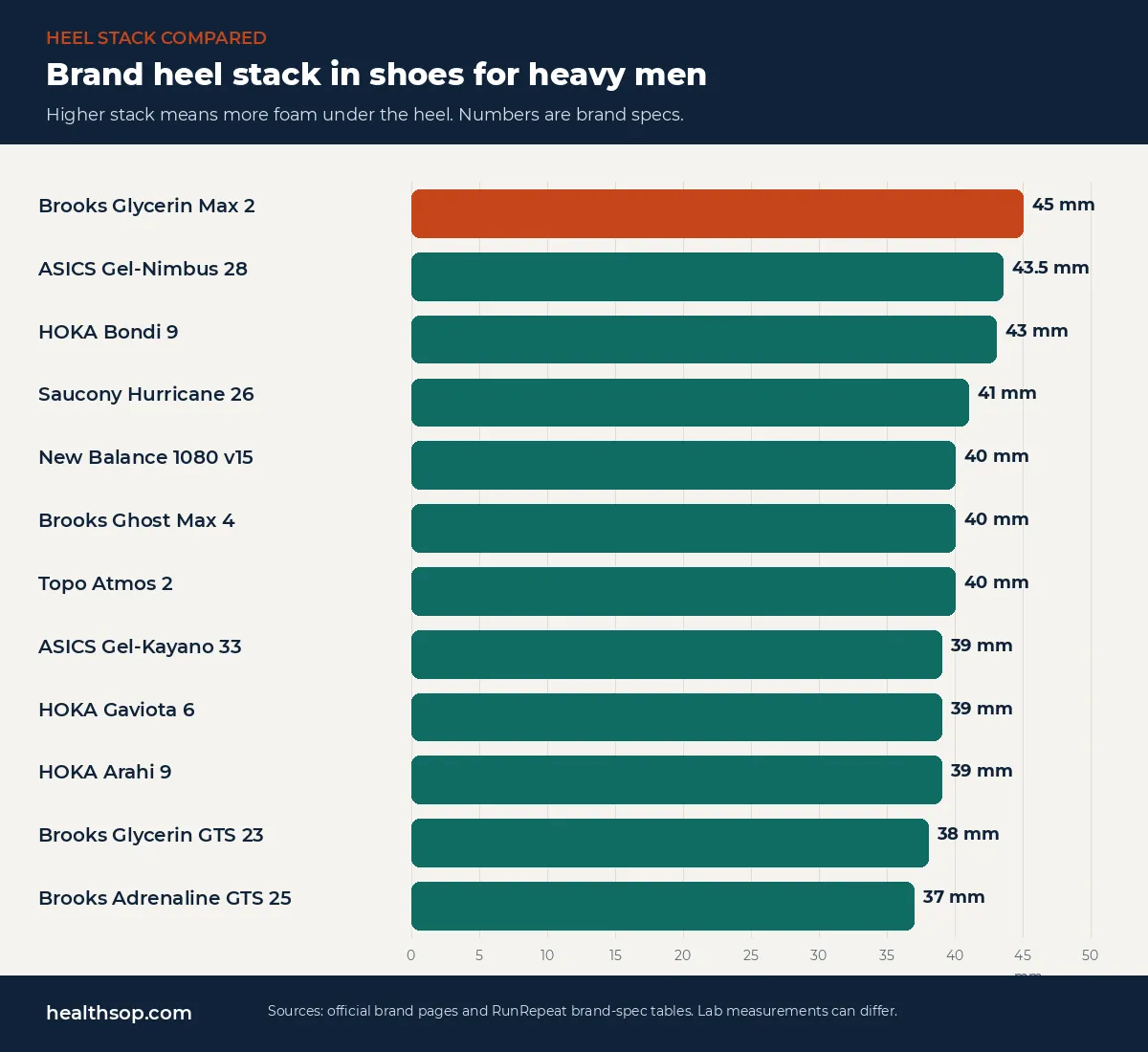
The chart below shows brand heel stack only, so you can see which shoes put the most foam under the heel. Lab measurements can be a few millimeters lower.
Heavier runners also care about foam firmness and whether a 4E width exists. This table is the extra check most first-page guides skip. Midsole firmness is a RunRepeat lab durometer reading (AC) when we have one. If we do not, we mark it n/a rather than guess.
| Model | Foam | Lab firmness (AC) | 4E or extra-wide? |
|---|---|---|---|
| HOKA Bondi 9 | Supercritical EVA | 43.0 AC | Yes |
| Brooks Glycerin GTS 23 | DNA TUNED | n/a (no lab test yet) | Yes |
| ASICS Gel-Kayano 33 | FF BLAST PLUS / MAX | 32.8 AC (top layer) | Yes, in the RunRepeat brand table |
| NB 1080 v15 | Fresh Foam X | 21.5 AC (soft) | Yes |
| Brooks Ghost Max 4 | Max cushion + rocker | 39.7 AC | Yes |
| Saucony Hurricane 26 | incrediLUX | n/a (lab called it balanced) | No, regular and wide only |
| HOKA Gaviota 6 | HOKA cushion + H-Frame | n/a | Yes |
| ASICS Gel-Nimbus 28 | FF BLAST PLUS + PureGEL | 38.8 AC | Wide yes; confirm extra-wide on the listing |
| Brooks Adrenaline GTS 25 | DNA LOFT v3 | n/a | Yes |
| HOKA Arahi 9 | HOKA cushion + H-Frame | n/a | Yes |
| Brooks Glycerin Max 2 | DNA TUNED | n/a | No, medium only |
| Topo Atmos 2 | ZipFoam | n/a | Roomy last, not a 4E width |
What makes a running shoe good for heavy men?
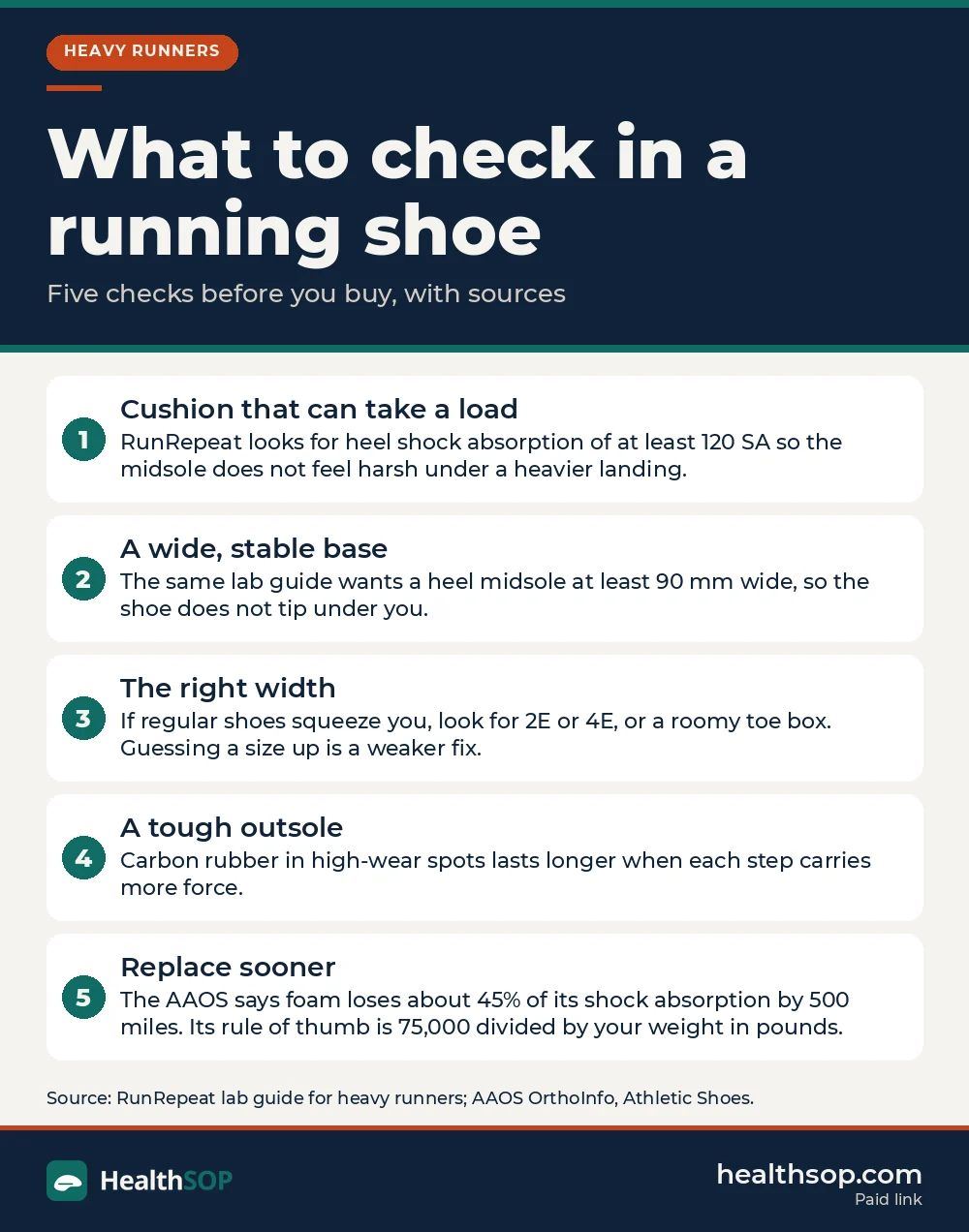
A good running shoe for a heavier runner has enough foam to take a harder landing, a base that does not tip, a width that actually fits, and an outsole that can last. You do not always need a motion-control shoe. You do need a model that stays comfortable and stable under your load.
Midsole density and stack height
Stack height is the foam under your heel and forefoot, in millimeters. A taller stack spreads impact over more material. Firmness matters too. Foam that is too soft can flatten under a heavier runner. RunRepeat looks for heel shock absorption of at least 120 SA, and a midsole that is not extremely plush, for this use.
On this list, the Glycerin Max 2, Nimbus 28, and Bondi 9 have the tallest brand heels. The 1080 v15 is tall but very soft, at 21.5 AC. The Bondi 9 and Ghost Max 4 sit in a firmer, more controlled range.
Wide, stable base
A wide midsole gives your foot a bigger platform to land on. That reduces the chance the shoe tips inward or outward. RunRepeat’s guide for heavy men looks for a heel midsole at least 90 mm wide, measured on the midsole, not the insole.
The Hurricane 26 is an extreme example, at 112.3 mm in the lab. The Bondi 9 also uses a wide platform and midsole sidewalls. A tall, narrow shoe is a poorer match, even if the stack number looks high.
Width options (2E/4E)
2E is wide and 4E is extra wide in most U.S. men’s running shoes. If a regular (D) shoe squeezes your forefoot, a true wide last is better than buying a half size up. Sizing up adds length, not always width, and can make the heel slip.
The 1080 v15, Ghost Max 4, Adrenaline GTS 25, Arahi 9, Glycerin GTS 23, Bondi 9, and Gaviota 6 all offer extra-wide options. The Glycerin Max 2 does not. The Atmos 2 uses a roomy, foot-shaped toe box instead of a 4E last. For more on that difference, see our guide to the best running shoes with a wide toe box.
Durable outsole rubber
Heavier landings wear rubber faster, especially at the heel. Look for carbon rubber in high-wear spots, and full or near-full coverage if you are hard on shoes. Saucony uses XT-900 carbon rubber on the Hurricane 26. HOKA uses Durabrasion rubber on the Bondi 9.
No outsole lasts forever. Check the tread every few weeks, and see our notes below on when the foam itself is done.
Support level
Support is about how the shoe handles inward roll, not about body weight alone. Neutral shoes like the Bondi 9 or Nimbus 28 suit runners whose ankles stay fairly straight. Stability shoes like the Kayano 33, Glycerin GTS 23, Hurricane 26, Gaviota 6, Adrenaline GTS 25, and Arahi 9 add guidance if you overpronate.
The AAOS still groups motion-control shoes with heavier body weight and severe pronation. That does not mean every heavier runner must buy one. If a neutral shoe feels stable and comfortable, you can stay there. If you are unsure, start with a stability option and get a gait check at a running store. Our explainer on what a stability running shoe is goes deeper.
Do heavier runners need special running shoes?
You need a shoe that can handle a higher load, but you do not automatically need a medical or motion-control model. The AAOS notes that running and jumping send an impact force through the legs that is three to five times your body weight. A heavier runner simply applies more force with each step, so cushion, a stable base, and durability matter more.
Body mass can also change injury risk for new runners. In a study of 930 novice runners, Nielsen and colleagues found that body mass index helped predict who developed a running-related injury (Nielsen et al., 2013). That is a reason to start easy and pick a protective daily trainer, not a reason to avoid running.
Comfort still counts. Nigg and colleagues argued that a shoe that feels right, sometimes called a comfort filter, is a better guide than forcing everyone into one shoe type (Nigg et al., 2015). A 2022 Cochrane review also found that the evidence is limited on whether special running shoes prevent injuries. So buy for fit, cushion, and a stable ride, and see a clinician if you have pain.
How long do running shoes last for heavy runners?
They often wear out sooner than the usual 300 to 500 mile window, because each step loads the foam more. The AAOS says EVA foam starts to show structural damage after 120 miles, and the shoe has lost about 45% of its initial shock absorption by 500 miles.
Its rule of thumb is 75,000 divided by your body weight in pounds. A 150-pound runner lands near 500 miles. A 200-pound runner lands near 375 miles. A 250-pound runner lands near 300 miles. Use that as a starting point, then watch for a flattened midsole, worn rubber, or new aches. Our guide to how long running shoes last shows the signs in more detail.
What happened to our older heavy-runner guides?
Our older pages on running shoes for heavier guys, and walking shoes for heavy guys, now point to this guide. The useful points from those pages are here: look for durable cushion, a stable base, and a width that fits, and skip racing flats when you want comfort and support. The language on this page is about heavy runners, not body-shaming nicknames.
How we chose these shoes
We did not lab-test these shoes in house. We compared current-generation models, official brand specs, and independent lab or tester data, then checked that each Amazon US listing was available on 17 November 2026.
- Current models only. We dropped older generations from the 2023 and 2024 version of this page, such as the Bondi 8 and other shoes that are no longer current.
- First-page coverage. Top results for this query list about 5 to 10 shoes. We cover 12 current models so the main types are here: max cushion, stability, wide widths, rocker, and a roomy toe box.
- Brand specs and lab data. Weights, drops, and stacks come from official product pages or brand catalogs. Shock absorption and firmness come from RunRepeat when a test exists.
- Clinical guidance. Impact, fit, and replacement notes come from the AAOS, plus the Nielsen, Nigg, and Cochrane papers cited above.
- Amazon availability. Every ASIN on this page showed an Add to Cart button and in-stock size options on 17 November 2026, from a Bangladesh delivery location. Recheck with a US ZIP on publish day.
One brief pick did not make the final 12. The Brooks Beast GTS 26 is the current motion-control Beast, and the Amazon listing was in stock, but official Brooks product photos were blocked when we tried to download them. Rather than use a shoe we could not illustrate with brand images, we used the Topo Atmos 2, which already has official photos and a roomy toe box. The Adrenaline GTS 25, Kayano 33, and Gaviota 6 still cover the support side.
Which shoe should you pick?
Start with how your foot moves and how wide it is, then pick the cushion level you like. If you are new to running, our list of the best running shoes for beginners is a useful companion. For the full category, see the best overall running shoes guide.
| If this sounds like you | Start with |
|---|---|
| Most heavier runners who want one easy daily shoe | HOKA Bondi 9 |
| You overpronate and want a soft, supported landing | Brooks Glycerin GTS 23 |
| Your ankles roll in a lot and you want a locked-in heel | ASICS Gel-Kayano 33 or HOKA Gaviota 6 |
| You need 2E or 4E and a soft ride | New Balance 1080 v15 |
| You walk and run in the same shoe | Brooks Ghost Max 4 |
| You want bouncy foam that still supports long runs | Saucony Hurricane 26 |
| You want everyday GuideRails and a 10 mm drop | Brooks Adrenaline GTS 25 |
| You want lighter stability in 2E or 4E | HOKA Arahi 9 |
| You want the most foam and wear a medium width | Brooks Glycerin Max 2 |
| Your toes feel cramped even in a wide shoe | Topo Atmos 2 |
Still unsure? The Bondi 9 is the safest first buy for most people on this page.
Which running shoes for heavy men also suit wide feet, flat feet, or beginners?
Which running shoes for heavy men also suit wide feet?
Start with a true wide or extra-wide last, not just a longer size. The 1080 v15, Ghost Max 4, Adrenaline GTS 25, Arahi 9, Glycerin GTS 23, Bondi 9, and Gaviota 6 all have extra-wide options. If the problem is cramped toes rather than a narrow midfoot, the Atmos 2 is the better match. Our wide toe box guide explains that difference.
Which running shoes for heavy men also suit flat feet?
Flat feet often go with overpronation, but not always. If your arch flattens and your ankle rolls in, choose a stability shoe such as the Kayano 33, Gaviota 6, Glycerin GTS 23, or Hurricane 26. If a neutral shoe feels fine, you do not have to force a posted model. Get a gait check if you are unsure.
Which running shoes for heavy men also suit beginners?
Beginners who are heavier still want a simple daily trainer, not a racing shoe. The Bondi 9, Adrenaline GTS 25, and Ghost Max 4 are the easiest starting points on this list. For a full beginner-focused list, see the best running shoes for beginners.
Which running shoes for heavy men also suit shin splints?
Shin splints have more than one cause, including a sudden jump in mileage. A cushioned daily trainer and a slower build often help more than any one model. The Bondi 9 or Glycerin GTS 23 is a reasonable place to start. If pain lasts, see a clinician. This is not a treatment plan.
Which running shoes for heavy men also suit runners who need stability?
Choose a stability shoe if you overpronate or feel wobbly in a neutral trainer. The Kayano 33 is the most locked-in option here. The Glycerin GTS 23 and Hurricane 26 are softer supported rides. The Adrenaline GTS 25 and Arahi 9 are lighter daily options. Read what a stability running shoe is if you are still sorting the terms.
Which running shoes for heavy men also suit marathons?
For marathon training, most heavier runners should log easy miles in a protective daily shoe, not a carbon-plated racer. The Hurricane 26, Bondi 9, Nimbus 28, and Glycerin GTS 23 are the long-run picks on this list. Save a lighter shoe, if you use one, for a few faster sessions once your easy miles feel solid.
Heel pain is a different problem. If you have plantar fasciitis, use our guide to the best running shoes for plantar fasciitis instead of stretching this page to cover it.
Save this guide to Pinterest
Frequently asked questions
What running shoes are best for a 250 lb man?
The HOKA Bondi 9 is the best first pick for most 250 lb runners, because of its high stack and wide, stable base. If you overpronate, choose the Glycerin GTS 23 or Kayano 33 instead. There is no official weight limit on these shoes. What matters is foam that does not flatten, a wide base, and a fit you can get in 2E or 4E if you need it. Plan to replace the pair sooner, using the AAOS 75,000-divided-by-weight rule.
Are HOKA shoes good for heavy runners?
Yes, many heavier runners do well in HOKA shoes, especially the Bondi 9 and the more stable Gaviota 6. The Bondi 9 is the max-cushion option. The Gaviota 6 adds a reinforced H-Frame if you need guidance. The Clifton is a lighter, less protective HOKA, so it is a weaker match when you want maximum shock absorption. Durability still depends on your mileage and landing, so check the outsole and midsole often.
Do heavy runners need stability shoes?
Only if you overpronate or feel unstable in a neutral shoe. Body weight alone does not mean you must buy a stability or motion-control model. The AAOS still links motion-control shoes with heavier body weight and severe pronation, but Nigg’s comfort-filter research says the shoe that feels right is a better guide. If a Bondi 9 feels stable, you can use it. If your ankles roll in, pick a Kayano 33, Gaviota 6, or Glycerin GTS 23.
What shoes are good for heavy men with wide feet?
Choose a model that actually comes in 2E or 4E, or a roomy foot-shaped last. The 1080 v15 is the most complete width range on this list, from narrow to 4E. The Ghost Max 4, Adrenaline GTS 25, Arahi 9, Glycerin GTS 23, Bondi 9, and Gaviota 6 also offer extra-wide options. If your toes feel jammed even in a wide shoe, try the Atmos 2. Avoid the Glycerin Max 2 if you need more than a medium width.
How often should heavy runners replace shoes?
Sooner than the usual 300 to 500 miles, in many cases. The AAOS says a shoe has lost about 45% of its shock absorption by 500 miles, and its rule of thumb is 75,000 divided by your weight in pounds. A 200 lb runner is near 375 miles. A 250 lb runner is near 300 miles. Also replace the pair if the midsole looks packed out, the outsole is smooth, or new aches show up. See our guide on how long running shoes last.
Is running bad for heavy people’s knees?
Running is not automatically bad for heavier knees, but a sudden, hard start can be. Impact rises with body weight, which is why a cushioned shoe and a gradual plan matter. If you already have knee pain, see a clinician before you ramp up, and consider a protective daily trainer such as the Bondi 9 or Glycerin GTS 23. This page cannot diagnose joint disease or replace medical care. Build mileage slowly and stop if pain gets worse.
Sources
We used these sources for the claims on this page. Last updated 17 November 2026 (Asia/Dhaka).
- Nielsen et al., 2013, Orthopaedic Journal of Sports Medicine. Predictors of running-related injuries among 930 novice runners.
- Nigg et al., 2015, British Journal of Sports Medicine. Running shoes and running injuries: mythbusting (comfort filter).
- Hreljac, 2004, Medicine & Science in Sports & Exercise. Impact and overuse injuries in runners.
- Relph et al., 2022, Cochrane Review. Running shoes for preventing lower-limb running injuries in adults.
- AAOS OrthoInfo: Athletic Shoes (impact force, fit, and the 75,000 divided-by-body-weight replacement rule).
- RunRepeat: 7 Best Running Shoes For Heavy Men in 2026, plus individual lab pages cited in the reviews.
- Official product pages: HOKA, Brooks, ASICS, New Balance, Saucony, and Topo Athletic, as linked in each review.
Written by Lora Nicolas for HealthSOP. This refresh replaces our 2023 list, which named shoes that are no longer current. For every runner type, see our main guide to the best overall running shoes. If you are just getting started, learn how to find good running shoes or how to get fitted for running shoes.
2 thoughts on “Best Running Shoes for Heavy Men (2026)”