
The Brooks Glycerin 23 is the most comfortable running shoe for most runners. It pairs the softest-feeling ride in this guide with the best shock absorption we found in lab data. If you need the most cushion underfoot, choose the HOKA Bondi 9 instead. We picked these 7 shoes from brand specs, independent lab data from RunRepeat, and clinical guidance on fit and injury risk. We did not test them hands-on.
This guide has paid links. As an Amazon Associate, I may earn a commission from qualifying purchases. No prices are listed here because they change often; the button under each shoe takes you to Amazon to check the current price.
Save this guide to Pinterest
Table of Contents
Quick picks: the most comfortable running shoes
| Shoe | Best for | Heel stack (brand) | Drop (brand) | Weight (men’s US 9) |
|---|---|---|---|---|
| Brooks Glycerin 23 | Overall comfort | 38 mm | 8 mm | 300 g |
| HOKA Bondi 9 | Most cushion | 43 mm | 5 mm | 297 g |
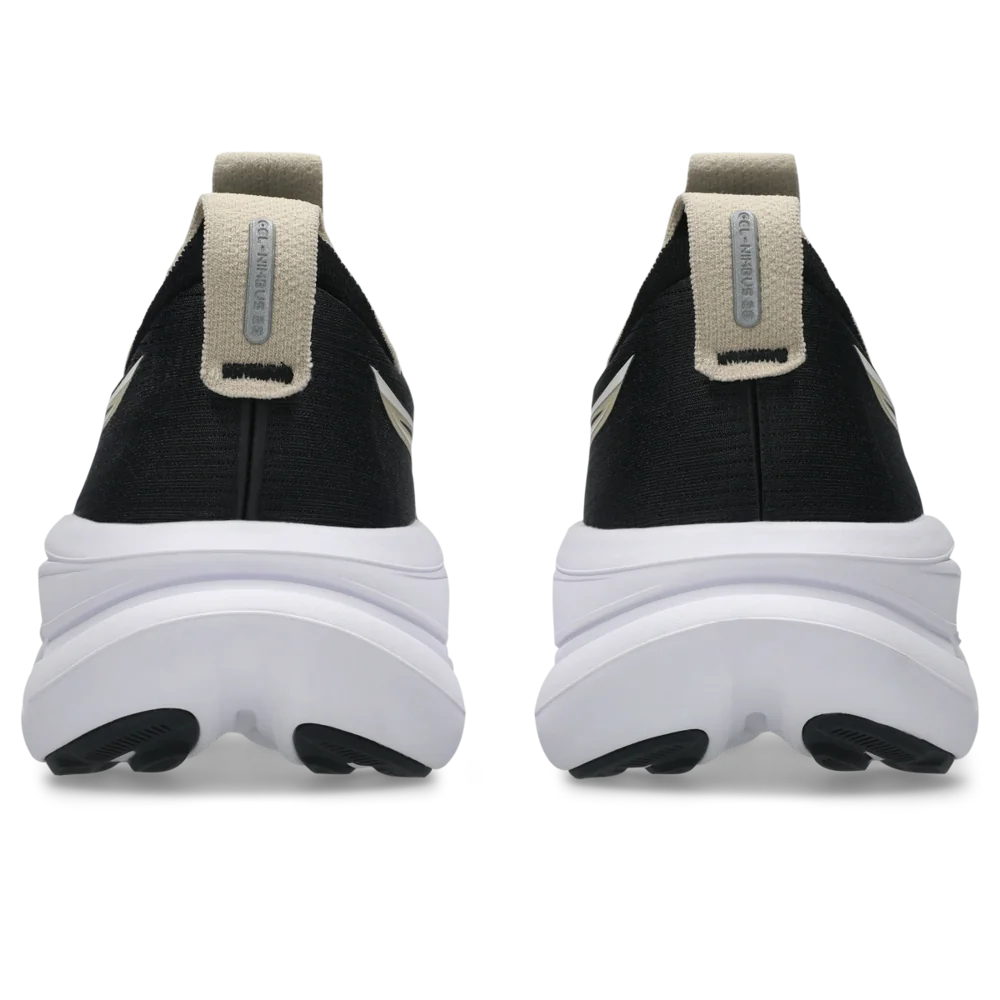
| ASICS Gel-Nimbus 28 | Softest step-in | 43.5 mm | 8 mm | 283 g |
| On Cloudmonster 2 | Most comfortable On | 35 mm | 6 mm | 300 g |
| New Balance Fresh Foam X 1080 v15 | Wide feet | 40 mm | 6 mm | 261 g |
| Brooks Ghost Max 4 | Rocker ride | 40 mm | 6 mm | 292 g |
| ASICS Novablast 6 | Bouncy ride | 41.5 mm | 8 mm | 253 g |
Stacks, drops and weights are the brands’ own figures for men’s sizes. Lab-measured figures appear in each shoe’s spec box, and where the lab and the brand disagree, we say so. If you want the full picture first, read our guide to the best running shoes before you pick.
The 7 most comfortable running shoes, reviewed
1. Brooks Glycerin 23 — Most comfortable overall
Best for: runners who want the most comfortable shoe, full stop.
- Stack: 38 mm heel / 30 mm forefoot (Brooks); 37.2 / 29.0 mm (RunRepeat lab)
- Drop: 8 mm (Brooks); 8.2 mm (RunRepeat lab)
- Weight: 10.6 oz / 300 g men’s, 9.6 oz / 272 g women’s
- Midsole softness: 29.2 AC (RunRepeat lab; category average 35.5 AC; lower is softer)
- Energy return: 54.1% heel / 57.7% forefoot (RunRepeat lab)
- Shock absorption: 140 SA heel / 116 SA forefoot (RunRepeat lab)
- Foam: DNA Tuned, dual-density (soft cells in the heel, firmer cells in the forefoot)
- Widths: Medium, Wide (2E), Extra Wide (4E)
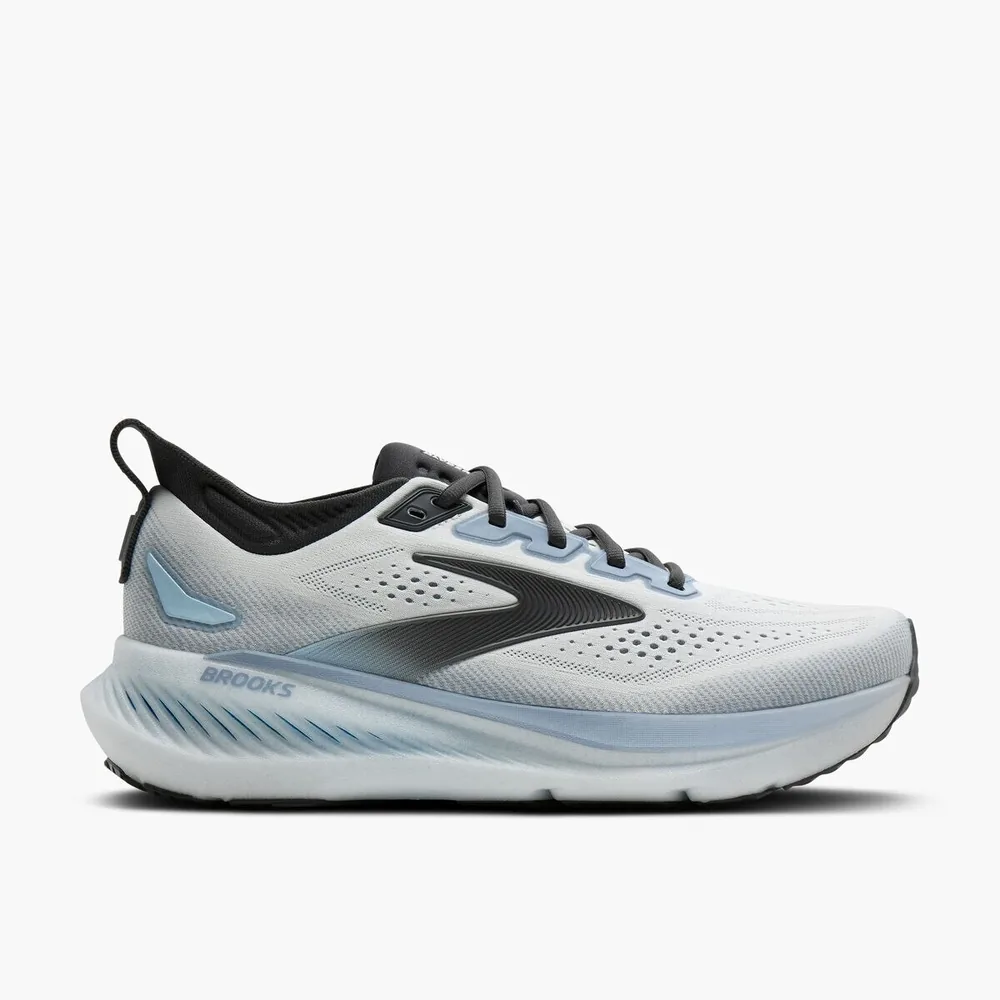
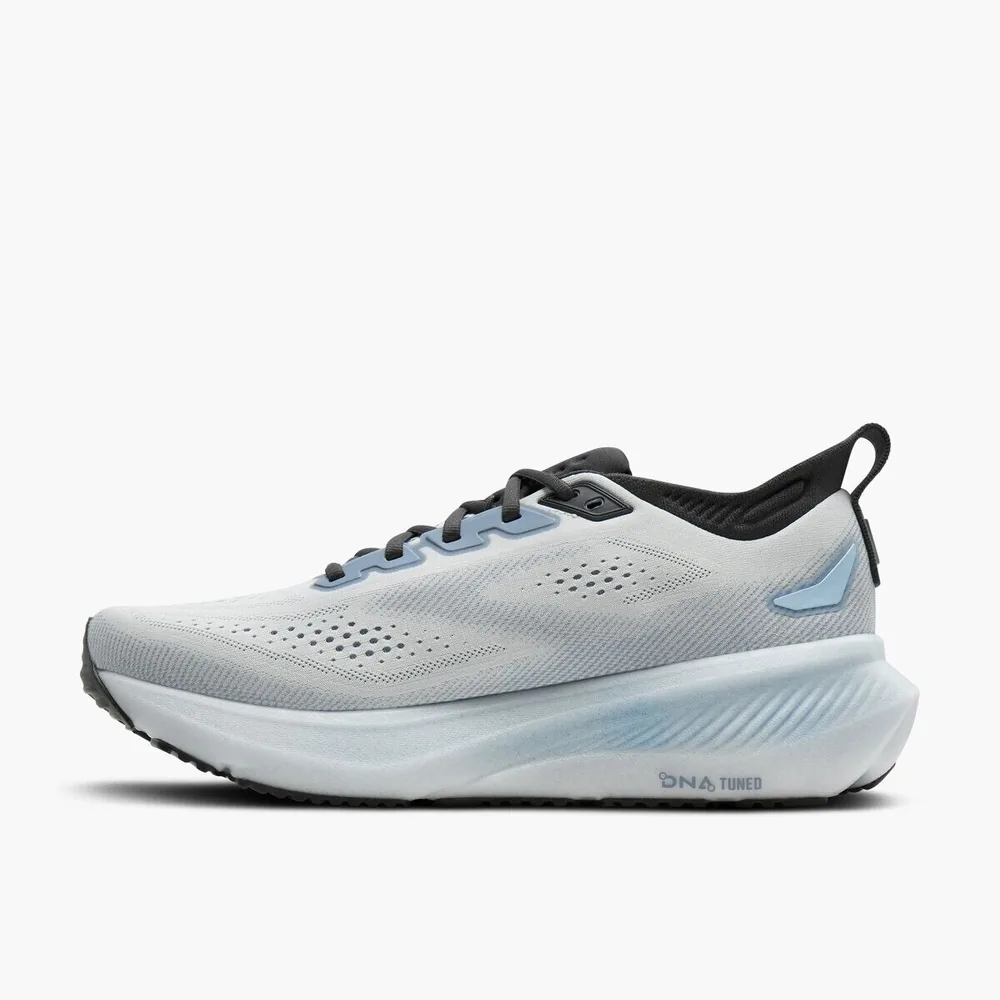
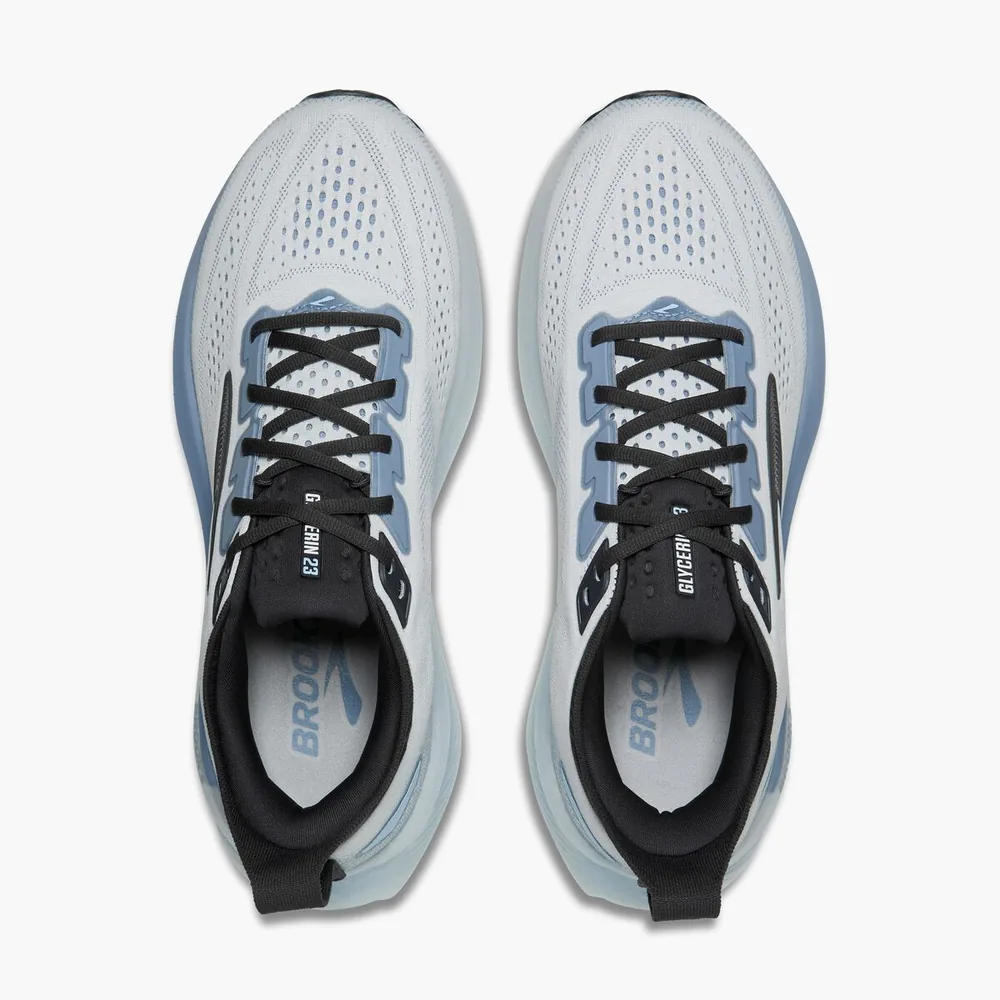
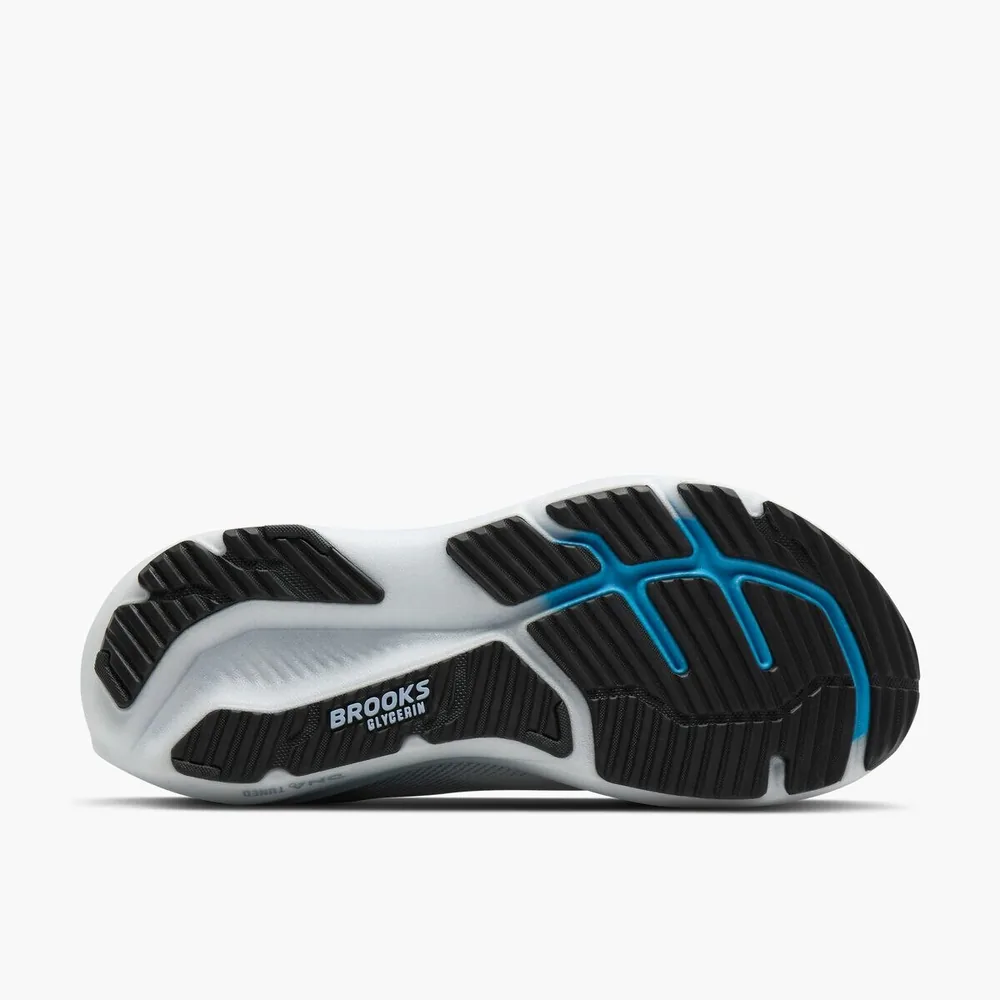
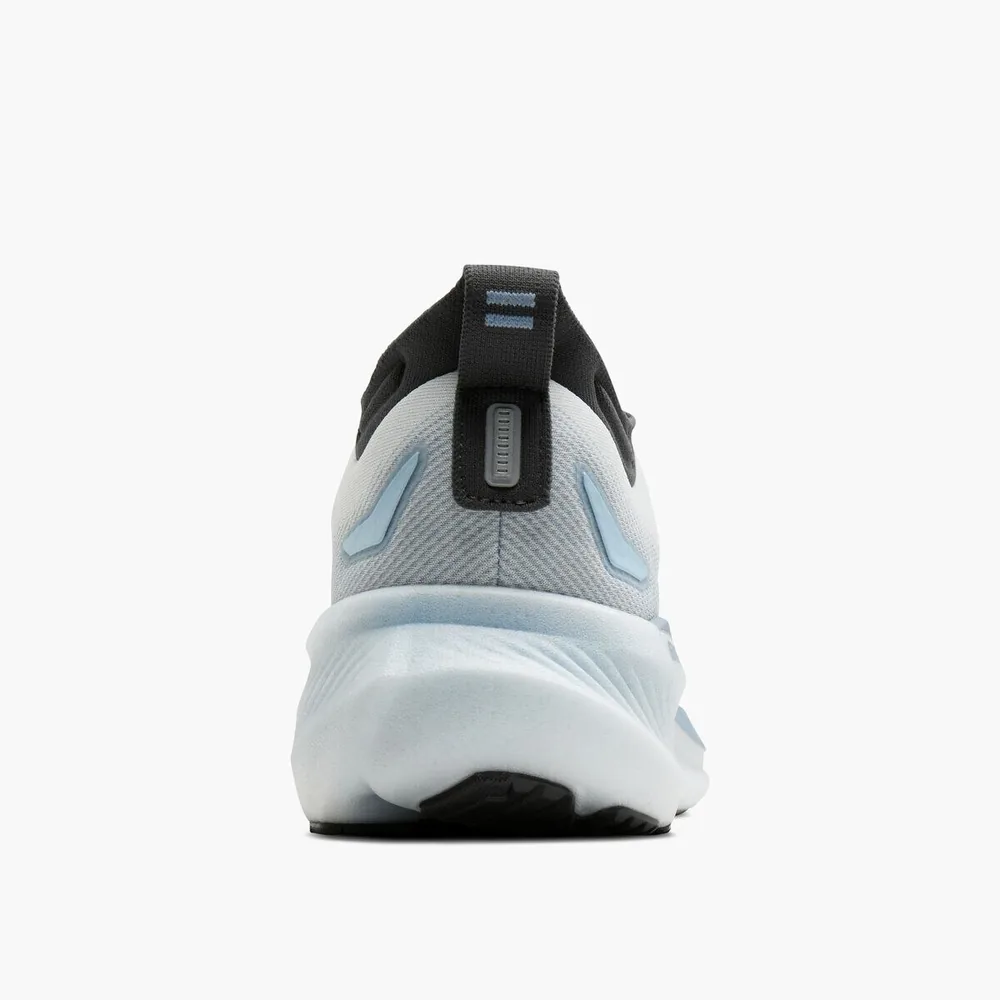
The Glycerin 23 is Brooks’ flagship cushioned trainer, and it feels like it. The DNA Tuned foam uses big soft cells in the heel and smaller firmer cells in the forefoot. You land soft, then push off a firmer platform. Brooks added 2 mm of foam under the forefoot for 2026, which cut the drop from 10 mm to 8 mm. RunRepeat named it the most comfortable running shoe of 2026 after testing it in the lab and on the road.
The lab numbers back up the feel. The foam measured 29.2 AC on the durometer, the second softest in this guide. Shock absorption hit 140 SA in the heel, the best score here after the 1080 v15. The trade is weight and bounce. At 303 g in the lab it is one of the heaviest shoes here. Energy return came in below average at 54.1% in the heel. So do not buy it for speed. Buy it for comfort on long, tired legs. For the full Brooks lineup, see our guide to the best Brooks running shoes.
Pros:
- Softest-feeling ride in this guide after the 1080 v15
- Best heel shock absorption here after the 1080 v15 (140 SA)
- Balanced 8 mm drop suits heel, midfoot, and forefoot strikers
- Plush triple-jacquard upper with a thick, padded tongue
- Wide platform (120.4 mm forefoot / 98.6 mm heel in the lab) feels stable
Cons:
- Heavy at 303 g in the lab. You feel the weight when you pick up the pace.
- Low energy return. It soaks up impact instead of giving it back.
Skip it if: you want a light, bouncy shoe or you run mostly on your forefoot. The weight and soft foam will feel flat to you.


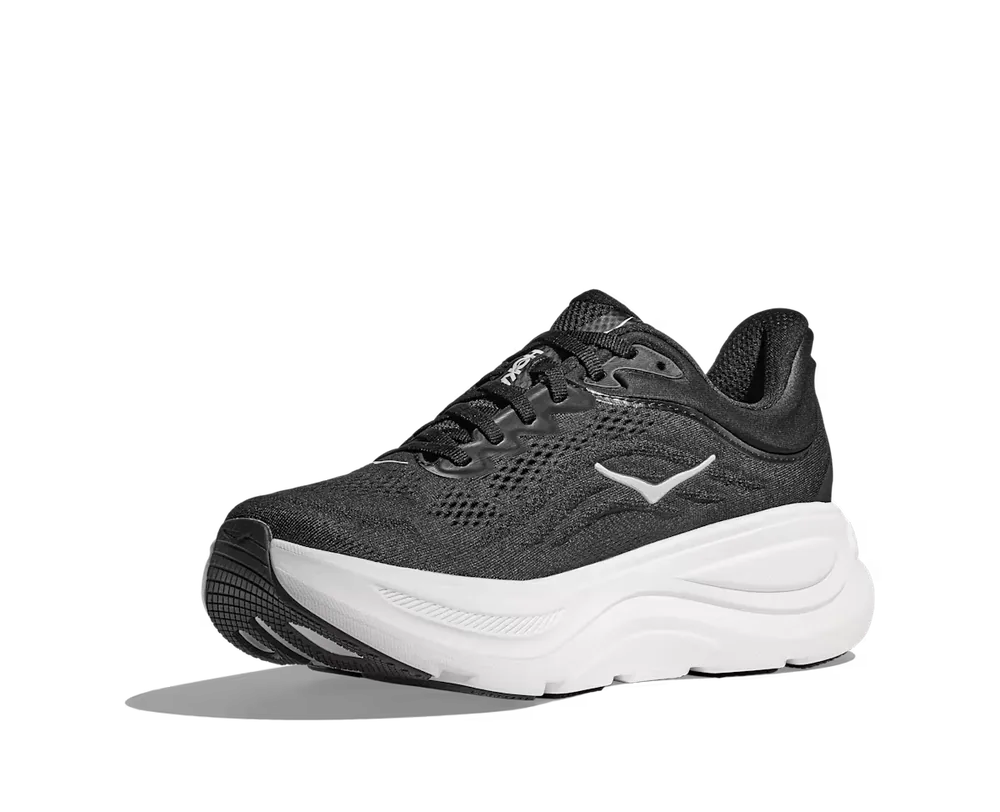
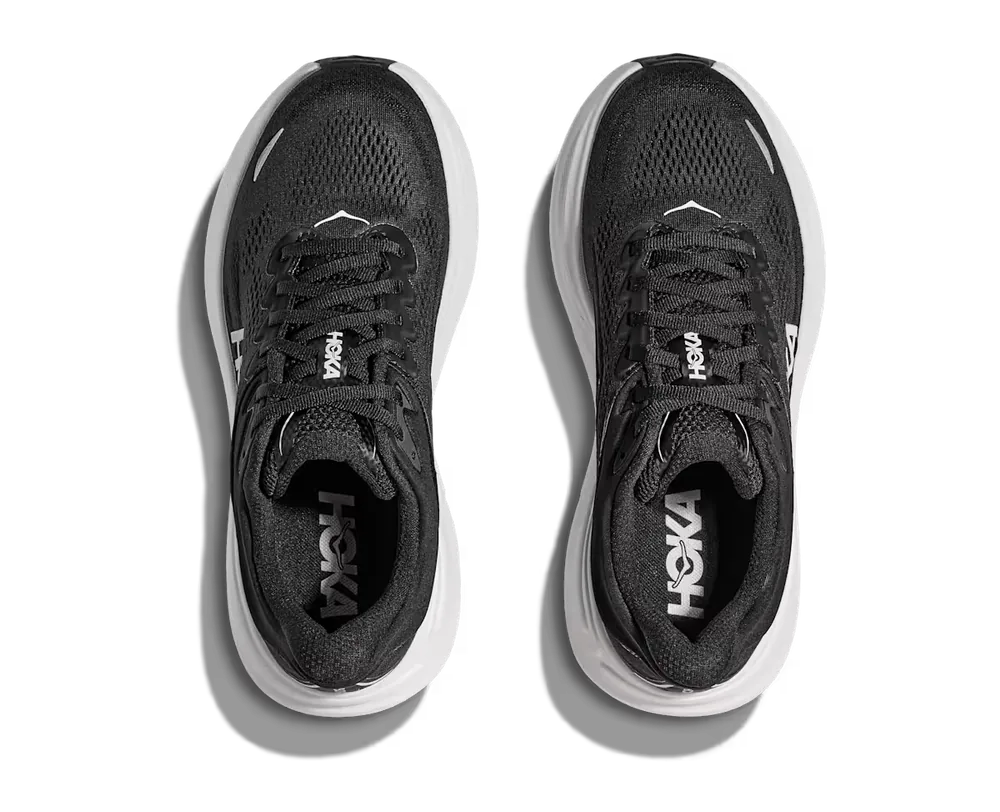
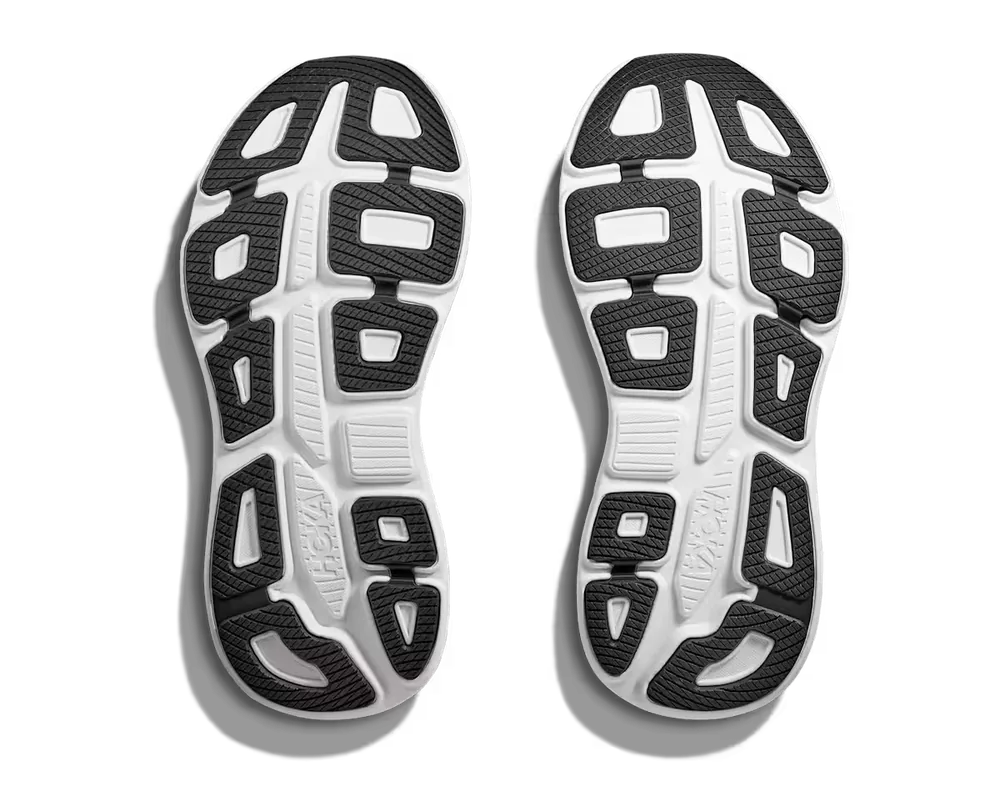
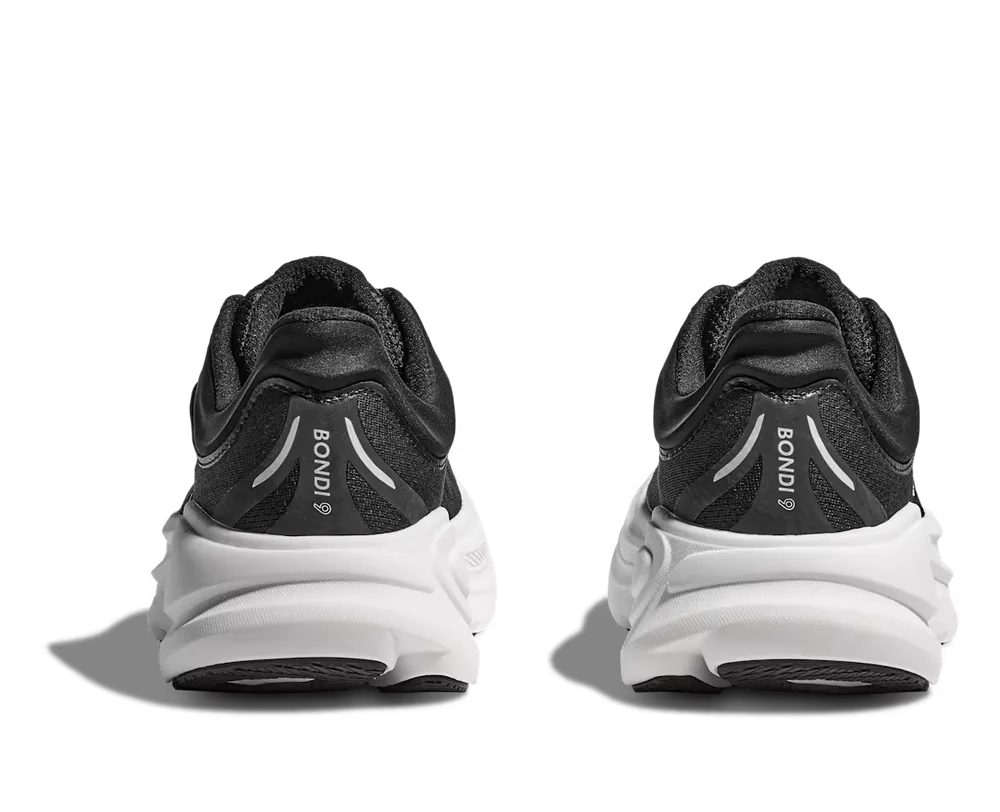
2. HOKA Bondi 9 — Most cushioned comfort
Best for: runners who want the most foam underfoot, and people on their feet all day.
- Stack: 43 mm heel / 38 mm forefoot (HOKA); 41.3 / 32.2 mm (RunRepeat lab)
- Drop: 5 mm (HOKA); 9.1 mm (RunRepeat lab)
- Weight: 10.5 oz / 297 g men’s
- Midsole softness: 43.0 AC (RunRepeat lab; category average 35.5 AC; lower is softer)
- Energy return: about 60% (RunRepeat lab)
- Shock absorption: 146 SA heel / 133 SA forefoot (RunRepeat lab)
- Foam: Supercritical EVA with a meta-rocker
- Widths: Narrow, Normal, Wide, X-Wide
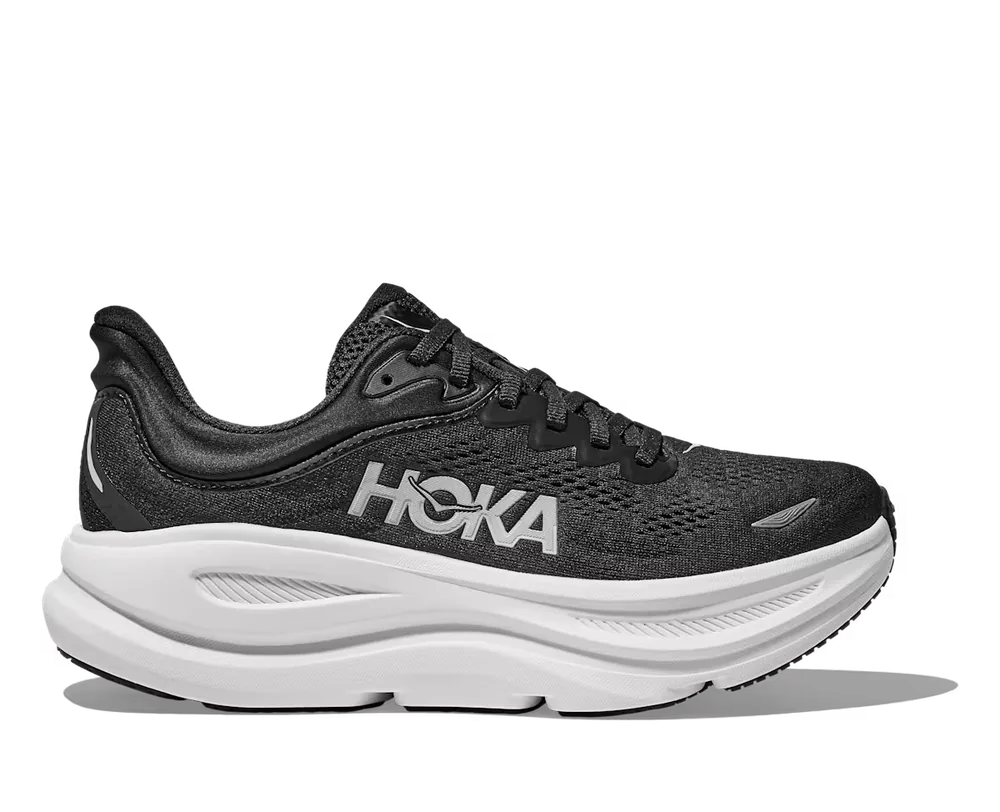
The Bondi 9 has the tallest stack in this guide after the Nimbus 28, and the highest heel shock absorption we found anywhere: 146 SA. But here is the honest part. The foam is firm, not plush. RunRepeat measured it at 43.0 AC, well above the 35.5 AC average. It called the Bondi one of those ultra-cushioned models that leans toward a firmer feel. The comfort here comes from protection and the meta-rocker rolling you forward, not from softness. If you buy it expecting a marshmallow, you will be surprised.
Two numbers need a note. HOKA lists a 5 mm drop, but the lab measured 9.1 mm. The real drop is higher than the box says. And at 303 g in the lab, the Bondi 9 ties the Glycerin 23 as the heaviest shoe here. None of that matters much for its job. For slow miles, long walks, and standing all day, the tall, firm platform is exactly what protects your legs.
Pros:
- Highest heel shock absorption in this guide (146 SA)
- Meta-rocker rolls you forward with each step
- Four widths, from Narrow to X-Wide
- Stable for its height, so the tall stack does not feel tippy
- Durable outsole built for high mileage
Cons:
- Firm foam surprises buyers who expect a plush ride. The 43.0 AC reading is well above average.
- Heavy and bulky at 303 g. It is not a fast-day shoe.
Skip it if: you want a soft, sink-in feel or a light shoe. The Bondi protects your legs; it does not coddle them.
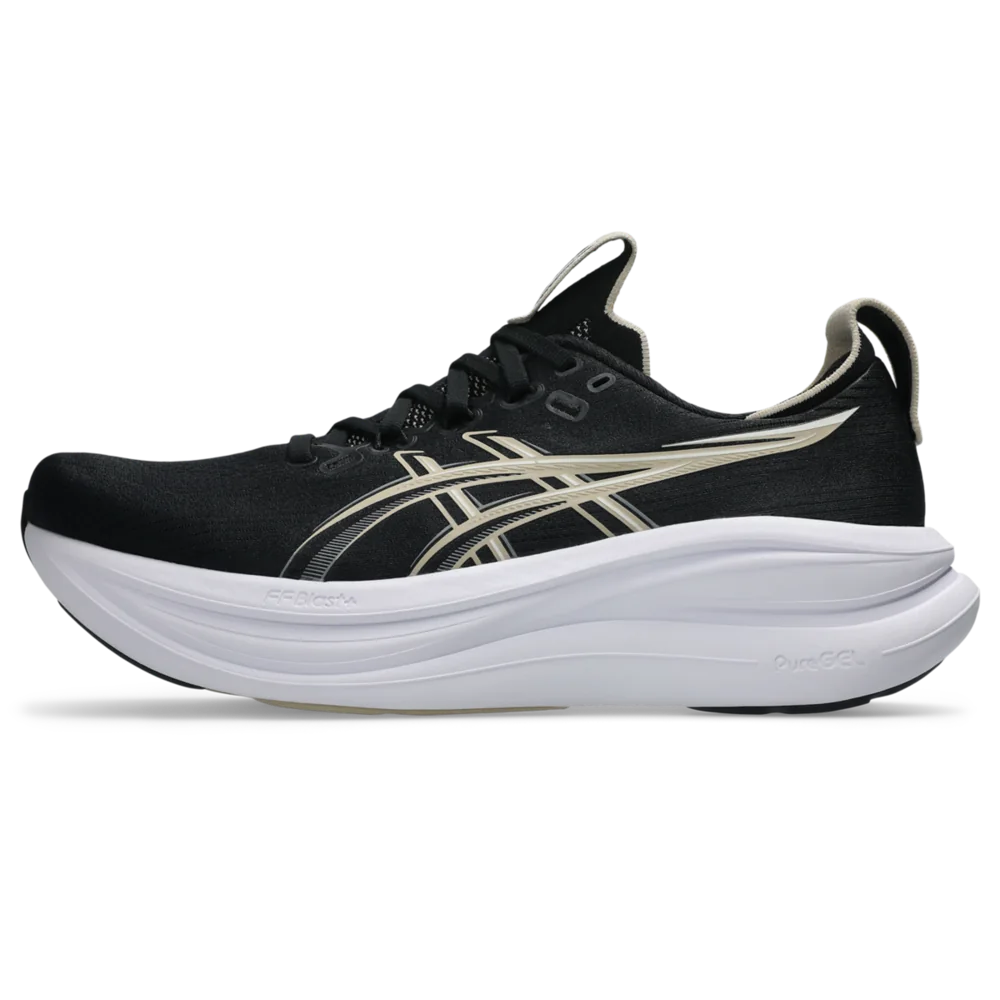
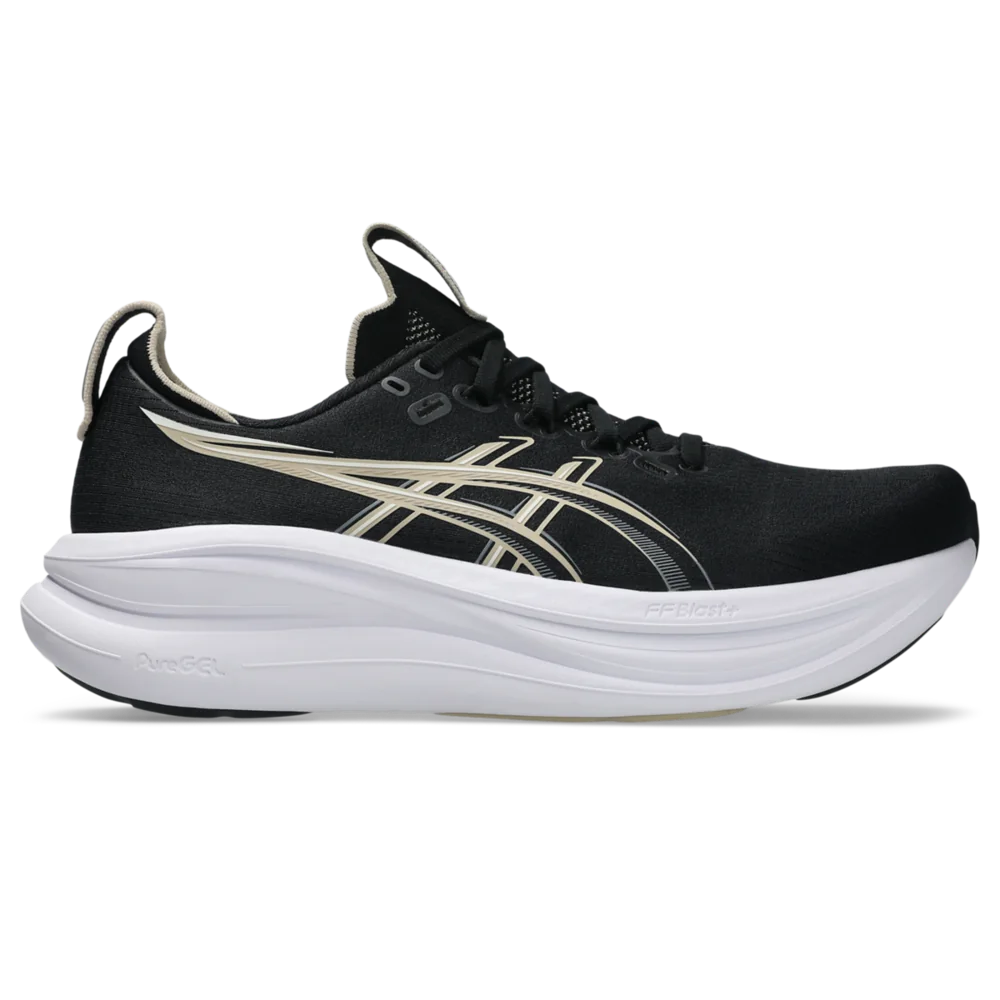
3. ASICS Gel-Nimbus 28 — Softest step-in
Best for: runners who want the softest first step the moment they put the shoe on.
- Stack: 43.5 mm heel / 35.5 mm forefoot (ASICS); 43.0 / 34.9 mm (RunRepeat lab)
- Drop: 8 mm (ASICS); 8.1 mm (RunRepeat lab)
- Weight: 10 oz / 283 g men’s; 9.8 oz / 278 g (RunRepeat lab)
- Midsole softness: 38.8 AC (RunRepeat lab; category average 35.5 AC; lower is softer)
- Energy return: 44.2% heel / 45.9% forefoot (RunRepeat lab)
- Shock absorption: High (RunRepeat lab)
- Foam: FF BLAST PLUS with a PureGEL heel insert
- Widths: Normal, Wide, X-Wide
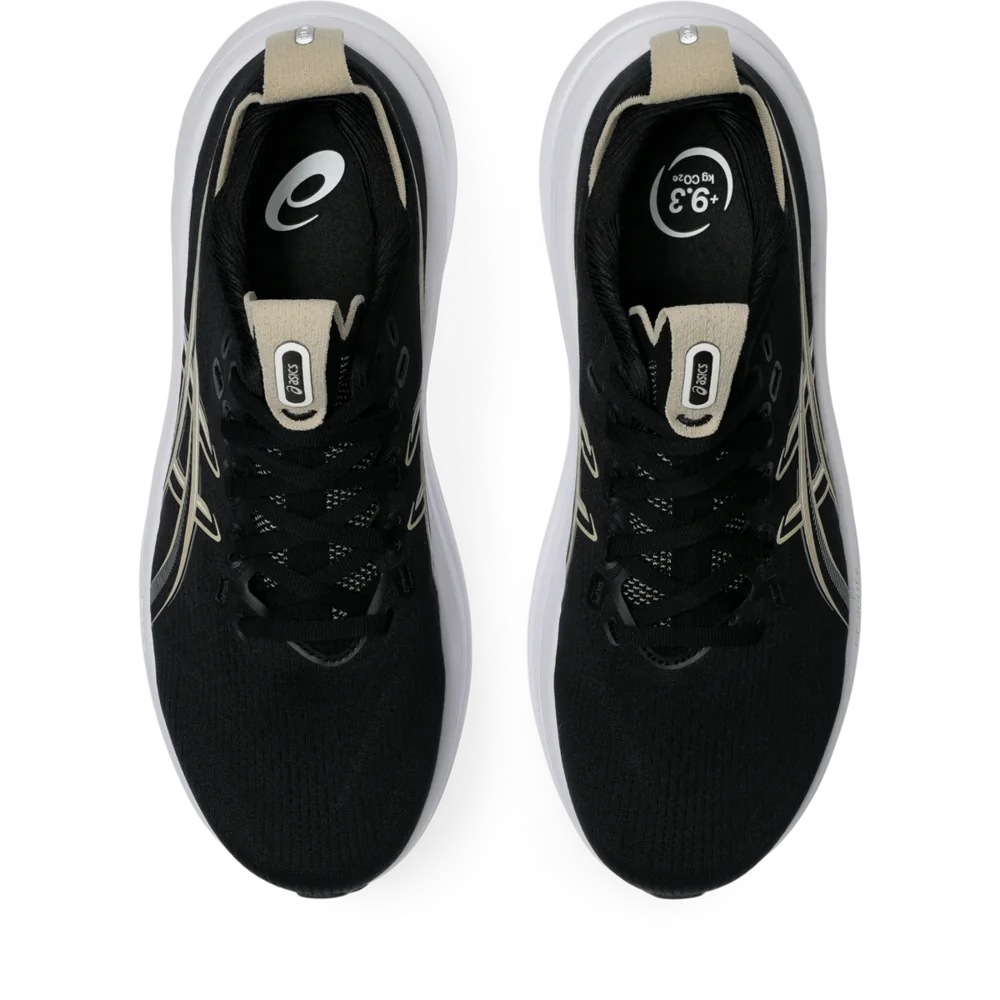
The Nimbus 28 wins on step-in comfort. RunRepeat lists “excellent step-in comfort” as its first strength. The reason is simple: a PureGEL insert under the heel plus generous foam padding around the ankle. The shoe feels soft the second your foot goes in. One honest note: the foam itself measures 38.8 AC in the lab, which is firmer than the 1080 v15 at 21.5 AC. The Nimbus feels softest on first wear, while the 1080 measures softest in the lab. Both are true, and the comparison table below shows the numbers side by side.
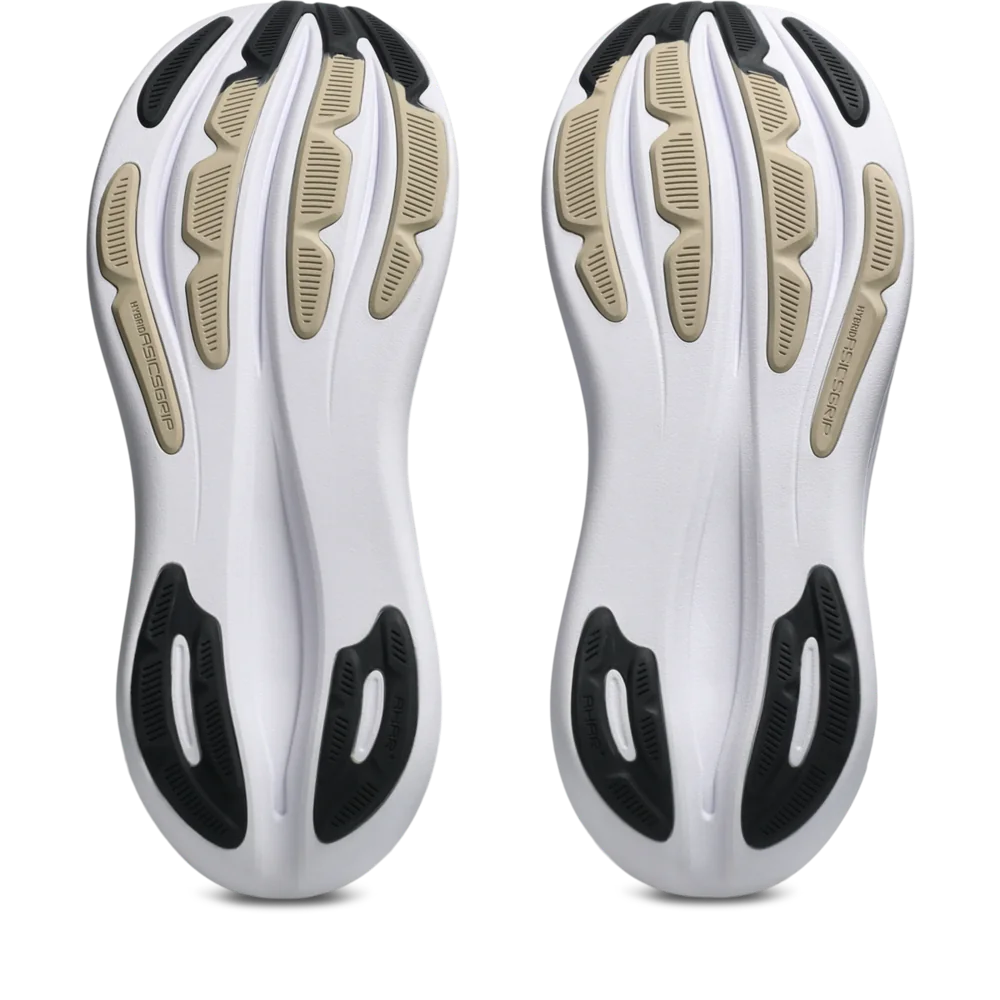
The trade is bounce. Energy return came in at 44.2% in the heel and 45.9% in the forefoot, the lowest in this guide. The Nimbus absorbs impact and gives almost nothing back. It is also stiff: the lab measured 20.5 Nm of torsional rigidity, which keeps the tall stack stable. The Hybrid ASICSGRIP outsole grips well on wet roads, and the insole is removable, so it takes an orthotic.
Pros:
- Best step-in comfort in this guide, thanks to PureGEL and a padded upper
- High shock absorption from the true max-stack midsole
- Stable despite its size, with a stiff platform underfoot
- Grippy Hybrid ASICSGRIP outsole
- Removable insole, so it is orthotic-friendly
Cons:
- Lowest energy return here (44.2% heel). It feels flat when you try to go fast.
- Breathability is only moderate. Feet run warm on hot days.
Skip it if: you want bounce or a breathable summer shoe. The Nimbus is a soft, calm cruiser, not a fast one.
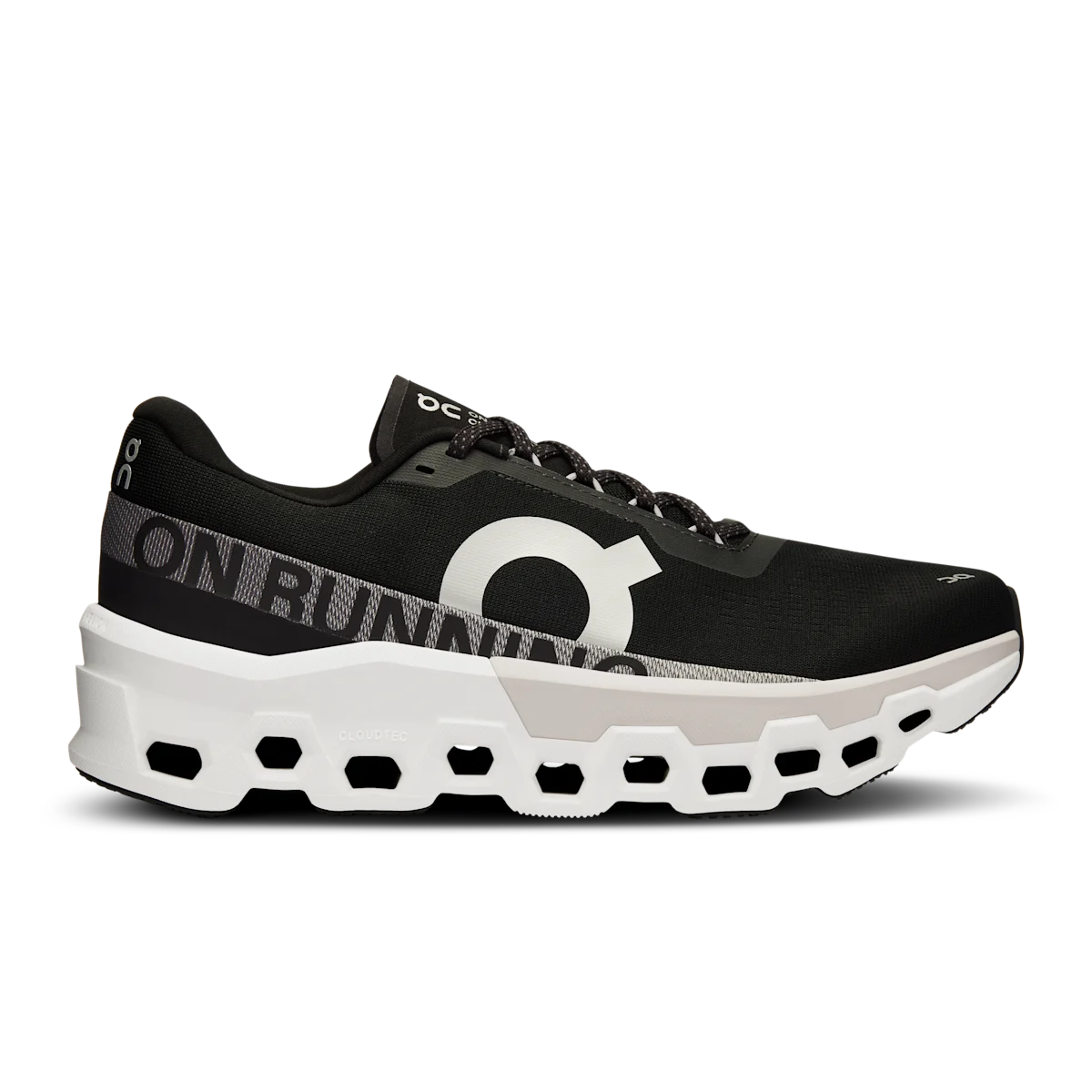
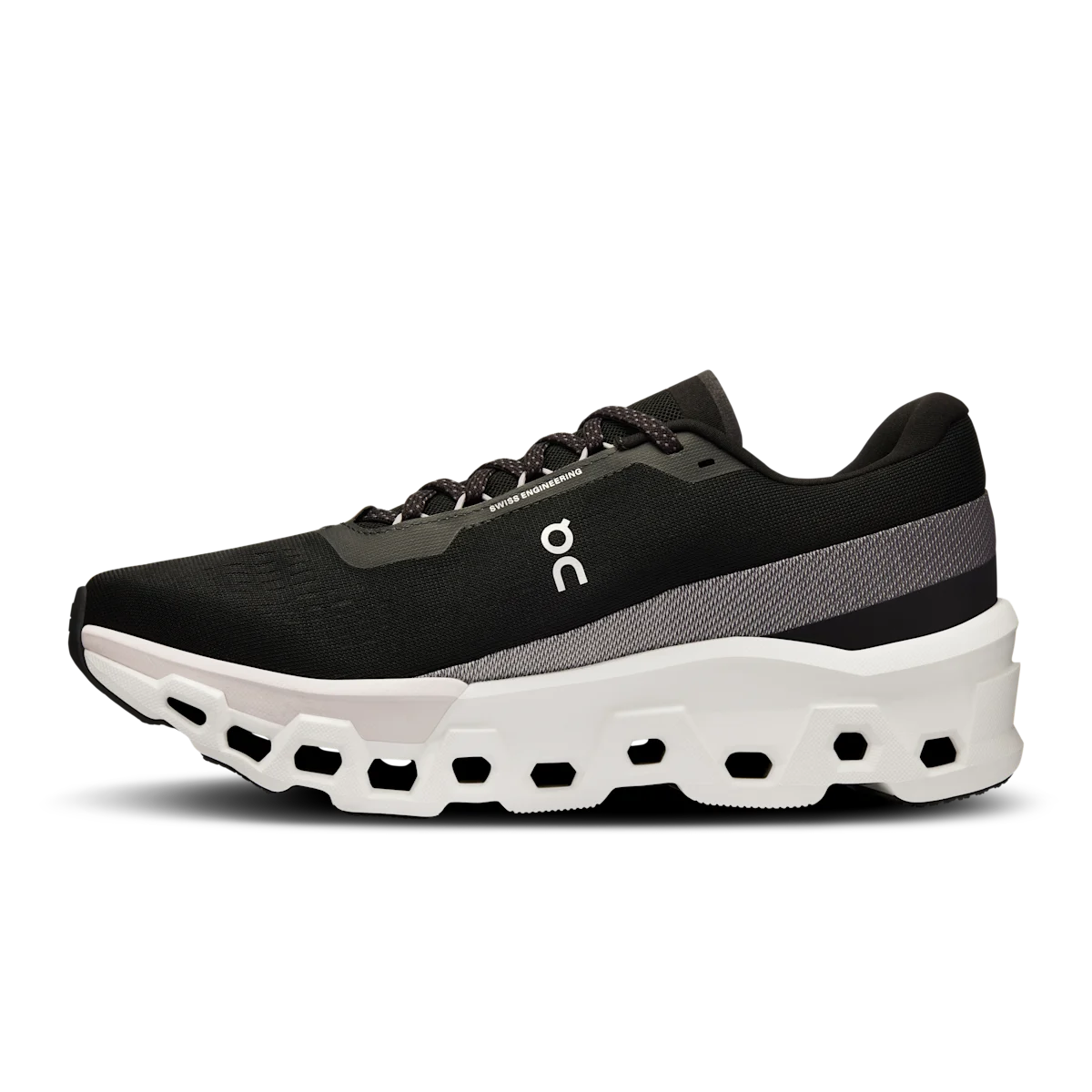
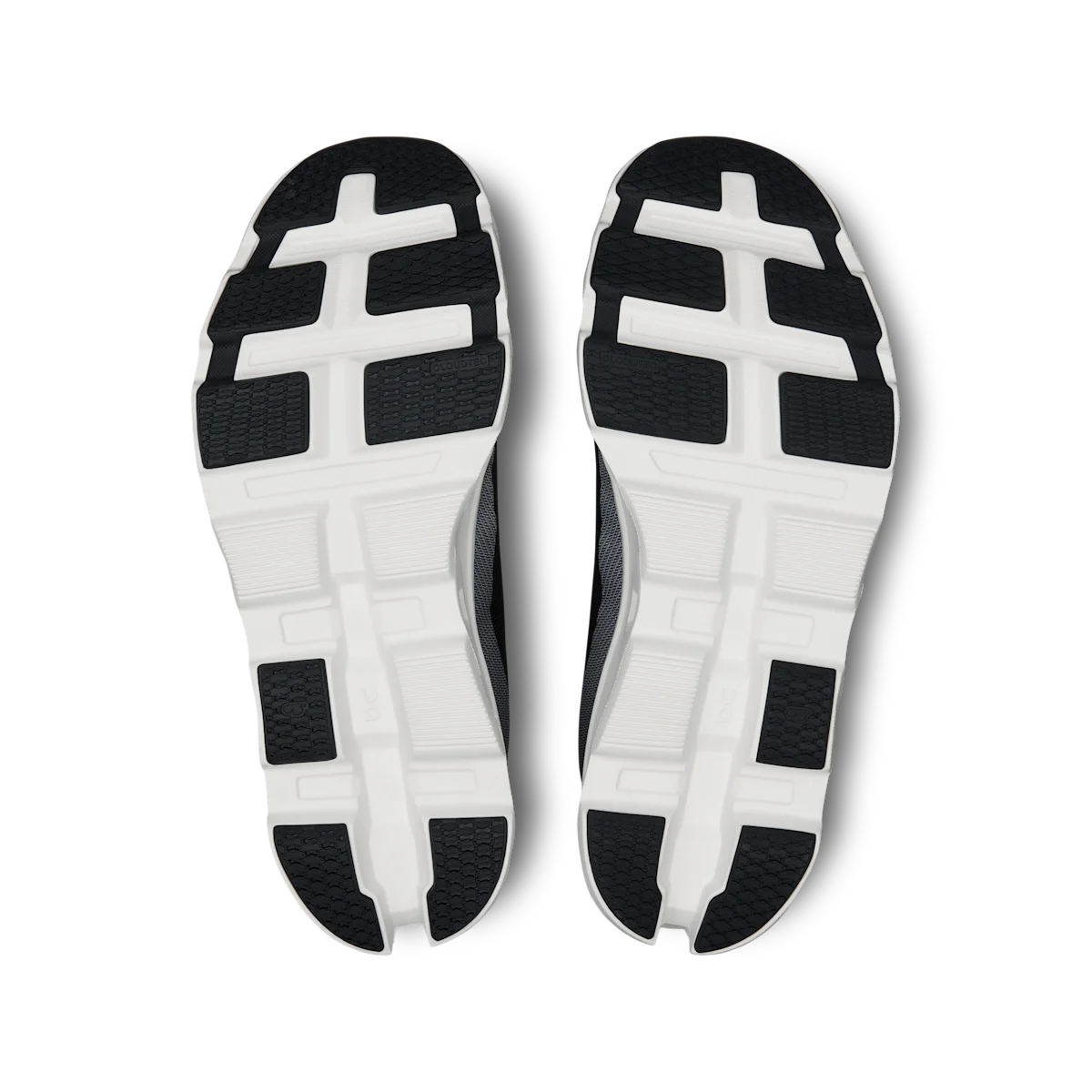
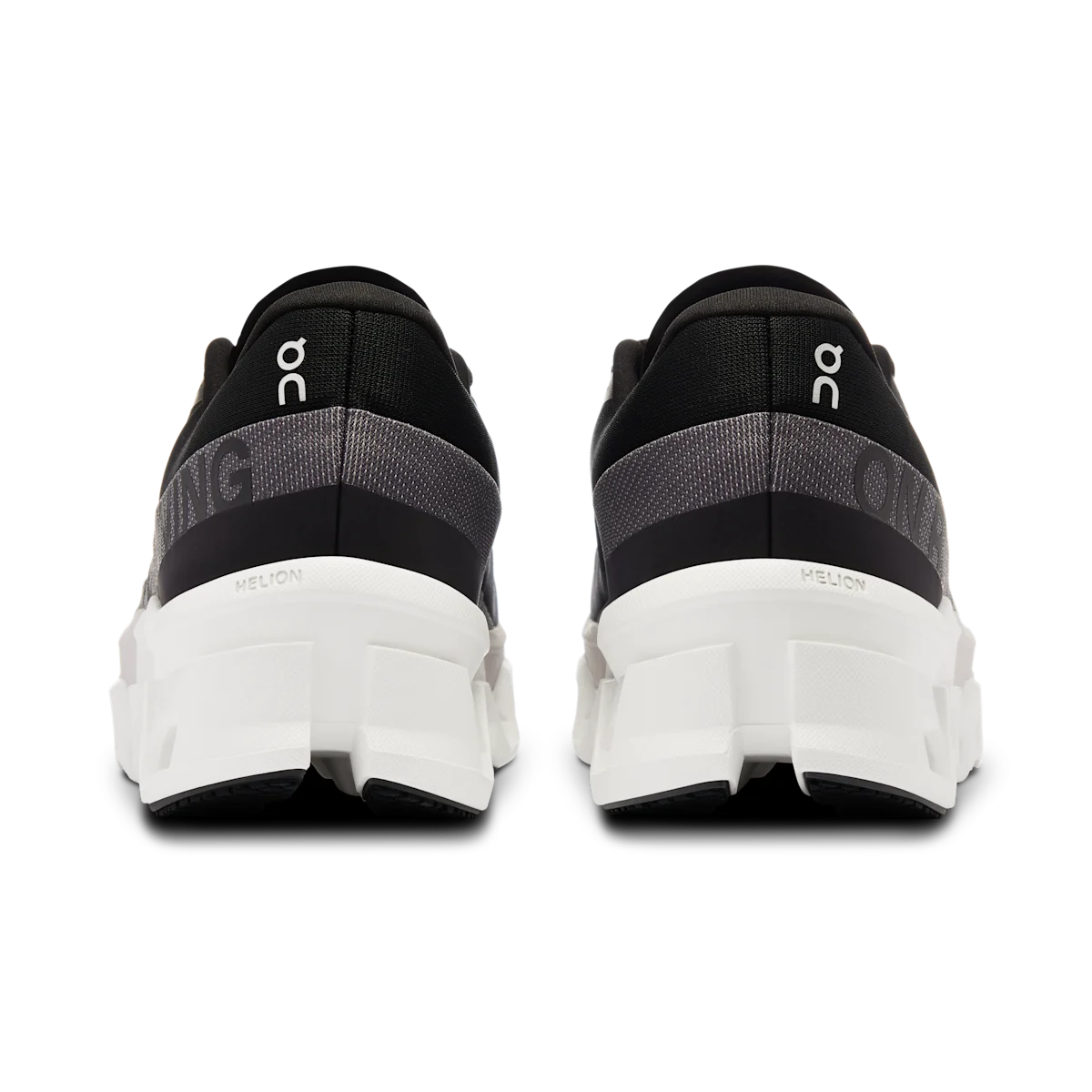
4. On Cloudmonster 2 — Most comfortable On
Best for: runners who want On’s biggest cushion and boldest look.
- Stack: 35 mm heel / 29 mm forefoot (On); 37.9 / 31.3 mm (RunRepeat lab)
- Drop: 6 mm (On); 6.6 mm (RunRepeat lab)
- Weight: 300 g men’s (On); 292 g (RunRepeat lab)
- Midsole softness: 49.6 AC (RunRepeat lab; category average 35.5 AC; lower is softer)
- Energy return: 56.5% heel / 60.3% forefoot (RunRepeat lab)
- Shock absorption: 137 SA heel / 115 SA forefoot (RunRepeat lab)
- Foam: Dual-density Helion superfoam with CloudTec pods and a TPU Speedboard
- Widths: Regular only
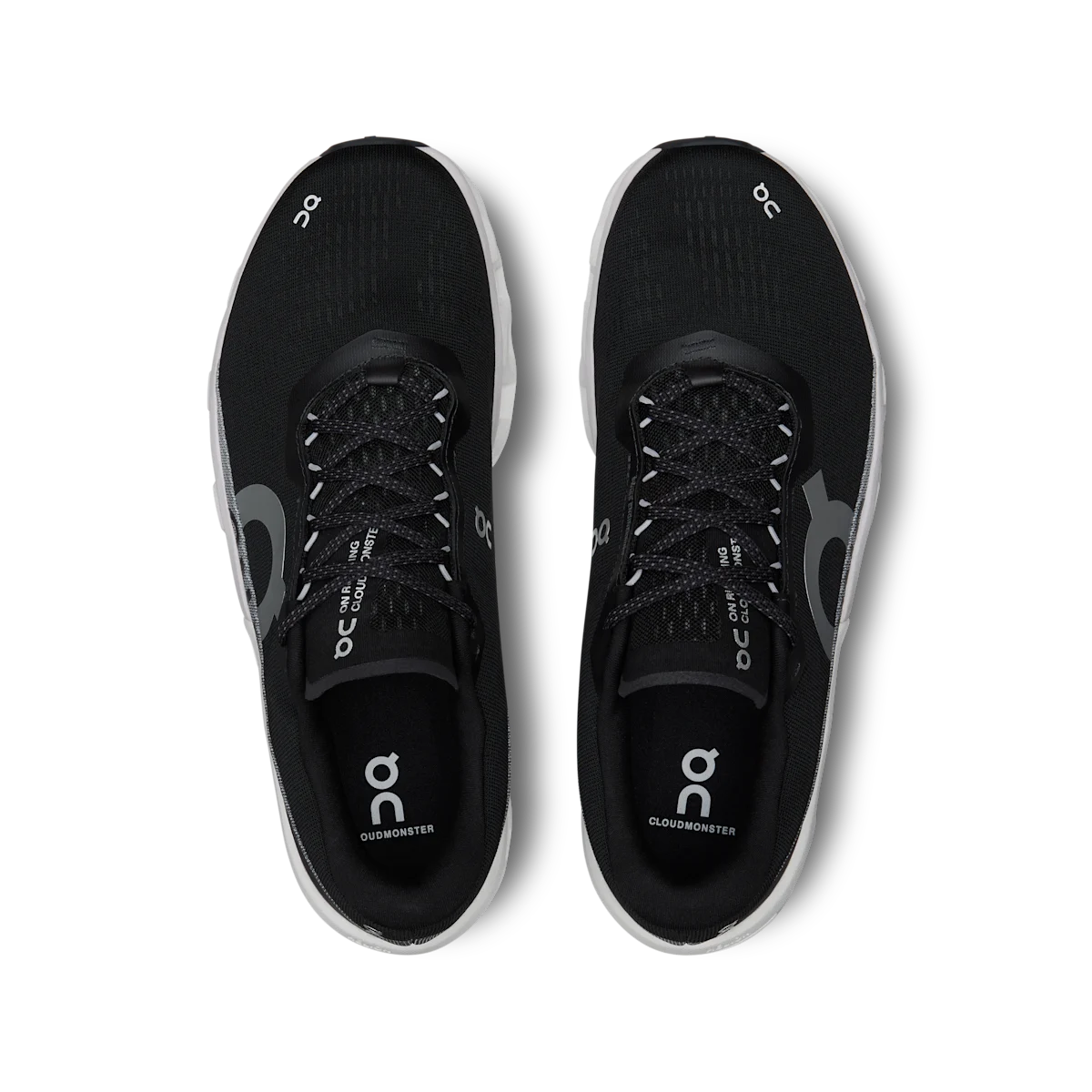
The Cloudmonster 2 is On’s max-cushion shoe, and it looks the part. The Cloudmonster 2 is the previous model — the Cloudmonster 3 is current — and it now sells at a discount. The CloudTec pods are the biggest On makes, and the stack grew 3 mm over the first Cloudmonster, to 37.9 mm in the lab. Here is the honest part: the foam is the firmest in this guide at 49.6 AC. RunRepeat notes that the CloudTec pods make it feel softer than the number suggests, but do not buy this shoe expecting plush foam. Its comfort comes from the huge pods, the tall stack, and the forward roll of the Speedboard.
Two practical notes. First, there is no wide version, so broad feet should look at the 1080 v15 instead. Second, On says to take a size down if the original Cloudmonster fit you well, so check the fit before you commit. The outsole fixes the first version’s worst flaw: the gap between the pods is gone, so you stop picking up stones on every run. Grip measured 0.50 on the SATRA test, which is solid.
Pros:
- Huge CloudTec pods soak up impact (137 SA heel)
- Forward-rolling ride suits long, easy miles
- No stone-trapping gap in the outsole, fixed from version 1
- Grippy outsole on wet and dry roads
- Bold look that works off the run too
Cons:
- Firmest foam in this guide at 49.6 AC. Do not expect a plush ride.
- No wide width. Regular fit only.
- Heavy for its size at 292 g in the lab.
Skip it if: you need a wide fit or want a soft, sink-in ride. The Cloudmonster 2 is firm, tall, and fun, not plush.
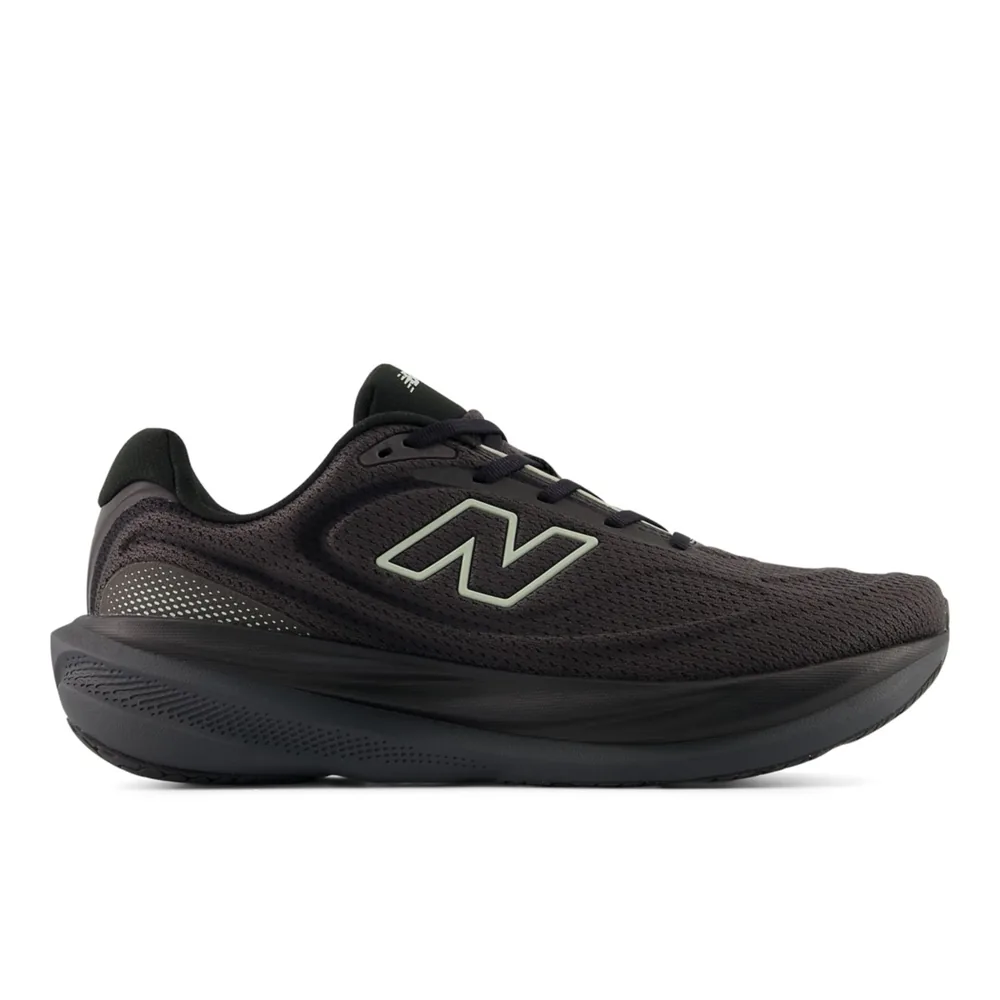
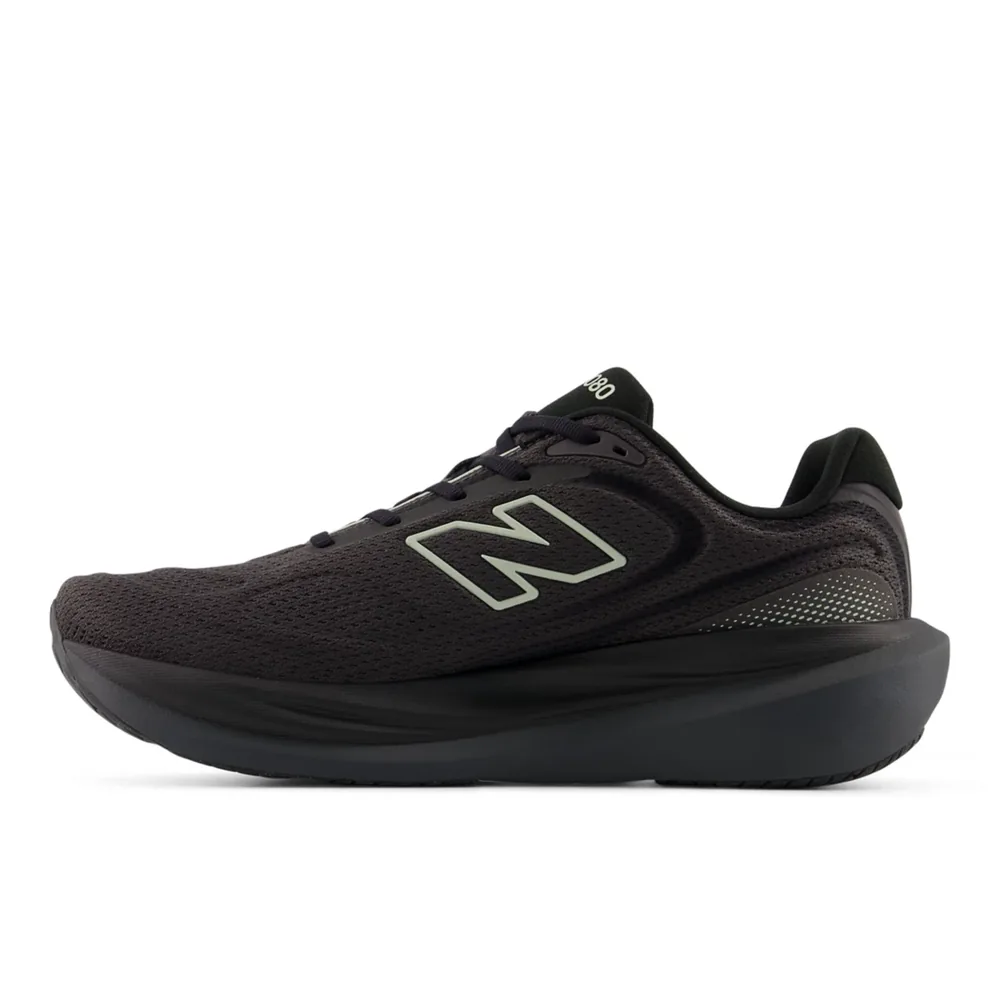
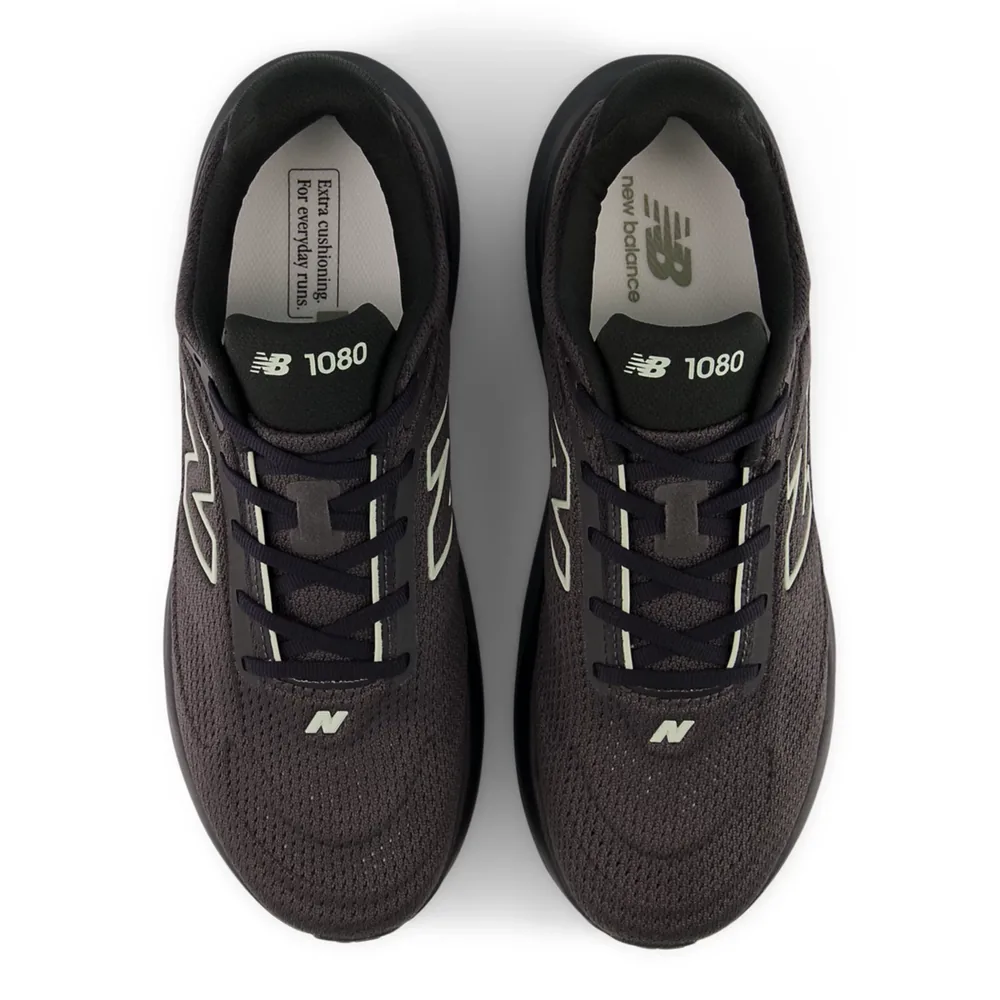
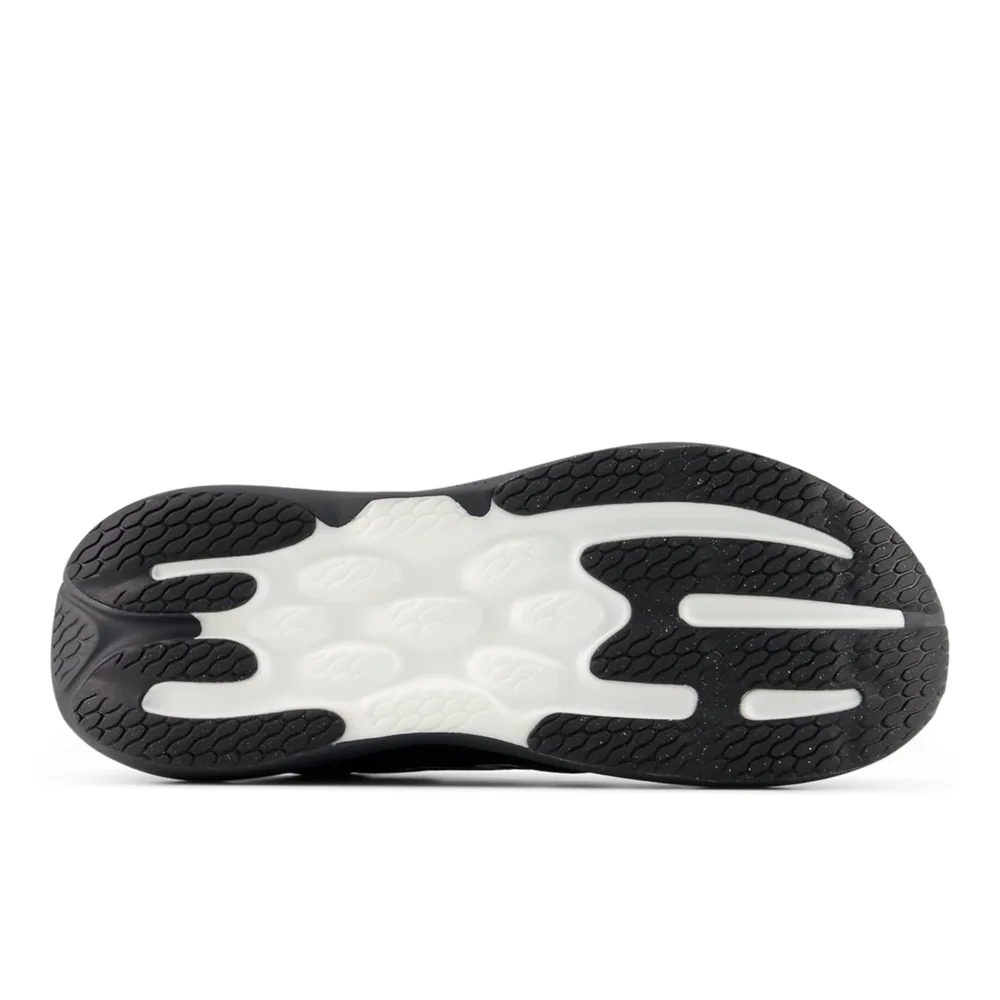
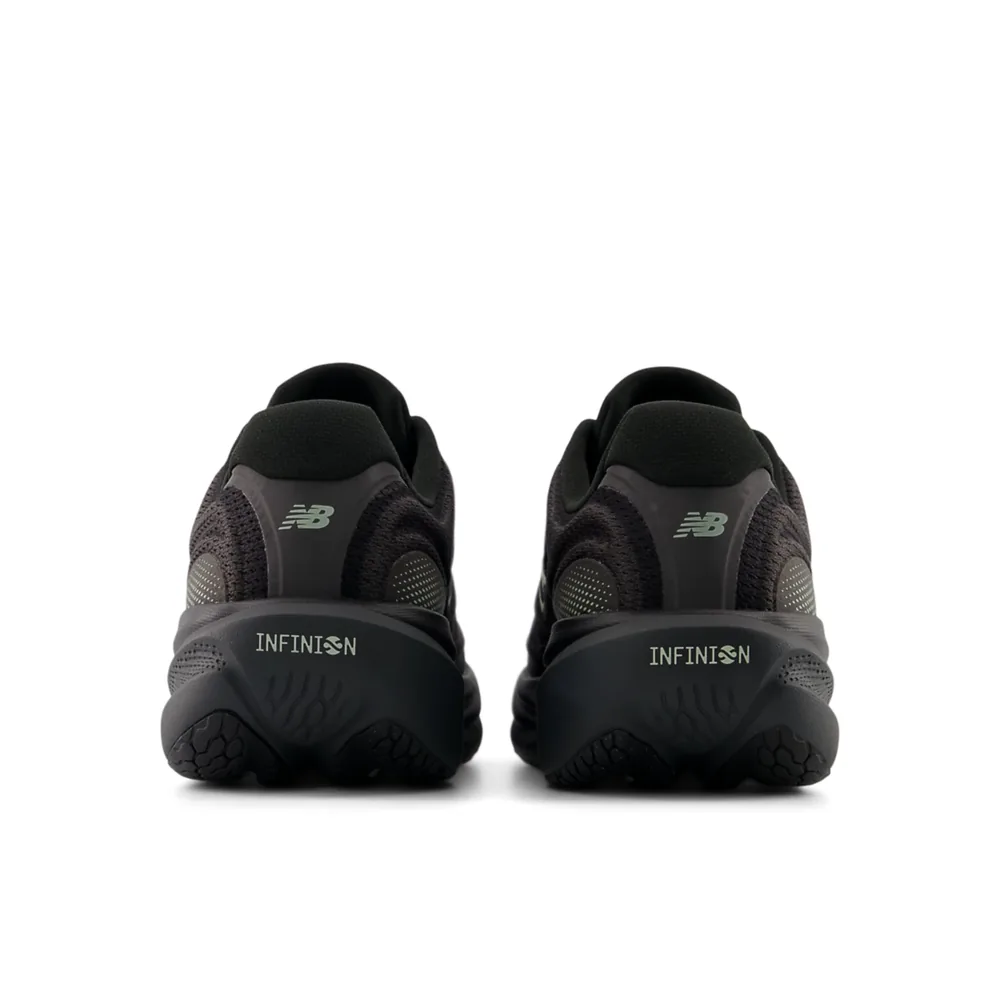
5. New Balance Fresh Foam X 1080 v15 — Most comfortable wide
Best for: wide feet, and anyone who wants the softest foam in this guide.
- Stack: 40 mm heel / 34 mm forefoot (New Balance); 37.0 / 30.6 mm (RunRepeat lab)
- Drop: 6 mm (New Balance); 6.4 mm (RunRepeat lab)
- Weight: 261 g men’s (New Balance); 255 g (RunRepeat lab)
- Midsole softness: 21.5 AC (RunRepeat lab; category average 35.5 AC; lower is softer)
- Energy return: 65.9% heel / 69.1% forefoot (RunRepeat lab)
- Shock absorption: 147 SA heel / 126 SA forefoot (RunRepeat lab)
- Foam: Infinion (TPEE-based, blended with 20% EVA, supercritical process)
- Widths: D, 2E, 4E
The 1080 v15 is the softest shoe in this guide by a wide margin. The new Infinion foam measured 21.5 AC in the lab, against a 35.5 AC average, and it is 29% softer than the v14. It also has the best shock absorption here (147 SA heel) and the best energy return (65.9% heel, 69.1% forefoot). Soft and bouncy together is rare. Most soft shoes feel dead. This one lands soft and leaves the ground fast.
It is also the lightest shoe in this guide at 255 g in the lab, and the only one with three widths up to 4E. That is why it takes the wide-feet award. One note. The forefoot platform is narrower than the v14 at 108.9 mm in the lab. So very broad feet should go straight to 2E or 4E rather than sizing up in length. The knit upper stretches a little without losing its shape, and the insole is removable.
Pros:
- Softest measured foam in this guide (21.5 AC)
- Best shock absorption here (147 SA heel)
- Best energy return here (65.9% heel / 69.1% forefoot)
- Lightest shoe in this guide (255 g in the lab)
- Three widths up to 4E, the widest choice here
Cons:
- The cloud-soft feel can feel vague if you like a firm, controlled ride.
- Narrower forefoot platform than the v14, so broad feet need the wide version.
Skip it if: you want a firm, stable platform or you run fast workouts in the same shoe. The 1080 is a comfort shoe first.
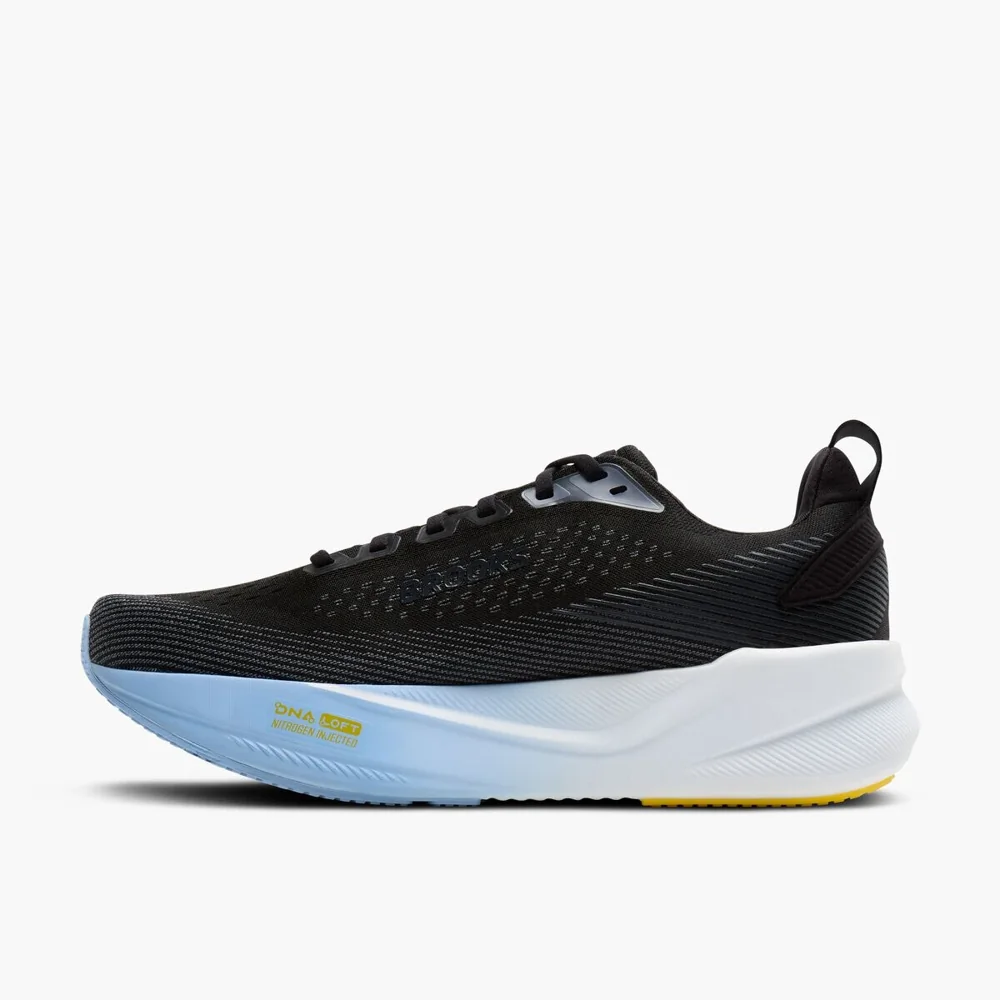
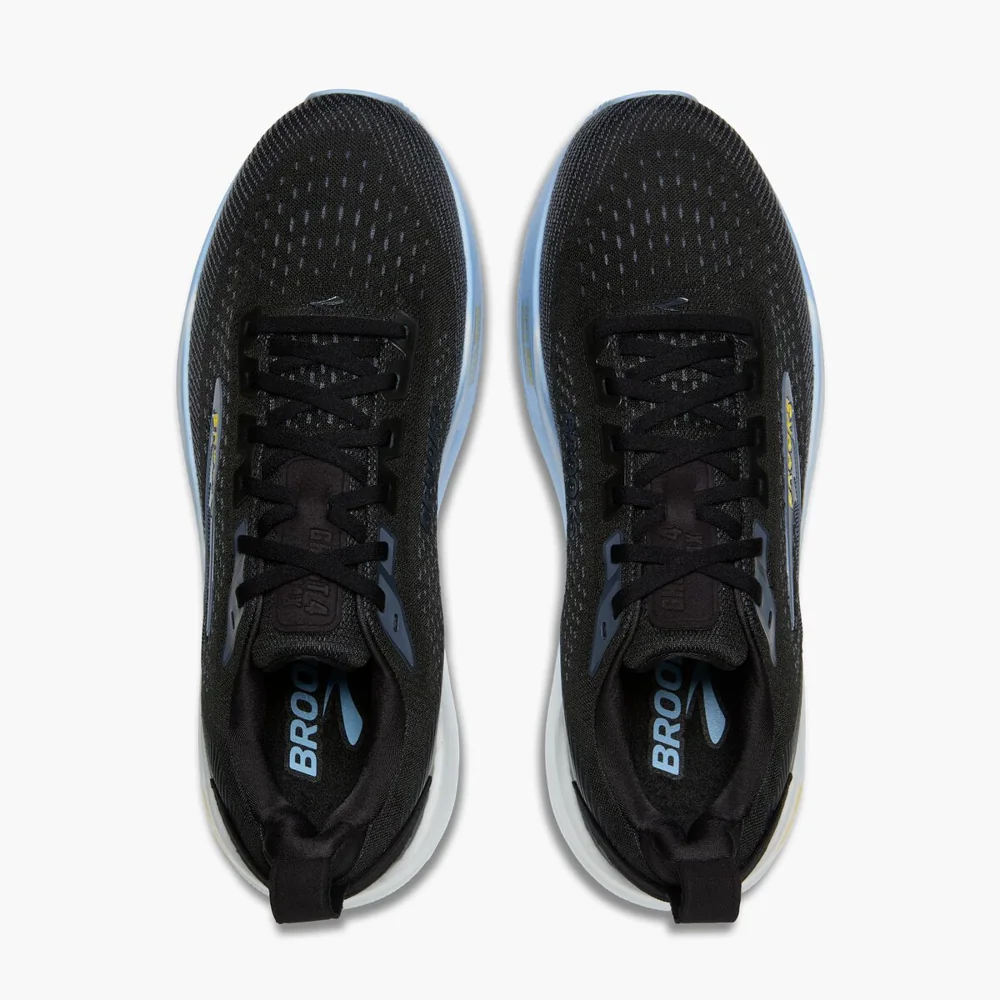
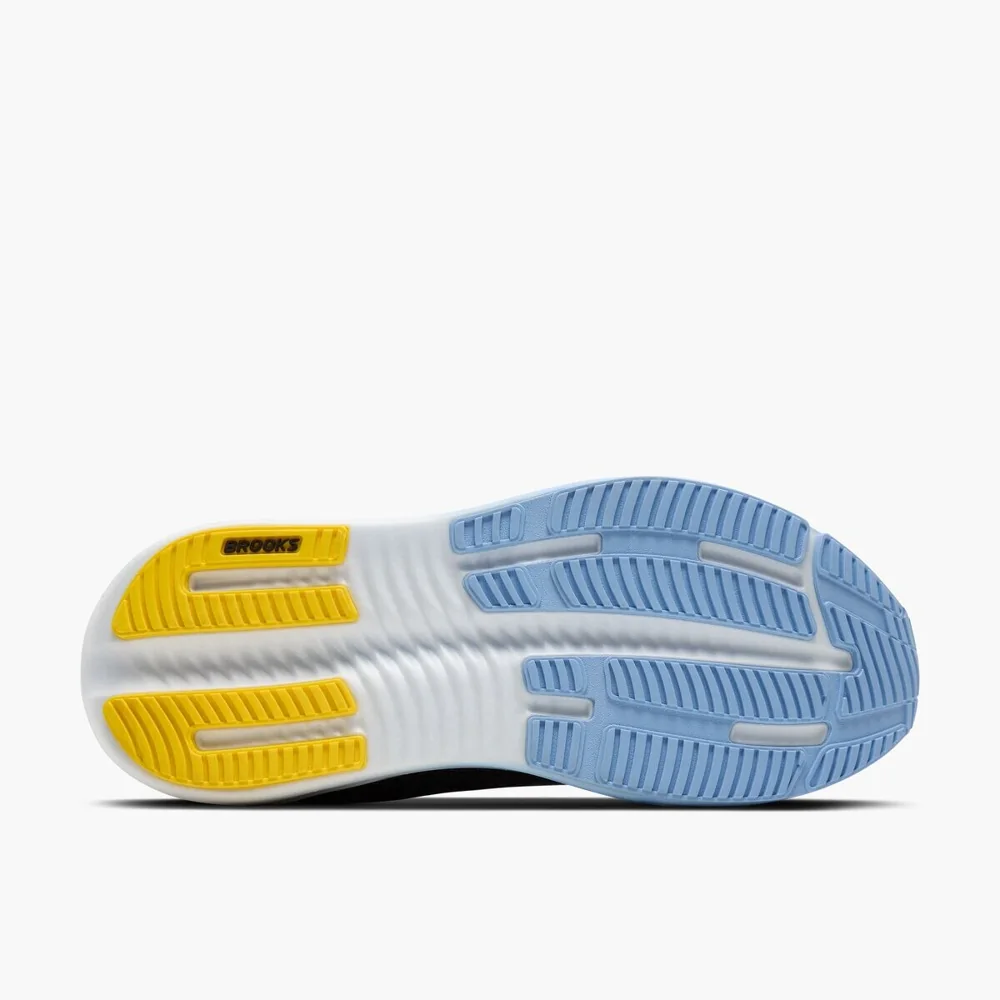
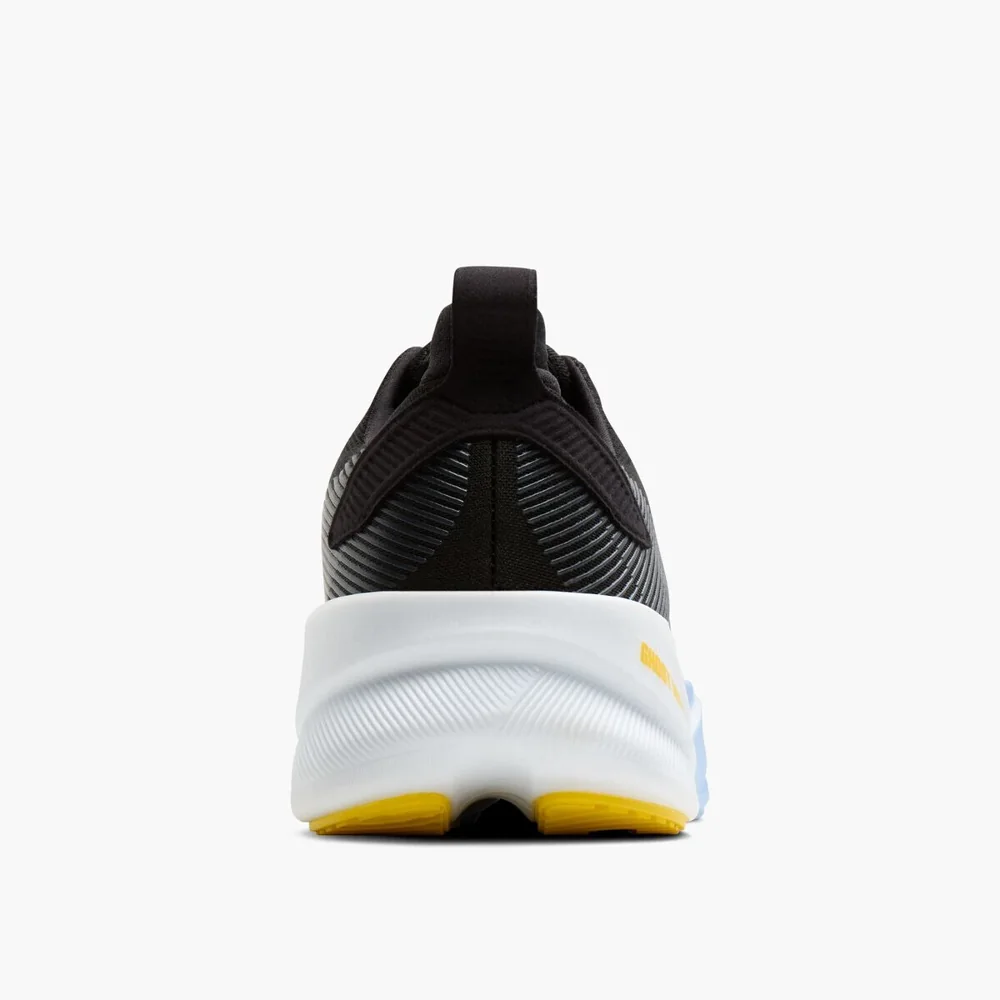
6. Brooks Ghost Max 4 — Most comfortable rocker
Best for: runners who want a rocker that rolls them through easy miles.
- Stack: 40 mm heel / 34 mm forefoot (Brooks); 38.6 / 29.6 mm (RunRepeat lab)
- Drop: 6 mm (Brooks); 9.0 mm (RunRepeat lab)
- Weight: 10.3 oz / 292 g men’s; 10.1 oz / 286 g (RunRepeat lab)
- Midsole softness: 39.7 AC (RunRepeat lab; category average 35.5 AC; lower is softer)
- Energy return: 51.9% heel / 55.5% forefoot (RunRepeat lab)
- Shock absorption: 145 SA heel / 116 SA forefoot (RunRepeat lab)
- Foam: DNA Loft v3 with a GlideRoll Rocker
- Widths: Normal, Wide, X-Wide
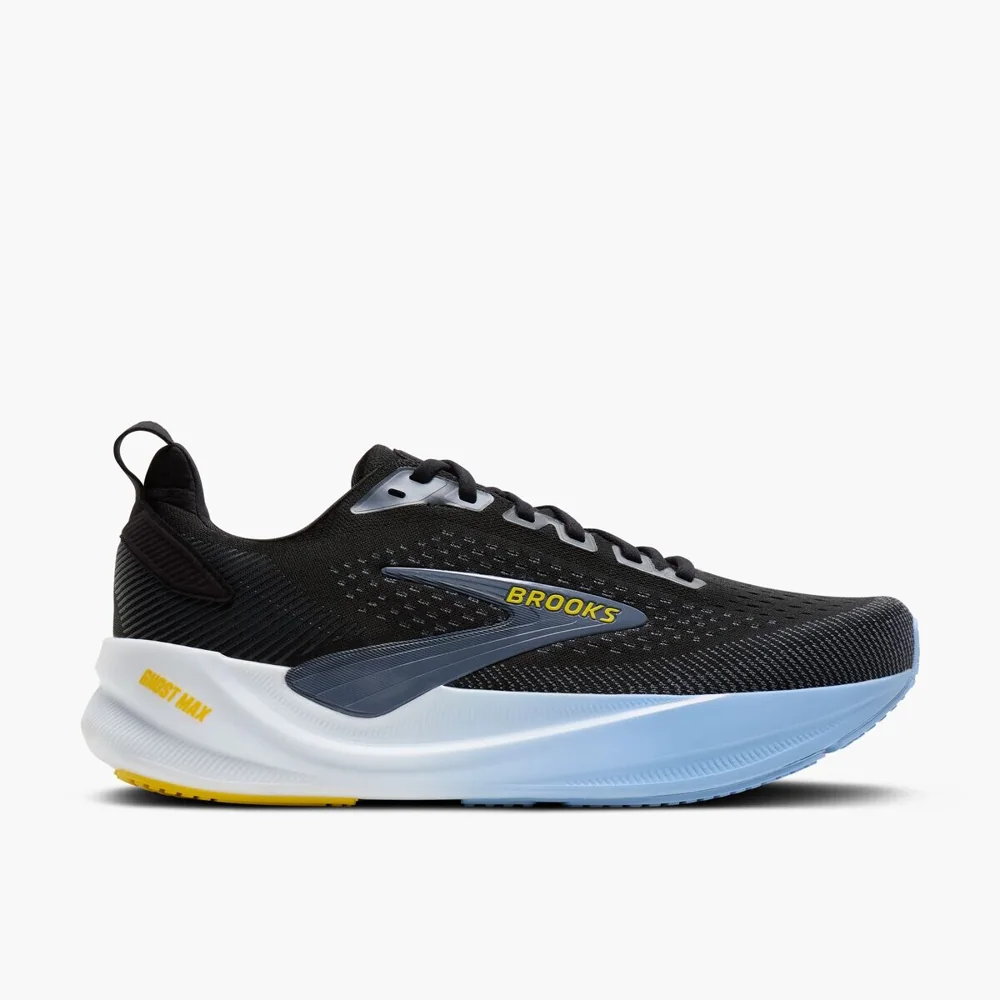
The Ghost Max 4 is the rocker pick in this guide. The GlideRoll Rocker curves the sole so each step rolls forward instead of slapping down. The max stack backs it up with 145 SA of heel shock absorption. That is the second best score here. Brooks kept the DNA Loft v3 foam from the last version, and the lab shows why. At 39.7 AC it is firmer than the plush shoes here. That keeps the tall platform stable instead of mushy. That is the point of this shoe. It is a calm, rolling cruiser.
Two numbers need a note. Brooks lists a 6 mm drop, but the lab measured 9.0 mm. The real drop is higher than the box says. And energy return is low at 51.9% in the heel, so this shoe will not help you go fast. It is built for easy miles and recovery days, and it is good at that job. Three widths cover most feet, and the fit is roomy enough for tired feet at the end of a long run.
Pros:
- GlideRoll Rocker rolls you through each step
- High heel shock absorption (145 SA)
- Stable for a max-stack shoe, thanks to the firmer foam
- Three widths from Normal to X-Wide
- Roomy fit suits tired feet
Cons:
- Low energy return (51.9% heel). It will not help you go fast.
- Measured drop (9.0 mm) is higher than the listed 6 mm.
Skip it if: you want a light, bouncy trainer or a low-drop shoe. The Ghost Max 4 is a rocker for slow miles.
7. ASICS Novablast 6 — Most comfortable bouncy
Best for: runners who want bounce with their comfort.
- Stack: 41.5 mm heel / 33.5 mm forefoot (ASICS); 39.2 / 32.1 mm (RunRepeat lab)
- Drop: 8 mm (ASICS); 7.1 mm (RunRepeat lab)
- Weight: 253 g men’s (ASICS); 249 g (RunRepeat lab)
- Midsole softness: 35.1 AC (RunRepeat lab, main foam measured on the cut shoe; category average 35.5 AC; lower is softer)
- Energy return: 55.4% heel / 69.1% forefoot (RunRepeat lab)
- Shock absorption: 143 SA heel (RunRepeat lab)
- Foam: FF BLAST MAX with an FF TURBO SQUARED forefoot pod
- Widths: Standard, Wide (2E), X-Wide (4E)
The Novablast 6 is the fun one. It has the tallest stack in this guide at 41.5 mm. The FF Turbo Squared pod under the forefoot gives it 69.1% energy return up front. That ties the 1080 v15 for the best here. RunRepeat gave it a 93/100 lab score. The ride is simple to describe: it lands soft and leaves the ground fast, which is why it takes the bouncy award.
One lab detail matters. The midsole has two foams, and the firm outer layer measures 49.6 AC from the outside. The real foam inside measures 35.1 AC. Do not judge this shoe by its shell. The other note is fit. The toebox tapers more than most, and several testers found the fit slightly short, so broad feet should try the wide version. The ASICSGRIP forefoot rubber is a real upgrade on wet roads.
Pros:
- Best forefoot bounce here (69.1% energy return)
- Tallest stack in this guide (41.5 mm)
- Light for its height at 249 g in the lab
- Grippy ASICSGRIP forefoot rubber
- Quick, fun toe-off from the Turbo Squared pod
Cons:
- Toebox tapers. Broad feet should try the wide version.
- Heel foam feels flat next to the bouncy forefoot.
Skip it if: you need a roomy toebox in standard width or want a calm, stable ride. The Novablast 6 is a bouncy shoe, not a steady one.
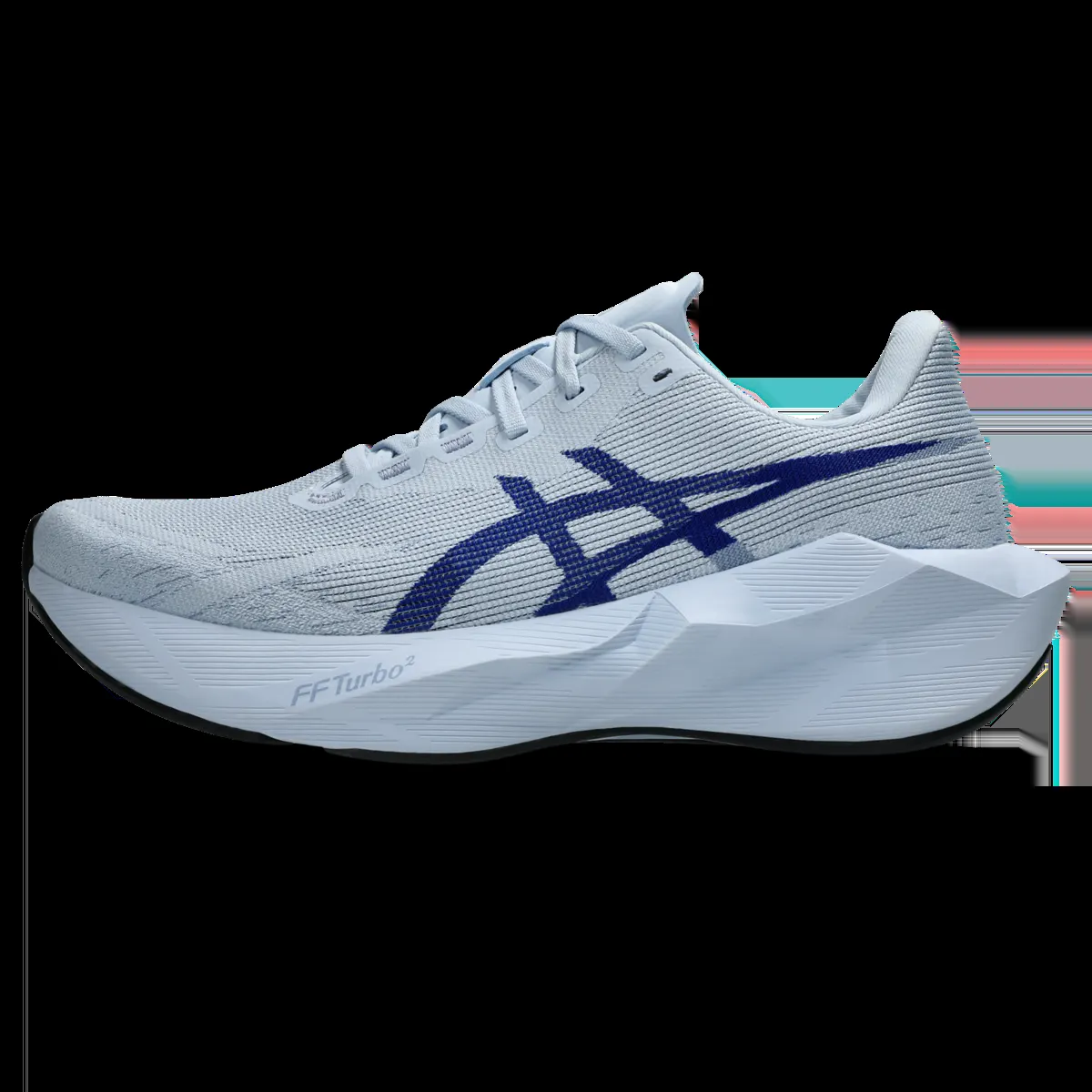
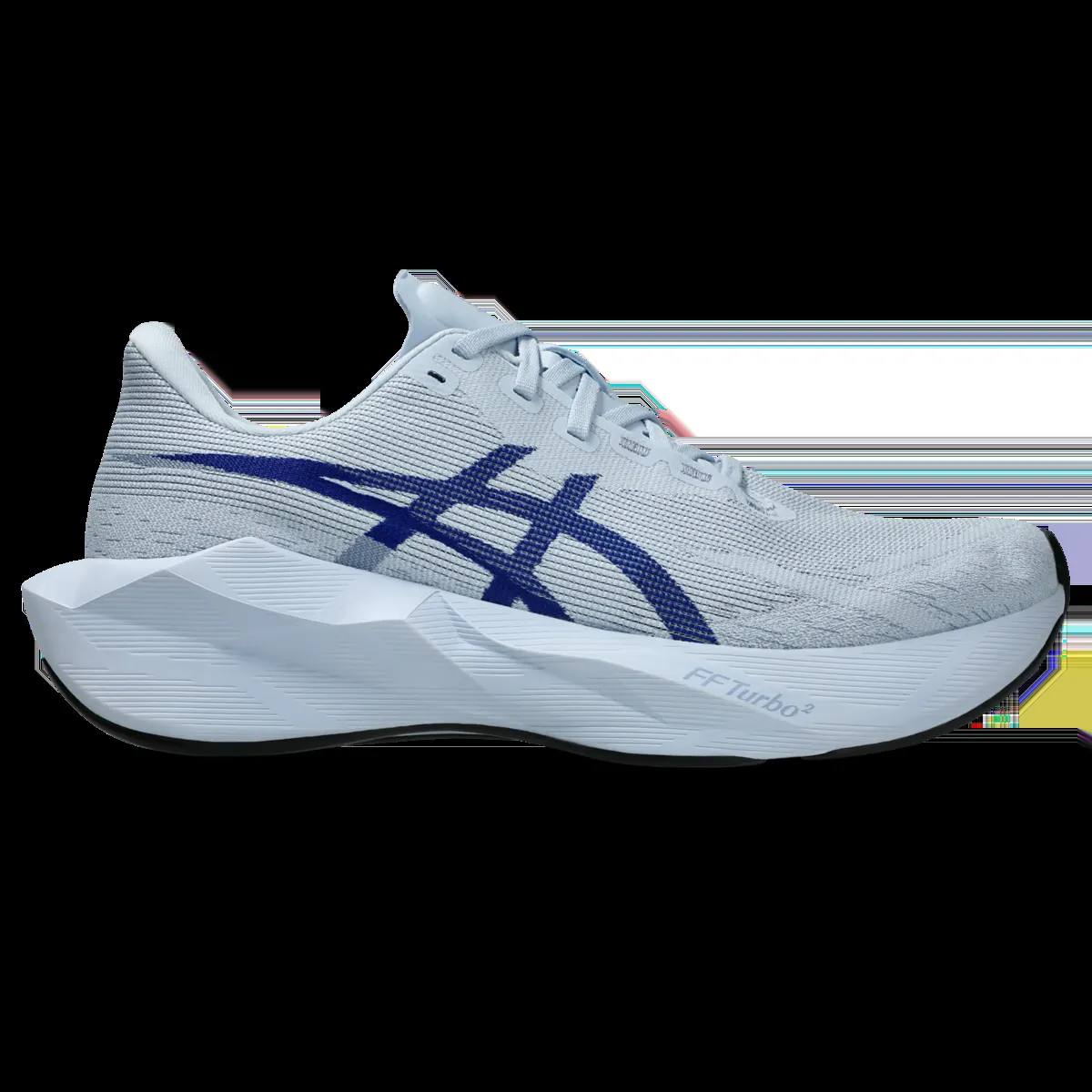
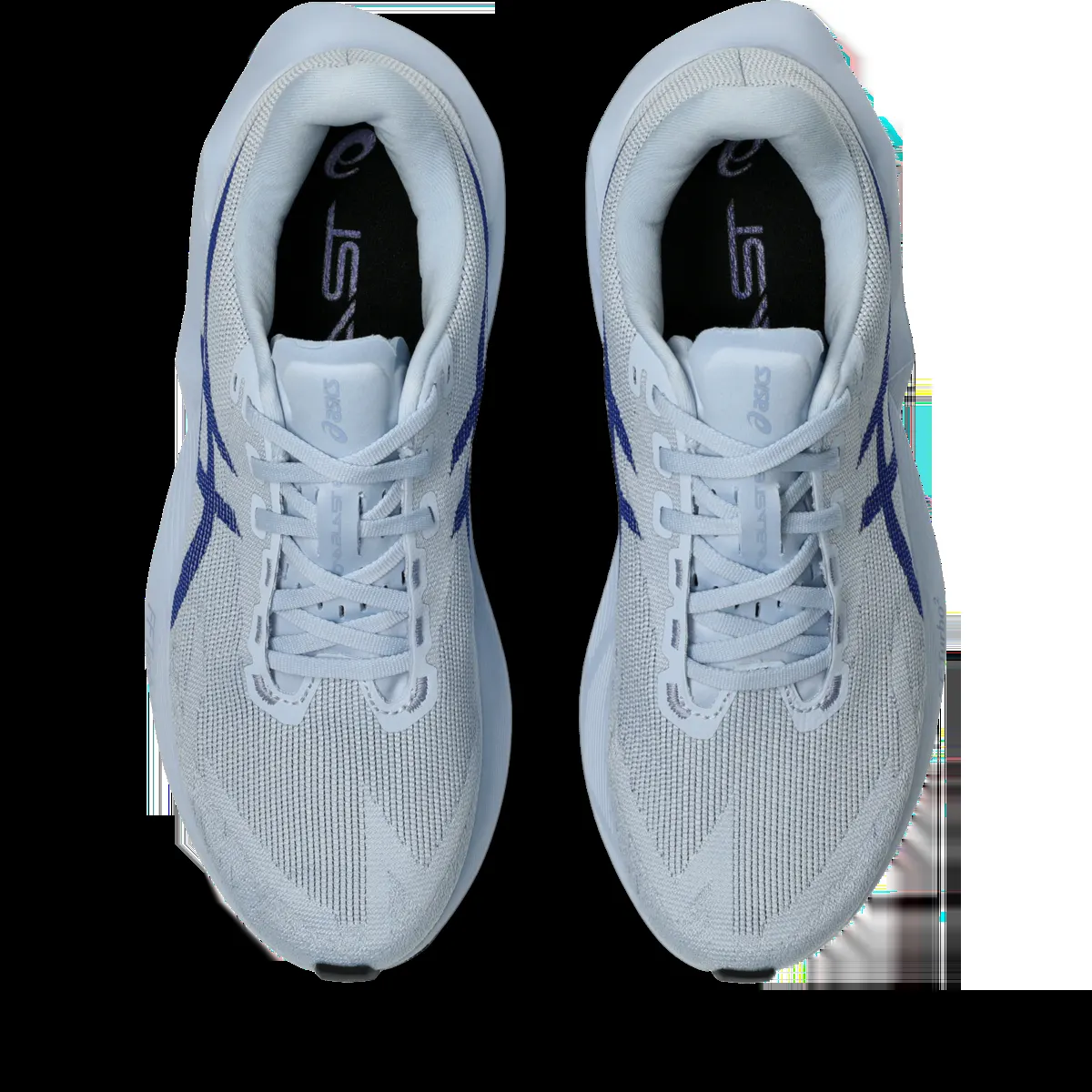
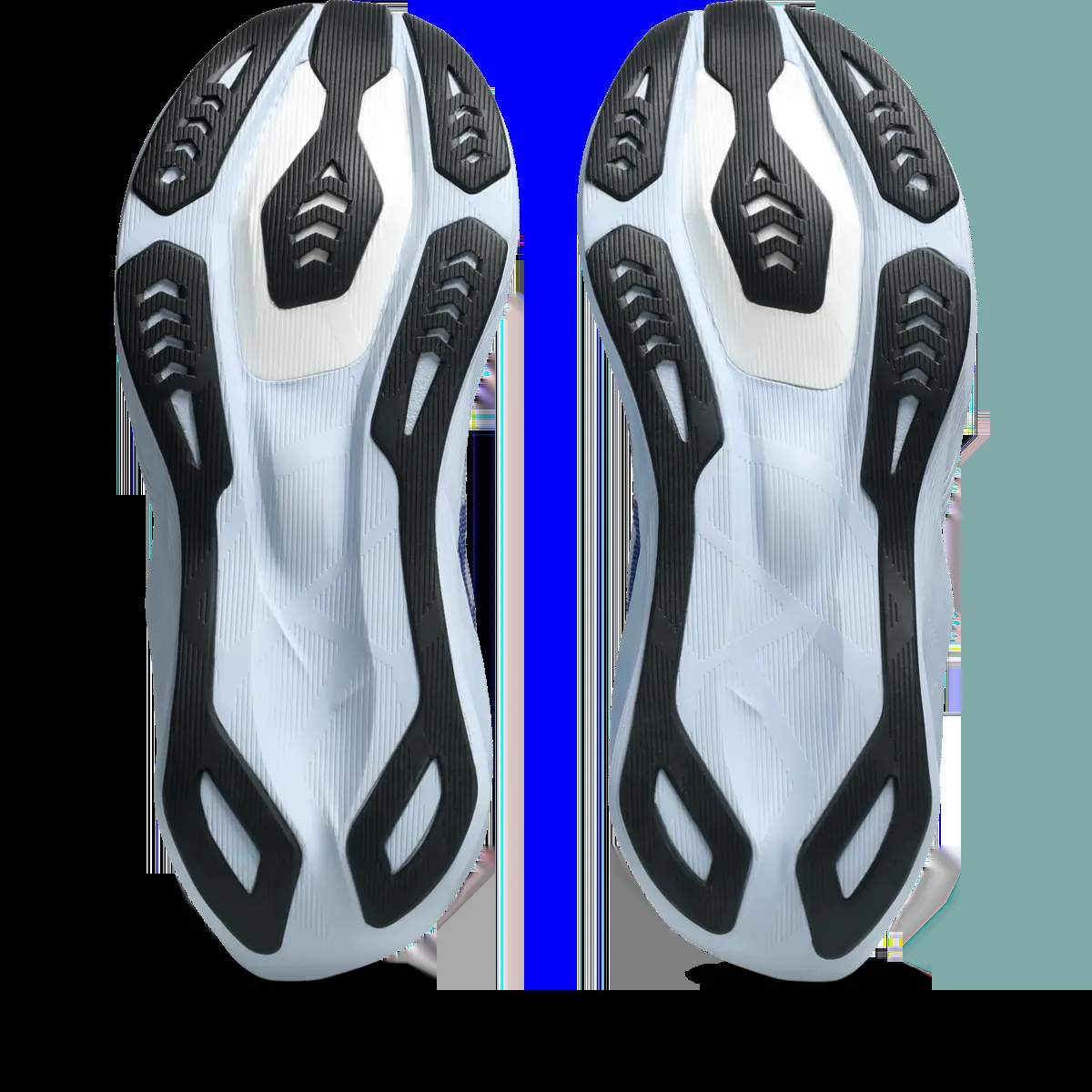
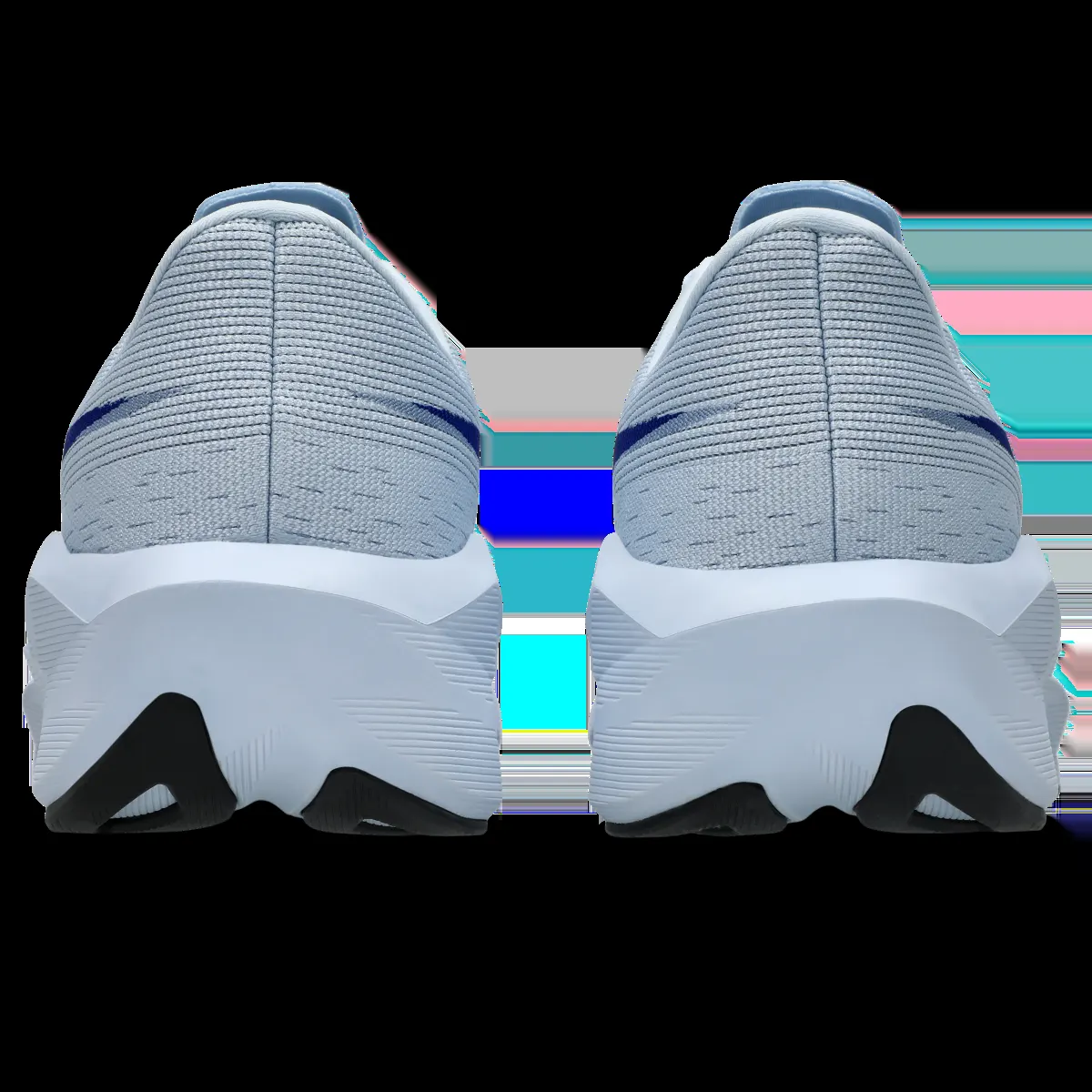
Most Comfortable Running Shoes compared side by side
| Model | Softness (Asker C, lab) | Heel stack, lab (mm) | Upper padding | Widths | Weight, lab (g) | Best for |
|---|---|---|---|---|---|---|
| Brooks Glycerin 23 | 29.2 | 37.2 | Thick plush tongue, padded collar | Medium, Wide, X-Wide | 303 | Overall comfort |
| HOKA Bondi 9 | 43.0 | 41.3 | Padded tongue and collar | Narrow, Normal, Wide, X-Wide | 303 | Most cushion |
| ASICS Gel-Nimbus 28 | 38.8 | 43.0 | Generous foam padding | Normal, Wide, X-Wide | 278 | Softest step-in |
| On Cloudmonster 2 | 49.6 | 37.9 | Padded collar, snug fit | Regular only | 292 | Most comfortable On |
| New Balance 1080 v15 | 21.5 | 37.0 | Knit upper, padded collar | D, 2E, 4E | 255 | Wide feet |
| Brooks Ghost Max 4 | 39.7 | 38.6 | Padded collar, engineered mesh | Normal, Wide, X-Wide | 286 | Rocker ride |
| ASICS Novablast 6 | 35.1 | 39.2 | Woven upper, thick heel padding | Standard, Wide, X-Wide | 249 | Bouncy ride |
Softness, stack and weight are RunRepeat lab figures for men’s US 9. Lower softness numbers mean softer foam; the category average is 35.5 AC. RunRepeat used the Shore A scale for years, then switched to Asker C in February 2026 because it measures very soft foams better. That is why the column reads Asker C, not HA. Upper padding is a short summary of each shoe’s collar, tongue and heel padding. No prices are listed because they change often.
What makes a running shoe good for most comfortable?
Comfort is not one thing. It is four things working together. How the shoe feels when you first put it on. How it feels at mile 20. How soft the foam is. And how it fits. A shoe can win on one and fail on another. The Bondi 9 is the clearest case here. It has the best heel shock absorption in the guide and the firmest foam after the Cloudmonster 2. Both facts are true at once.
Step-in comfort vs mile-20 comfort
Step-in comfort is the first 30 seconds. It comes from the upper: a padded collar, a soft tongue, and a heel that holds your foot without rubbing. The Nimbus 28 wins here. Its PureGEL heel and generous padding make it feel soft the moment you put it on. RunRepeat lists its step-in comfort as its first strength.
Mile-20 comfort is different. It comes from foam that does not bottom out. It comes from a rocker that keeps you rolling when your legs are tired. And from a fit that never rubs. The test is shock absorption. Anything over 140 SA in the heel protects tired legs well. Three shoes here clear that bar. They are the 1080 v15 at 147 SA, the Bondi 9 at 146 SA, and the Ghost Max 4 at 145 SA. The Glycerin 23 sits just under it at 140 SA. If your runs go past 15 miles, pick from those four.
Upper and padding
The upper is where comfort starts, and it is the part most guides skip. A good upper holds your midfoot without squeezing it, and the collar and tongue need enough padding that the laces never bite. The Glycerin 23 has the plushest setup here, with a triple-jacquard mesh and a thick tongue. The Nimbus 28 is close behind with its padded collar. The Novablast 6 has thick heel padding too. But it is so thick that some testers found the fit slightly short. So try it before you trust it.
Two details matter. First, a stiff heel counter keeps a tall shoe stable. The Nimbus 28 scored 4 out of 5 in the lab’s heel counter test, which is why it feels steady despite its 43 mm stack. Second, mesh uppers breathe better than knit ones. The Nimbus 28 only scored moderate for breathability, so it runs warm on hot days. Keep the uppers clean and they last longer. See our guide on how to wash sneakers in the washing machine before you throw a pair in.
Foam softness
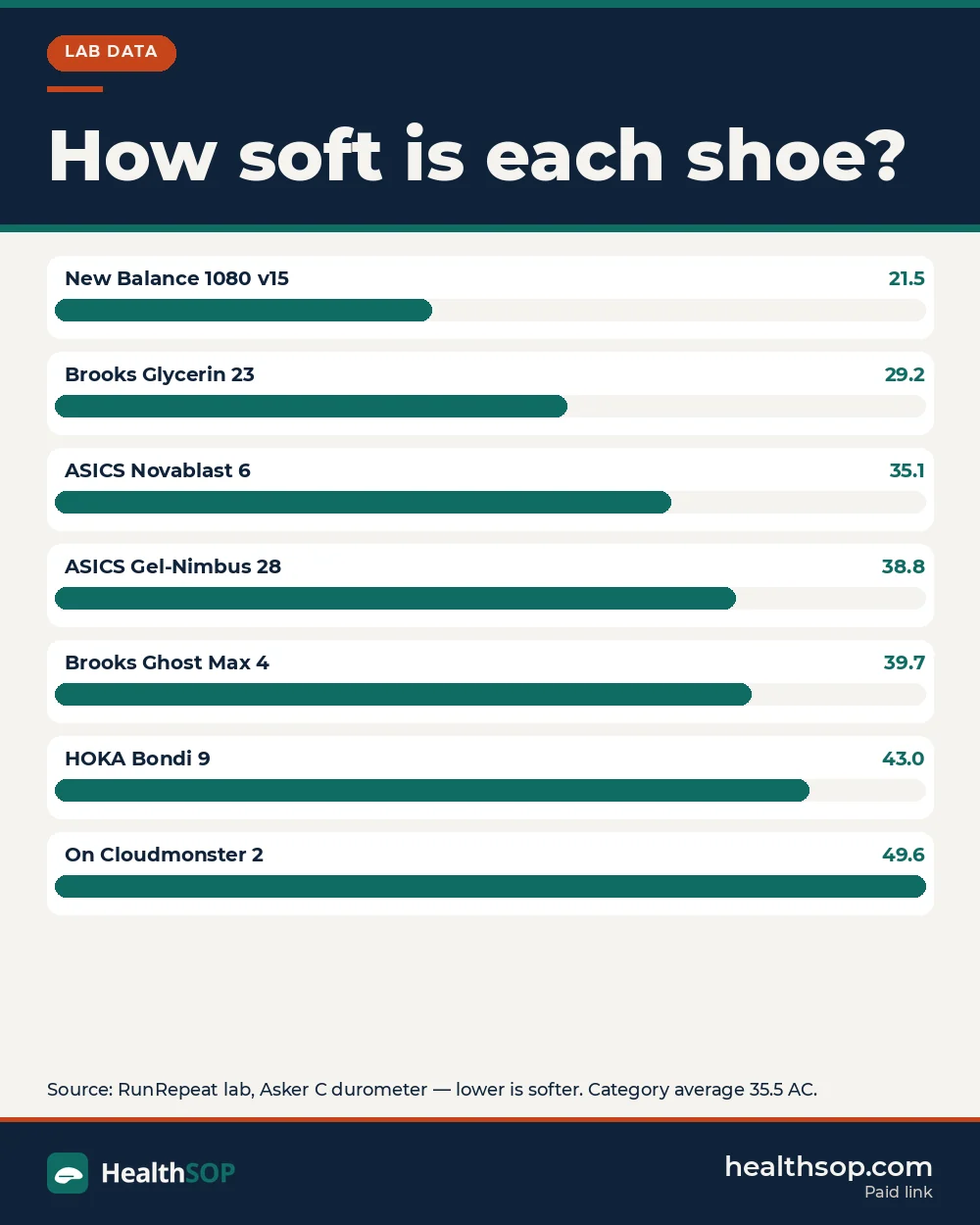
Foam softness is measured with a durometer, a tool that presses a small tip into the foam. Lower numbers mean softer foam. RunRepeat recommends midsoles that score 33 AC or less for comfortable shoes, and the category average is 35.5 AC. Two shoes in this guide clear the 33 AC bar: the 1080 v15 at 21.5 AC and the Glycerin 23 at 29.2 AC. The Novablast 6 sits just above it at 35.1 AC. The Bondi 9 at 43.0 AC and the Cloudmonster 2 at 49.6 AC sit well above it. That is why they feel firm even though they have huge stacks.
Soft is not always better. Soft foam absorbs impact, but it can also feel vague and unstable, and it usually gives less back. The 1080 v15 is the exception here. It is the softest shoe in the guide and still has the best energy return at 69.1% in the forefoot. The Bondi 9 shows the other side. Its firm foam is exactly what keeps its 41.3 mm stack stable. A clinical trial found that midsole hardness did not change injury risk, so treat softness as a feel question, not a safety question. The right answer is the foam your feet like, not the lowest number.
Fit
Fit decides comfort more than foam does. A shoe that pinches your toes will hurt at mile 3 no matter how soft its midsole is. Start with width, not length. If your toes press the sides, go wider before you go longer. Four shoes here come in wide versions. The Glycerin 23, the Bondi 9, the Nimbus 28 and the Ghost Max 4 all offer Wide and X-Wide. The 1080 v15 goes further with D, 2E and 4E. The Cloudmonster 2 comes in regular width only, so broad feet should skip it.
Three fit notes from the lab and the brands. The Glycerin 23 fits slightly small, according to RunRepeat’s wearer votes. The Novablast 6 runs slightly short with a tapered toebox, so try the wide version if your feet are broad. On says to take a size down in the Cloudmonster 2 if the original Cloudmonster fit you well. And the AAOS fitting guidance still holds. Try shoes on in the afternoon, when feet are at their largest. Leave a thumb’s width between your longest toe and the end of the shoe. Men who want the full men’s list should read our guide to the best running shoes for men.
Which comfortable running shoes are best for women?
The same comfort rules apply to women, and the same shoes lead. The Glycerin 23 and the 1080 v15 are the best picks for women too. Soft foam, high shock absorption and a good fit do not depend on gender. Every shoe in this guide is sold in women’s sizes. The 1080 v15 is the strongest pick for women with wide feet, since it comes in medium and wide widths in women’s sizes as well. Women with wide feet who want the full list should watch for our wide-feet guide (brief 21, not live yet). Our women’s running shoes guide (brief 60, not live yet) will cover the full women’s list when it publishes.
Why comfort matters (comfort filter)
Comfort is not just a nice feeling. It is a filter your body uses to pick shoes. Nigg and colleagues proposed the comfort filter in 2015. Runners naturally pick the shoe that feels most comfortable. That shoe keeps them in their preferred movement path. That is how the body moves when it is not forced into a new pattern. In their view, comfort is the signal that a shoe fits the runner, not a marketing word.
The evidence is honest about the limits. A randomised trial by Theisen and colleagues in 2014 tested soft versus hard midsoles and found no difference in injury risk. A Cochrane review by Relph and colleagues in 2022 looked at running shoes for preventing lower-limb injuries. It found no clear evidence that any shoe type prevents injury. A systematic review by Sun and colleagues in 2020 showed that footwear construction changes running biomechanics. But the link from those changes to fewer injuries is still unclear. So comfort does not reduce injury by itself. What comfort does is tell you which shoe you will keep wearing. And the shoe you keep wearing is the one that helps you run more.
How we chose these shoes
We picked these 7 shoes from three sources. First, brand specs for stack, drop, weight, foam and widths. Second, independent lab data from RunRepeat. RunRepeat buys the shoes, cuts them in half, and measures more than 30 things. It measures stack height, drop, weight, midsole softness on an Asker C durometer, shock absorption under the ASTM F1976 standard, and energy return. Third, clinical guidance on fit and injury risk from the sources listed below. We did not test any shoe hands-on, so this guide makes no “we tested” claims. Every number in the comparison table comes from one of those sources, and where the lab and the brand disagree, we show both.
We also checked Amazon availability for every pick on 20 Nov 2026. Three of the brief’s original picks had no confirmed Amazon listing. We swapped each one for an Amazon-available shoe in the same comfort category. The Cloudmonster 3 became the Cloudmonster 2, the Skyward X2 became the Ghost Max 4, and the Triumph 24 became the Novablast 6. The swaps are listed in Part A with their reasons. One ASIN, the Gel-Nimbus 28, is rated likely rather than confirmed and needs a live check at publish time. For the wider list, see our lab-data running shoe picks.
The Run Testers’ best running shoes of 2026 roundup covers the cushioned category. It includes two of our picks, the 1080 v15 and the Novablast 6. It is a useful second opinion on the same shoes.
Which shoe should you pick?
| Your situation | Pick | Why |
|---|---|---|
| You want the most comfortable shoe, full stop | Brooks Glycerin 23 | Softest-feeling ride with the best shock absorption after the 1080 |
| You want the most cushion underfoot | HOKA Bondi 9 | Tallest protective stack and the highest heel shock absorption here |
| You want the softest first step | ASICS Gel-Nimbus 28 | PureGEL heel and a padded upper feel soft the moment you put it on |
| You love On and want the CloudTec look | On Cloudmonster 2 | Biggest CloudTec pods, forward roll, no stone-trapping gap |
| You have wide feet | New Balance 1080 v15 | Three widths up to 4E, plus the softest foam in the guide |
| You want a rocker that rolls you forward | Brooks Ghost Max 4 | GlideRoll Rocker with 145 SA of heel shock absorption |
| You want bounce with your comfort | ASICS Novablast 6 | 69.1% forefoot energy return from the Turbo Squared pod |
| You are a heavy runner (200 lb and up) | HOKA Bondi 9 or Brooks Ghost Max 4 | Max stack and firm foam protect knees and calves; see our guide to the best running shoes for heavy men |
If you have flat feet or plantar fasciitis, comfort alone is not the full answer. See our guide to the best running shoes for plantar fasciitis instead. If you only want Nike, see our guide to the best Nike running shoes.
Which comfortable running shoes are best for standing all day?
The HOKA Bondi 9. Its 41.3 mm lab stack and firm foam give you a stable platform. It does not bottom out over hours on hard floors. And it comes in four widths from Narrow to X-Wide. The Ghost Max 4 is the second pick for the same reason: a tall stack, a rocker that keeps you moving, and a roomy fit. Pick a firm shoe for standing, not a soft one. Soft foam compresses under your weight all day and feels flat by the afternoon.
Which comfortable running shoes are best for everyday use?
The Brooks Glycerin 23 or the New Balance 1080 v15. Both handle daily miles, walking, and errands in one shoe. The Glycerin is plusher and more protective. The 1080 is lighter at 255 g and bouncier, so it feels less like a chore on your feet all day. If you only buy one pair, pick the Glycerin for plush comfort or the 1080 for light, soft miles.
Which comfortable running shoes are best for long distance?
The New Balance 1080 v15 or the ASICS Novablast 6. The 1080 has the best shock absorption here (147 SA heel) and the best energy return (69.1% forefoot). It is also the lightest at 255 g. So your legs feel it least at mile 18. The Novablast 6 has the tallest stack (41.5 mm) and the same 69.1% forefoot bounce. The Glycerin 23 is the third pick for long runs if you want plush comfort over bounce.
Frequently asked questions
What is the most comfortable running shoe?
The Brooks Glycerin 23. RunRepeat named it the most comfortable running shoe of 2026 after lab and road testing. Its foam measured 29.2 AC on the durometer, the second softest here, and its heel shock absorption hit 140 SA. If you want the softest measured foam, the New Balance 1080 v15 is softer at 21.5 AC.
Are comfortable shoes good for walking?
Yes. The same cushion and rockers that help running help walking too. The Bondi 9 and the Ghost Max 4 work best as walkers because their rockers roll you forward and their tall stacks protect your feet. Pick a pair with a roomy fit, and expect the outsole to wear faster than a walking shoe.
What is the most comfortable running shoe for standing all day?
The HOKA Bondi 9. Its 41.3 mm lab stack and firm foam give you a stable platform. It does not bottom out over hours. And it comes in four widths. The Ghost Max 4 is the second pick. Pick a firm shoe for standing, not a soft one, because soft foam compresses flat by the afternoon.
Does comfort reduce injury?
Not by itself. A 2014 trial found that midsole hardness did not change injury risk. And a 2022 Cochrane review found no clear proof that any shoe type prevents injury. Comfort matters because it predicts which shoe you will keep wearing. Nigg and colleagues call this the comfort filter: the shoe that feels best is the one your body prefers.
What is the difference between soft comfort and firm comfort?
It is personal. Soft foam, like the 1080 v15 at 21.5 AC or the Glycerin 23 at 29.2 AC, feels plush and soaks up impact. Firm foam, like the Bondi 9 at 43.0 AC or the Cloudmonster 2 at 49.6 AC, feels stable and protective. Try both. Soft wins for long, slow runs, and firm wins for standing all day.
Are more cushioned running shoes better?
Not always. More stack means more protection, but also more weight and less stability. The Bondi 9 is the tallest shoe here and the joint heaviest at 303 g in the lab. Pick the stack that fits your weight, your distance, and your feet, not the tallest shoe on the shelf.
Sources
- Nigg BM, Baltich J, Hoerzer S, Enders H. Running shoes and running injuries: mythbusting and a proposal for two new paradigms: ‘preferred movement path’ and ‘comfort filter’. Br J Sports Med. 2015. https://pubmed.ncbi.nlm.nih.gov/26221015/
- Theisen D, Malisoux L, Genin J, Delattre N, Seil R, Urhausen A. Influence of midsole hardness of standard cushioned shoes on running-related injury risk. Br J Sports Med. 2014. https://pubmed.ncbi.nlm.nih.gov/24043665/
- Sun X, Lam WK, Zhang X, Wang J, Fu W. Systematic review of the role of footwear constructions in running biomechanics: implications for running-related injury and performance. J Sports Sci Med. 2020. https://pubmed.ncbi.nlm.nih.gov/32132824/
- Relph N, Greaves H, Armstrong R, et al. Running shoes for preventing lower-limb running injuries in adults. Cochrane Database Syst Rev. 2022. https://pubmed.ncbi.nlm.nih.gov/35993829/
- American Academy of Orthopaedic Surgeons. OrthoInfo: Athletic Shoes (fitting guidance). https://www.orthoinfo.org/bodypart/foot-ankle/athletic-shoes/
- RunRepeat lab reviews (2026): Brooks Glycerin 23; HOKA Bondi 9; ASICS Gel-Nimbus 28; On Cloudmonster 2; New Balance Fresh Foam X 1080 v15; Brooks Ghost Max 4; ASICS Novablast 6. Lab data: stack, drop, weight, Asker C softness, shock absorption (ASTM F1976), energy return. https://runrepeat.com/
- Brand spec pages: brooksrunning.com, hoka.com, asics.com, on.com, newbalance.com.
Last updated: 20 Nov 2026. We did not test these shoes hands-on. Specs come from brand pages and RunRepeat lab data, both cited above.