
As an Amazon Associate I earn from qualifying purchases. HealthSOP may earn a commission if you buy through links on this page, at no extra cost to you. Prices and availability are set by Amazon and can change at any time.
Last updated: November 11, 2026
The best running shoe for most runners in 2026 is the adidas Adizero Evo SL. It pairs a full Lightstrike Pro super-foam midsole with a light 7.9 oz (men’s) build, so one pair handles easy days, long runs and speed work. Runner’s World and RunRepeat both rank it their best overall pick in their latest 2026 updates.
If you want more cushioning, choose the New Balance 1080 v15. If you overpronate, choose the ASICS Gel-Kayano 33 or the Brooks Adrenaline GTS 25. If you are buying your first pair, the Brooks Ghost 18 is the safest place to start. See our best running shoes for women guide.
We did not lab-test these shoes ourselves. This guide pulls together published lab measurements and wear-test verdicts from RunRepeat, Runner’s World, Doctors of Running and Outside. Each spec is credited to its source, and we’ve added our own fit and buying advice so you can choose by your foot, not by hype.
Table of Contents
Quick Picks: The 10 Best Running Shoes of 2026
These are the ten shoes we recommend, and each one wins for a different kind of runner.
| Award | Shoe | Why it wins | Shop |
|---|---|---|---|
| Best overall | adidas Adizero Evo SL | Super-foam bounce in a light, plate-free daily trainer | Check price on Amazon |
| Best cushioned daily trainer | New Balance 1080 v15 | Plush Infinion foam that still feels lively | Check price on Amazon |
| Best for beginners | Brooks Ghost 18 | Balanced cushioning, 10 mm drop, multiple widths | Check price on Amazon |
| Best for long runs and wider feet | Brooks Glycerin 23 | Roomy fit with high, responsive cushioning | Check price on Amazon |
| Best max-stability shoe | ASICS Gel-Kayano 33 | Wide, rigid platform and top-tier wet grip | Check price on Amazon |
| Best everyday stability shoe | Brooks Adrenaline GTS 25 | GuideRails support that doesn’t feel intrusive | Check price on Amazon |
| Best max-cushion shoe | HOKA Bondi 9 | 43 mm stack for recovery runs and long hours on foot | Check price on Amazon |
| Best for tempo and speed work | Saucony Endorphin Speed 5 | Near-super-shoe rebound with a flexible nylon plate | Check price on Amazon |
| Best racing shoe | Nike Vaporfly 4 | Carbon Flyplate and ZoomX at about 6 oz | Check price on Amazon |
| Best trail running shoe | HOKA Speedgoat 7 | Vibram grip and 5 mm lugs for technical ground | Check price on Amazon |
Running Shoe Comparison Table: Weight, Drop, Stack and Support
The table compares the specs that most affect how each shoe feels: weight, heel-to-toe drop, heel stack height, cushioning level and support type. Figures are published men’s specs. Women’s versions are usually lighter.
| Shoe | Weight (men’s) | Heel drop | Heel stack | Cushioning | Support | Best for |
|---|---|---|---|---|---|---|
| adidas Adizero Evo SL | 7.9 oz (224 g) | 7 mm | 39 mm | High | Neutral | All-round training, tempo |
| New Balance 1080 v15 | 9.1 oz (258 g) | 6 mm | 39.9 mm | High | Neutral | Daily miles, long runs |
| Brooks Ghost 18 | 10.2 oz (289 g) | 10 mm | 36 mm | High | Neutral | Beginners, heel strikers |
| Brooks Glycerin 23 | 10.6 oz (300 g) | 8 mm | 38 mm | High | Neutral (GTS version available) | Long runs, wider midfoot |
| ASICS Gel-Kayano 33 | 10.5 oz (298 g) | 8 mm | 39 mm | High | Stability | Overpronation, heavier runners |
| Brooks Adrenaline GTS 25 | 10.6 oz (300 g) | 10 mm | 37 mm | High | Stability (GuideRails) | Mild overpronation, daily miles |
| HOKA Bondi 9 | 10.5 oz (298 g) | 5 mm | 43 mm | Max | Neutral | Recovery runs, walking, long hours |
| Saucony Endorphin Speed 5 | 8.4 oz (238 g) | 8 mm | 36 mm | High | Neutral | Tempo, intervals, racing |
| Nike Vaporfly 4 | 6.5 oz (184 g) | 6 mm | 35 mm | High | Neutral | 5K to half-marathon racing |
| HOKA Speedgoat 7 | 9.7 oz (275 g) | 4 mm | 33 mm | High | Neutral | Technical trails, mud |
Sources: Runner’s World (Evo SL, 1080 v15, Ghost 18, Glycerin 23, Adrenaline GTS 25, Bondi 9, Speedgoat 7) and RunRepeat’s brand-spec tables (Gel-Kayano 33, Endorphin Speed 5, Vaporfly 4). Gram figures are converted from ounces where only ounces were published.
Advertised vs. Measured Heel Drop
A shoe’s measured heel drop can differ from the drop its brand advertises, and the difference can be big enough to change how it suits your stride. RunRepeat cuts shoes in half and measures stack height at 12% and 75% of the shoe’s length, which is the World Athletics method. Its results for three of our picks show the gap:
| Shoe | Brand drop | Lab-measured drop | What it means |
|---|---|---|---|
| ASICS Gel-Kayano 33 | 8 mm | 8.5 mm | Very close to spec |
| Saucony Endorphin Speed 5 | 8 mm | 10.6 mm | Feels more heel-friendly than its spec suggests |
| Nike Vaporfly 4 | 6 mm | 8.6 mm | Not as low-drop as marketed |
If you are moving between drops because of Achilles or calf trouble, go by the measured figure rather than the box claim. Our guide what is drop in running shoes explains how drop moves load between your calf and your knee.
How We Chose These Running Shoes
We chose the shoes that independent labs and large wear-test panels agree on, then checked that each one is currently sold on Amazon US.
- Lab data: RunRepeat buys every shoe, cuts it in half and measures over 30 parameters, including shock absorption, energy return, stack height, stiffness and traction. All of its tests use a men’s US 9.
- Wear testing: Runner’s World runs a panel of 300+ wear-testers, each of whom logs at least 100 miles in a shoe. Doctors of Running reviewers are physical therapists who put 20–50 miles on each shoe before reviewing it.
- Coverage: At least one pick for each main need: neutral daily training, max cushion, stability, speed, racing and trail.
- Availability: Every pick links to a live Amazon US listing for the current model, not a discontinued version.
The attributes we judged are the ones that change how a shoe feels on the run: cushioning (stack and foam), heel drop, weight, support type, fit volume, outsole grip and durability.
1. adidas Adizero Evo SL: Best Running Shoe Overall
The Adizero Evo SL is the best running shoe for most runners because it gives you race-foam rebound in a light, flexible trainer that has no plate.
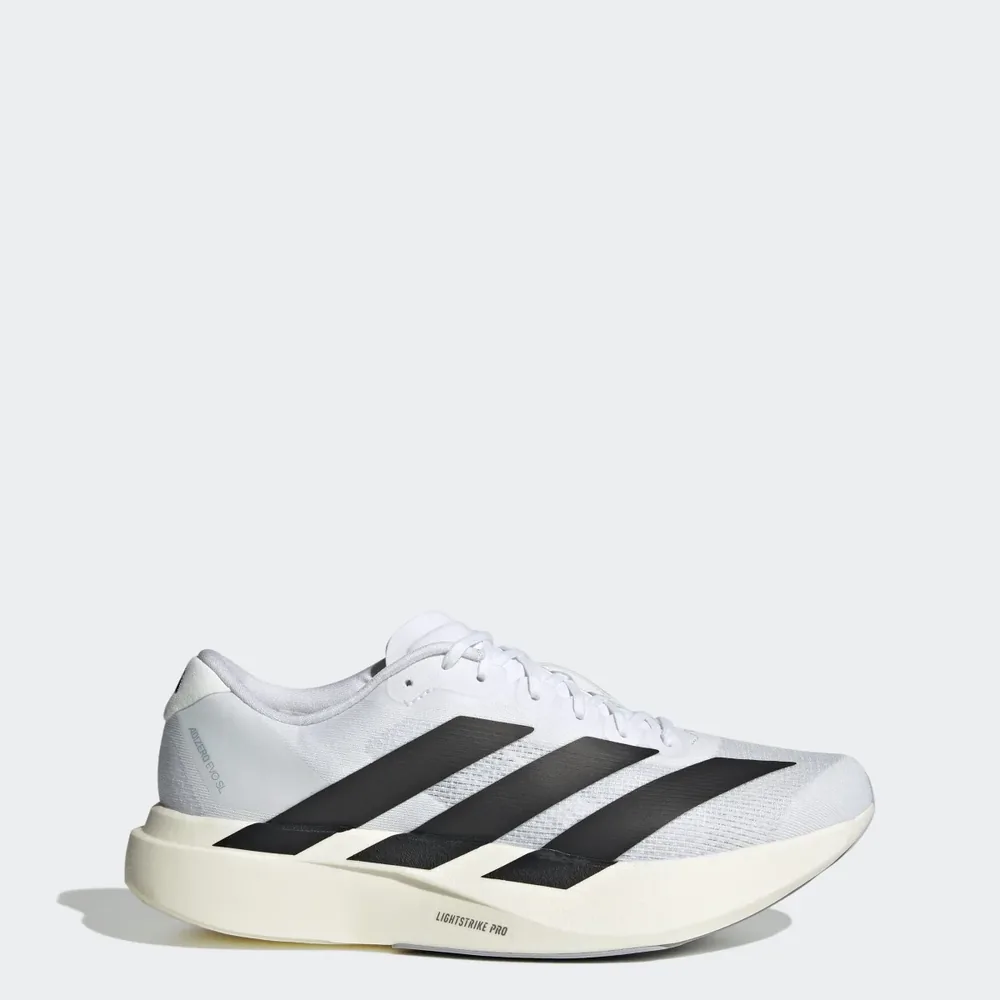
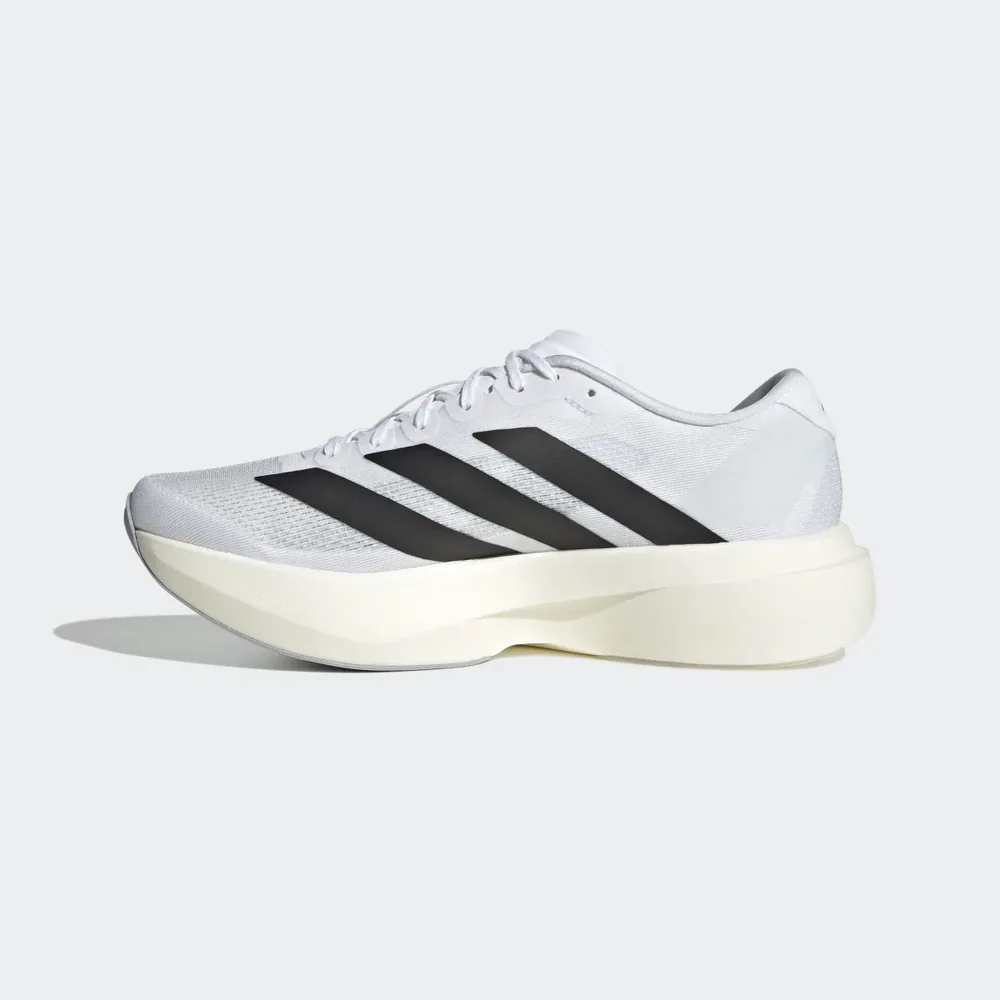
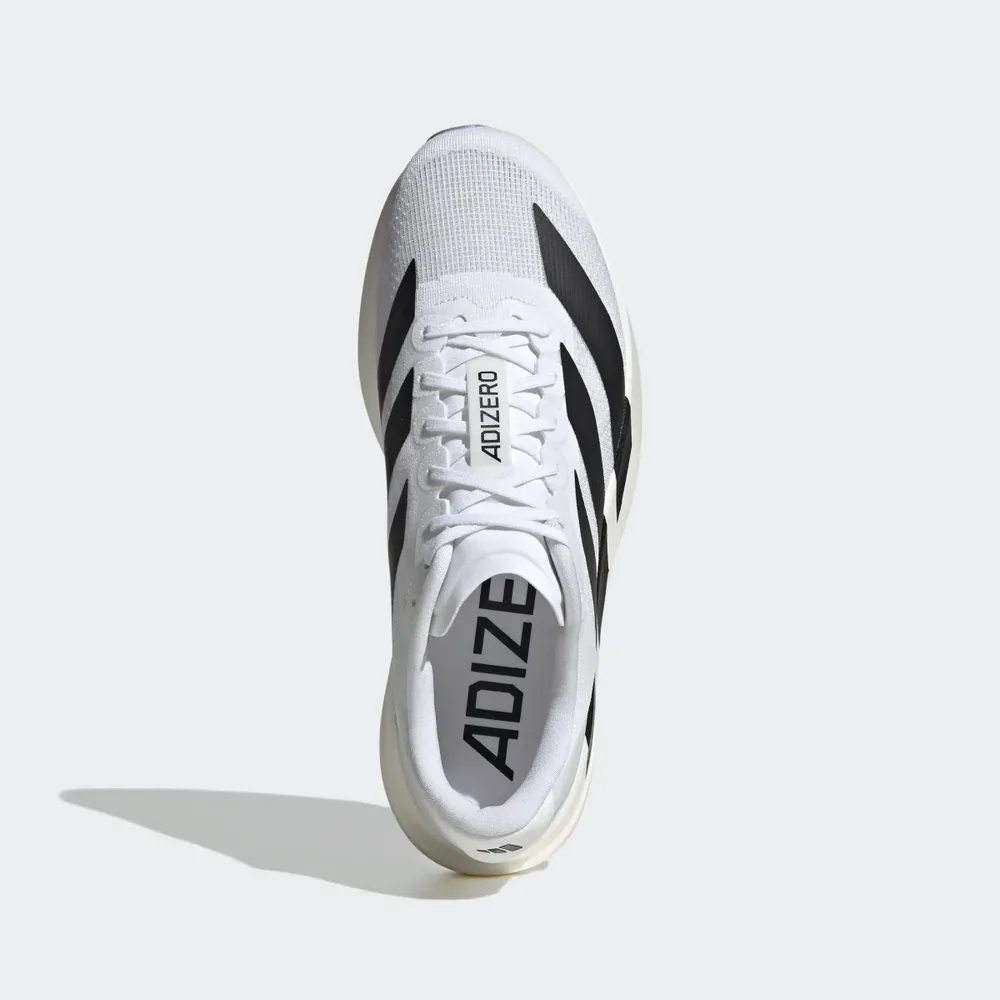
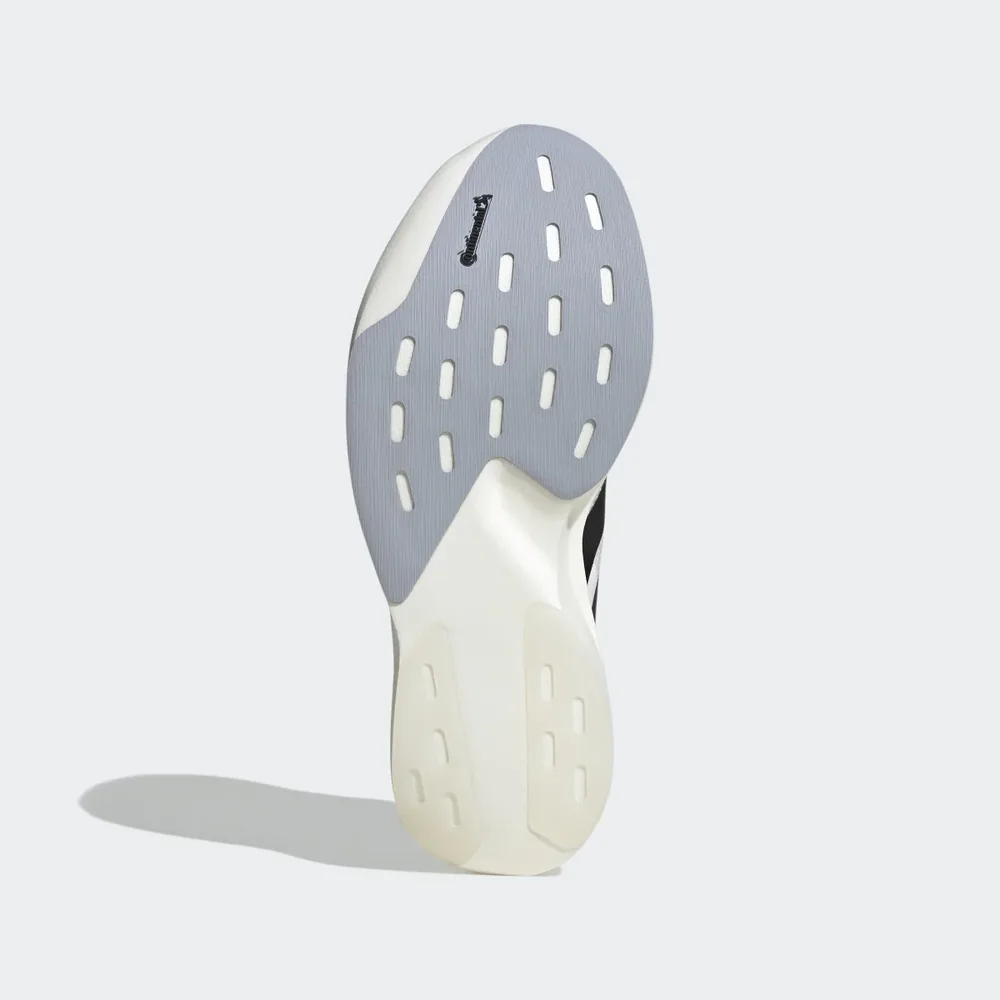
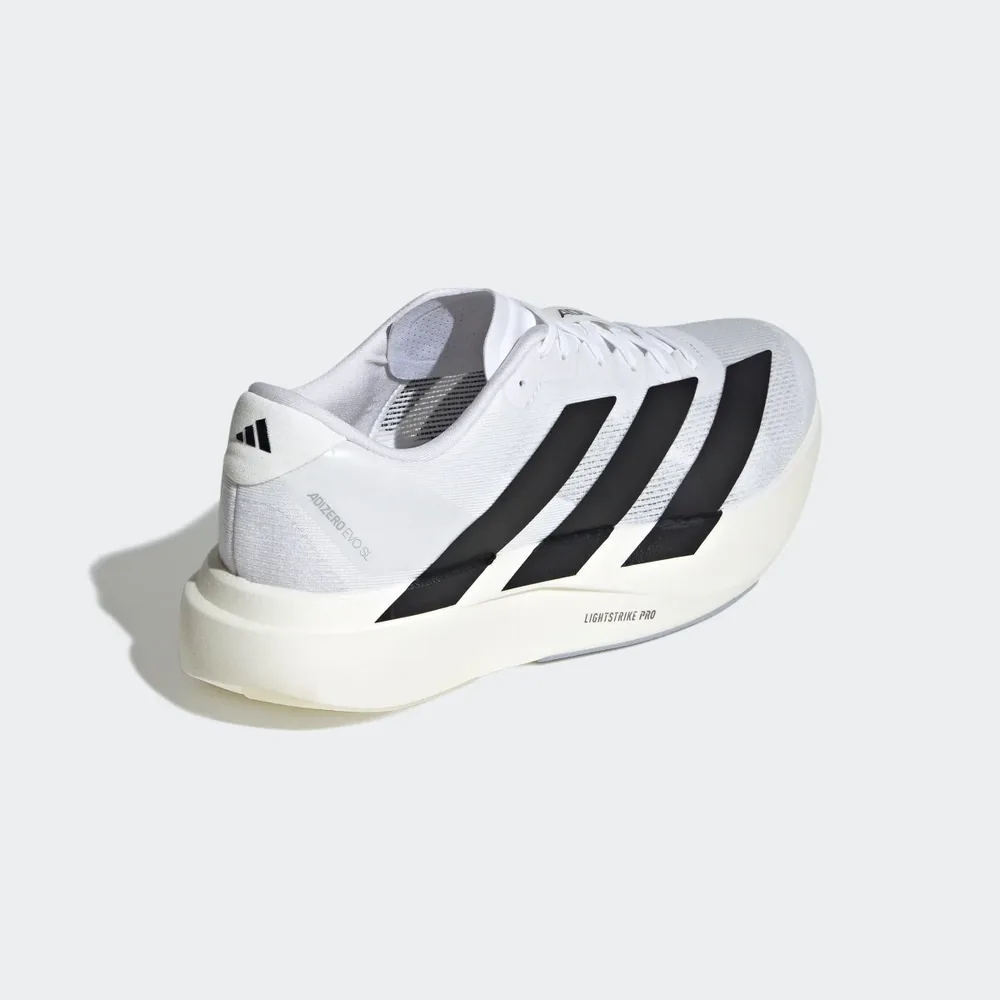


The midsole is 100% Lightstrike Pro, the same foam family adidas uses in its marathon racers. In RunRepeat’s energy-return test it returned 74.3% at the heel and 70.3% at the forefoot. Both are well above that lab’s average.
There is no carbon plate. A nylon shank in the midfoot adds some structure, so the ride feels lively without the stiff, tippy snap of a super shoe.
Runner’s World has kept the Evo SL in its Best Overall spot for more than a year. RunRepeat’s 2026 guide also ranks it the best running shoe overall.
Key specs
- Weight: 7.9 oz (men’s), 6.6 oz (women’s)
- Heel drop: 7 mm (men’s), 6 mm (women’s)
- Heel stack: 39 mm (men’s), 36 mm (women’s)
- Support: neutral
- Breathability: 5/5 in RunRepeat’s smoke test
Who it suits
The Evo SL suits neutral runners who want one shoe for easy runs, long runs and workouts. It is also a gentle first step into faster shoes for runners who aren’t ready for a carbon plate.
Pros
- Full Lightstrike Pro foam gives race-shoe bounce with no plate
- Very light at 7.9 oz for this much cushion
- Upper scored 5/5 for breathability in RunRepeat’s smoke test
- Bends easily: 36% more flexible than average in RunRepeat’s test
- Continental rubber outsole showed only 0.6 mm of wear in the lab
Cons
- Thin, short tongue can slide on long runs. Fix: snug the laces and use the top eyelet before you head out.
- The toe box tapers. If your forefoot is wide, try it on first or pick the New Balance 1080 v15.
Who should NOT buy it
Skip the Evo SL if you overpronate or need guidance. RunRepeat notes its narrow midsole and minimal support make it a neutral-only shoe. Runners with a narrow heel and midfoot may also struggle to get a secure lockdown.
2. New Balance 1080 v15: Best Cushioned Daily Trainer
The 1080 v15 is the best cushioned daily trainer because its new Infinion foam is soft enough for long runs but bouncy enough for faster days.
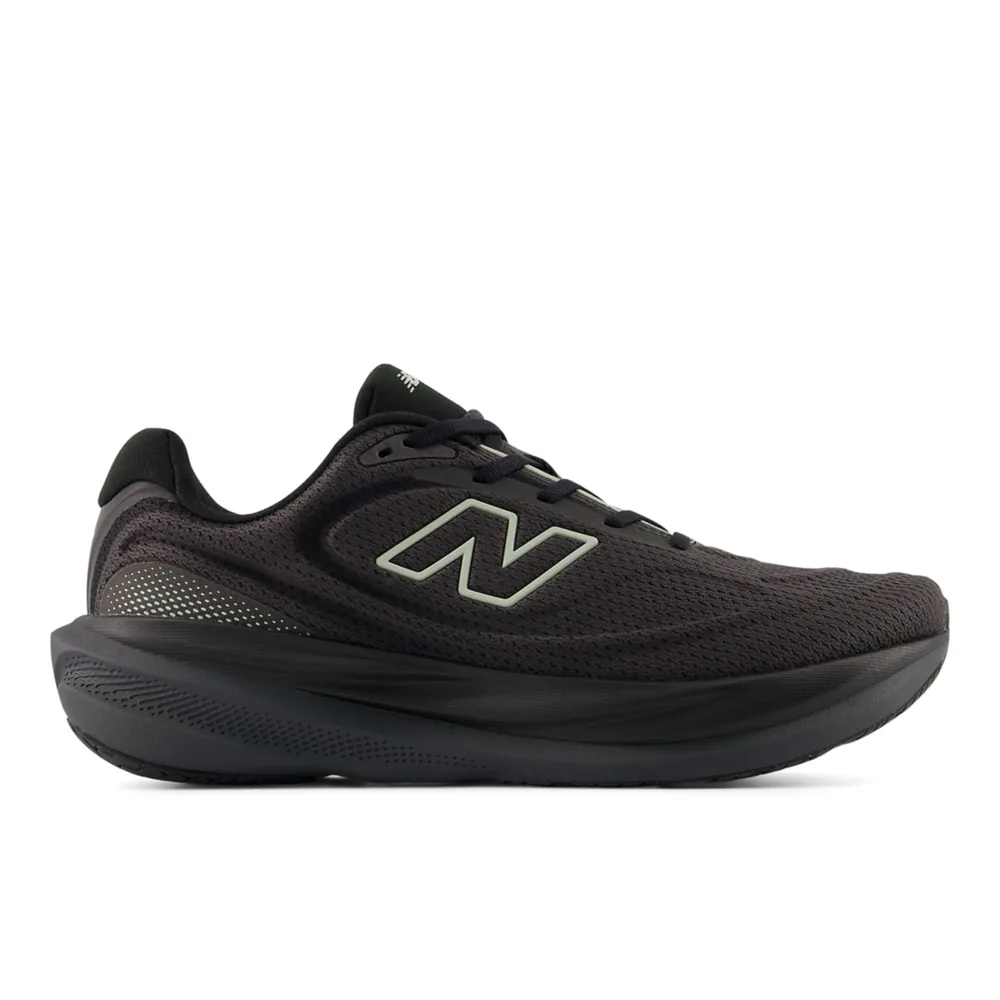
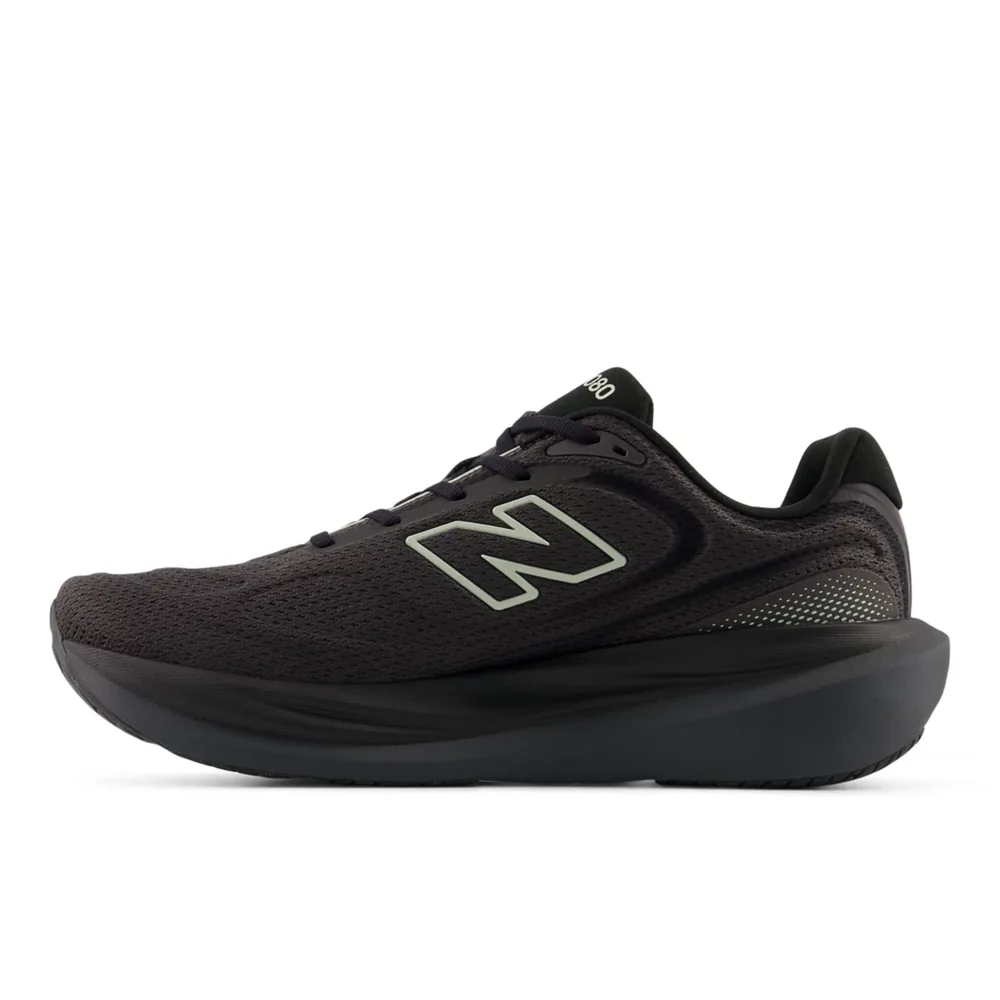
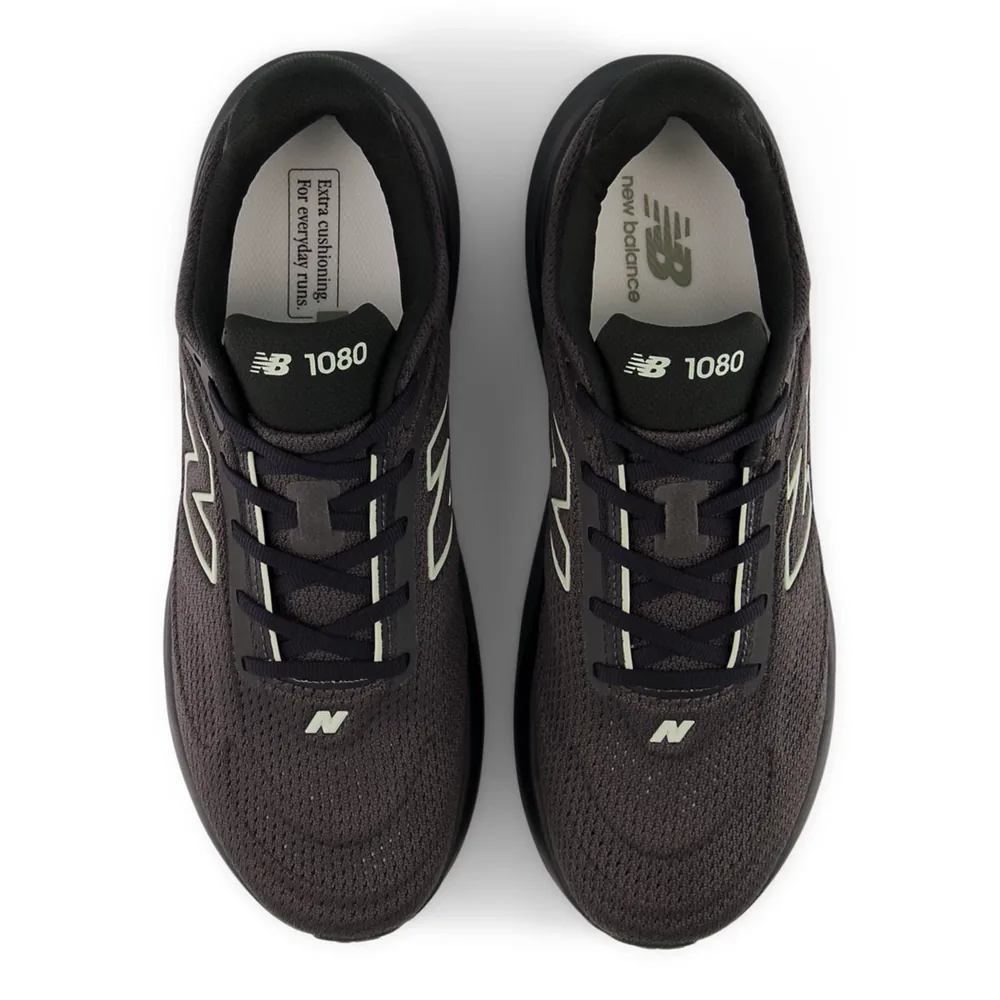
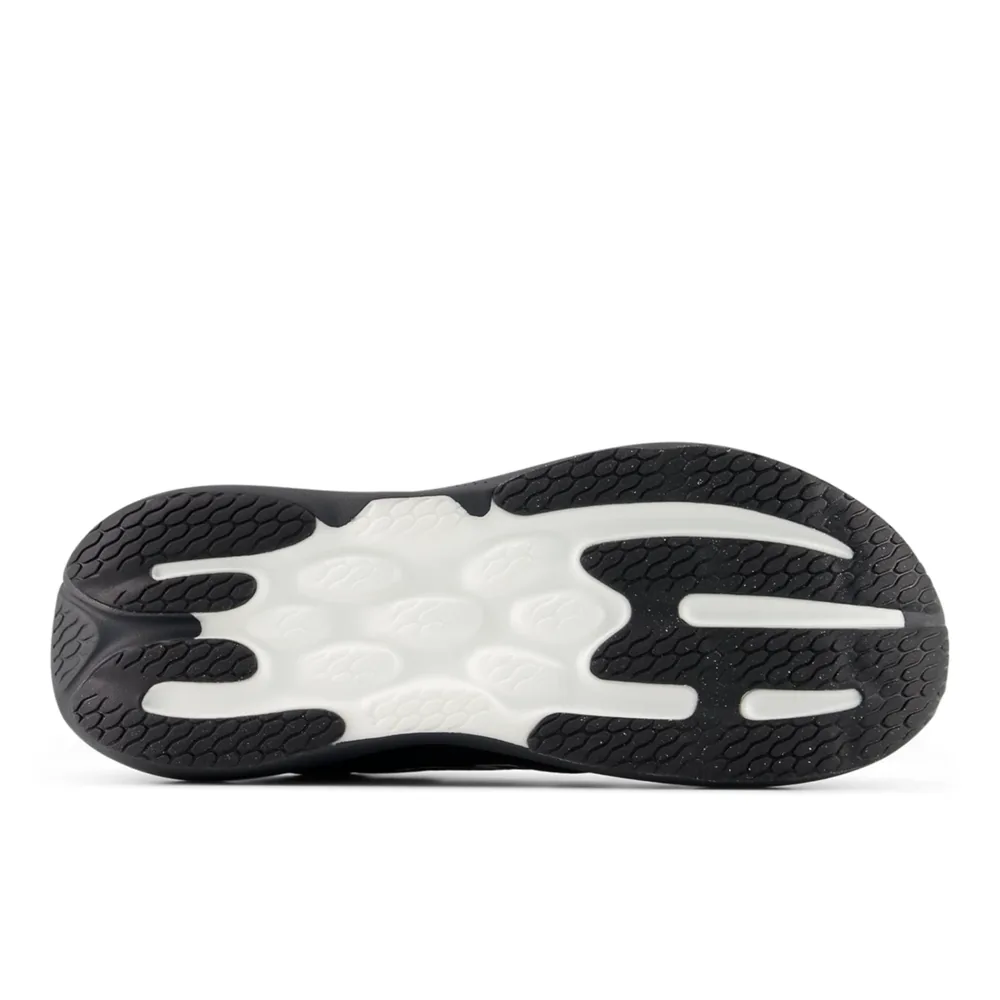
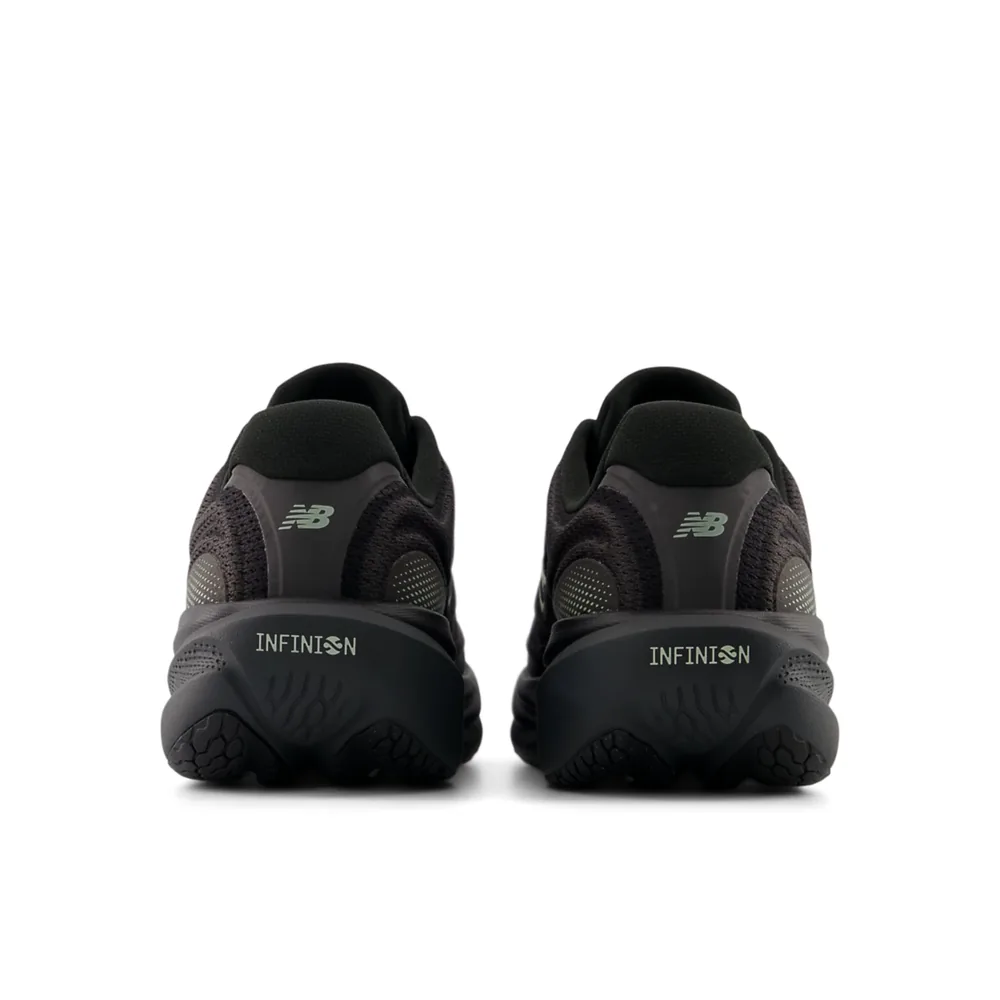
This version swaps Fresh Foam X for Infinion, a supercritical TPEE/TPU-based foam. Runner’s World testers found it a touch firmer than before and noticeably livelier. RunRepeat measured energy return of 65.9% at the heel and 69.1% at the forefoot.
Shock absorption is high: RunRepeat recorded 147 SA at the heel. RunRepeat names it the best daily trainer, and the Runner’s World UK 2026 Shoe Awards gave it a Daily Trainer award.
Key specs
- Weight: 9.1 oz (men’s), 7.2 oz (women’s)
- Heel drop: 6 mm
- Heel stack: 39.9 mm (brand); 37.0 mm heel / 30.6 mm forefoot (RunRepeat lab)
- Support: neutral
- Widths: multiple width options
Who it suits
The 1080 v15 suits neutral runners who log high weekly mileage and want comfort first, plus enough pop to pick up the pace now and then.
Pros
- Plush Infinion foam with high heel shock absorption (147 SA in RunRepeat’s lab)
- Livelier than earlier 1080s, say Runner’s World testers
- Roomy toe box with good midfoot lockdown
- Sold in narrow, standard, wide and extra wide
- Won a Daily Trainer award at the Runner’s World UK 2026 Shoe Awards
Cons
- Soft foam on a narrow base can feel wobbly. If you overpronate, pick the Gel-Kayano 33 or Adrenaline GTS 25.
- The upper runs warm. On hot days, wear thin socks that wick sweat.
Who should NOT buy it
Skip the 1080 v15 if you want firm, stable footing. RunRepeat warns that the soft foam on a narrower base can feel wobbly. Runners who need support should look at the Gel-Kayano 33 or the Adrenaline GTS 25 instead.
3. Brooks Ghost 18: Best Running Shoe for Beginners
The Ghost 18 is the best running shoe for beginners because its moderate cushioning and 10 mm drop suit the heel-first stride most new runners have.
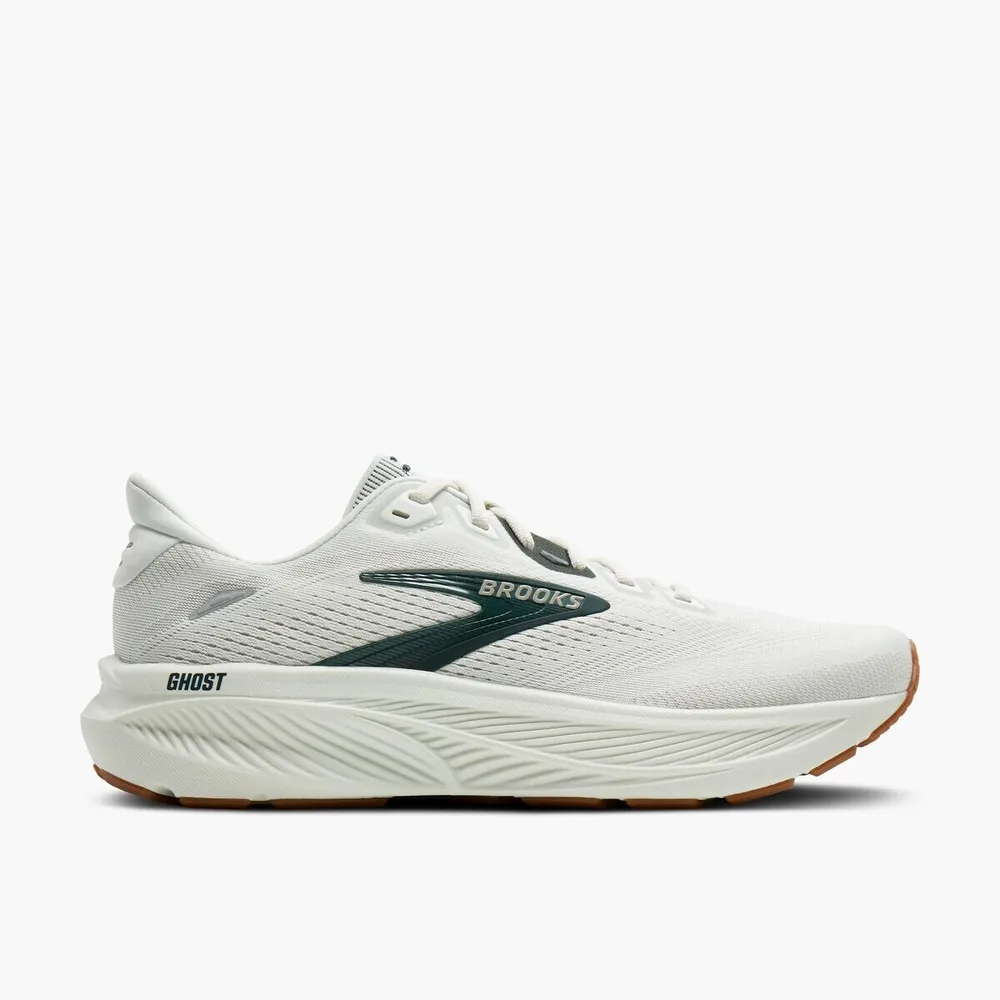
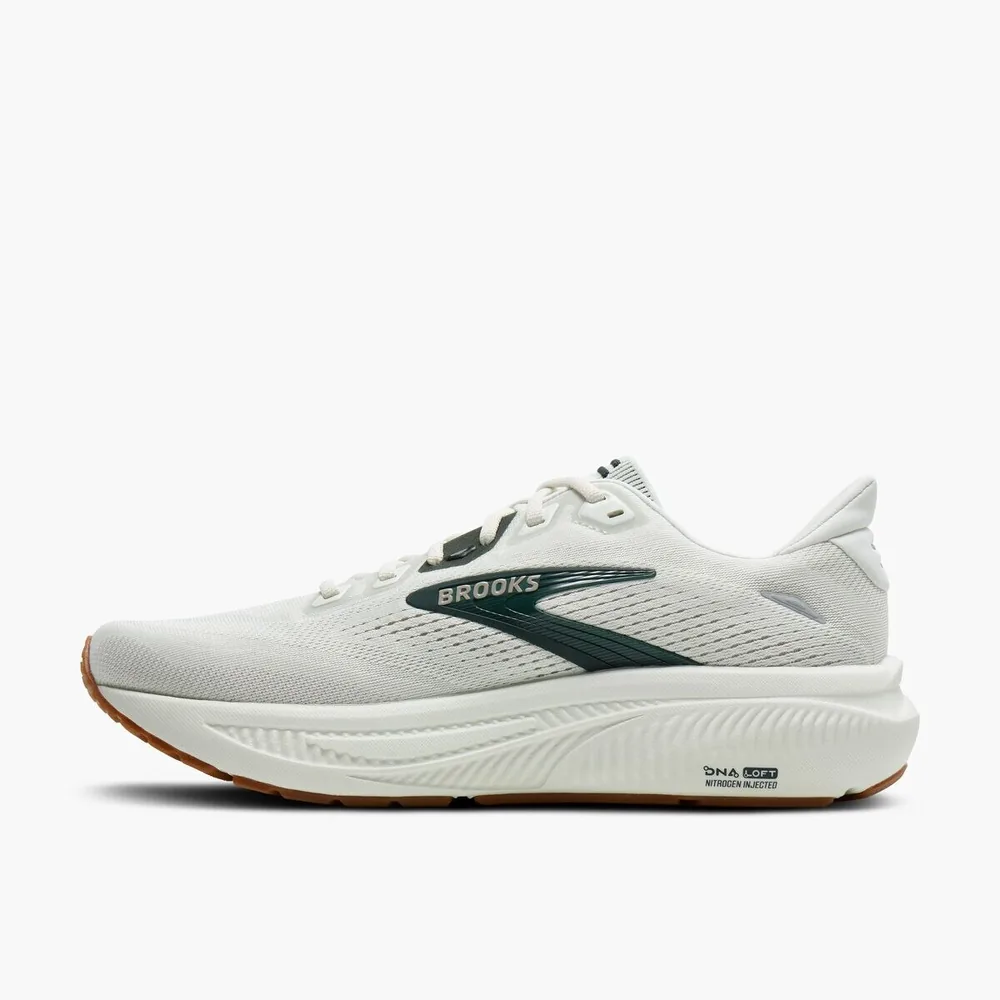
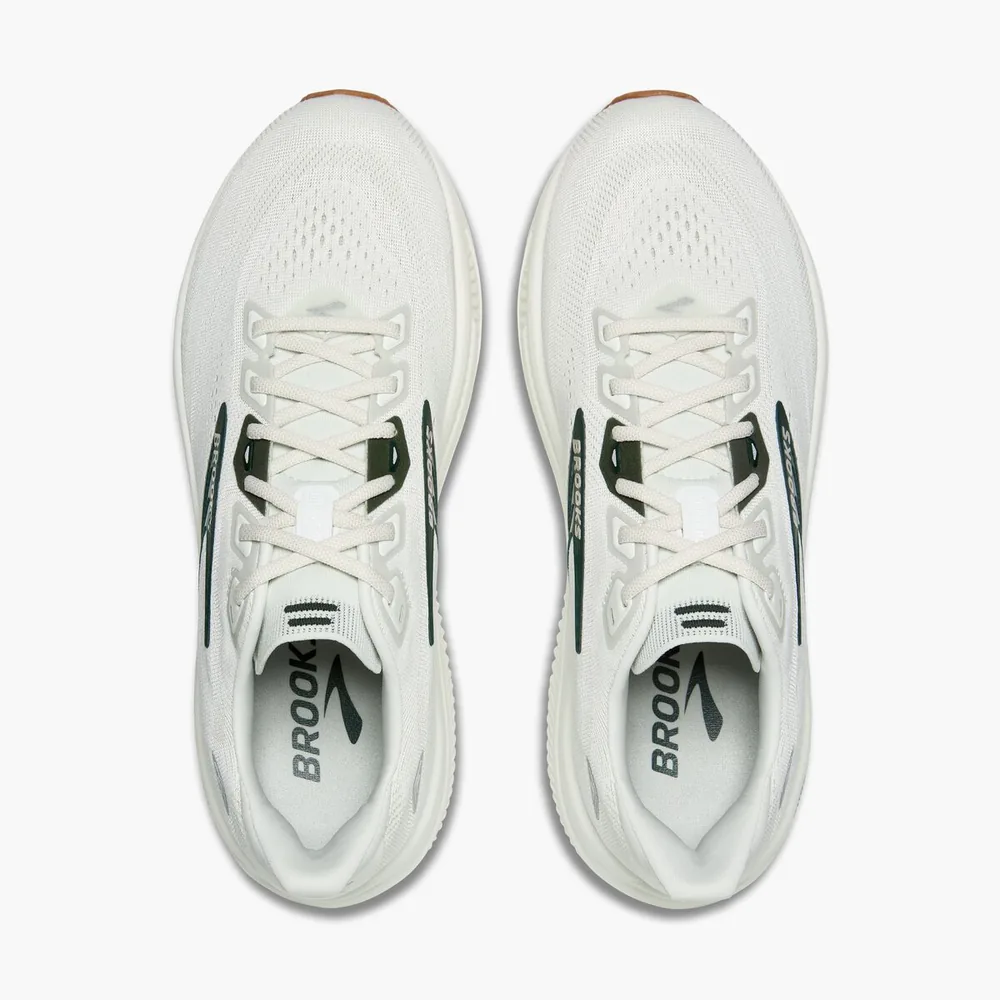
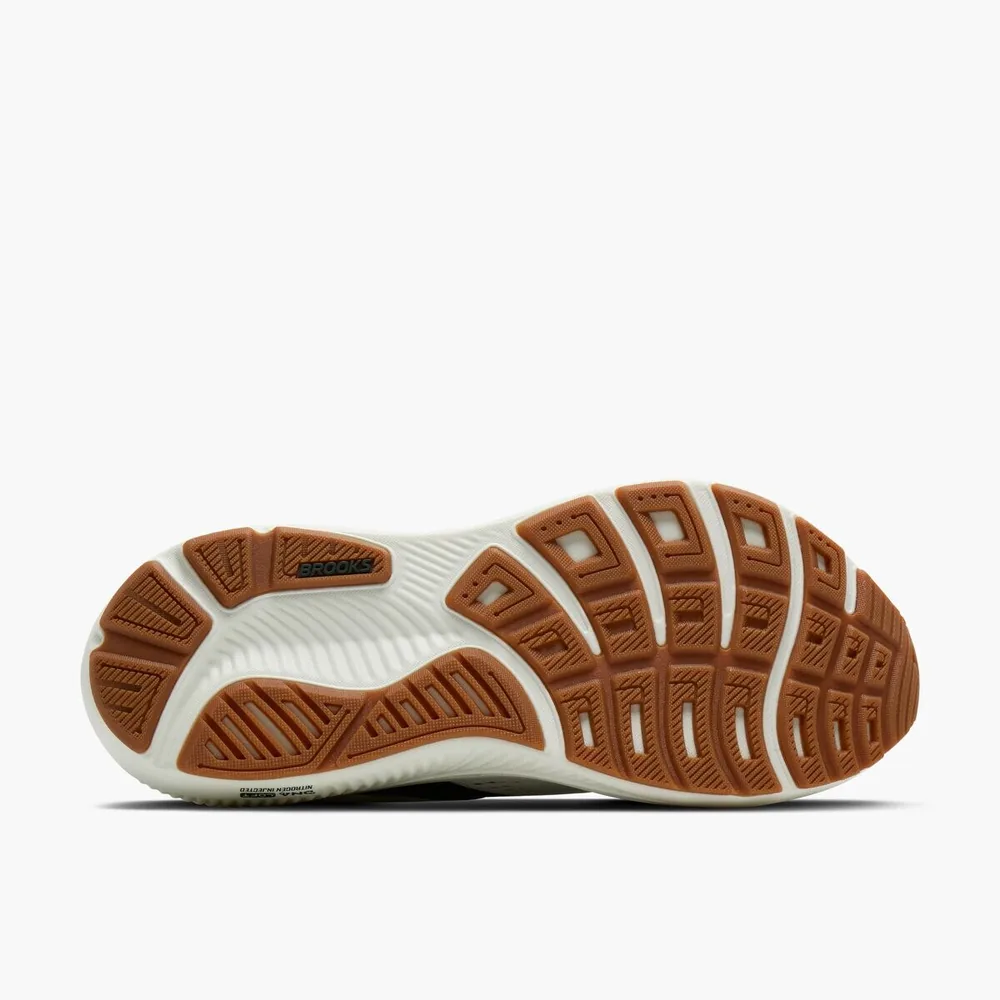
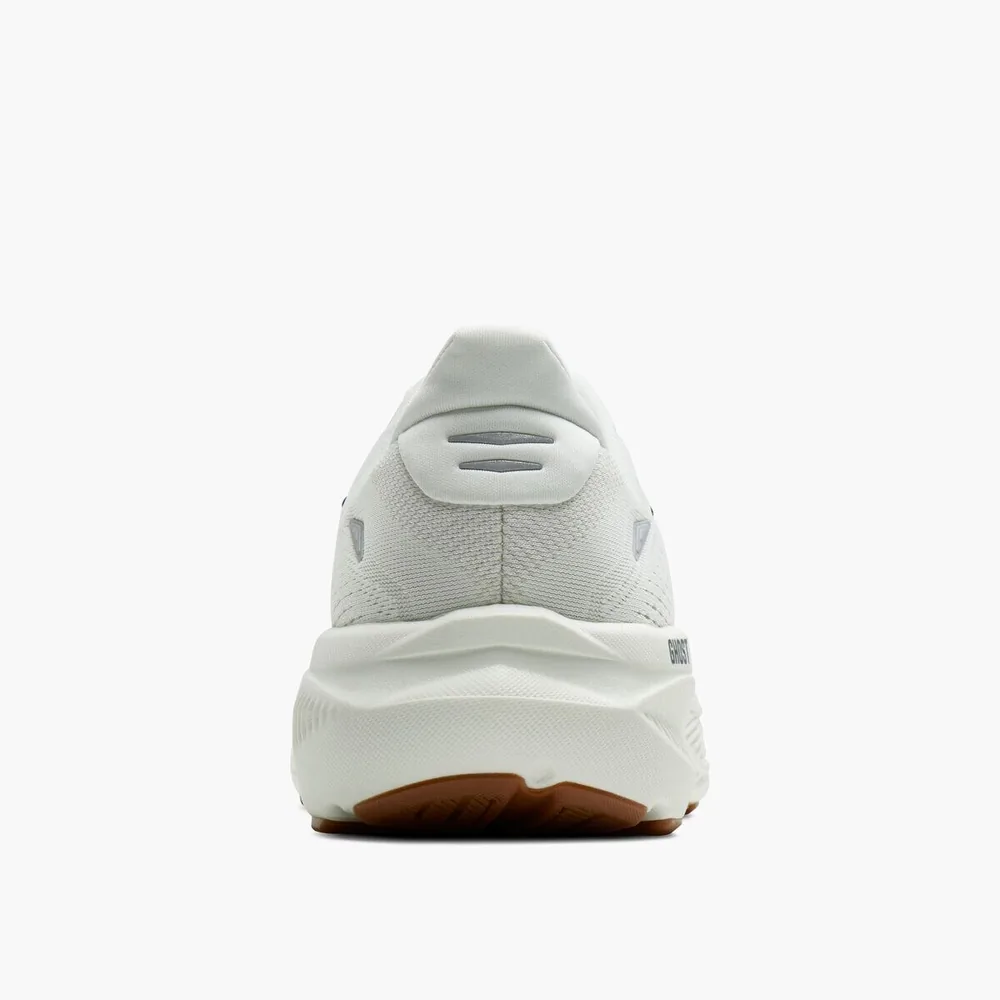
Runner’s World calls the Ghost its No. 1 recommendation for new runners because of its “Goldilocks” cushioning. The midsole is nitrogen-infused DNA Loft v3, which absorbs impact without feeling mushy.
The Ghost 18 also carries the American Podiatric Medical Association (APMA) Seal of Acceptance, according to its Amazon listing. It comes in multiple widths and has a removable insole, so it works with custom orthotics.
For more options built around a first pair, see our list of the best running shoes for beginners.
Key specs
- Weight: 10.2 oz (men’s US 9), 9.2 oz (women’s US 8)
- Heel drop: 10 mm
- Heel stack: 36 mm
- Support: neutral
- Foam: DNA Loft v3
Who it suits
The Ghost 18 suits new runners, heel strikers and anyone who wants one dependable shoe for easy runs, treadmill sessions and walking.
Pros
- Balanced, predictable DNA Loft v3 cushioning
- 10 mm drop suits heel strikers and is easy on the calves
- Multiple widths, plus a removable insole for orthotics
- Tough RoadTack rubber outsole
- Carries the APMA Seal of Acceptance, per its Amazon listing
Cons
- The upper can rub at the bunion area. If you have bunions, buy the wide size or choose the Glycerin 23.
- It feels a bit stiff at first. Give it a few easy runs to loosen up.
Who should NOT buy it
Skip the Ghost 18 if you have bunions or a broad forefoot and can’t buy a wide size. Runner’s World suggests the Glycerin 23 for that foot shape. Runners who want a fast, light shoe will also find it too heavy.
4. Brooks Glycerin 23: Best for Long Runs and Wider Feet
The Glycerin 23 is the best long-run shoe for runners with wider feet because it pairs a roomy midfoot and toe box with high, responsive cushioning.
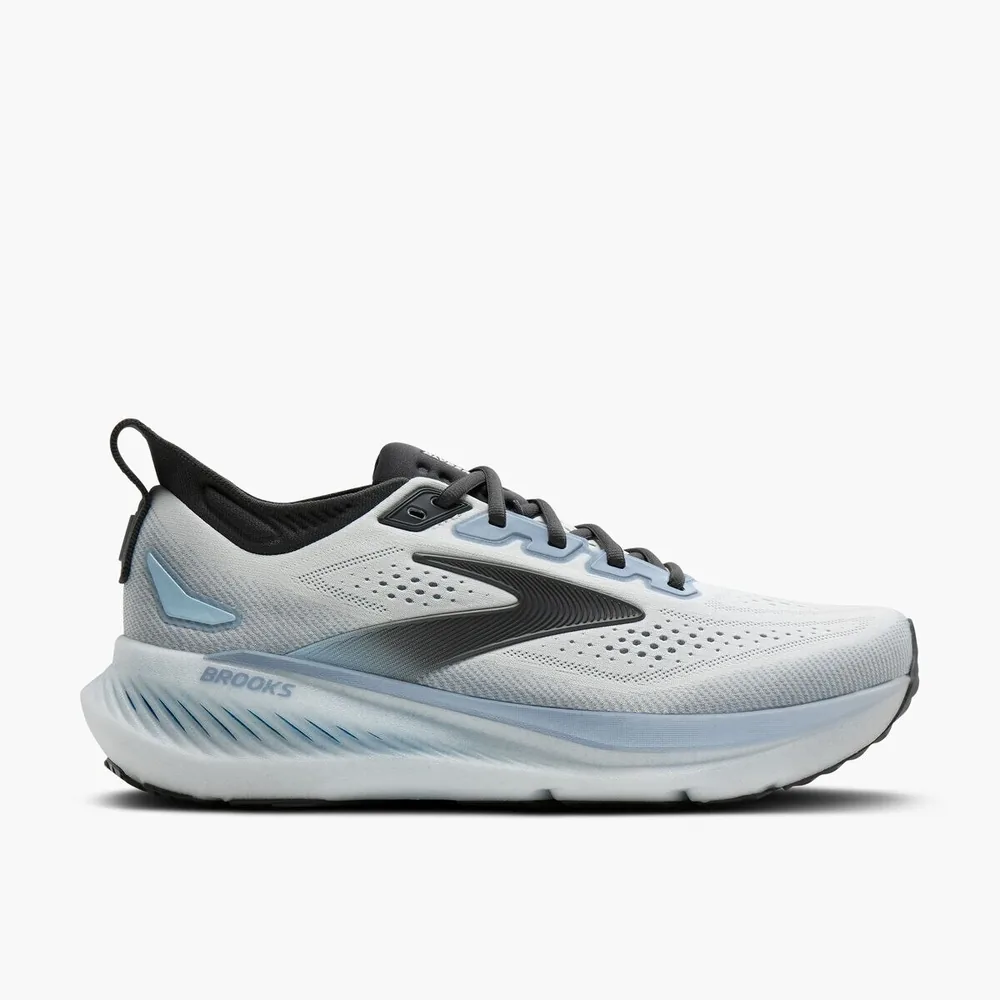
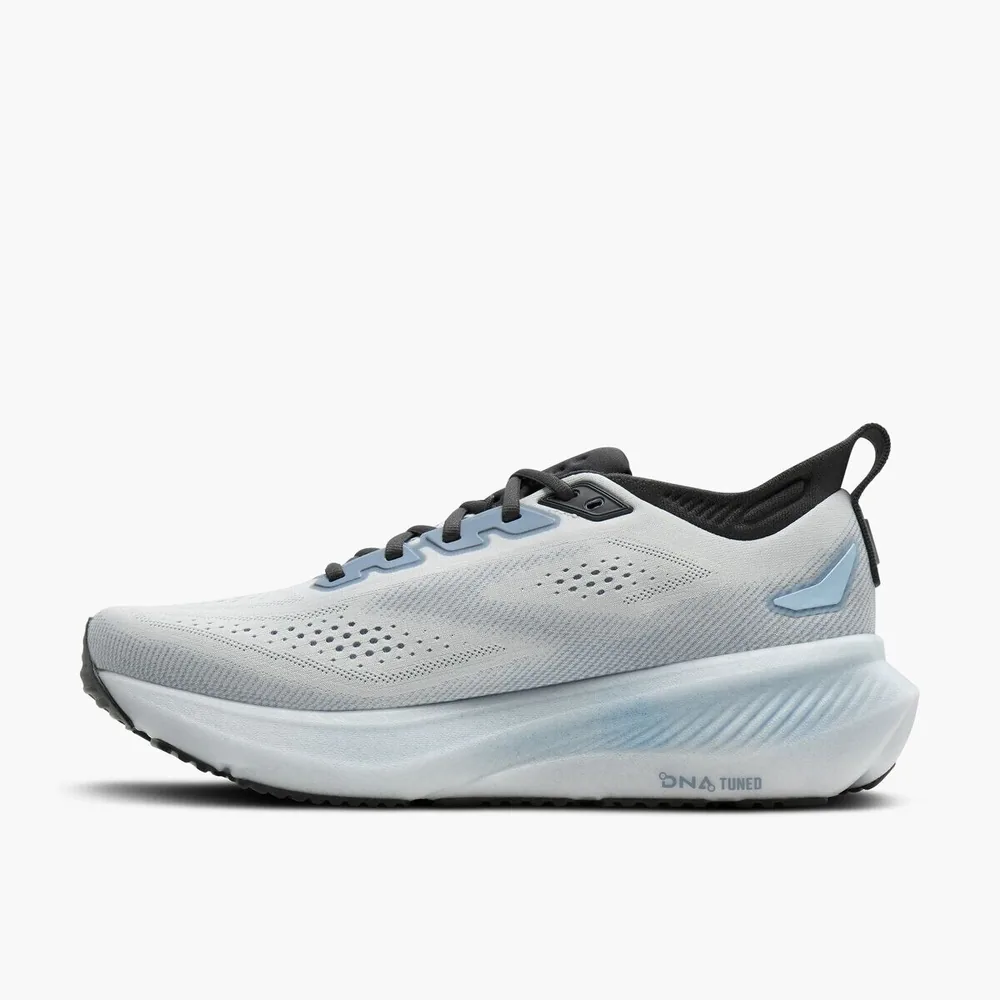
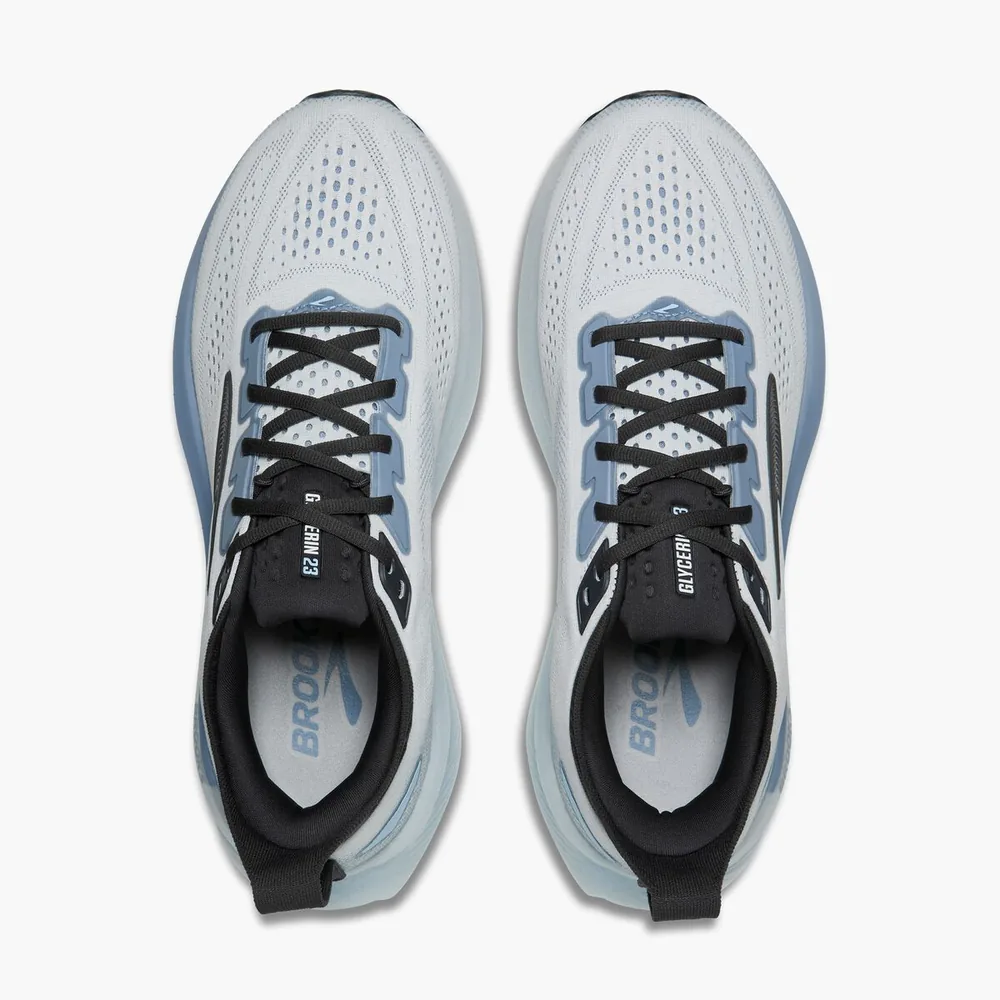
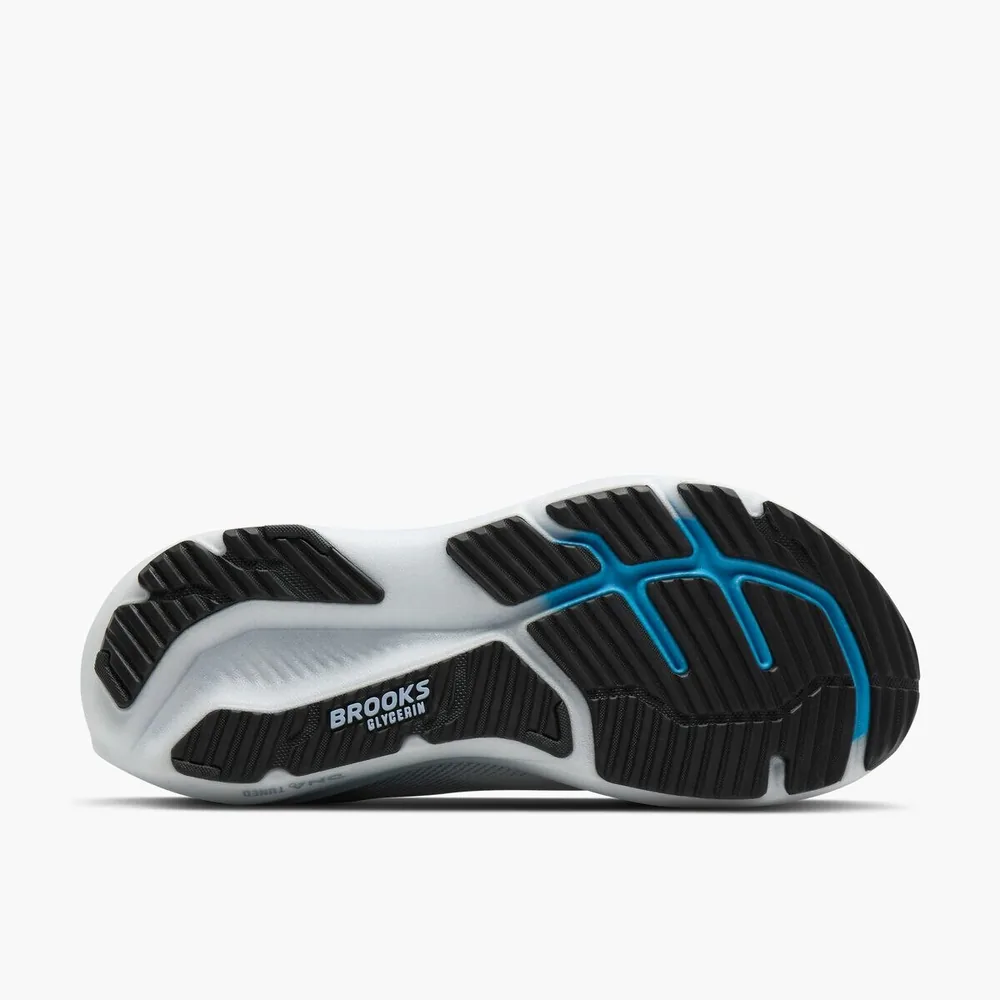
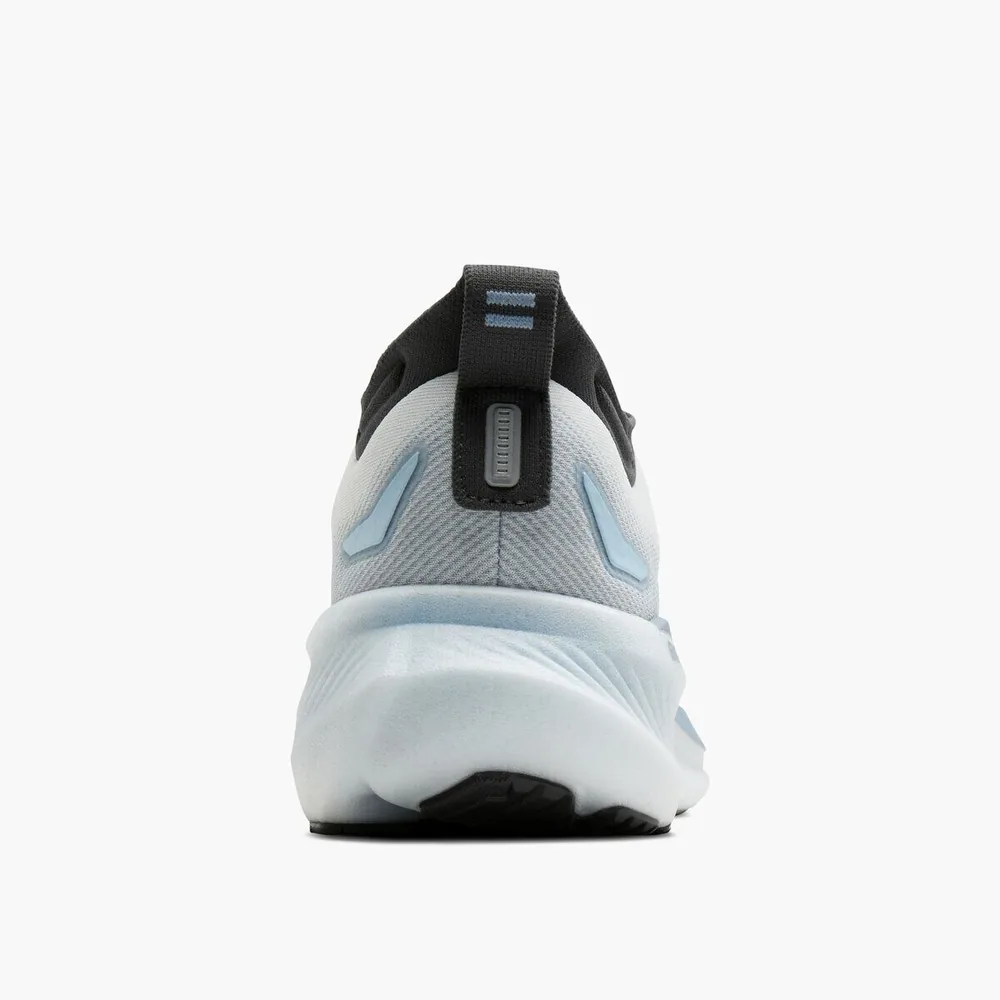
The DNA Tuned midsole uses smaller foam cells in the forefoot and larger cells in the heel. Runner’s World testers said this makes the shoe feel lighter and more responsive than its weight suggests. The editor who wrote that guide trained for the Boston Marathon in it.
Runner’s World names it the best daily trainer for wide feet and a strong women’s pick, because the fit suits a broader midfoot and a narrower heel. If a wide toe box is your top priority, our guide to the best running shoes with a wide toe box covers more foot-shaped options.
Key specs
- Weight: 10.6 oz (men’s), 8.7 oz (women’s)
- Heel drop: 8 mm
- Heel stack: 38 mm
- Support: neutral (a Glycerin GTS 23 stability version is also sold)
Who it suits
The Glycerin 23 suits marathon and half-marathon trainees, runners with a broad midfoot, and anyone who wants a plush shoe that doesn’t drag.
Pros
- More forefoot cushioning than the last version
- Roomy midfoot and toe box for wider feet
- Secure, padded heel
- Feels lighter and quicker than its weight, say Runner’s World testers
- A Glycerin GTS 23 stability version is also sold
Cons
- At 10.6 oz it’s heavy for speed work. Use it for long runs and pair it with a light shoe like the Evo SL for intervals.
- The roomy fit can feel loose on narrow feet. Try a heel-lock lace or pick the Ghost 18.
Who should NOT buy it
Skip the Glycerin 23 if you have narrow feet, because the roomy volume can feel sloppy. It is also not a good fit for runners who want a light shoe for intervals.
5. ASICS Gel-Kayano 33: Best Max-Stability Running Shoe
The Gel-Kayano 33 is the best max-stability shoe because its wide, rigid platform keeps an overpronating foot on track while the new foam makes it the softest Kayano yet.
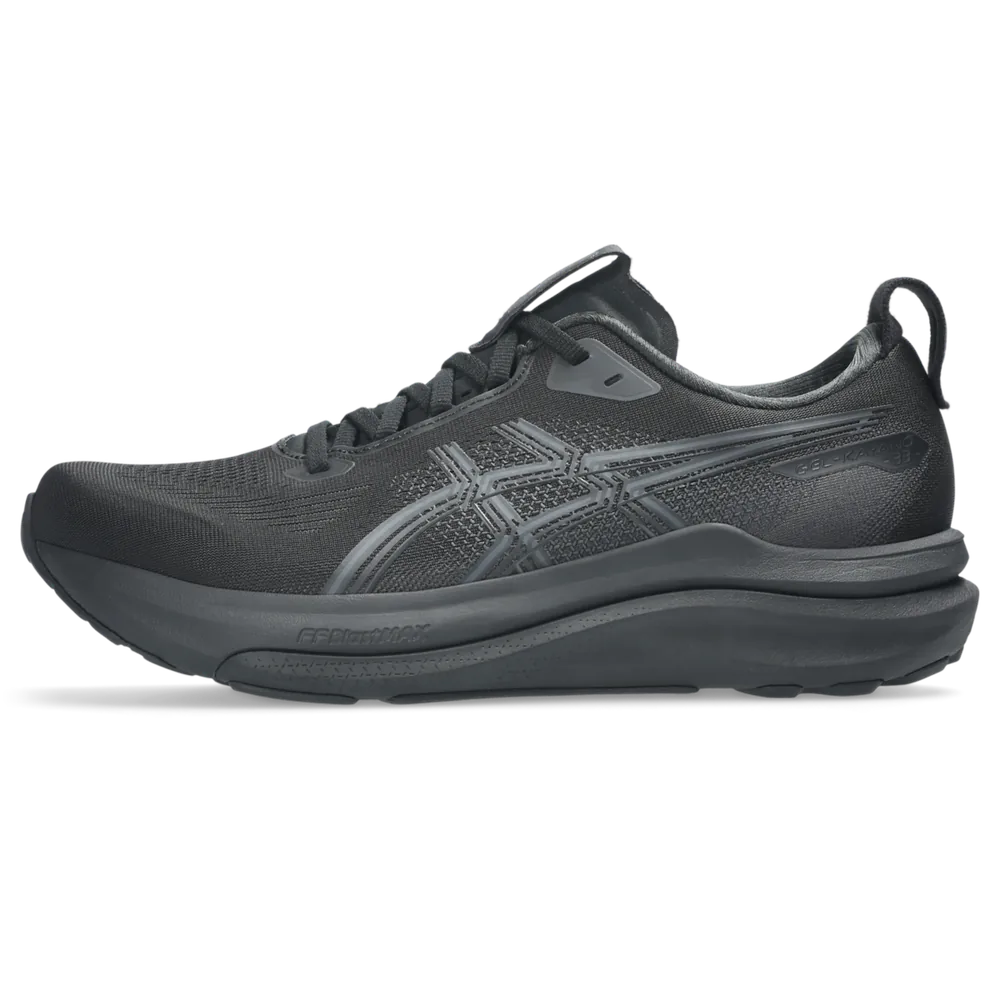
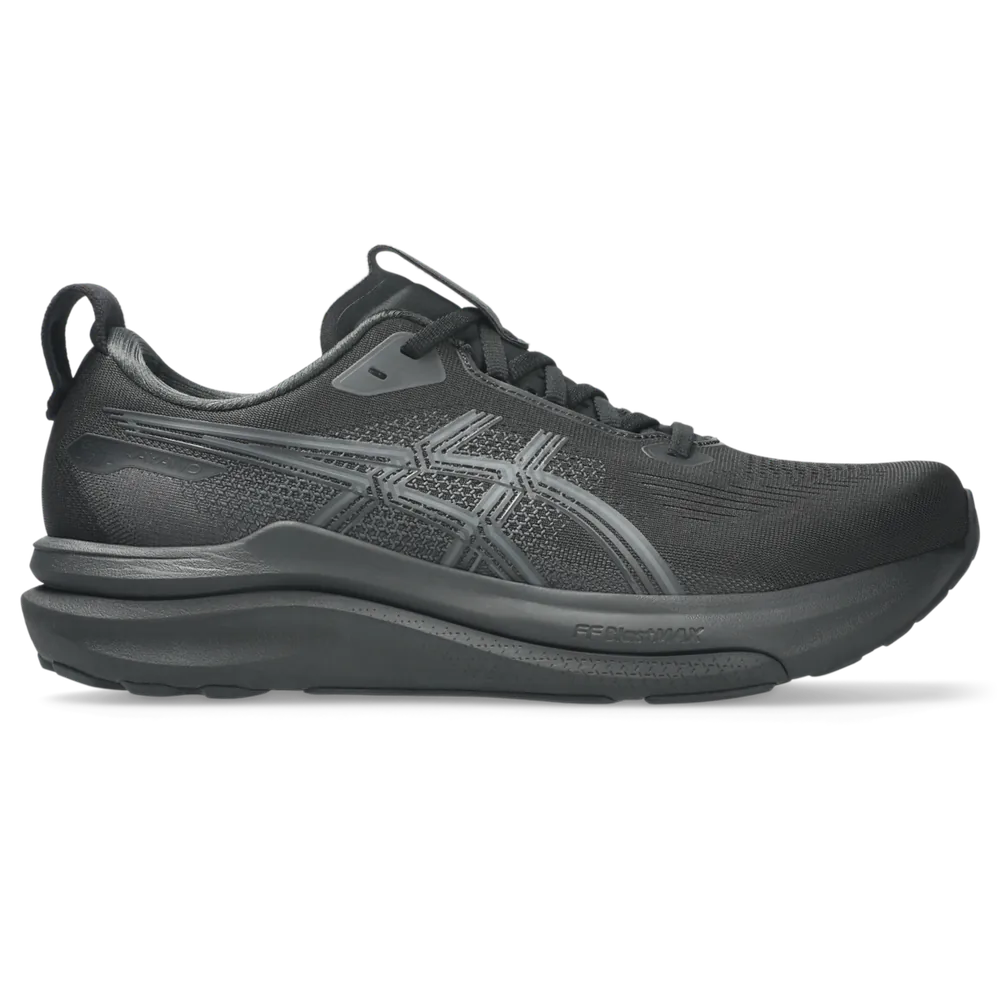
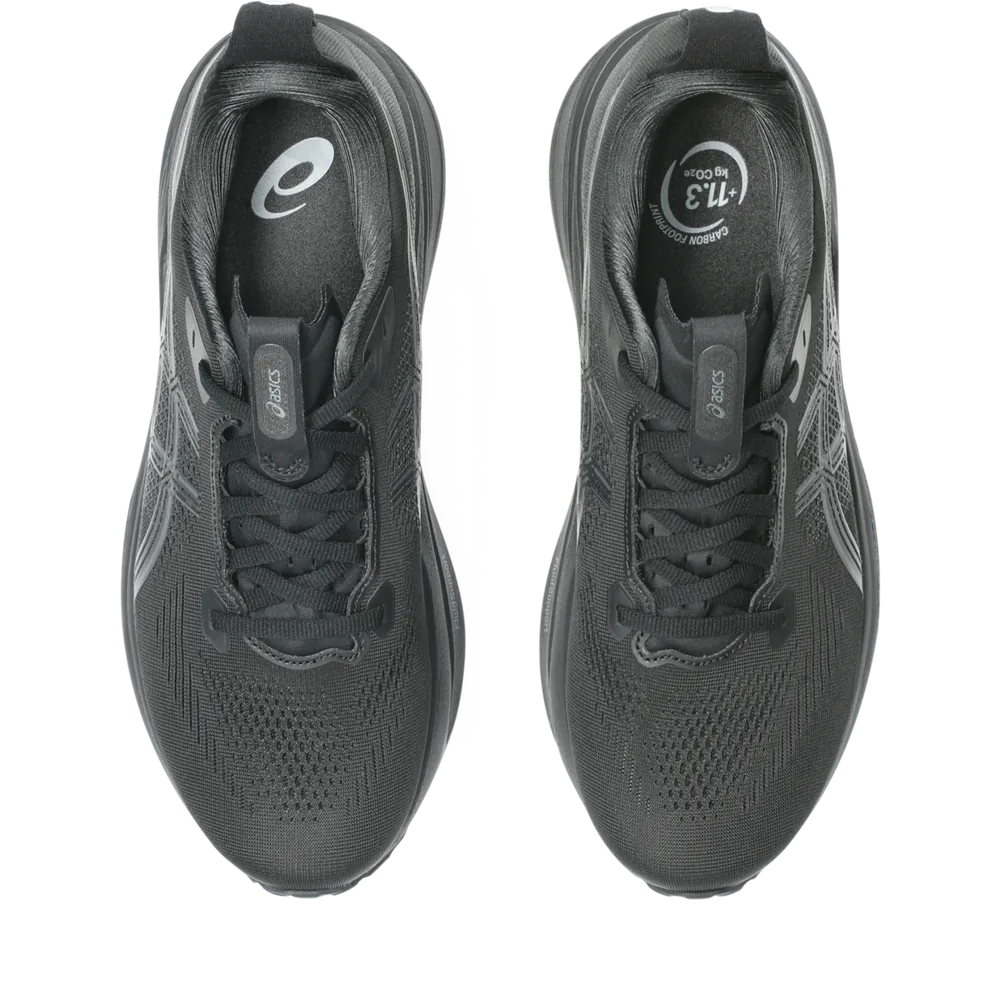
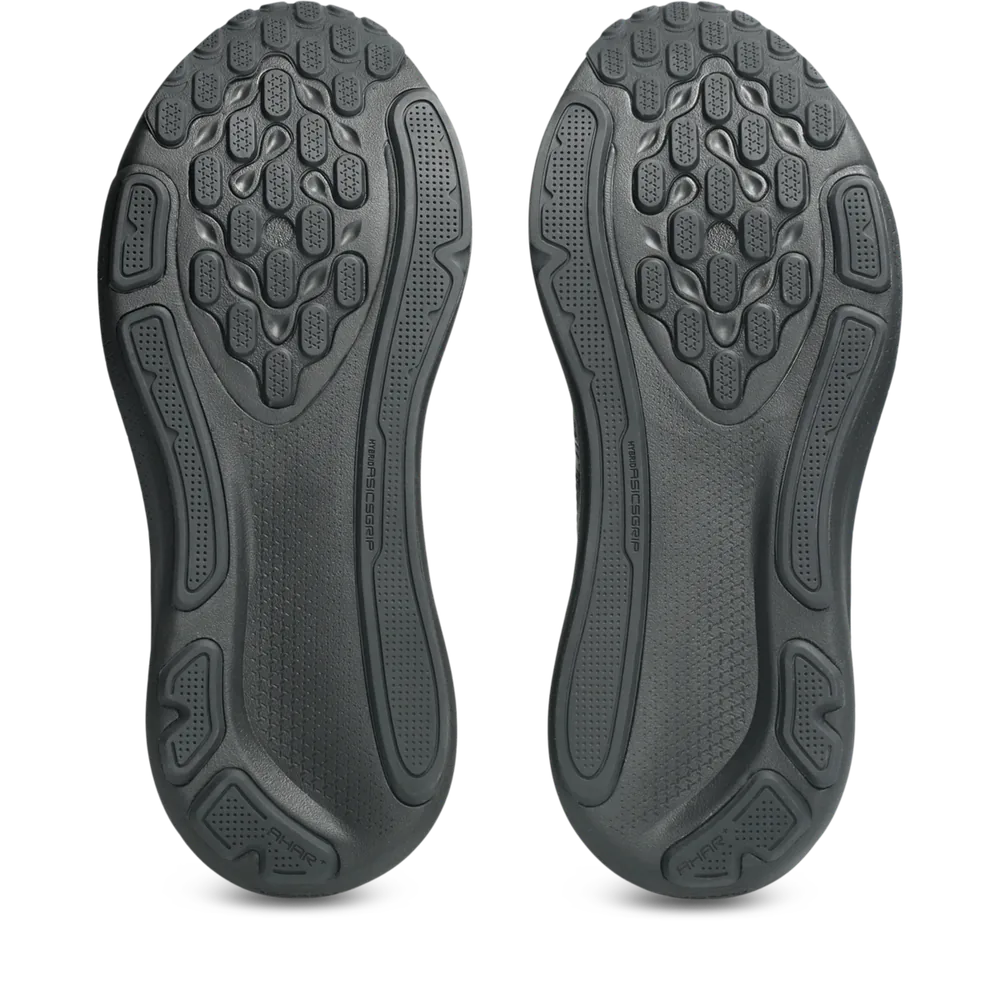
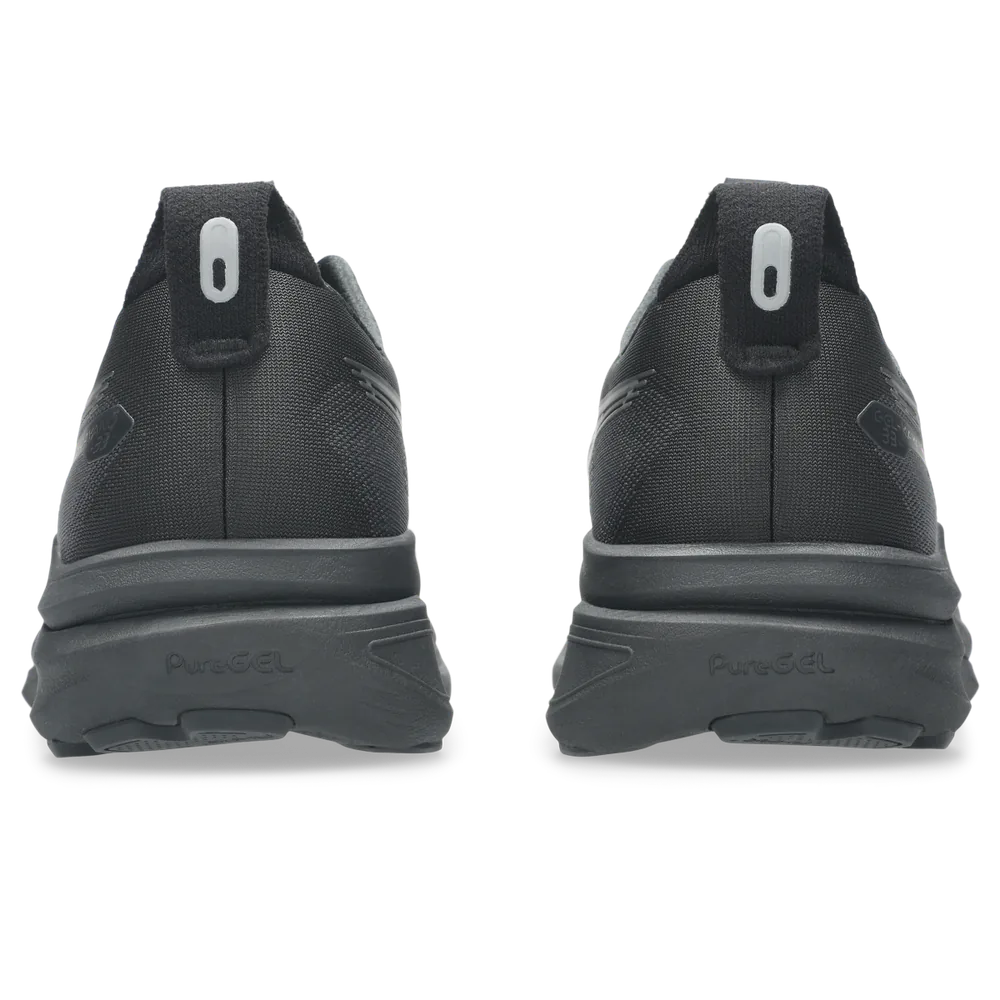
RunRepeat measured the forefoot base at 120.7 mm against a 115.2 mm average, and torsional rigidity at 20.1 Nm, one of the most rigid results in its lab. Both numbers show how hard the shoe resists rolling inward.
Grip is outstanding. RunRepeat recorded a 0.93 coefficient of friction on wet concrete, nearly double its 0.53 average.
The 33 replaces the 4D Guidance System with a FluidSupport design and adds an FF Blast Max top layer. RunRepeat names it the best stability shoe and a top pick for flat feet. To understand how this kind of support works, read what is a stability running shoe.
Key specs
- Weight: 10.5 oz (men’s), 9.1 oz (women’s)
- Heel drop: 8 mm (8.5 mm measured)
- Stack: 39 mm heel / 31 mm forefoot (brand); 36.8 / 28.3 mm (lab)
- Support: stability
- Widths: narrow, standard, wide and X-wide (men’s)
Who it suits
The Kayano 33 suits runners with flat feet or moderate overpronation, heavier runners with mild overpronation, and anyone who wants premium comfort with a very stable ride.
Pros
- Softest Kayano to date, with an FF Blast Max top layer
- Support feels natural, not forced
- Wide 120.7 mm forefoot base and one of the stiffest torsion results in RunRepeat’s lab
- Top wet grip: 0.93 on wet concrete vs a 0.53 average
- Comes in narrow, standard, wide and X-wide (men’s)
Cons
- Low bounce and 10.5 oz weight make it a slow-day shoe. Pair it with the Endorphin Speed 5 for fast runs.
- It’s gentler than older Kayanos. If you overpronate a lot, get a gait check at a running store first.
Who should NOT buy it
Skip the Kayano 33 if you want a fast, bouncy shoe, because it is built for easy-paced miles. RunRepeat also notes that severe overpronators may want firmer correction.
6. Brooks Adrenaline GTS 25: Best Everyday Stability Shoe
The Adrenaline GTS 25 is the best everyday stability shoe because its GuideRails support only engages when your foot starts to drift, so it works for overpronators and tired neutral runners alike.
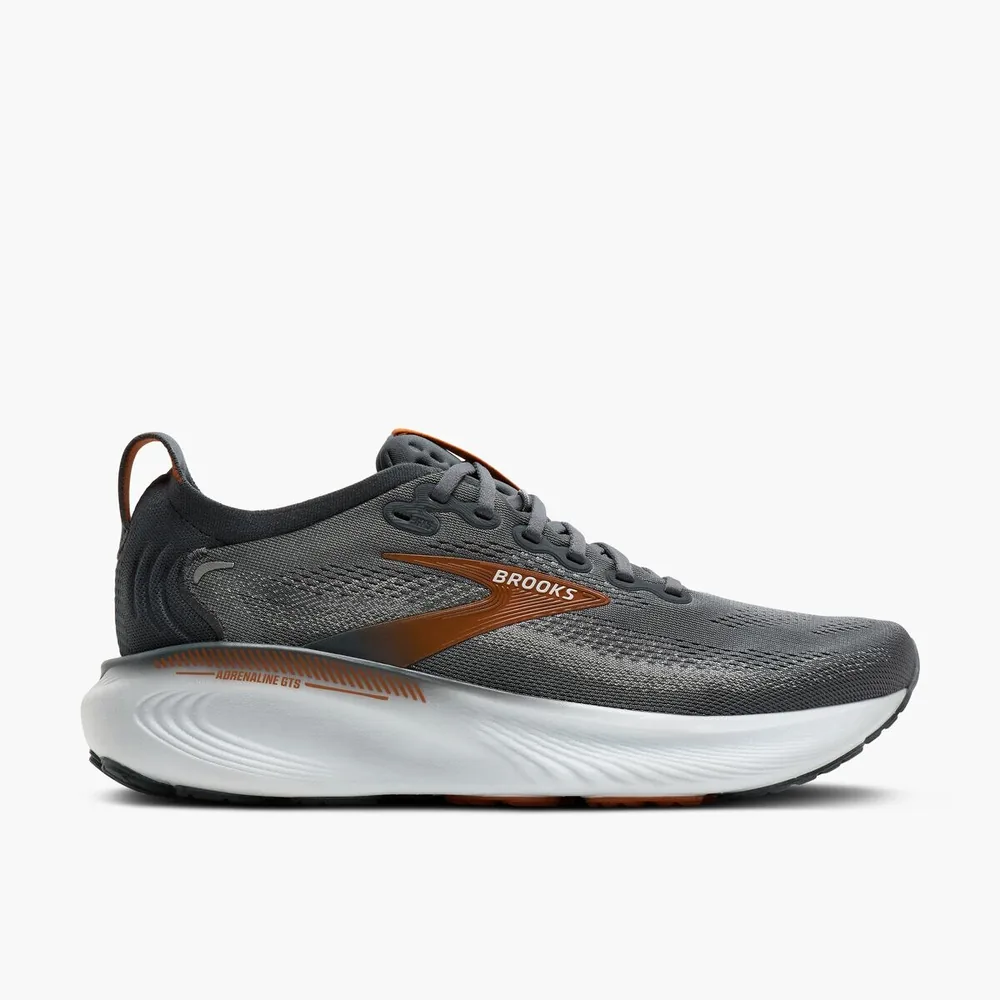
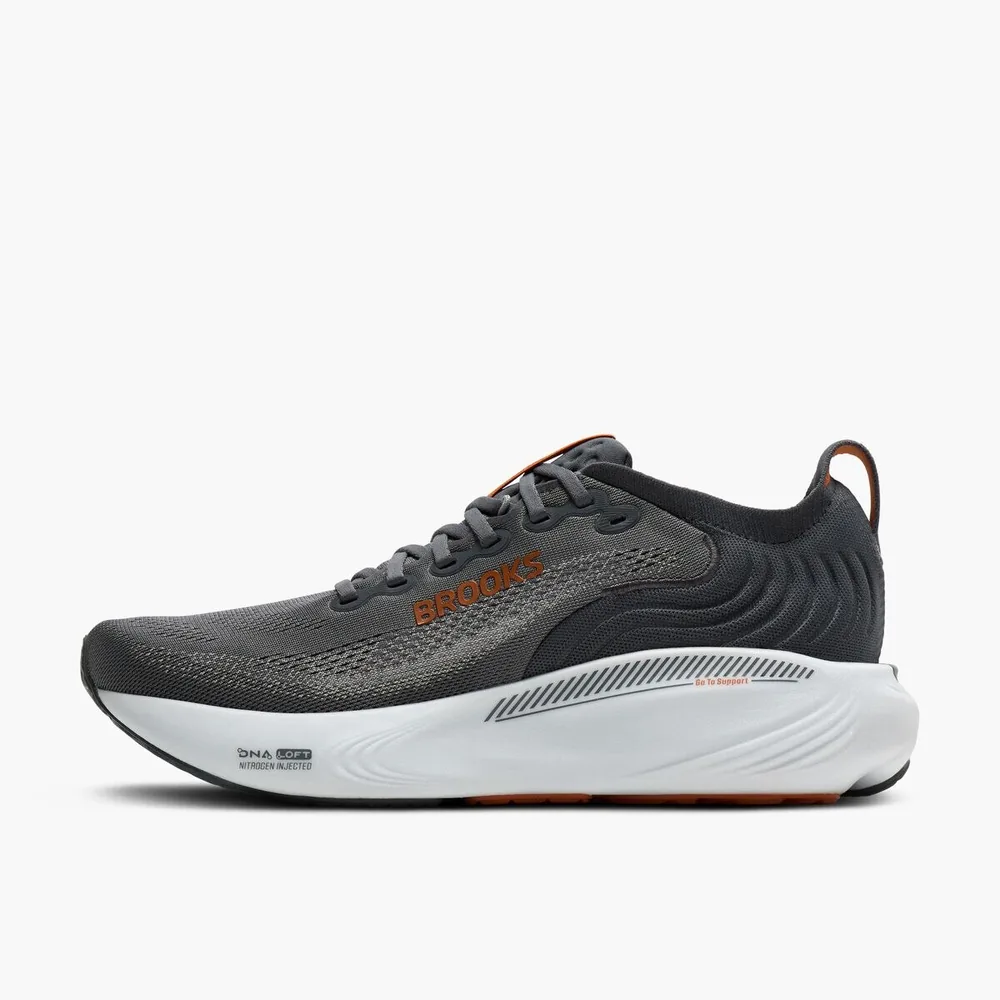
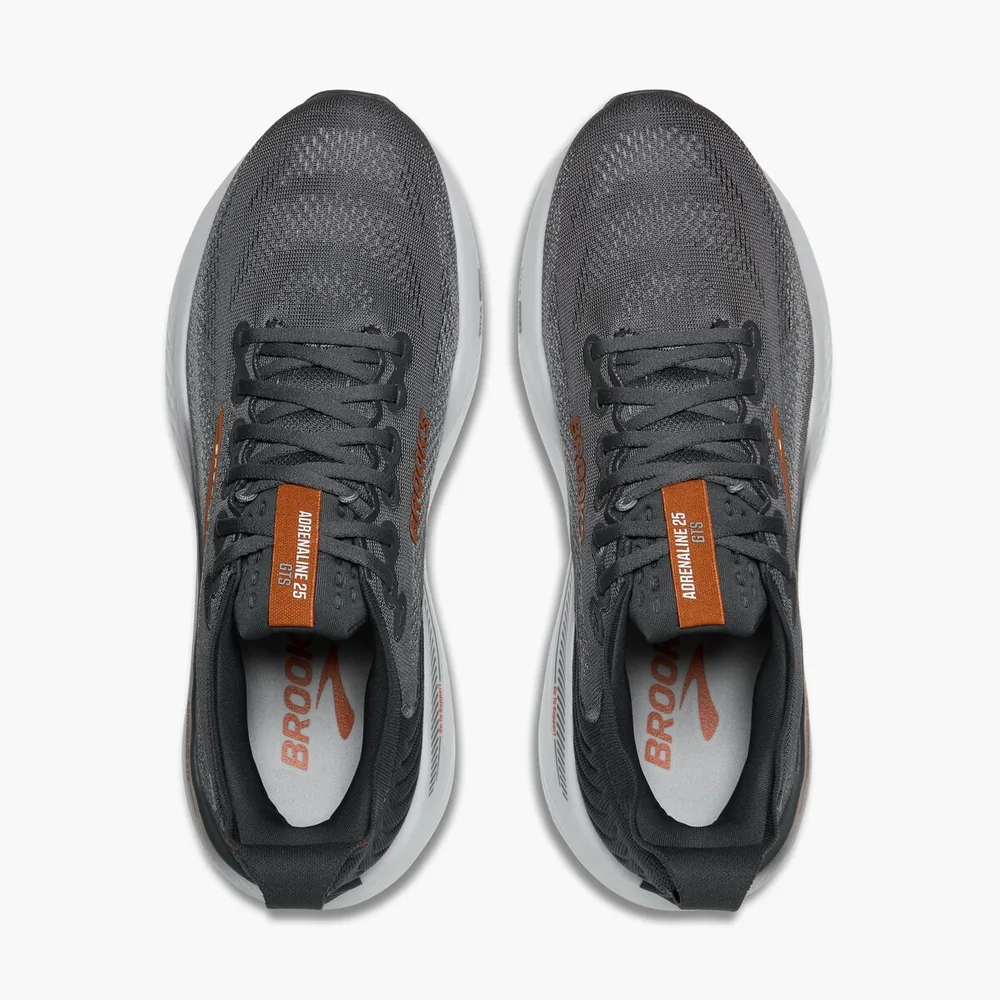
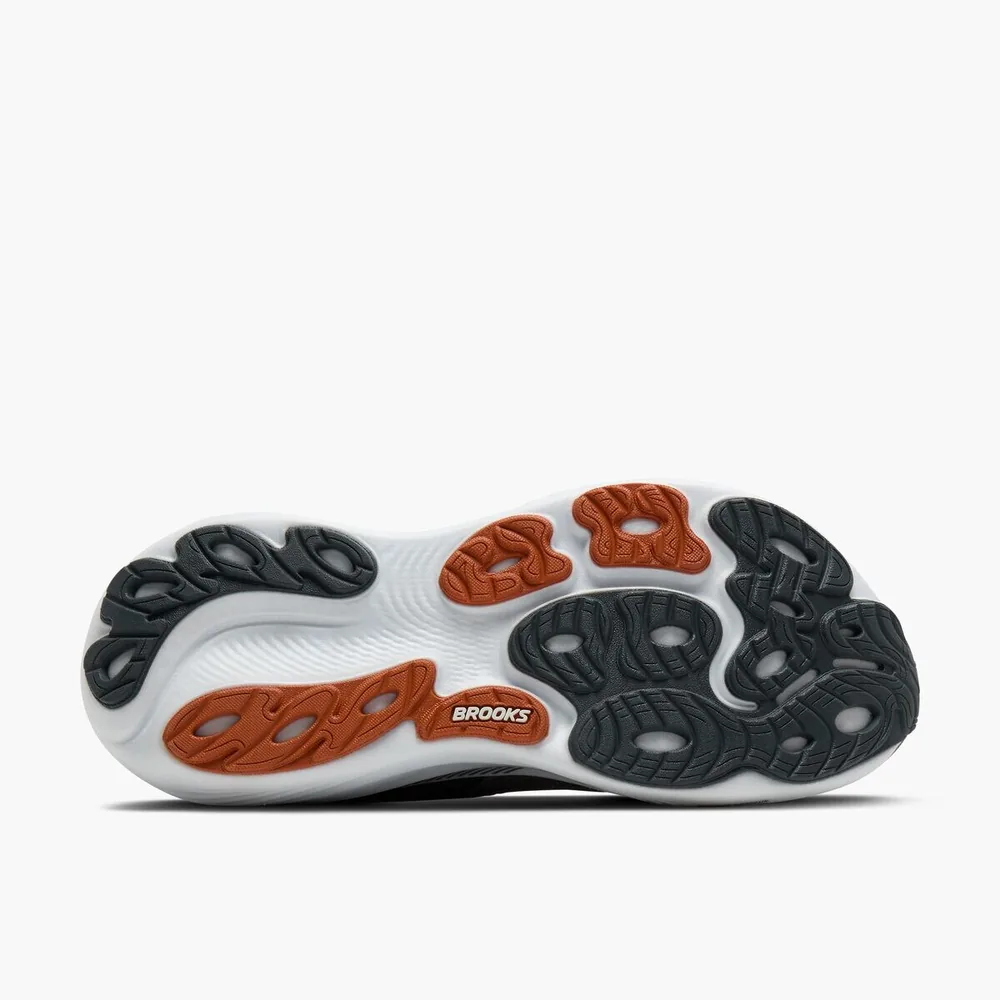
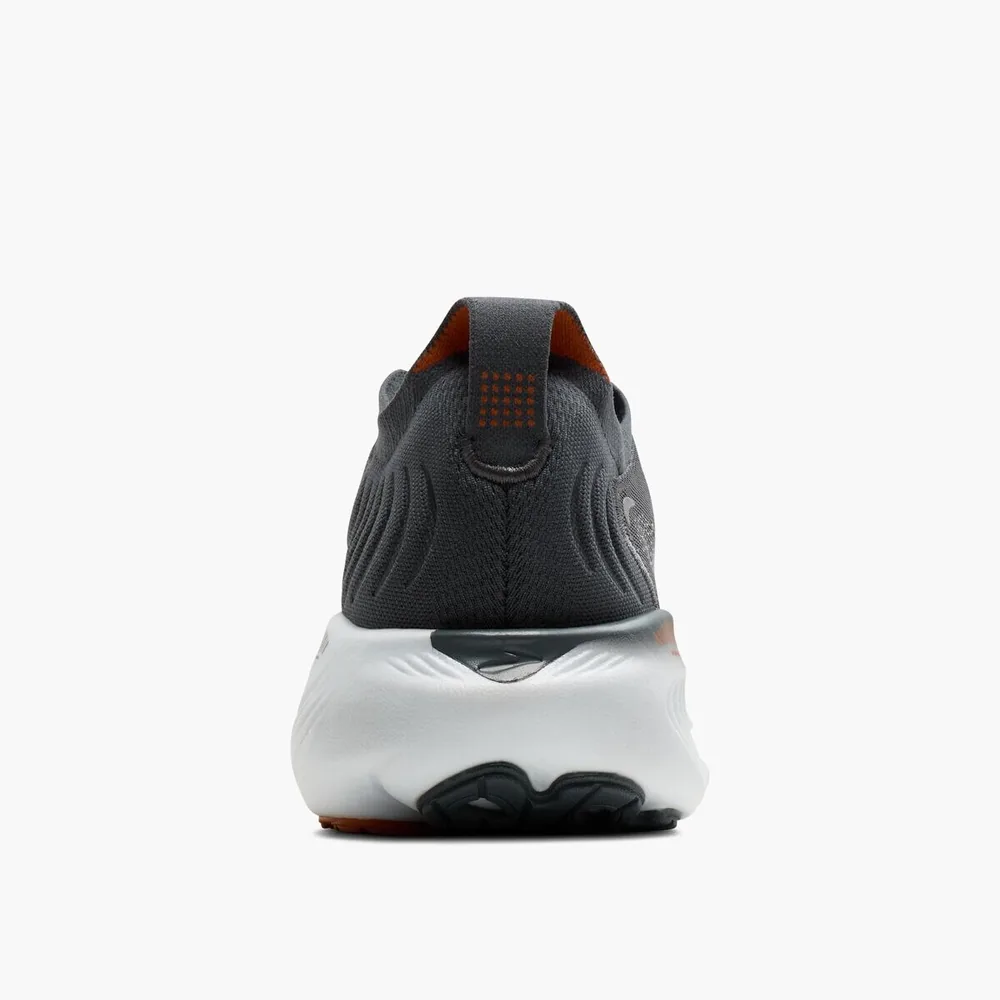
GuideRails are firmer foam walls on the inner and outer sides of the heel. They guide the foot instead of forcing it into position. Runner’s World notes that this version adds 1 mm of foam in the heel and 3 mm in the forefoot.
Outside’s Fall 2026 road-shoe guide names it the Best Stability shoe. RunRepeat’s comparison data puts it among the top 2% of running shoes for popularity.
Key specs
- Weight: 10.6 oz (men’s US 9), 9.5 oz (women’s US 8)
- Heel drop: 10 mm
- Heel stack: 37 mm
- Support: stability (GuideRails)
- Widths: narrow, standard, wide and X-wide
Who it suits
The Adrenaline suits runners with mild overpronation, neutral runners whose form breaks down late in long runs, and anyone who wants a stable workhorse at a lower price tier than the Kayano.
Pros
- GuideRails support that only steps in when your foot drifts
- More foam than the GTS 24: 1 mm more in the heel, 3 mm more up front
- Sold in narrow, standard, wide and X-wide
- Light enough for short, faster efforts
- Named Best Stability shoe in Outside’s Fall 2026 guide
Cons
- It’s firmer than plush trainers. If you want a soft stability ride, look at the Glycerin GTS 23.
- Some testers found the laces short. A longer pair costs little and fixes it.
Who should NOT buy it
Skip the Adrenaline if you want a soft, bouncy, max-cushion feel. Severe overpronators may also need the wider base of the Kayano 33.
7. HOKA Bondi 9: Best Max-Cushion Running Shoe
The Bondi 9 is the best max-cushion shoe because its 43 mm heel stack absorbs more impact than any other shoe on this list, which suits recovery days and long hours on your feet.
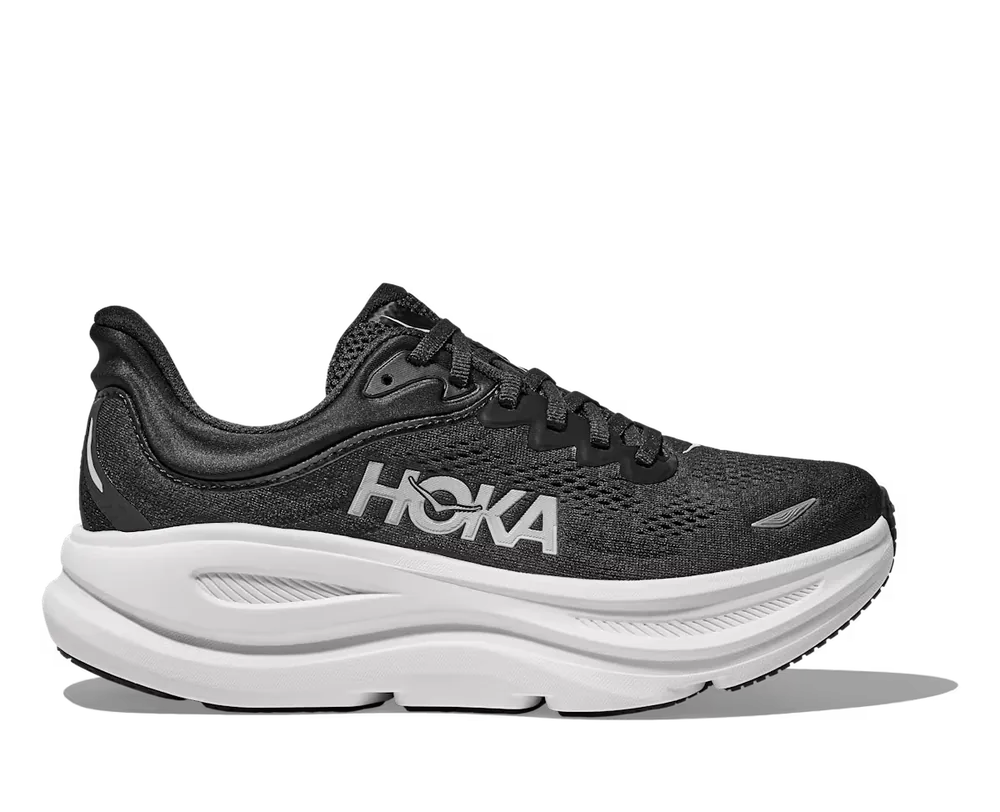
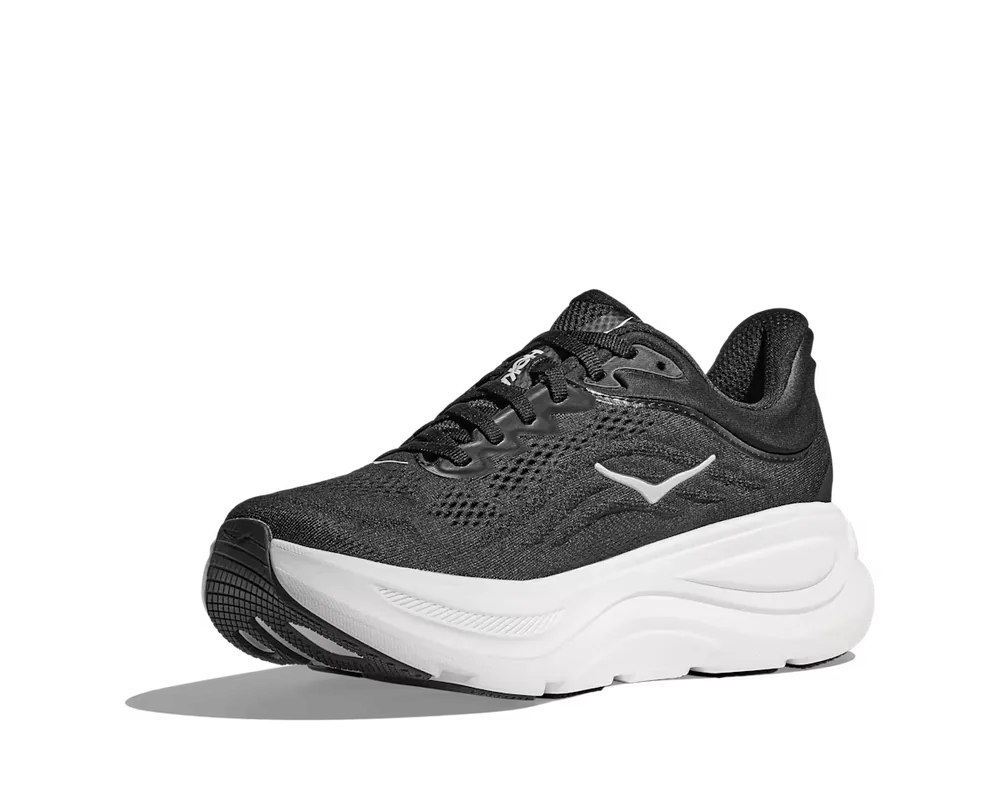
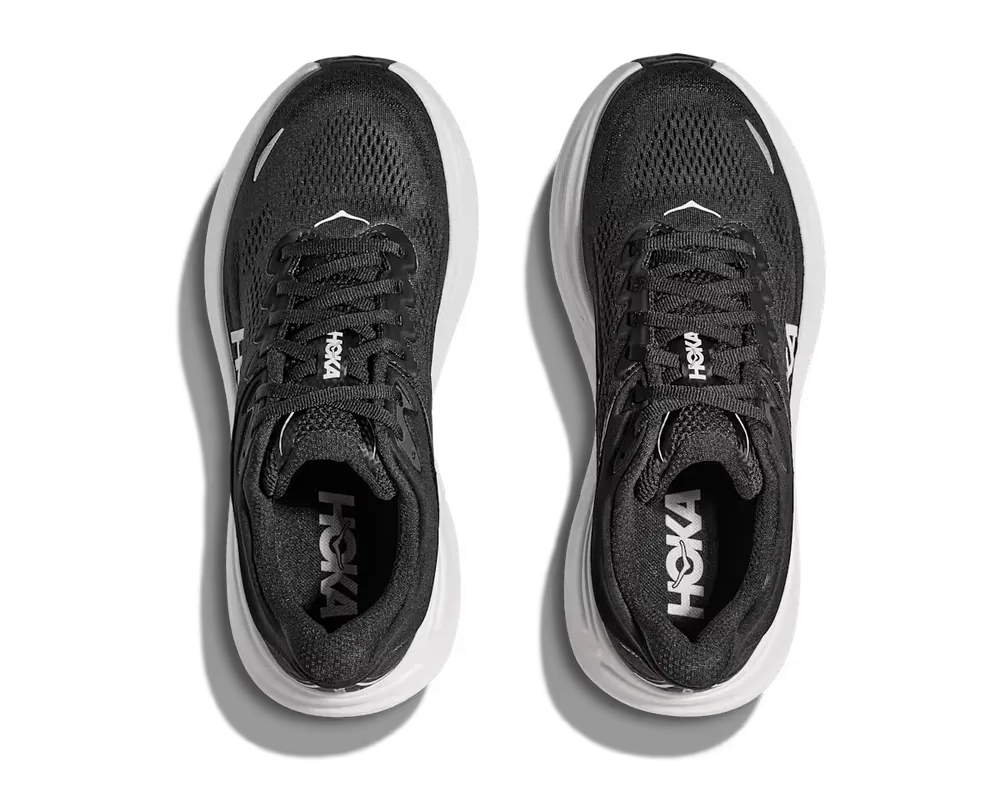
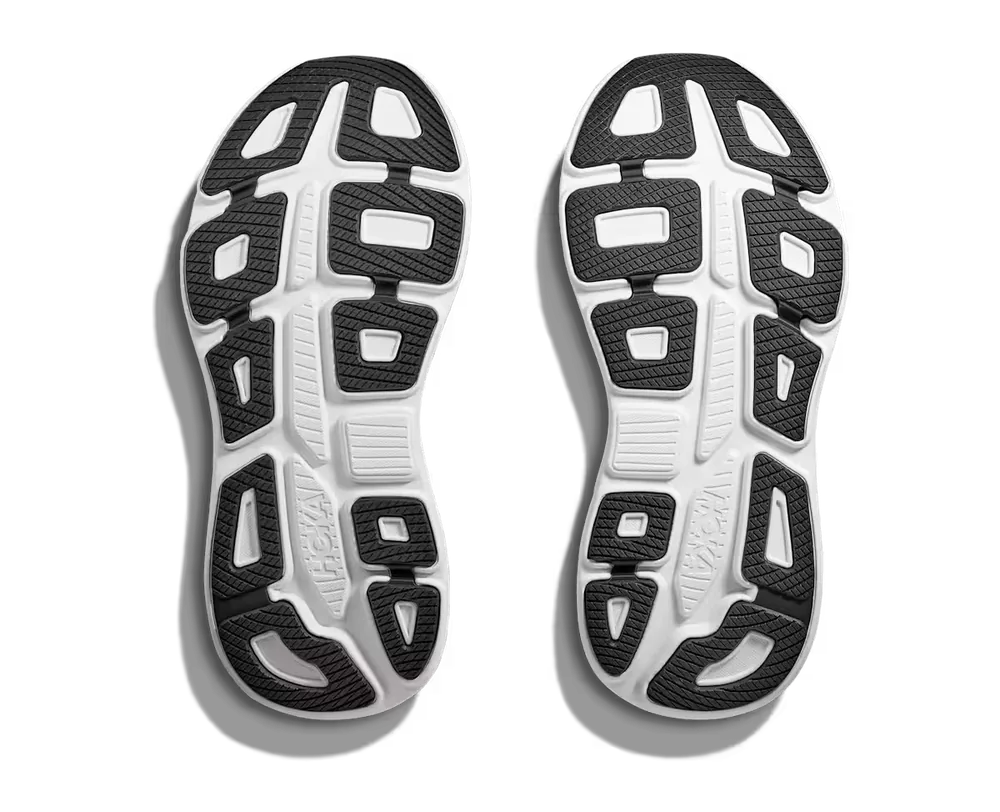
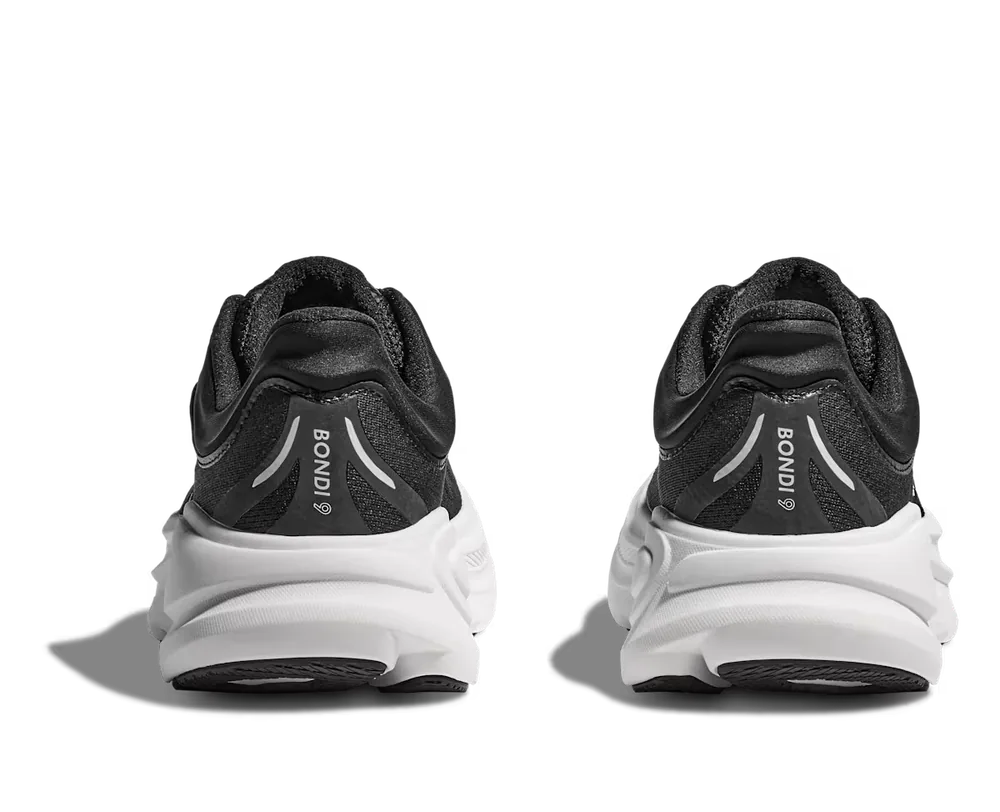
HOKA raised the stack by about 10 mm over the Bondi 8, which measured 33 mm at the heel, according to Runner’s World. The midsole uses supercritical EVA, and a MetaRocker shape rolls you smoothly from heel to toe.
Higher sidewalls hold the foot more securely than in earlier Bondis. One Runner’s World tester who had never liked the Bondi said the 9 finally won him over.
Key specs
- Weight: 10.5 oz (men’s), 9.3 oz (women’s)
- Heel drop: 5 mm
- Heel stack: 43 mm (men’s), 42 mm (women’s)
- Support: neutral
Who it suits
The Bondi 9 suits recovery runs, heavier runners who want maximum impact protection, run-walkers, and people who spend long shifts on their feet.
Pros
- Most cushion on this list: 43 mm heel stack
- Smooth MetaRocker ride from heel to toe
- Higher sidewalls hold the foot more securely than older Bondis
- Supercritical EVA foam feels lighter and livelier than the Bondi 8’s
- Sold in regular, wide and X-wide
Cons
- Heavy and built for easy pace. Save it for recovery runs and walks, and use a lighter shoe for speed.
- It fits narrower than the Bondi 8. If your feet are wide, order the wide or X-wide version.
Who should NOT buy it
Skip the Bondi 9 if you have wide feet, because the new sidewalls fit tighter. Runners who want ground feel or speed should avoid it, as should anyone with tight calves or Achilles trouble who isn’t used to a low 5 mm drop.
8. Saucony Endorphin Speed 5: Best for Tempo Runs and Speed Work
The Endorphin Speed 5 is the best tempo shoe because it delivers super-shoe rebound while its flexible nylon plate keeps it comfortable enough for daily miles.
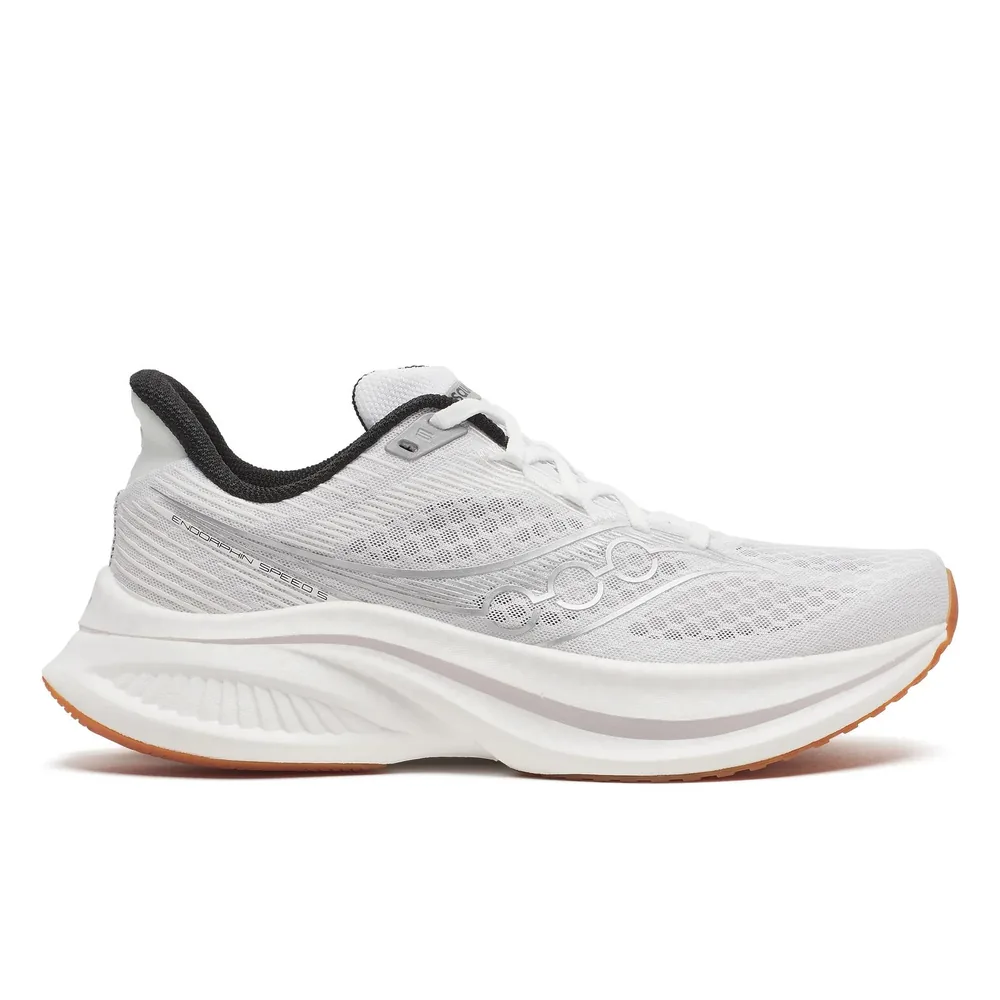
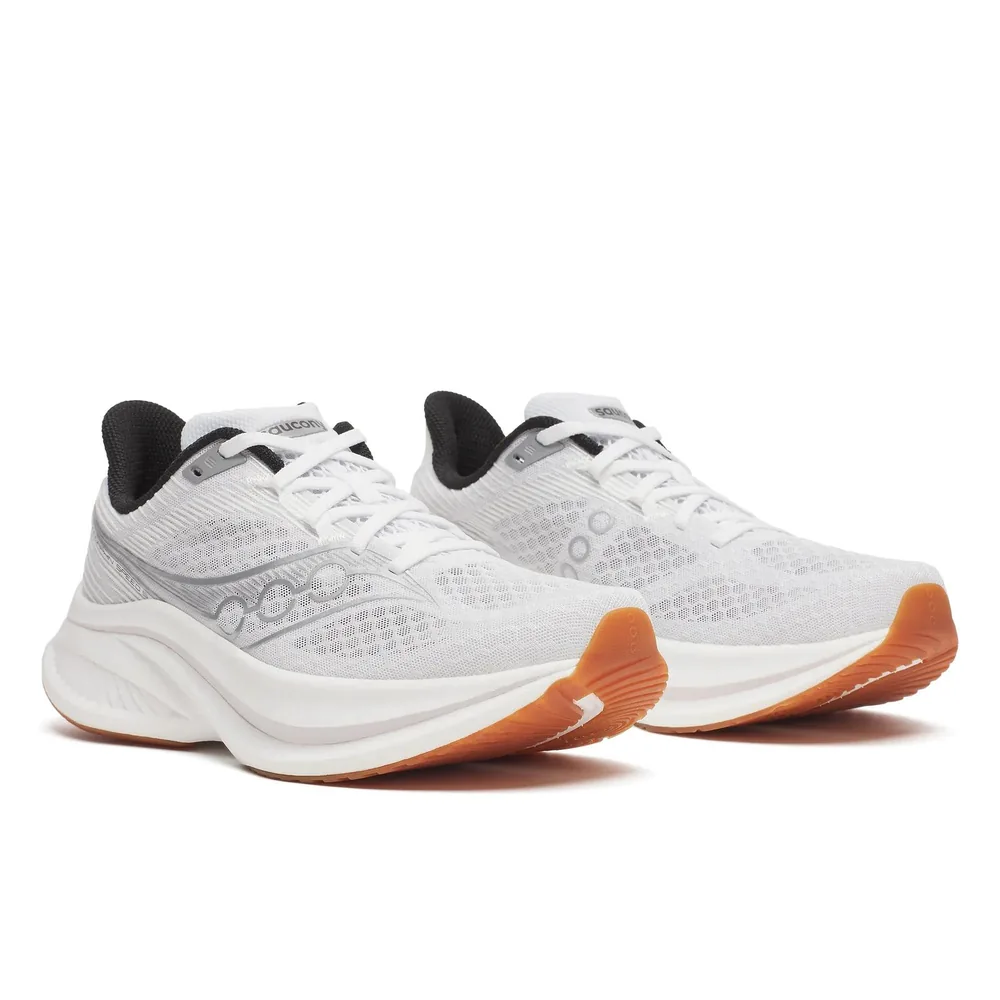
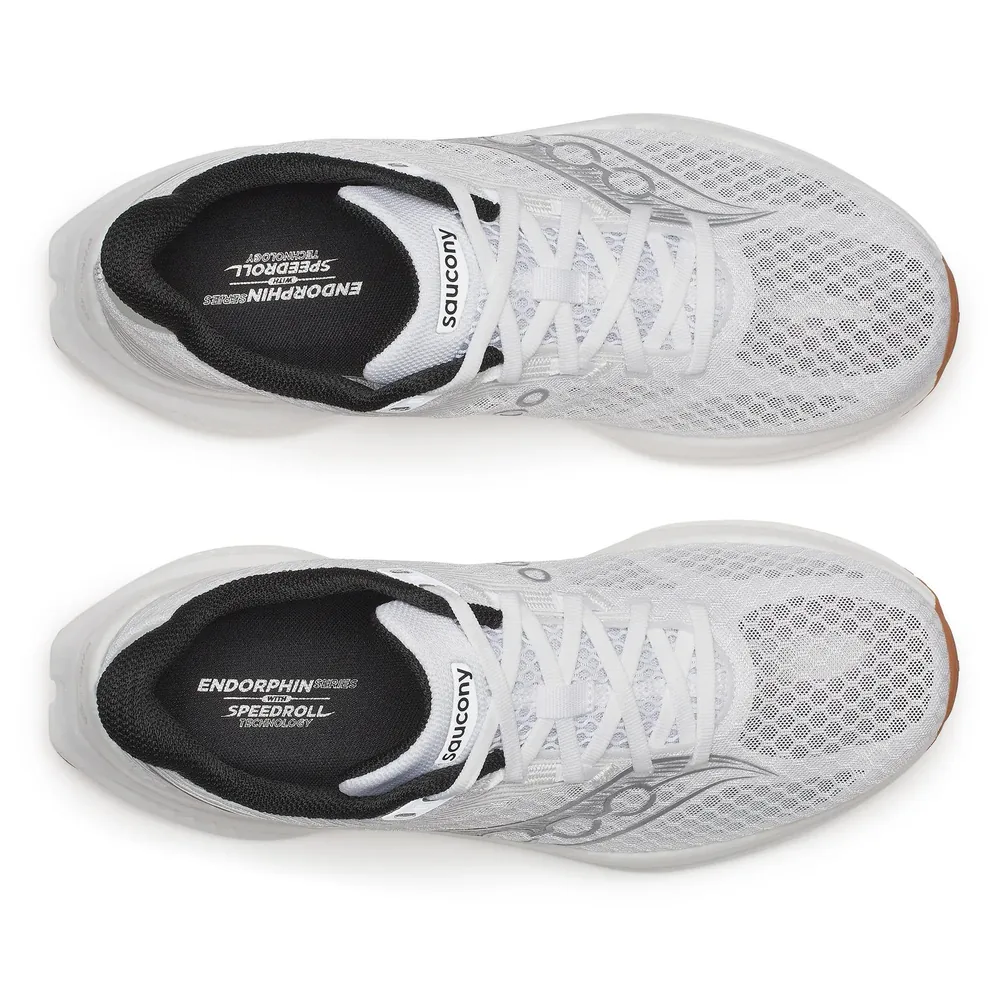
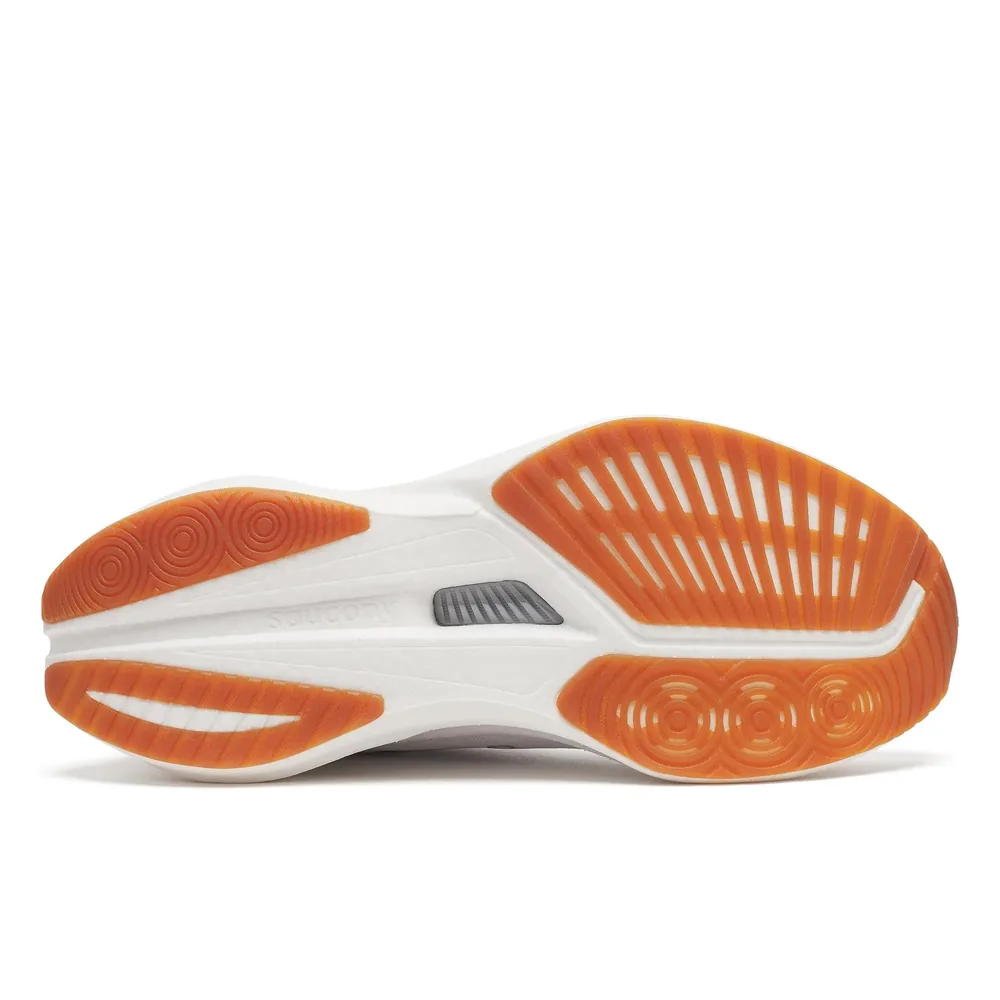
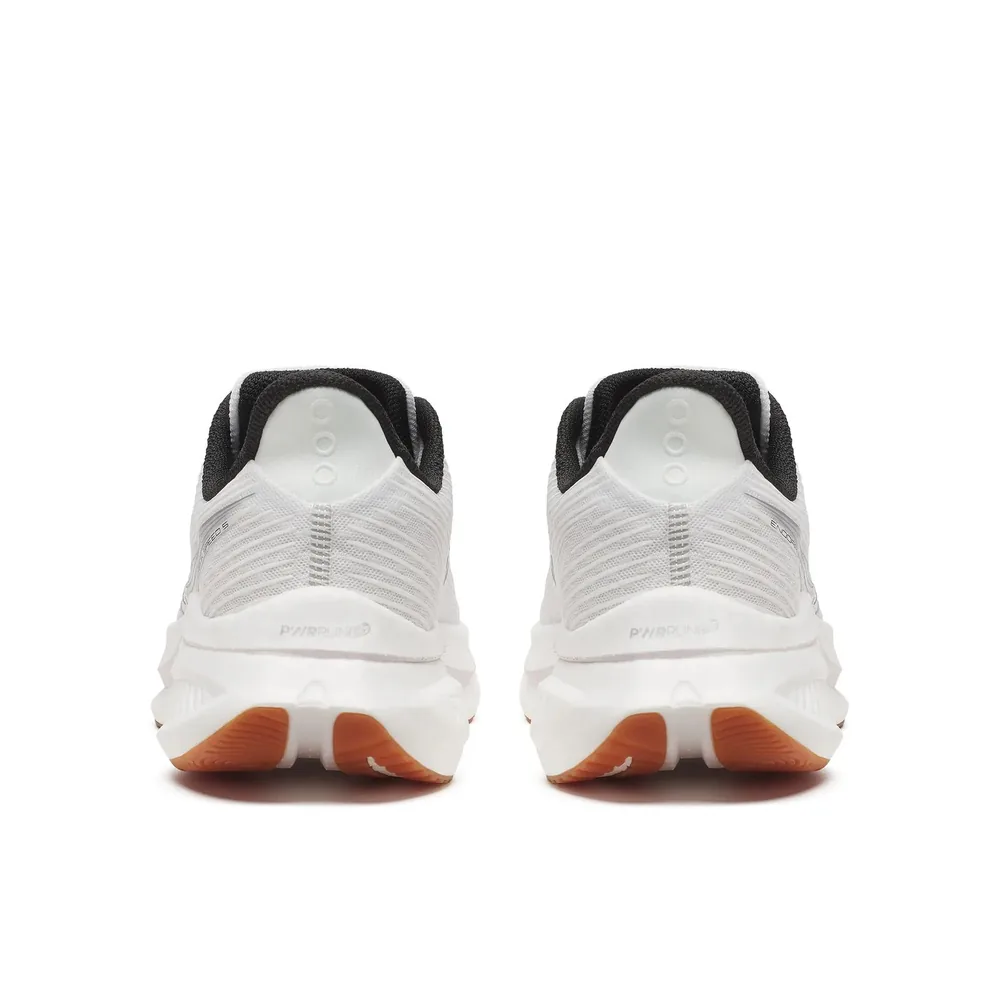
RunRepeat measured 73.2% energy return at the heel and 78.2% at the forefoot. These are super-shoe-level numbers in a training shoe. The PWRRUN PB (PEBA-based) foam works with Saucony’s SPEEDROLL rocker to keep you rolling forward at pace.
The nylon plate adds snap without the stiffness of carbon. The shoe was 16% more flexible than average in RunRepeat’s bend test. RunRepeat names it the best shoe for tempo runs.
Key specs
- Weight: 8.4 oz (men’s), 7.6 oz (women’s)
- Heel drop: 8 mm (10.6 mm measured)
- Stack: 36 mm heel / 28 mm forefoot (brand); 37.4 / 26.8 mm (lab)
- Plate: nylon
- Widths: standard and wide
Who it suits
The Endorphin Speed 5 suits runners who do weekly workouts, half-marathon and marathon trainees, and anyone who wants one shoe that can train and race.
Pros
- Super-shoe energy return: 73.2% heel, 78.2% forefoot (RunRepeat)
- Top-rated breathable upper
- Roomier, taller toe box than the v4
- Flexible nylon plate: 16% more flexible than average
- Handles easy miles, tempo days and races
Cons
- It runs a little small. Check Saucony’s size chart and think about going half a size up.
- The upper wears faster than the v4’s. Save it for workouts and races to make it last.
Who should NOT buy it
Skip the Endorphin Speed 5 if maximum cushioning is your priority. Its shock absorption is only average. Consider ordering a half size up after checking Saucony’s size chart.
9. Nike Vaporfly 4: Best Running Shoe for Racing
The Vaporfly 4 is the best racing shoe because it combines a full ZoomX foam midsole, a carbon Flyplate and a weight of about 6 oz.
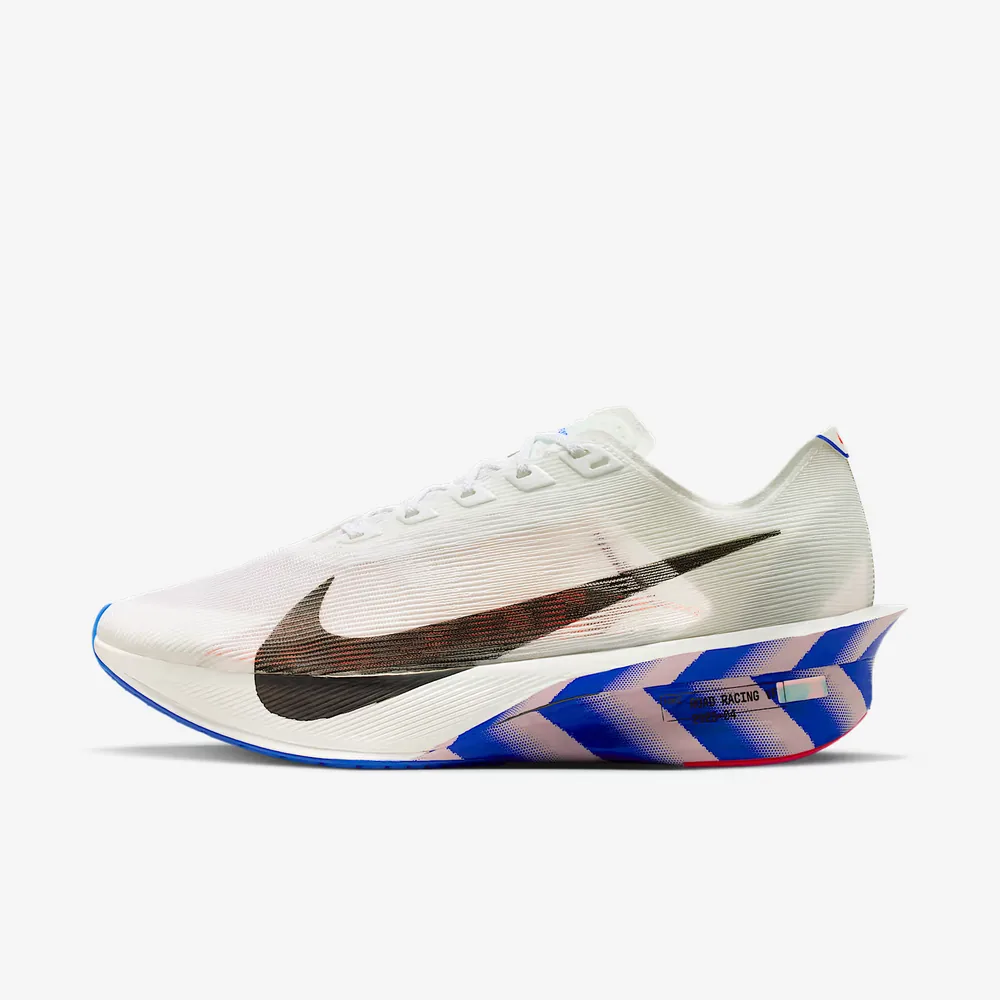
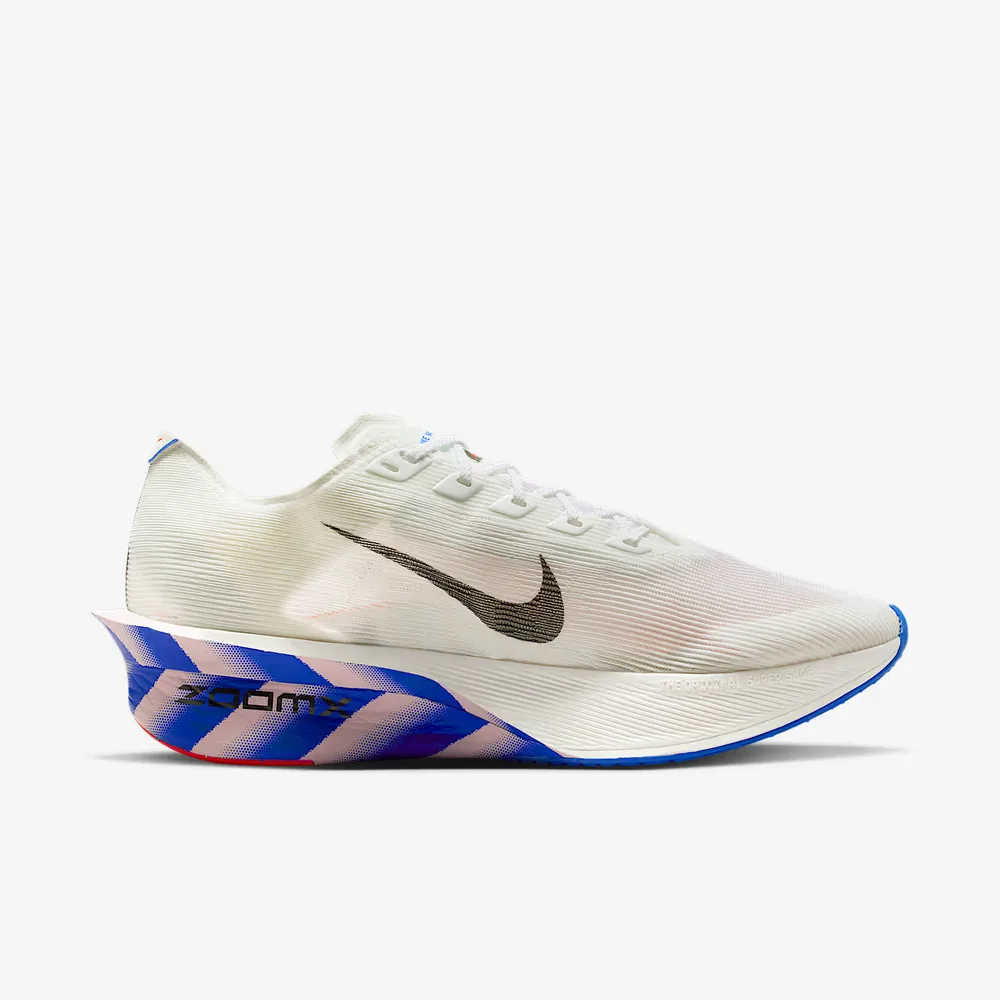
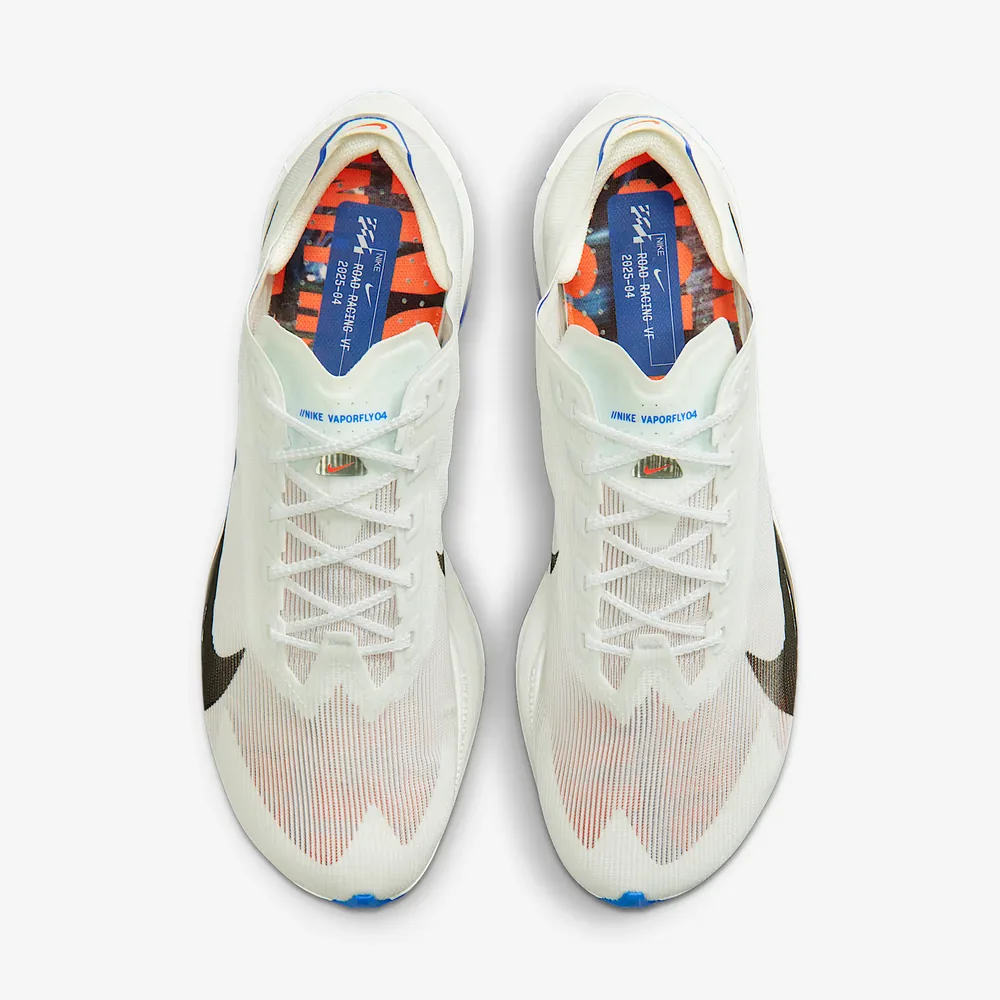
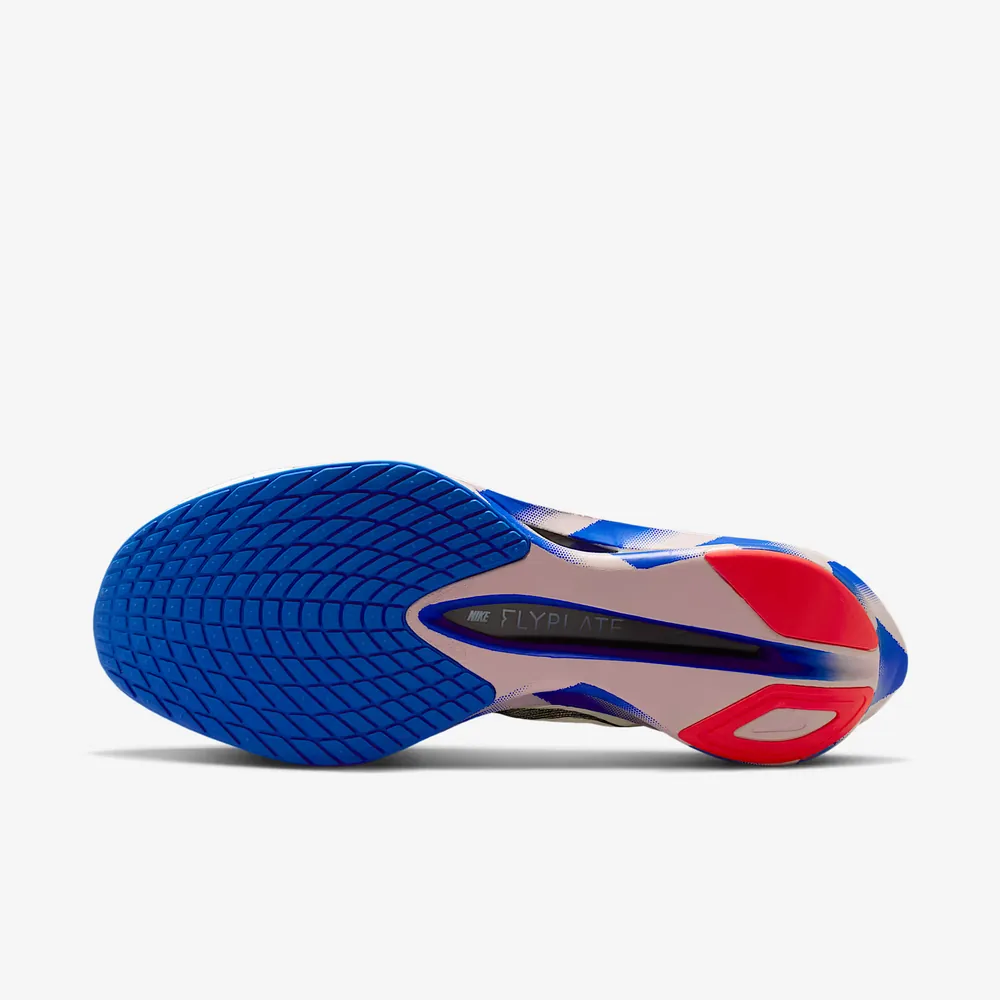
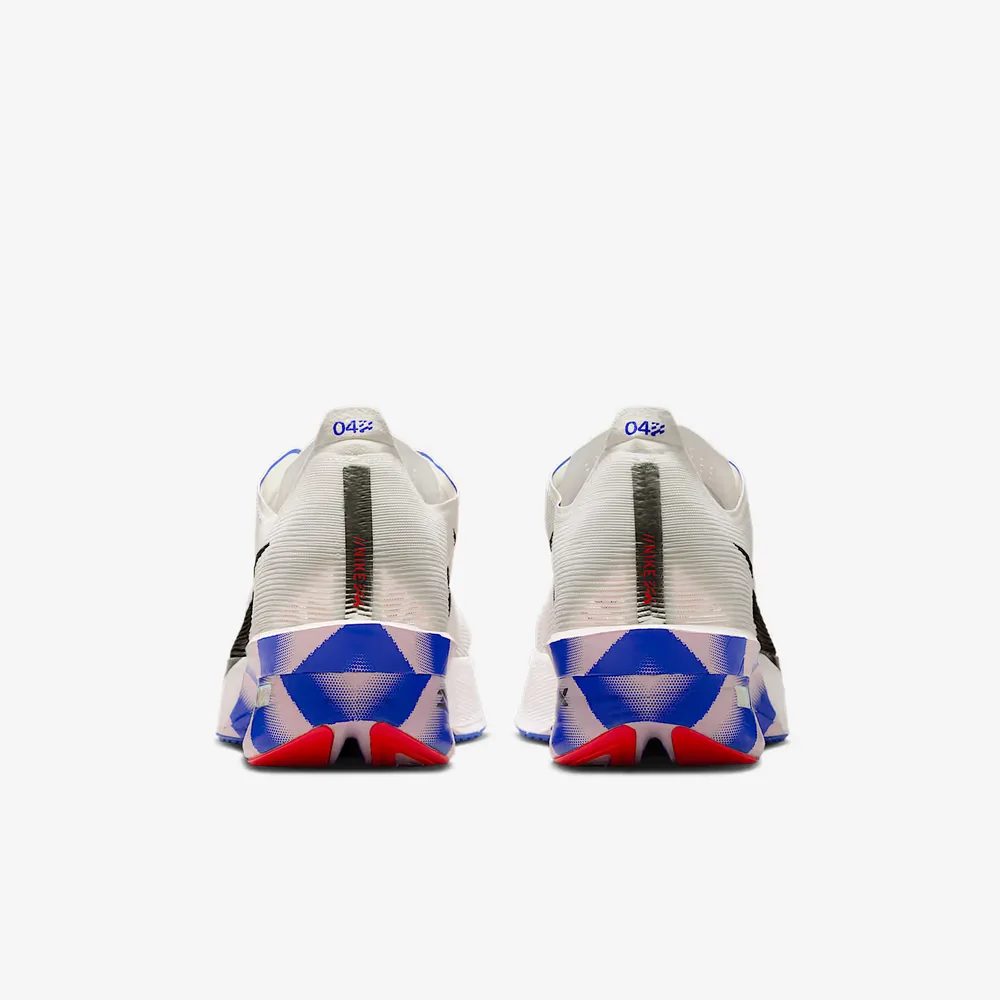
RunRepeat weighed it at 5.9 oz (166 g), 13% lighter than the Vaporfly 3. Its energy return reached 74.5% at the forefoot, and RunRepeat names it the best shoe for racing.
Nike lowered the stack for this version, which makes it sharper for 5K to half-marathon races. New to plated shoes? Our explainer on what are carbon plate running shoes covers how plates work and when they are worth it.
Key specs
- Weight: 6.5 oz brand (5.9 oz measured, men’s)
- Heel drop: 6 mm (8.6 mm measured)
- Stack: 35 mm heel / 29 mm forefoot (brand); 34.1 / 25.5 mm (lab)
- Plate: full-length carbon Flyplate
Who it suits
The Vaporfly 4 suits lighter, efficient runners chasing personal bests from 5K to the half marathon, and runners who find taller super shoes too bulky.
Pros
- Extremely light: 5.9 oz on RunRepeat’s scale
- ZoomX foam with a full carbon Flyplate
- 74.5% forefoot energy return in the lab
- Better tongue and lockdown than the Vaporfly 3
- Now has a removable insole
Cons
- The narrow 77 mm heel feels less stable. Heavier runners and slower marathoners should look at the Alphafly 3.
- Soft heel rubber wears fast. Keep it for race day and train in a daily shoe.
Who should NOT buy it
Skip the Vaporfly 4 if you are a heavier runner or plan to race a full marathon at slower paces. RunRepeat suggests a taller shoe such as the Nike Alphafly 3 for those runners. It is also a poor choice for daily training and for beginners.
10. HOKA Speedgoat 7: Best Trail Running Shoe
The Speedgoat 7 is the best trail running shoe because its 5 mm lugs and Vibram Megagrip outsole hold on mud, roots and rock while the cushioning stays comfortable over long distances.
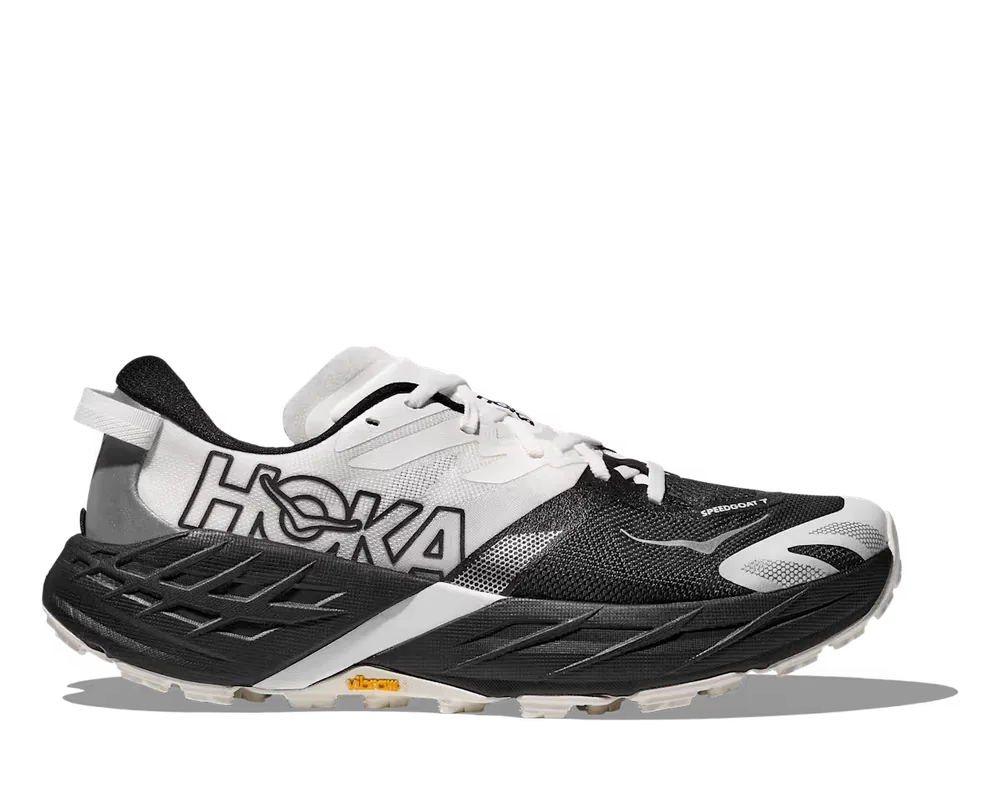
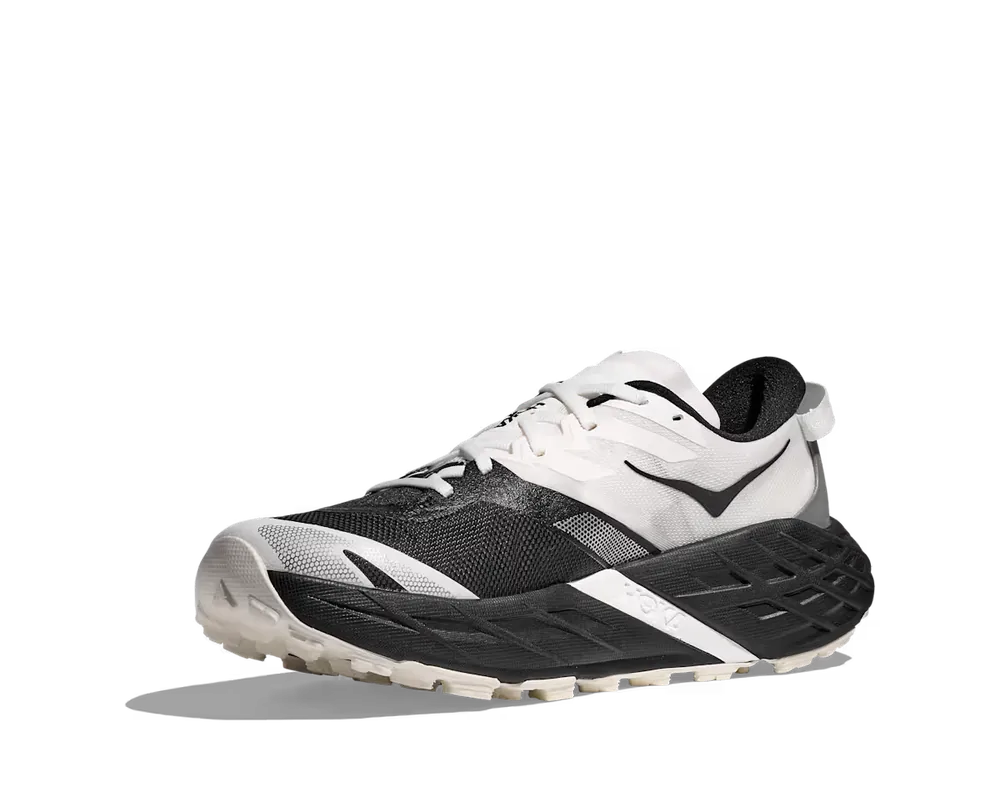
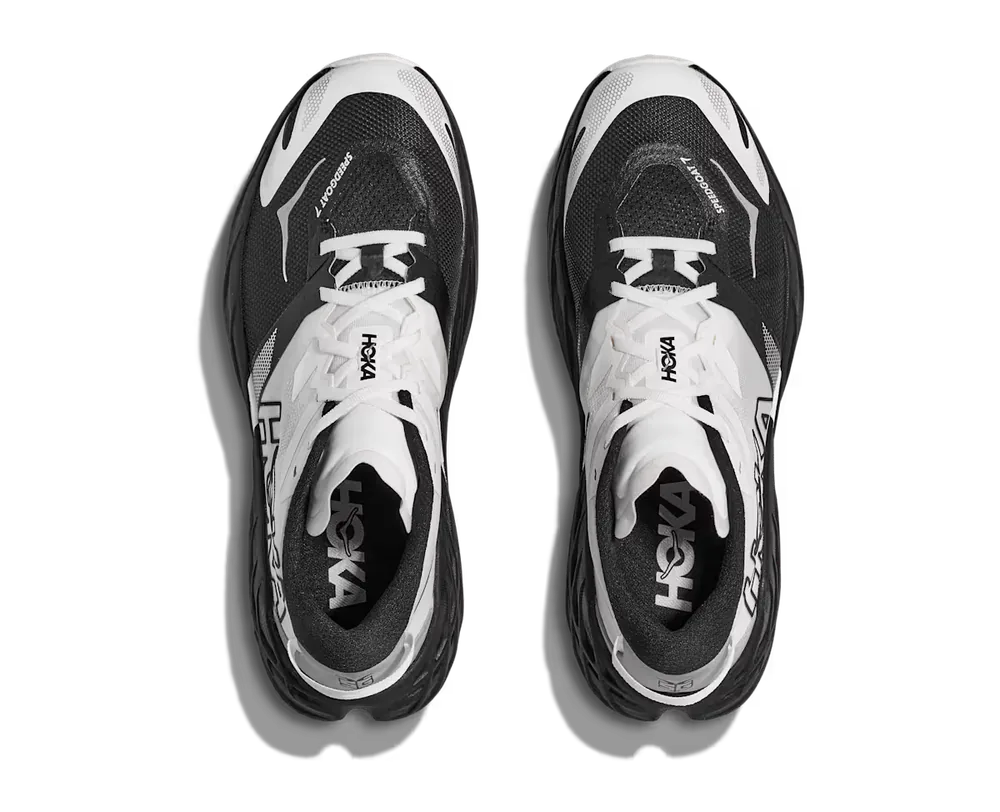
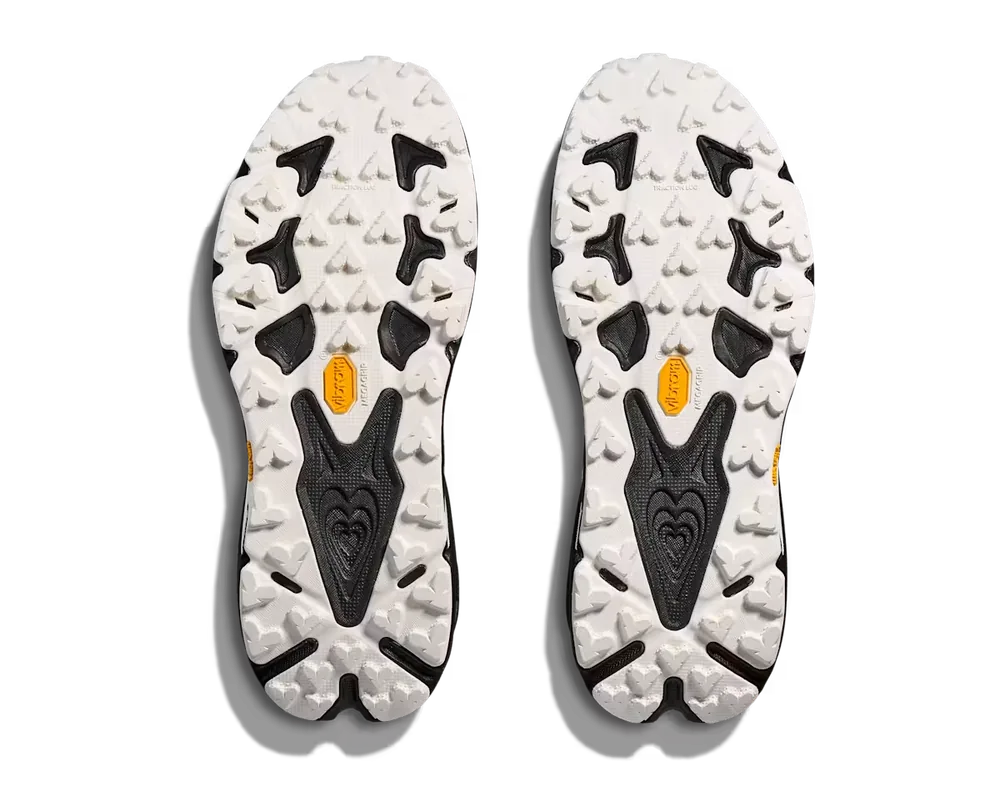
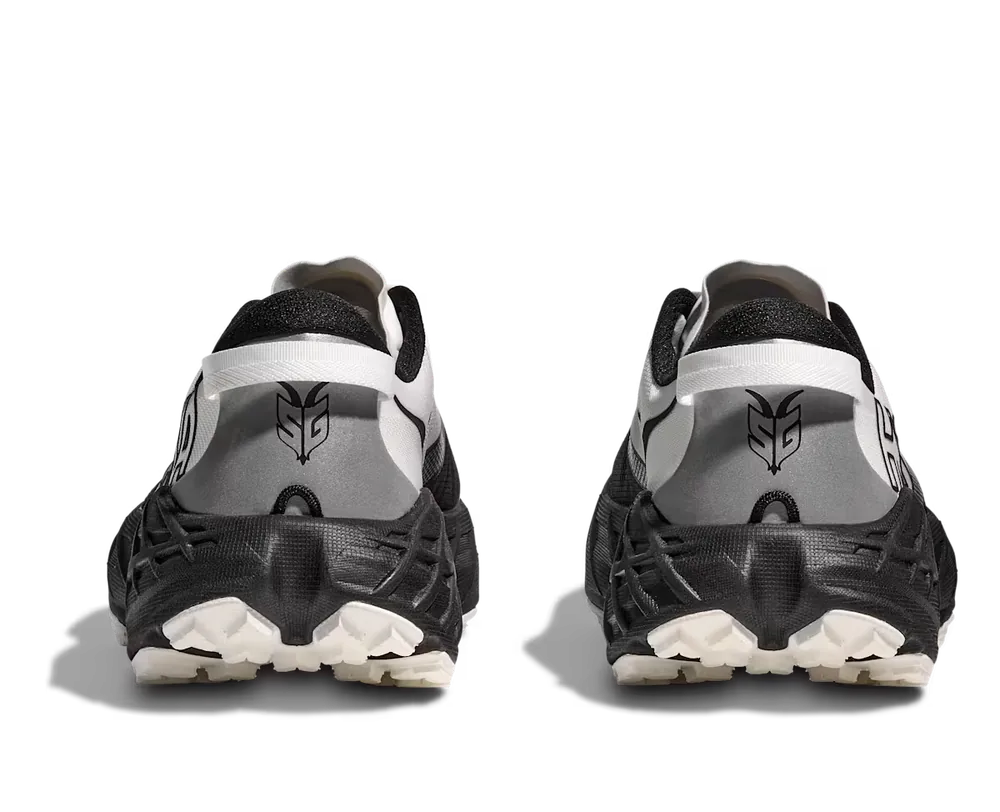
Runner’s World names it Best Overall Trail shoe. Testers praised its grip and said the new lug pattern sheds mud and snow better than the Speedgoat 6.
The supercritical foam and MetaRocker keep the ride smooth on uneven ground, and the heel fit is more secure than before.
Key specs
- Weight: 9.7 oz (men’s), 8.3 oz (women’s)
- Heel drop: 4 mm
- Heel stack: 33 mm
- Lugs: 5 mm, Vibram Megagrip
Who it suits
The Speedgoat 7 suits trail runners on technical, muddy or rocky ground, from weekend hikes-turned-runs to ultra distances.
Pros
- Vibram Megagrip outsole with 5 mm lugs grips mud, roots and rock
- New lug pattern sheds mud and snow better than the Speedgoat 6
- Supercritical foam and MetaRocker stay comfy over long miles
- More secure heel hold than before
- Built-in gaiter attachment helps keep debris out
Cons
- It fits snugger than most HOKAs. Runners with wide feet should order the 2E wide version.
- Deep lugs can make feet ache on pavement. Use a road shoe for road miles.
Who should NOT buy it
Skip the Speedgoat 7 if you mostly run on pavement. RunRepeat notes that deep lugs make feet ache on roads. Runners with wide forefeet should try it on before committing.
How to Choose the Best Running Shoe for You
The right running shoe matches your terrain, your support needs, your foot shape and the kind of running you do. Brand and looks come last.
1. Terrain: road or trail
Buy road shoes if most of your miles are on pavement, treadmills or hard-packed paths. Buy trail shoes if you run on mud, rock or loose ground.
RunRepeat recommends lugs under 3 mm for mixed road-to-trail use and deeper lugs for true off-road running.
2. Support: neutral or stability
Choose a neutral shoe unless your feet roll noticeably inward (overpronation) or your old shoes wear heavily on the inner edge.
Guide-rail designs like the Adrenaline GTS 25 suit mild overpronators. Wider, firmer platforms like the Gel-Kayano 33 suit flat feet and moderate overpronation. Runner’s World recommends medial posts only for severe overpronation.
3. Cushioning and stack height
Beginners usually do best with a heel stack of about 28–35 mm. RunRepeat recommends that range because the shoe is neither too low nor too tall.
A 35–40 mm stack gives more protection for long runs and heavier runners. Stacks above 40 mm, like the Bondi 9, put comfort ahead of agility. World Athletics caps road-racing shoes at 40 mm.
| Heel stack | Feel | Typical runner | Example |
|---|---|---|---|
| Under 20 mm | Minimal, high ground feel | Experienced, adapted runners | Minimalist shoes |
| 28–35 mm | Balanced | Beginners, most daily runners | Speedgoat 7 (33 mm) |
| 35–40 mm | High cushion | Long runs, heavier runners | Ghost 18, 1080 v15, Glycerin 23 |
| Over 40 mm | Max cushion | Recovery runs, all-day wear | Bondi 9 (43 mm) |
4. Heel-to-toe drop
Choose an 8–12 mm drop if you are new to running or land on your heel. RunRepeat’s guide recommends at least 6 mm, and preferably 8–12 mm, for runners covering fewer than about 10 miles a week.
A higher drop may ease load on the Achilles, calves and plantar fascia. A lower drop shifts load toward the ankle and may help some knee and IT-band complaints. Change drop gradually, and talk to a specialist if you have a history of injury.
5. Weight
Lighter shoes feel faster but usually trade away some cushioning or durability. Runner’s World’s lab found that a typical men’s US 9 daily trainer weighs about 10 oz and a women’s US 7 about 8 oz.
RunRepeat puts the average speed trainer at 7.6 oz, against 10.0 oz for the average daily trainer.
6. Carbon plates
Save carbon-plated shoes for races and hard workouts. RunRepeat advises beginners to avoid them, because the stiff plates are designed to hold fast paces, not easy jogging.
7. Fit
A running shoe should leave about a thumb’s width between your longest toe and the end of the shoe. It should hold your heel without slipping and let your toes spread.
Runner’s World also suggests a two-finger width across the lacing. Measure your feet late in the day, because feet swell, and check each brand’s size chart. Sizing varies between brands and even between models from the same brand.
If you can, get a gait analysis at a specialist running store. Watching how your foot lands and rolls is the most reliable way to tell whether you need a neutral or a stability shoe.
Which Running Shoe Should You Buy? A Quick Decision Table
Find your situation in the left column to get the shoe that fits it best.
| If you are… | Buy | Runner-up |
|---|---|---|
| Buying your first running shoe | Brooks Ghost 18 | Brooks Adrenaline GTS 25 (if you overpronate) |
| Want one shoe for everything | adidas Adizero Evo SL | Saucony Endorphin Speed 5 |
| Running high weekly mileage | New Balance 1080 v15 | Brooks Glycerin 23 |
| Flat-footed or overpronating | ASICS Gel-Kayano 33 | Brooks Adrenaline GTS 25 |
| Wide midfoot or wide feet | Brooks Glycerin 23 | New Balance 1080 v15 (wide sizes) |
| A heavier runner wanting impact protection | HOKA Bondi 9 (neutral) | ASICS Gel-Kayano 33 (stability) |
| Training for a PR | Saucony Endorphin Speed 5 | adidas Adizero Evo SL |
| Racing 5K to half marathon | Nike Vaporfly 4 | Saucony Endorphin Speed 5 |
| Running technical trails | HOKA Speedgoat 7 | — |
When to Replace Your Running Shoes
Replace everyday running shoes every 300–500 miles, which is the range Runner’s World recommends. Replace them sooner if the midsole feels flat, the outsole is worn through to the foam, or you start getting new aches.
If you don’t track mileage, Runner’s World’s rule of thumb is to replace your shoes about twice a year. Racing shoes with soft rubber, like the Vaporfly 4, wear faster than daily trainers. Use them on race day and keep daily trainers for everyday miles.
Our guide on how often to get new running shoes lists the signs that a pair is worn out.
Common Running Shoe Buying Mistakes
The most common mistake is buying for looks instead of fit, feel and ride. Runner’s World lists it as the top error new and experienced runners make.
- Buying too small: Foot size changes over time. A shoe that’s too short can cause black toenails and blisters.
- Using a racer as a daily trainer: Carbon super shoes are less stable and less durable, so they wear out quickly as everyday shoes.
- Ignoring width: Many of the picks here come in wide sizes. A cramped forefoot causes hot spots, especially if you have bunions.
- Trusting the box drop blindly: As the lab table above shows, measured drop can be 2–3 mm higher than advertised.
- Switching shoe types abruptly: Moving from a 10 mm drop to a 4–5 mm drop, or onto a carbon plate, overnight loads tissues they aren’t used to. Ease in over a few weeks.
Save this guide to Pinterest
Frequently Asked Questions
What is the number one running shoe right now?
The adidas Adizero Evo SL is the top-rated running shoe in late 2026. Runner’s World and RunRepeat both list it as their best overall pick for its light weight, super-foam cushioning and versatility.
Which running shoe brand is best?
No single brand is best for every runner. Brooks leads for beginner-friendly and stability trainers, ASICS for max stability, and New Balance for cushioned daily shoes. Nike and Saucony lead for speed and racing, and HOKA for max cushion and trail.
Are expensive running shoes worth it?
Expensive shoes are worth it mainly for racing and fast training, where premium foams and plates measurably improve energy return. For easy daily miles, a well-fitting mid-priced trainer such as the Ghost 18 or Adrenaline GTS 25 does the job.
Is HOKA or Brooks better for running?
HOKA suits runners who want higher stacks and rocker shapes, while Brooks suits runners who want a traditional ride with a 10 mm drop. Try both if you can, because fit matters more than brand.
What running shoes do podiatrists recommend?
Podiatrists generally recommend a shoe that matches your foot type and fits well, not one particular model. The Brooks Ghost 18 carries the APMA Seal of Acceptance, according to its Amazon listing. Anyone with a diagnosed foot condition should get a personal recommendation from a clinician.
Can I use running shoes for walking?
Yes. Cushioned running shoes work well for walking. Runner’s World notes the On Cloudmonster 3 doubles as a walking shoe, and high-cushion models like the Bondi 9 and Ghost 18 are popular for all-day wear.
Sources and References
- Runner’s World, “The 15 Best Running Shoes of 2026” (updated Oct 22, 2026): runnersworld.com
- Runner’s World, “2026 Shoe Awards”: runnersworld.com
- Runner’s World UK, “Shoe Awards: Spring/Summer 2026”: runnersworld.com/uk
- RunRepeat, “7 Best Running Shoes in 2026” (Sep 13, 2026) and buying guide: runrepeat.com
- RunRepeat lab reviews: ASICS Gel-Kayano 33, Saucony Endorphin Speed 5, Nike Vaporfly 4
- RunRepeat, testing methodology: runrepeat.com
- Outside, “Best Road Running Shoes (Fall 2026)”: outsideonline.com
- Doctors of Running, review methodology and 2026 stability picks: doctorsofrunning.com
This guide is for general information and is not medical advice. If you have persistent foot, knee or back pain, see a podiatrist or physical therapist before changing your footwear.
4 thoughts on “10 Best Running Shoes of 2026: Top Picks for Every Runner”