
Table of Contents
11 Best New Balance Running Shoes of 2026
The New Balance Fresh Foam X 1080 v15 is the best New Balance running shoe for most runners. It has the softest foam in this guide’s lab data and near-top shock absorption. If you want the best daily trainer, get the 880 v15. If your feet roll inward, get the 860 v15. If you race, get the FuelCell SC Elite v6 — the fastest shoe here. We picked these 11 shoes from brand specs, independent lab data from RunRepeat and RTINGS, and clinical guidance on fit and injury risk. We did not test them hands-on.
This guide has paid links. As an Amazon Associate, I may earn a commission from qualifying purchases. No prices are listed here because they change often; the button under each shoe takes you to Amazon to check the current price.
Quick picks: the best New Balance running shoes
| Shoe | Best for | Heel stack (lab) | Drop (lab) | Weight (lab) | Men’s widths |
|---|---|---|---|---|---|
| Fresh Foam X 1080 v15 | Best overall | 37.0 mm | 6.4 mm | 255 g | B, D, 2E, 4E |
| Fresh Foam X 880 v15 | Best daily trainer | 39.4 mm * | 7.3 mm * | 286.6 g * | B, D, 2E, 4E |
| Fresh Foam X 860 v15 | Best stability | 39.7 mm | 7.6 mm | 332 g | B, D, 2E, 4E |
| FuelCell Rebel v5 | Best lightweight tempo | 33.0 mm | 6.3 mm | 220 g | D, 2E |
| FuelCell SC Elite v6 | Best race shoe | 38.5 mm | 13.9 mm | 190 g | D, 2E |
| Fresh Foam X More v6 | Best max cushion | 41.8 mm | 3.3 mm | 302 g | D, 2E, 4E |
| Fresh Foam 680 v9 | Best budget | 33.2 mm | 8.3 mm | 258 g | D, 2E, 4E |
| Fresh Foam X Hierro v9 | Best trail | 37.3 mm | 4.2 mm | 309 g | D, 2E |
| FuelCell Propel v5 | Best value tempo | 35.2 mm | 6.7 mm | 269 g | D, 2E |
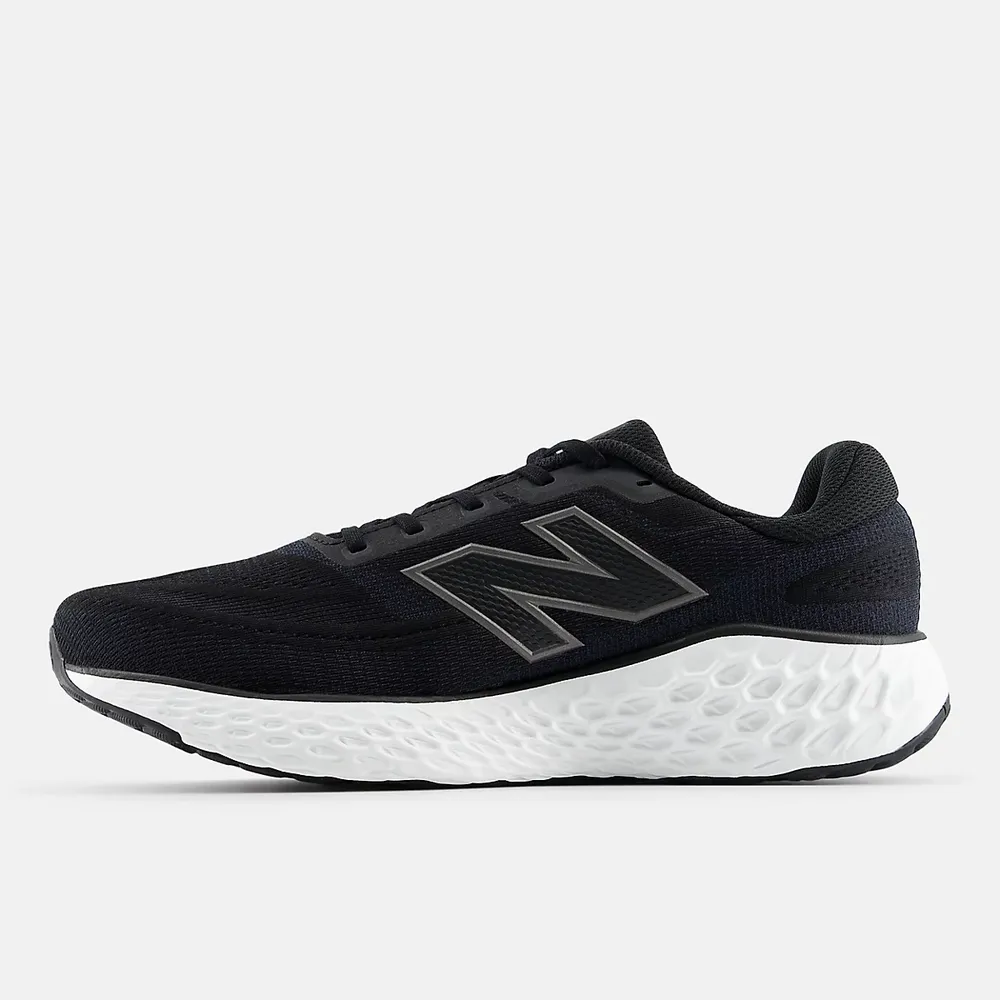
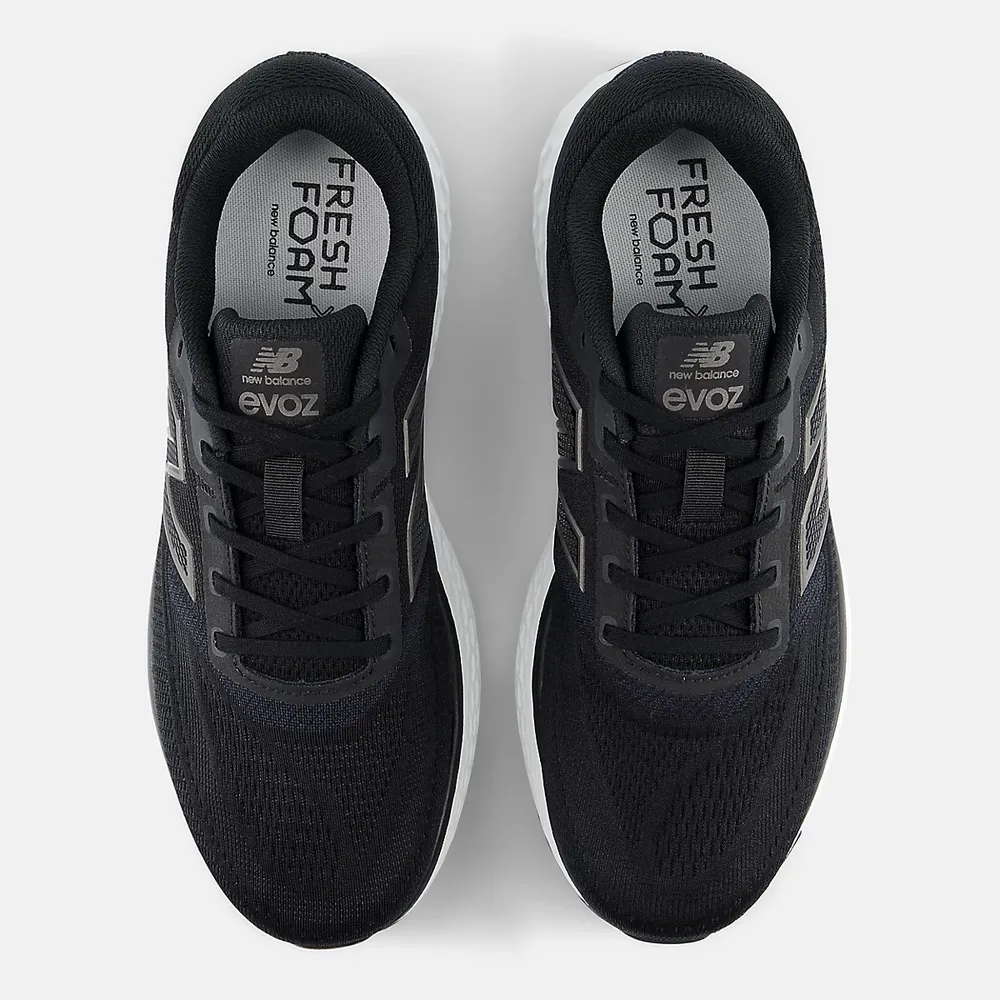
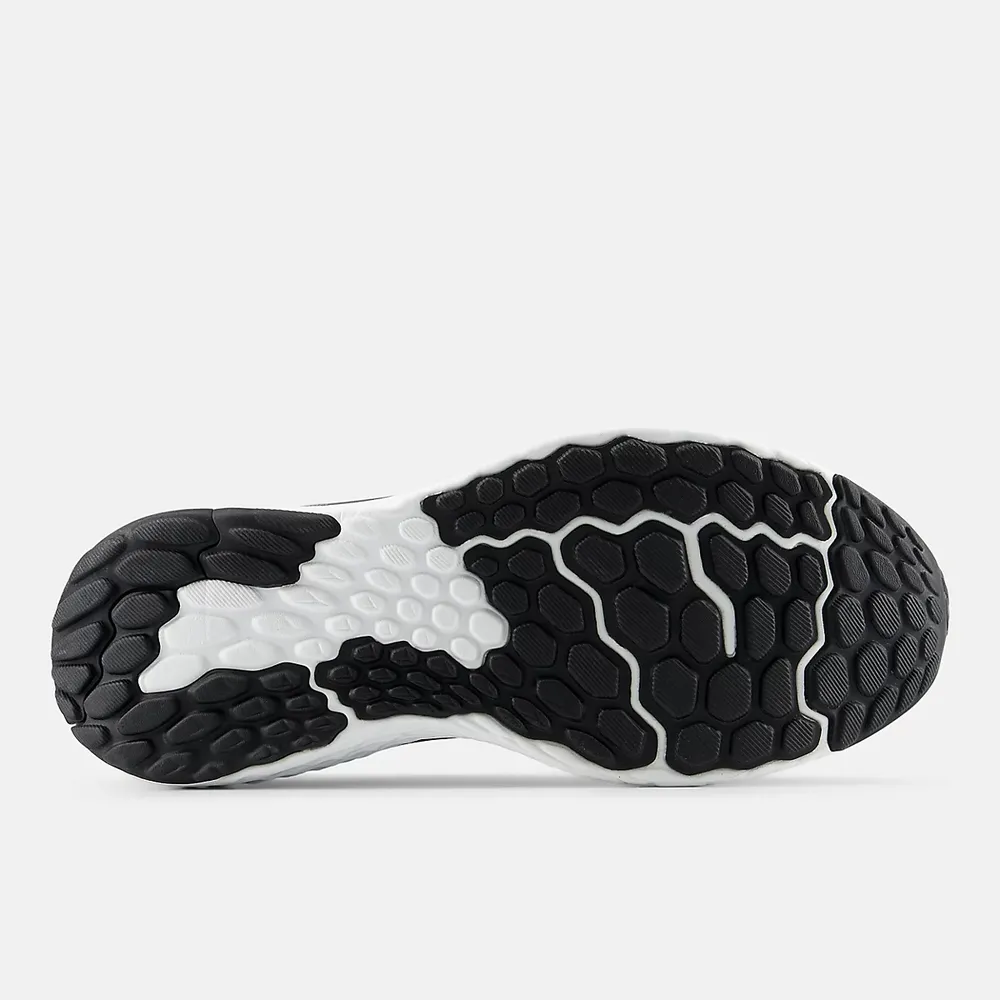
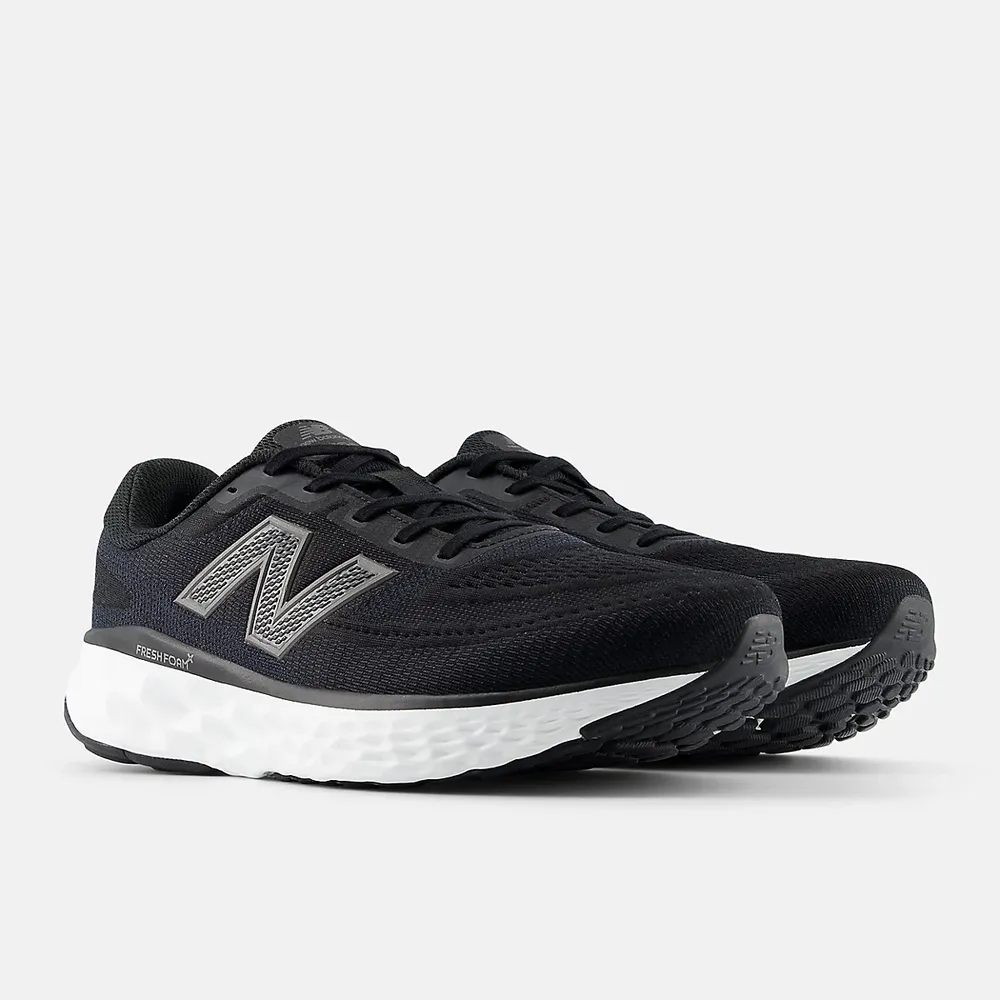
| Fresh Foam X Evoz v4 | Best for walking and gym days | 31.4 mm | 5.5 mm | 286 g | D, 2E |
| Fresh Foam X 1540v4 | Best motion control | n/a | 4 mm (brand) | n/a | D, 2E, 4E, 6E |
* 880 v15 figures are RTINGS lab measurements. All other lab figures are RunRepeat. Stacks, drops and weights are for men’s sizes. Where the lab and the brand disagree, we say so in each shoe’s spec box. If you want the full picture first, read our guide to the best running shoes before you pick.
What the New Balance model numbers mean
New Balance names tell you the job. The 880 is the daily trainer, and the 1080 is the premium daily trainer with more cushion. The 860 is the stability shoe, and the 1540 is the motion-control shoe for severe overpronation. The Rebel is the light tempo shoe. SC stands for SuperComp, the race line. The Hierro is the trail shoe. The More is the max-cushion shoe. The 680 is the budget pick. The Evoz is the walking and gym shoe.
The 11 best New Balance running shoes, reviewed
1. Fresh Foam X 1080 v15 — Best overall
Best for: runners who want the softest, most cushioned neutral shoe New Balance makes.
- Stack: 40 mm heel / 34 mm forefoot (New Balance); 37.0 / 30.6 mm (RunRepeat lab)
- Drop: 6 mm (New Balance); 6.4 mm (RunRepeat lab)
- Weight: 261 g men’s (New Balance); 255 g (RunRepeat lab)
- Midsole softness: 21.5 AC (RunRepeat lab; category average 35.5 AC; lower is softer)
- Energy return: 65.9% heel / 69.1% forefoot (RunRepeat lab)
- Shock absorption: 147 SA heel / 126 SA forefoot (RunRepeat lab)
- Foam: Infinion — a supercritical TPEE and EVA blend. New Balance dropped the “Fresh Foam X” name from the midsole in v15.
- Breathability: 4 out of 5 (RunRepeat lab)
- RunRepeat score: 91 out of 100
- Widths: men B, D, 2E, 4E; women 2A, B, D, 2E
The 1080 v15 is New Balance’s flagship neutral trainer, and v15 is a real step forward. The new Infinion foam is softer and bouncier than the old Fresh Foam X. RunRepeat measured it at 21.5 AC — the softest foam in this guide. It also cut 30 g from the v14 and widened the toe box by 3.4 mm at the big toe.
The lab numbers back up the feel. Heel shock absorption hit 147 SA, second only to the More v6 in this guide. Forefoot energy return reached 69.1%. The trade is a lower forefoot stack than the v14 — 30.6 mm in the lab, down 2.2 mm. The shoe also stays a neutral shoe. RunRepeat does not recommend it for runners who need stability. For the full New Balance range in context, see our guide to the best running shoes for men.
Pros:
- Softest foam in this guide (21.5 AC)
- Second-highest heel shock absorption here (147 SA)
- Lighter than the v14 by 30 g in the lab
- Widest width range here — men B to 4E, women 2A to 2E
- Strong forefoot energy return (69.1%)
Cons:
- Forefoot stack fell 2.2 mm from the v14. It feels lower up front.
- Not for runners who need stability. RunRepeat says so plainly.
Skip it if: your feet roll inward and you need support. Get the 860 v15 instead.
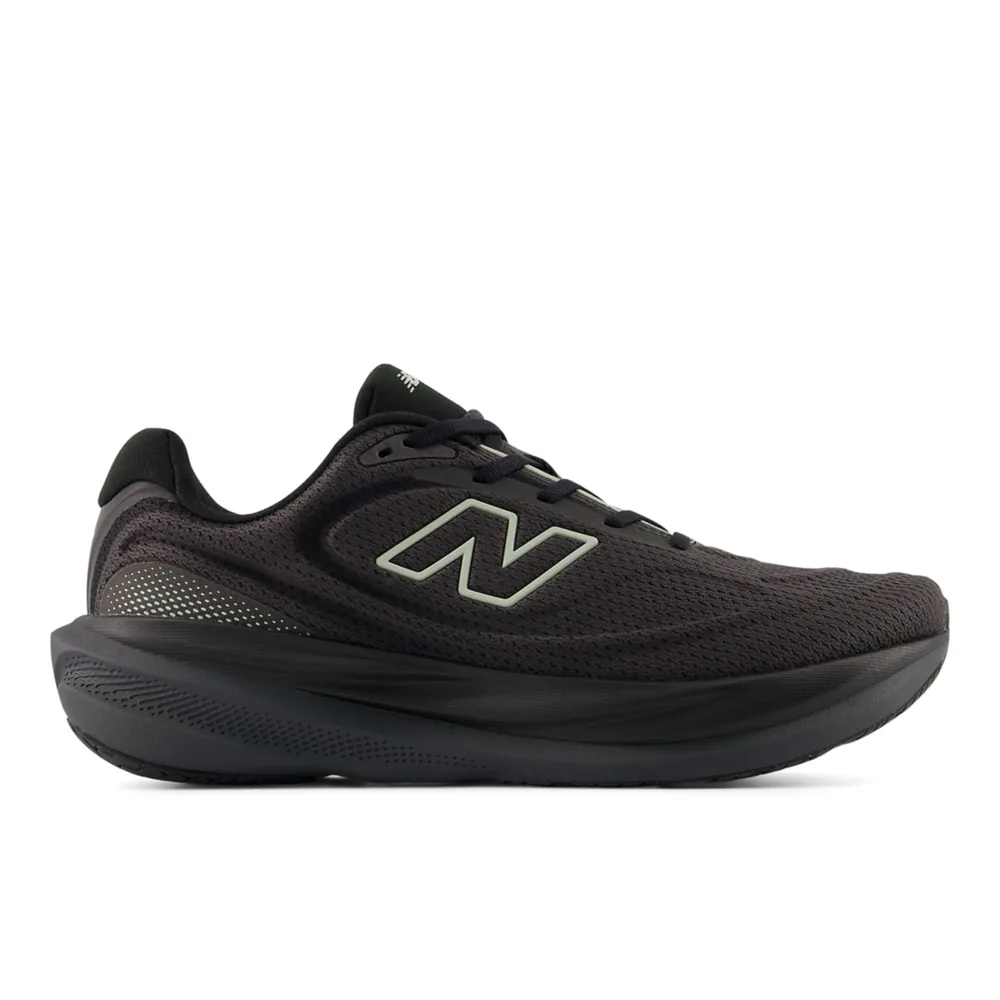
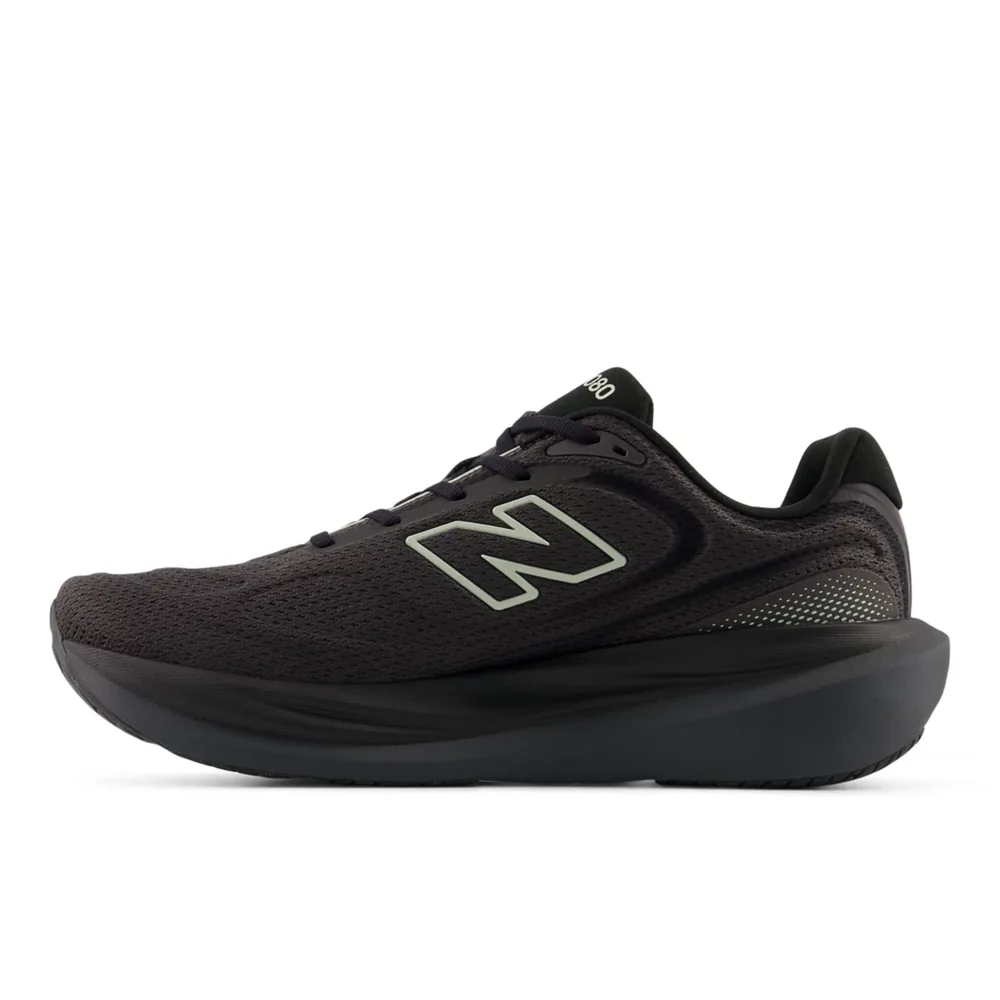
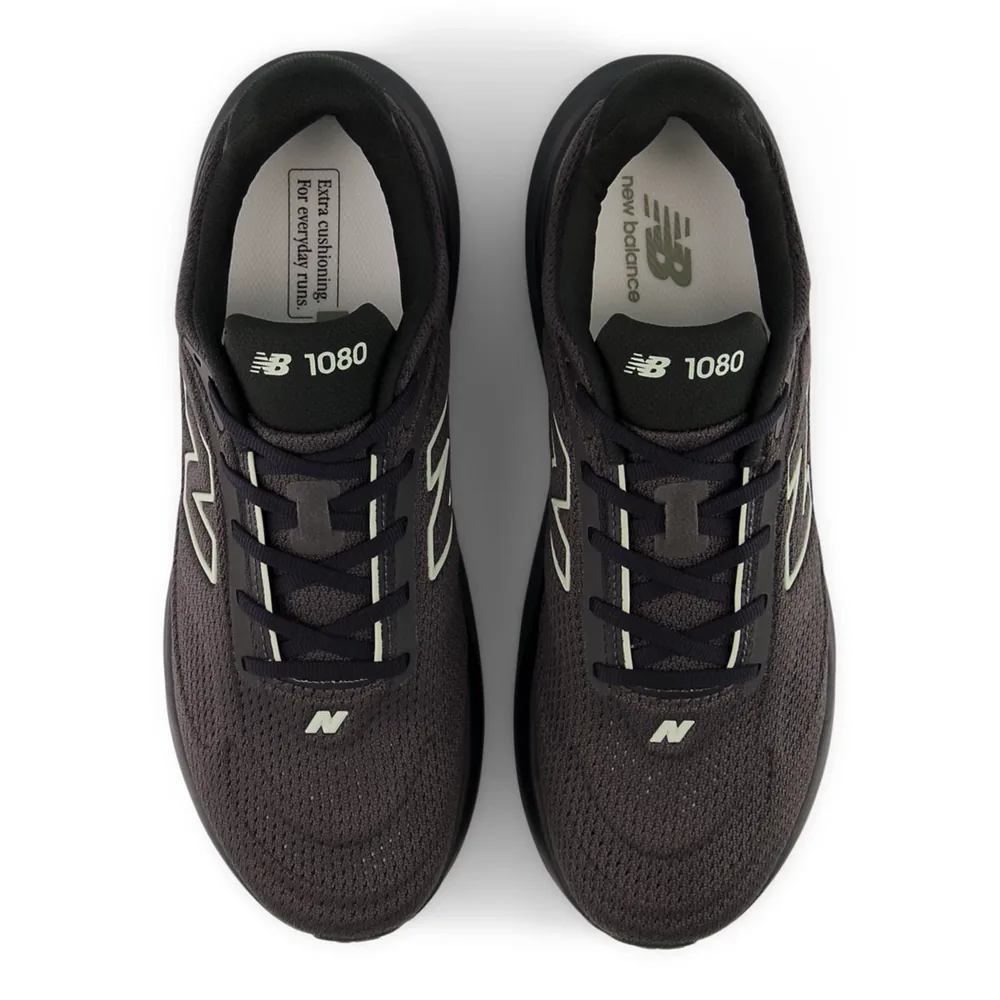
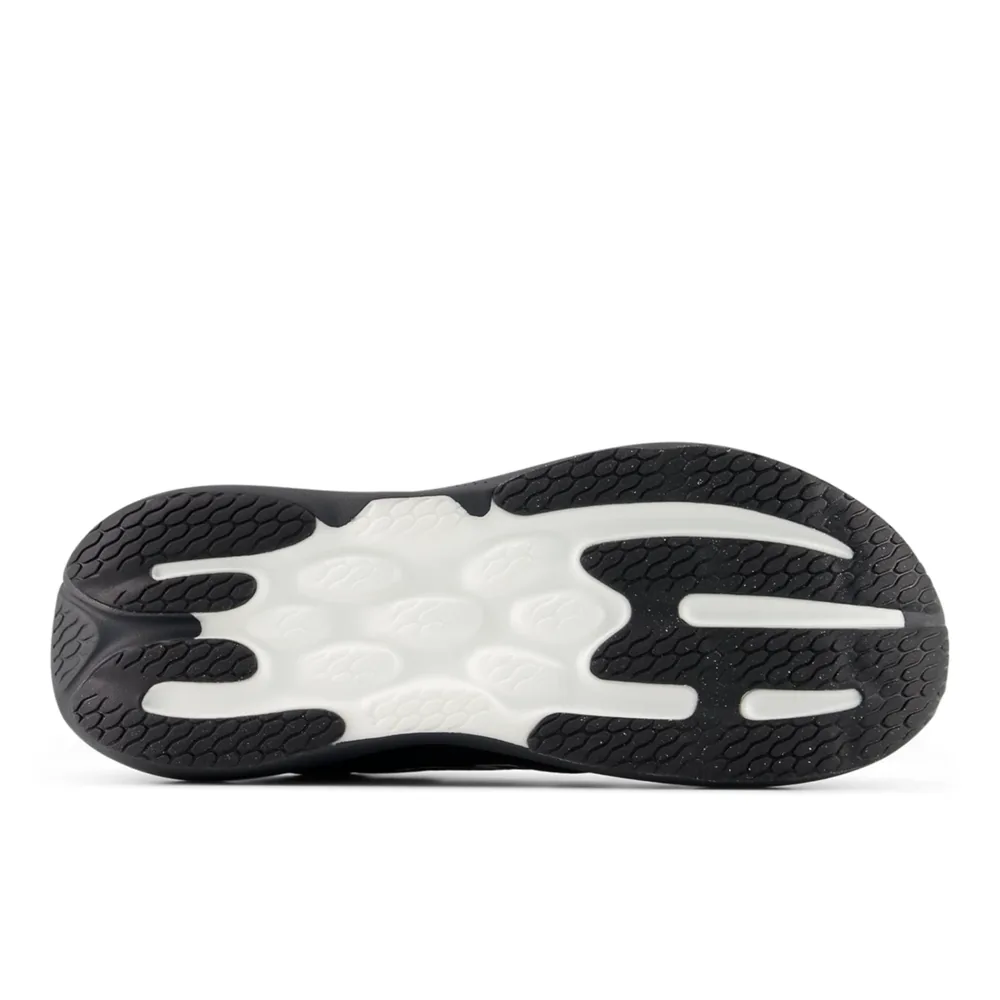
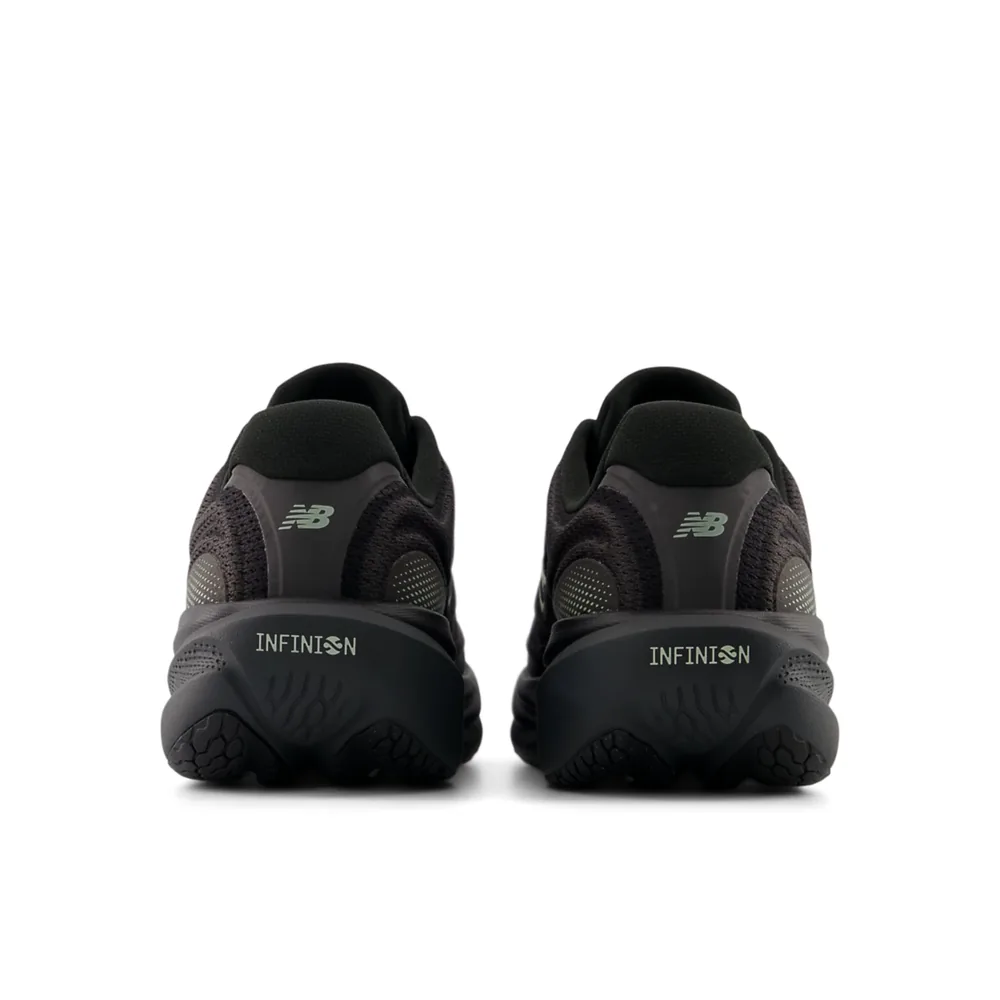
Images: New Balance official product photos


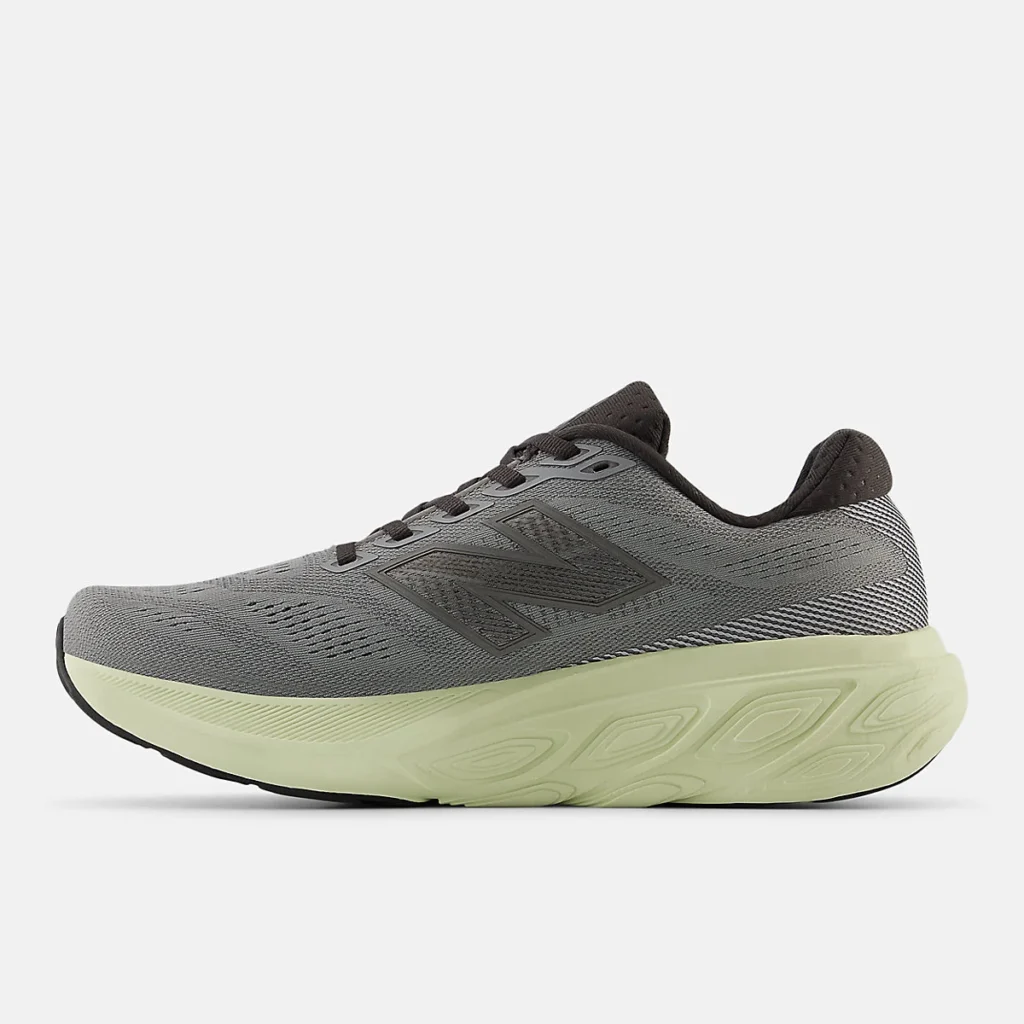
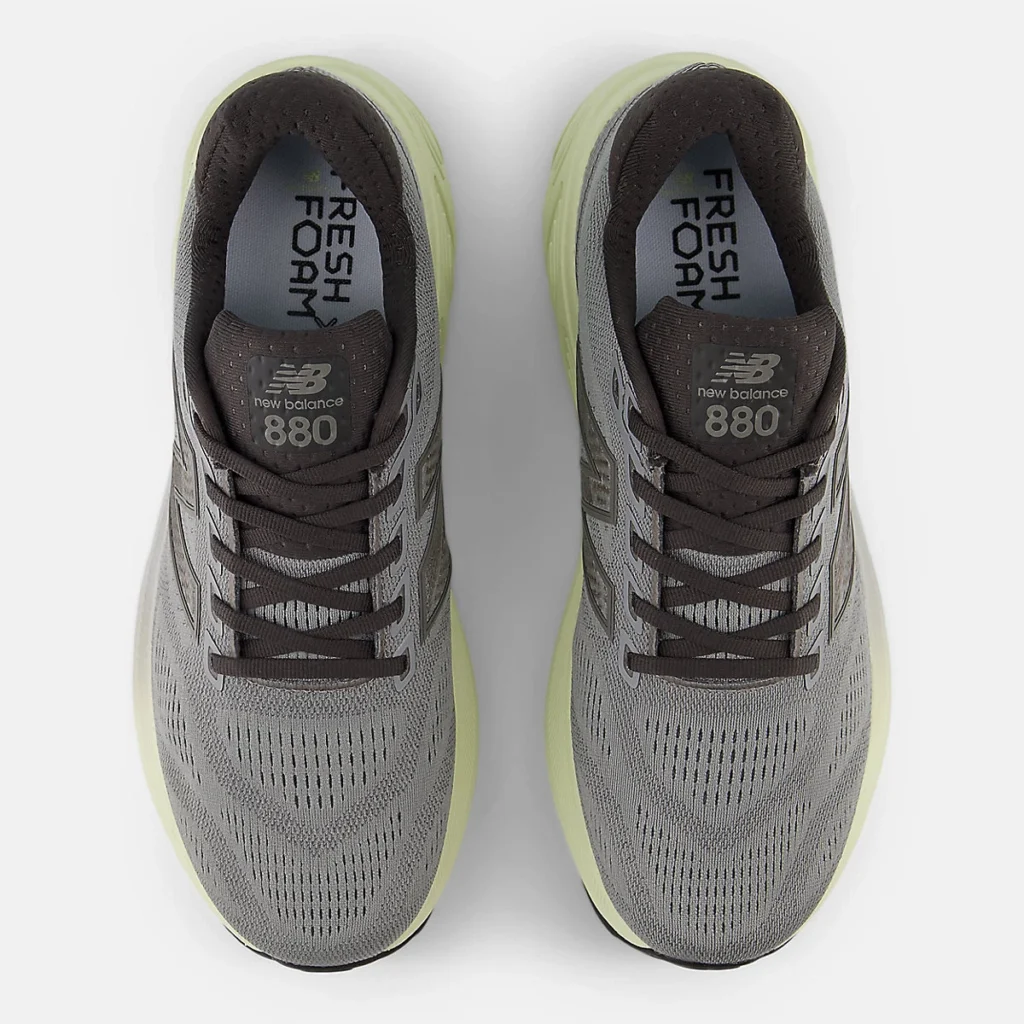
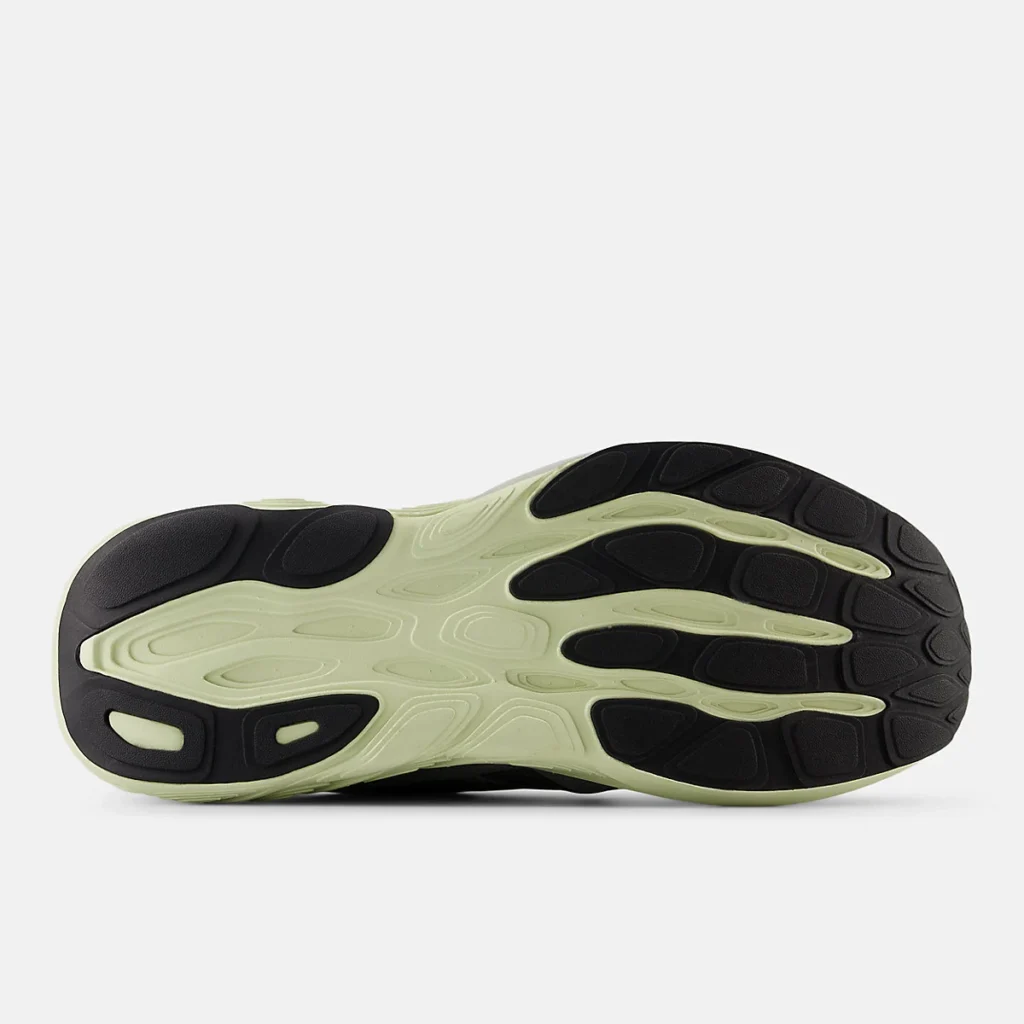
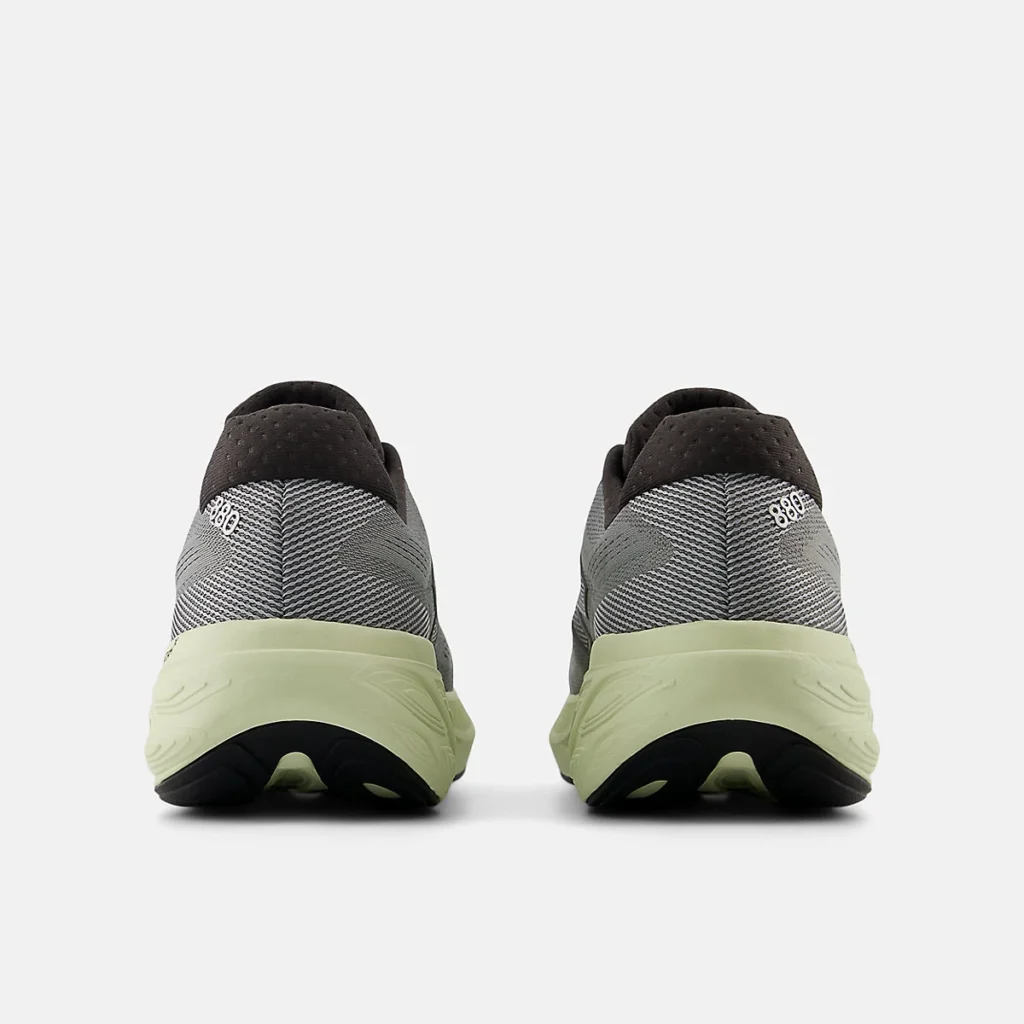
2. Fresh Foam X 880 v15 — Best daily trainer
Best for: runners who want a firm, durable daily trainer for high mileage.
- Stack: 39.4 mm heel (RTINGS lab); 35.4 mm forefoot (Running Warehouse lab)
- Drop: 6 mm (New Balance); 7.3 mm (RTINGS lab)
- Weight: 299 g men’s (New Balance); 286.6 g (RTINGS lab)
- Lab data: no RunRepeat test — shock absorption, energy return and softness are not published
- Foam: Fresh Foam X
- Widths: men B, D, 2E, 4E; women 2A, B, D, 2E
The 880 v15 is the workhorse of the New Balance line. It stayed firm while the 1080 v15 went soft. It also puts more foam under the forefoot than its flagship sibling — 35.4 mm against the 1080’s 30.6 mm in lab measurements. That thick forefoot is why it suits long, steady weeks.
The trade is feel. The foam is firmer than the 1080’s Infinion, and the shoe is heavier — 286.6 g in the RTINGS lab against the 1080’s 255 g. There is also a data gap. RunRepeat has not lab-tested the 880 v15, so we have no shock absorption or energy return numbers for it. What we do have is consistent: a tall heel stack, a wide width range, and a build made for mileage. For more daily trainers, see our guide to the most comfortable running shoes.
Pros:
- Firmer foam and a thicker forefoot than the 1080 v15 — built for high mileage
- Same wide width range as the 1080 — men B to 4E, women 2A to 2E
- Tall 39.4 mm heel stack in the lab
- A true daily trainer, not a soft special-occasion shoe
Cons:
- No RunRepeat lab data, so shock absorption and energy return are unknown.
- Heavier than the 1080 v15 (286.6 g vs 255 g in the lab).
Skip it if: you want the softest ride. Get the 1080 v15 instead.
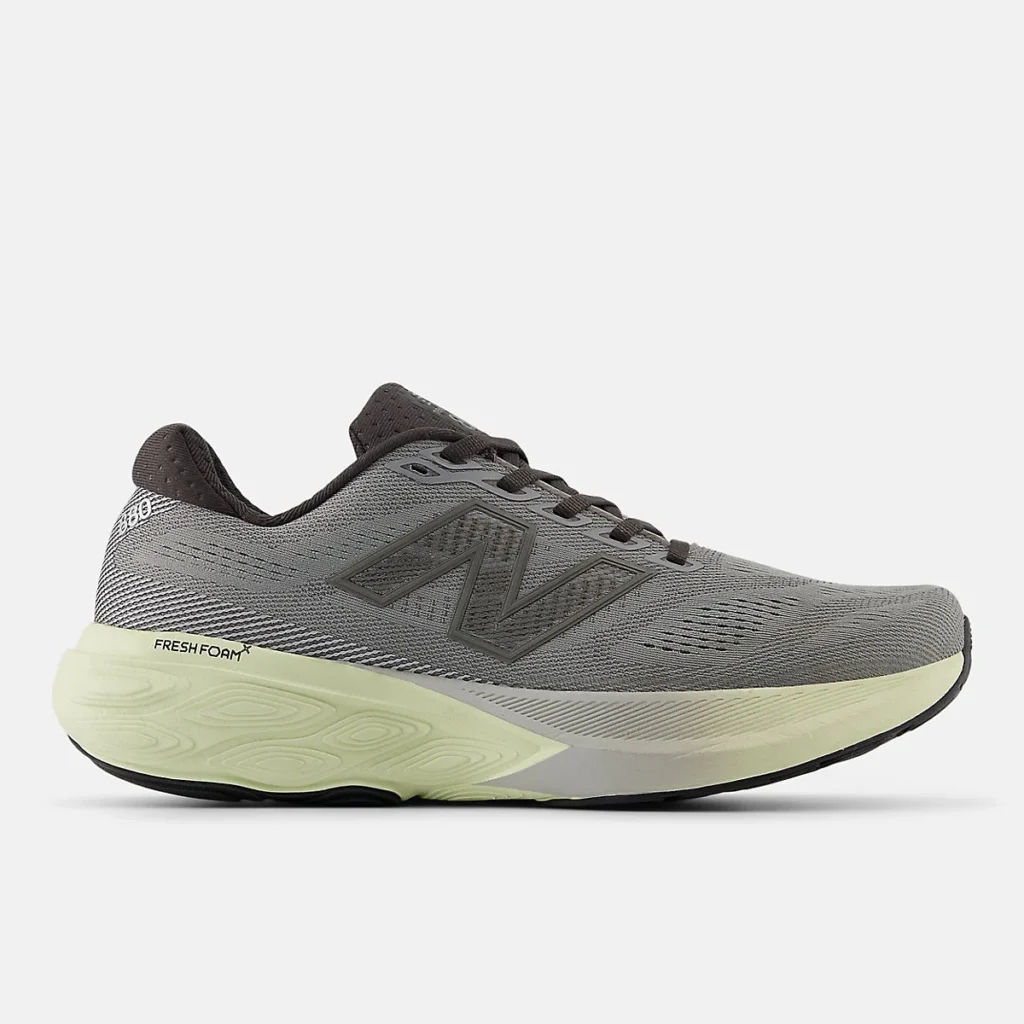
Images: New Balance official product photos
3. Fresh Foam X 860 v15 — Best stability
Best for: runners whose feet roll inward and need support on every run.
- Stack: 40 mm heel / 34 mm forefoot (New Balance); 39.7 / 32.1 mm (RunRepeat lab)
- Drop: 6 mm (New Balance); 7.6 mm (RunRepeat lab)
- Weight: 331 g men’s (New Balance); 332 g (RunRepeat lab)
- Midsole softness: 25.8 AC (RunRepeat lab; category average 35.5 AC; lower is softer)
- Energy return: 57.5% heel / 65.2% forefoot (RunRepeat lab)
- Shock absorption: 134 SA heel / 127 SA forefoot (RunRepeat lab)
- Support: Stability Plane plastic plate
- Traction: 0.58 (RunRepeat lab)
- Fit: half size small (RunRepeat)
- RunRepeat score: 85 out of 100
- Widths: men B, D, 2E, 4E; women 2A, B, D, 2E
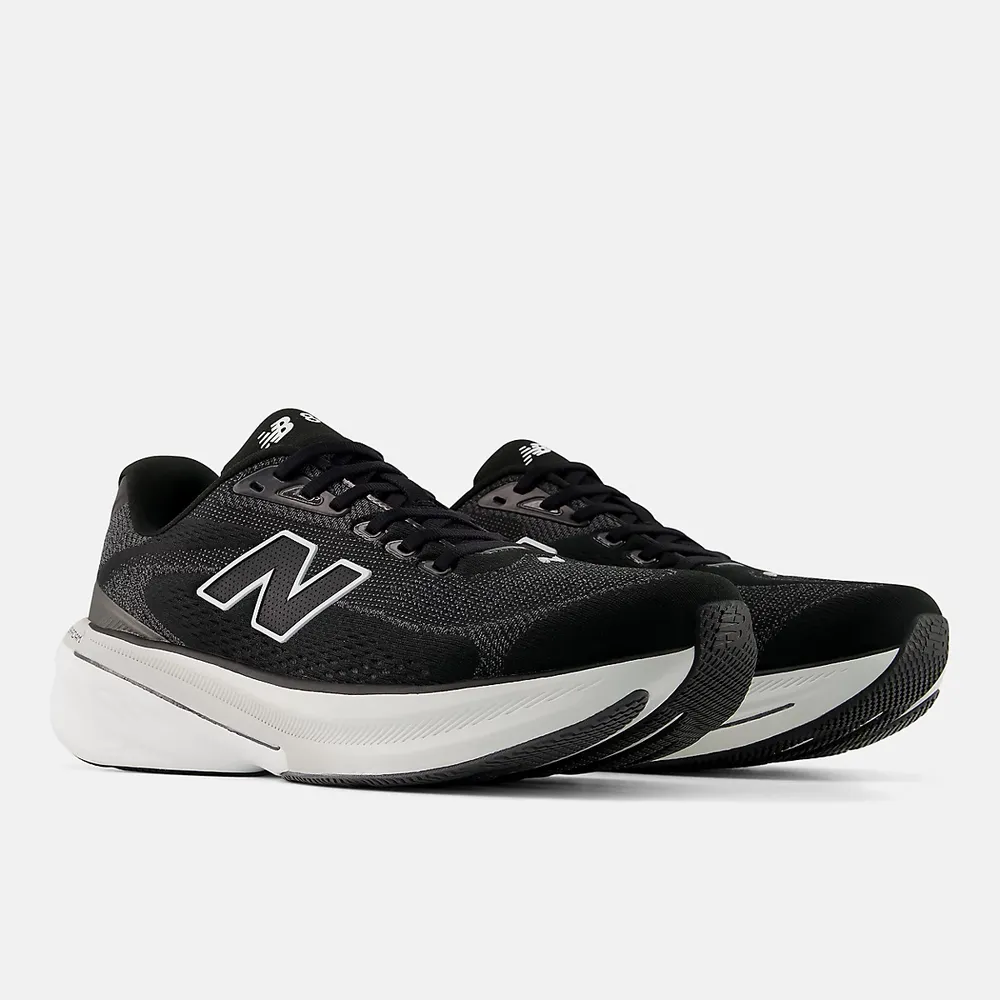
The 860 v15 is the stability pick in this guide — RunRepeat calls it the top New Balance stability shoe. The Stability Plane is a plastic plate that sits under the arch and resists roll. It works without making the shoe feel like a brick. Forefoot energy return hit 65.2% in the lab, which is strong for a stability shoe.
The trade is weight and fit. At 332 g in the lab, it is the heaviest lab-weighed shoe here. It also fits half size small, so order up half a size. The width range helps: men B to 4E, women 2A to 2E. For more stability options, see our guide to the best running shoes for overpronation.
Pros:
- Best stability here — the Stability Plane plate controls roll
- Strong forefoot energy return (65.2%)
- Tall 39.7 mm heel stack in the lab
- Wide width range — men B to 4E, women 2A to 2E
Cons:
- Heaviest lab-weighed shoe here (332 g). You feel it on long runs.
- Fits half size small. Order up.
Skip it if: you are a neutral runner who wants a light shoe. Get the 1080 v15 instead.
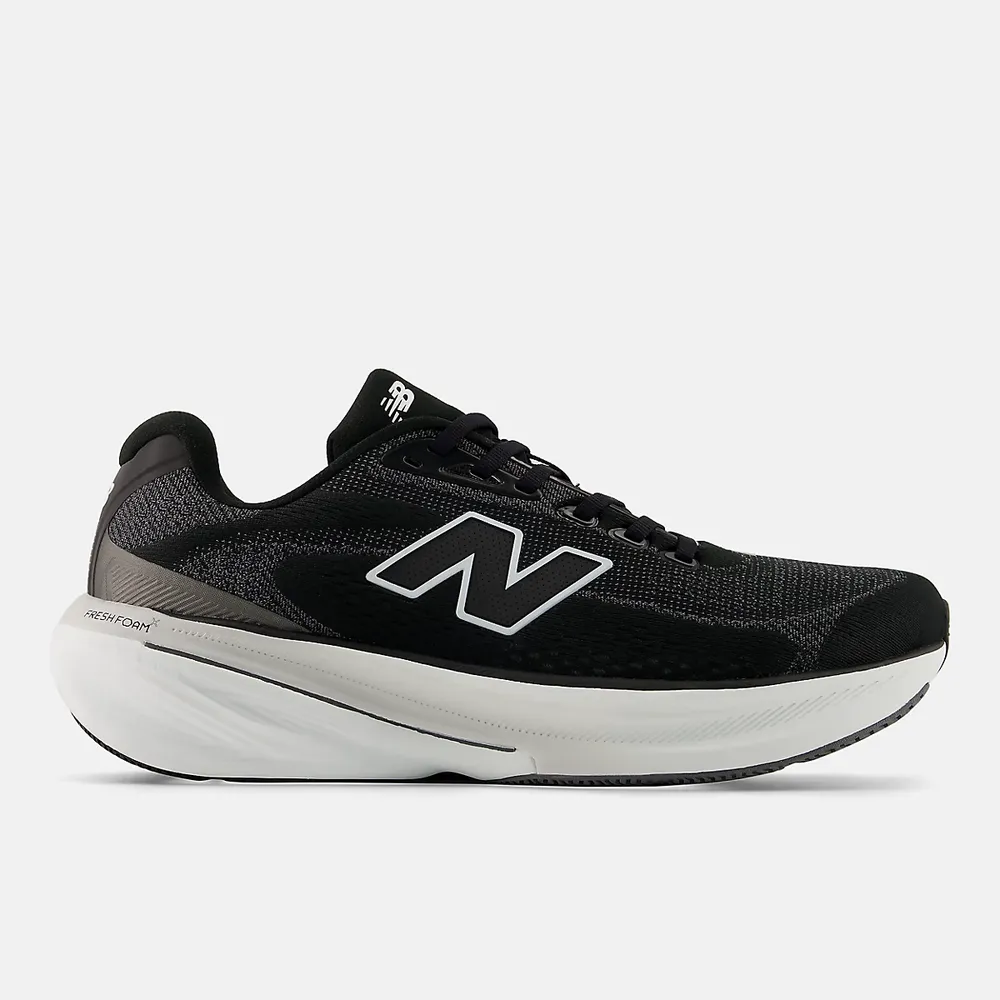
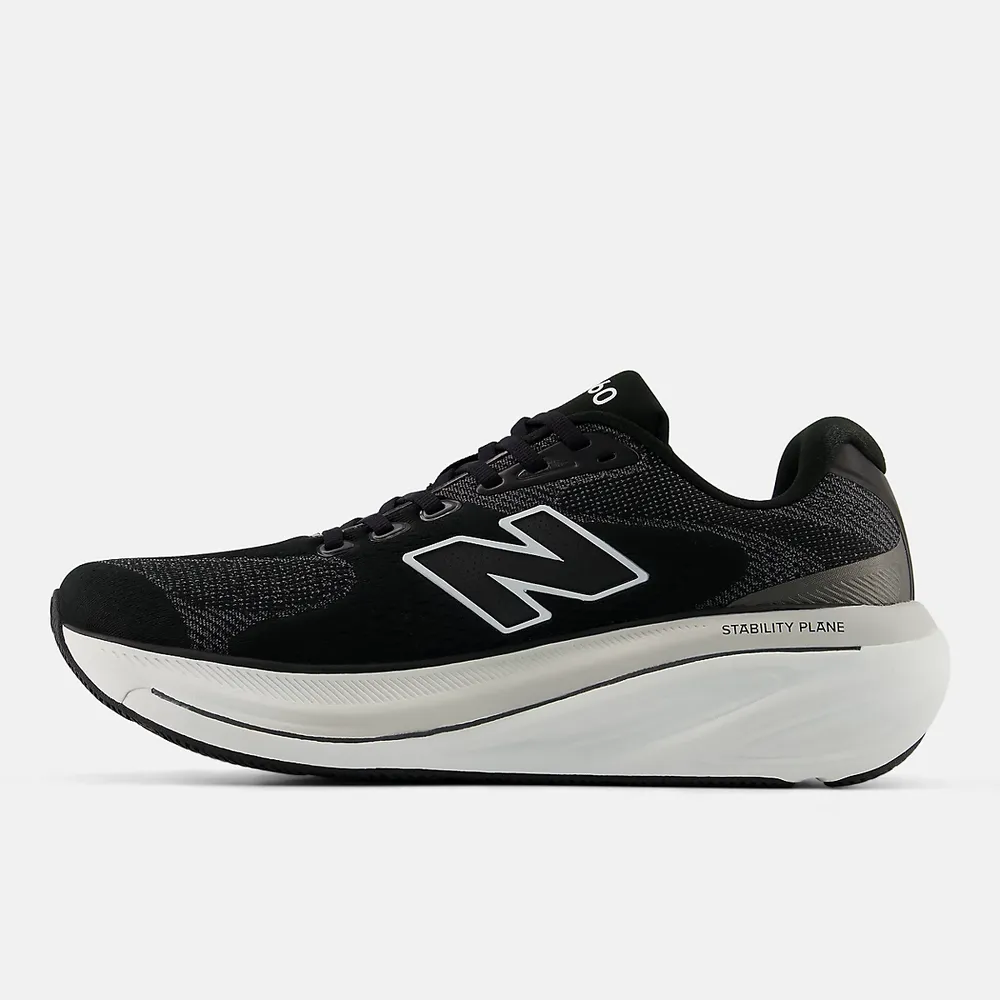
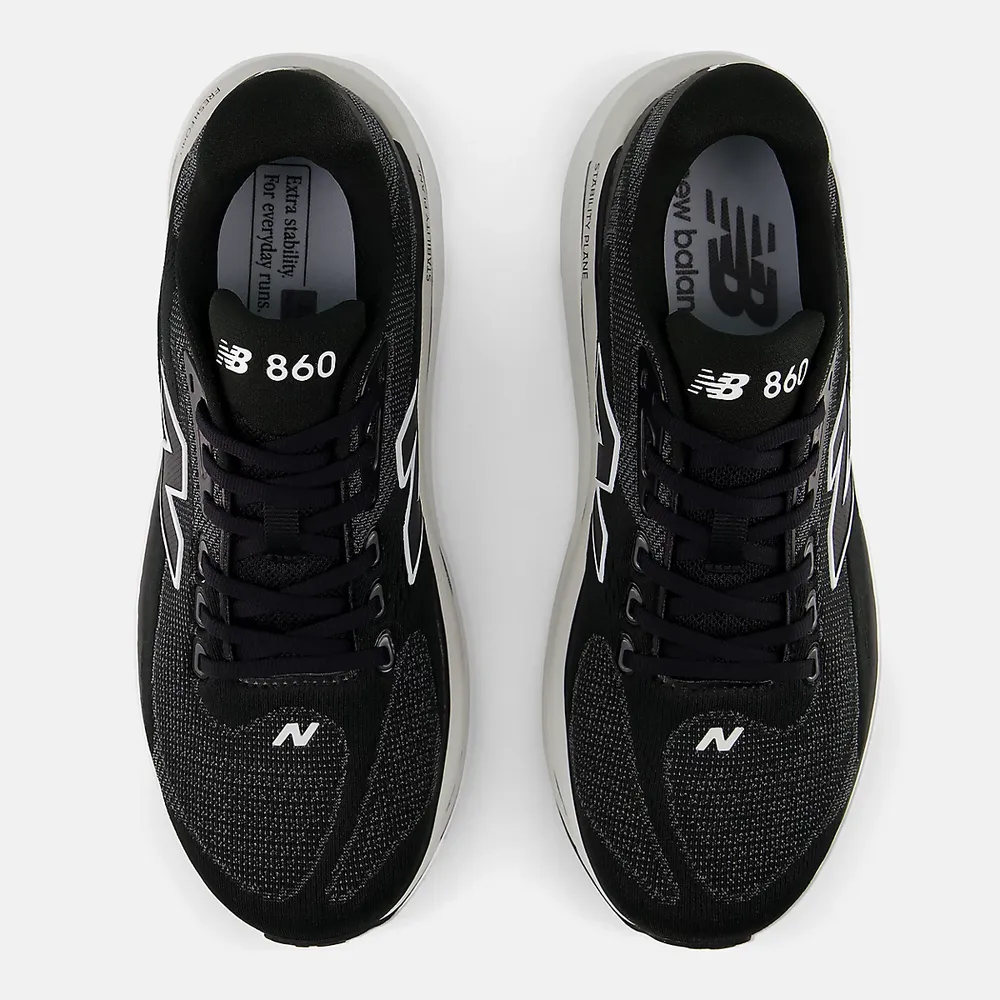
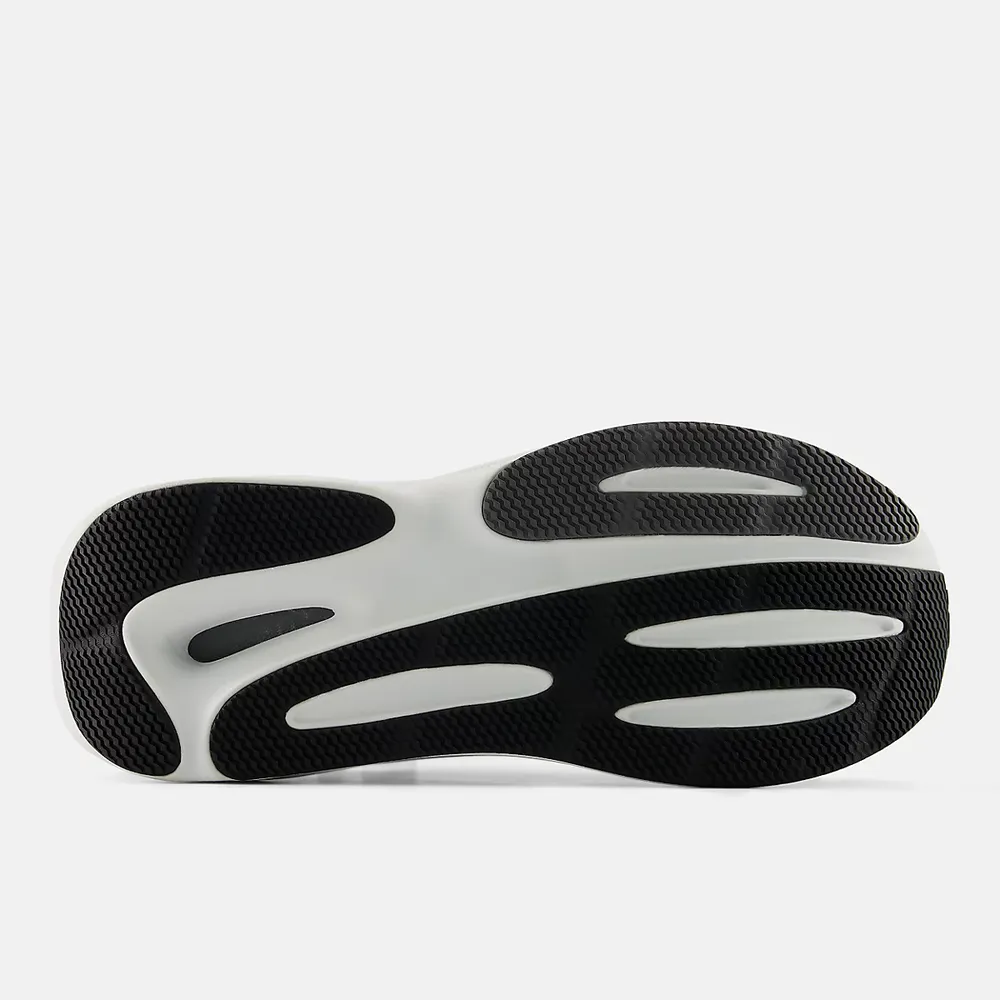
Images: New Balance official product photos
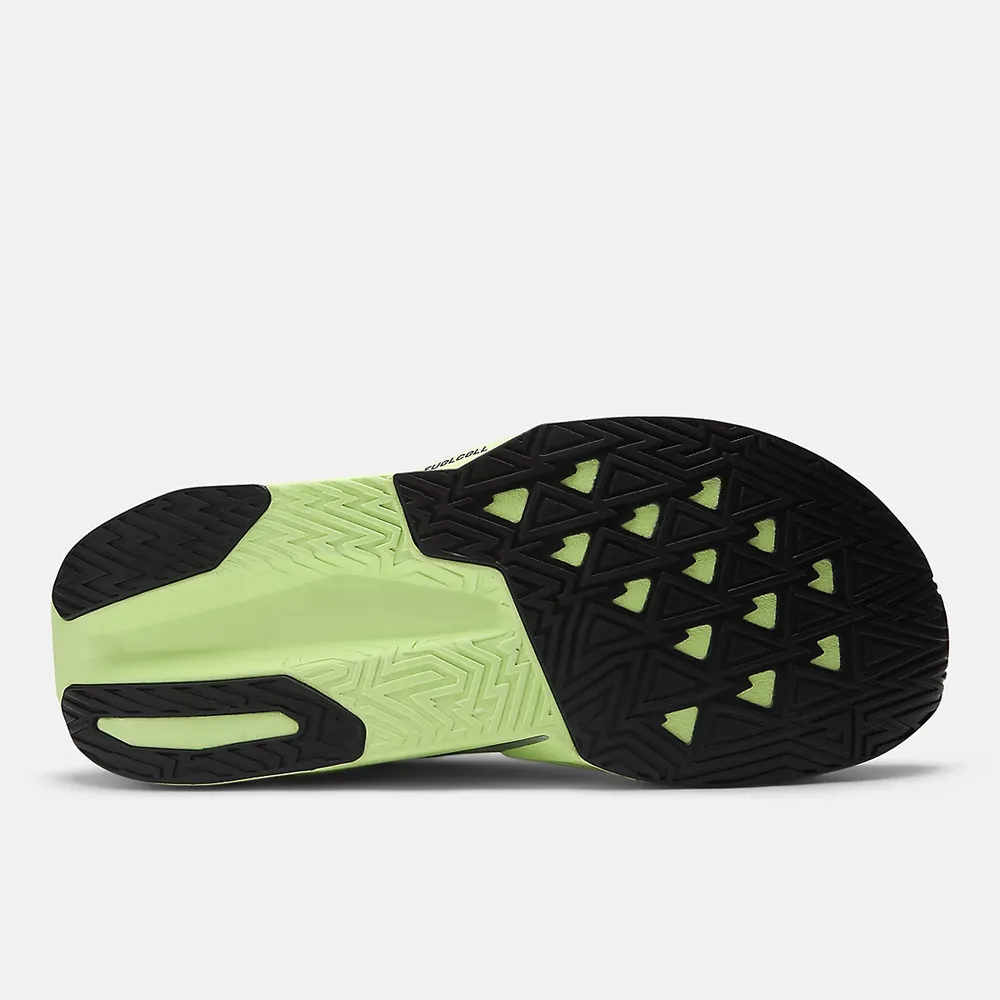
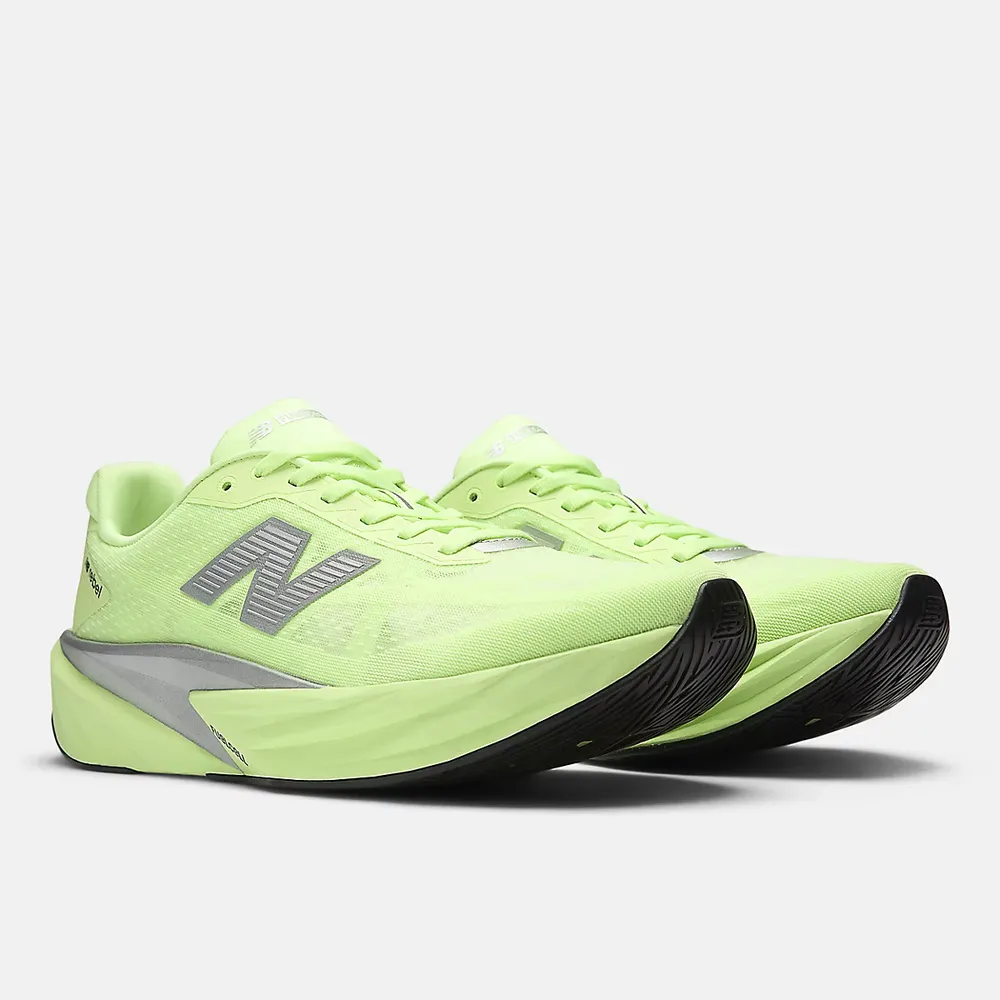
4. FuelCell Rebel v5 — Best lightweight tempo
Best for: runners who want a light shoe for faster days and tempo runs.
- Stack: 35 mm heel / 29 mm forefoot (New Balance); 33.0 / 26.7 mm (RunRepeat lab)
- Drop: 6 mm (New Balance); 6.3 mm (RunRepeat lab)
- Weight: 223–225 g men’s (New Balance); 220 g (RunRepeat lab)
- Midsole softness: 25.9 AC (RunRepeat lab; category average 35.5 AC; lower is softer)
- Energy return: 59.8% heel / 67.3% forefoot (RunRepeat lab)
- Shock absorption: 145 SA heel / 105 SA forefoot (RunRepeat lab)
- Foam: FuelCell (PEBA and EVA blend)
- Traction: 0.53 (RunRepeat lab)
- Flex: 11.7 N (RunRepeat lab)
- Toebox durability: 1 out of 5 (RunRepeat lab)
- Fit: true to size (RunRepeat)
- Widths: men D, 2E
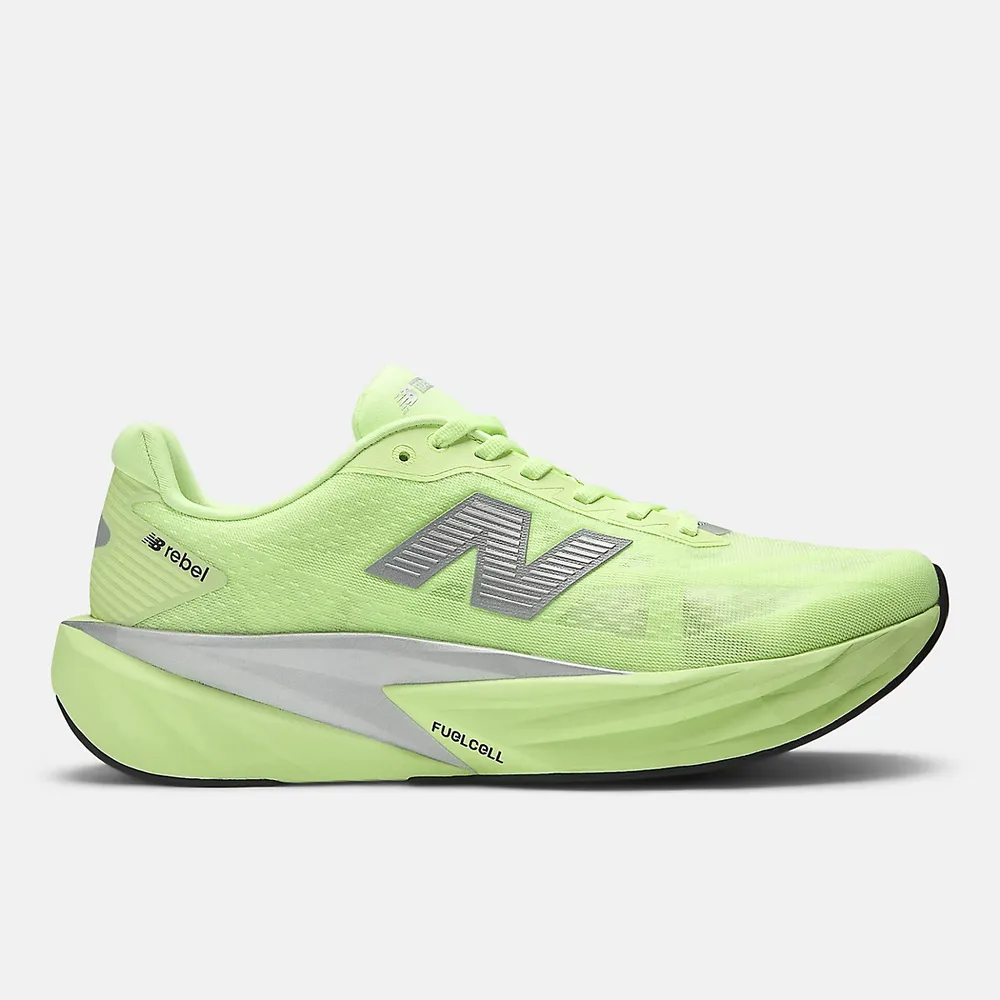
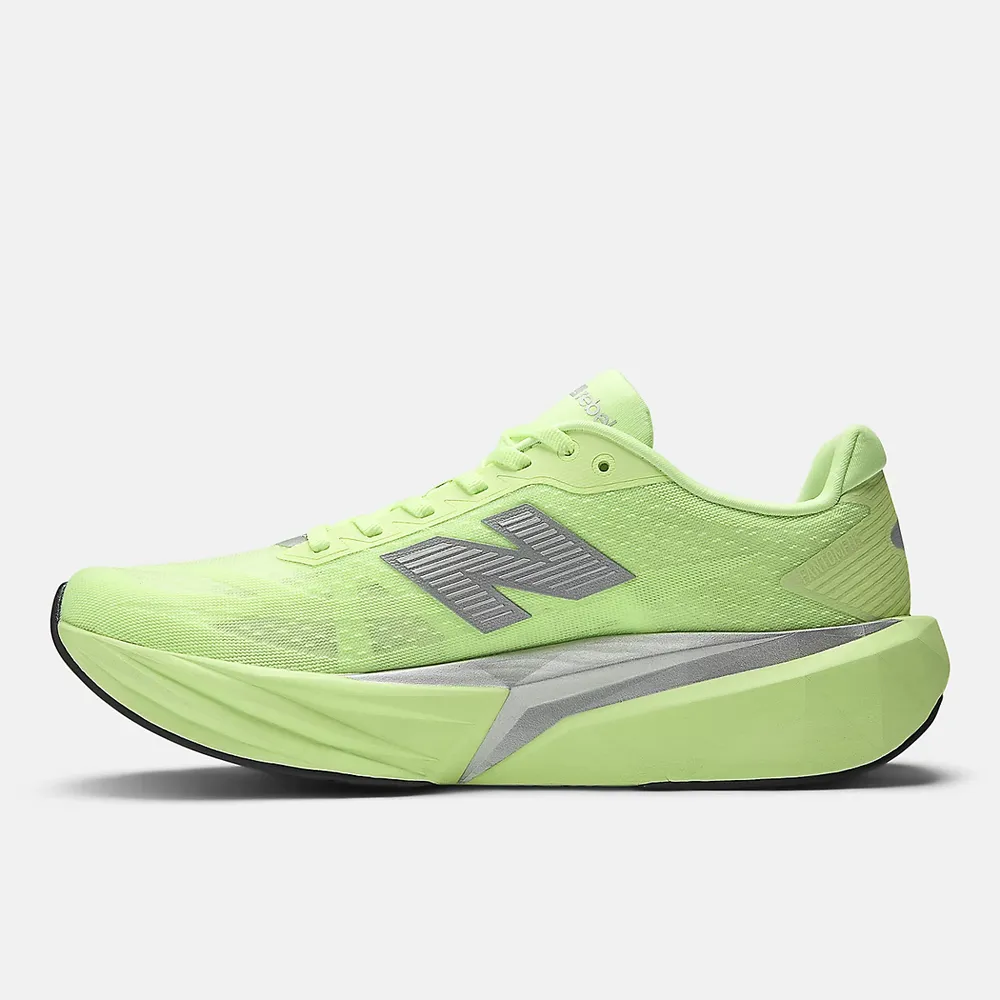
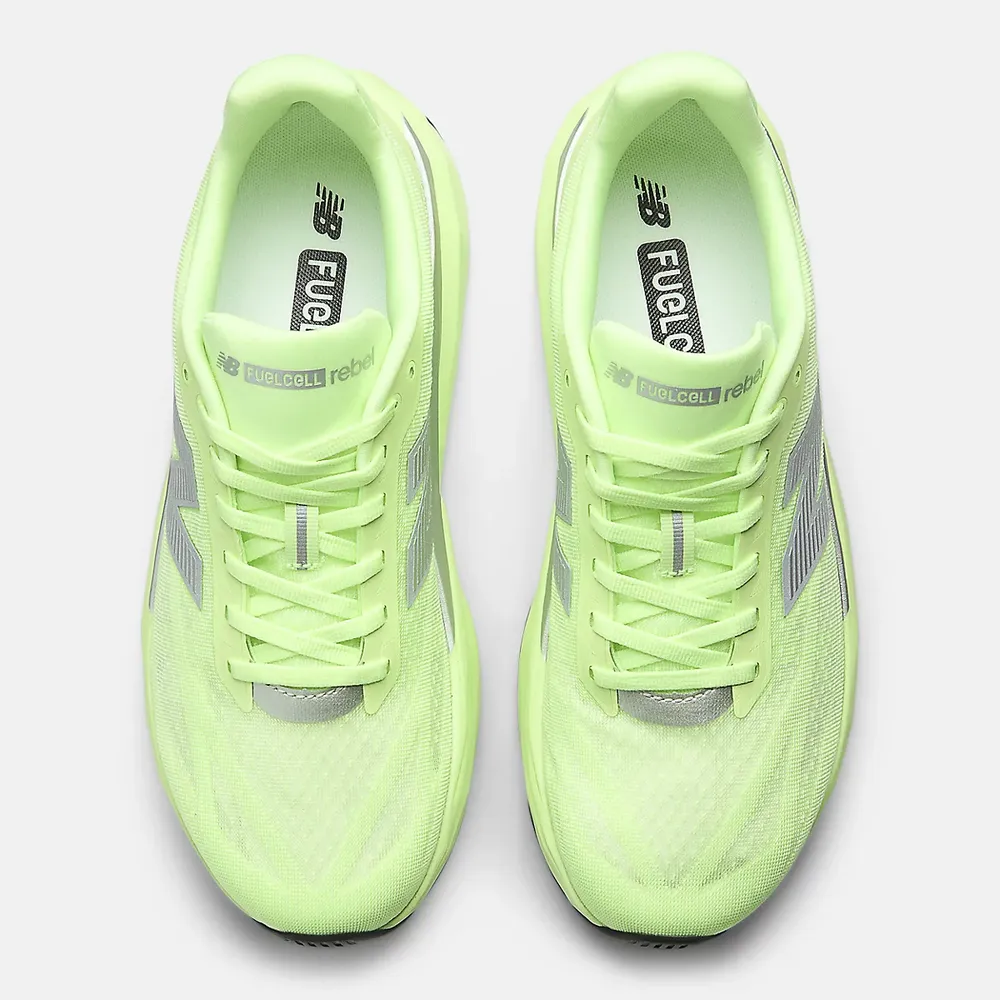
The Rebel v5 is the light, quick shoe in this guide. At 220 g in the lab, it is the second-lightest shoe here after the SC Elite v6. Heel shock absorption hit 145 SA — third-highest in this guide. Forefoot energy return reached 67.3%, which is why it feels quick when you pick up the pace.
The weak point is the toe box. RunRepeat scored toebox durability 1 out of 5 — the worst score in this guide. The foam is also firmer up front than at the heel, with forefoot shock absorption at 105 SA. If you drag your toes, the upper will show it early. For more tempo options, see our guide to the best running shoes for women.
Pros:
- Light at 220 g in the lab
- Strong forefoot energy return (67.3%)
- High heel shock absorption (145 SA)
- 2E width available for wider feet
Cons:
- Toebox durability scored 1 out of 5 in the lab — the worst here.
- Forefoot shock absorption (105 SA) is modest for a tempo shoe.
Skip it if: you drag your toes or want a shoe that lasts. Get the 880 v15 instead.
Images: New Balance official product photos
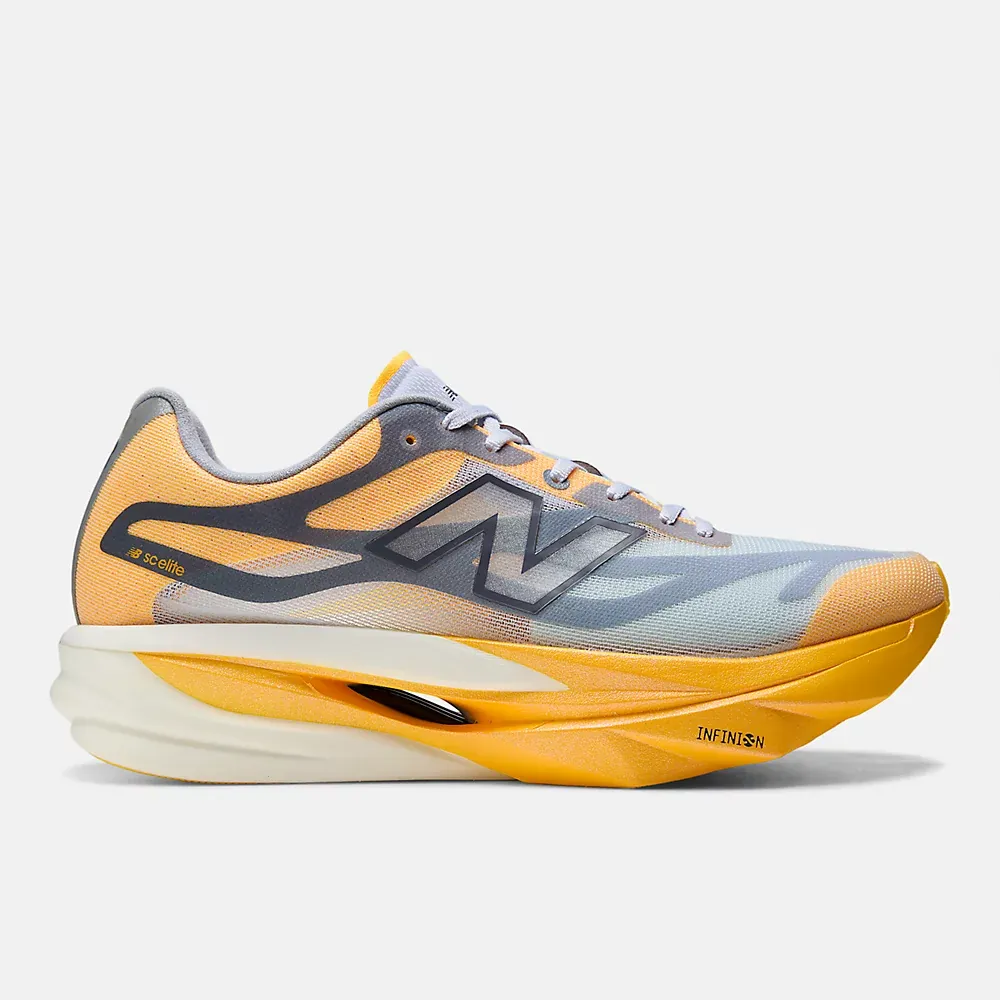
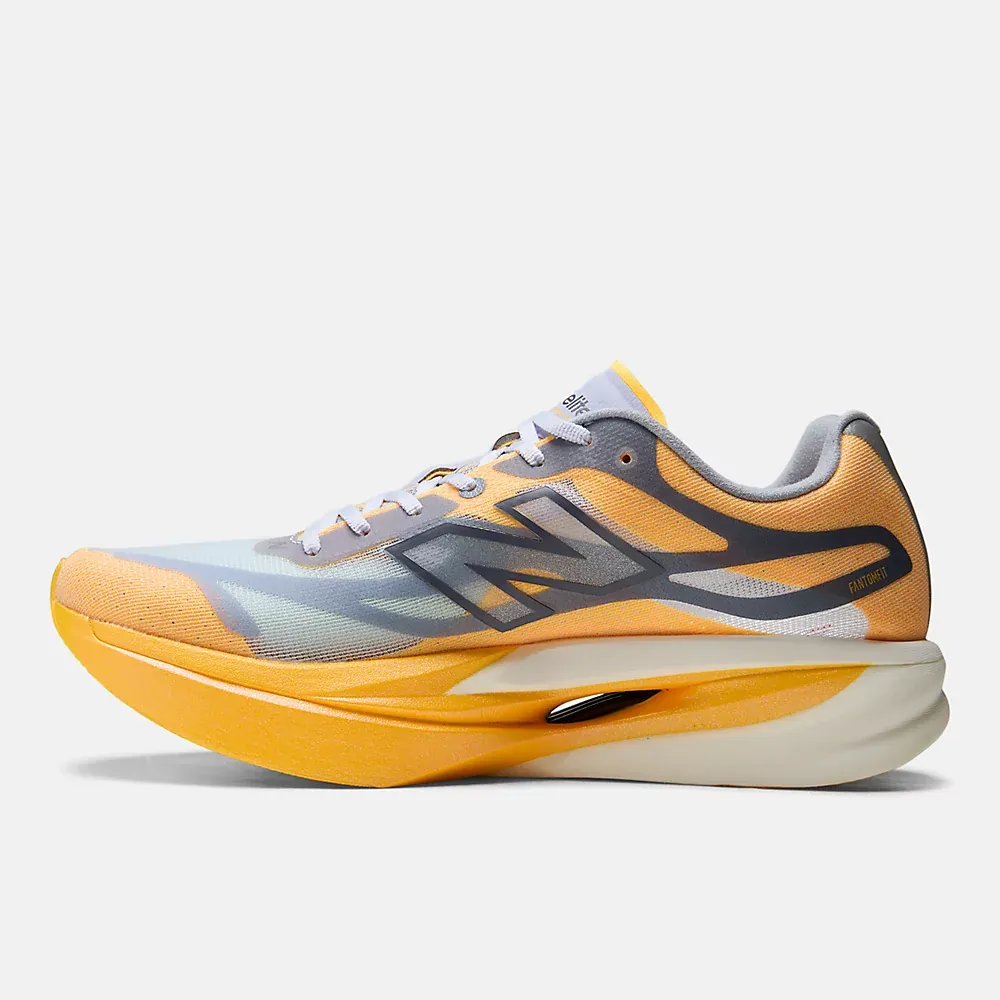
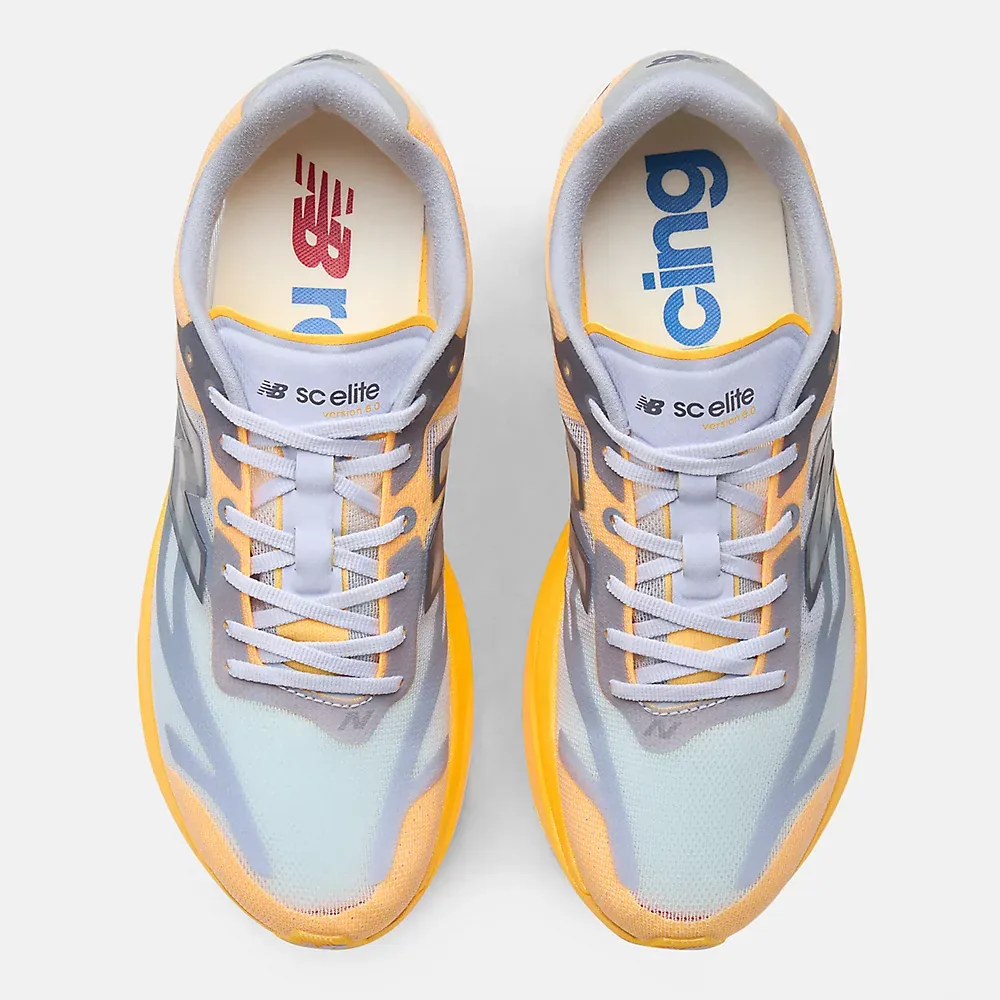
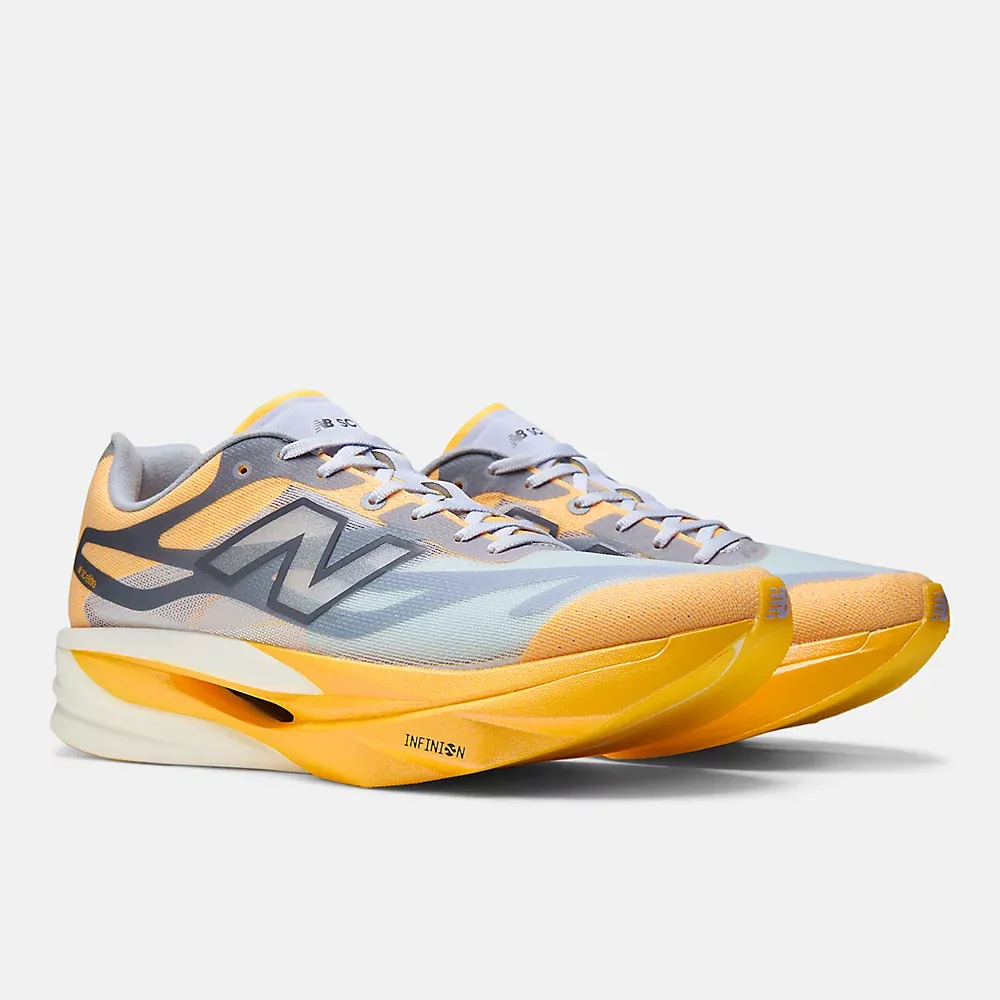
5. FuelCell SC Elite v6 — Best race shoe
Best for: racers who want the fastest New Balance shoe you can buy on Amazon.
- Stack: 40 mm heel / 32 mm forefoot (New Balance); 38.5 / 24.6 mm (RunRepeat lab)
- Drop: 8 mm (New Balance); 13.9 mm (RunRepeat lab)
- Weight: 198 g men’s (New Balance); 190 g (RunRepeat lab)
- Midsole softness: 30.5 AC (RunRepeat lab; category average 35.5 AC; lower is softer)
- Energy return: 75.3% heel / 79.4% forefoot (RunRepeat lab)
- Shock absorption: 148 SA heel / 101 SA forefoot (RunRepeat lab)
- Foam: Infinion (aliphatic TPU — a different compound from the 1080 v15’s Infinion)
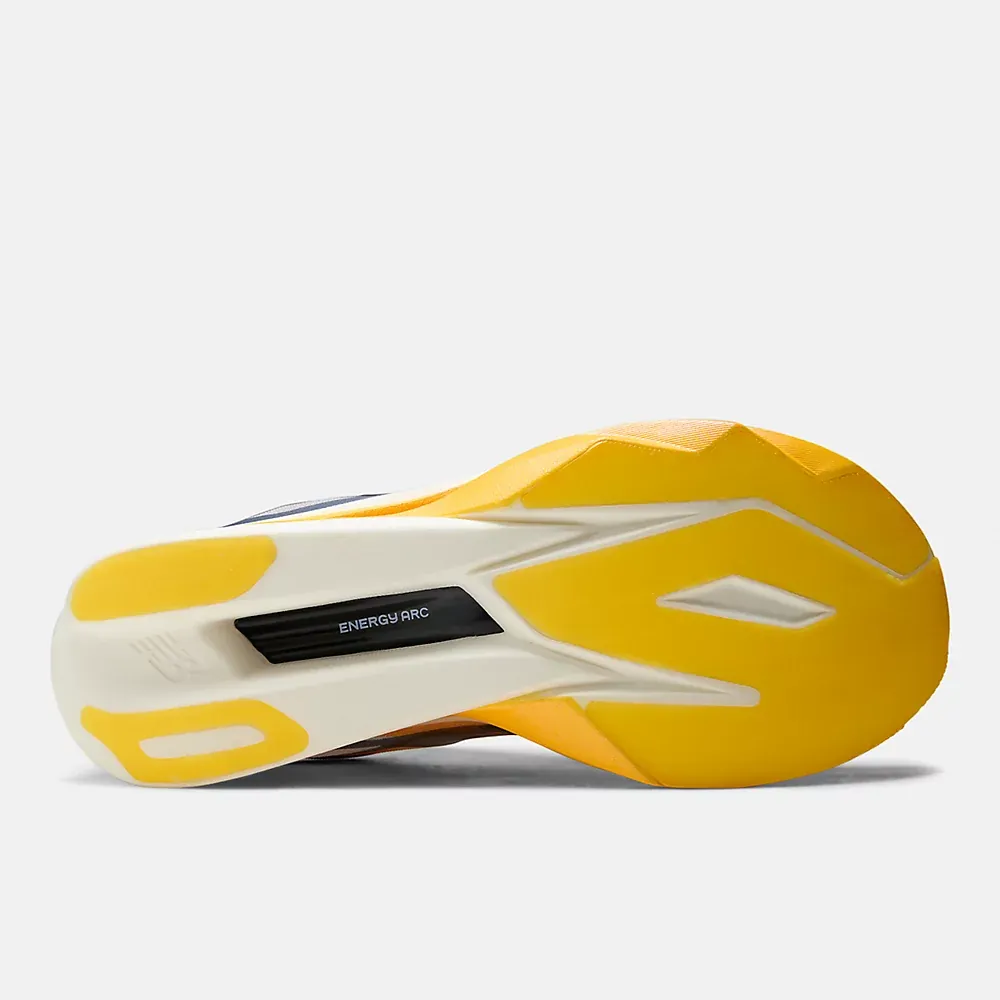
- Plate: spoon-shaped carbon Energy Arc plate
- Traction: 0.70 (RunRepeat lab)
- Fit: half size small (RunRepeat); narrow platform
- Widths: men D, 2E
The SC Elite v6 is the current model. It launched in August 2026, and it is the race shoe you can actually buy. It is the lightest shoe in this guide at 190 g in the lab. It also has the highest energy return here — 79.4% in the forefoot and 75.3% in the heel.
The v6 pairs a new Infinion foam with a spoon-shaped carbon Energy Arc plate. The foam is an aliphatic TPU, not the same Infinion mix as the 1080 v15. The drop is the highest in this guide at 13.9 mm in the lab, against New Balance’s 8 mm claim. The forefoot stack is thinner than the brand claims: 24.6 mm in the lab against 32 mm on the box. The heel is unstable, so this shoe suits neutral runners with clean mechanics. The fit runs half a size small, and the platform is narrow at 90.7 mm in a D width. For more race-day options, see our guide to the best Nike running shoes.
Pros:
- Lightest shoe here (190 g in the lab)
- Highest energy return here (79.4% forefoot)
- Carbon plate and Infinion foam, built for race day
- New Balance still sells a 2E wide version, which is rare for a super shoe
Cons:
- Unstable heel — neutral runners only.
- Narrow fit, runs half a size small.
- Forefoot stack is thinner than claimed (24.6 mm lab vs 32 mm brand).
Skip it if: you need stability or a soft ride. Get the 1080 v15 for soft, or the 860 v15 for support.
Images: New Balance official product photos
6. Fresh Foam X More v6 — Best max cushion
Best for: runners who want the most foam and the most shock absorption New Balance makes.
- Stack: 44 mm heel / 40 mm forefoot (New Balance); 41.8 / 38.5 mm (RunRepeat lab)
- Drop: 4 mm (New Balance); 3.3 mm (RunRepeat lab)
- Weight: 306 g men’s (New Balance); 302 g (RunRepeat lab)
- Midsole softness: 27.5 AC (RunRepeat lab; category average 35.5 AC; lower is softer)
- Energy return: 60.1% heel / 58.8% forefoot (RunRepeat lab)
- Shock absorption: 152 SA heel / 144 SA forefoot (RunRepeat lab)
- Foam: Fresh Foam X
- Toebox height: 24.4 mm (RunRepeat lab)
- Traction: 0.44 (RunRepeat lab)
- Fit: true to size (RunRepeat)
- Widths: men D, 2E, 4E
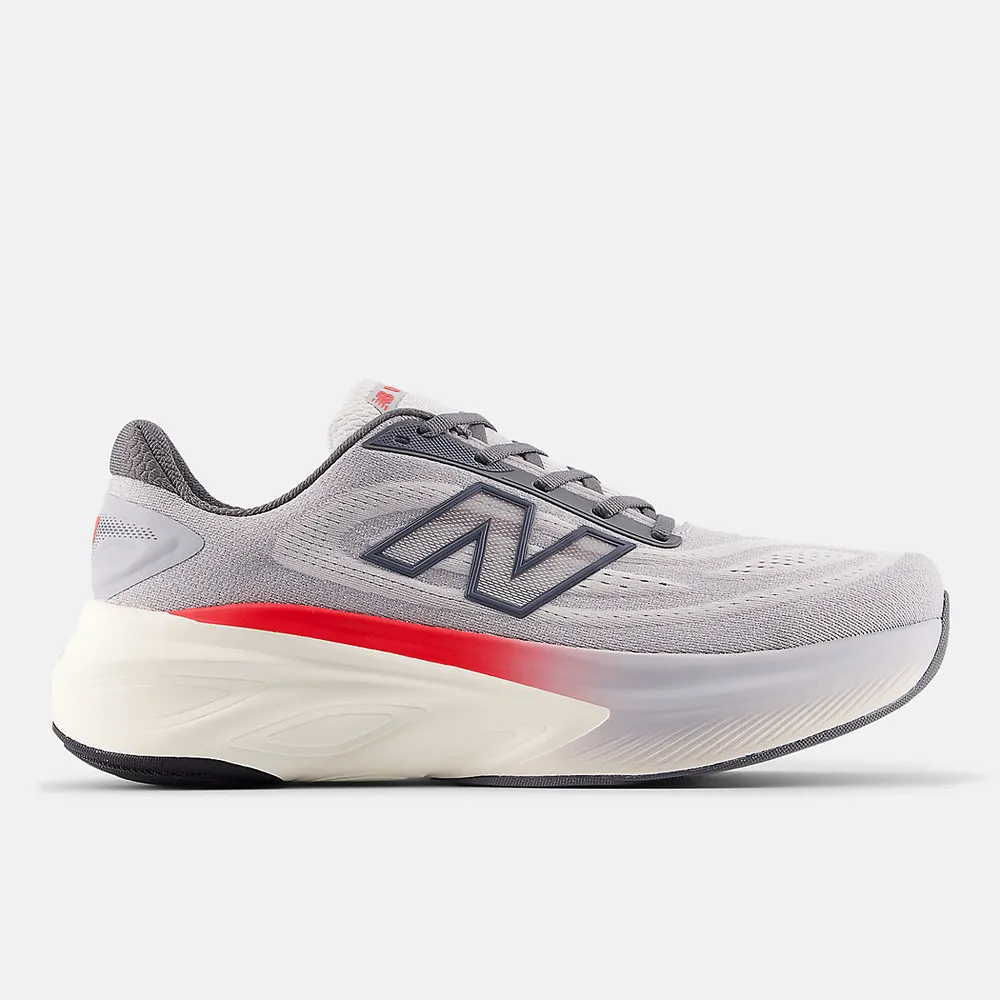
The More v6 is the tallest shoe in this guide. RunRepeat measured 41.8 mm of foam under the heel and 38.5 mm under the forefoot. It also has the highest shock absorption here — 152 SA in the heel and 144 SA in the forefoot. No other shoe in this guide tops it at either end.
The trade is weight, drop and grip. At 302 g in the lab, it is heavy. The drop is the lowest in this guide at 3.3 mm, so it will feel flat if you come from an 8–10 mm shoe. Traction scored 0.44, below the category average. The toe box is roomy at 24.4 mm high, and 4E is available. For more max-cushion options, see our guide to the most comfortable running shoes.
Pros:
- Tallest stack here (41.8 mm heel in the lab)
- Highest shock absorption here, heel and forefoot (152 / 144 SA)
- Roomy 24.4 mm toebox height
- 4E width available
Cons:
- Heavy at 302 g in the lab.
- Low 3.3 mm drop will not suit runners used to 8–10 mm drops.
Skip it if: you want a light shoe or a high drop. Get the Rebel v5 for light, or the 680 v9 for a higher drop.
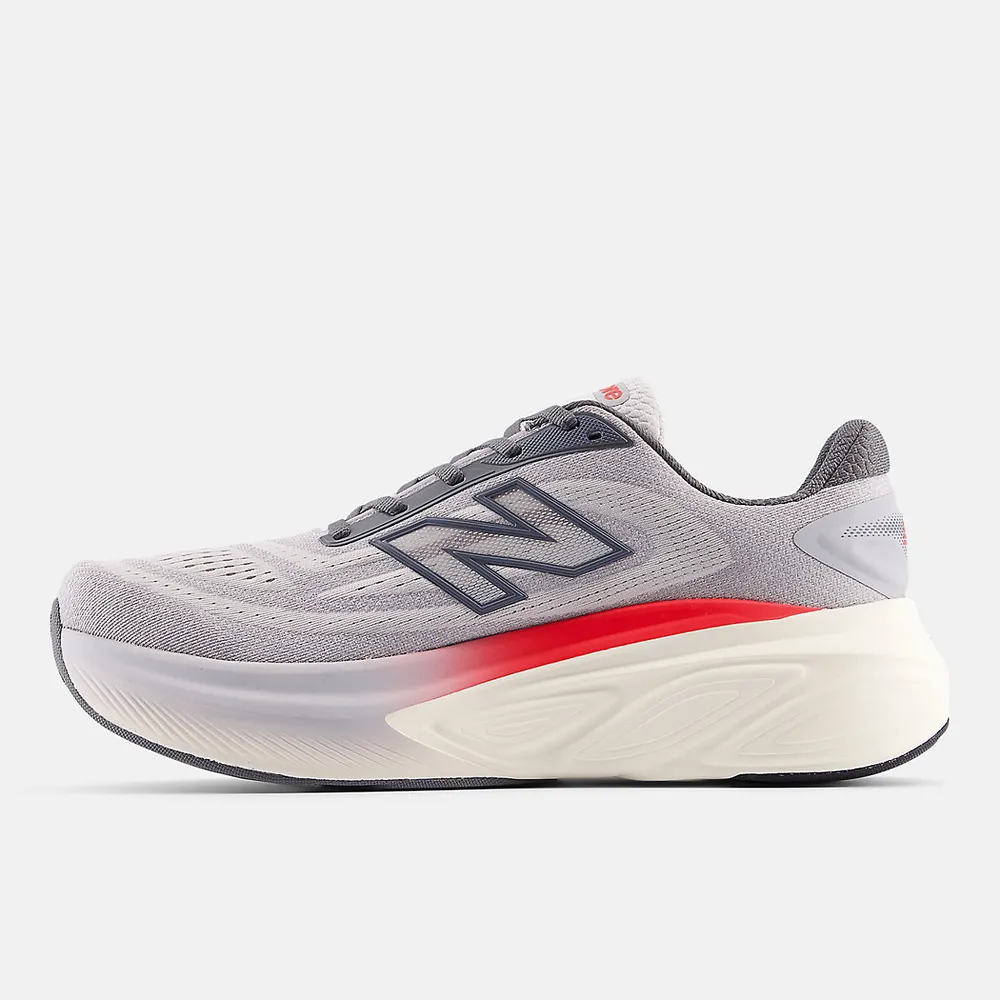
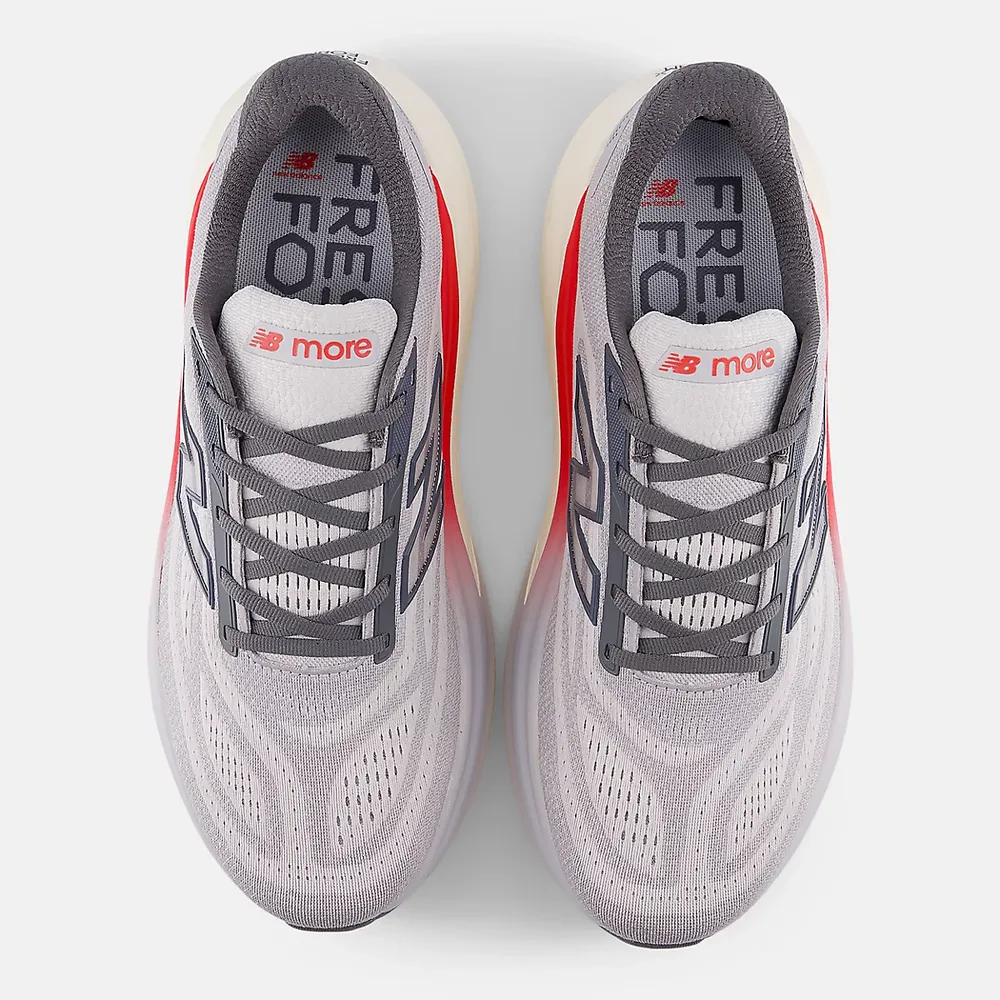
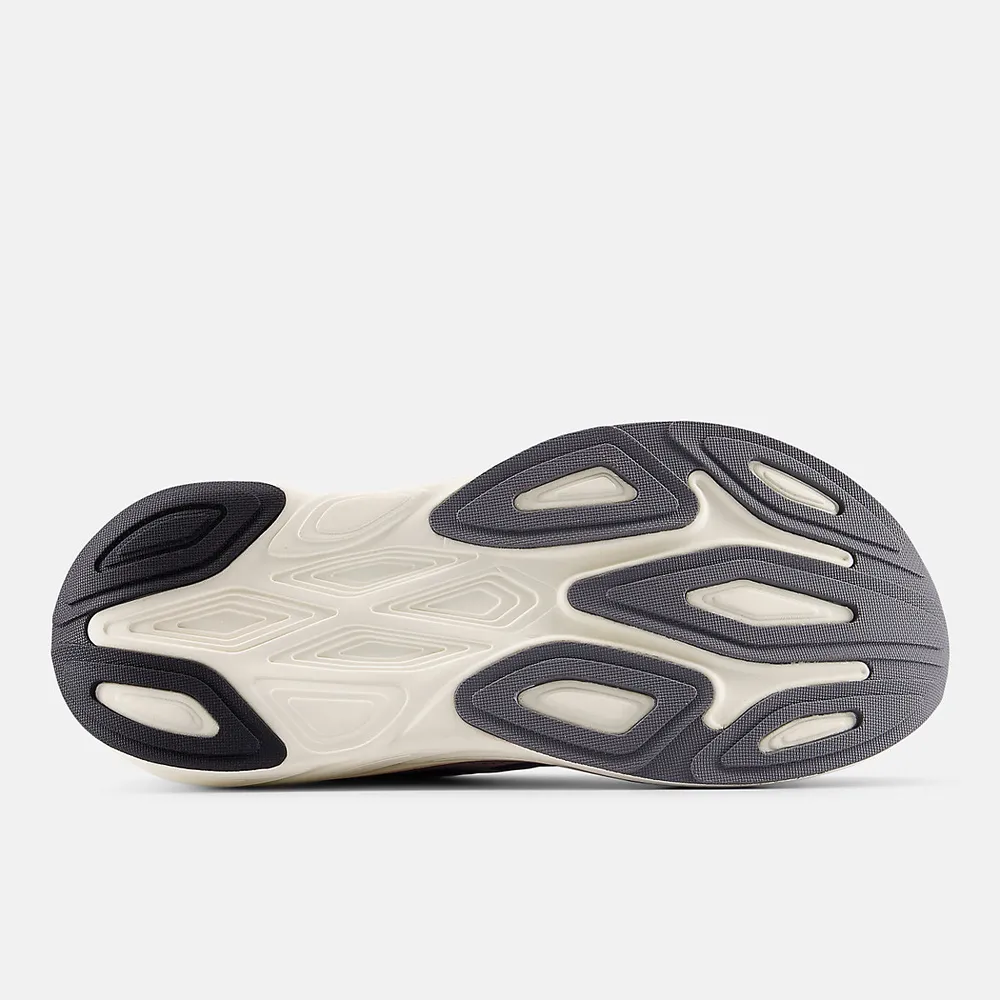
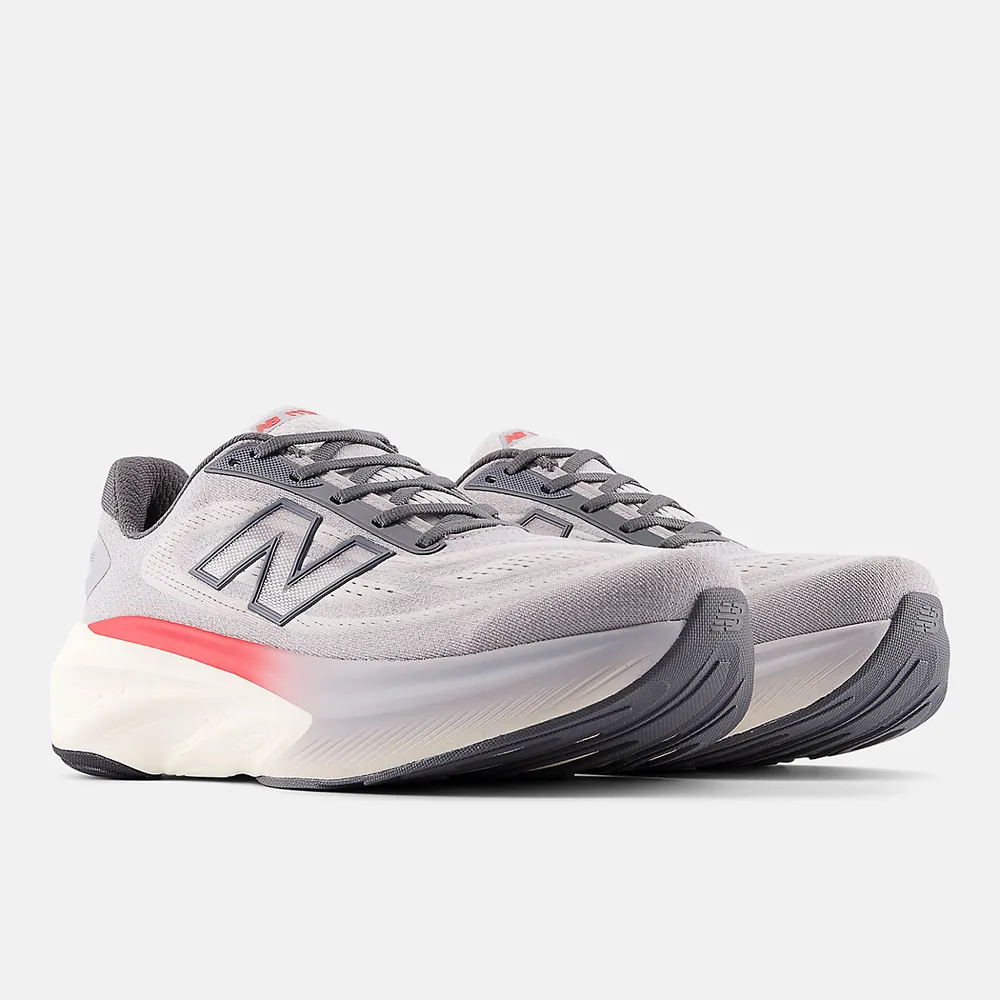
Images: New Balance official product photos
7. Fresh Foam 680 v9 — Best budget
Best for: runners who want a solid New Balance shoe at the lowest cost in this guide.
- Stack: 30 mm heel / 22 mm forefoot (New Balance); 33.2 / 24.9 mm (RunRepeat lab)
- Drop: 8 mm (New Balance); 8.3 mm (RunRepeat lab)
- Weight: 276 g men’s (New Balance); 258 g (RunRepeat lab)
- Energy return: 54.7% heel / 61.9% forefoot (RunRepeat lab)
- Shock absorption: 128 SA heel / 102 SA forefoot (RunRepeat lab)
- Foam: Fresh Foam with 3% bio-based content
- Flex: 10.8 N (RunRepeat lab)
- Widths: men D, 2E, 4E; women B, D, 2E
The 680 v9 is the budget pick. It costs less than every other shoe here, but it does not feel cheap. RunRepeat measured it at 258 g in the lab — lighter than the 880 v15 and the Evoz v4. Forefoot energy return hit 61.9%, which is solid for a budget shoe.
The trade is bounce at the heel. Heel energy return came in at 54.7%, the lowest in this guide. Forefoot shock absorption is also low at 102 SA. The foam is a budget Fresh Foam with 3% bio-based content, not the premium foam in the 1080 v15. For more budget options, see our guide to the best running shoes for beginners.
Pros:
- Light for a budget shoe (258 g in the lab)
- Good forefoot energy return (61.9%)
- Wide widths to 4E for men, 2E for women
- 3% bio-based foam
Cons:
- Lowest heel energy return here (54.7%).
- Forefoot shock absorption (102 SA) is low.
Skip it if: you want max cushion. Get the More v6 instead.
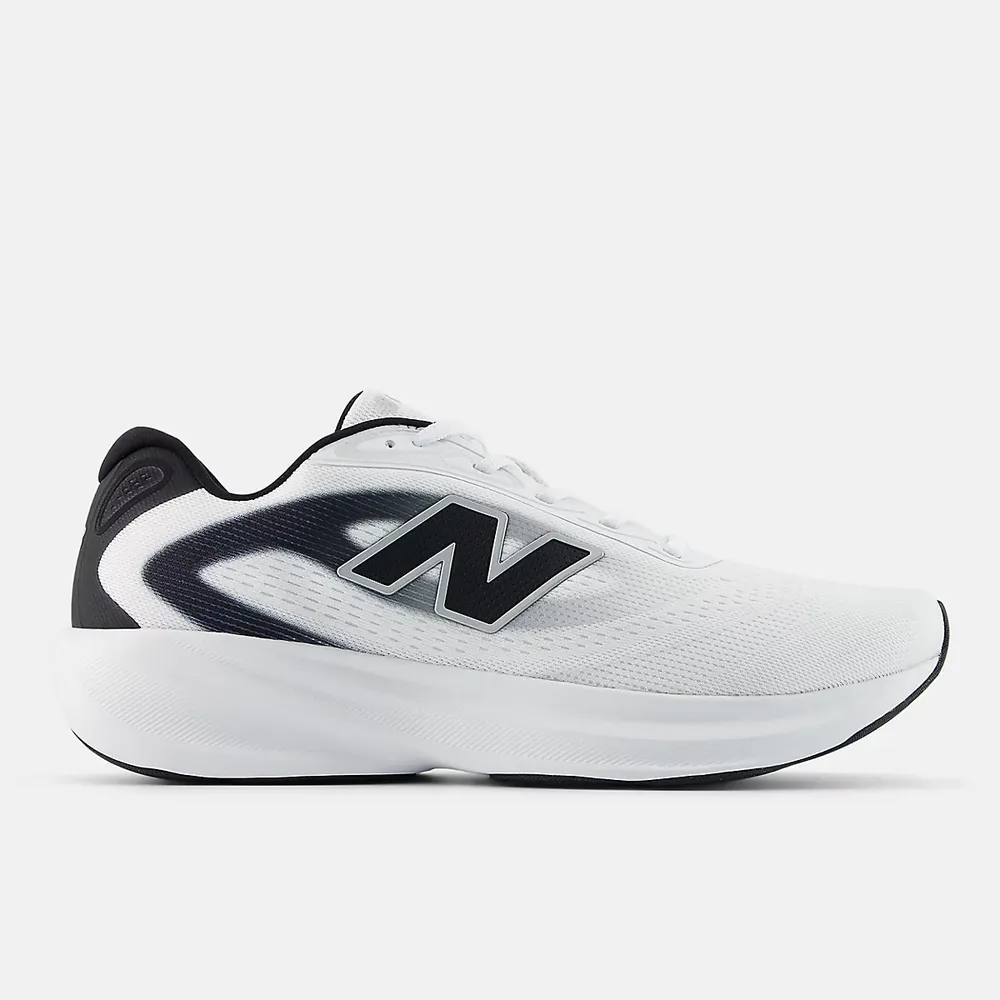
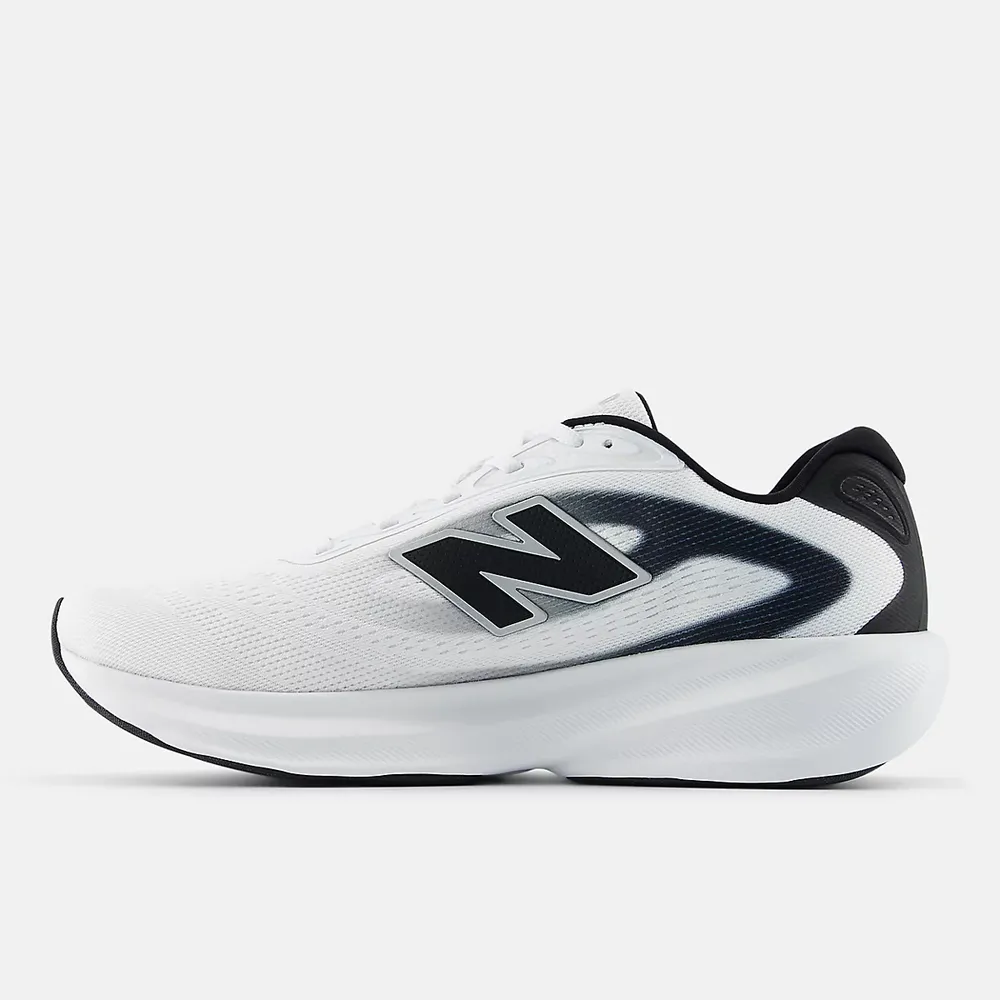
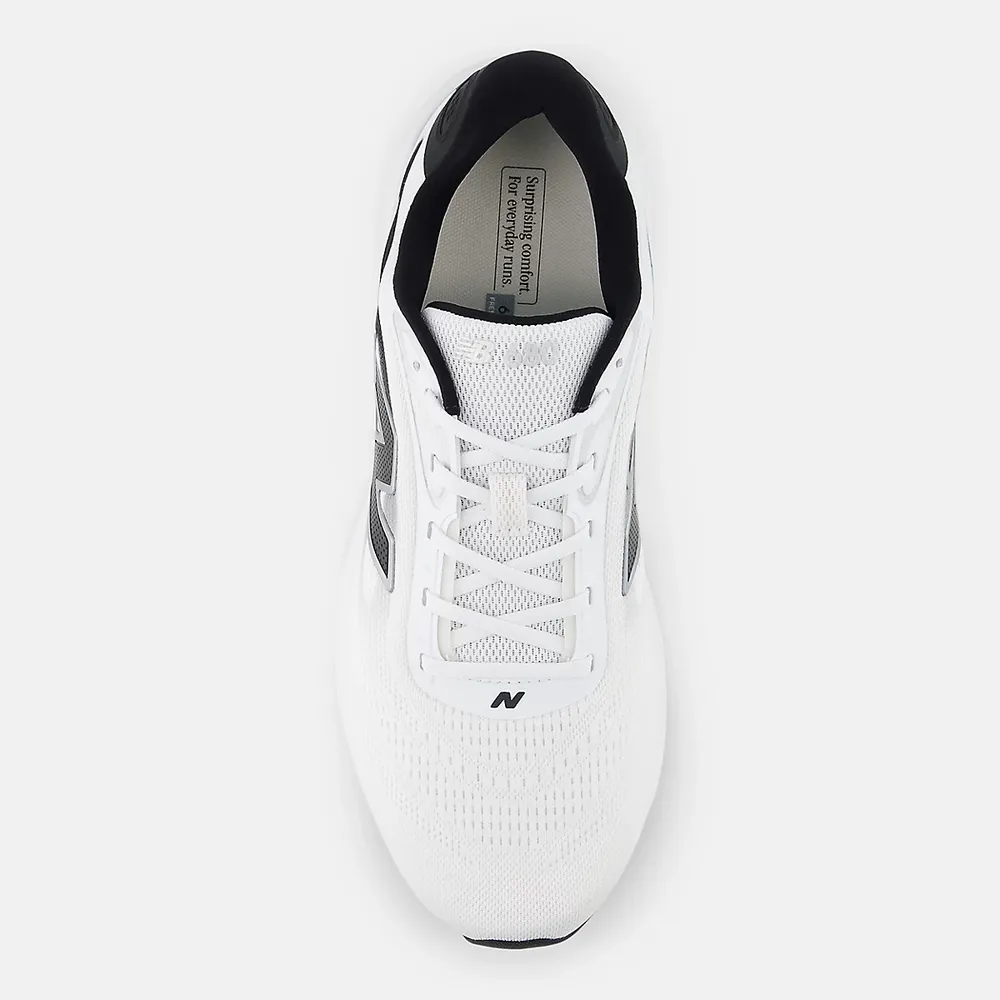
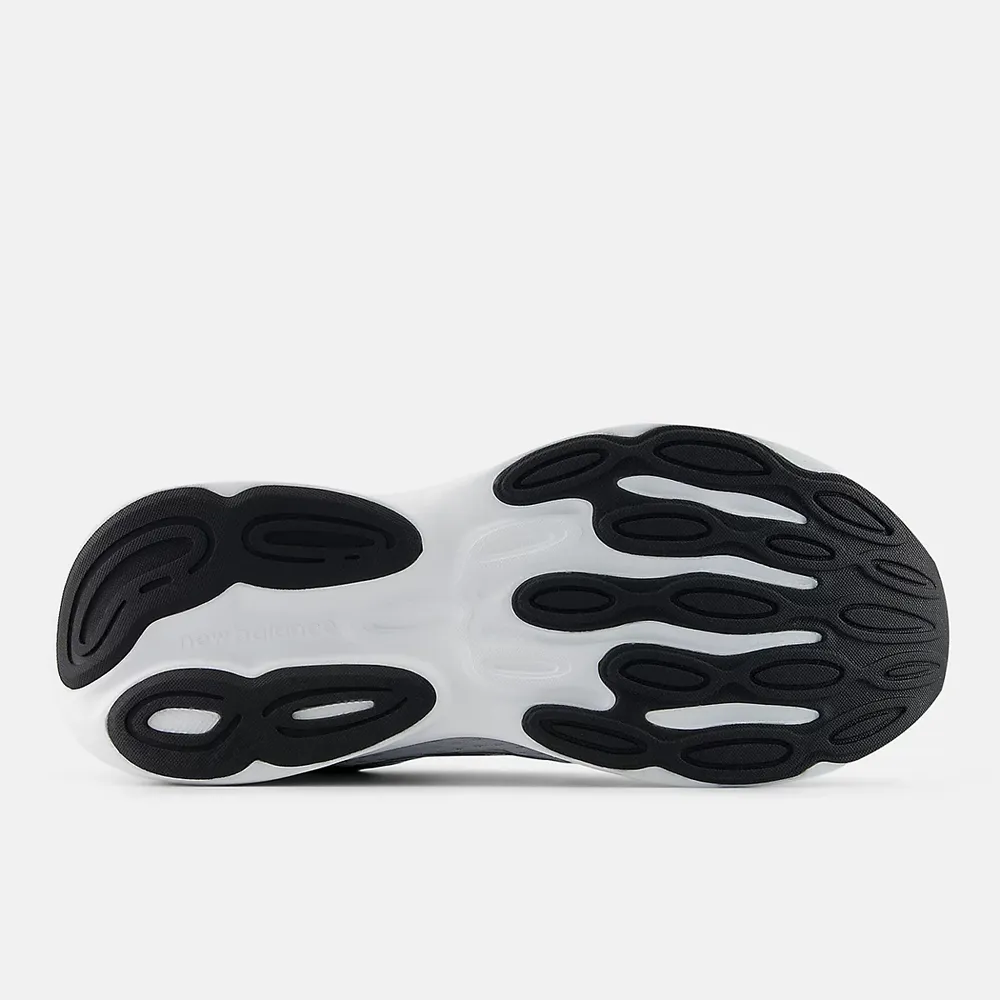
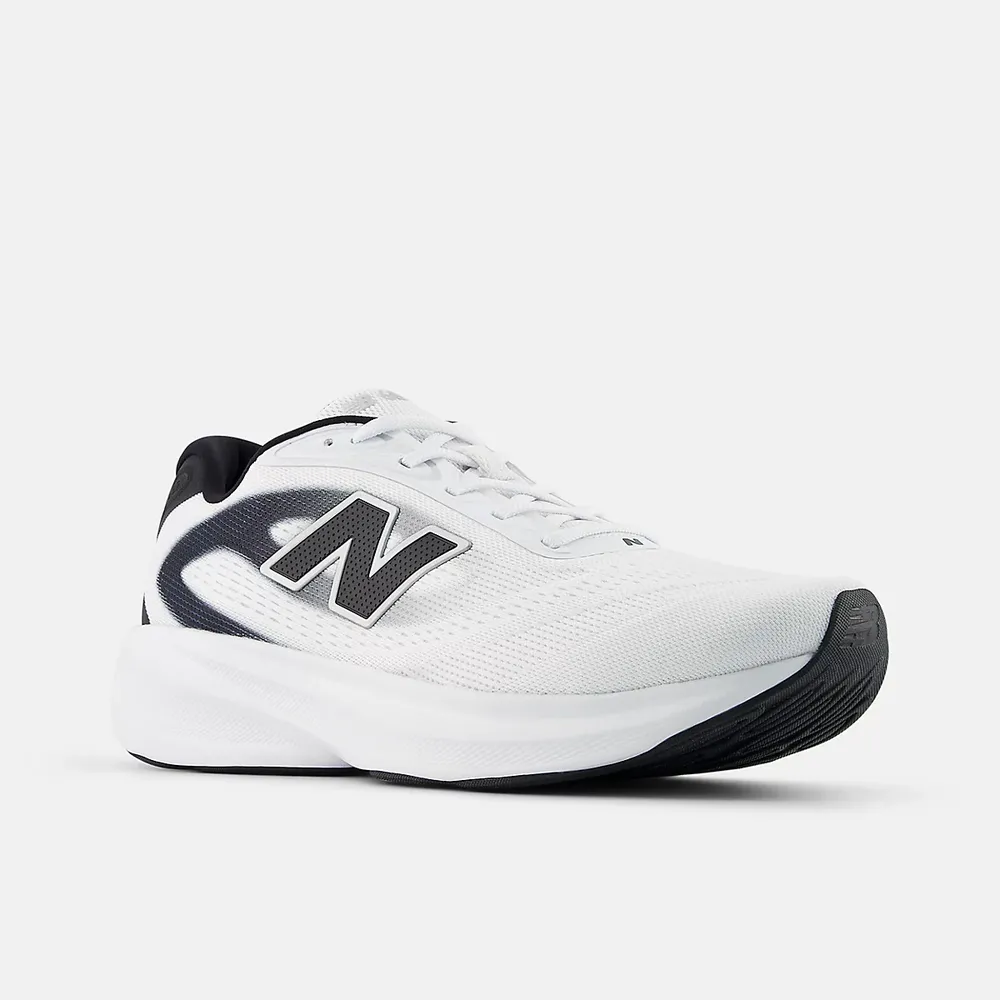
Images: New Balance official product photos
8. Fresh Foam X Hierro v9 — Best trail
Best for: runners who want a cushioned trail shoe with real grip.
- Stack: 37.3 mm heel / 33.1 mm forefoot (RunRepeat lab)
- Drop: 4 mm (New Balance); 4.2 mm (RunRepeat lab)
- Weight: 293 g men’s (New Balance); 309 g (RunRepeat lab)
- Midsole softness: 29.7 AC (RunRepeat lab; category average 35.5 AC; lower is softer)
- Energy return: 61.9% heel / 61.4% forefoot (RunRepeat lab)
- Shock absorption: 131 SA heel / 124 SA forefoot (RunRepeat lab)
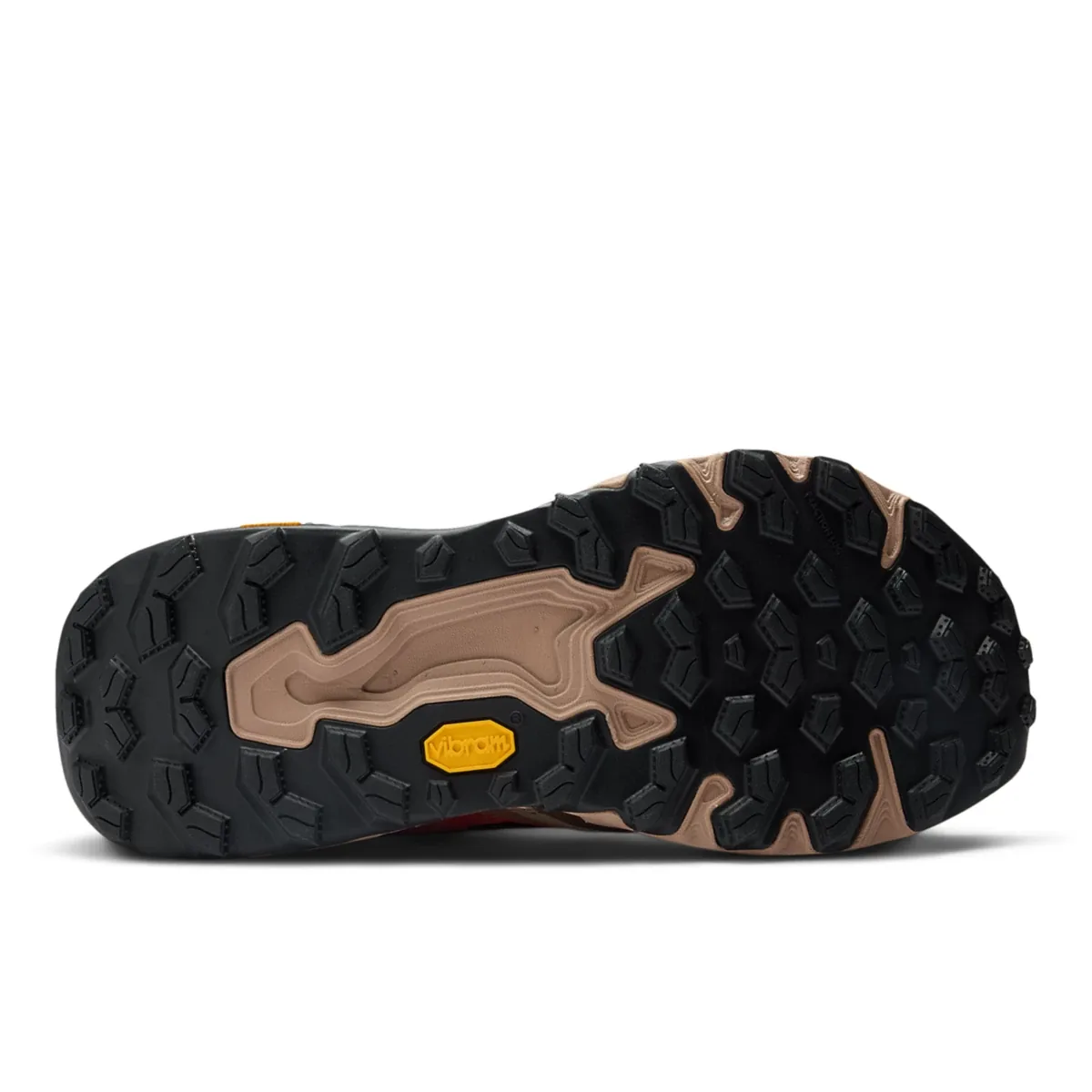
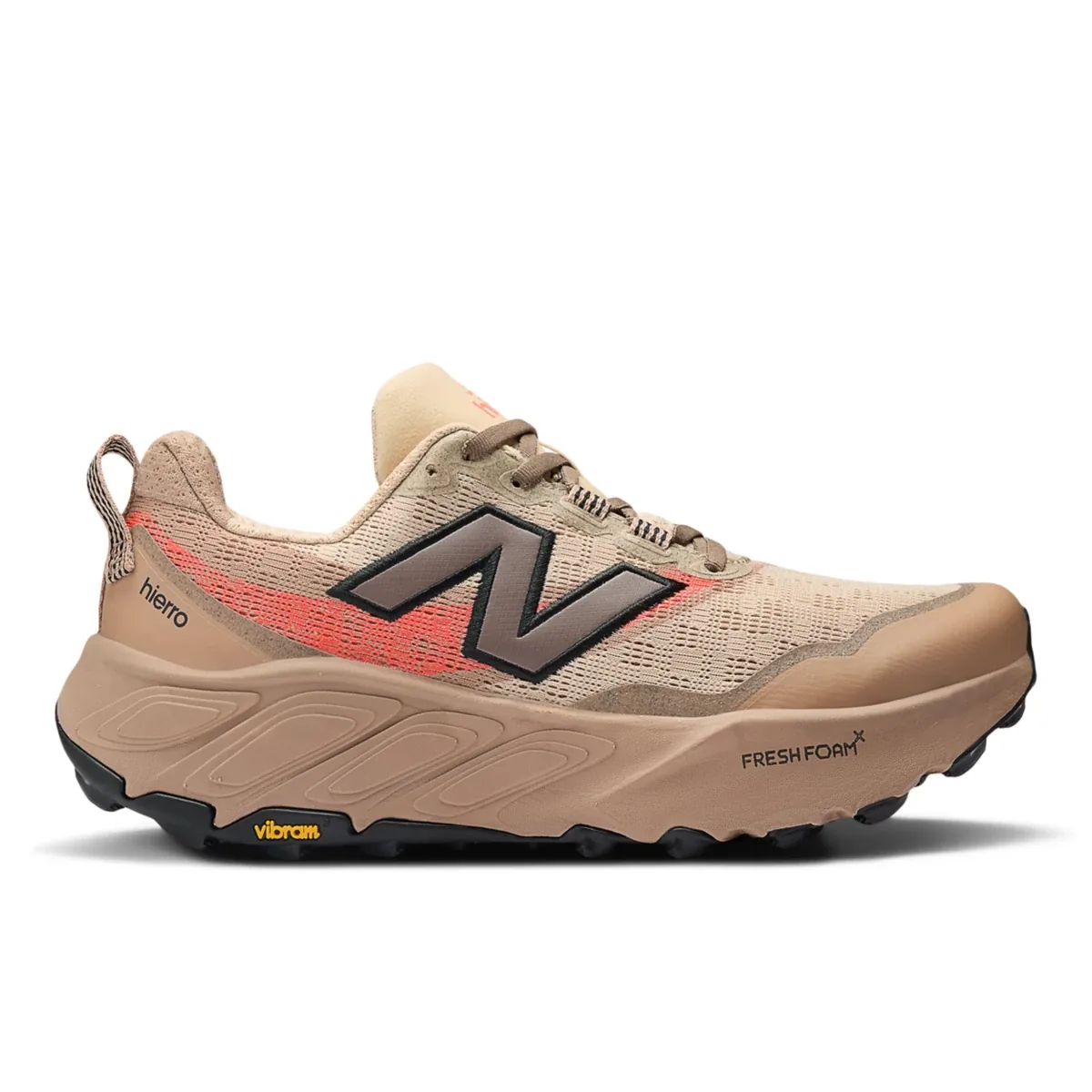
- Outsole: Vibram Megagrip, 6 mm lugs (New Balance)
- Flex: 18.2 N (RunRepeat lab)
- Fit: half size small (RunRepeat)
- Widths: men D, 2E; women B, D, 2E
The Hierro v9 is the only trail shoe in this guide. It pairs a tall 37.3 mm heel stack with a Vibram Megagrip outsole and 6 mm lugs. Energy return is balanced at both ends — 61.9% in the heel and 61.4% in the forefoot.
The trade is weight and fit. At 309 g in the lab, it is heavy for a trail shoe. It also fits half size small, so order up half a size. The women’s version comes in B, D and 2E, which is wide for a trail shoe. For more trail options, see our guide to the best trail running shoes.
Pros:
- Vibram Megagrip outsole with 6 mm lugs
- Balanced energy return at both ends (61.9% / 61.4%)
- Good forefoot shock absorption for a trail shoe (124 SA)
- Women’s 2E available — rare for a trail shoe
Cons:
- Heavy at 309 g in the lab.
- Fits half size small. Order up.
Skip it if: you run only on roads. Get the 1080 v15 instead.
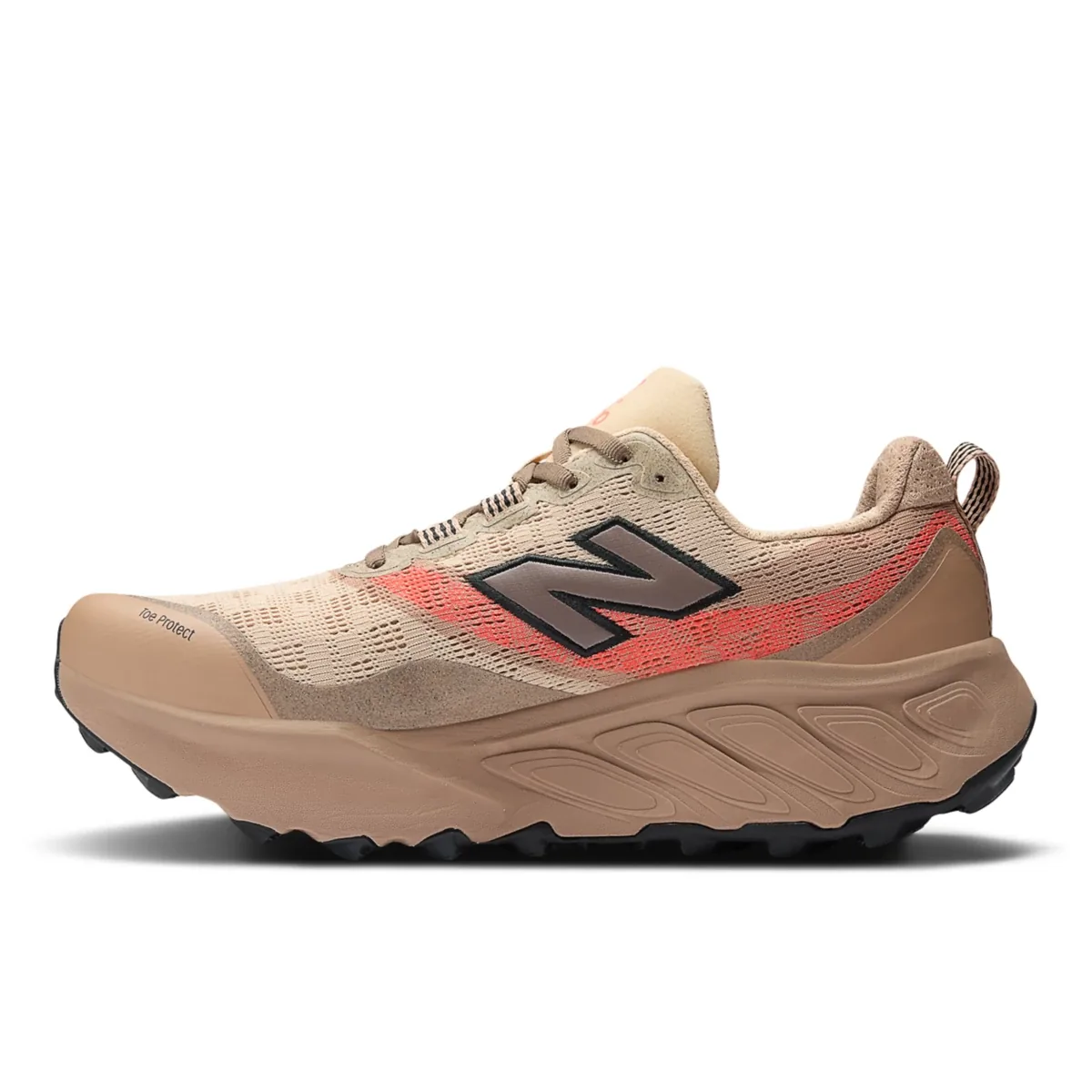
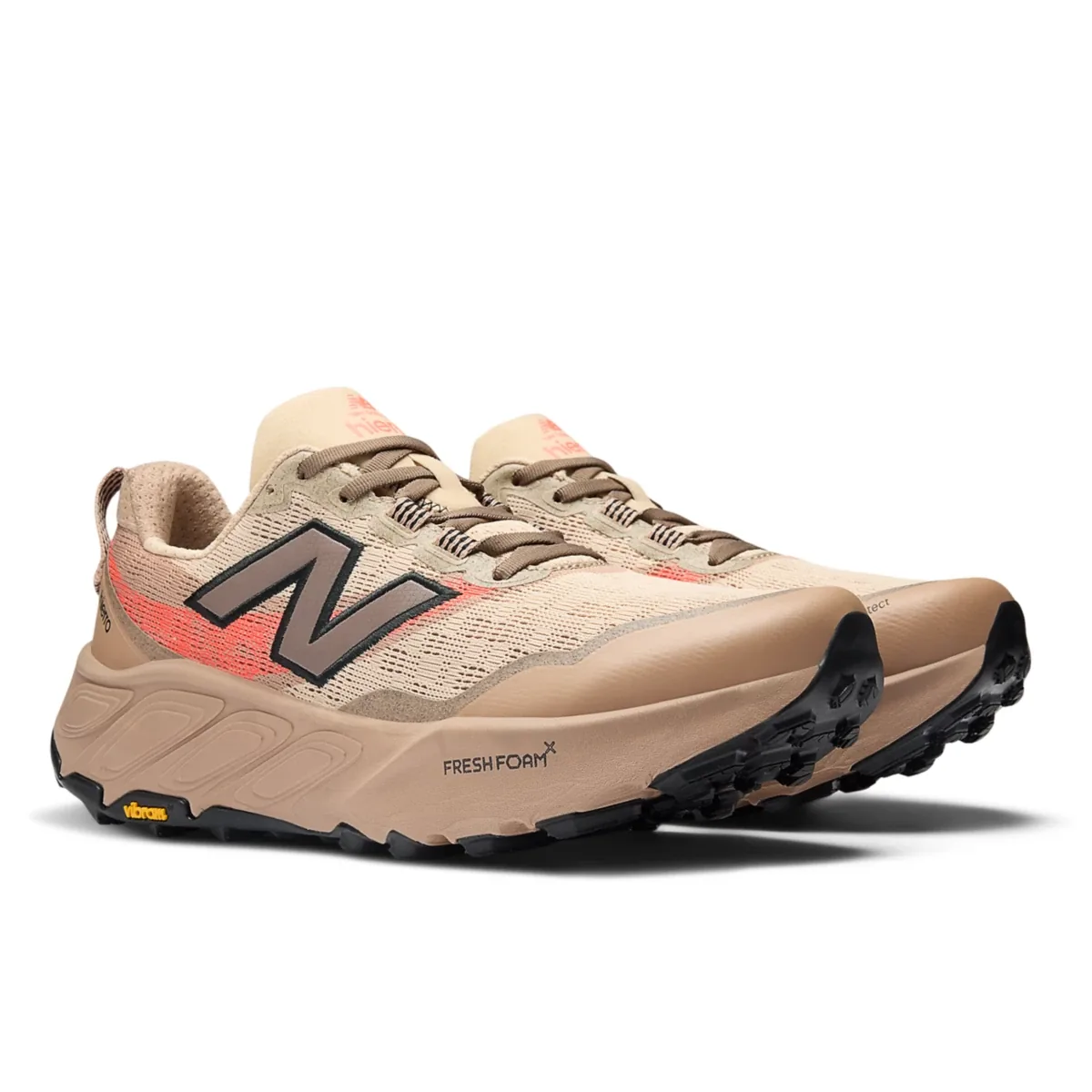
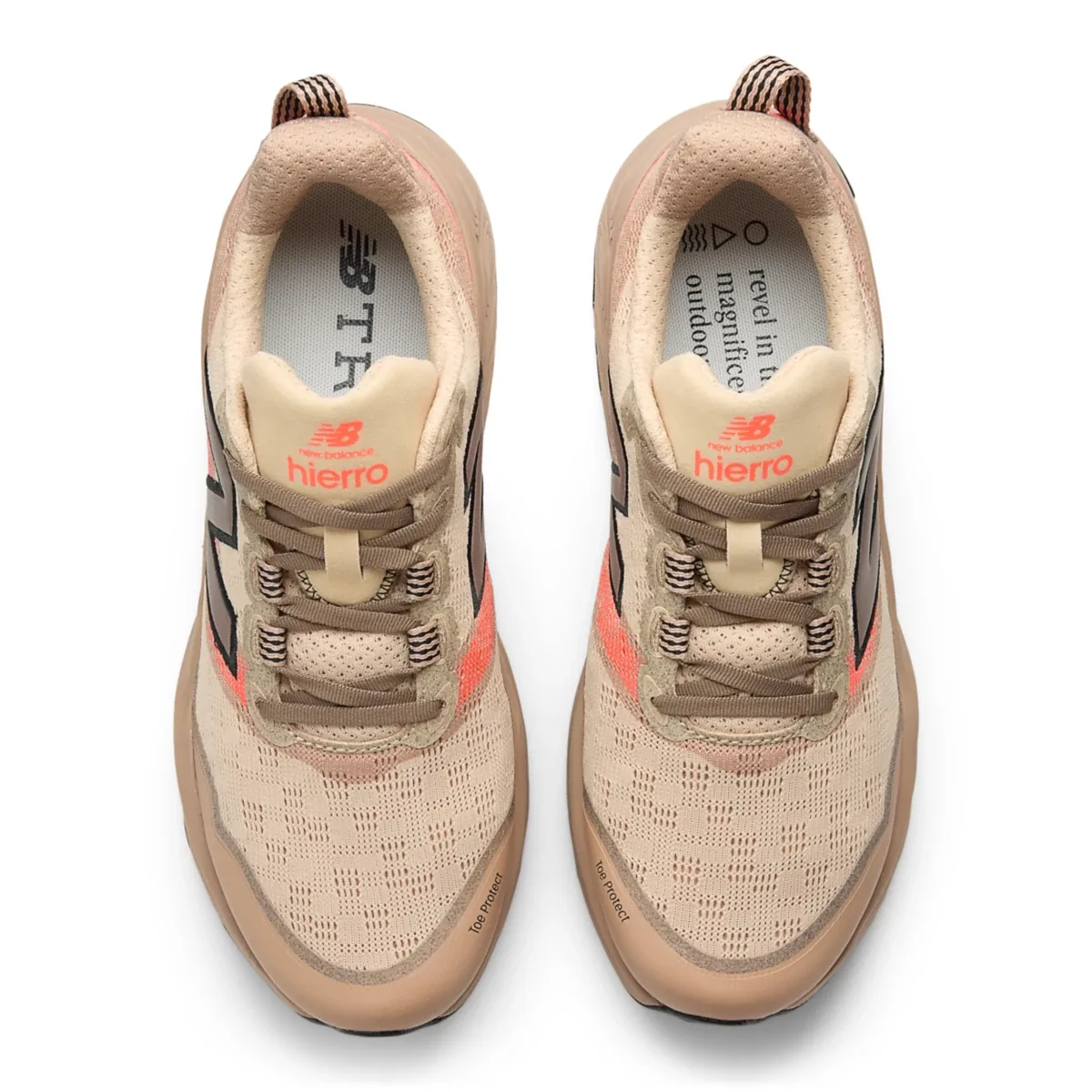
Images: New Balance official product photos
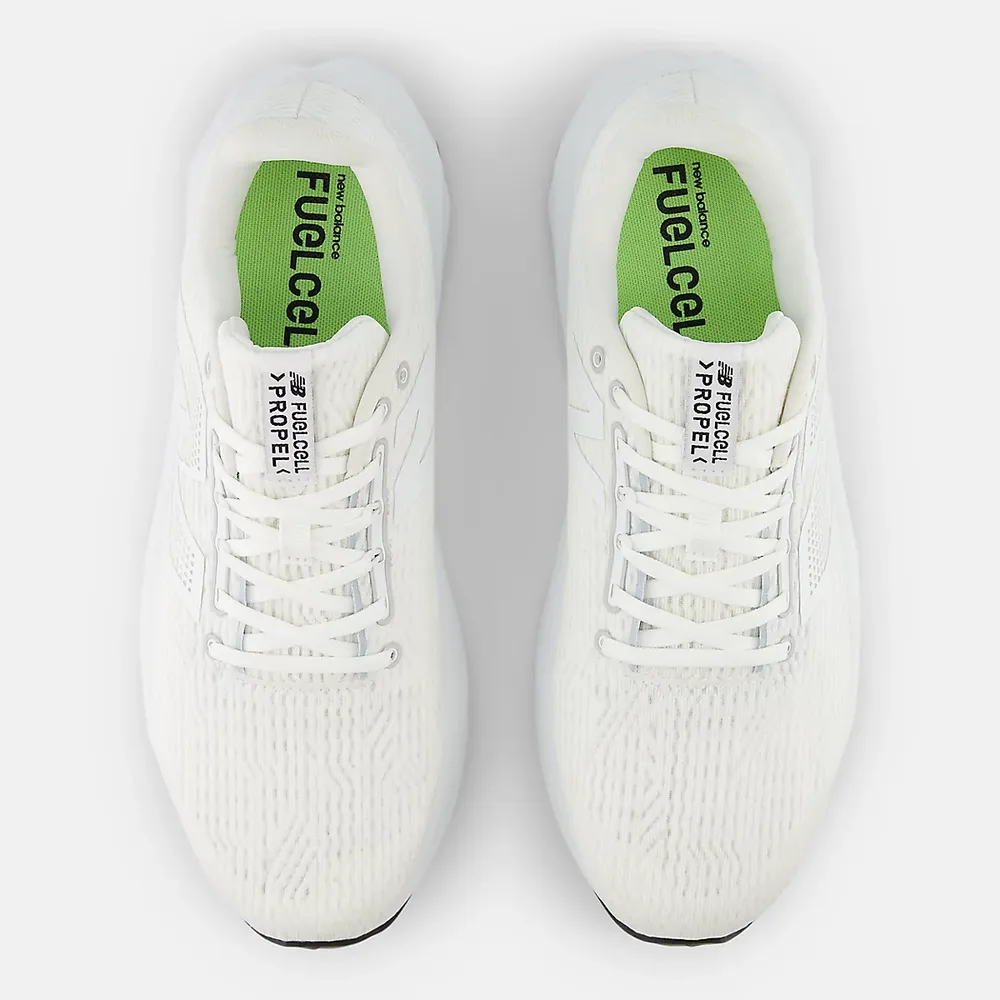
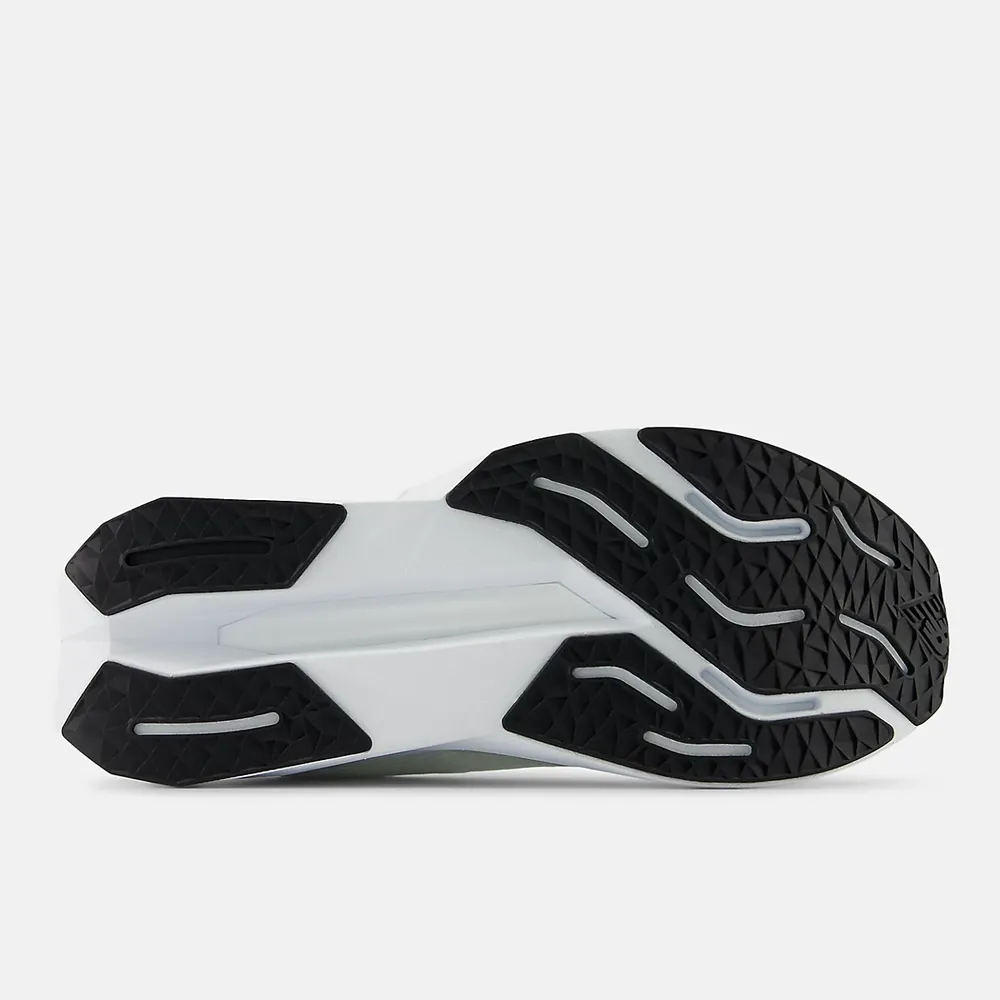
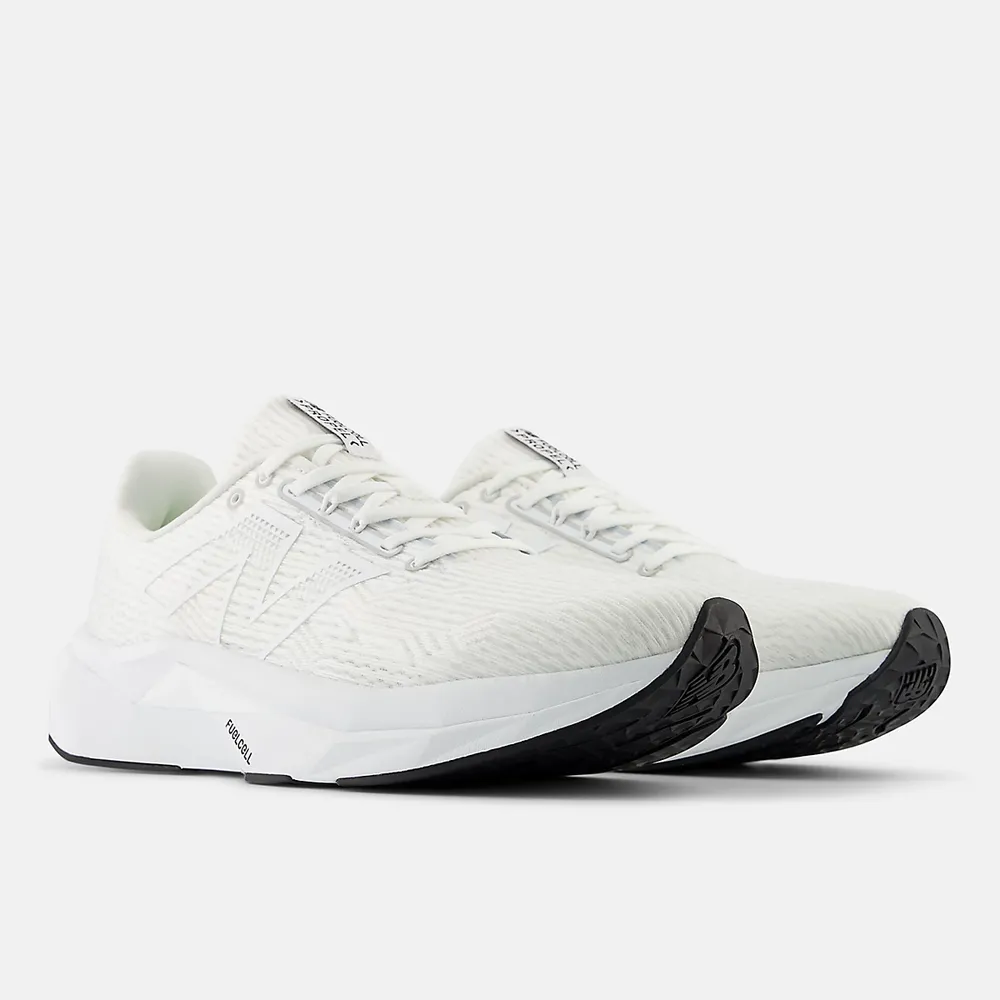
9. FuelCell Propel v5 — Best value tempo
Best for: runners who want a soft, quick shoe without paying race-shoe money.
- Stack: 37 mm heel / 31 mm forefoot (New Balance); 35.2 / 28.5 mm (RunRepeat lab)
- Drop: 6 mm (New Balance); 6.7 mm (RunRepeat lab)
- Weight: 275–280 g men’s (New Balance); 269 g (RunRepeat lab)
- Midsole softness: 24.2 AC (RunRepeat lab; category average 35.5 AC; lower is softer)
- Energy return: 58.2% heel / 62.5% forefoot (RunRepeat lab)
- Shock absorption: 143 SA heel (RunRepeat lab; forefoot not published)
- Plate: partial-length TPU plate
- Traction: 0.42 (RunRepeat lab)
- Fit: slightly small (RunRepeat)
- Toebox width: 93.1 mm (RunRepeat lab)
- Widths: men D, 2E
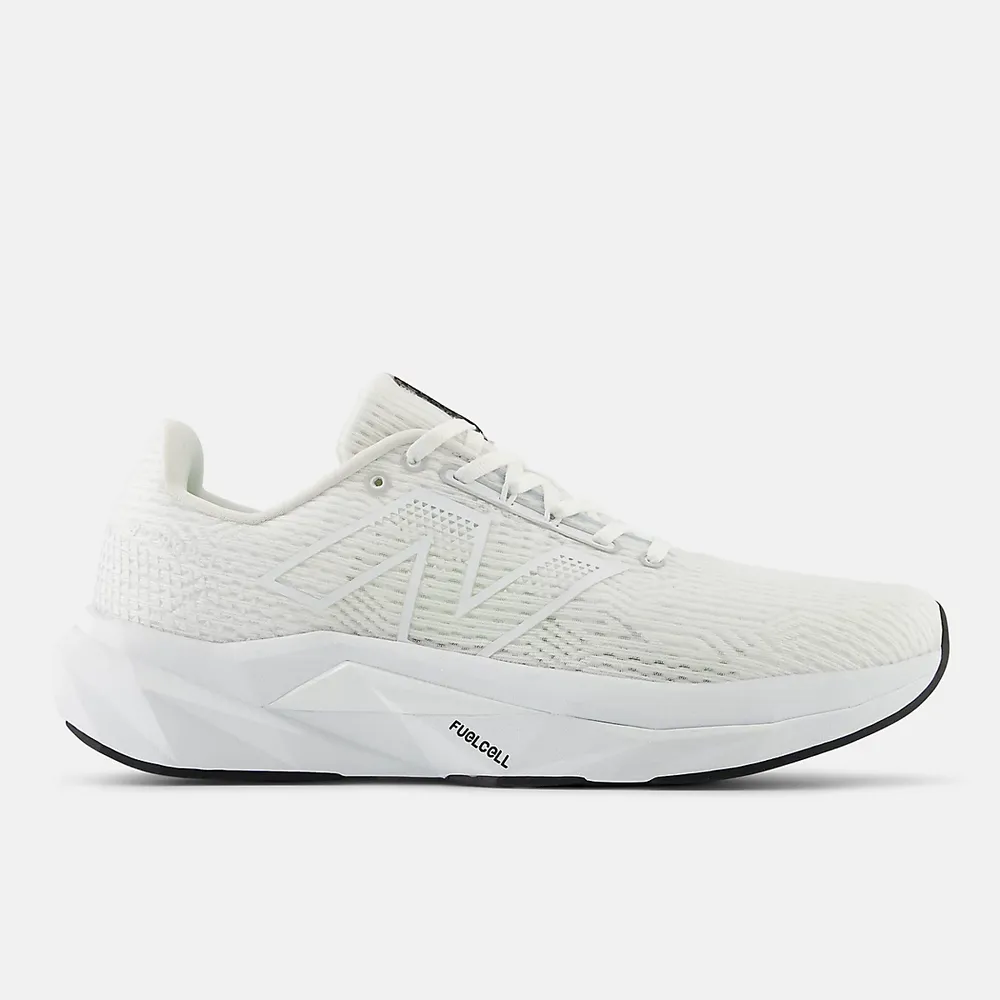
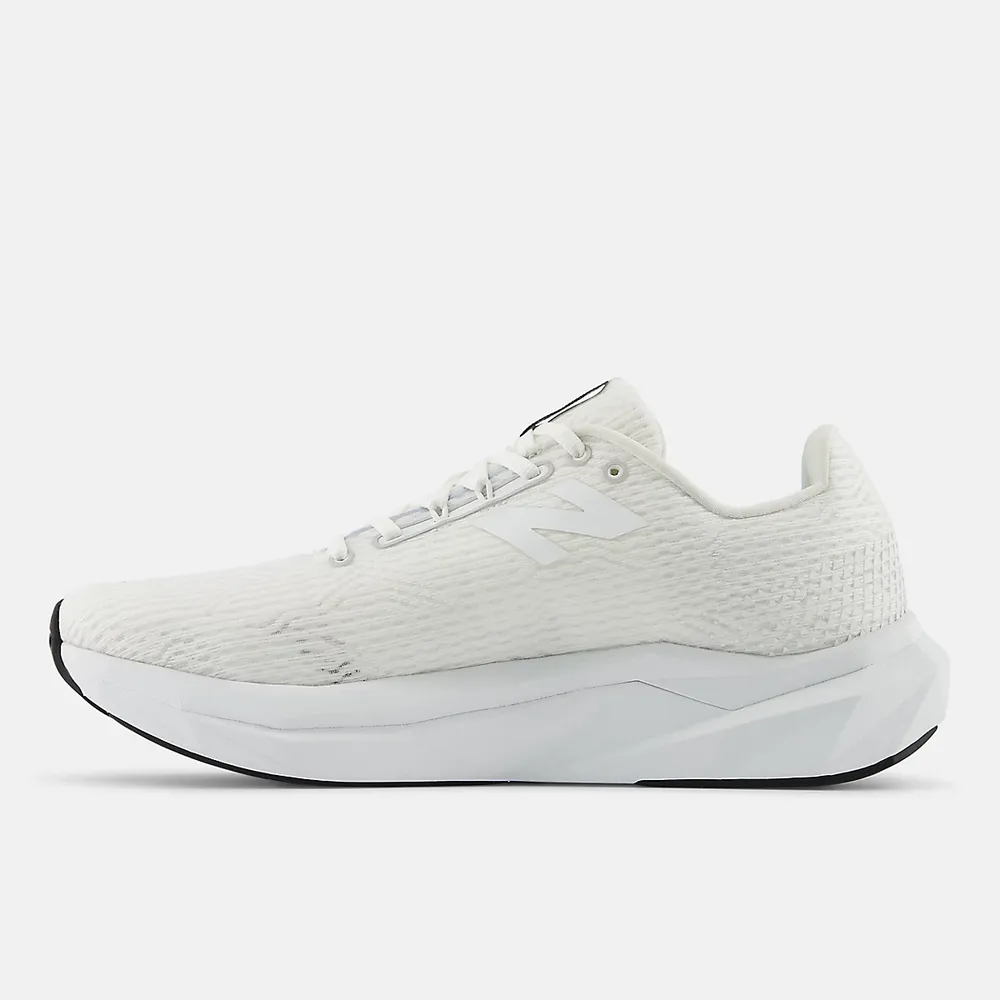
The Propel v5 is the value tempo shoe. Its FuelCell foam measured 24.2 AC in the lab — the second-softest foam in this guide after the 1080 v15. Heel shock absorption hit 143 SA, close to the Rebel v5 and the SC Elite v6. A partial-length TPU plate adds structure without the cost of a carbon plate.
The trade is fit and grip. The toe box measured 93.1 mm wide in the lab, and the shoe fits slightly small. If you need room, try the wide version or size up. Traction scored 0.42, below the category average. For more wide options, see our guide to the best running shoes for wide feet.
Pros:
- Second-softest foam here (24.2 AC)
- High heel shock absorption (143 SA)
- Partial TPU plate adds structure
- Good forefoot energy return (62.5%)
Cons:
- Narrow toe box (93.1 mm wide in the lab) and fits slightly small.
- Traction (0.42) is below average.
Skip it if: you have wide feet and want room. Get the 1080 v15 in 2E or 4E instead.
Images: New Balance official product photos
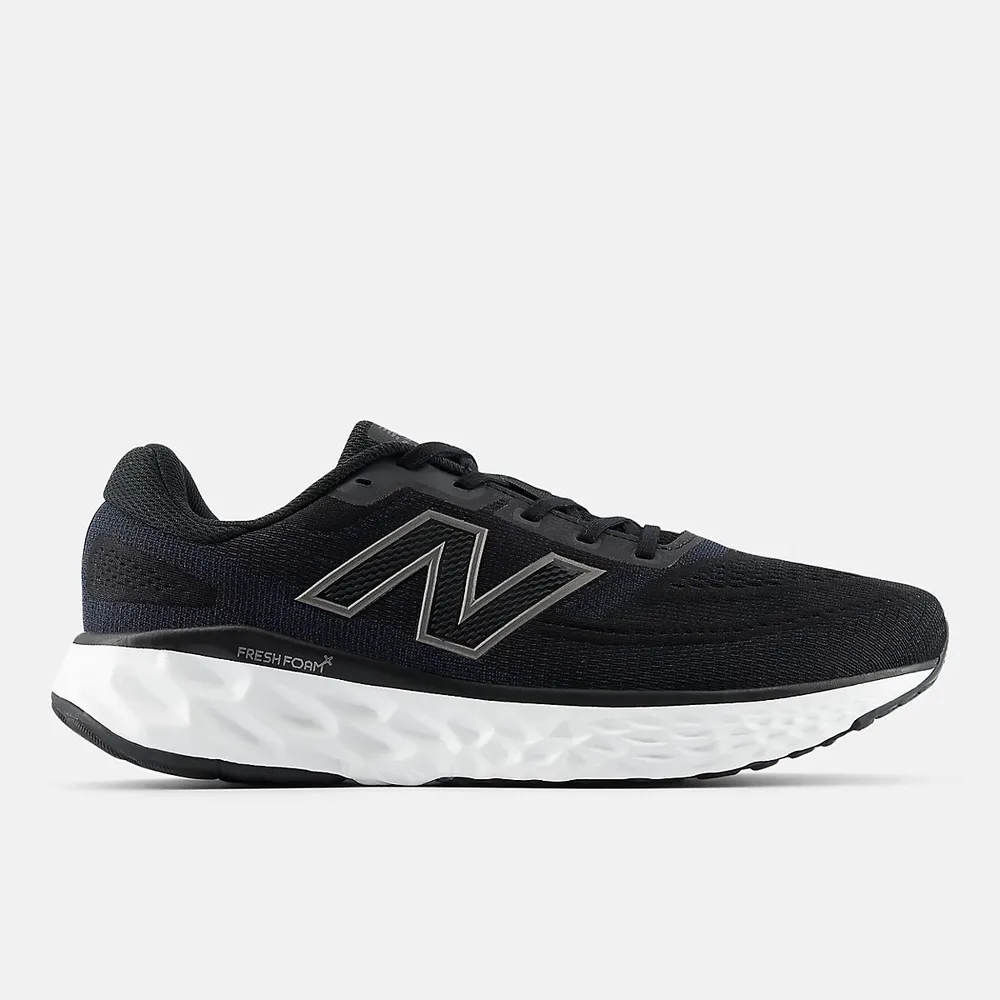
10. Fresh Foam X Evoz v4 — Best for walking and gym days
Best for: walkers and gym-goers who want a stable, budget-friendly New Balance shoe.
- Stack: 32 mm heel / 24 mm forefoot (New Balance); 31.4 / 25.9 mm (RunRepeat lab)
- Drop: 8 mm (New Balance); 5.5 mm (RunRepeat lab)
- Weight: 299–301 g men’s (New Balance); 286 g (RunRepeat lab)
- Midsole softness: 18.6 HA (RunRepeat lab, Shore A scale — a different scale from the AC durometer used for the other shoes; do not compare the two)
- Energy return: 56.2% heel / 62.1% forefoot (RunRepeat lab)
- Shock absorption: 118 SA heel / 97 SA forefoot (RunRepeat lab)
- Flex: 17.4 N (RunRepeat lab)
- Traction: 0.30 (RunRepeat lab)
- Stability: torsional rigidity 4 out of 5; heel counter 5 out of 5 (RunRepeat lab)
- RunRepeat score: 75 out of 100
- Fit: true to size (RunRepeat)
- Widths: men D, 2E; women B, D
The Evoz v4 is the walking and gym pick. It feels stable, not soft. RunRepeat gave it 4 out of 5 for torsional rigidity. Its heel counter scored 5 out of 5 — the firmest in this guide. That structure is why it works for all-day wear and gym sessions.
The trade is cushioning. Shock absorption came in at 118 SA in the heel and 97 SA in the forefoot — the lowest scores in this guide. The foam is an EVA-based, budget version of Fresh Foam X, and the ride feels muted. Wet traction scored 0.30, so it is not the shoe for rainy days. For more walking options, see our guide to the best running shoes for plantar fasciitis.
Pros:
- Stable feel — torsional rigidity 4/5 and a firm 5/5 heel counter
- Good forefoot energy return (62.1%)
- A safe, sensible pick for walking and gym days
- Fits true to size
Cons:
- Weakest shock absorption here (118 / 97 SA).
- Poor wet traction (0.30 in the lab).
Skip it if: you want a plush ride for long runs. Get the 1080 v15 instead.
Images: New Balance official product photos
11. Fresh Foam X 1540v4 — Best motion control
Best for: runners with severe overpronation who need the most support — and the widest fit — New Balance makes.
- Drop: 4 mm (New Balance)
- Weight: not published (New Balance’s own page lists “0 grams” — a data error, so we cite no weight)
- Support: ROLLBAR stability post system, plus two removable inserts
- Seal: APMA Seal of Acceptance
- Made in: USA (70%+ domestic value)
- Upper: engineered knit
- Lab data: no RunRepeat test — stack, shock absorption, energy return and softness are not published
- Widths: men D, 2E, 4E, 6E; women B, D, 2E, 4E
The 1540v4 is the motion-control pick. It is the only shoe in this guide with a 6E width — the widest fit New Balance sells. The ROLLBAR post system sits under the arch and resists roll, and two removable inserts let you tune the support. It carries the APMA Seal of Acceptance, and it is made in the USA.
There are two gaps. No independent lab has tested the 1540v4, so we have no stack, shock absorption or energy return numbers for it. New Balance also publishes no weight — its own page lists “0 grams”, which is a data error. The 4 mm drop is also much lower than most motion-control shoes, so the transition can feel flat at first. For more support options, see our guide to the best running shoes for flat feet.
Pros:
- Only 6E option in this guide — the widest fit New Balance sells
- ROLLBAR post and two removable inserts for control
- APMA Seal of Acceptance
- Made in the USA
Cons:
- No lab test data, so cushioning is unverified by an independent lab.
- The 4 mm drop is much lower than most motion-control shoes, so the transition can feel flat at first.
Skip it if: you are a neutral runner. Get the 1080 v15 instead. Motion control is for severe overpronation.
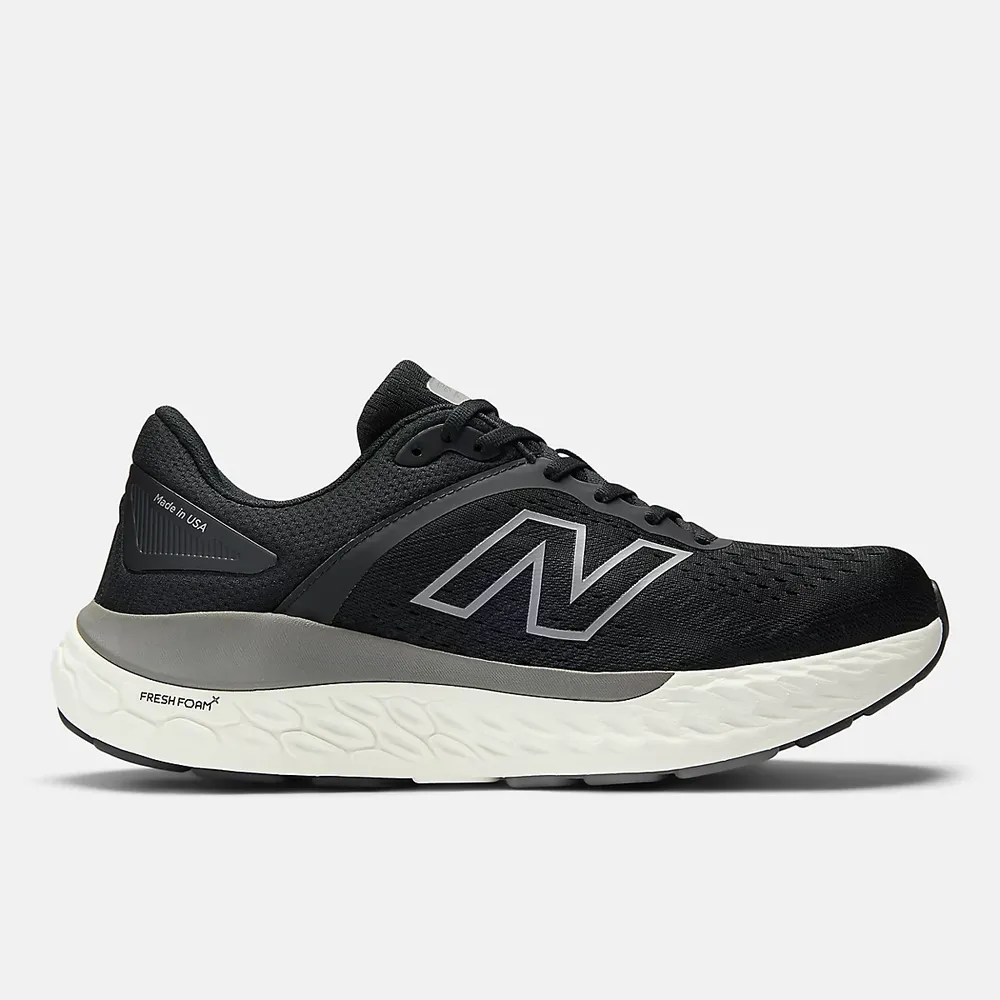
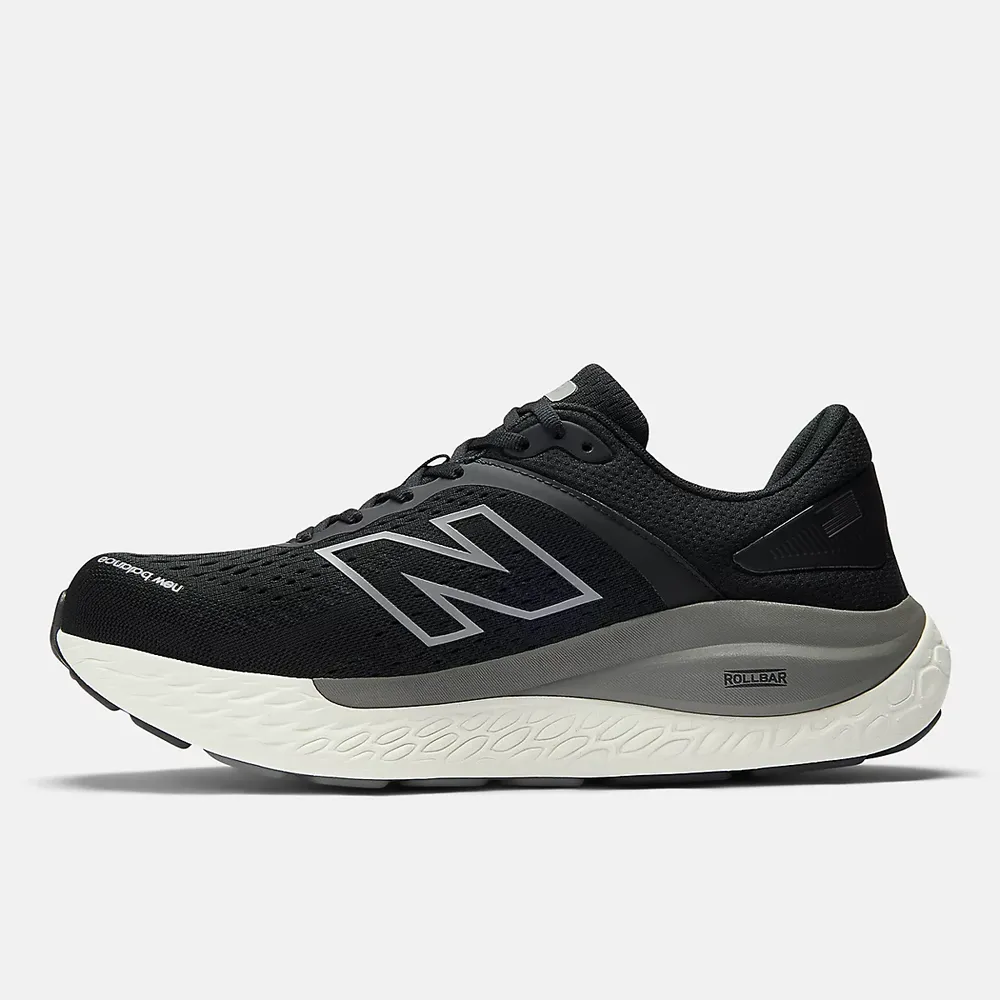
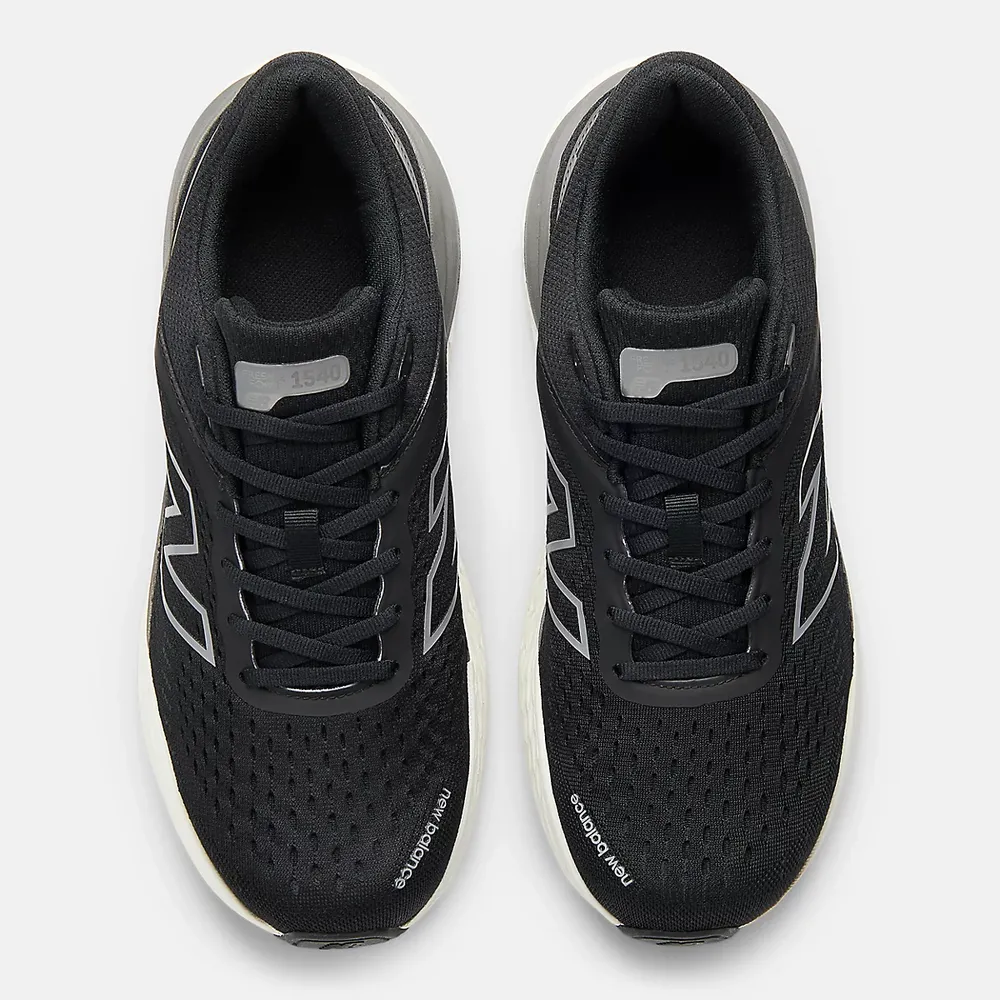
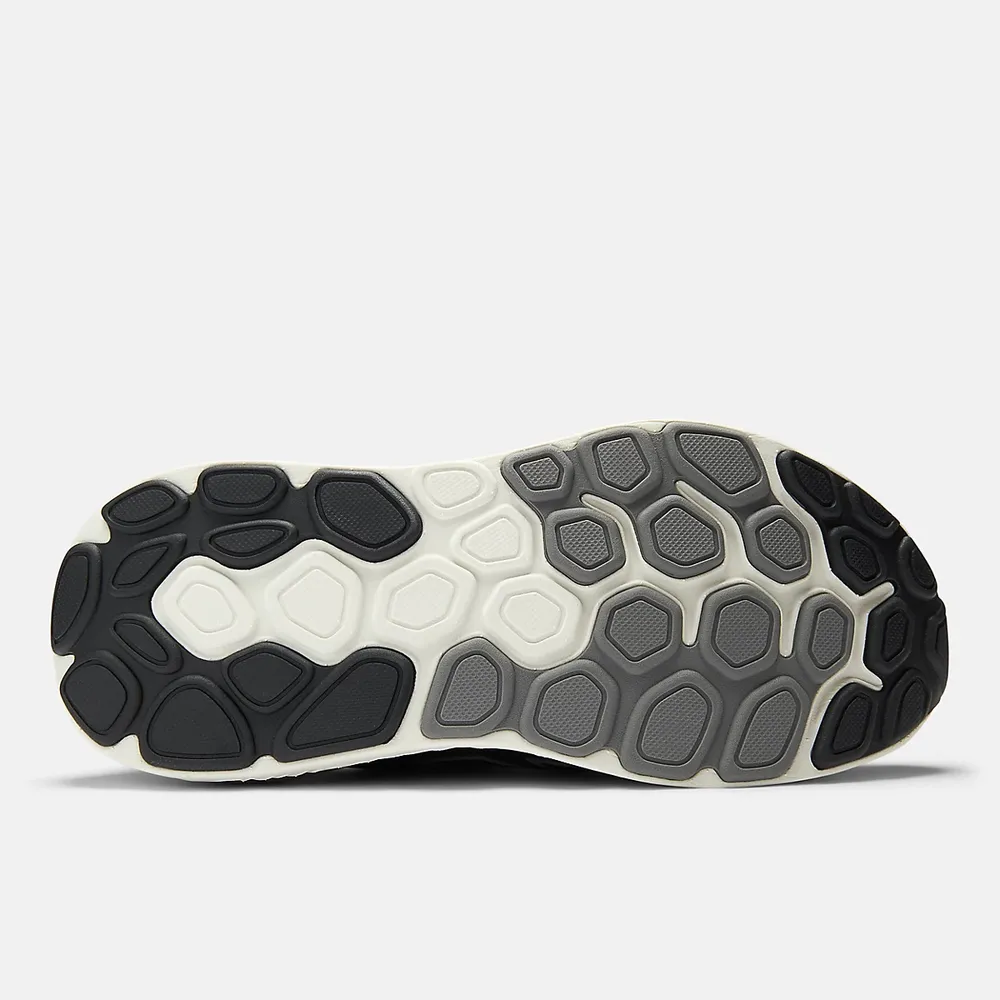
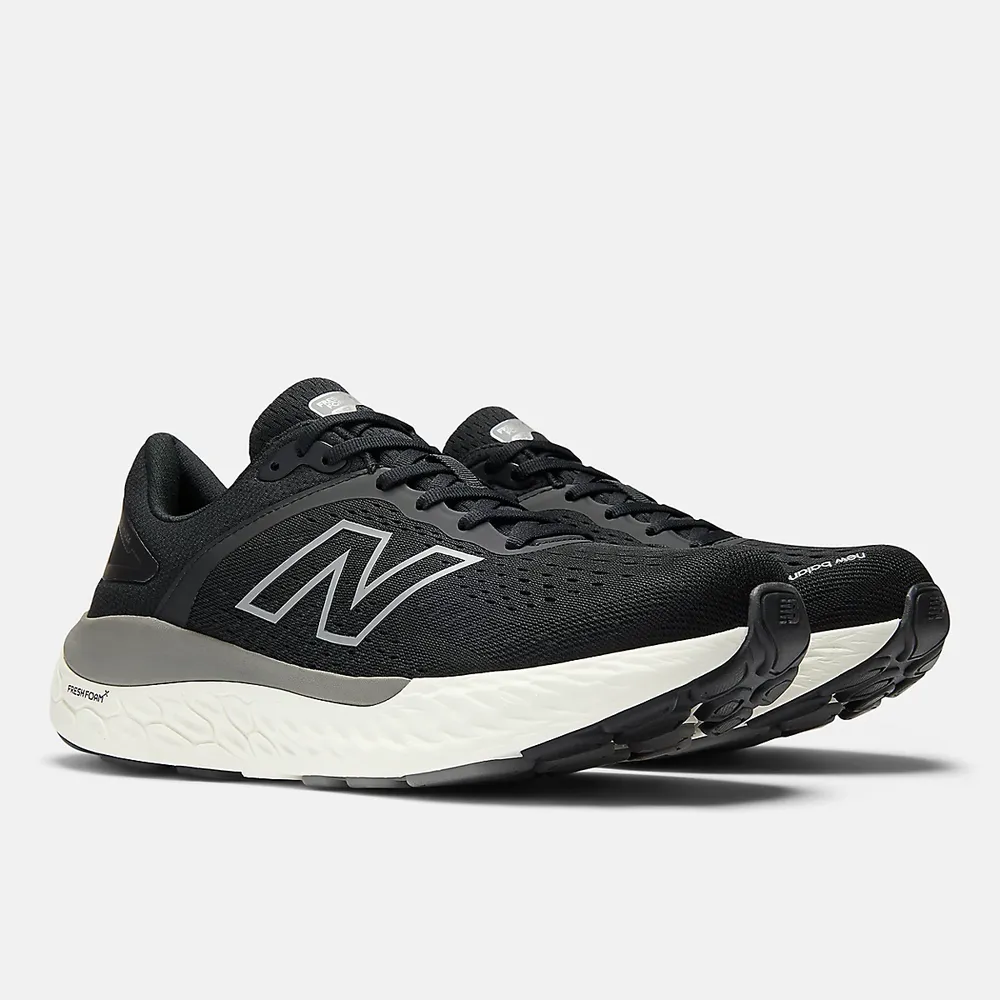
Images: New Balance official product photos
New Balance running shoes compared side by side
| Shoe | Stack lab (brand) | Drop lab (brand) | Weight lab (brand) | Shock absorption heel / fore | Energy return heel / fore | Softness |
|---|---|---|---|---|---|---|
| 1080 v15 | 37.0 / 30.6 mm (40 / 34) | 6.4 mm (6) | 255 g (261 g) | 147 / 126 SA | 65.9% / 69.1% | 21.5 AC |
| 880 v15 * | 39.4 mm heel | 7.3 mm (6) | 286.6 g (299 g) | n/a | n/a | n/a |
| 860 v15 | 39.7 / 32.1 mm (40 / 34) | 7.6 mm (6) | 332 g (331 g) | 134 / 127 SA | 57.5% / 65.2% | 25.8 AC |
| Rebel v5 | 33.0 / 26.7 mm (35 / 29) | 6.3 mm (6) | 220 g (223–225 g) | 145 / 105 SA | 59.8% / 67.3% | 25.9 AC |
| SC Elite v6 | 38.5 / 24.6 mm (40 / 32) | 13.9 mm (8) | 190 g (198 g) | 148 / 101 SA | 75.3% / 79.4% | 30.5 AC |
| More v6 | 41.8 / 38.5 mm (44 / 40) | 3.3 mm (4) | 302 g (306 g) | 152 / 144 SA | 60.1% / 58.8% | 27.5 AC |
| 680 v9 | 33.2 / 24.9 mm (30 / 22) | 8.3 mm (8) | 258 g (276 g) | 128 / 102 SA | 54.7% / 61.9% | n/a |
| Hierro v9 | 37.3 / 33.1 mm | 4.2 mm (4) | 309 g (293 g) | 131 / 124 SA | 61.9% / 61.4% | 29.7 AC |
| Propel v5 | 35.2 / 28.5 mm (37 / 31) | 6.7 mm (6) | 269 g (275–280 g) | 143 SA heel | 58.2% / 62.5% | 24.2 AC |
| Evoz v4 | 31.4 / 25.9 mm (32 / 24) | 5.5 mm (8) | 286 g (299–301 g) | 118 / 97 SA | 56.2% / 62.1% | 18.6 HA † |
| 1540v4 | n/a | 4 mm (brand) | n/a | n/a | n/a | n/a |
* 880 v15 figures are RTINGS lab measurements. All other lab figures are RunRepeat. † Evoz v4 softness is 18.6 HA (Shore A, EVA scale) — a different scale from the AC durometer. Do not compare the two. “n/a” means no lab test exists, not a zero. SA is shock absorption. Lower AC means softer foam.
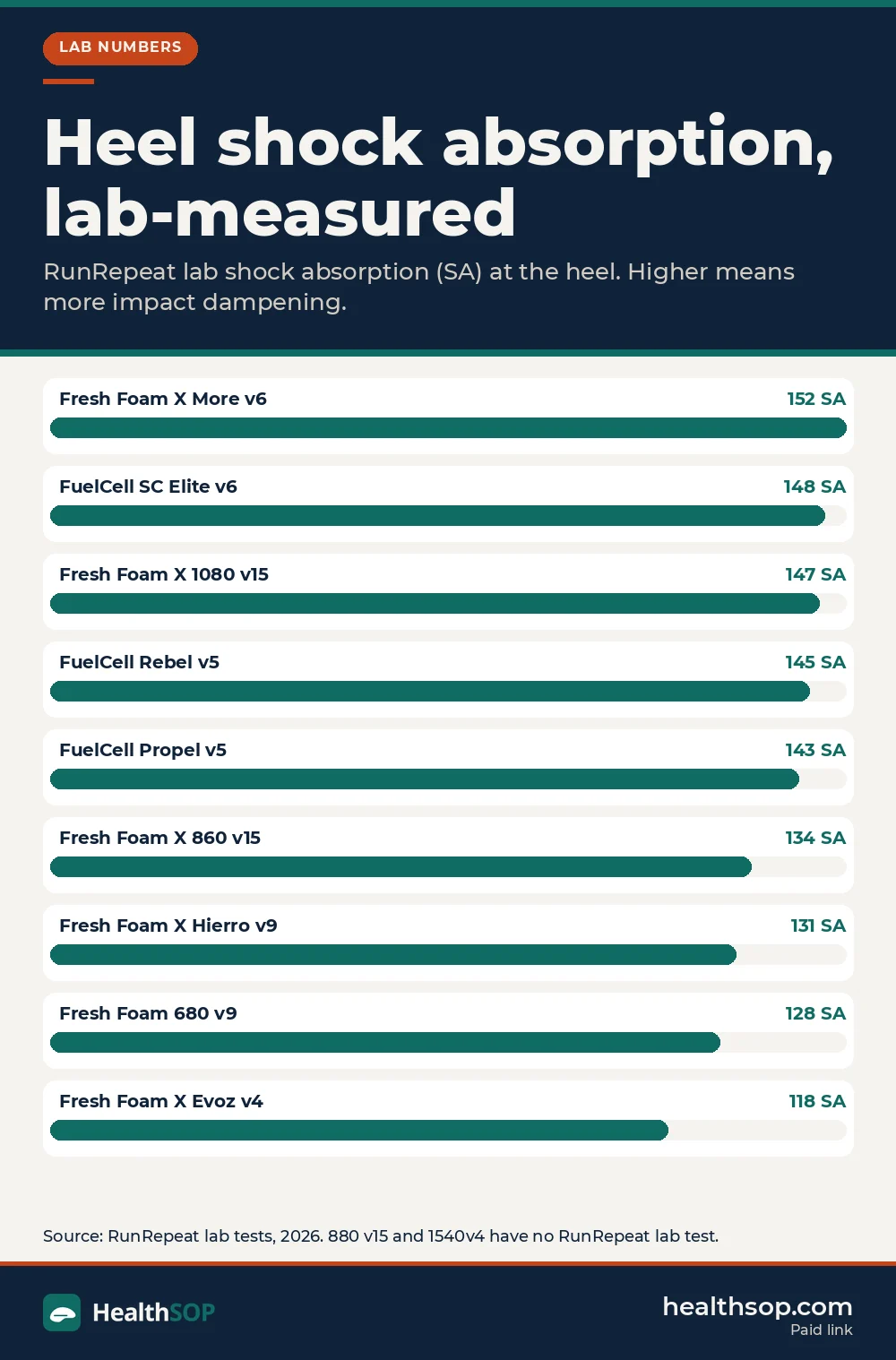
Heel shock absorption (SA) for the 9 RunRepeat-tested shoes, highest first. The 880 v15 and the 1540v4 have no RunRepeat lab test. Source: RunRepeat lab tests, 2026.
The New Balance width map
New Balance sells the widest size run of any mainstream brand. This table lists every width each shoe comes in, for men and women. B is narrow for men and standard for women. D is standard for men and wide for women. 2E is wide for men and extra-wide for women. 4E is extra-wide for men. 6E is the widest fit New Balance sells.
| Model | Men | Women |
|---|---|---|
| 1080 v15 | B, D, 2E, 4E | 2A, B, D, 2E |
| 880 v15 | B, D, 2E, 4E | 2A, B, D, 2E |
| 860 v15 | B, D, 2E, 4E | 2A, B, D, 2E |
| Rebel v5 | D, 2E | B, D |
| SC Elite v6 | D, 2E | B, D |
| More v6 | D, 2E, 4E | B, D, 2E |
| 680 v9 | D, 2E, 4E | B, D, 2E |
| Hierro v9 | D, 2E | B, D, 2E |
| Propel v5 | D, 2E | B, D |
| Evoz v4 | D, 2E | B, D |
| 1540v4 | D, 2E, 4E, 6E | B, D, 2E, 4E |
Widths are New Balance’s listed options for each model. Check the brand page for your colourway, because not every width ships in every colour. If your feet are wide, start with the best running shoes for wide feet and the best running shoes with a wide toe box.
How we chose these shoes
We started with the brief’s 8 picks and checked each one against Amazon. A shoe only made the list if it had a confirmed Amazon listing. If a brief pick had no listing, we swapped it for an Amazon-available shoe in the same category. The FuelCell SC Elite v6 is the clearest case. It launched in August 2026, and it is on Amazon now, so the current model takes its place in the guide.
We also considered the New Balance Ellipse, a 2026 release that Runner’s World and The Run Testers both list. It did not make the 11 — the Rebel v5 and the SC Elite v6 already cover the light tempo and race roles.
We then read the lab data. RunRepeat cuts shoes in half and measures stack, drop, weight, shock absorption, energy return and softness in its lab. RTINGS supplied the 880 v15 figures, because RunRepeat has not tested that shoe. Where the lab and the brand disagree, we show both numbers. The 1540v4 has no lab test at all, so we say so instead of guessing.
We also checked fit. New Balance lists widths for every model, and we put them in the width map above. A shoe that fits is worth more than a shoe with a good lab score. That point has research behind it. A 2022 Cochrane Review found no clear evidence that one shoe type prevents injuries better than another (Relph et al., 2022). Fit and comfort matter more than the label on the box. Nigg et al. (2015) made the same point: comfort is the filter that matters most.
Which shoe should you pick?
| If you want… | Get… |
|---|---|
| The best all-round New Balance shoe | 1080 v15 |
| A daily trainer for high mileage | 880 v15 |
| Support for feet that roll inward | 860 v15 |
| A light shoe for faster days | Rebel v5 |
| A race shoe | SC Elite v6 |
| The most cushion underfoot | More v6 |
| The lowest cost | 680 v9 |
| A trail shoe | Hierro v9 |
| A soft tempo shoe at a fair cost | Propel v5 |
| A shoe for walking and gym days | Evoz v4 |
| The most support, or a 6E width | 1540v4 |
If you are training for a marathon, the 1080 v15 and the SC Elite v6 are the picks here. The 1080 covers long training miles. The SC Elite is the race-day shoe. For a half marathon, the Rebel v5 is the light, fast pick. For speed and track work, the SC Elite v6 and the Rebel v5 are the fastest shoes in this guide. There is no dedicated track-spike pick here.
If you are new to running, read our guide to the best running shoes for beginners first. If you run heavy, see our guide to the best running shoes for heavy men.
Frequently asked questions
How did you choose these picks?
We picked from brand specs, RunRepeat and RTINGS lab data, and clinical guidance on fit and injury risk. Every shoe had to be on Amazon with a confirmed listing. We did not test them hands-on.
Do I need a stability shoe?
Most runners do not. A neutral shoe suits most feet. You need a stability shoe if your feet roll inward when you run — that is overpronation. The 860 v15 is the stability pick here. If your roll is severe, the 1540v4 is the motion-control pick. When in doubt, ask a running store to watch you run.
How long do these shoes last?
Most running shoes last 300 to 500 miles. The foam packs down first, so the shoe feels flat before the outsole wears out. Heavier runners and trail use shorten that range. Replace the shoe when new aches show up on your usual runs.
What New Balance running shoes are stability shoes?
In this guide, the Fresh Foam X 860 v15 is the stability shoe. It uses a Stability Plane plate. The Fresh Foam X 1540v4 is the motion-control shoe, a step up in support. The rest of the picks here are neutral shoes.
Which New Balance running shoes are the best?
The Fresh Foam X 1080 v15 is the best overall. It has the softest foam in this guide’s lab data and near-top shock absorption. The best daily trainer is the 880 v15. The best race shoe is the FuelCell SC Elite v6.
How do I wash New Balance running shoes?
Take out the laces and insoles. Brush off loose dirt. Wash the shoes by hand in cold water with mild soap. Air-dry them away from heat. Never put them in a washing machine or a dryer — heat warps the foam and the glue.
Are New Balance running shoes good?
Yes. The lab data in this guide backs it up. The 1080 v15 scored 91 out of 100 with RunRepeat. The SC Elite v6 returned 79.4% of energy in the forefoot. The More v6 absorbed 152 SA in the heel. New Balance also offers the widest size run of any mainstream brand, from narrow to 6E.
Are New Balance running shoes good for walking?
Yes. The Fresh Foam X Evoz v4 is the best pick here for walking and gym days — it is stable and budget-friendly. The 880 v15 and the 1080 v15 also work well for walking, with more cushion than the Evoz v4.
What are good budget New Balance shoes under $140?
The Fresh Foam 680 v9 is the budget pick in this guide. It is the lowest-cost shoe here, built for easy daily miles. If you want more cushion, step up to the 880 v15.
Sources
- Relph, N. et al. (2022). Running shoes for preventing lower limb running injuries in adults. Cochrane Database of Systematic Reviews. pubmed.ncbi.nlm.nih.gov/35993829
- Nigg, B. M. et al. (2015). Running shoes and running injuries: mythbusting. British Journal of Sports Medicine. pubmed.ncbi.nlm.nih.gov/26221015
- AAOS OrthoInfo. Athletic Shoes. orthoinfo.org/bodypart/foot-ankle/athletic-shoes
- Lab data: RunRepeat “Cut in half” reviews (runrepeat.com) and RTINGS lab measurements (rtings.com) — credited in text, no outbound link, per the 22 Nov outbound-source rule.